
Field guide · rare
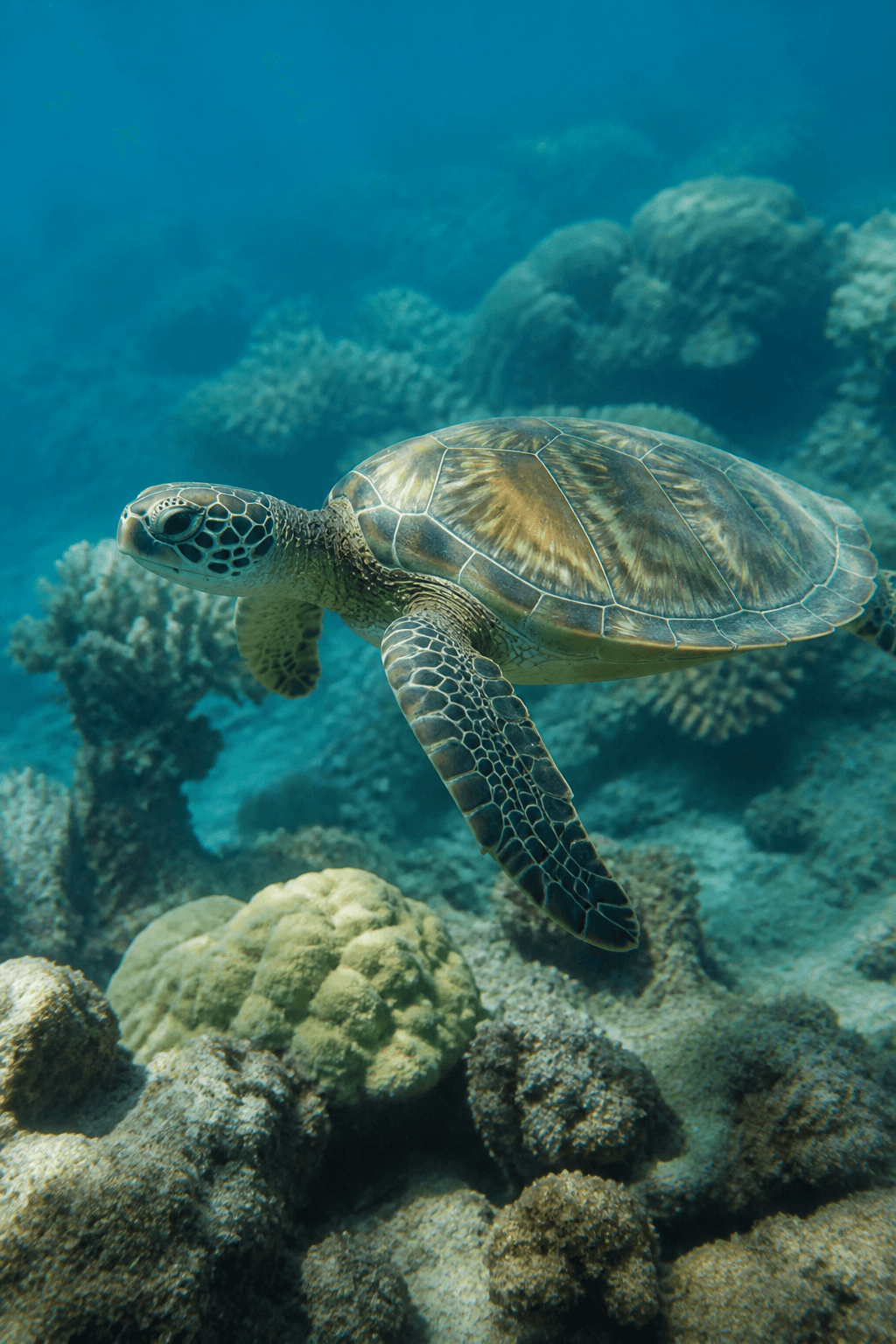
Sea Turtle
Ancient mariner of the tropics — a reptile that crosses oceans and returns to the same beach where it hatched decades earlier.
Endangered
Overview
The green sea turtle is one of the world's most ancient and beloved marine reptiles, navigating by magnetic fields across thousands of kilometres of open ocean. Adults graze seagrass meadows and algae, shaping underwater landscapes that support fish and invertebrates.
Females haul ashore at night on tropical beaches, digging nests with their flippers and laying over 100 eggs before returning to sea. Hatchlings scramble to the surf by moonlight — a perilous journey where only a fraction survive to adulthood.
Habitat
Warm coastal waters, seagrass beds, and coral reefs worldwide hold green sea turtles. Nesting beaches span Florida, Indonesia, Kenya, and the Caribbean — females return to the same coastline where they themselves hatched.
Interesting facts
- 01
Sea turtles return to the same beach where they hatched to lay their own eggs.
- 02
Green turtles can hold their breath for hours while sleeping underwater.
- 03
They navigate using Earth's magnetic field — an internal GPS.
Conservation status
Green sea turtles are Endangered, threatened by fishing nets, plastic pollution, coastal development, and egg poaching. Protected nesting beaches and turtle excluder devices on fishing nets have helped some populations recover.
Related discoveries
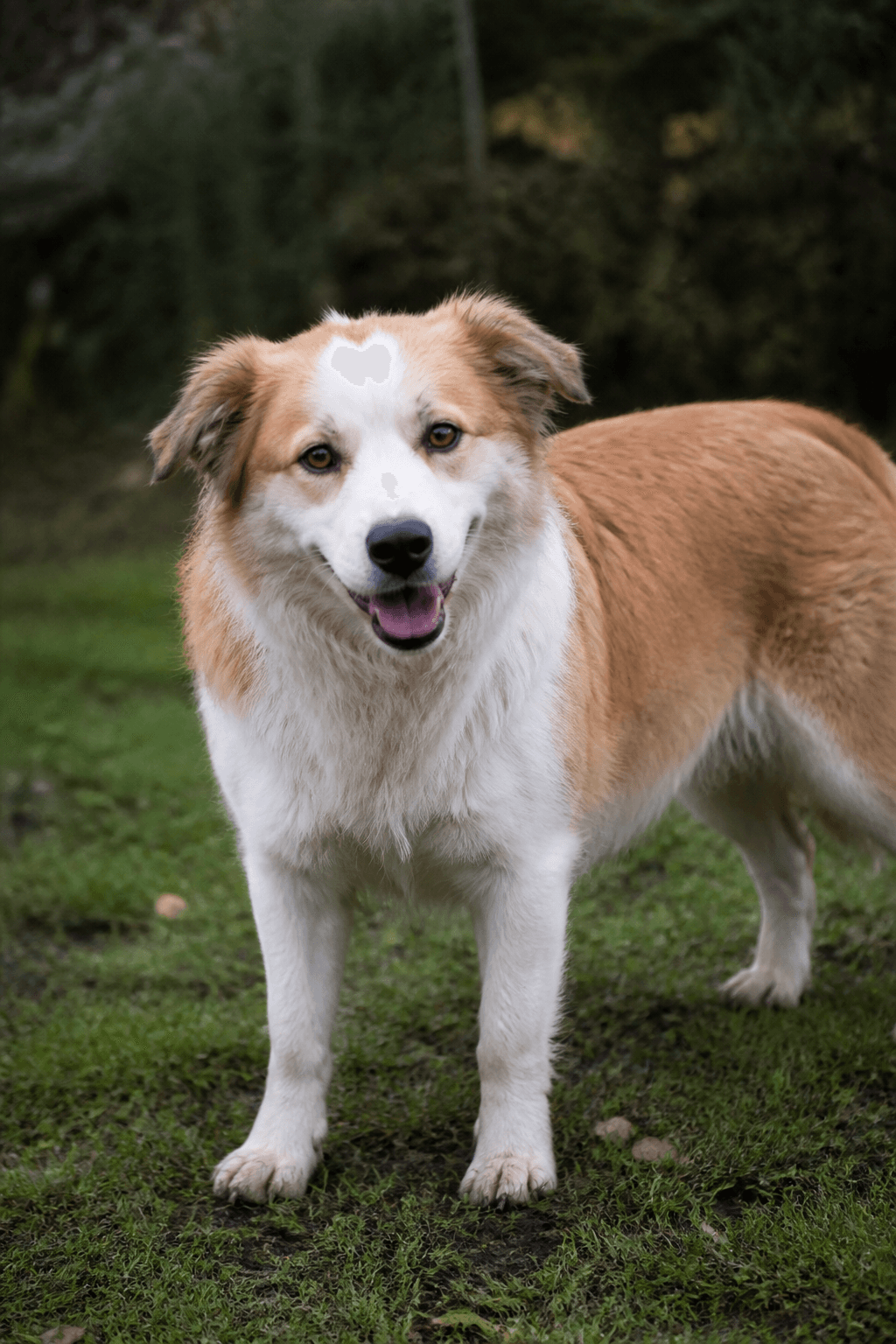
Domestic Dog
United Kingdom, United States
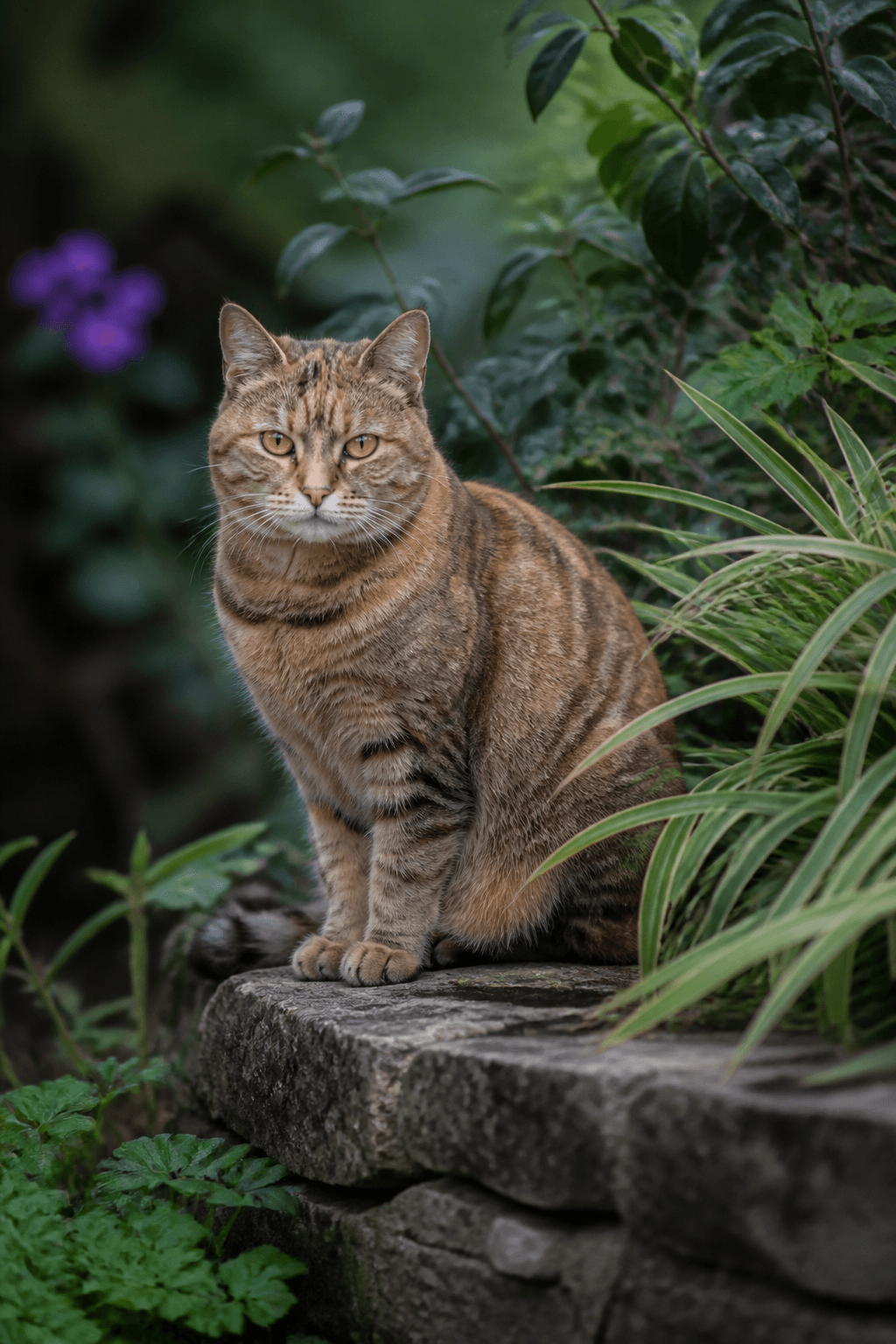
Domestic Cat
United Kingdom, United States
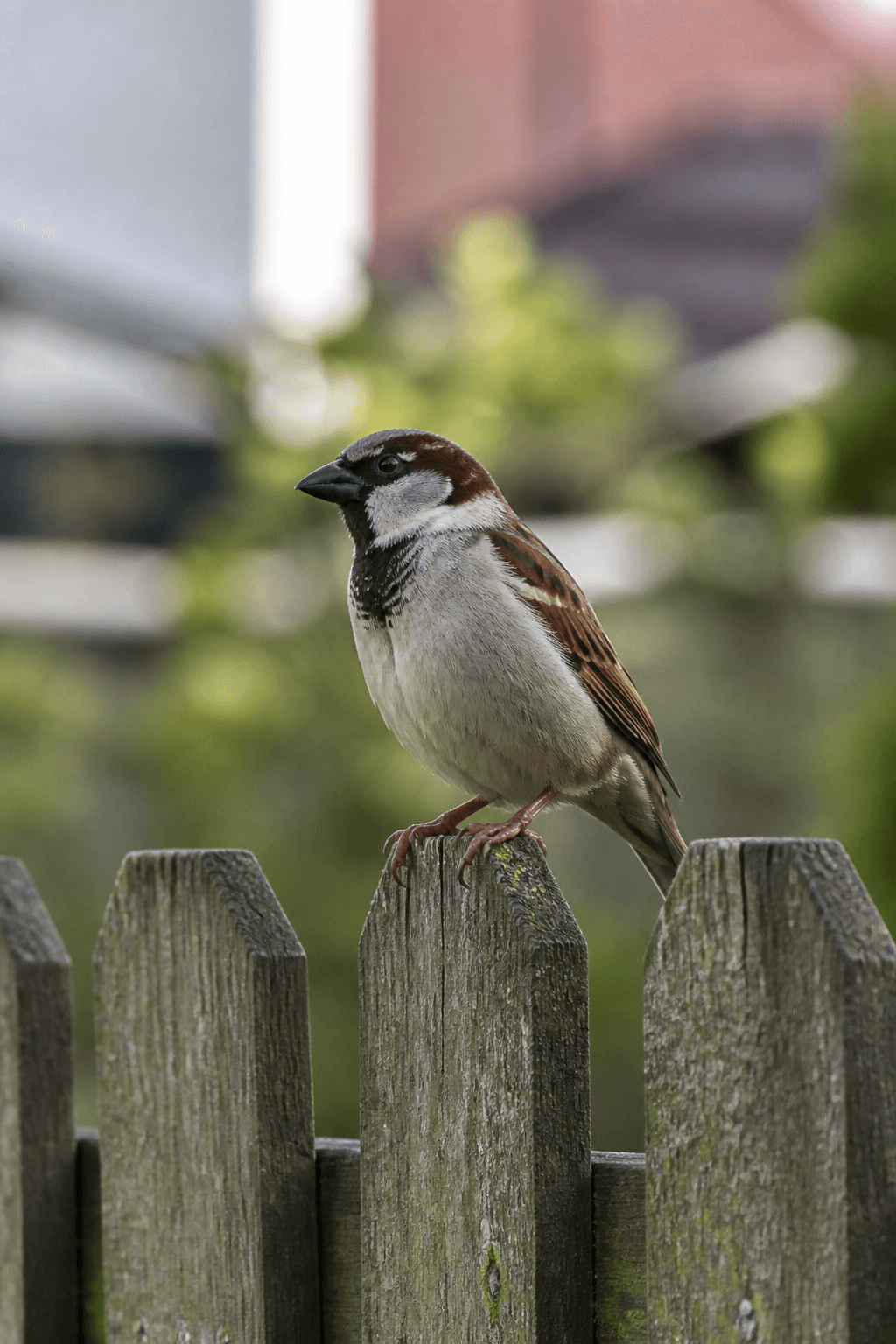
House Sparrow
United Kingdom, United States
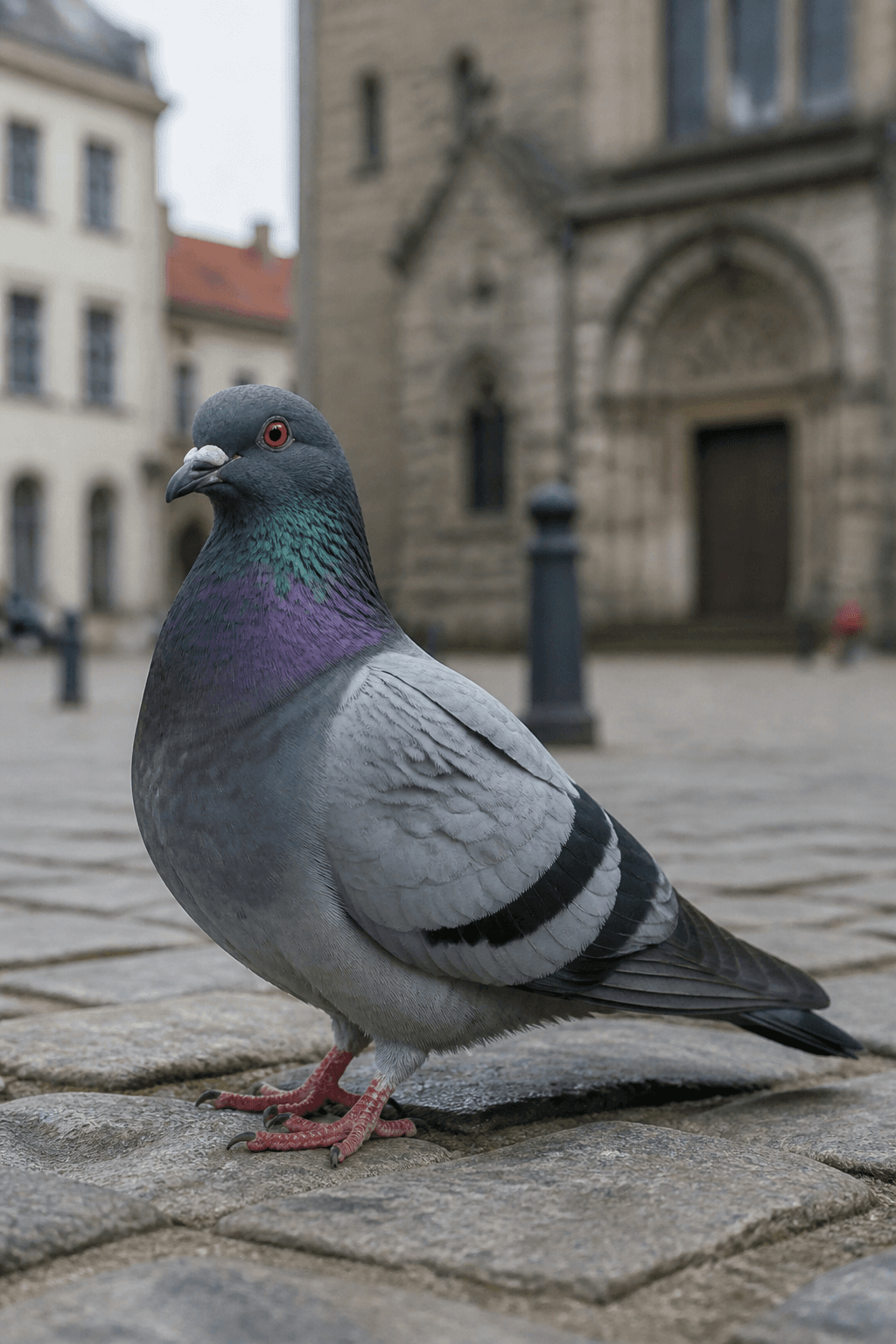
Rock Pigeon
United Kingdom, United States
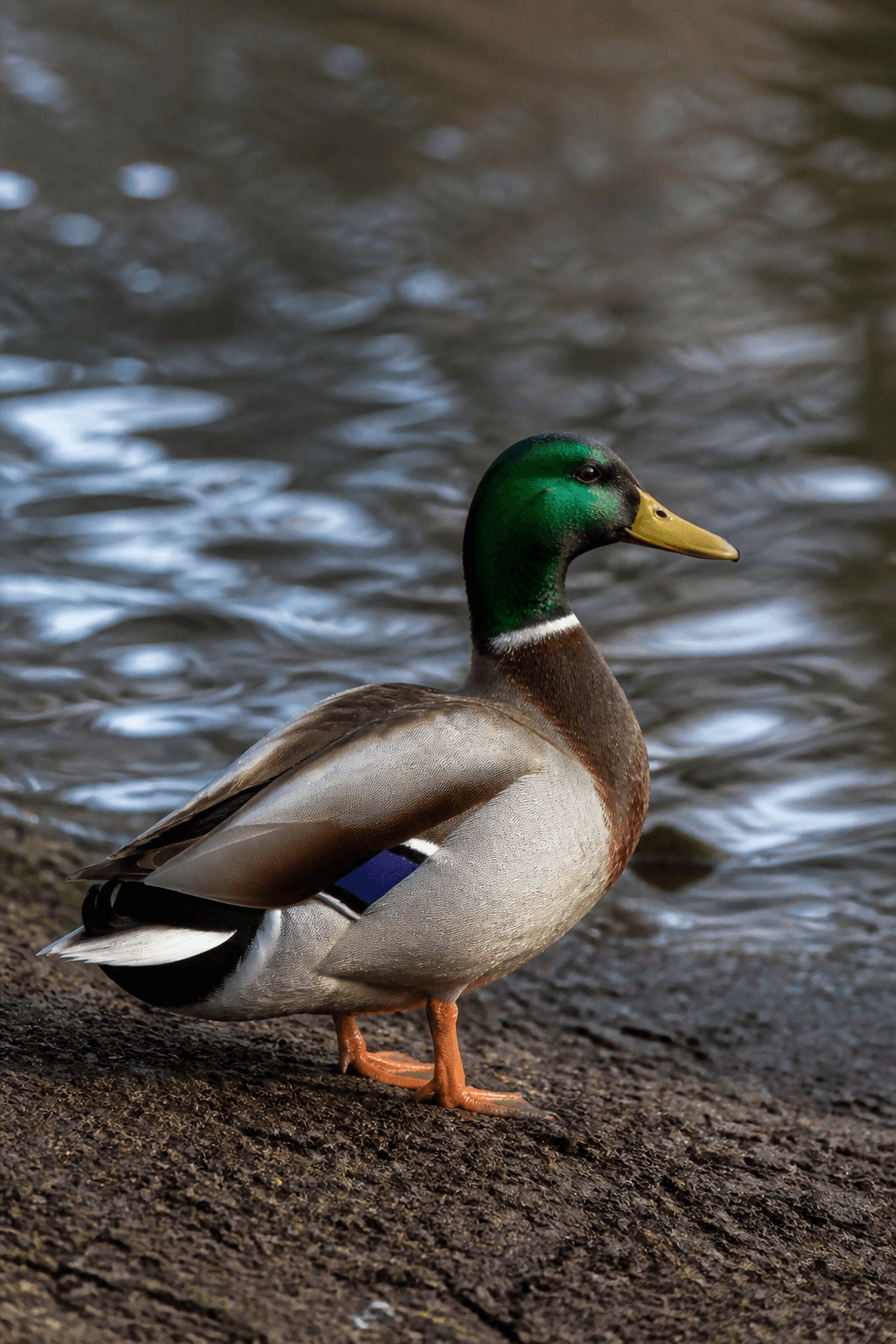
Mallard
United Kingdom, United States
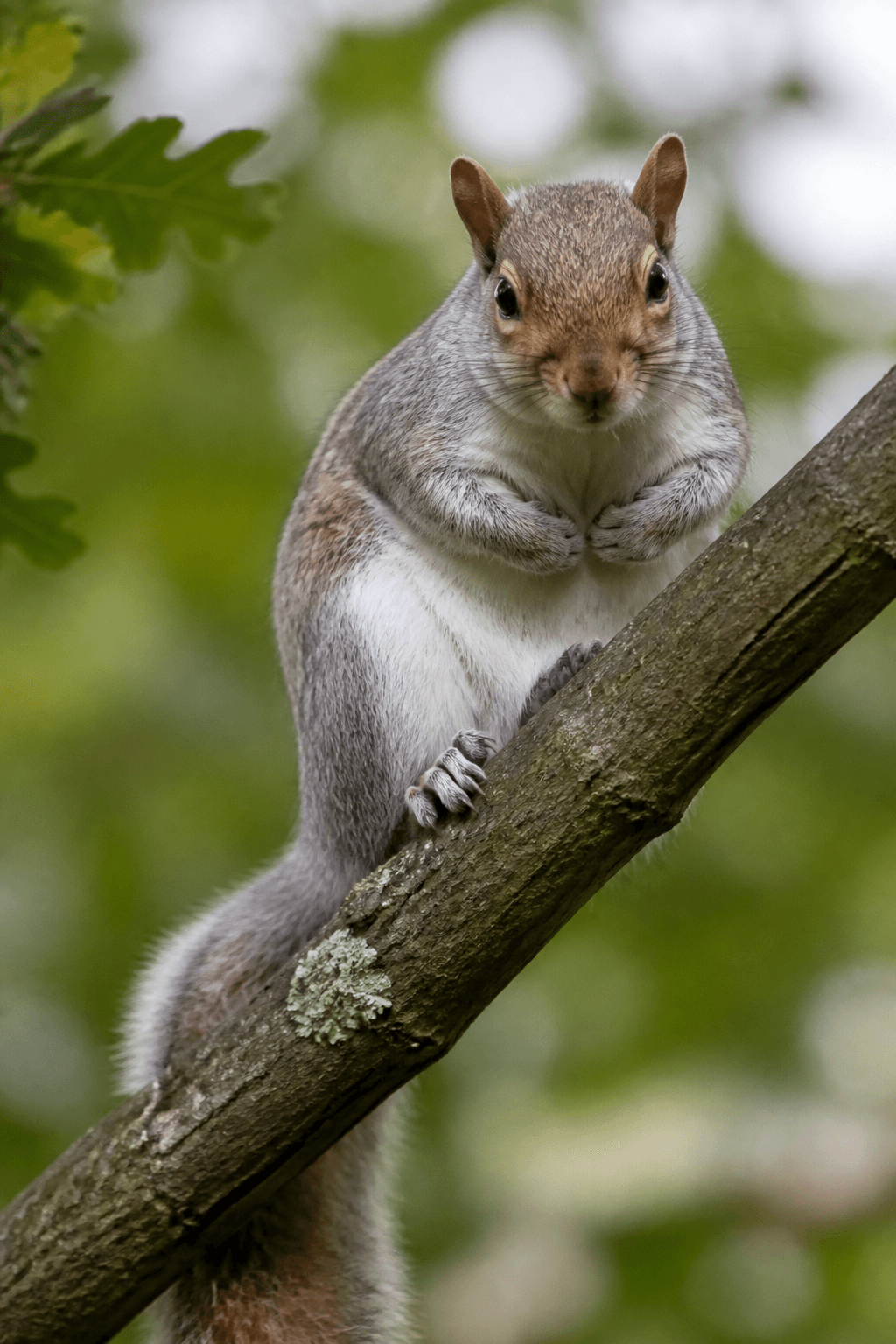
Grey Squirrel
United Kingdom, United States
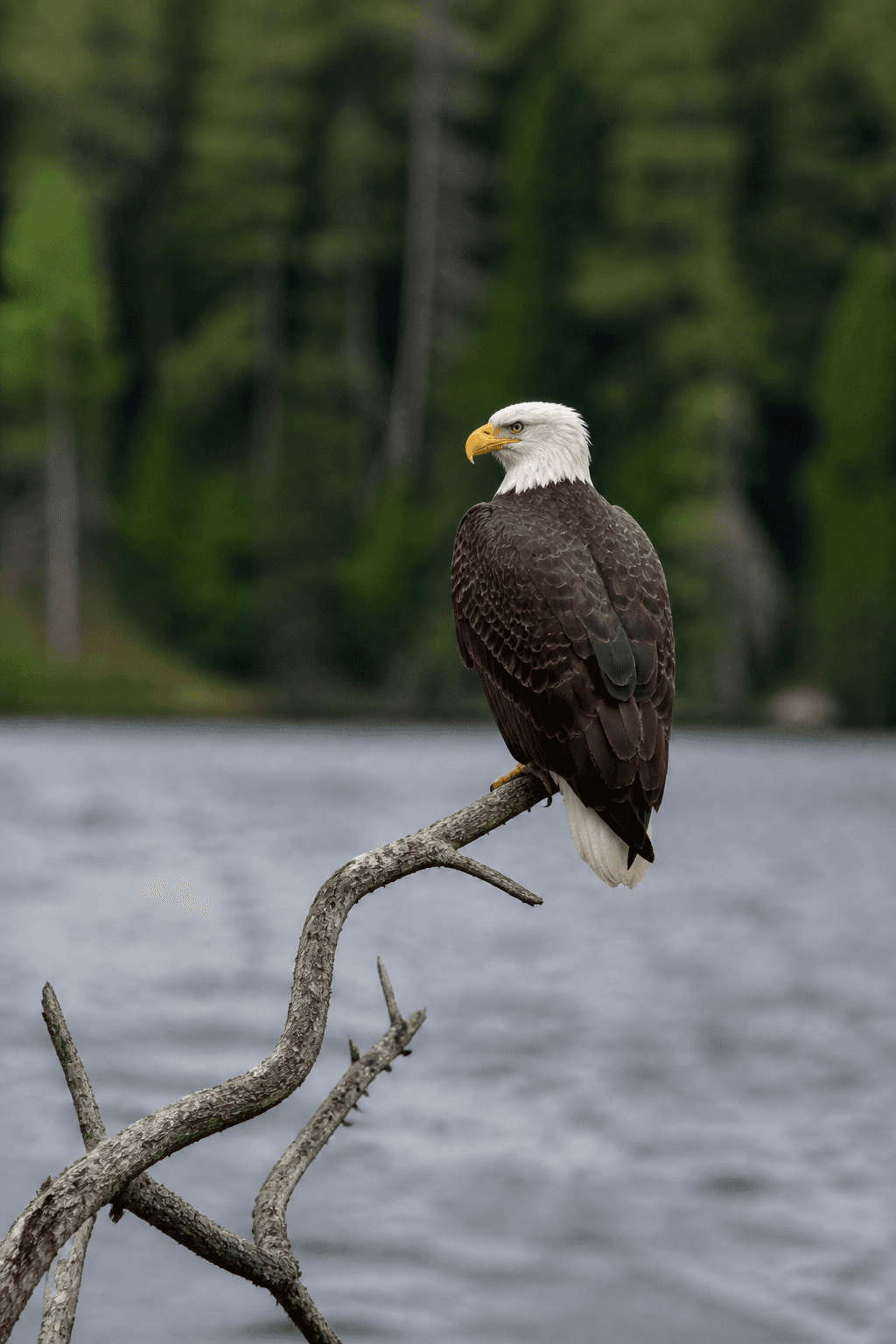
Bald Eagle
United States
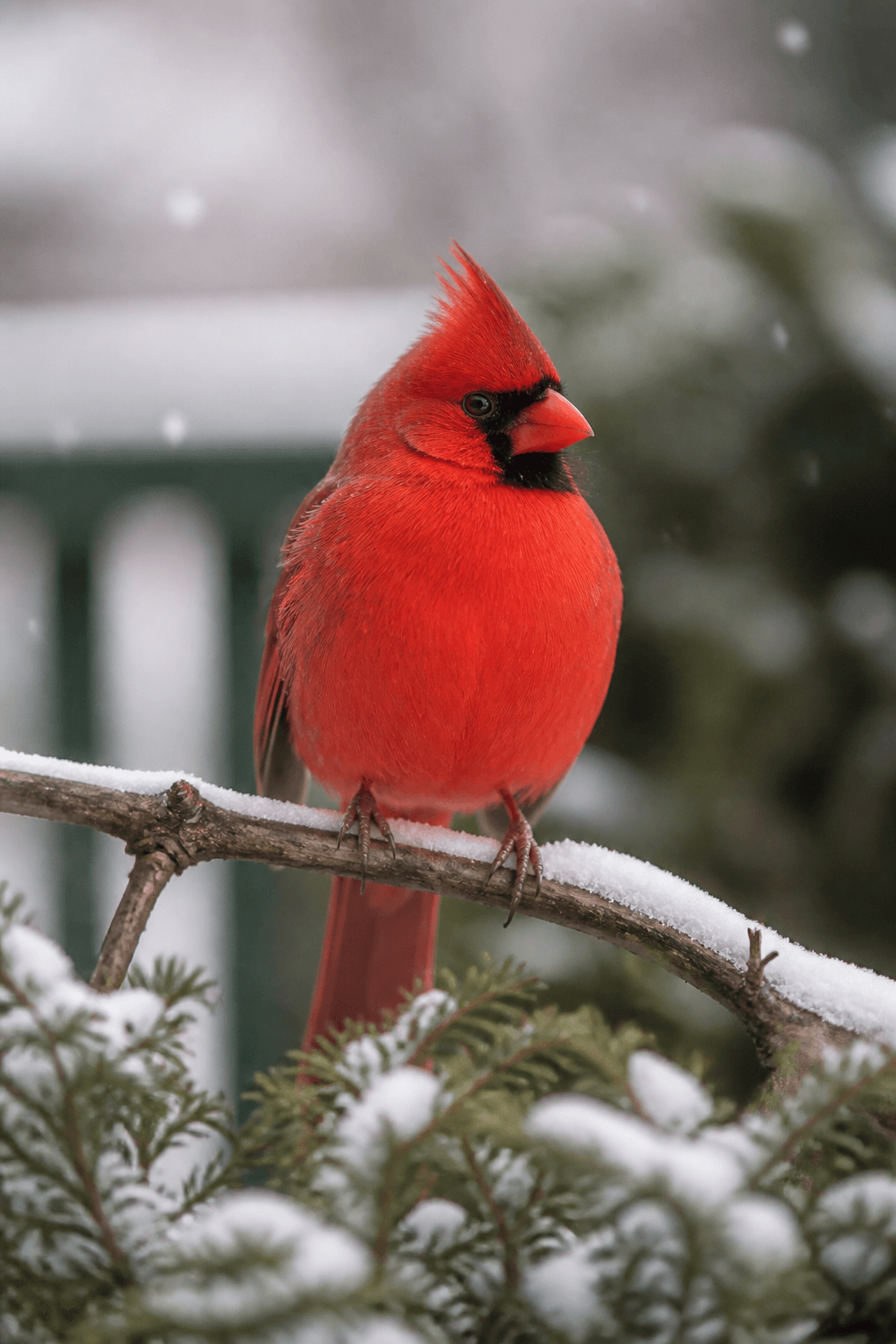
Northern Cardinal
United States
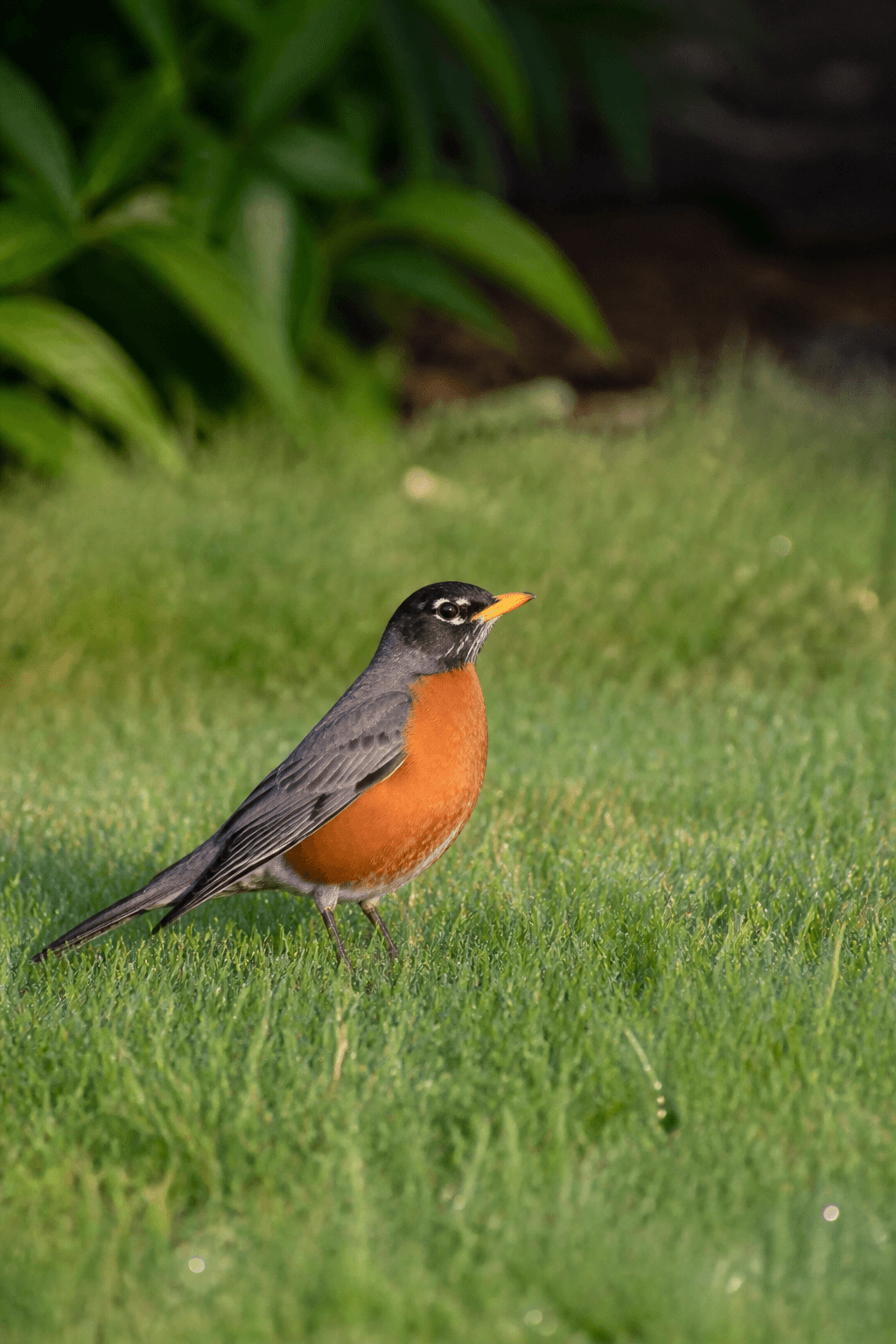
American Robin
United States
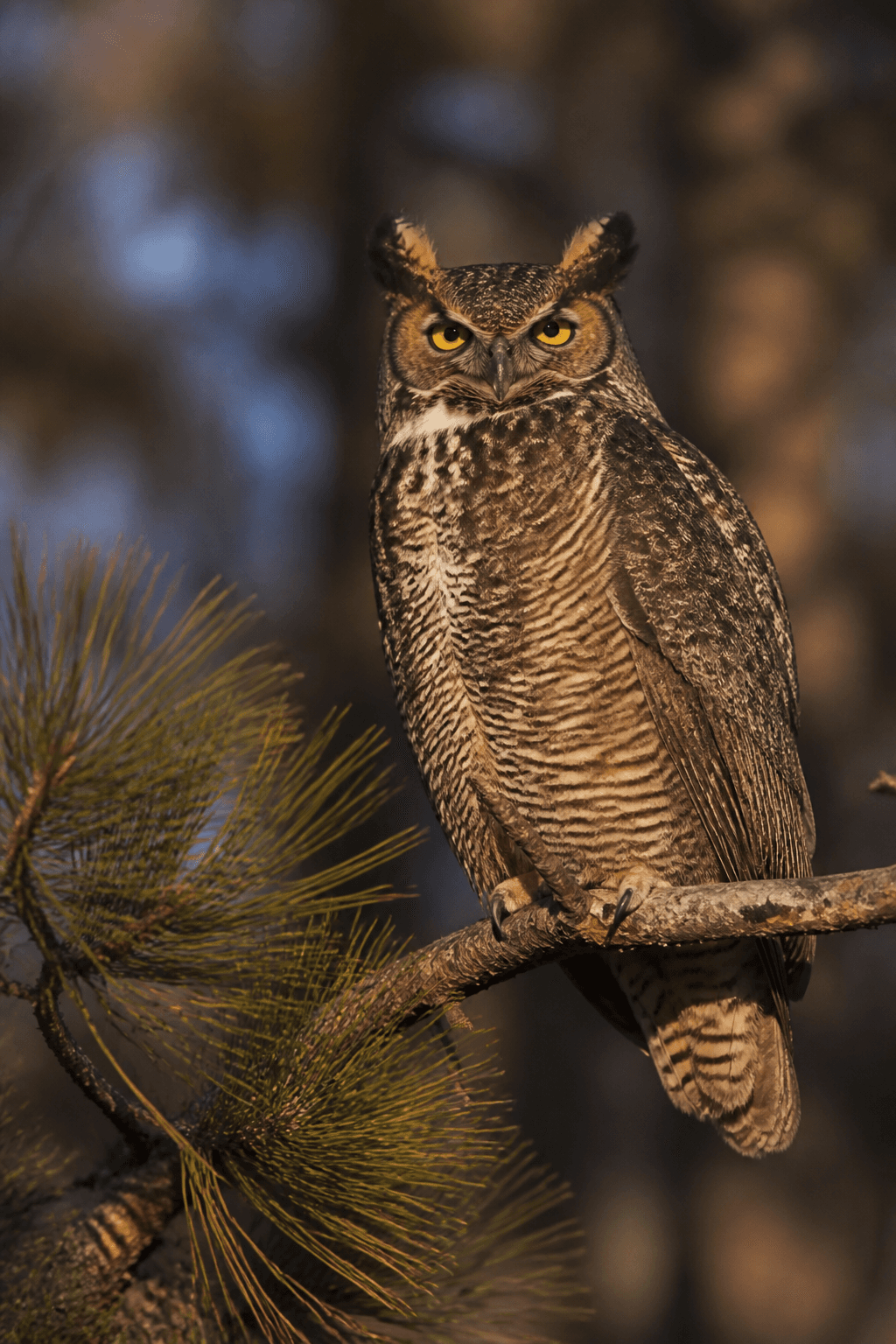
Great Horned Owl
United States
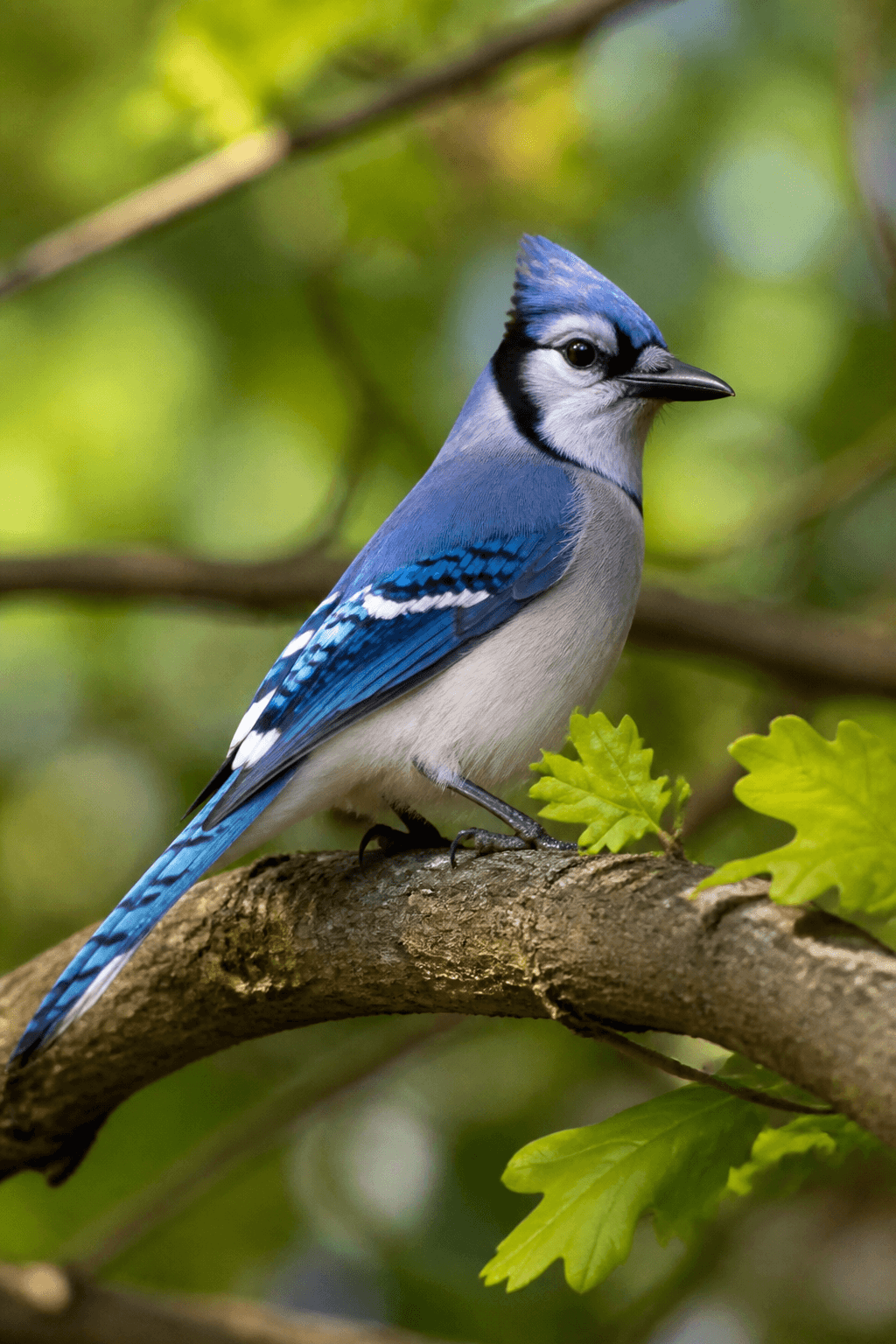
Blue Jay
United States
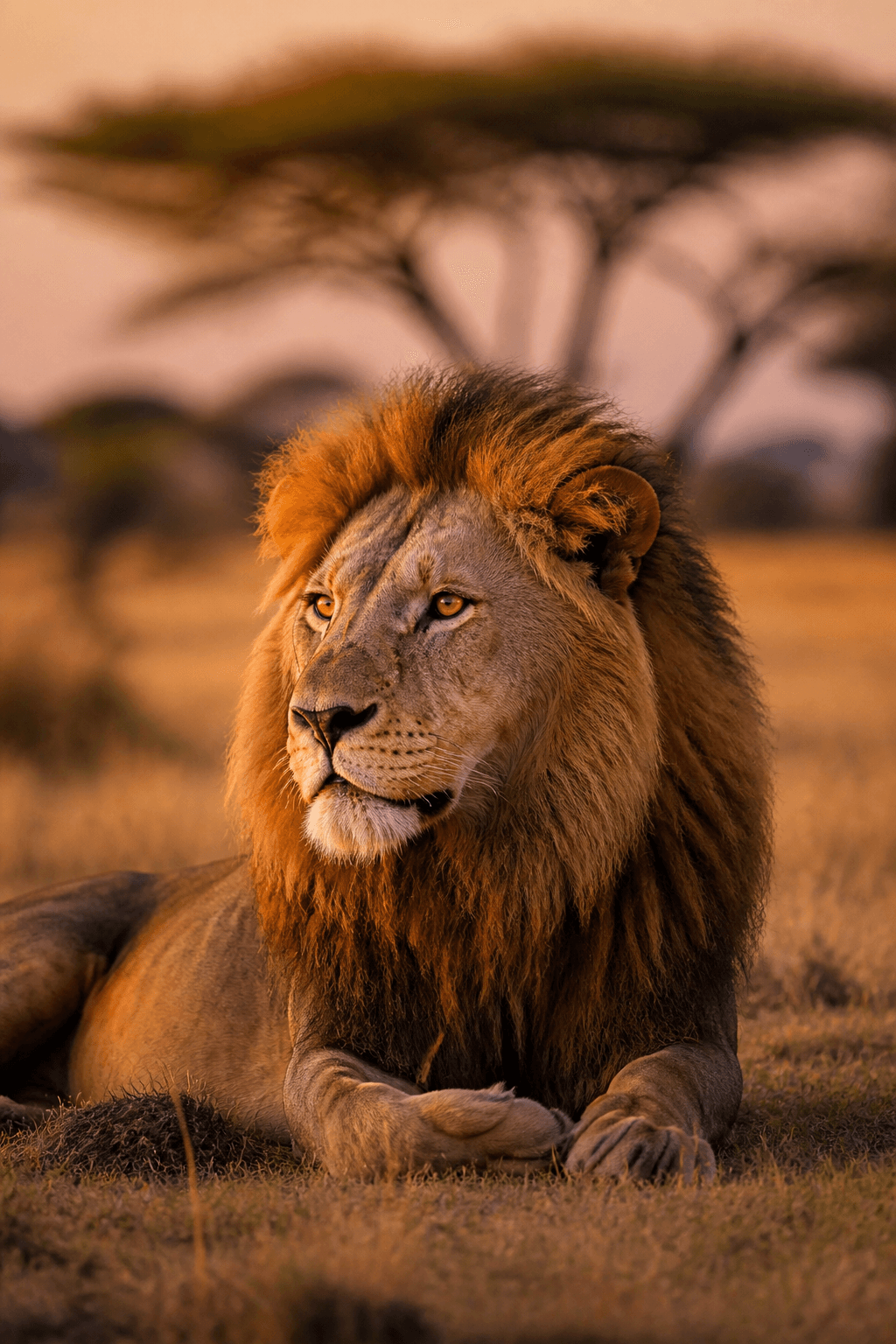
Lion
Kenya
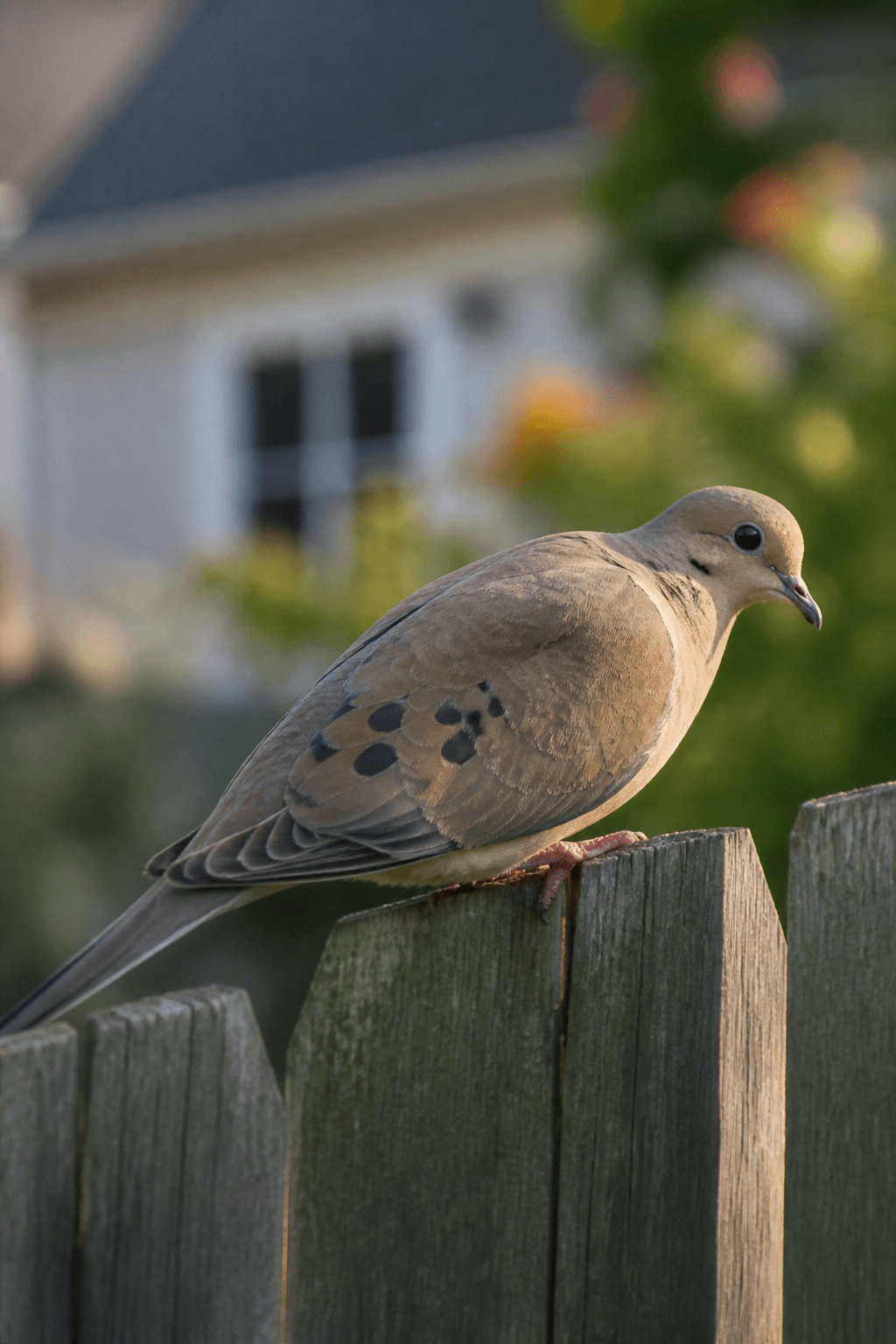
Mourning Dove
United States
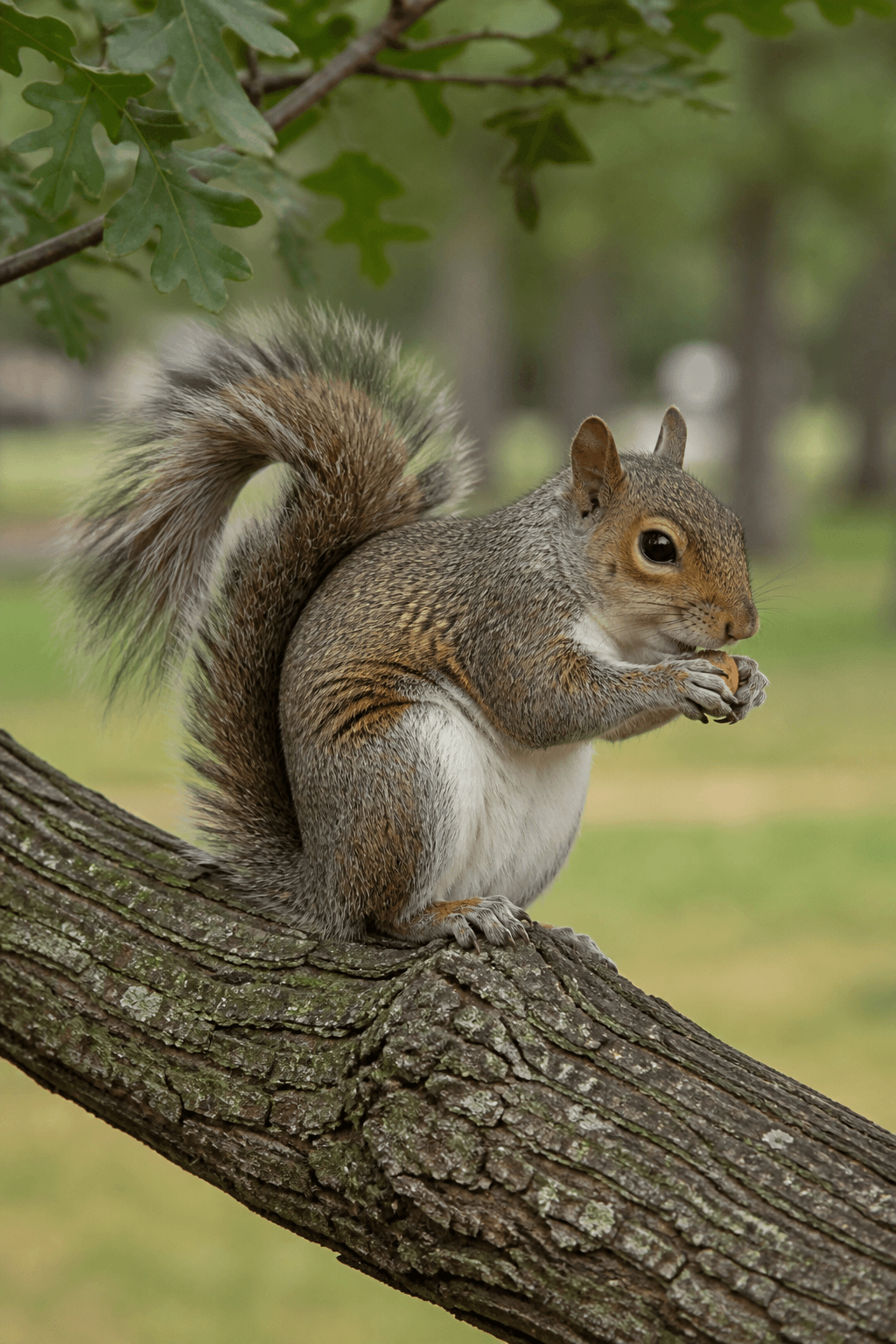
Eastern Gray Squirrel
United States
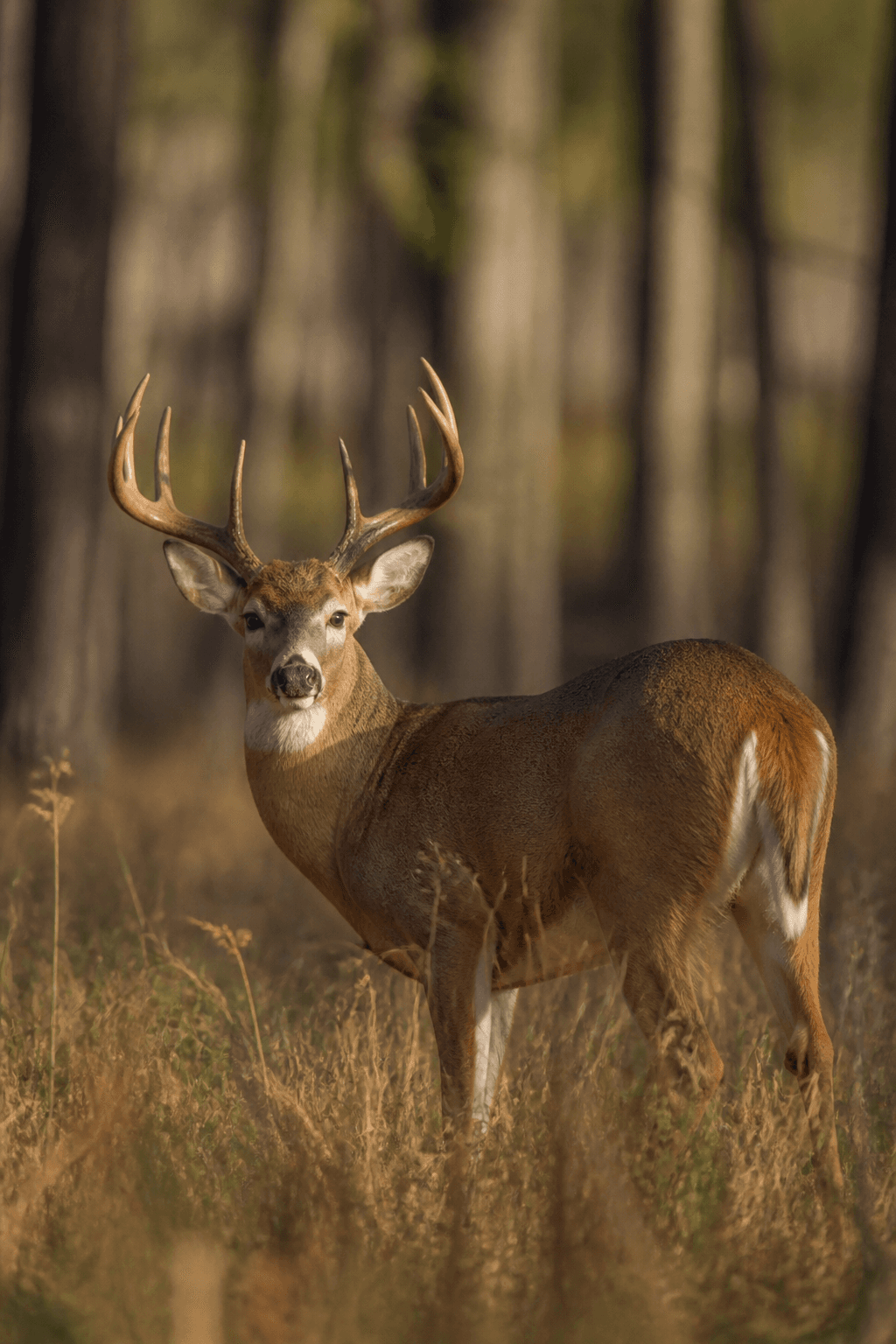
White-tailed Deer
United States
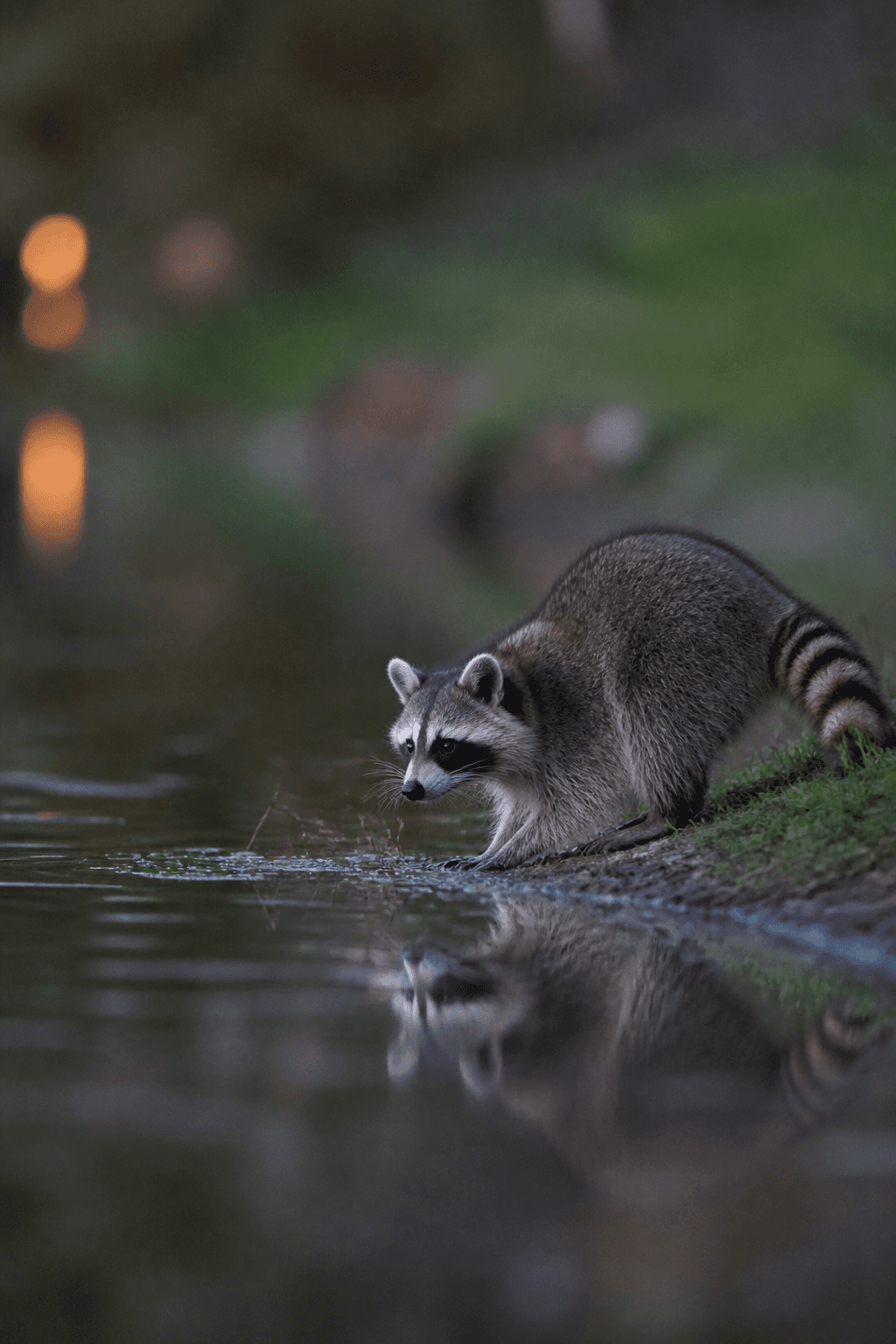
Raccoon
United States
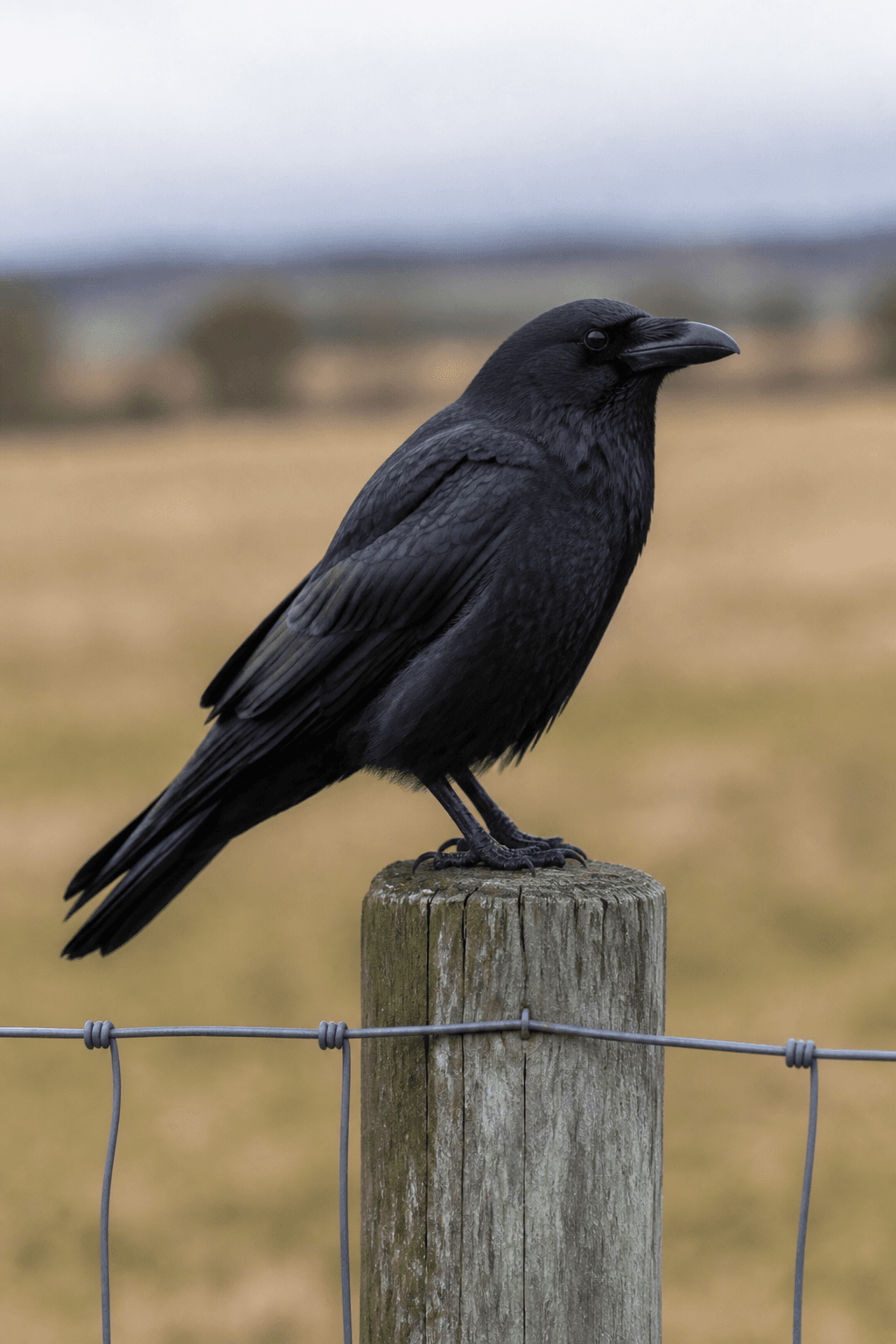
American Crow
United States
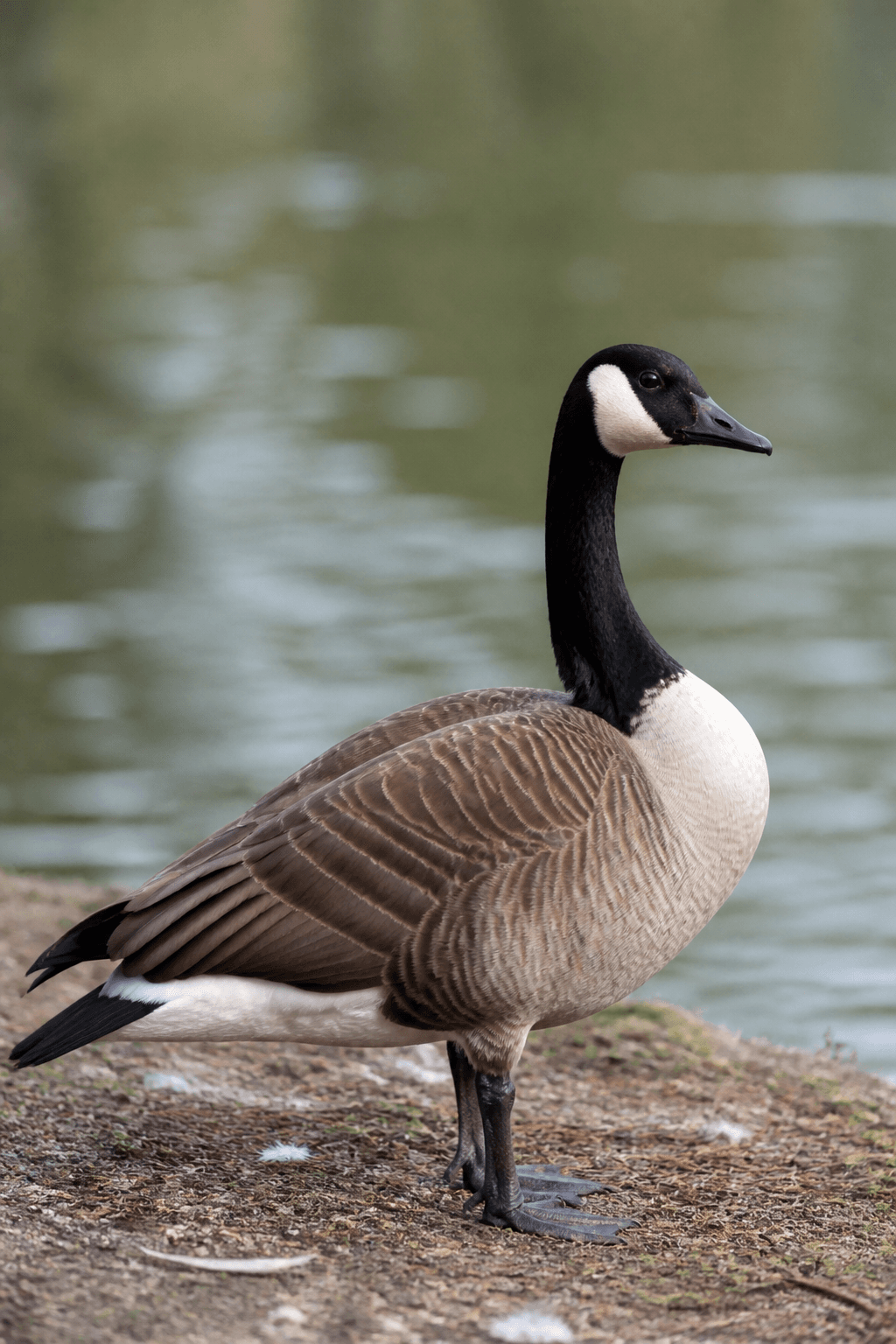
Canada Goose
United States
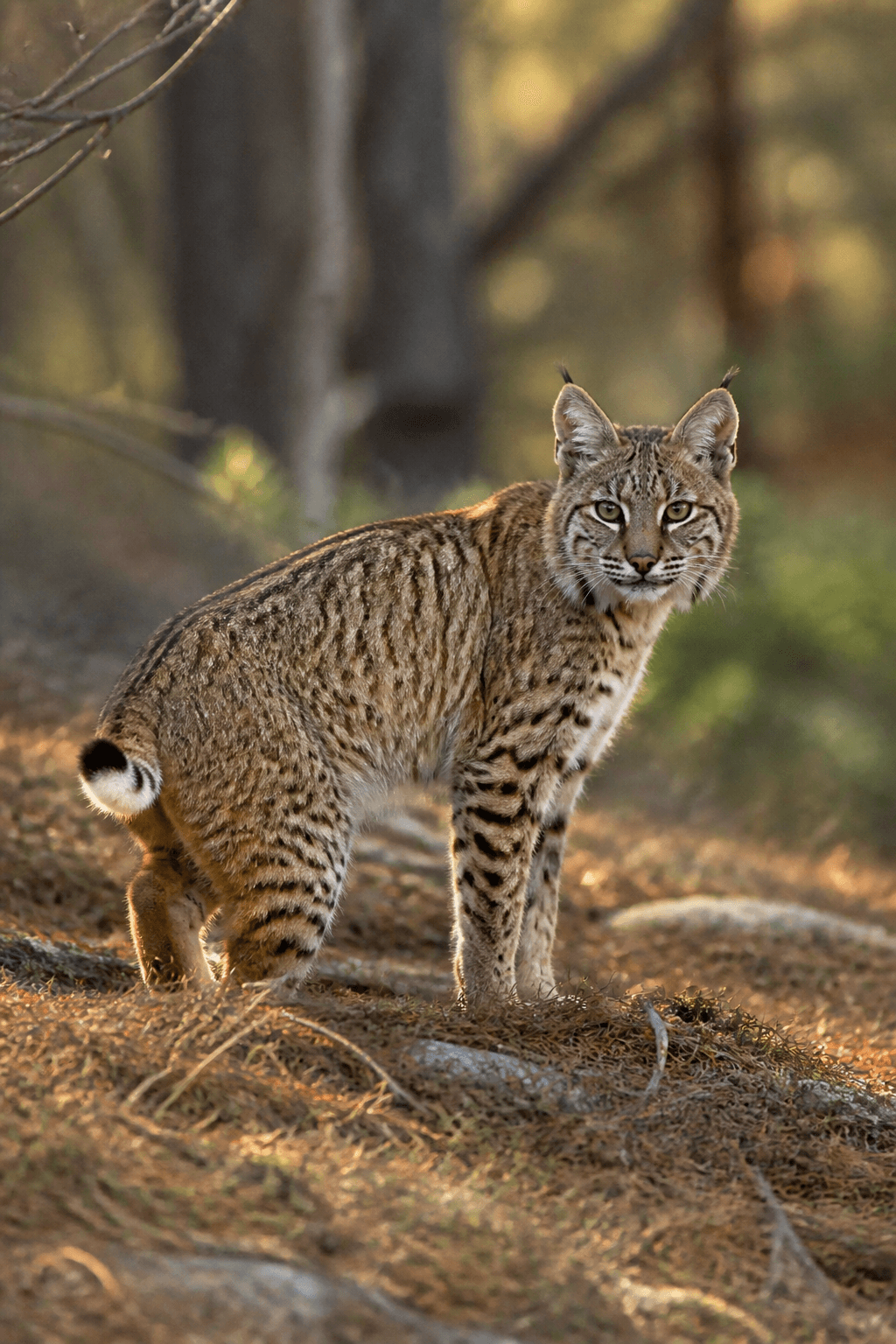
Bobcat
United States
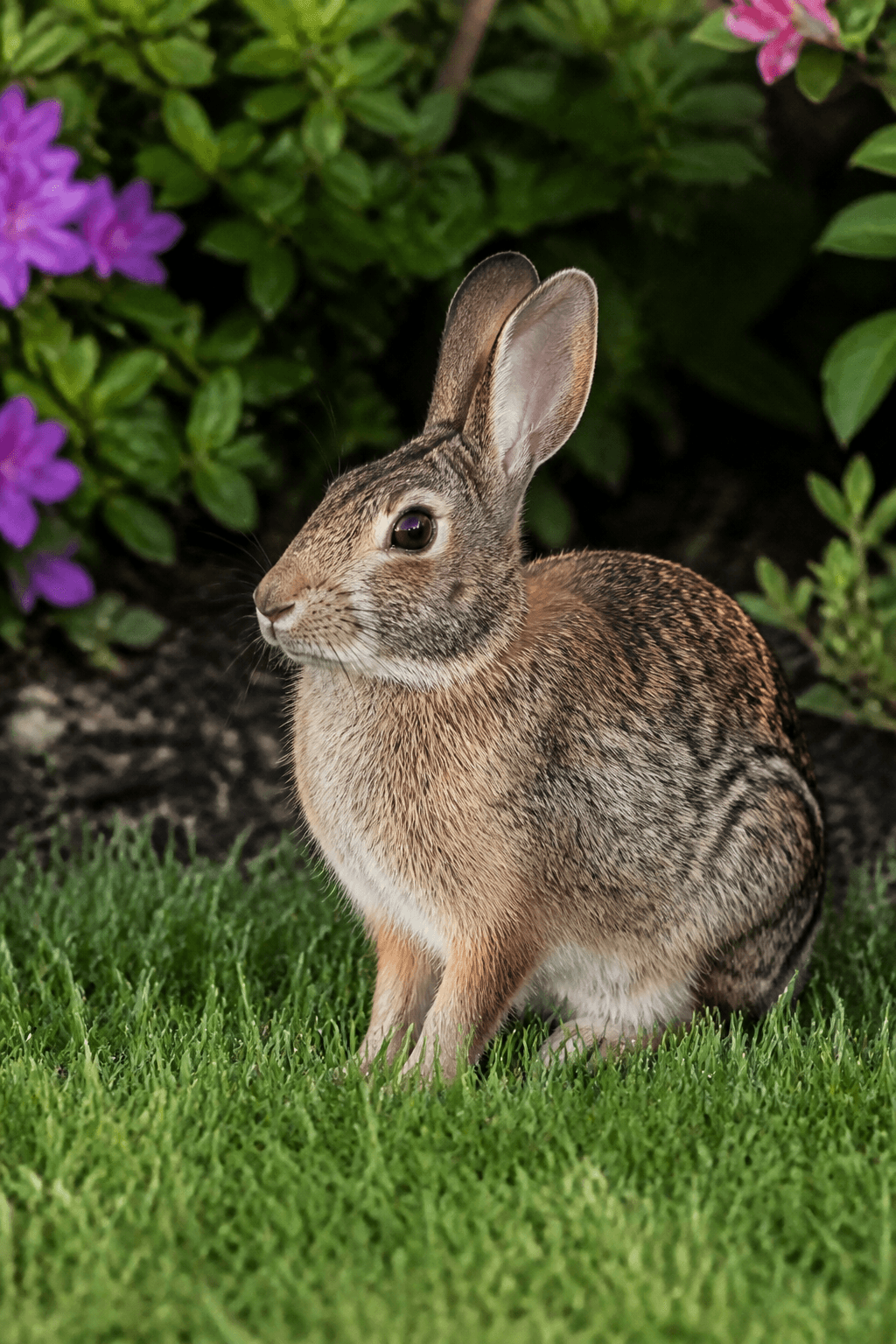
Eastern Cottontail
United States
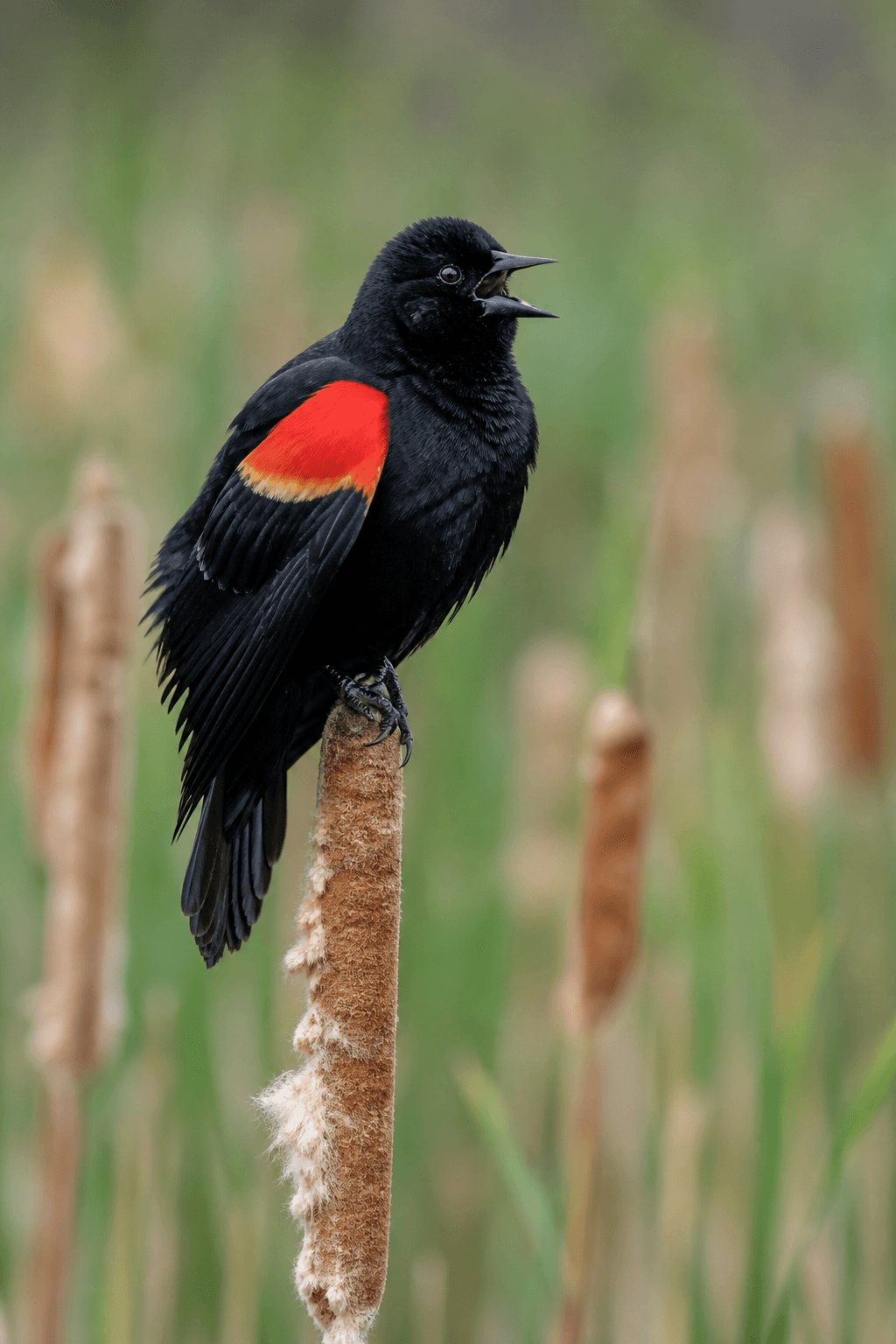
Red-winged Blackbird
United States
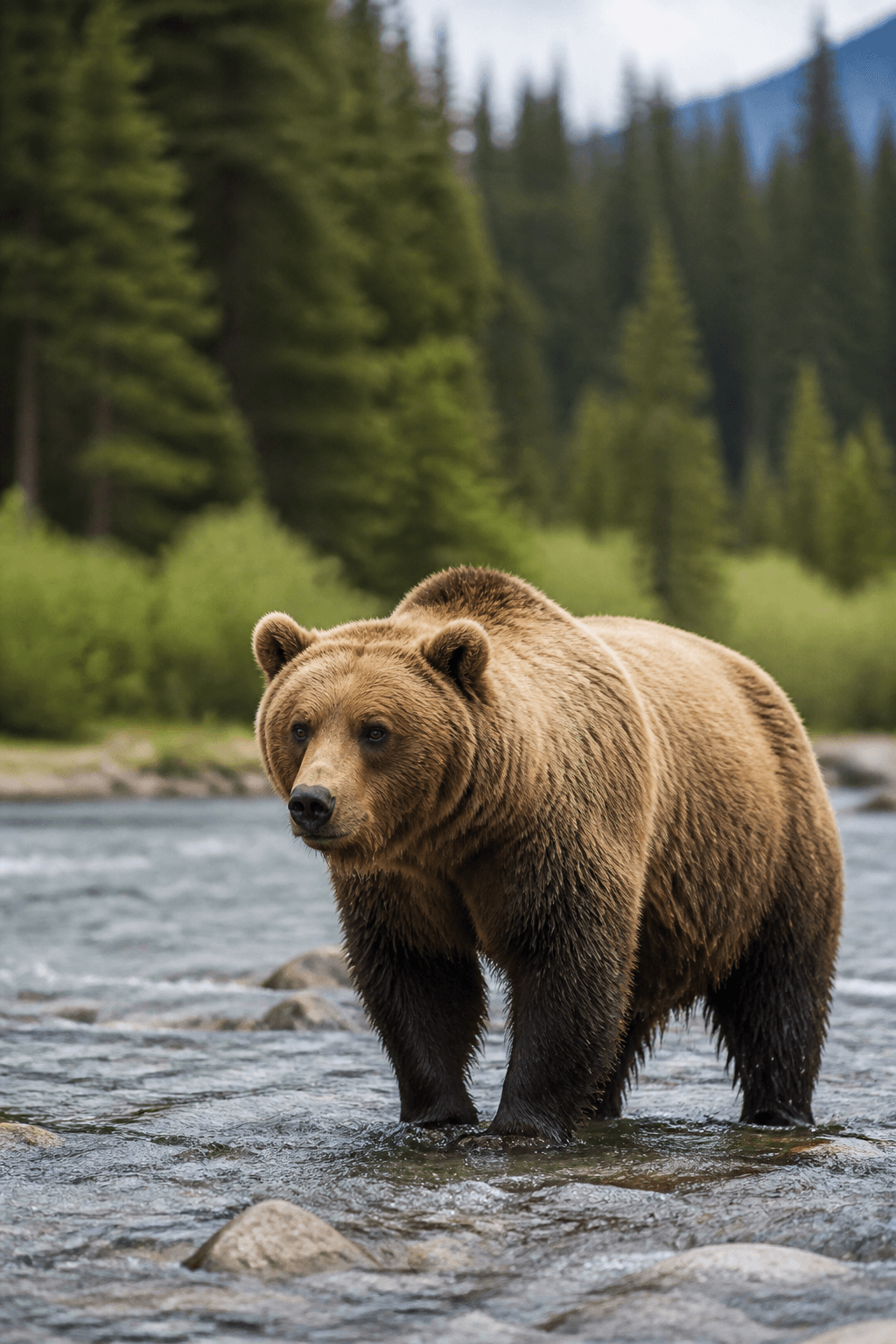
Grizzly Bear
United States
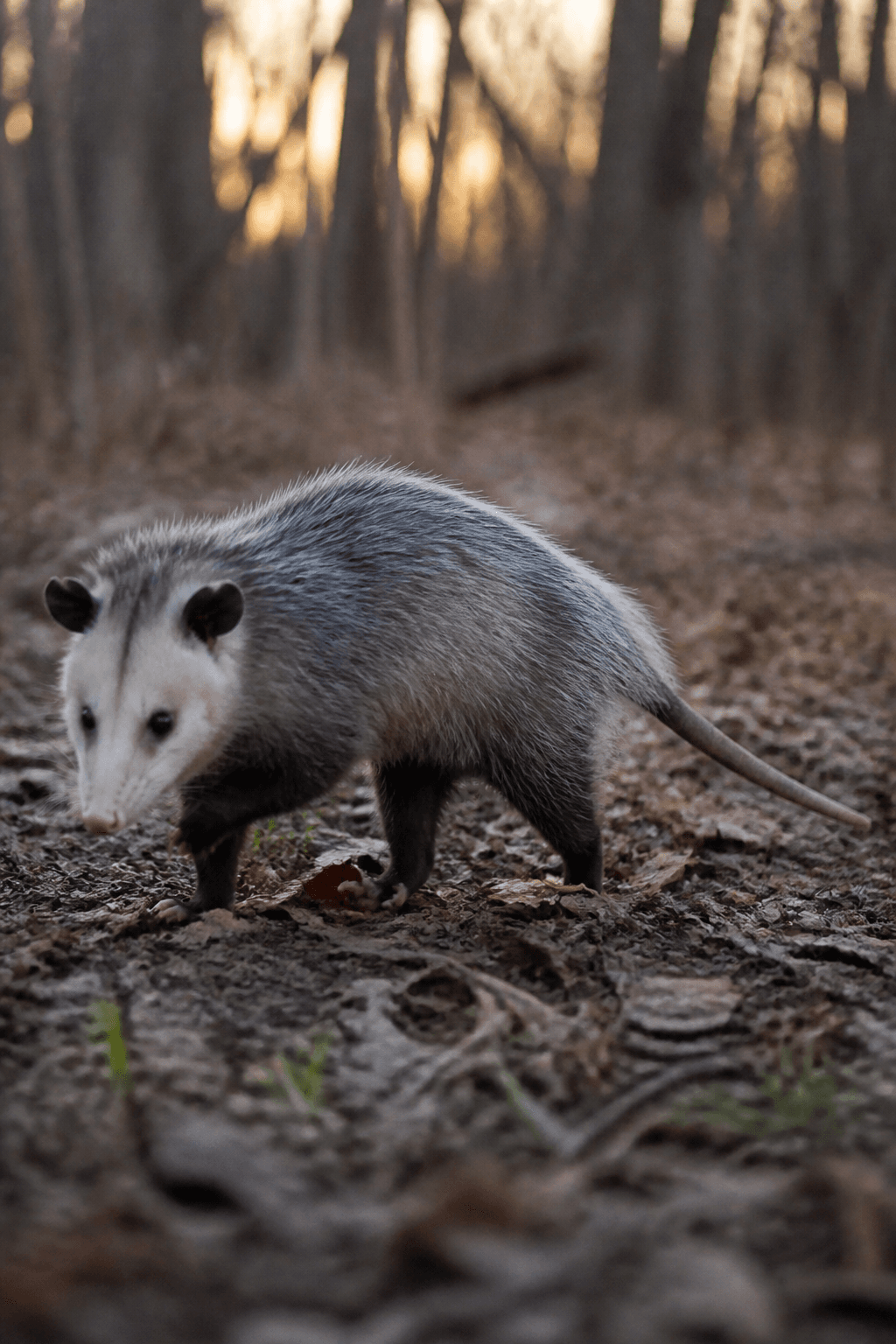
Opossum
United States
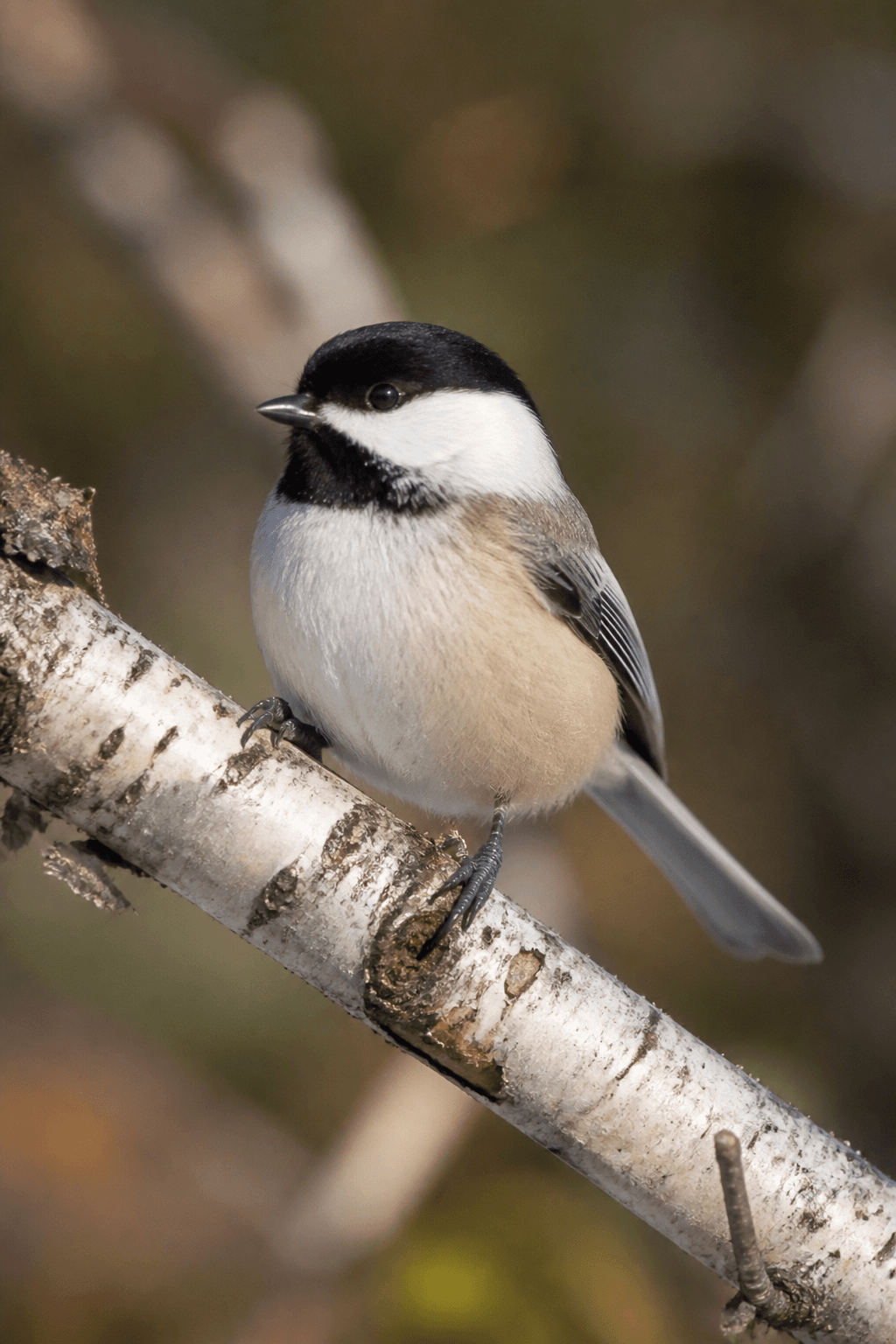
Black-capped Chickadee
United States
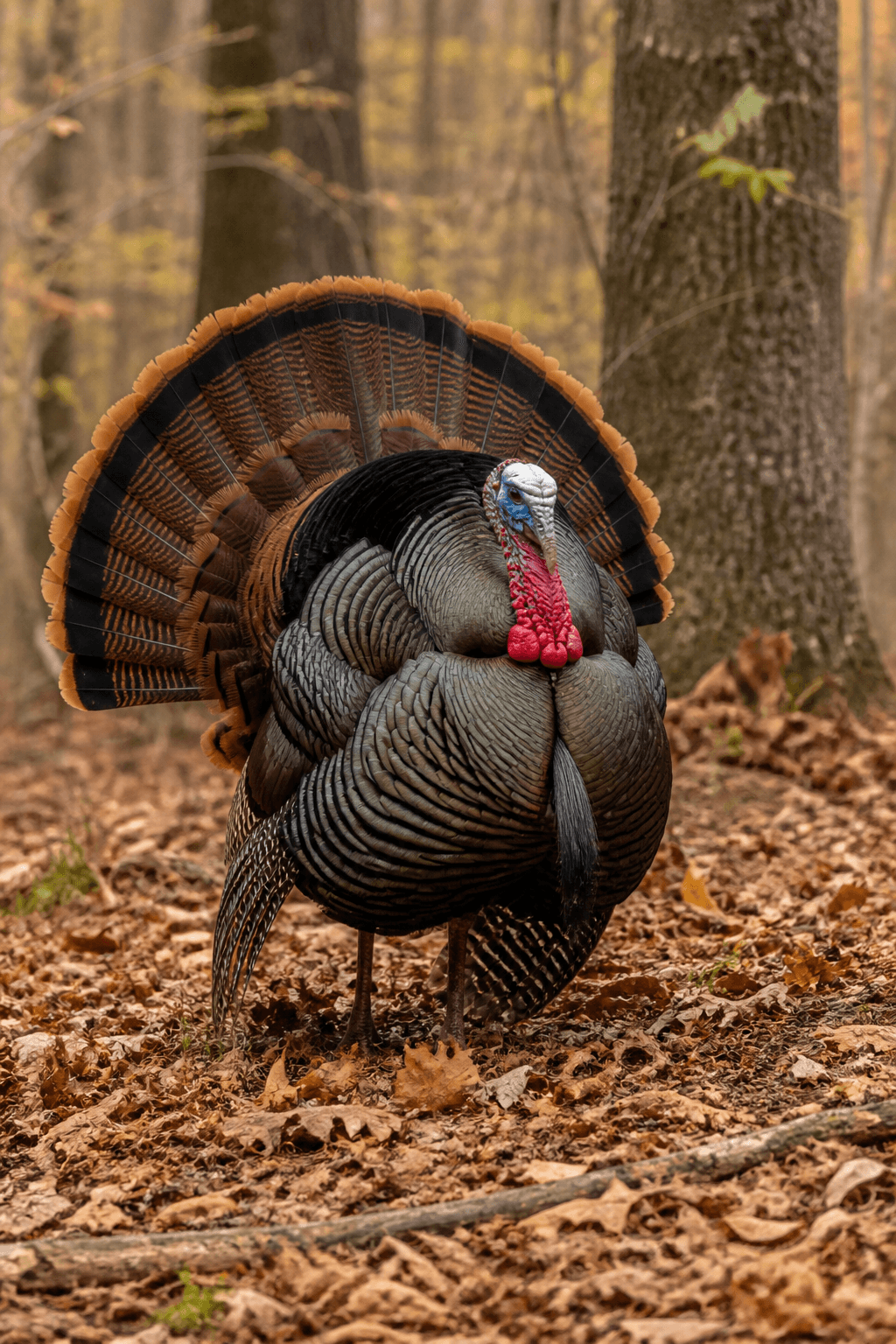
Wild Turkey
United States
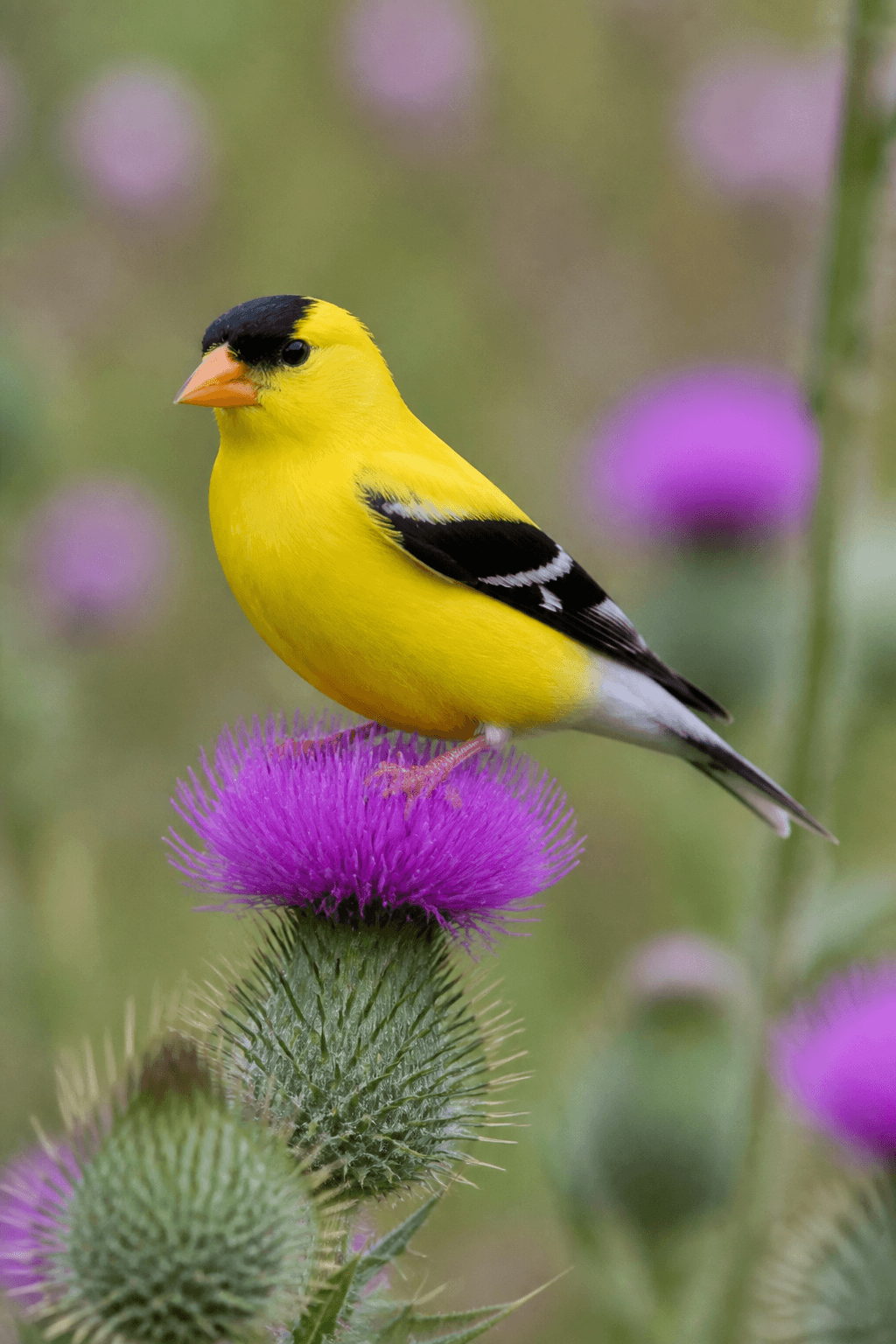
American Goldfinch
United States
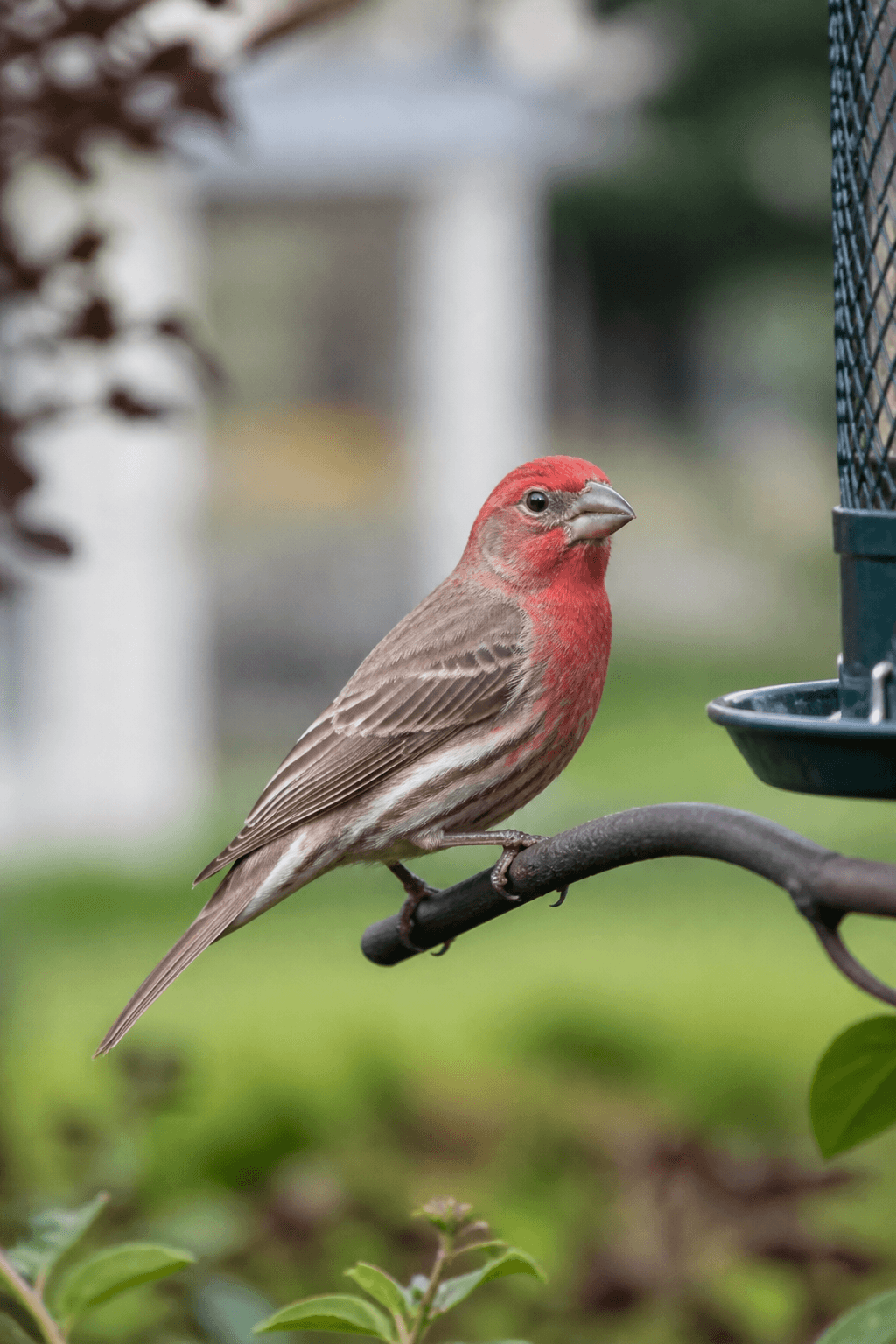
House Finch
United States
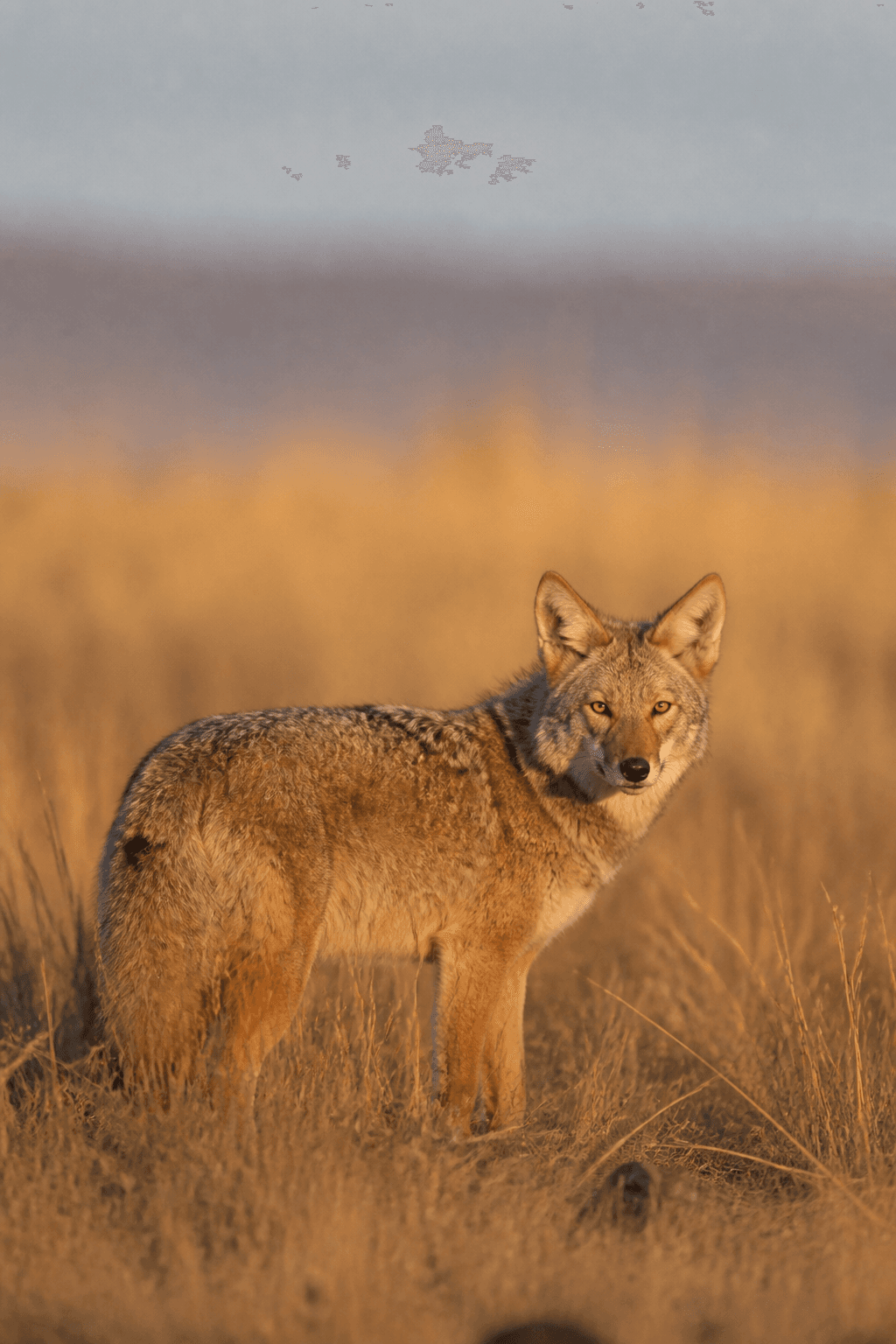
Coyote
United States
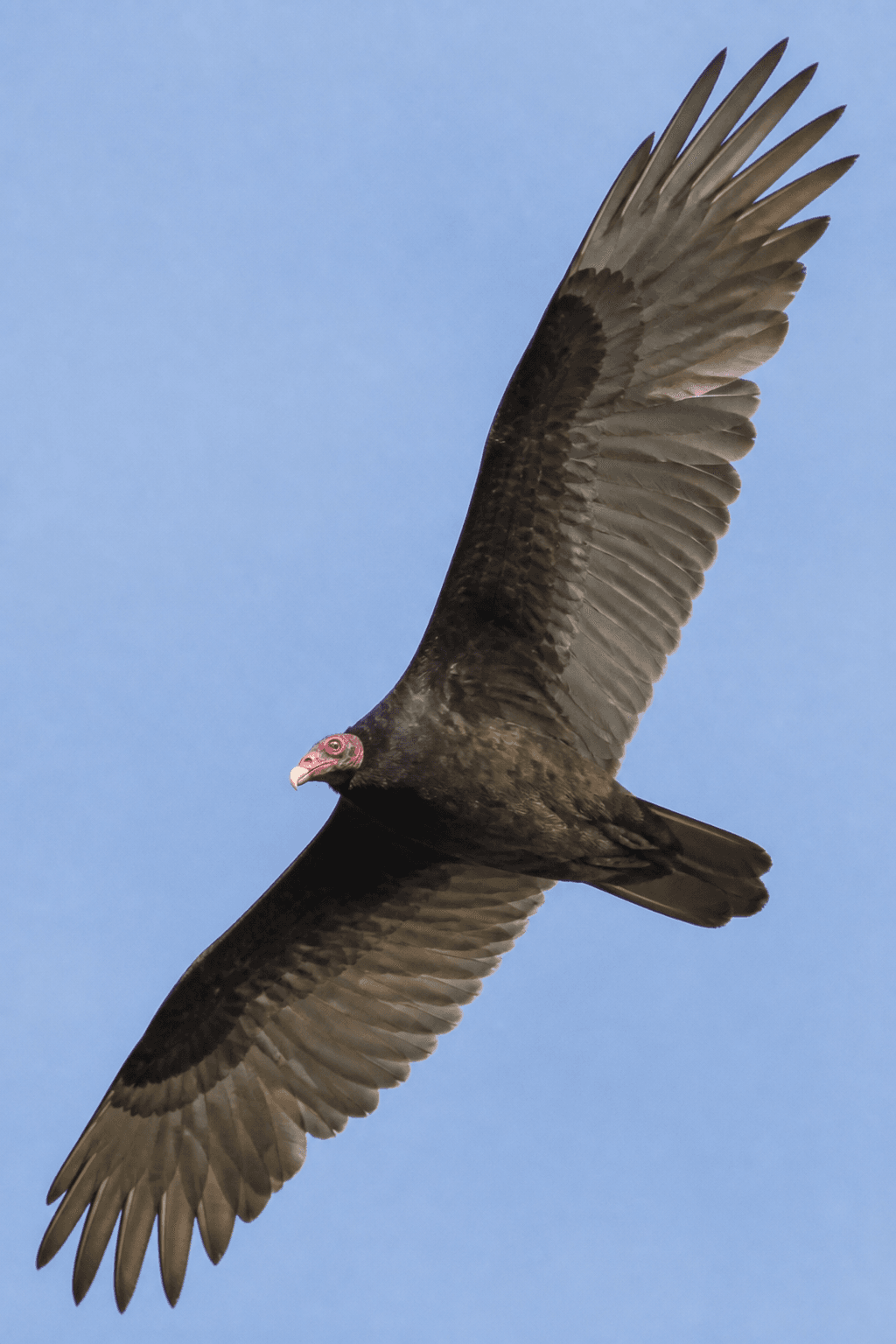
Turkey Vulture
United States
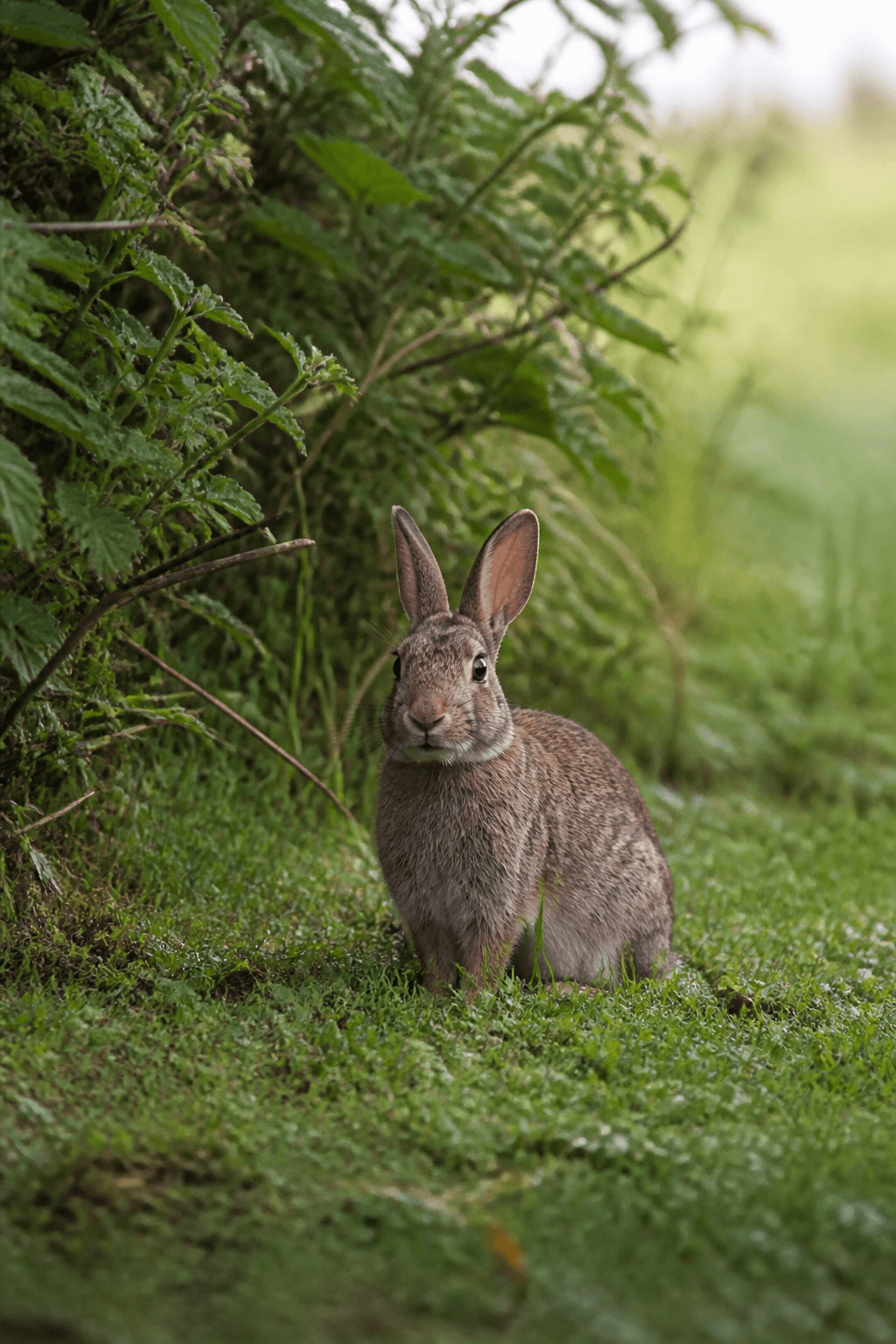
European Rabbit
United Kingdom, United States
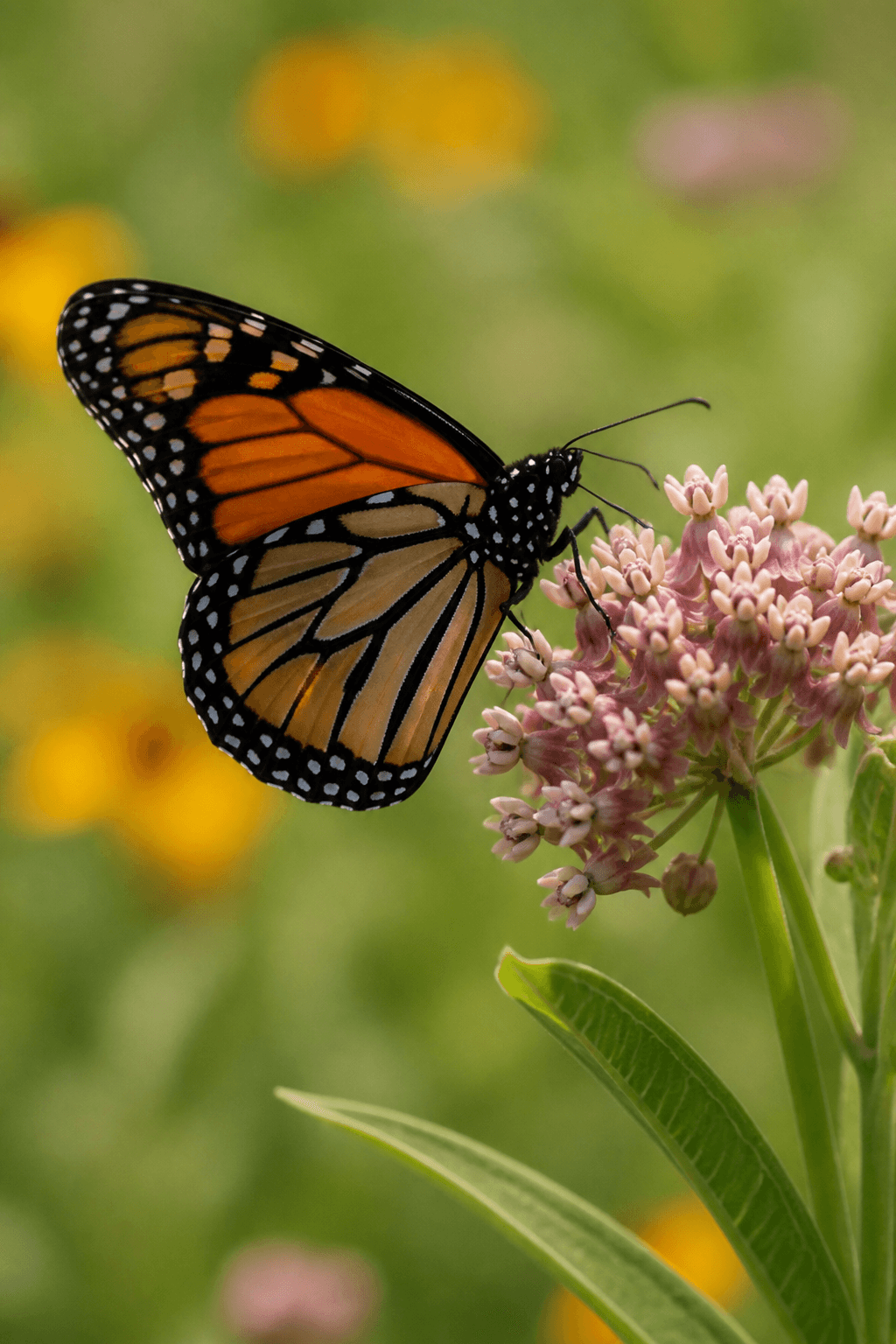
Monarch Butterfly
United States, United Kingdom
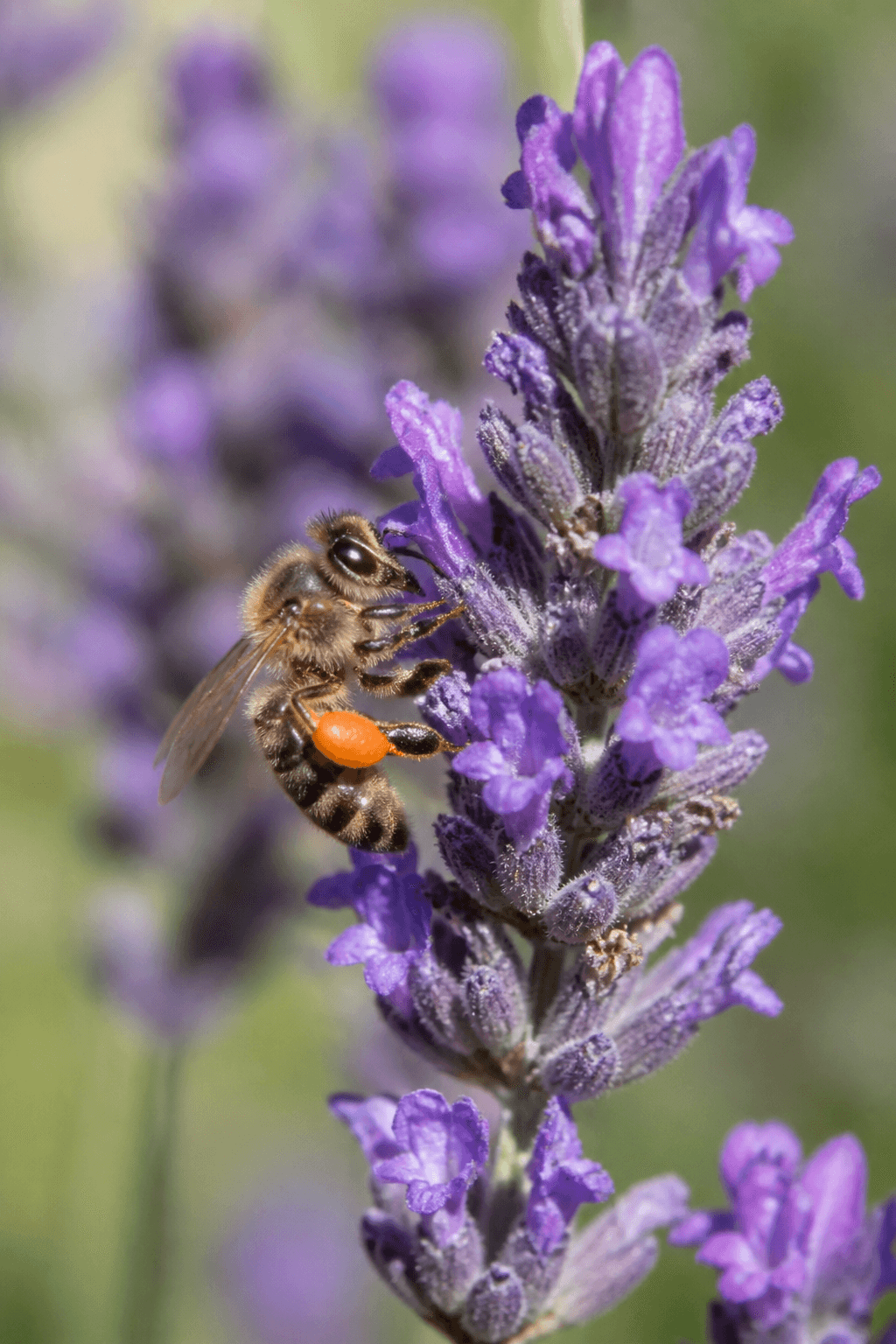
Honey Bee
United Kingdom, United States
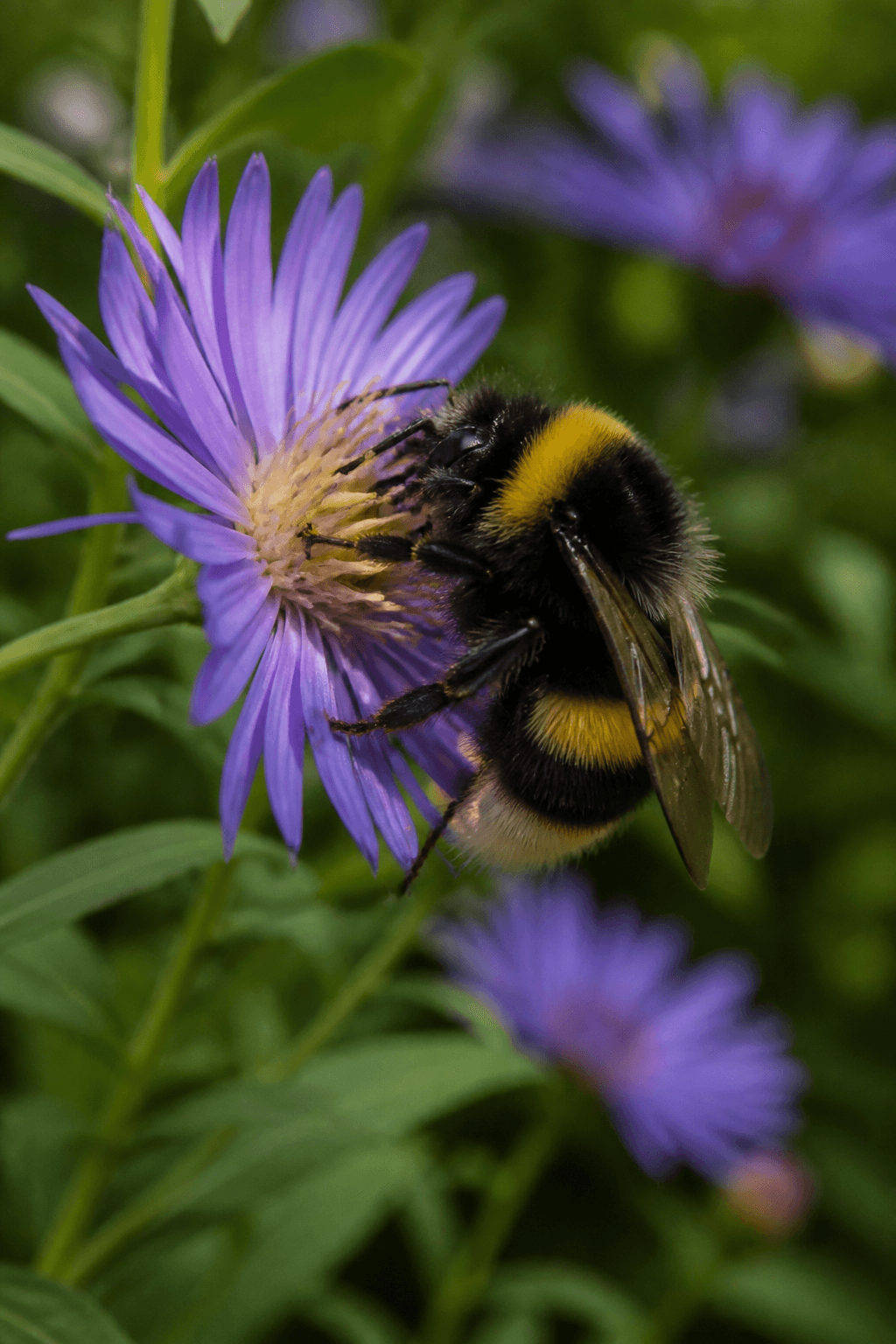
Bumblebee
United Kingdom, United States
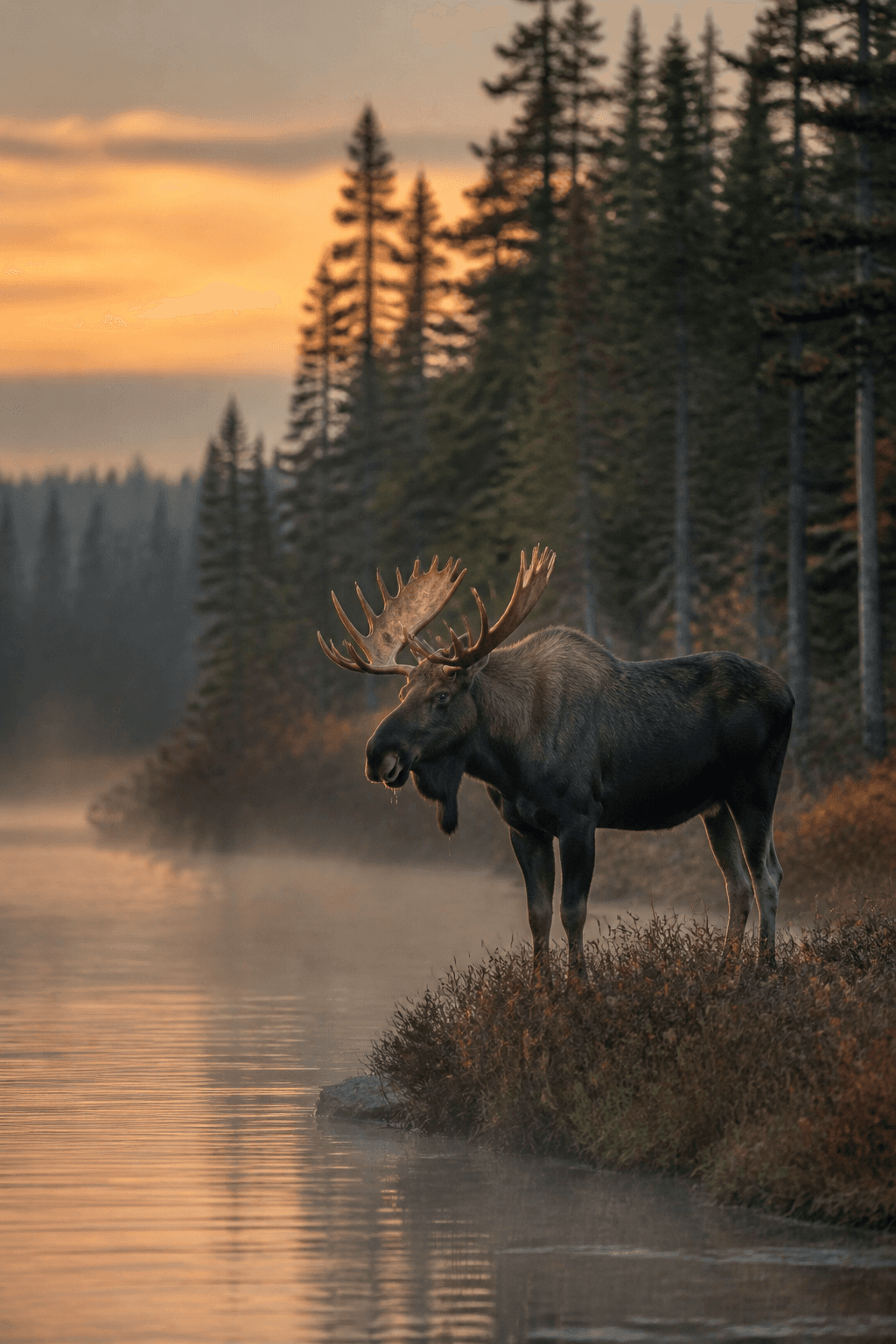
Moose
United States, Canada
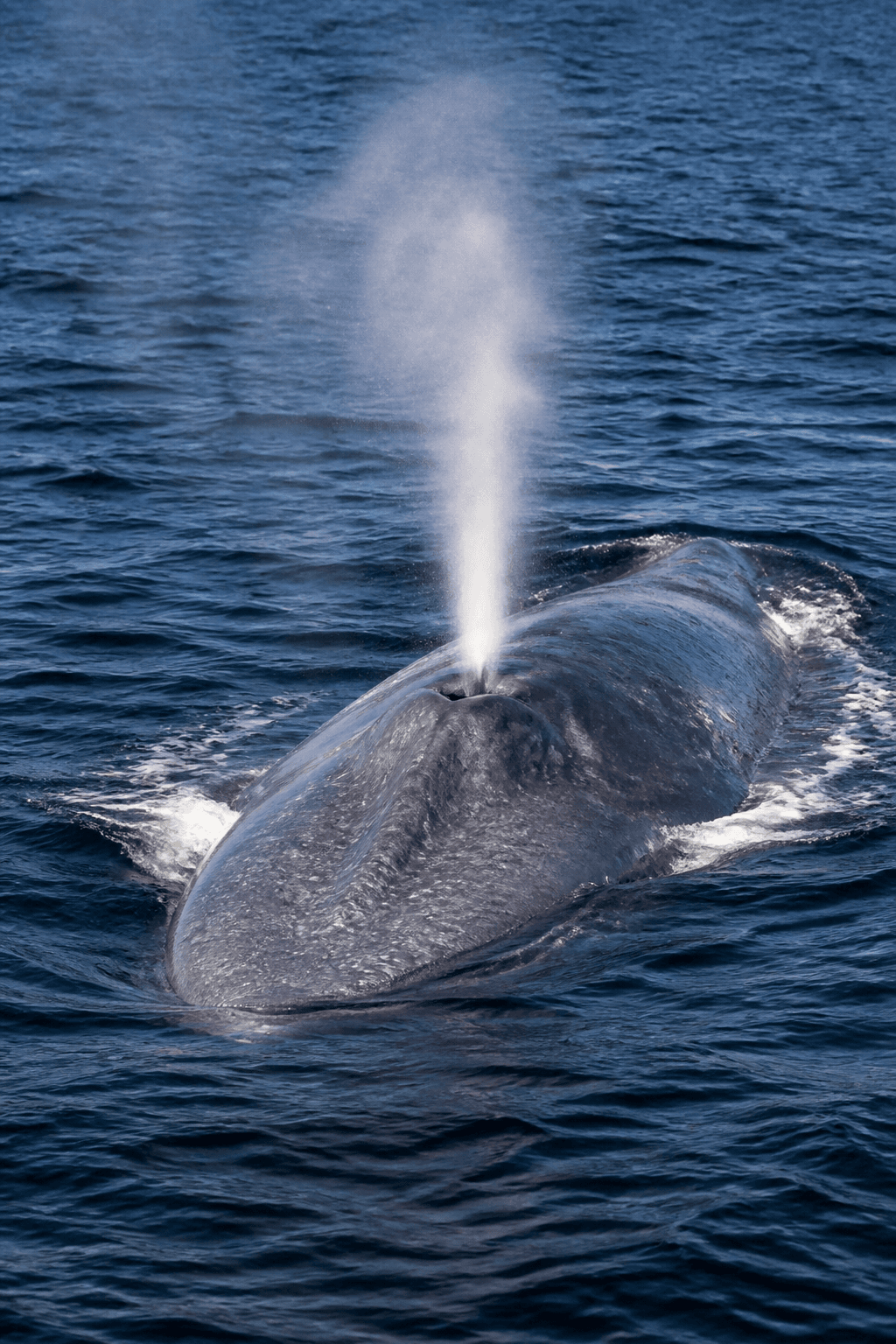
Blue Whale
United States, Canada
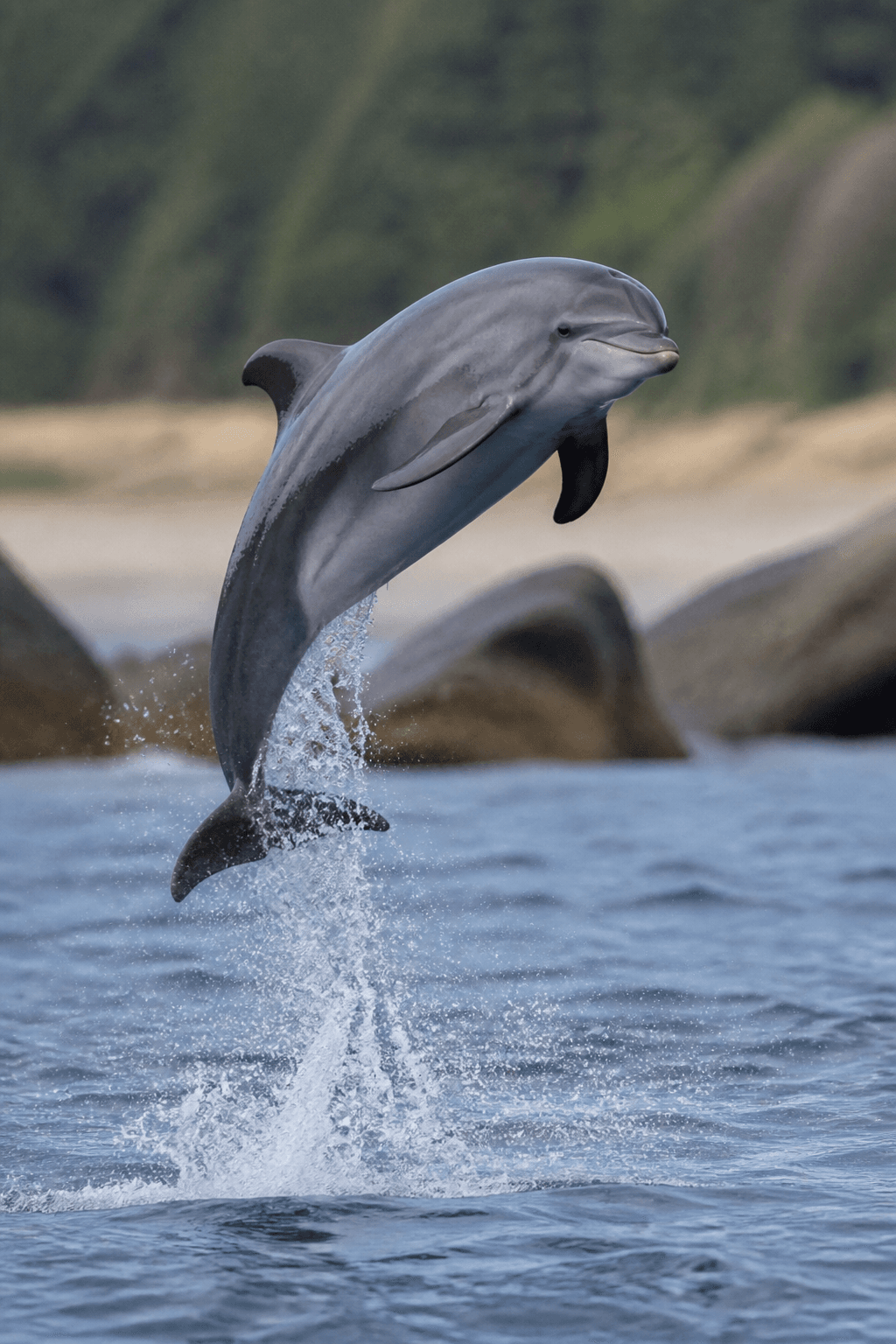
Bottlenose Dolphin
United States, United Kingdom
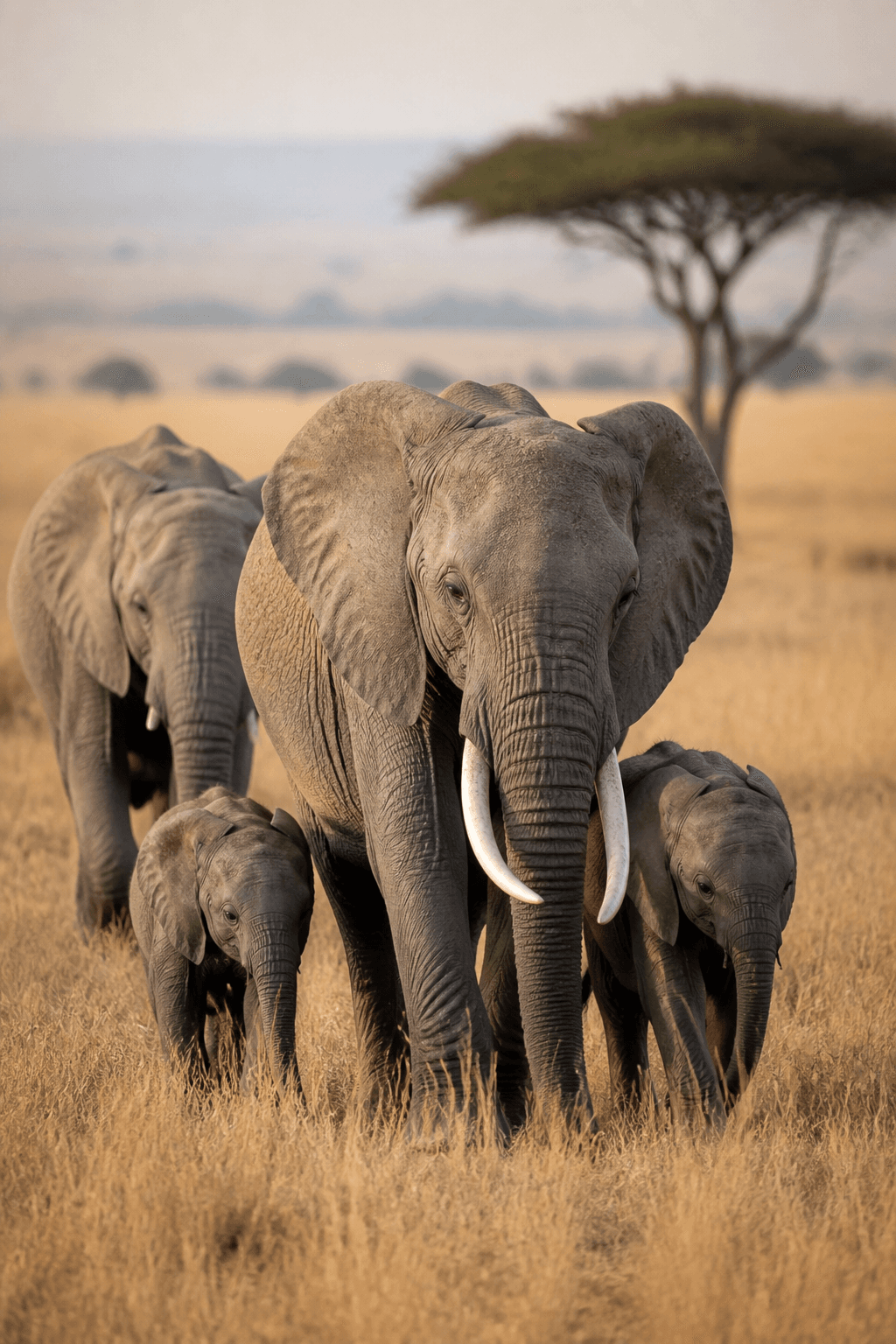
African Elephant
Kenya
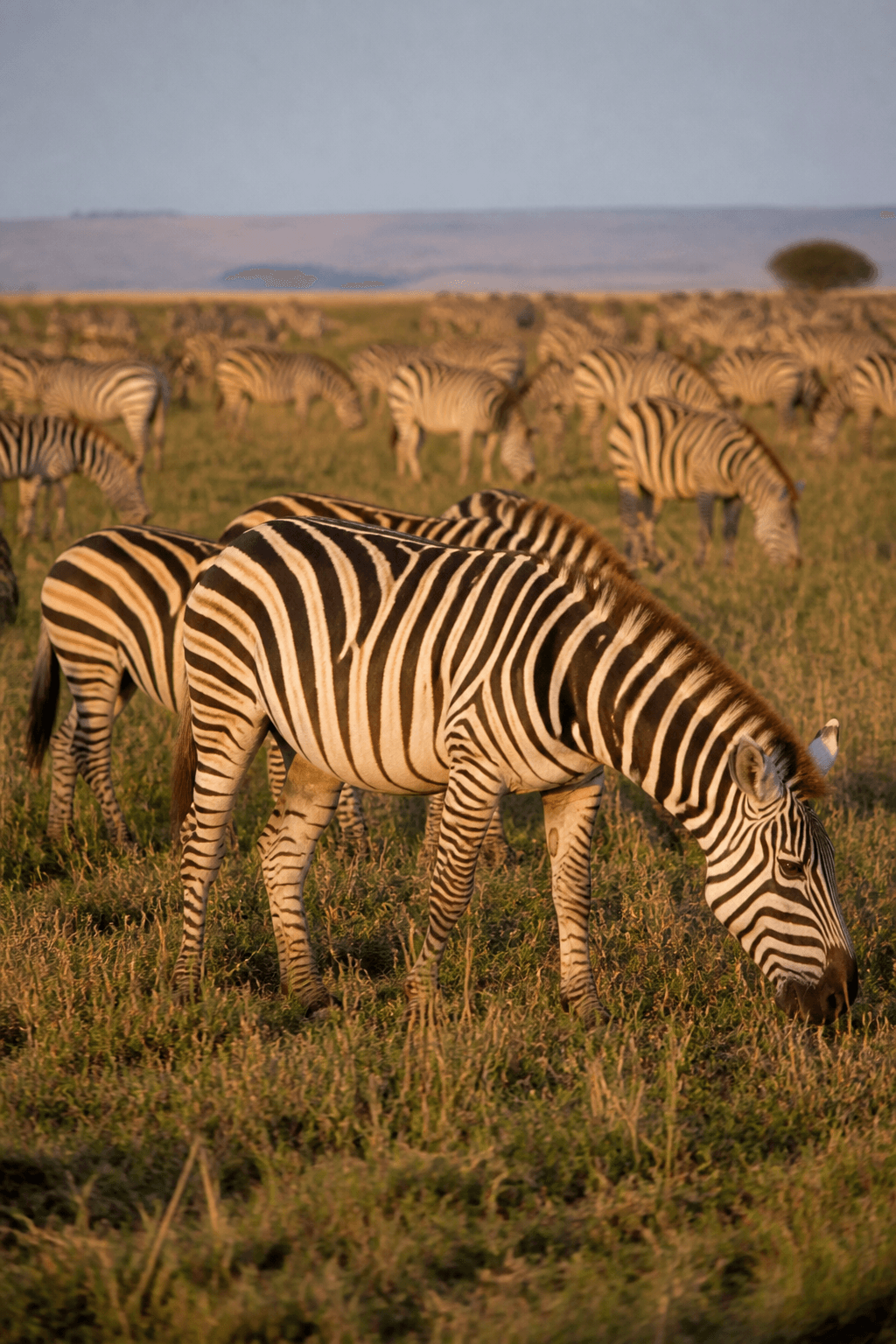
Zebra
Kenya
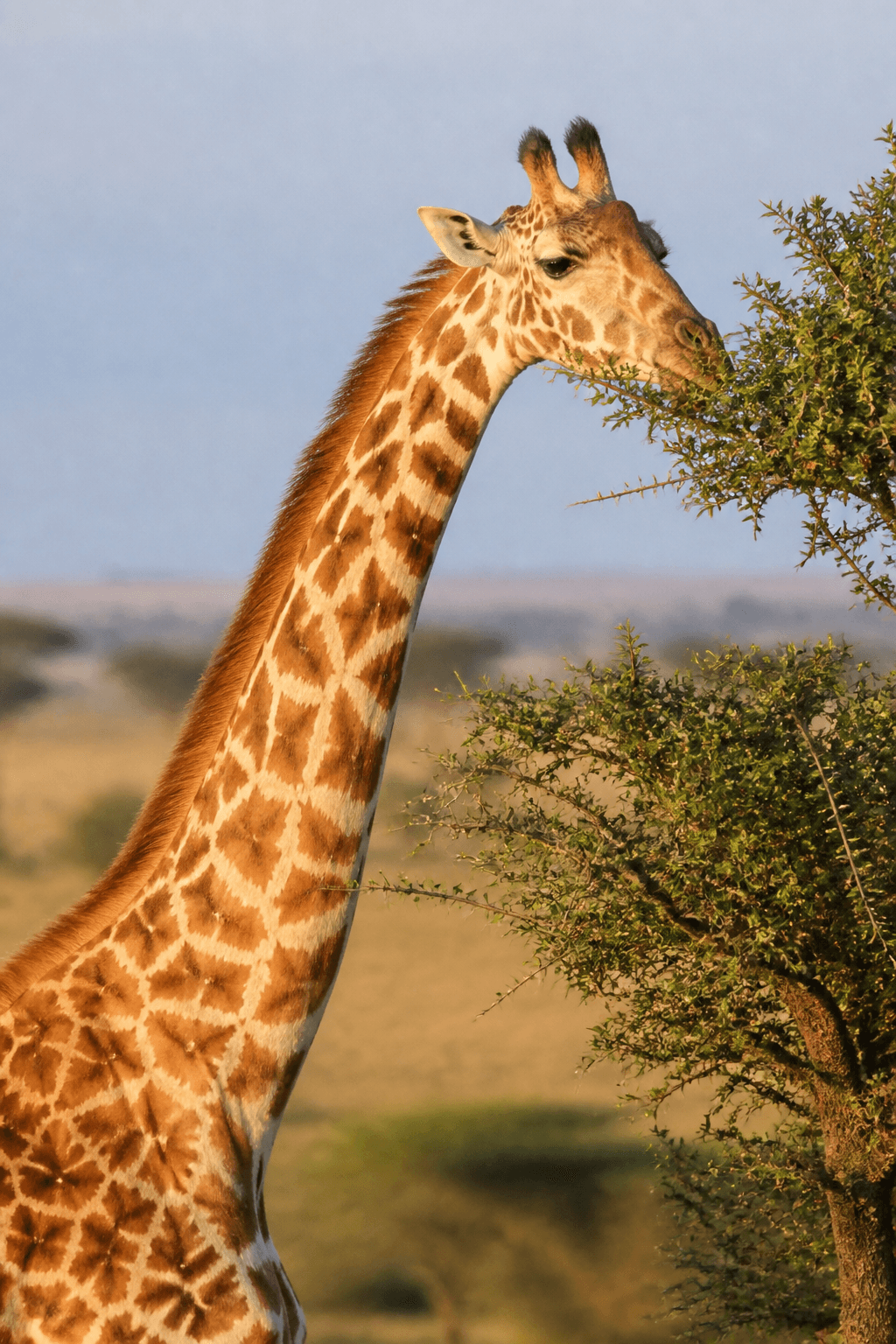
Giraffe
Kenya
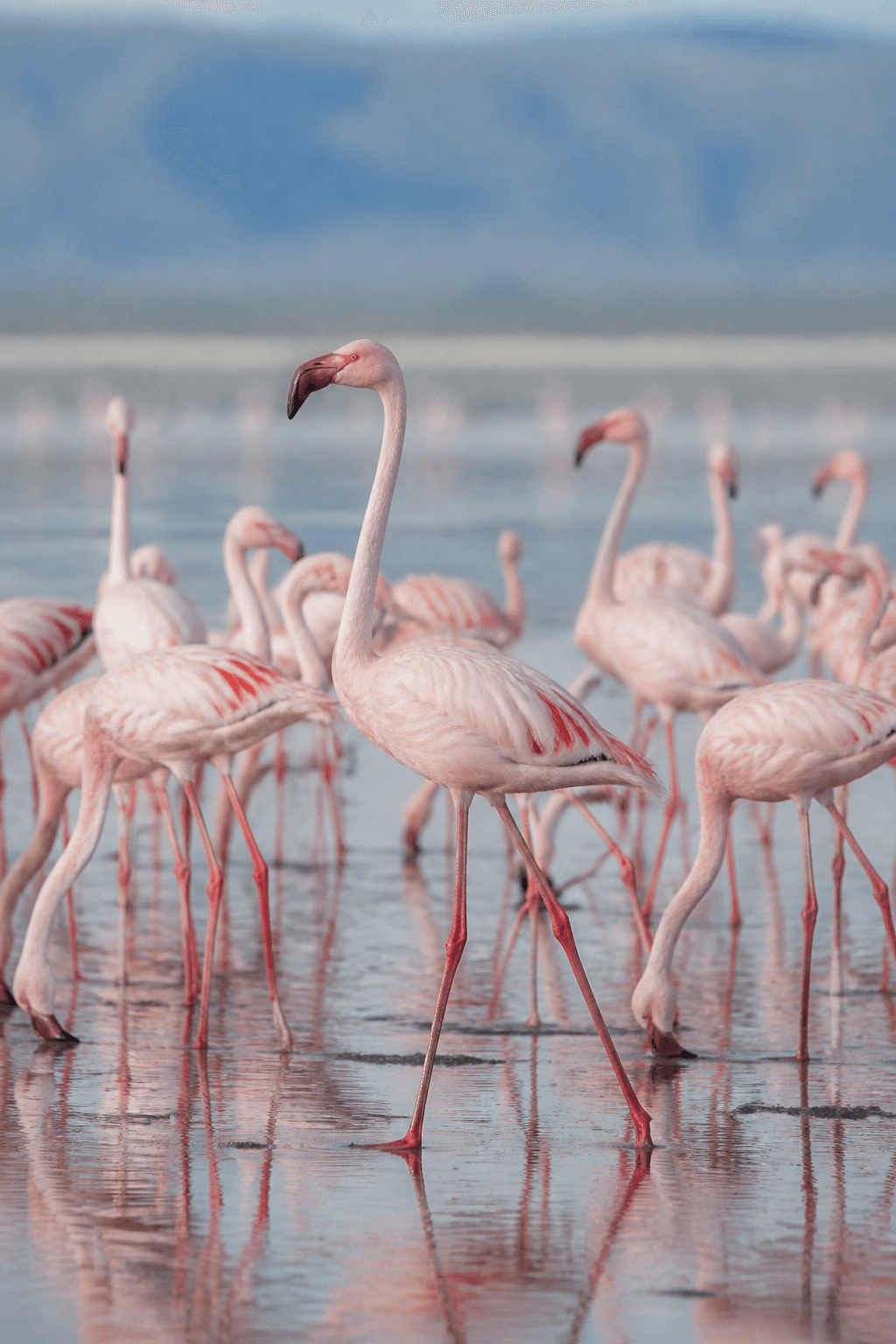
Flamingo
Kenya, United States
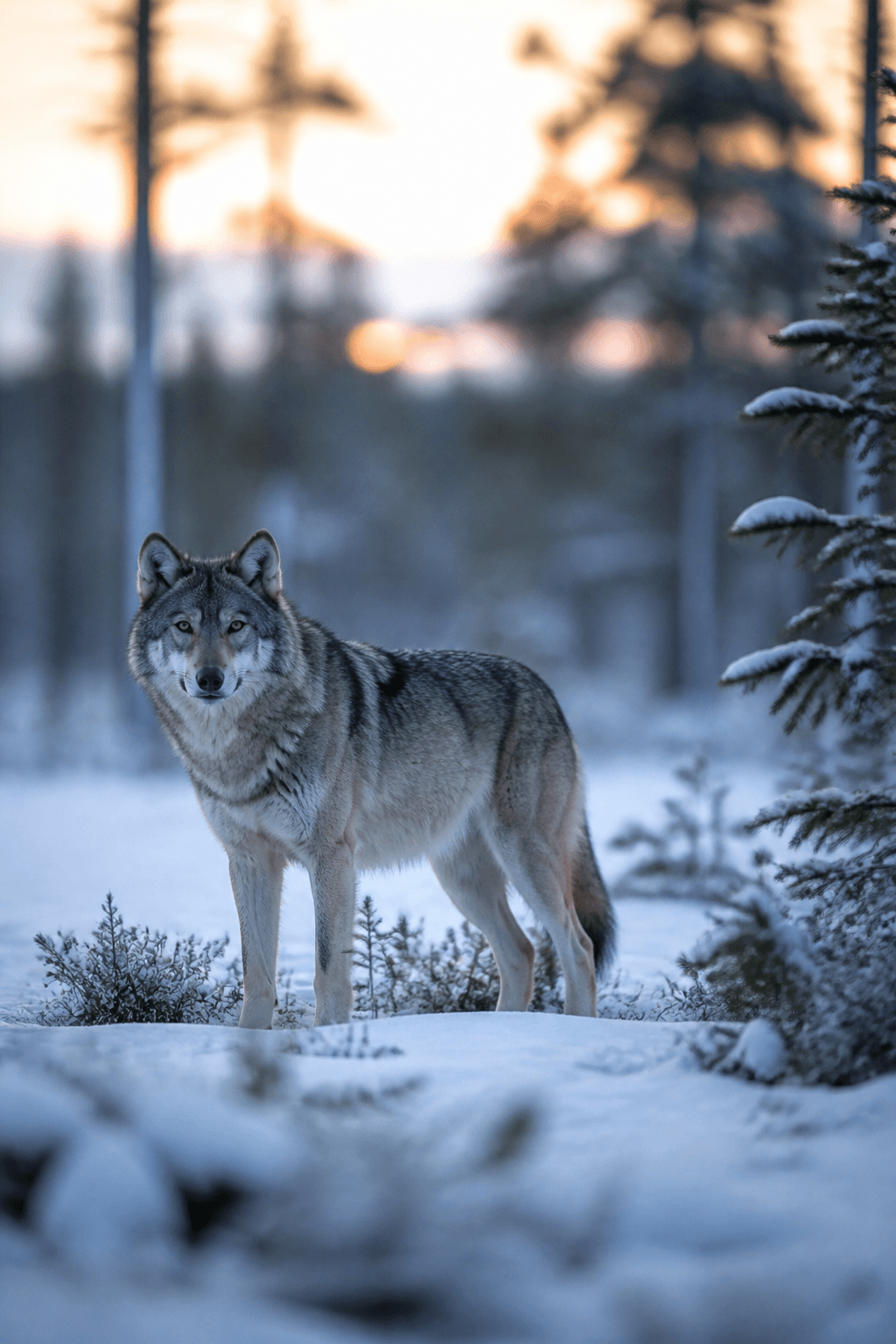
Wolf
United States, Canada
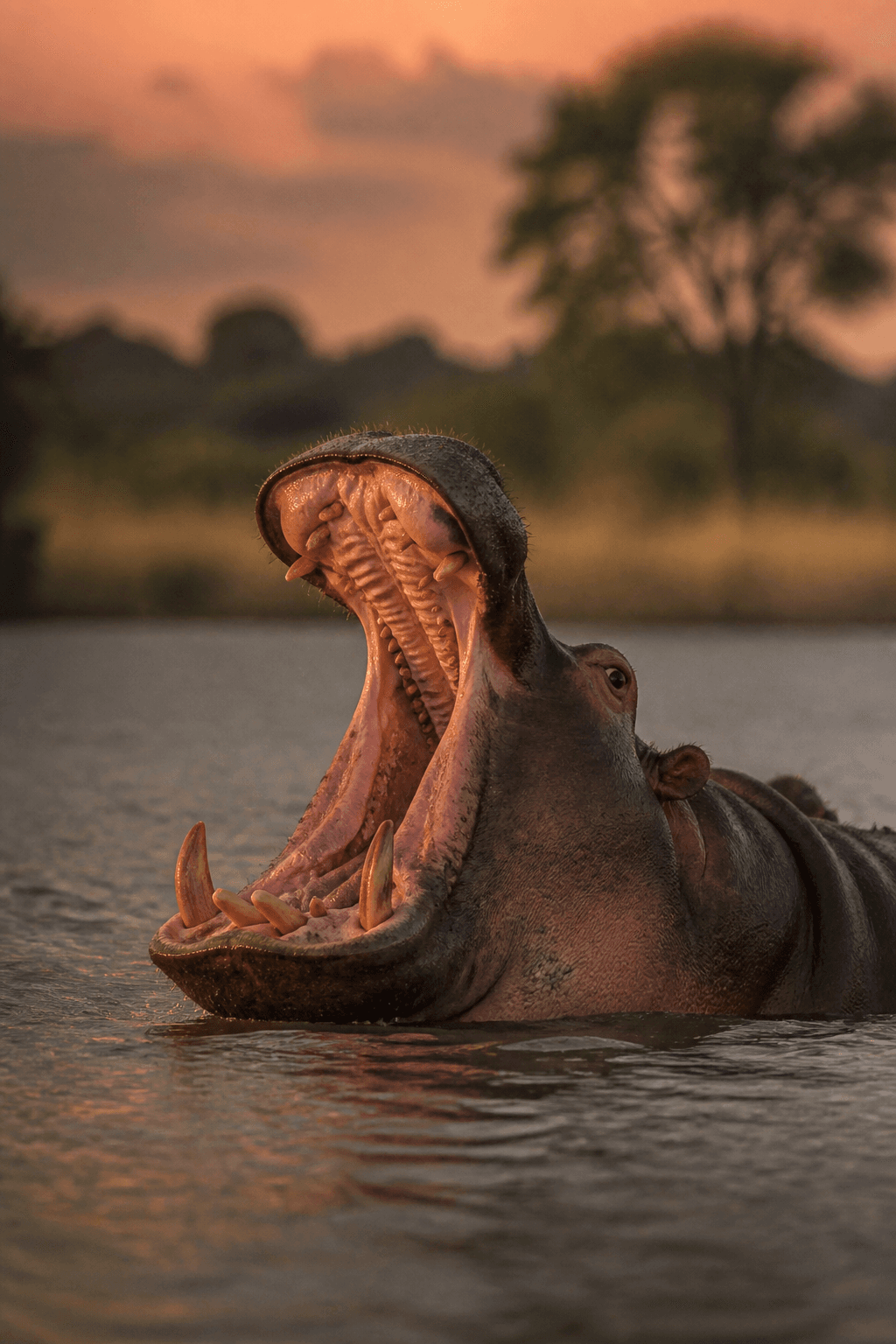
Hippopotamus
Kenya, Botswana
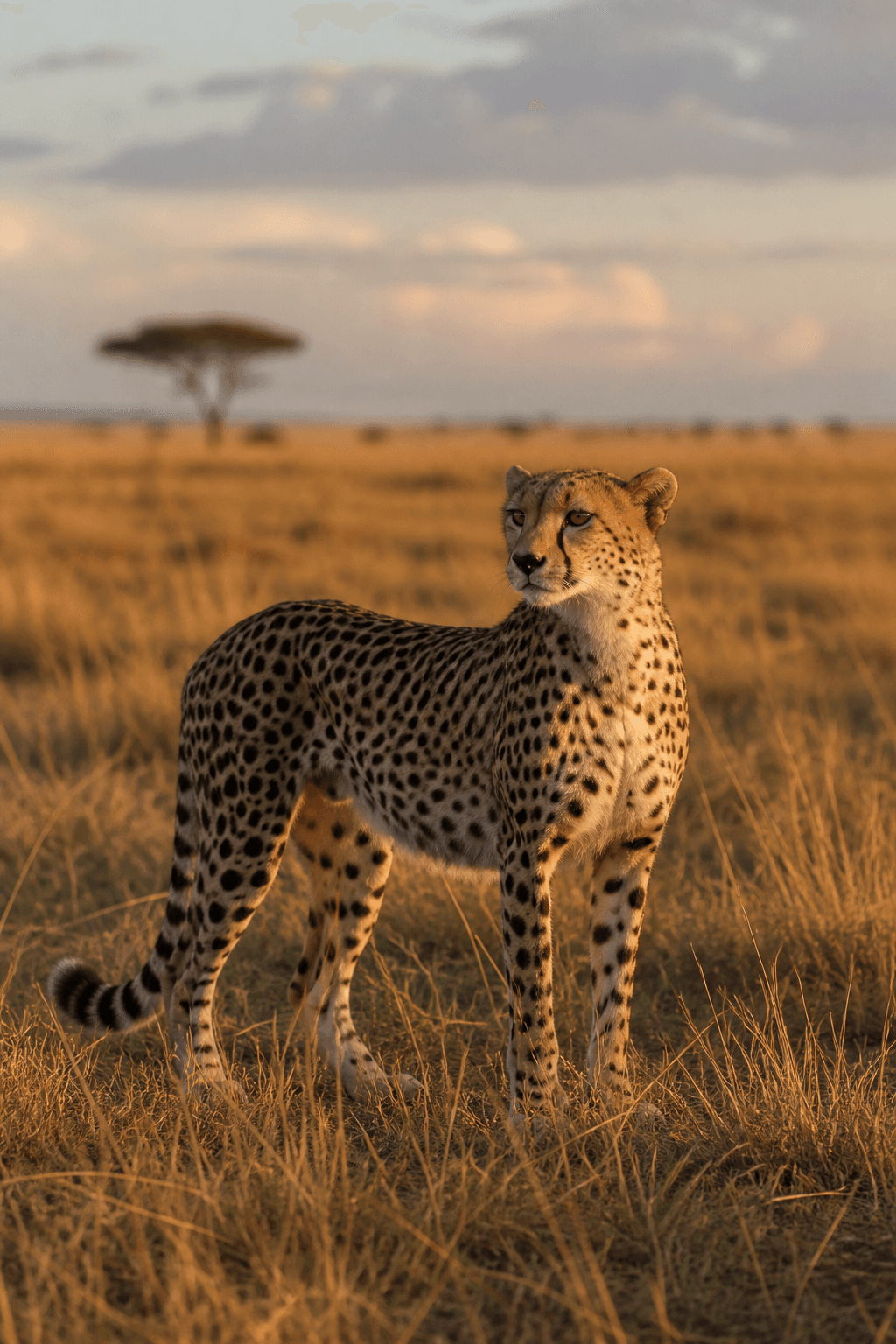
Cheetah
Kenya
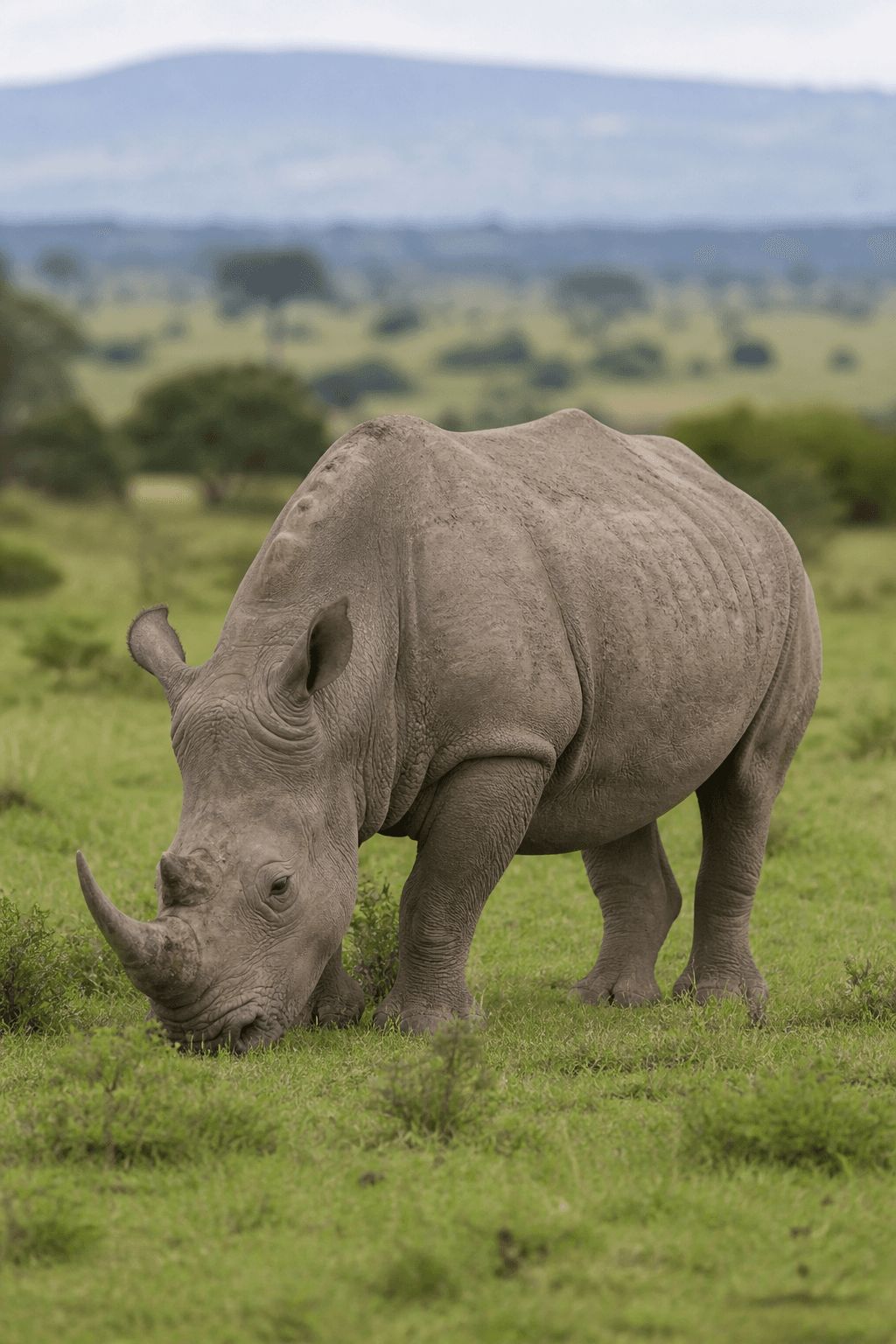
Rhinoceros
South Africa, Kenya
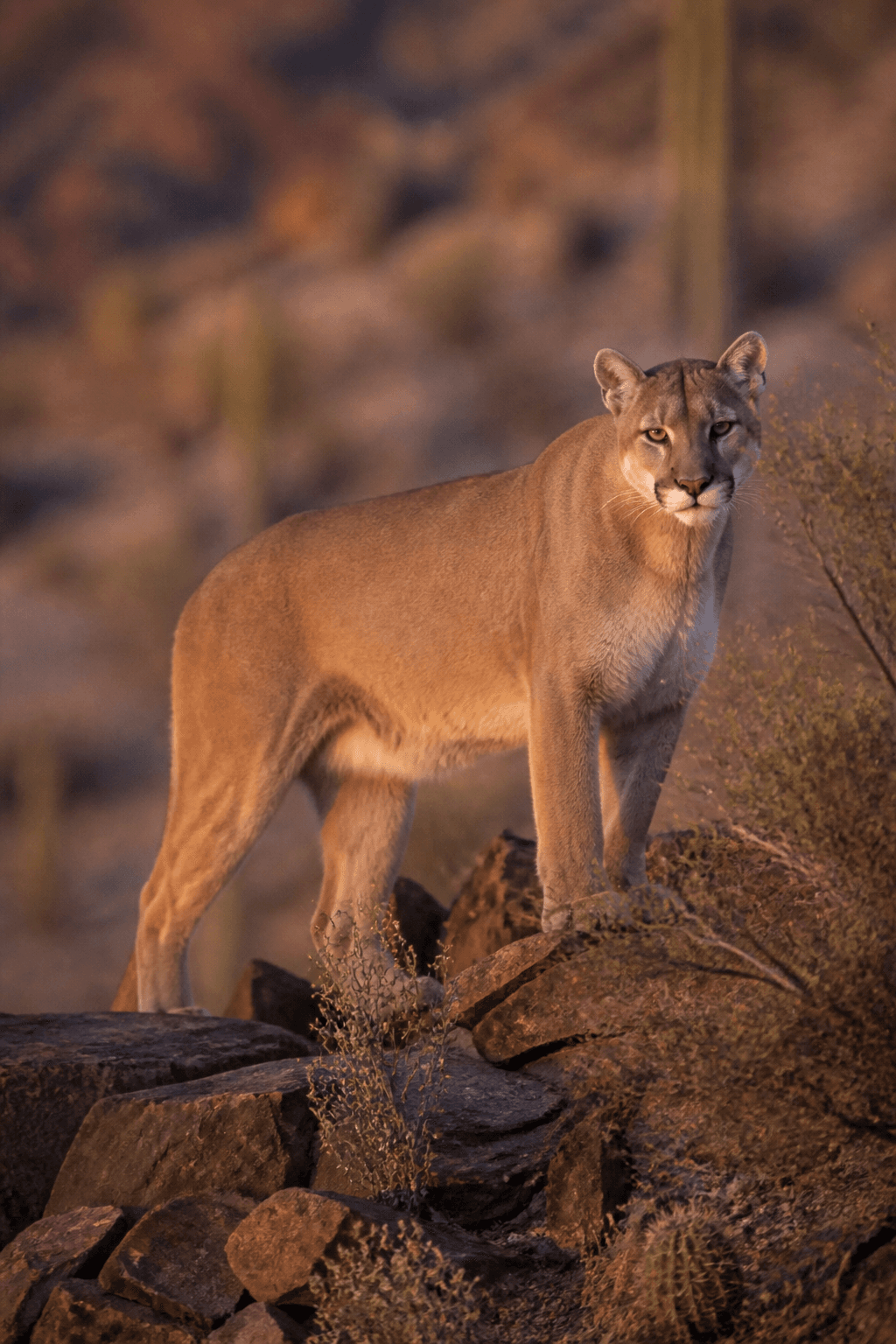
Mountain Lion
United States
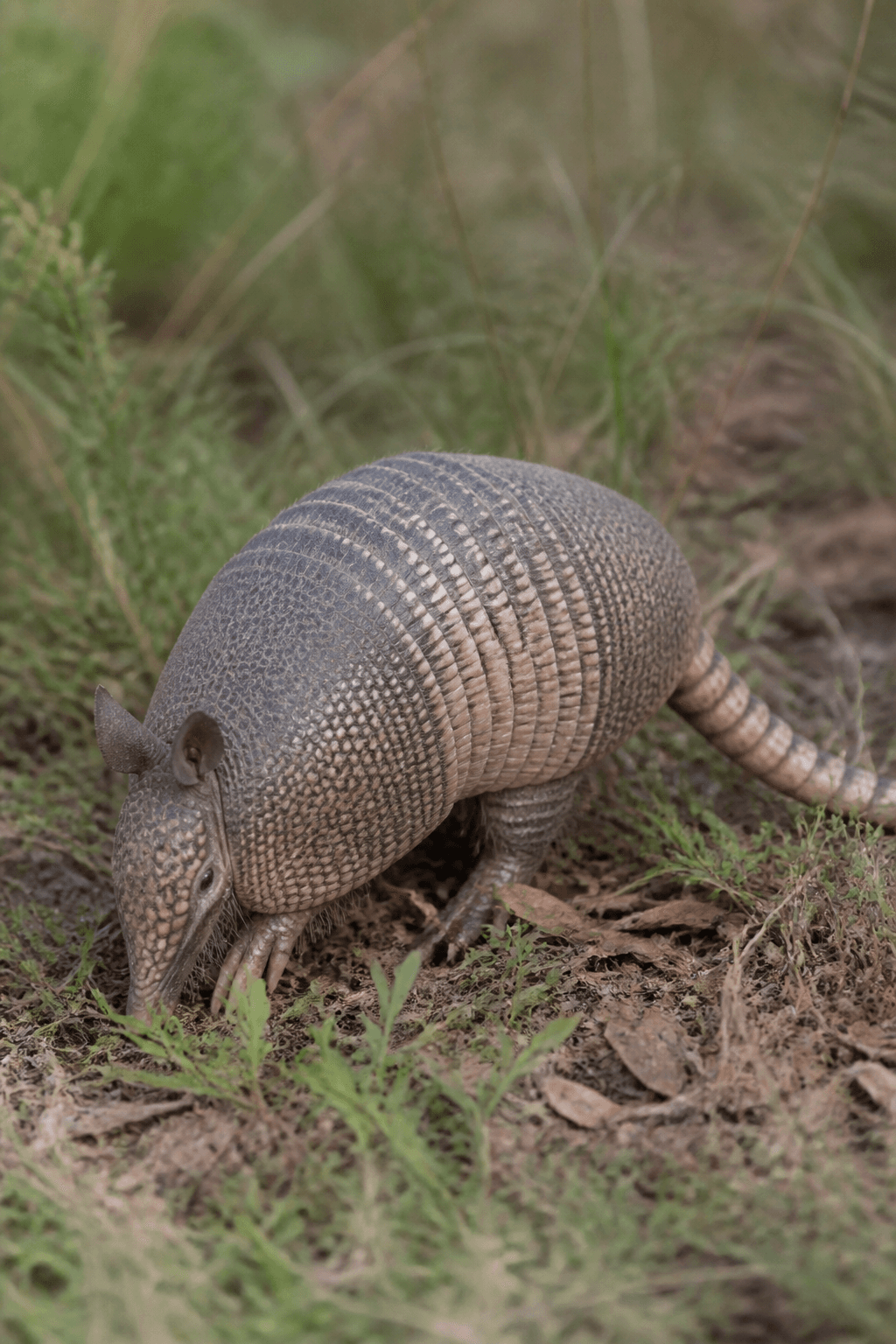
Armadillo
United States
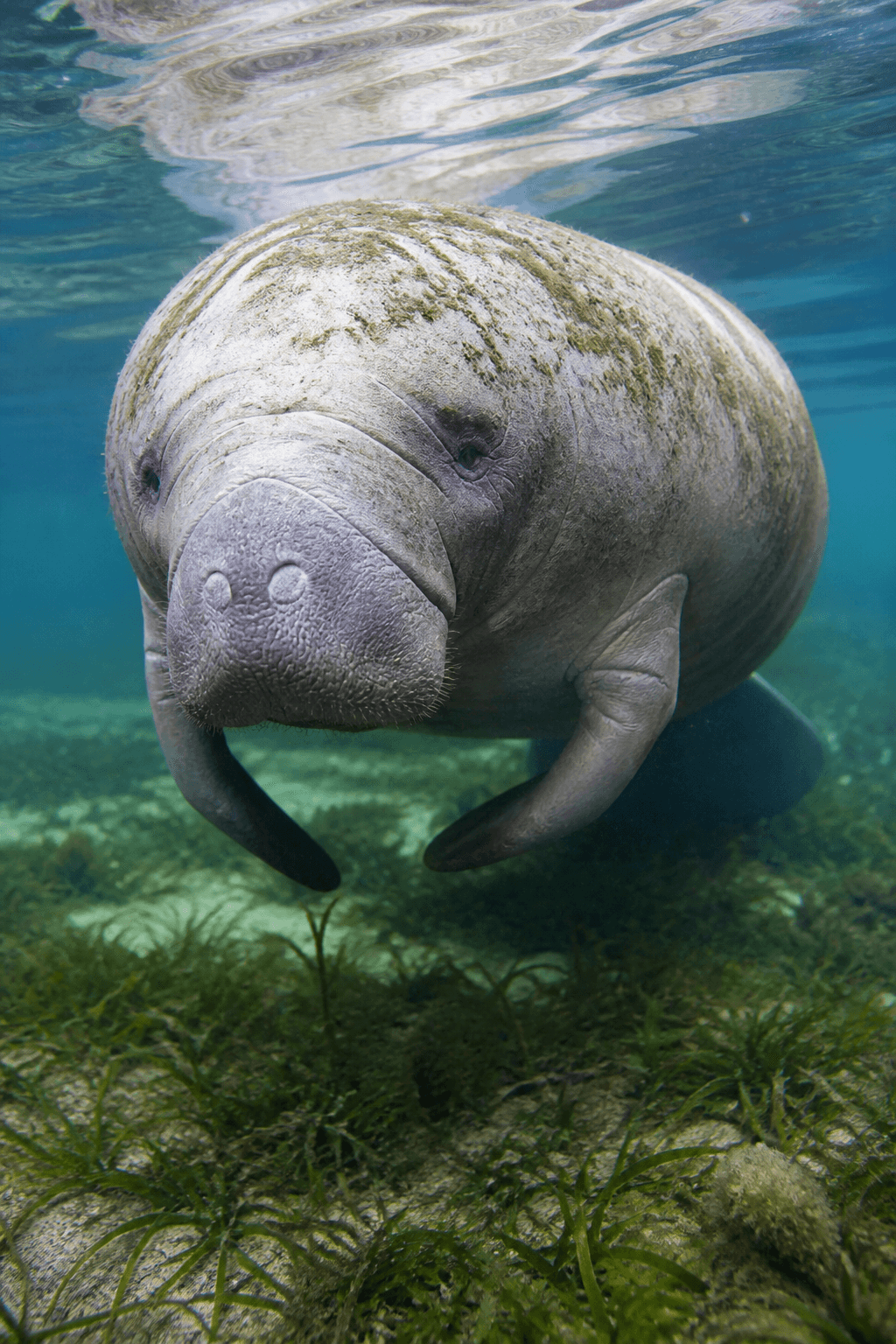
Manatee
United States
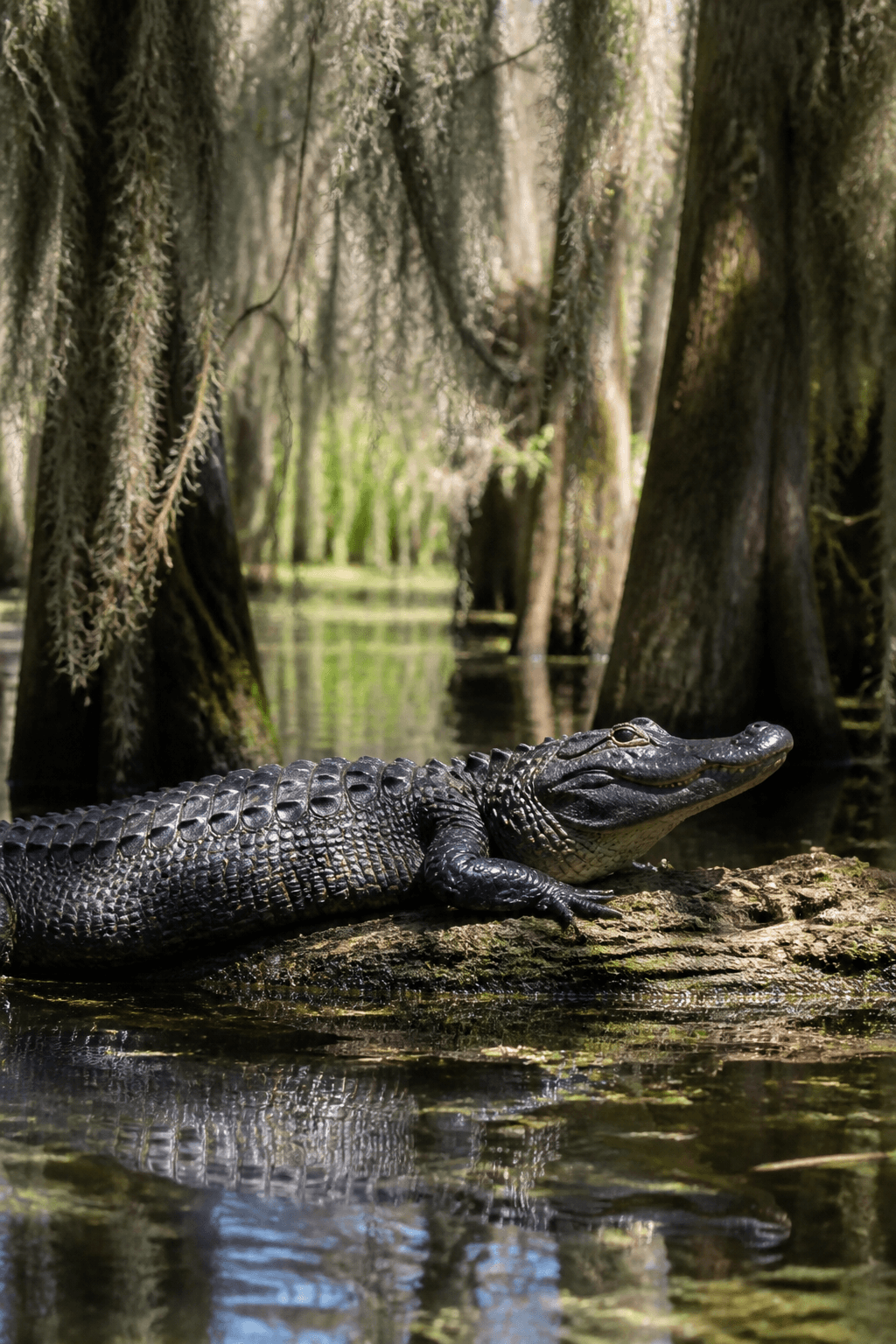
Alligator
United States
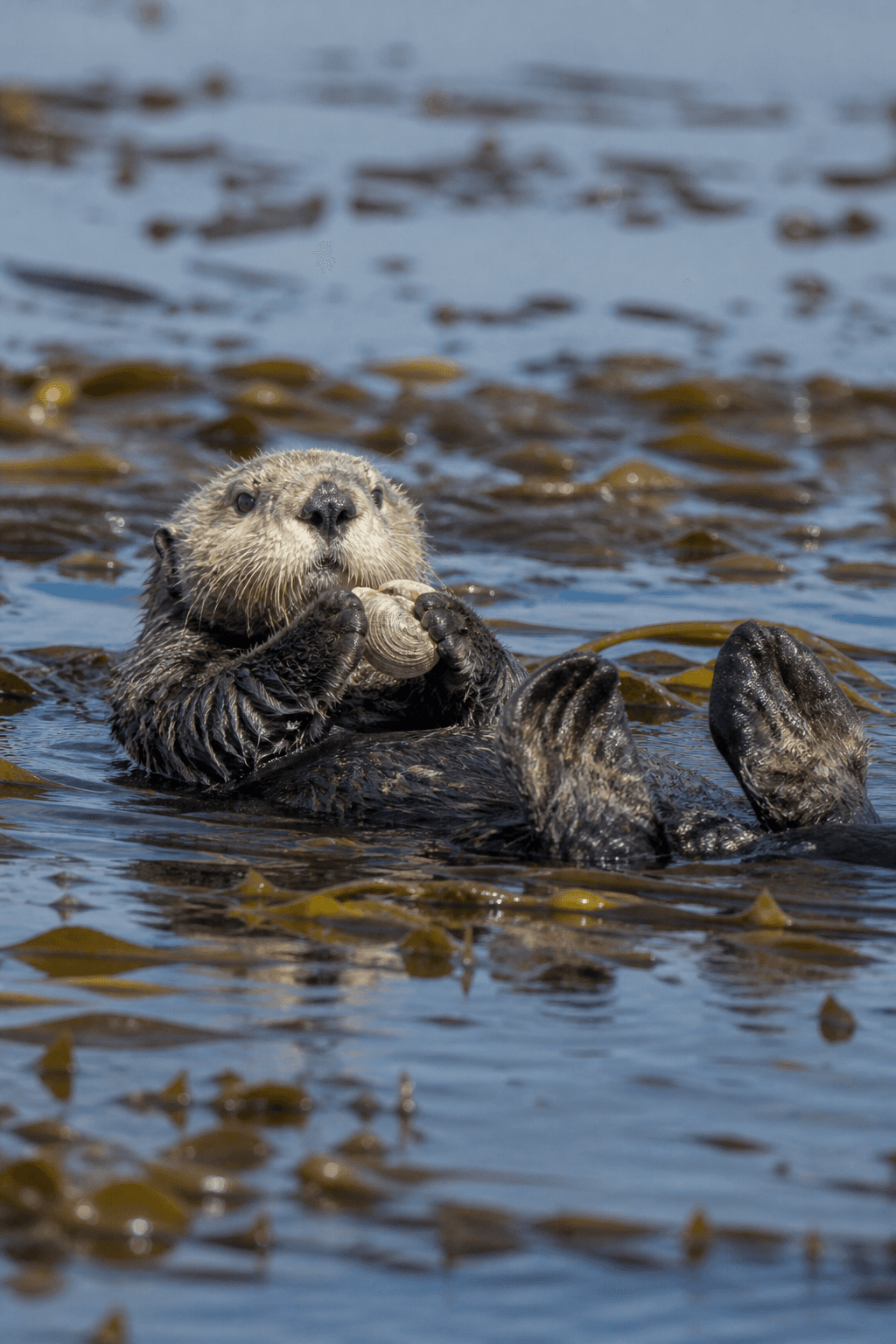
Sea Otter
United States, Canada
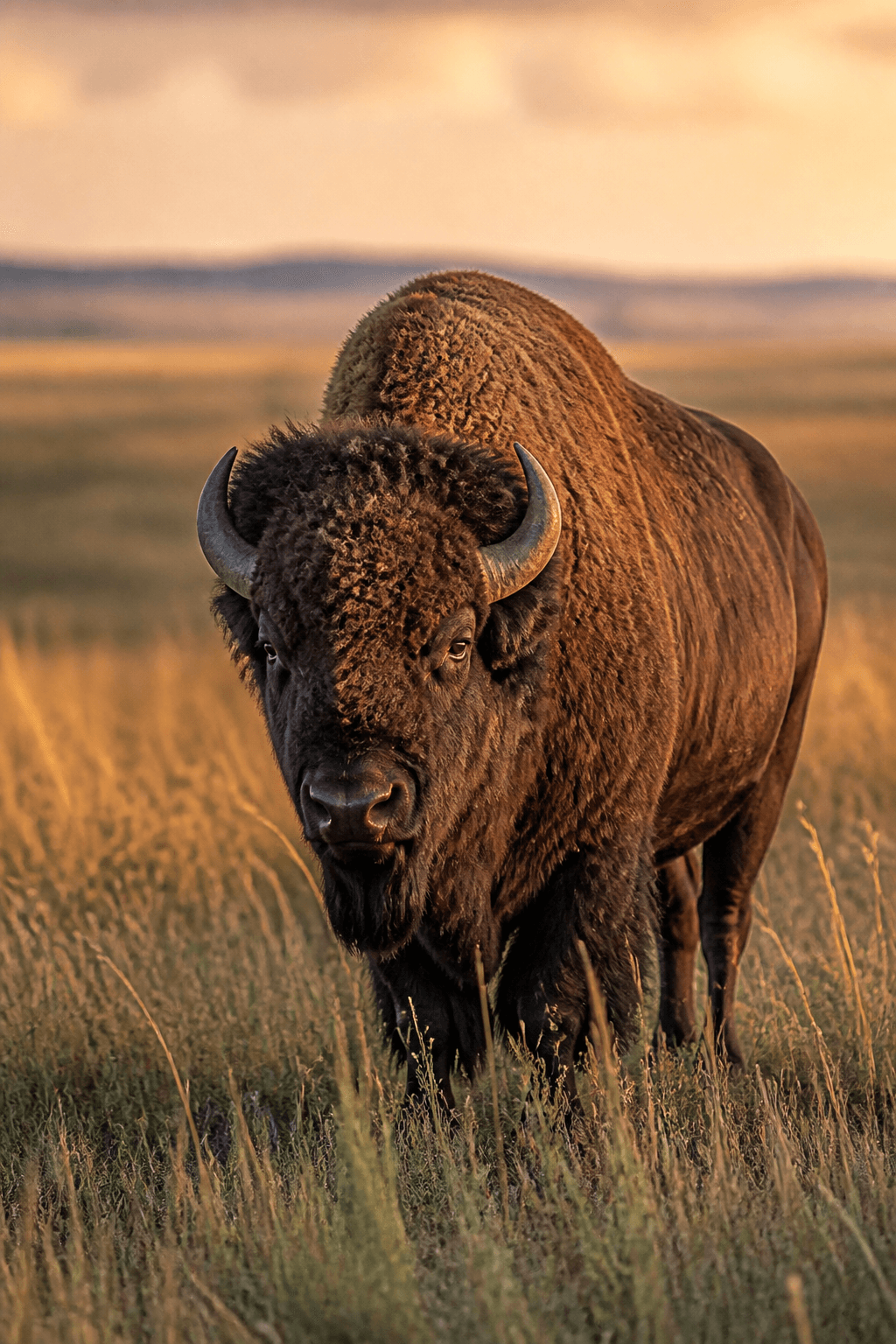
Bison
United States, Canada
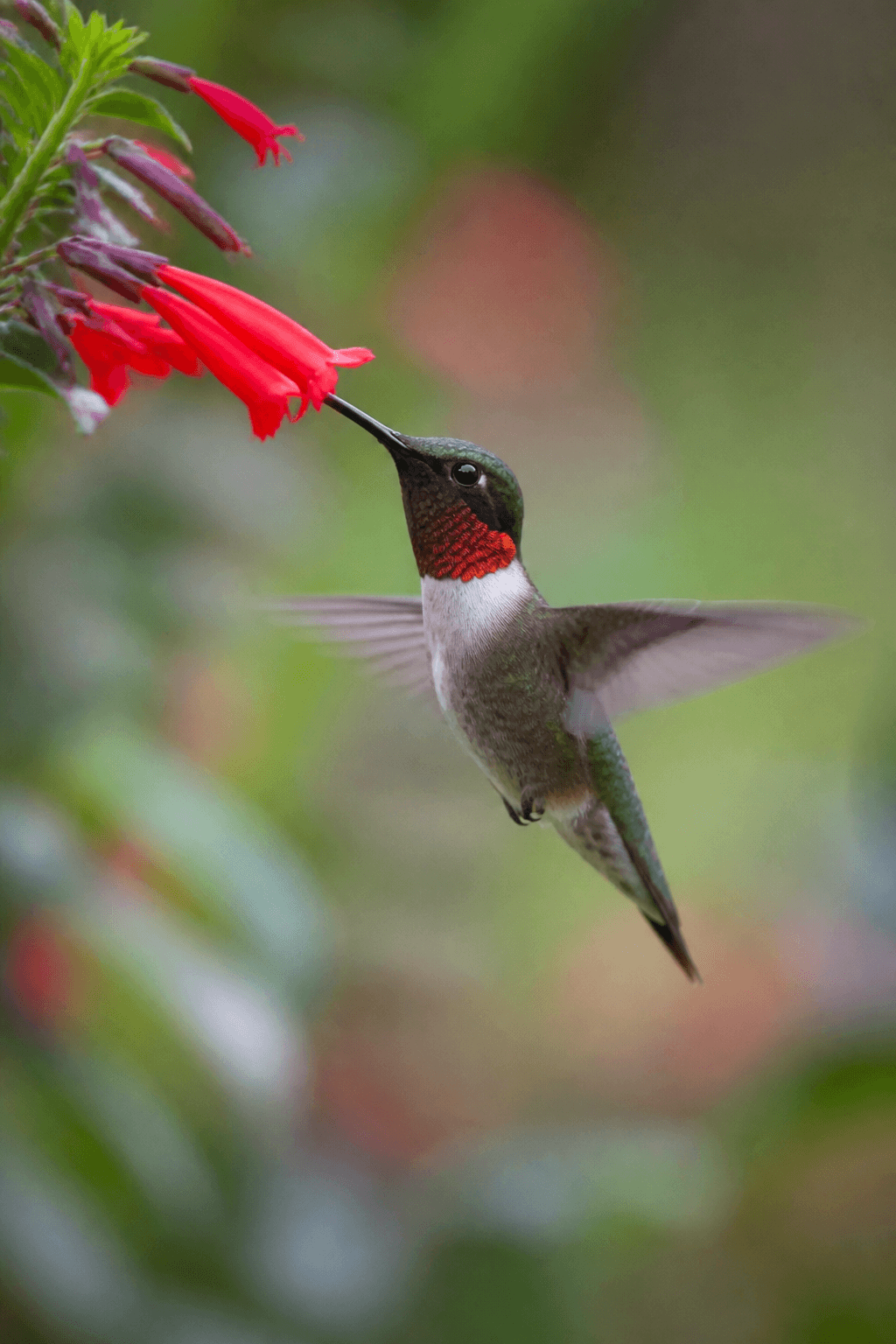
Hummingbird
United States
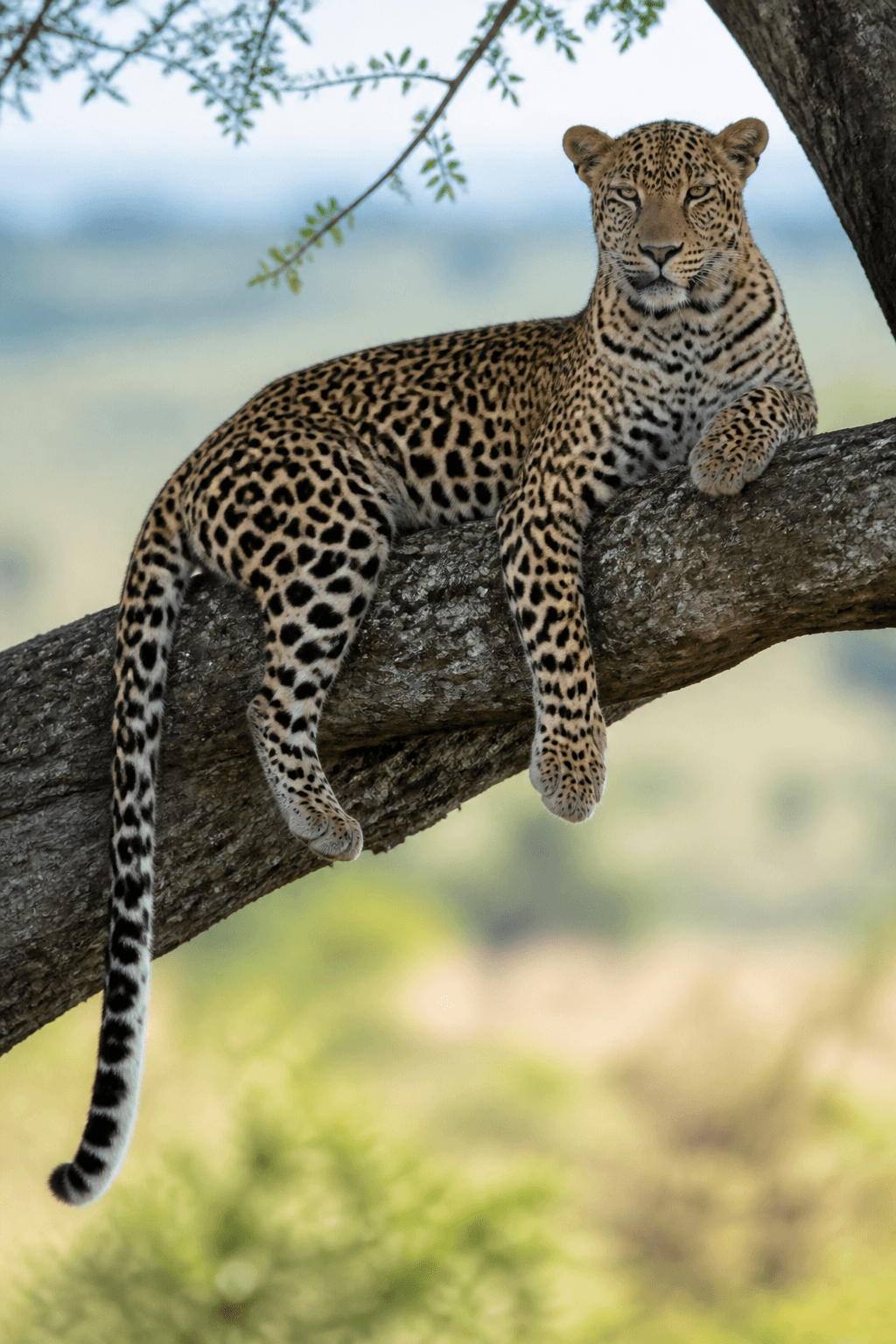
Leopard
India, Kenya
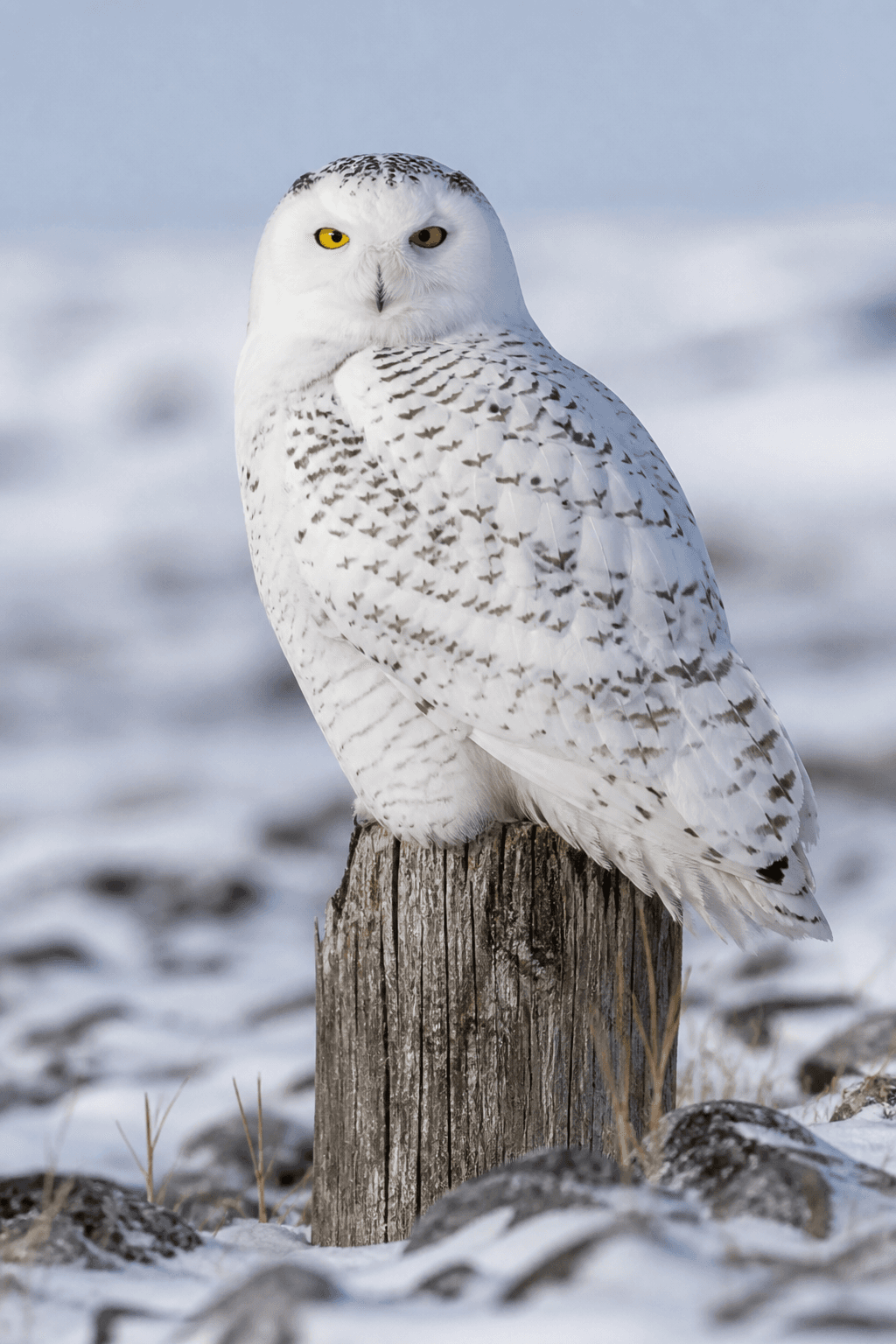
Snowy Owl
Canada, United States
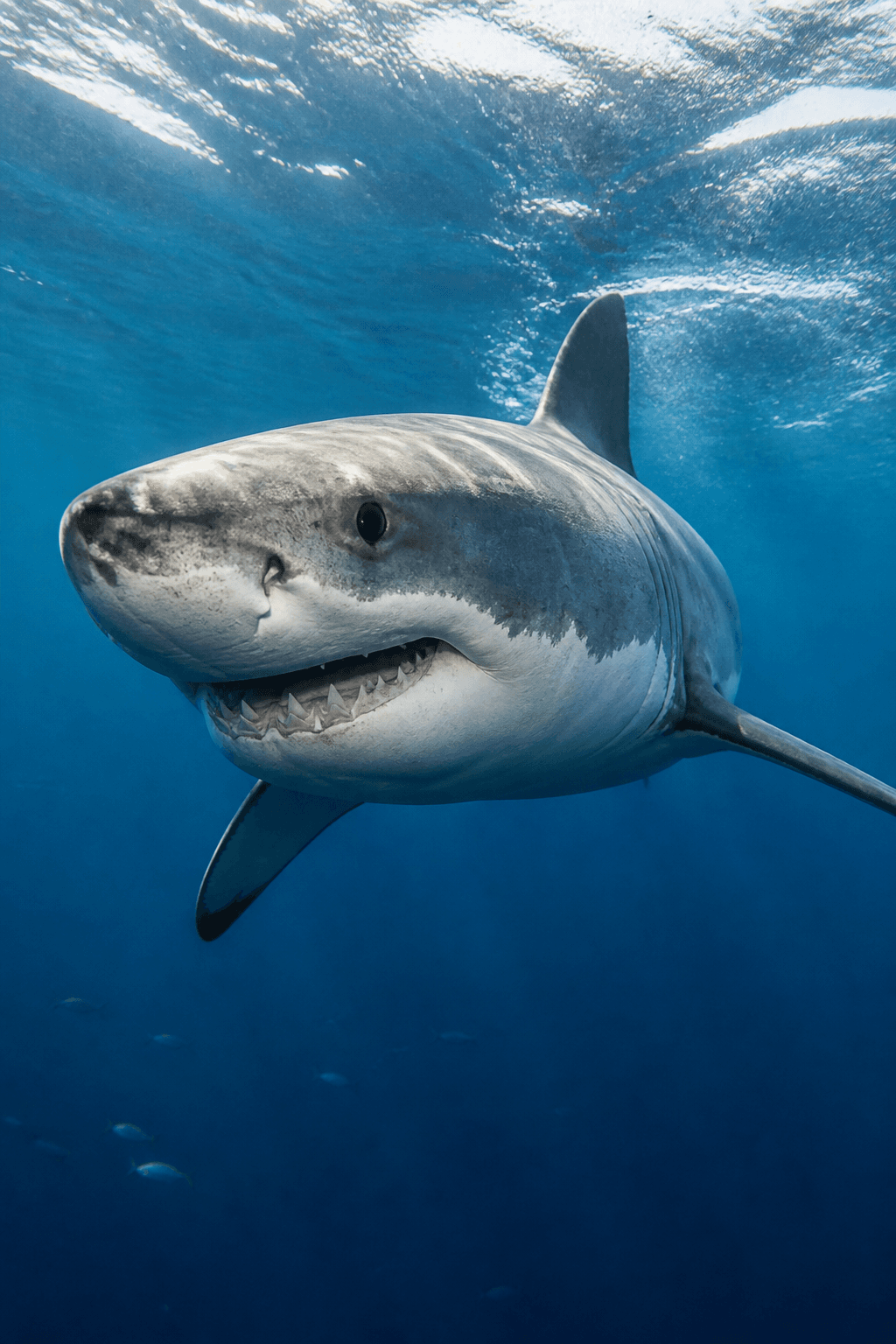
Great White Shark
United States, South Africa, Australia
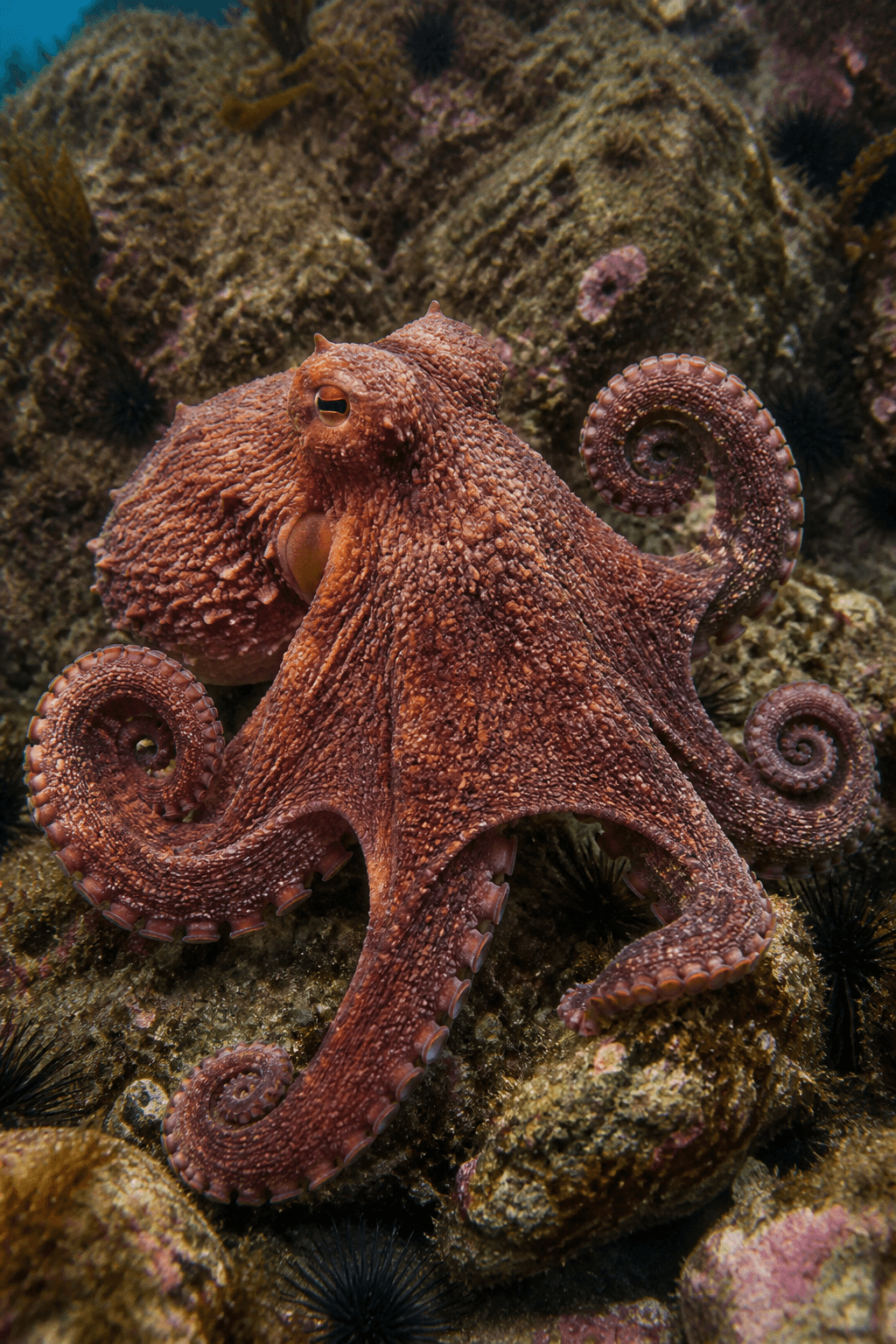
Octopus
United Kingdom, United States, Indonesia
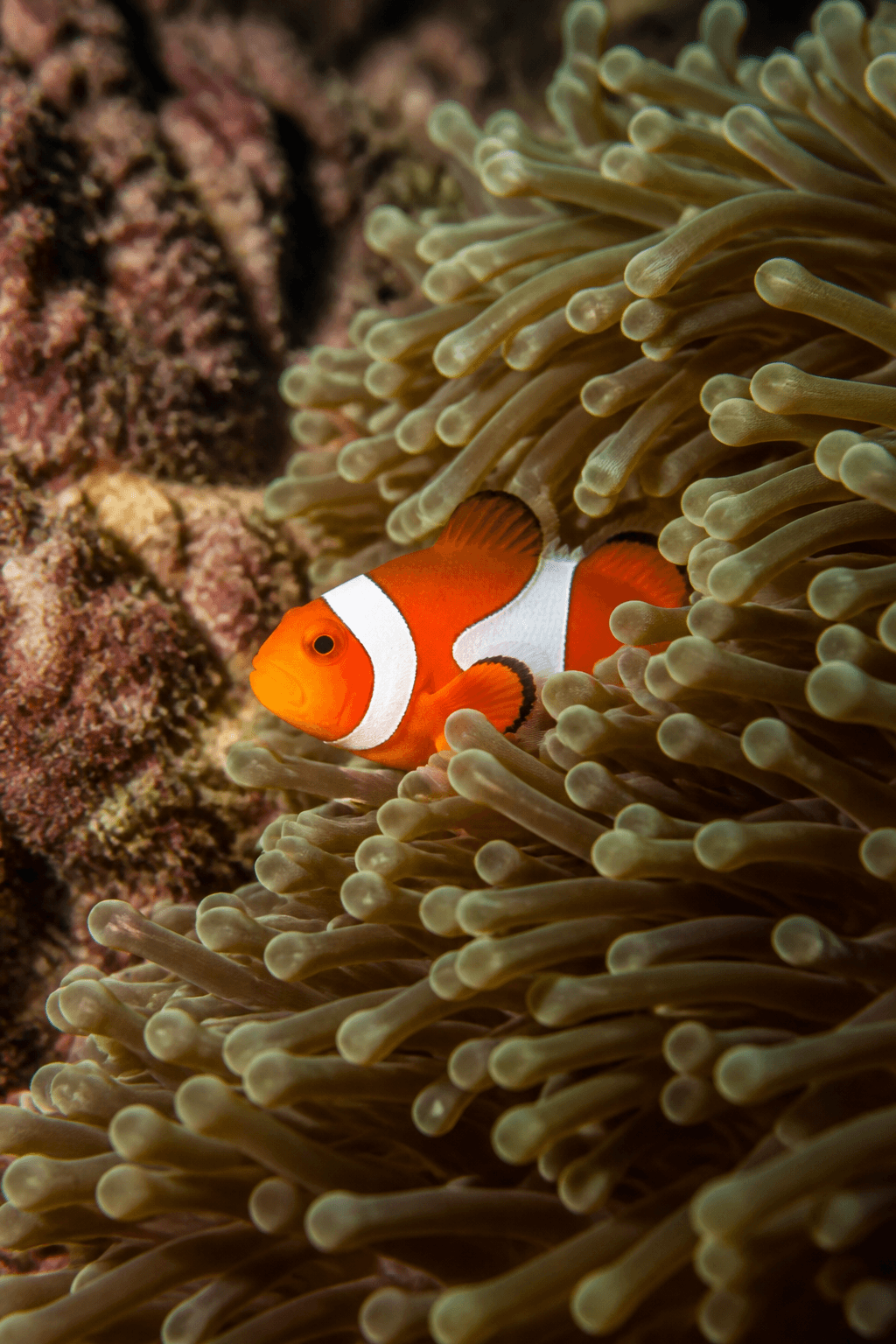
Clownfish
Indonesia
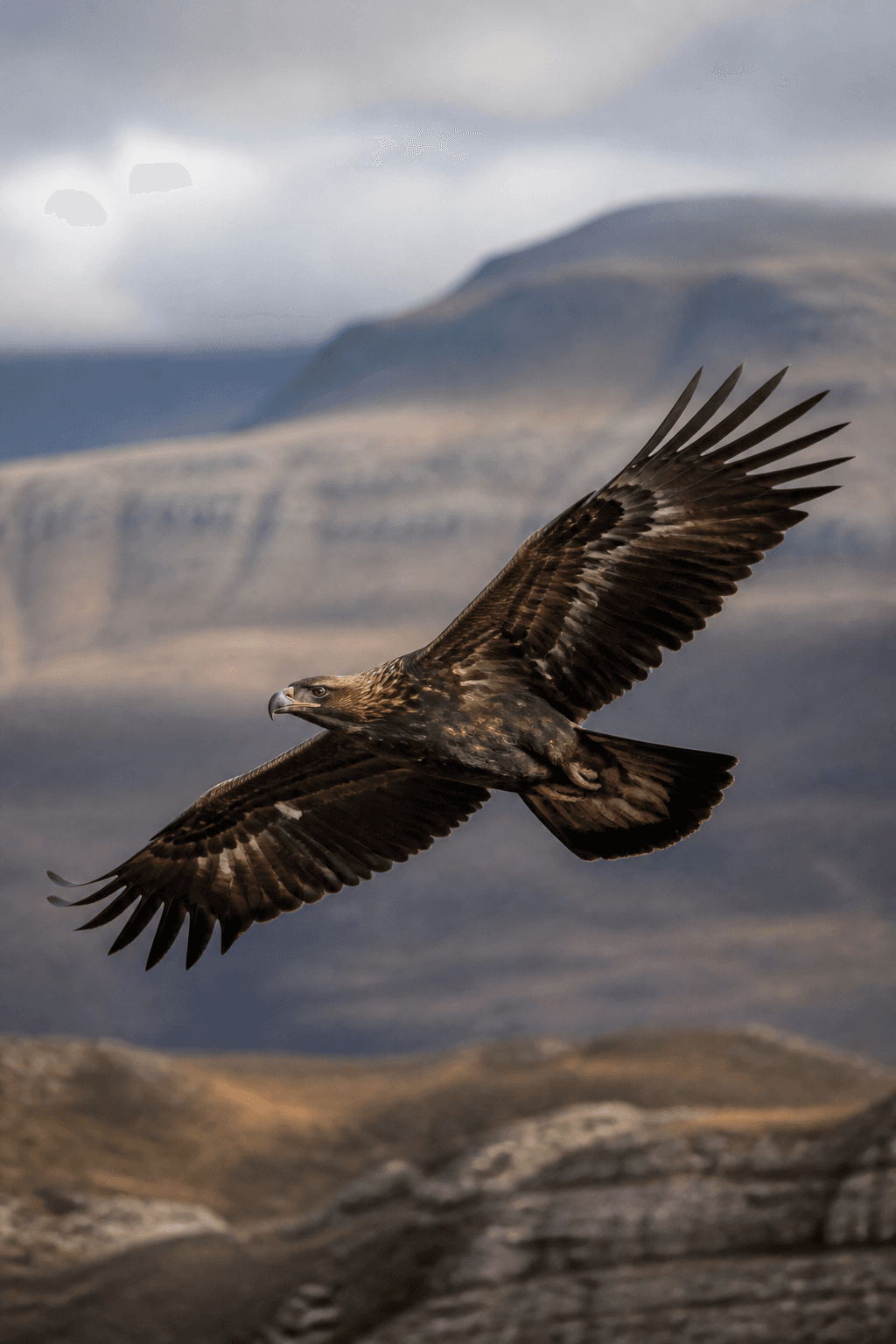
Golden Eagle
United Kingdom, United States, Canada
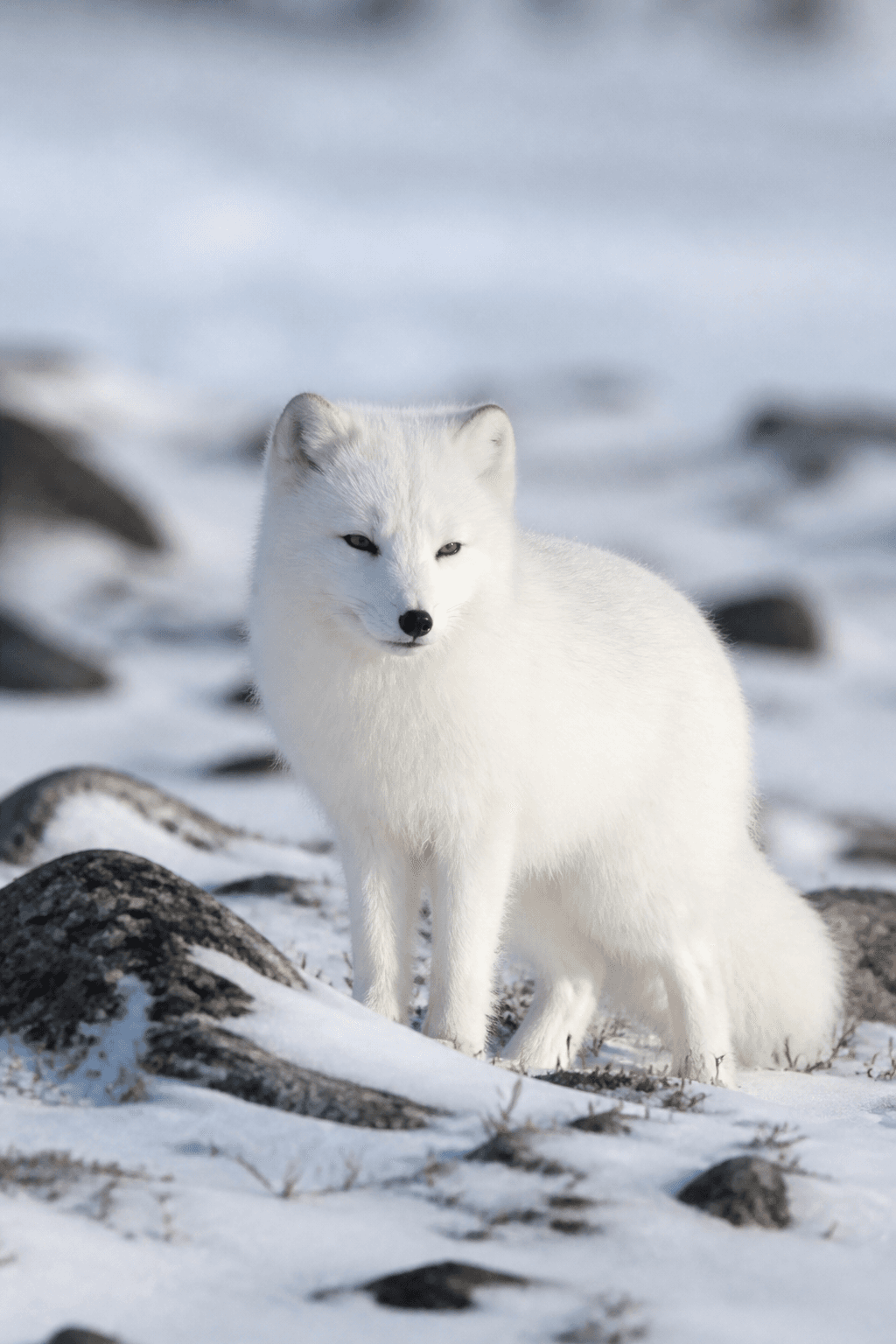
Arctic Fox
Canada, United States
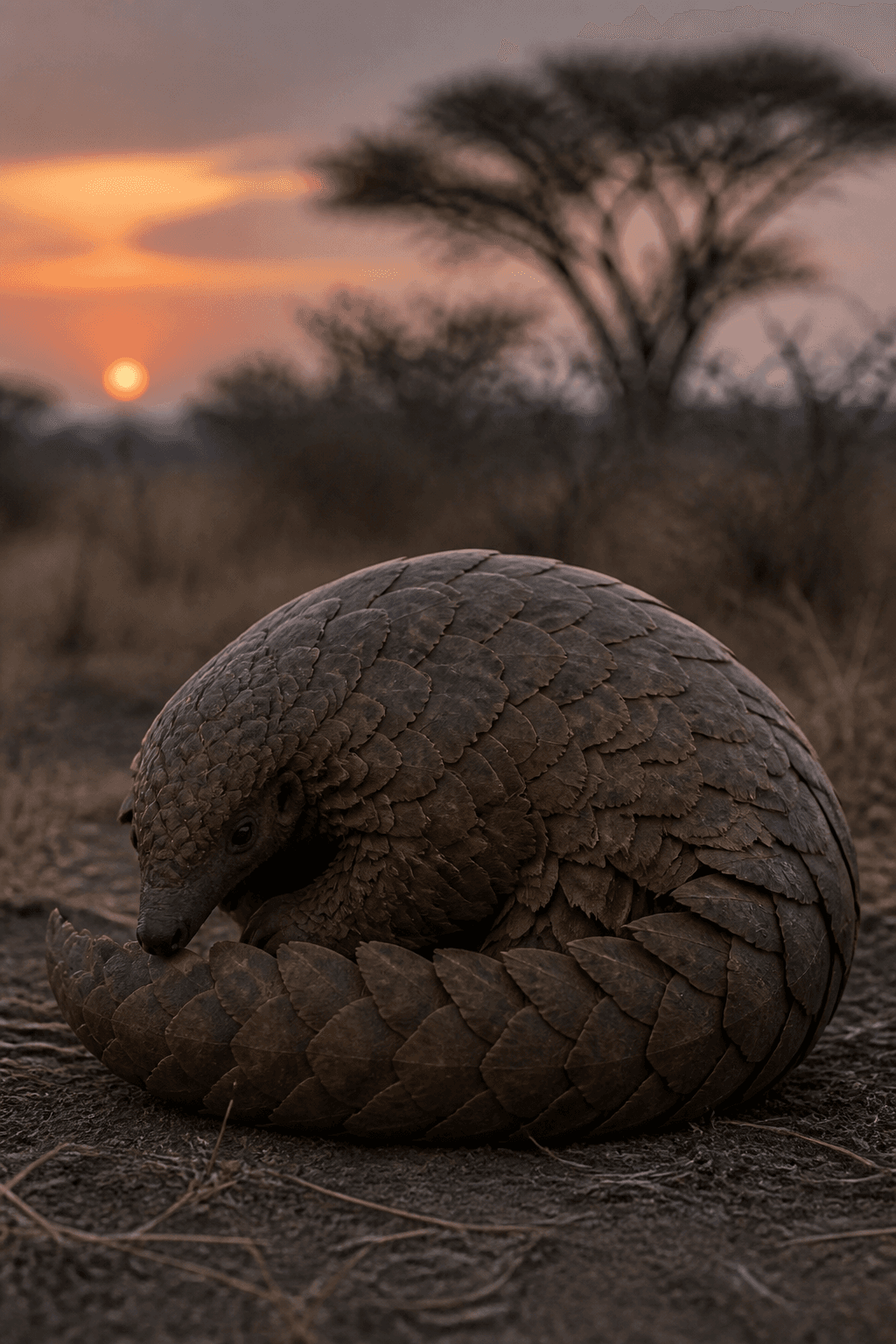
Pangolin
Kenya, China, Indonesia
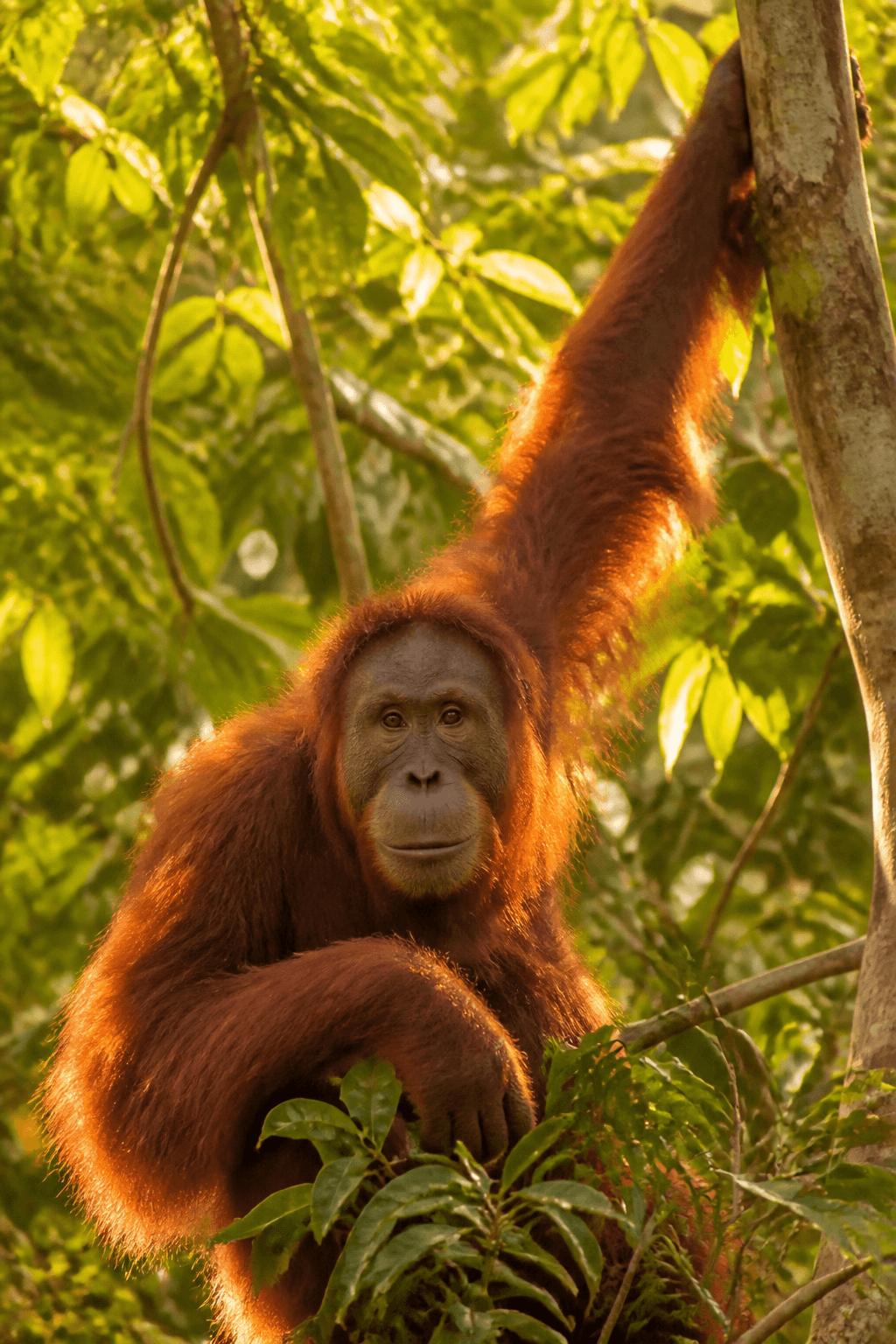
Orangutan
Indonesia
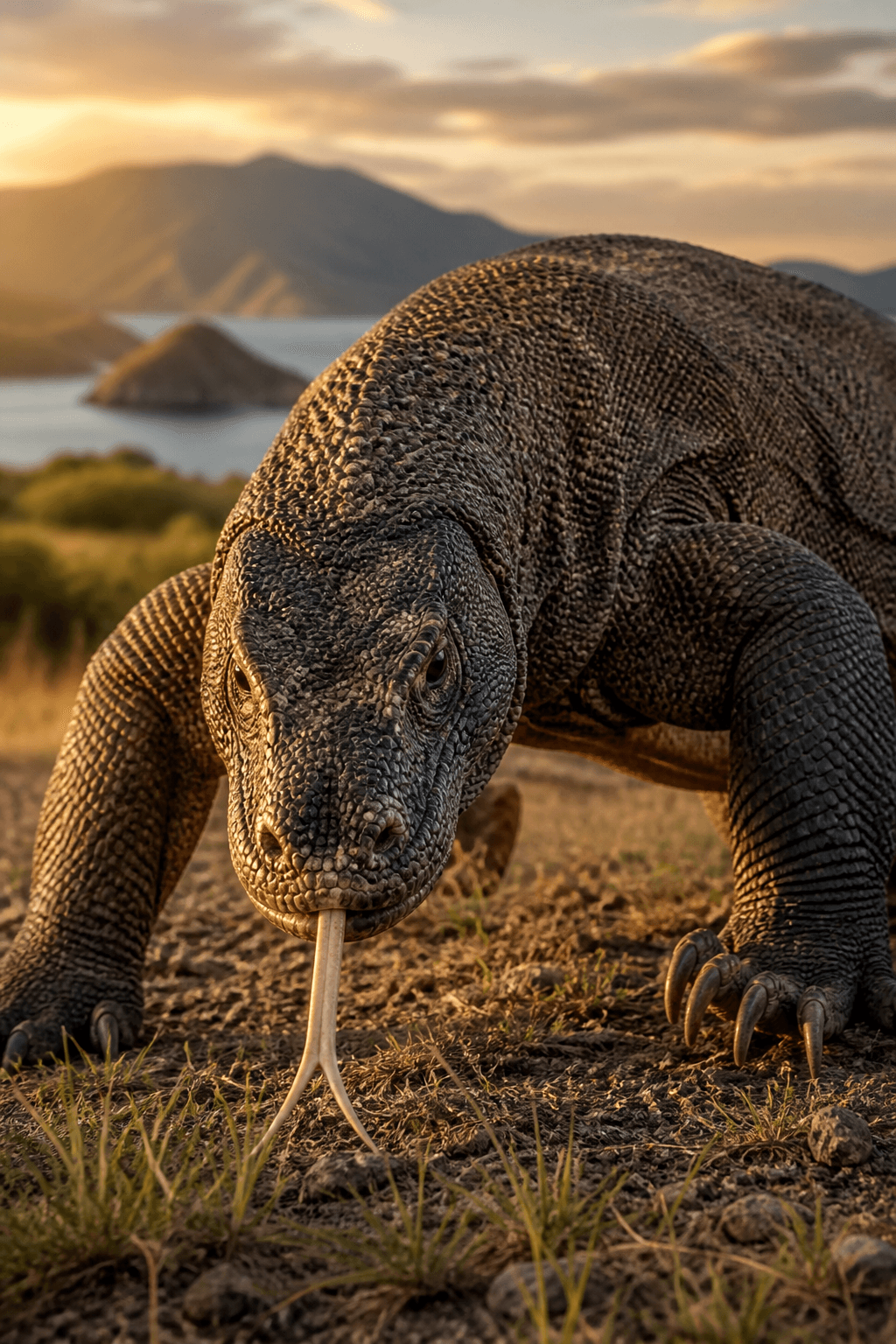
Komodo Dragon
Indonesia
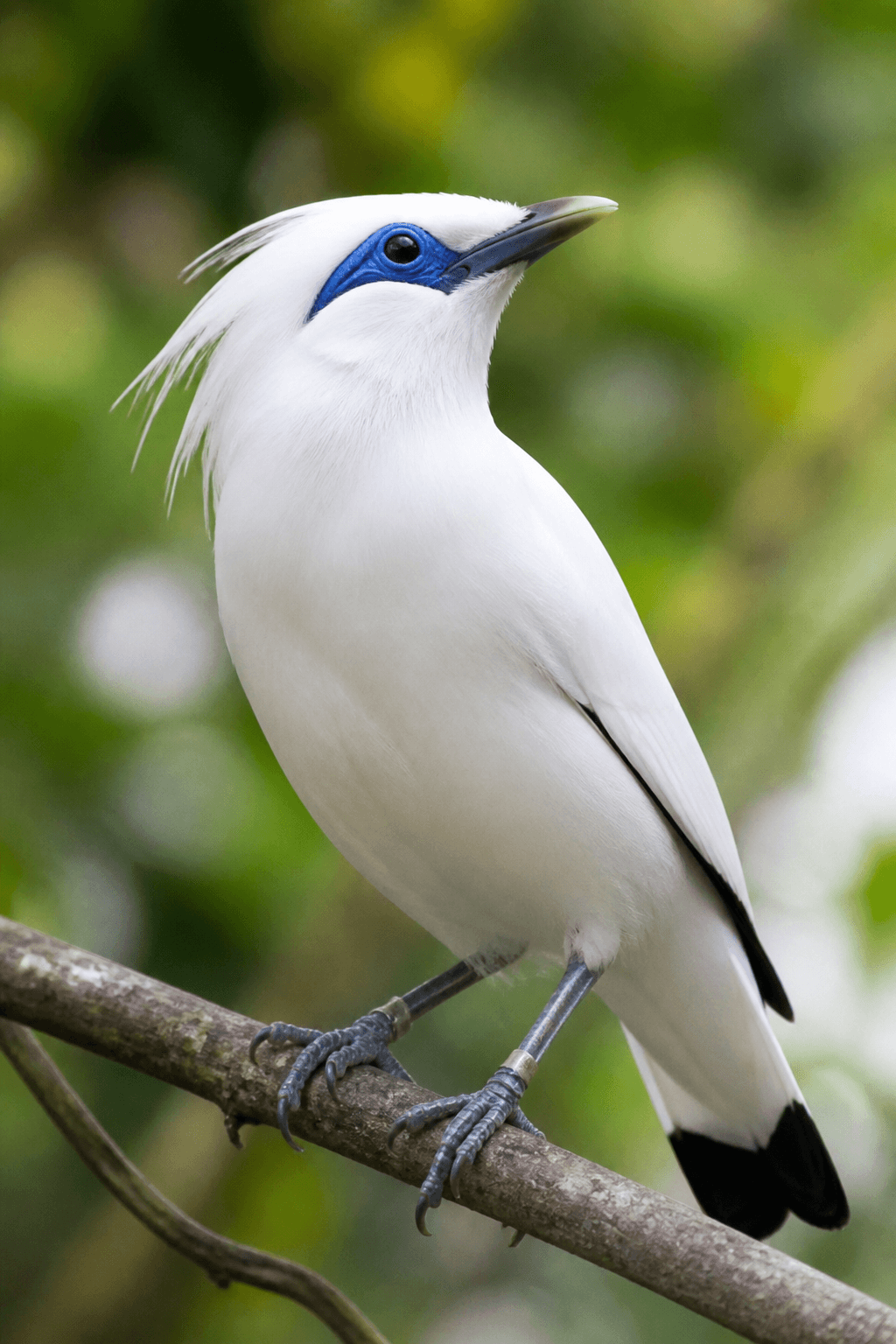
Bali Starling
Indonesia
Keep exploring
Where it lives
Related discoveries
- Domestic Dogcommon • Parks & Neighbourhoods
- Domestic Catcommon • Gardens & Streets
- House Sparrowcommon • Gardens & Cities
- Rock Pigeoncommon • Town Squares
- Mallardcommon • Ponds & Rivers
- Grey Squirrelcommon • Woodland & Parks
- Bald Eaglelegendary • Lakes & Coasts
- Northern Cardinalcommon • Gardens & Woodland
- American Robincommon • Lawns & Parks
- Great Horned Owlrare • Forest & Suburbs
- Blue Jaycommon • Oak Forest & Suburbs
- Lionlegendary • Savanna, East Africa
- Mourning Dovecommon • Gardens & Fields
- Eastern Gray Squirrelcommon • Parks & Woodland
- White-tailed Deerrare • Forest & Meadows
- Raccooncommon • Suburbs & Wetlands
- American Crowcommon • Fields & Towns
- Canada Goosecommon • Lakes & Parks
- Bobcatrare • Forest & Scrub
- Eastern Cottontailcommon • Fields & Gardens
- Red-winged Blackbirdcommon • Marshes & Fields
- Grizzly Bearlegendary • Mountains & Rivers
- Opossumcommon • Suburbs & Woodland
- Black-capped Chickadeecommon • Woodland & Feeders
- Wild Turkeyrare • Forest & Farmland
- American Goldfinchcommon • Meadows & Gardens
- House Finchcommon • Gardens & Urban
- Coyoterare • Prairie & Suburbs
- Turkey Vulturecommon • Roadsides & Open Country
- European Rabbitcommon • Fields & Warrens
- Monarch Butterflycommon • Meadows & Gardens
- Honey Beecommon • Gardens & Meadows
- Bumblebeecommon • Gardens & Wildflowers
- Mooserare • Northern Lakes
- Blue Whalelegendary • Open Ocean
- Bottlenose Dolphincommon • Coastal Waters
- African Elephantrare • Savanna
- Zebracommon • Grassland
- Giraffecommon • Savanna
- Flamingocommon • Lagoons & Flats
- Wolfrare • Forest & Tundra
- Hippopotamuscommon • Rivers & Lakes
- Cheetahrare • Savanna
- Rhinoceroscommon • Grassland
- Mountain Lionlegendary • Mountains & Desert
- Armadillocommon • Grassland & Scrub
- Manateerare • Coastal Springs
- Alligatorcommon • Swamps & Rivers
- Sea Ottercommon • Kelp Forest
- Bisonrare • Great Plains
- Hummingbirdcommon • Gardens & Flowers
- Leopardcommon • Savanna & Forest
- Snowy Owlrare • Arctic Tundra
- Great White Sharklegendary • Coastal Ocean
- Octopuscommon • Rock Pools & Reef
- Clownfishcommon • Coral Reef
- Golden Eaglecommon • Mountains & Moorland
- Arctic Foxcommon • Arctic Tundra
- Pangolinrare • Forest & Grassland
- Orangutanrare • Indonesia
- Komodo Dragonlegendary • Komodo Islands
- Bali Starlinglegendary • Bali
Free on iOS
Catch the Sea Turtle
Spot one in the wild — then scan it in Catch'Um to log your rare discovery.