
Field guide · common
Canada Goose
The V-formation traveller — honking over every park pond and riding wingtip vortices to save energy.
Least Concern
Overview
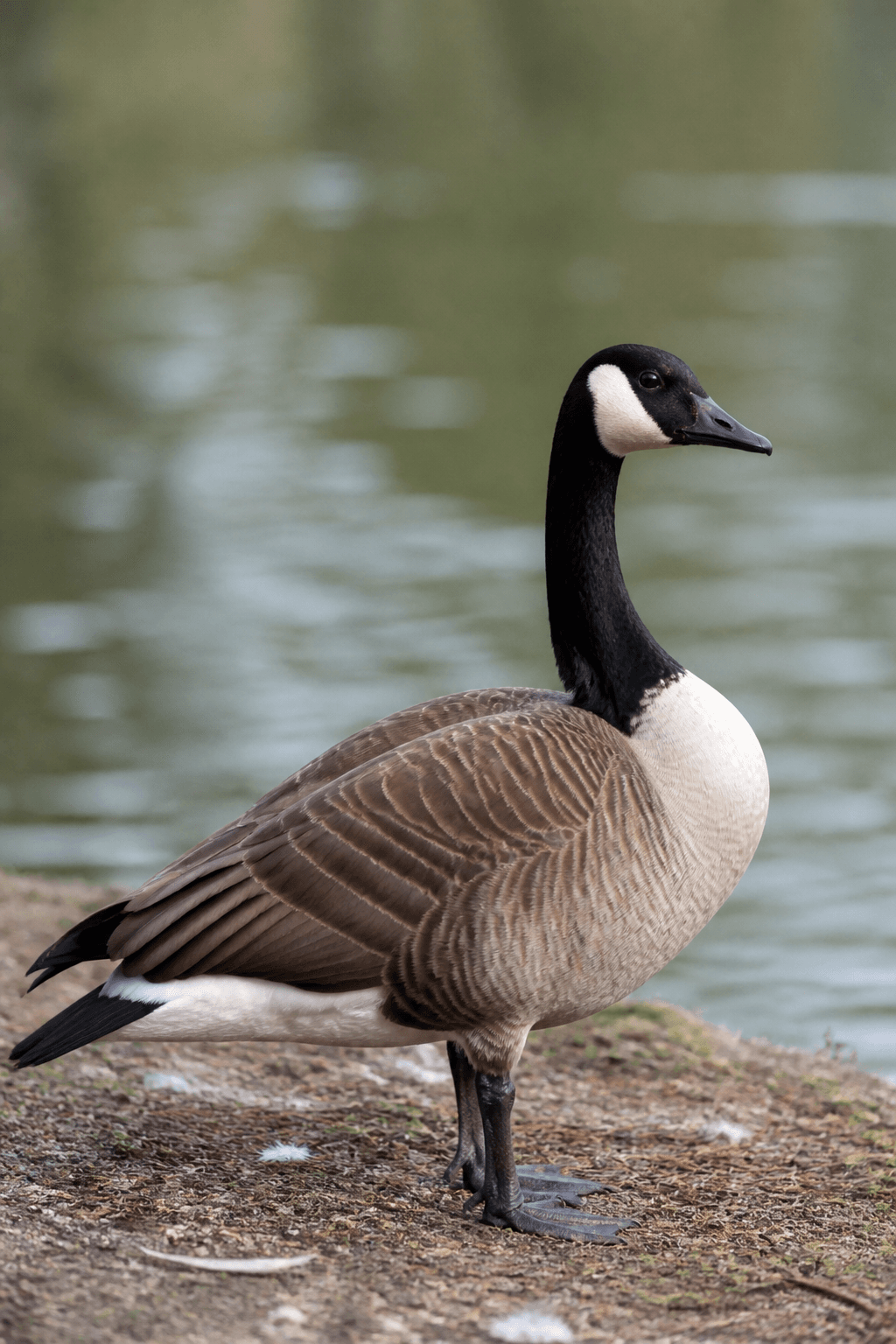
The Canada goose is the large, black-necked goose of American parks and ponds — honking, territorial, and impossible to ignore when a pair decides your local lake is home. Once strictly migratory, many populations now stay year-round, grazing lawns and leaving their distinctive droppings on golf courses nationwide.
Watch a skein flying in V-formation and you're seeing aerodynamic cooperation — each bird behind the leader saves energy in the wingtip vortex. A familiar common that still impresses when a hundred land on water together.
Habitat
Canada geese live across the United States on lakes, ponds, rivers, parks, and golf courses. They nest on the ground near water, graze on grass and aquatic plants, and have adapted brilliantly to suburban habitats with mowed lawns and artificial ponds.
Countries found
Interesting facts
- 01
Canada geese fly in a V formation — each bird saves energy by riding the wingtip vortex.
- 02
They mate for life and both parents defend the nest aggressively.
- 03
Goslings imprint on their parents and follow in a line from day one.
- 04
Many populations are now resident — they no longer migrate south in winter.
- 05
Their honking flight calls carry for kilometres — a sound of autumn and spring.
- 06
A subspecies, the giant Canada goose, was once thought extinct but recovered from wild flock.
Conservation status
Canada geese are Least Concern and in many areas considered overabundant — resident urban flocks have grown dramatically since the 1970s, leading to management programmes on airports and parks.
Related discoveries
Domestic Dog
United Kingdom, United States
Domestic Cat
United Kingdom, United States
House Sparrow
United Kingdom, United States
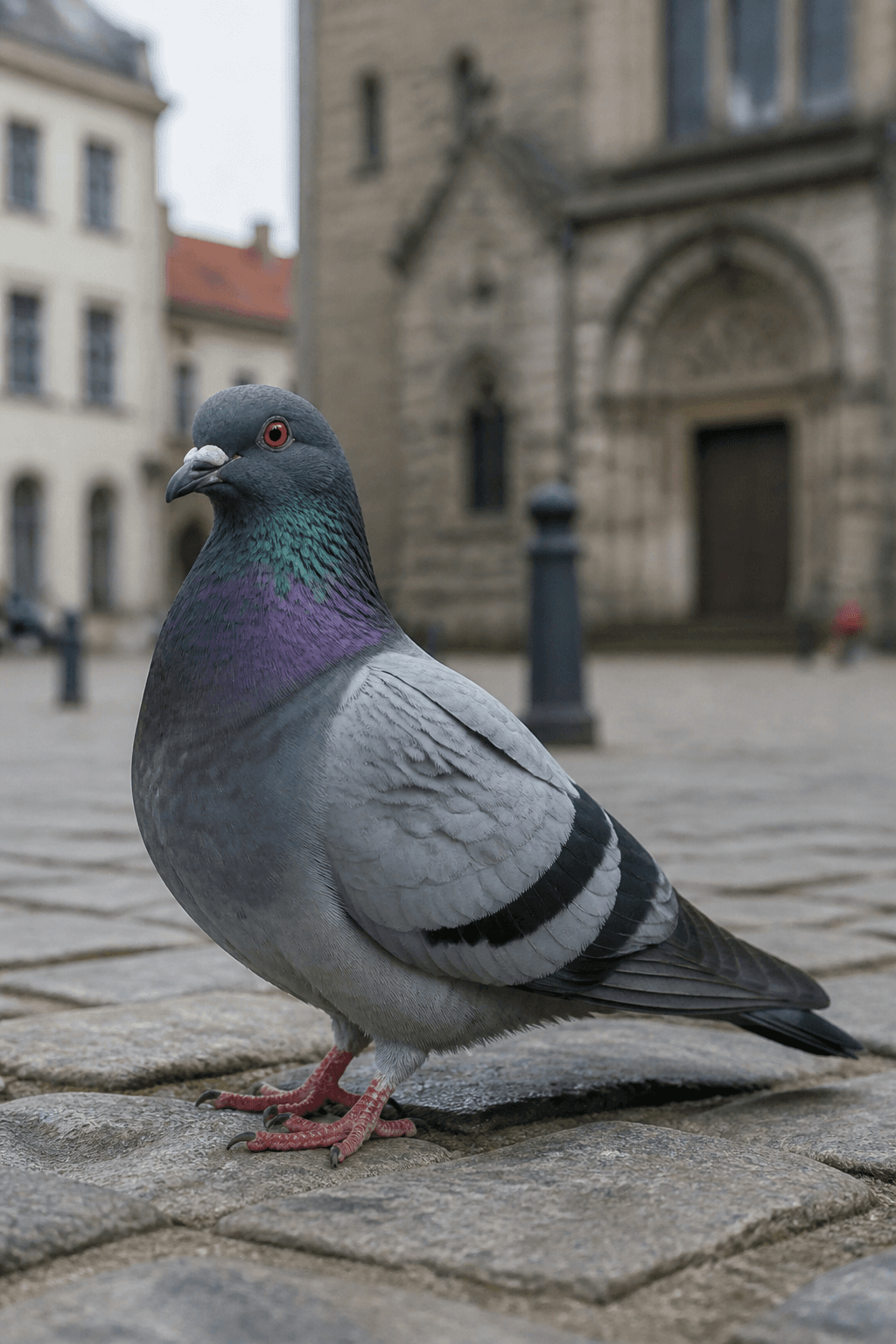
Rock Pigeon
United Kingdom, United States
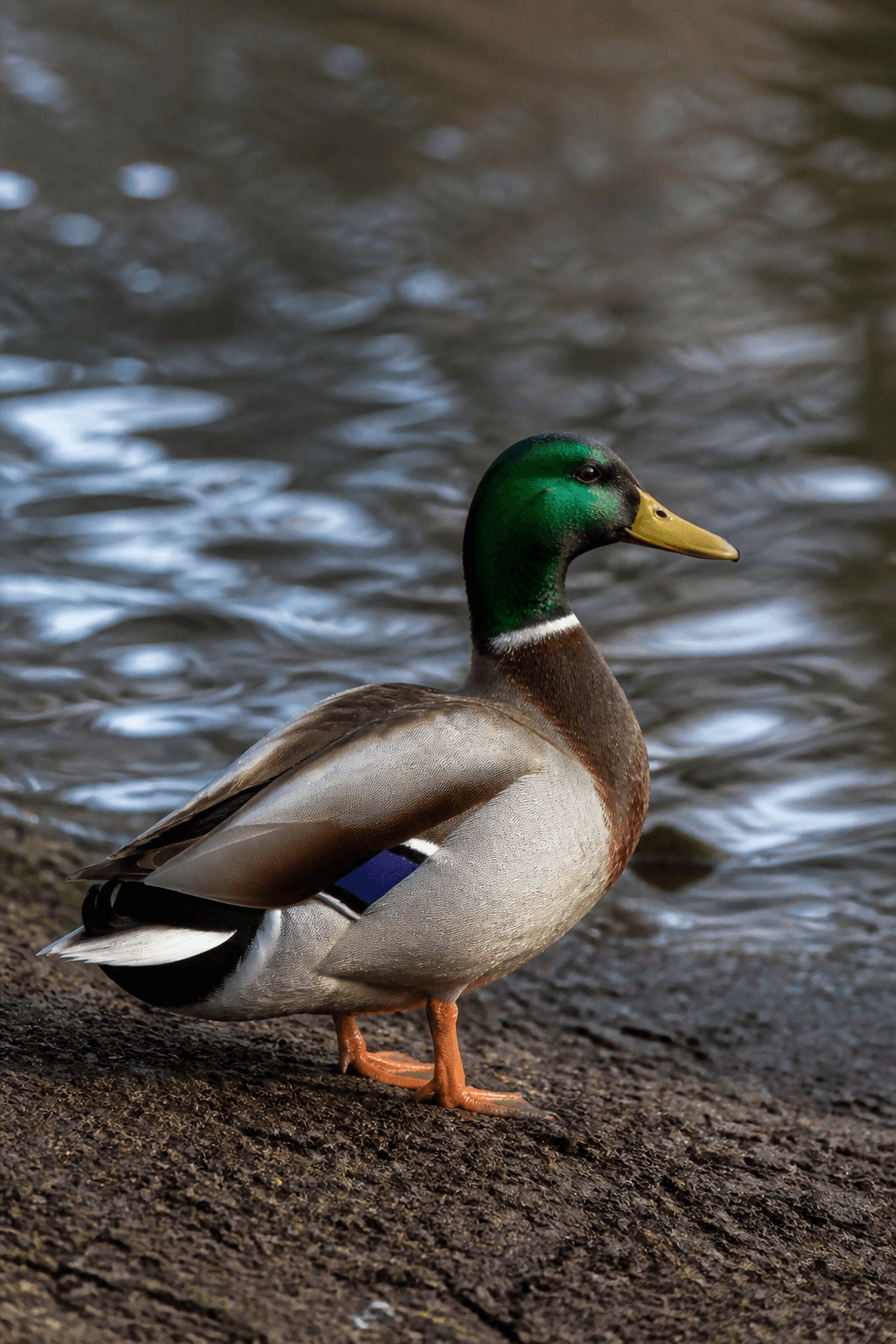
Mallard
United Kingdom, United States
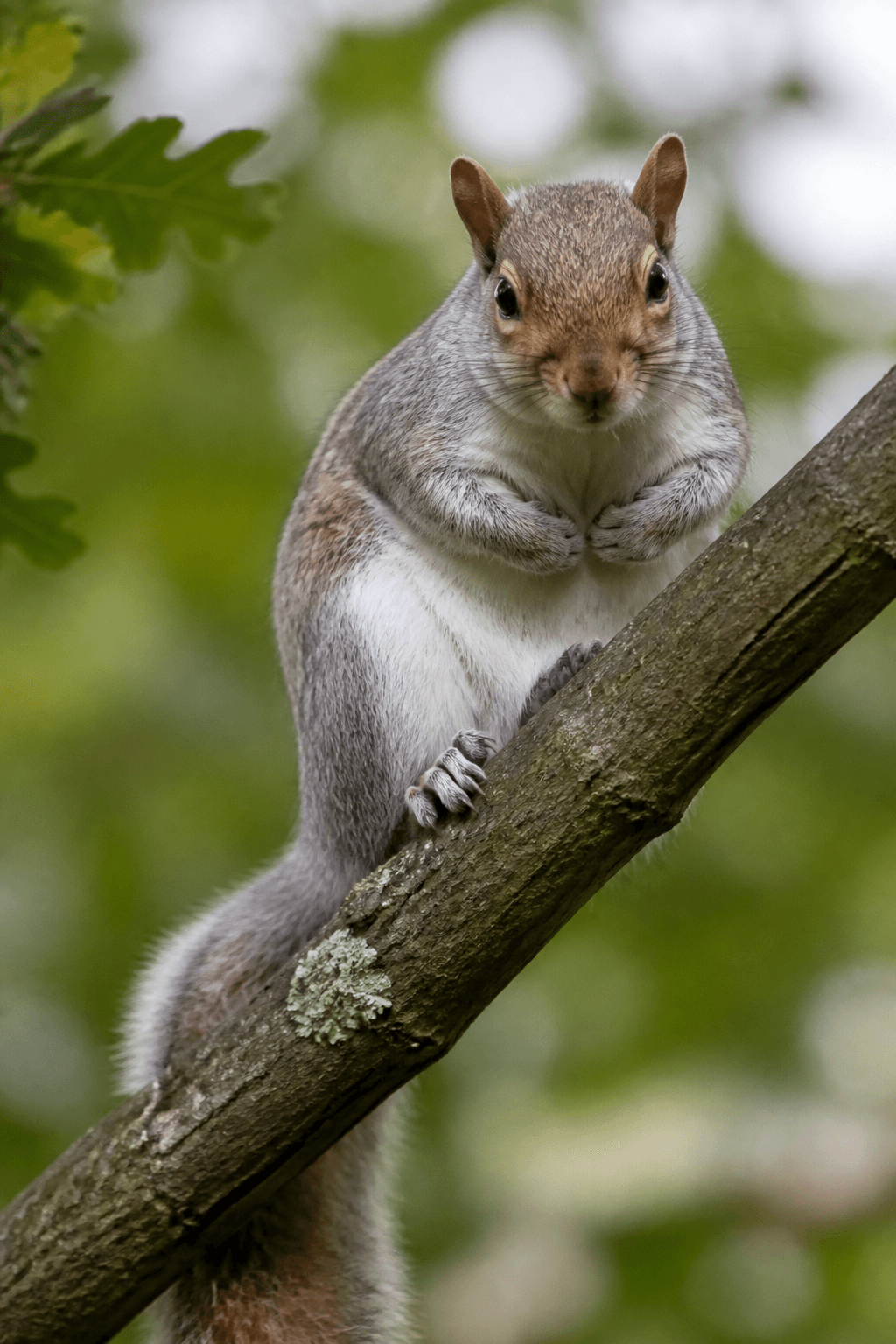
Grey Squirrel
United Kingdom, United States
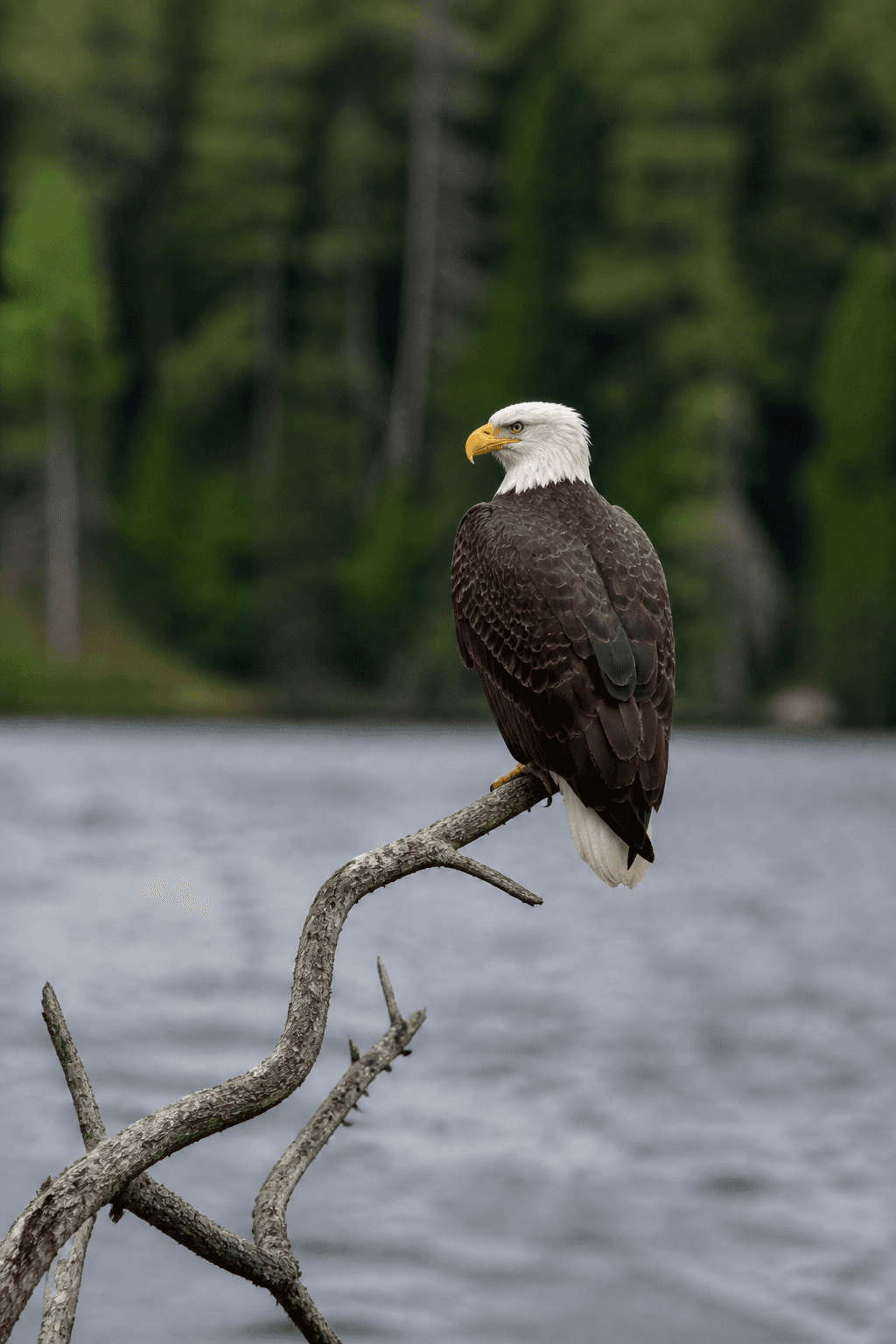
Bald Eagle
United States
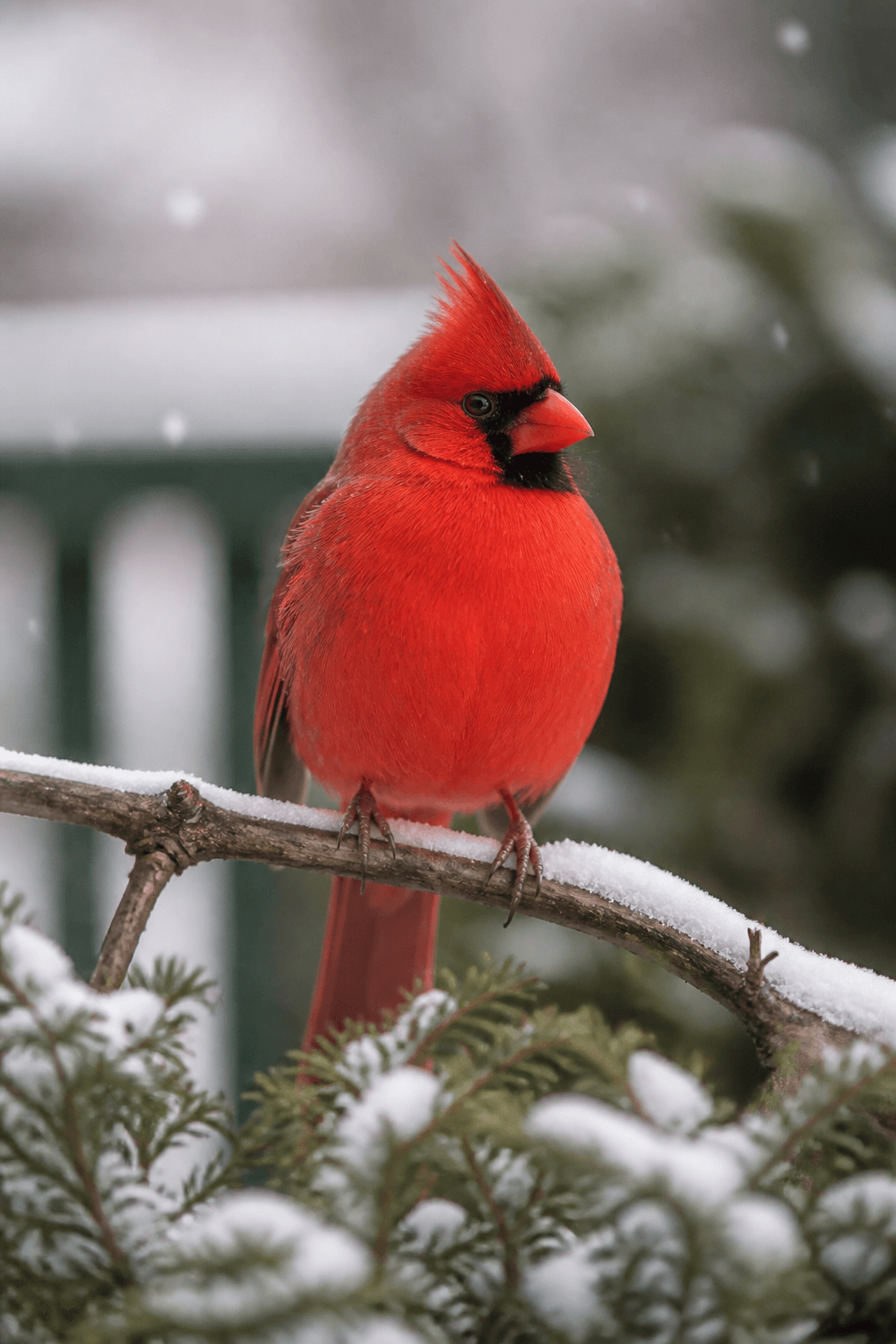
Northern Cardinal
United States
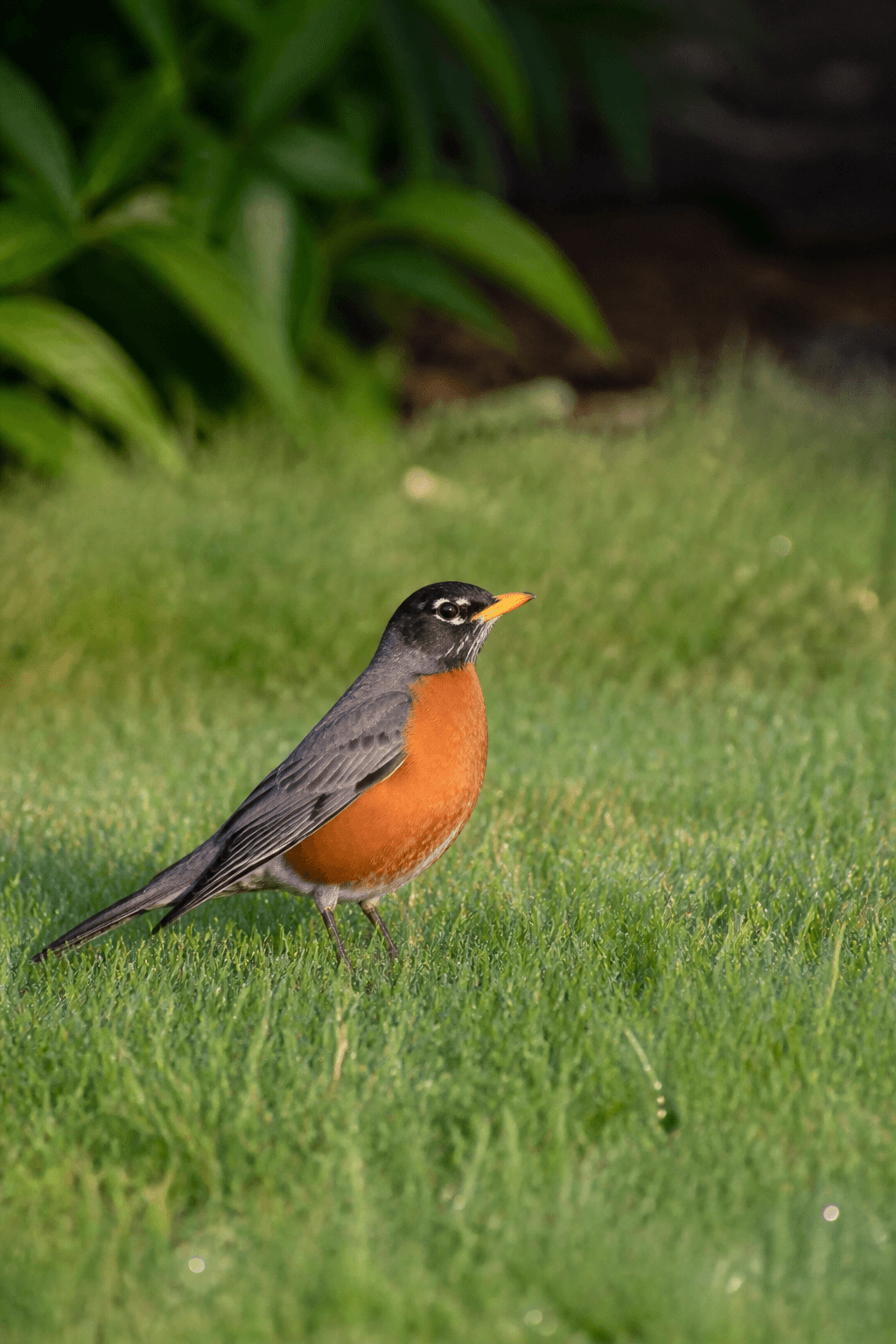
American Robin
United States
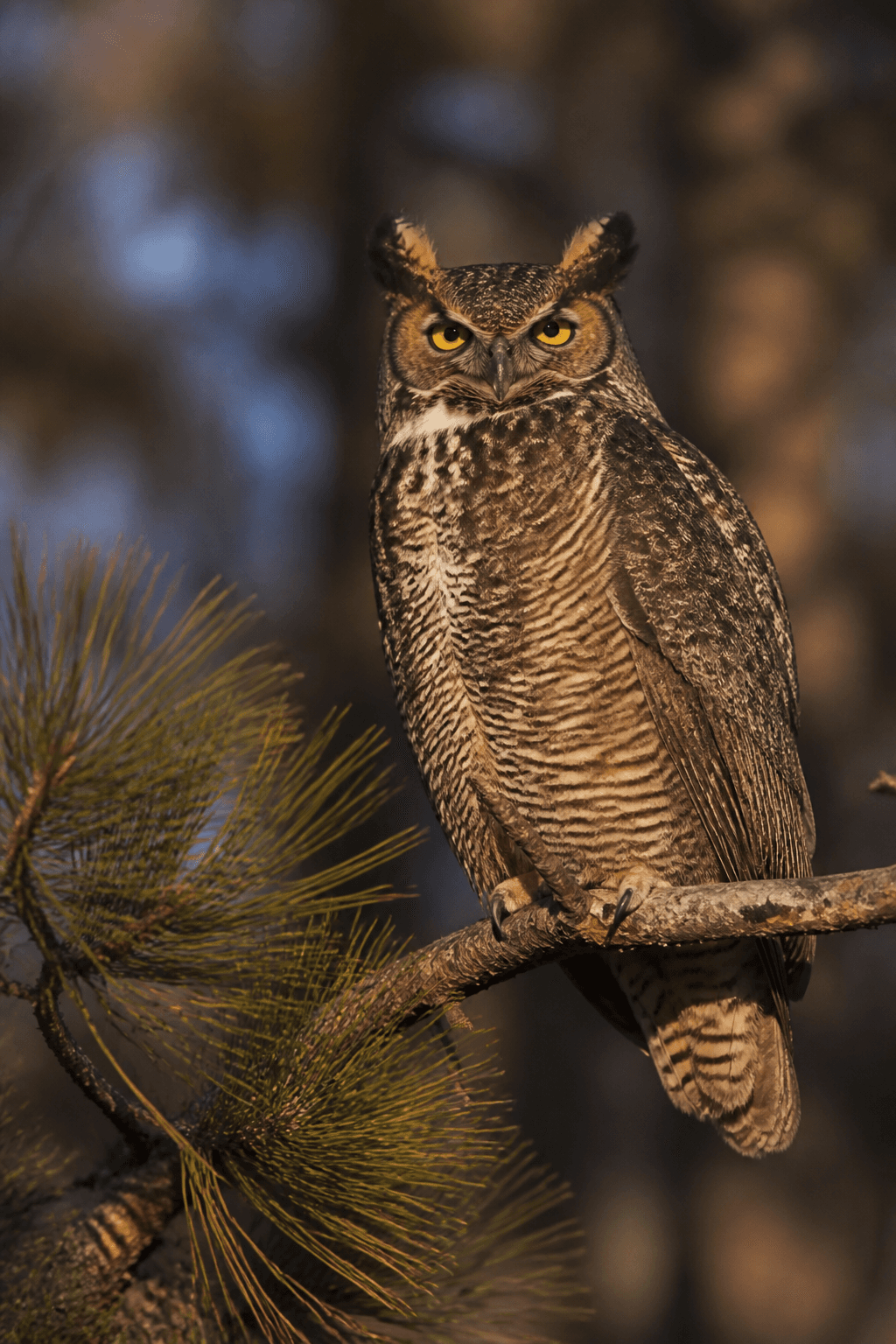
Great Horned Owl
United States
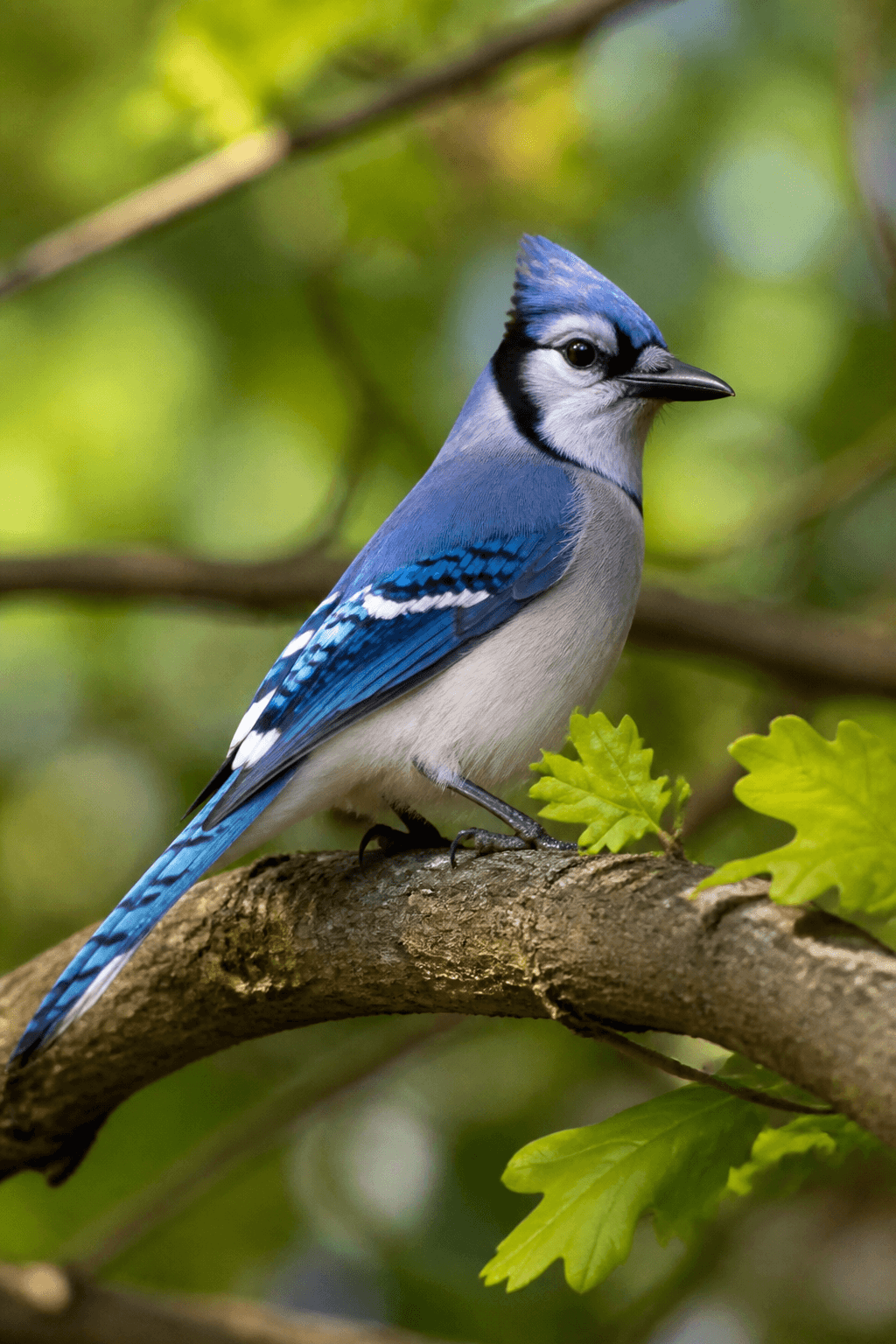
Blue Jay
United States
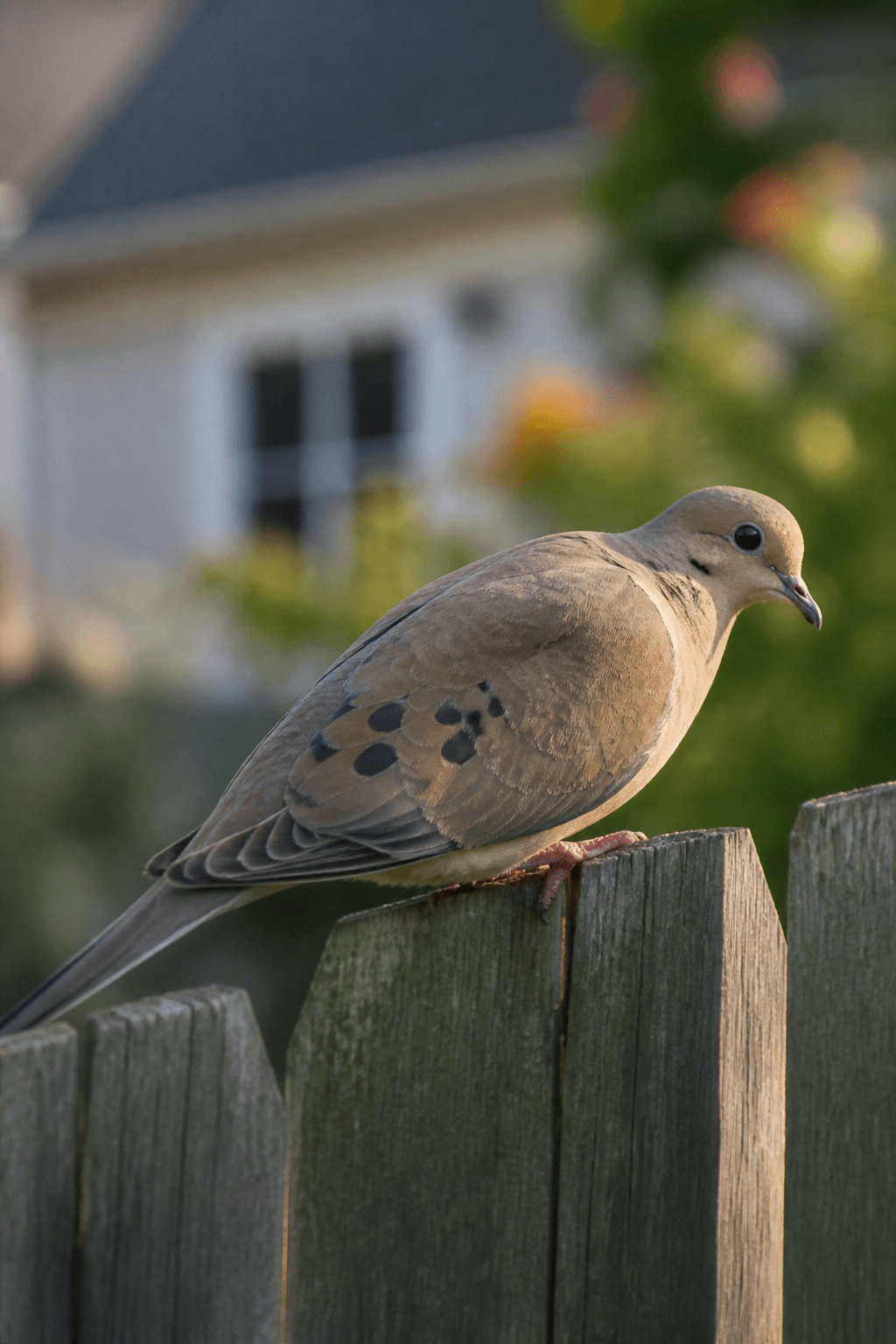
Mourning Dove
United States
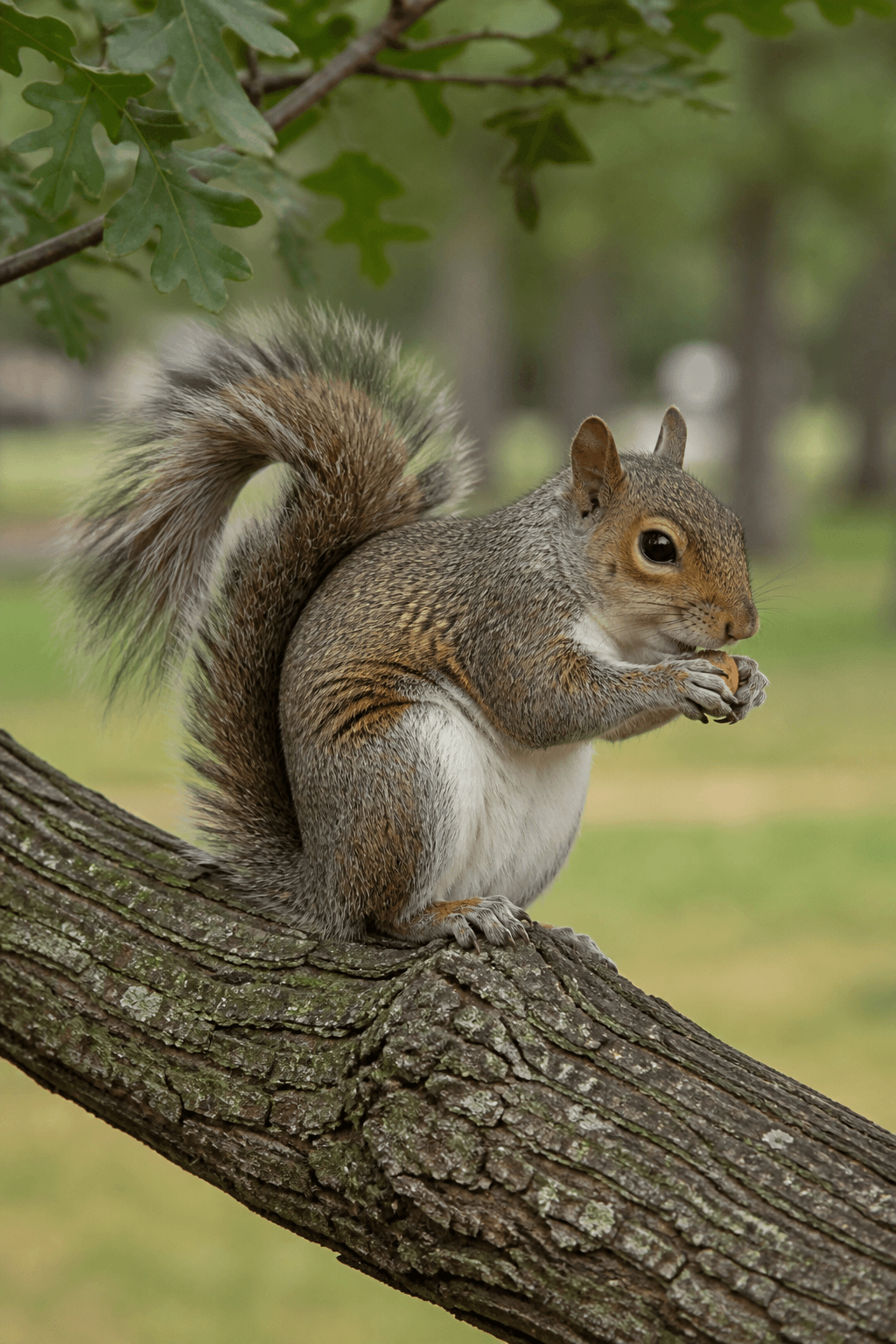
Eastern Gray Squirrel
United States
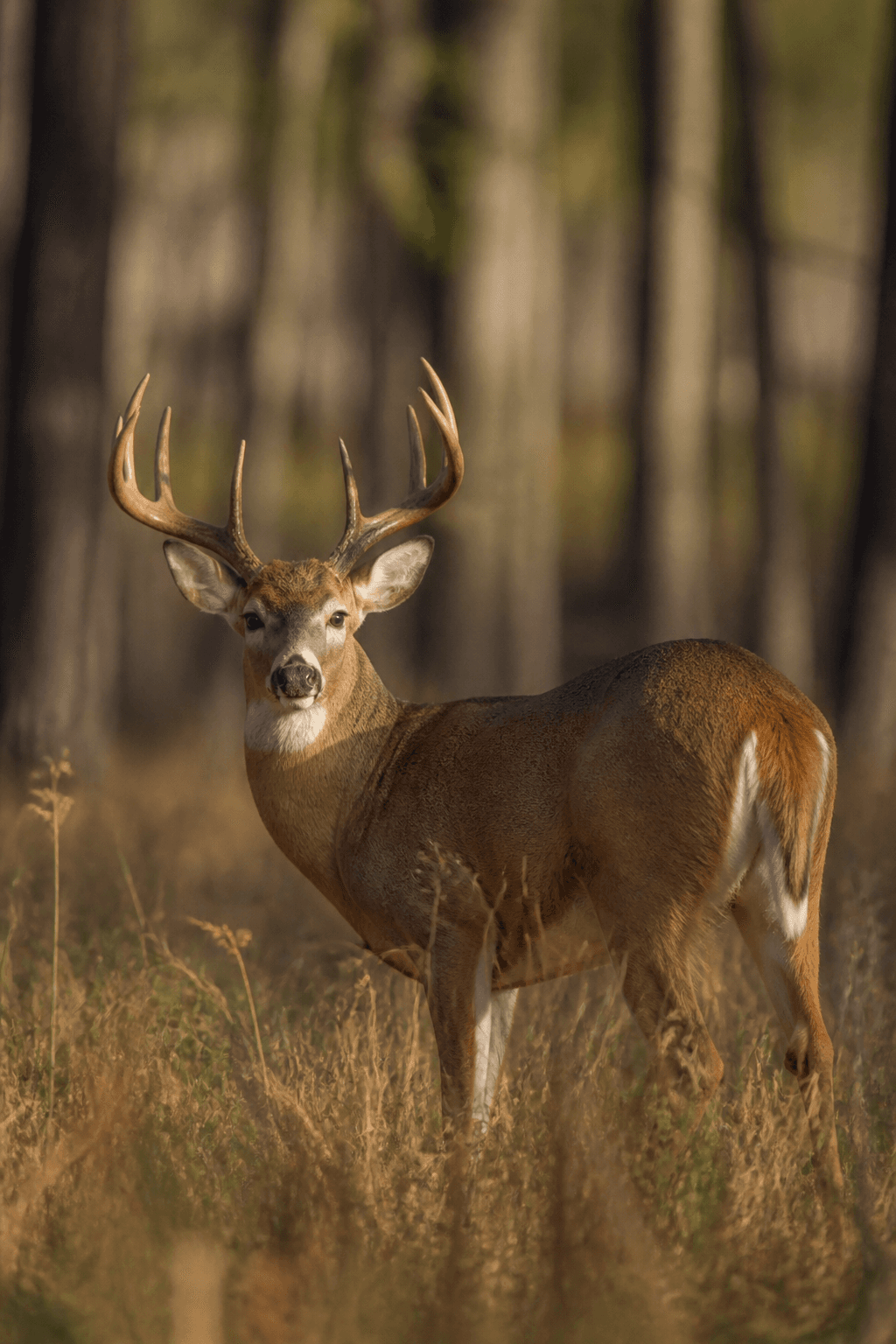
White-tailed Deer
United States
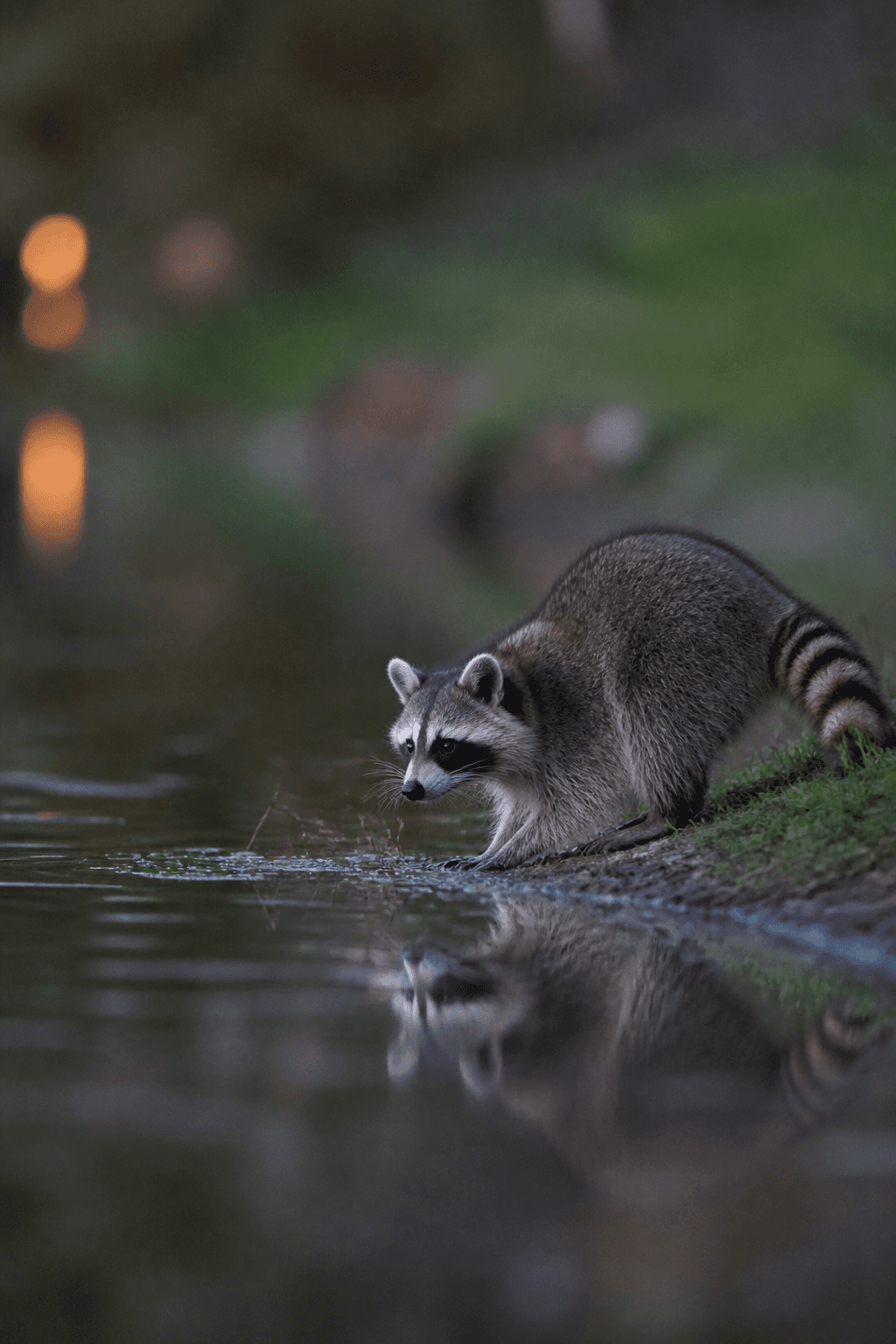
Raccoon
United States
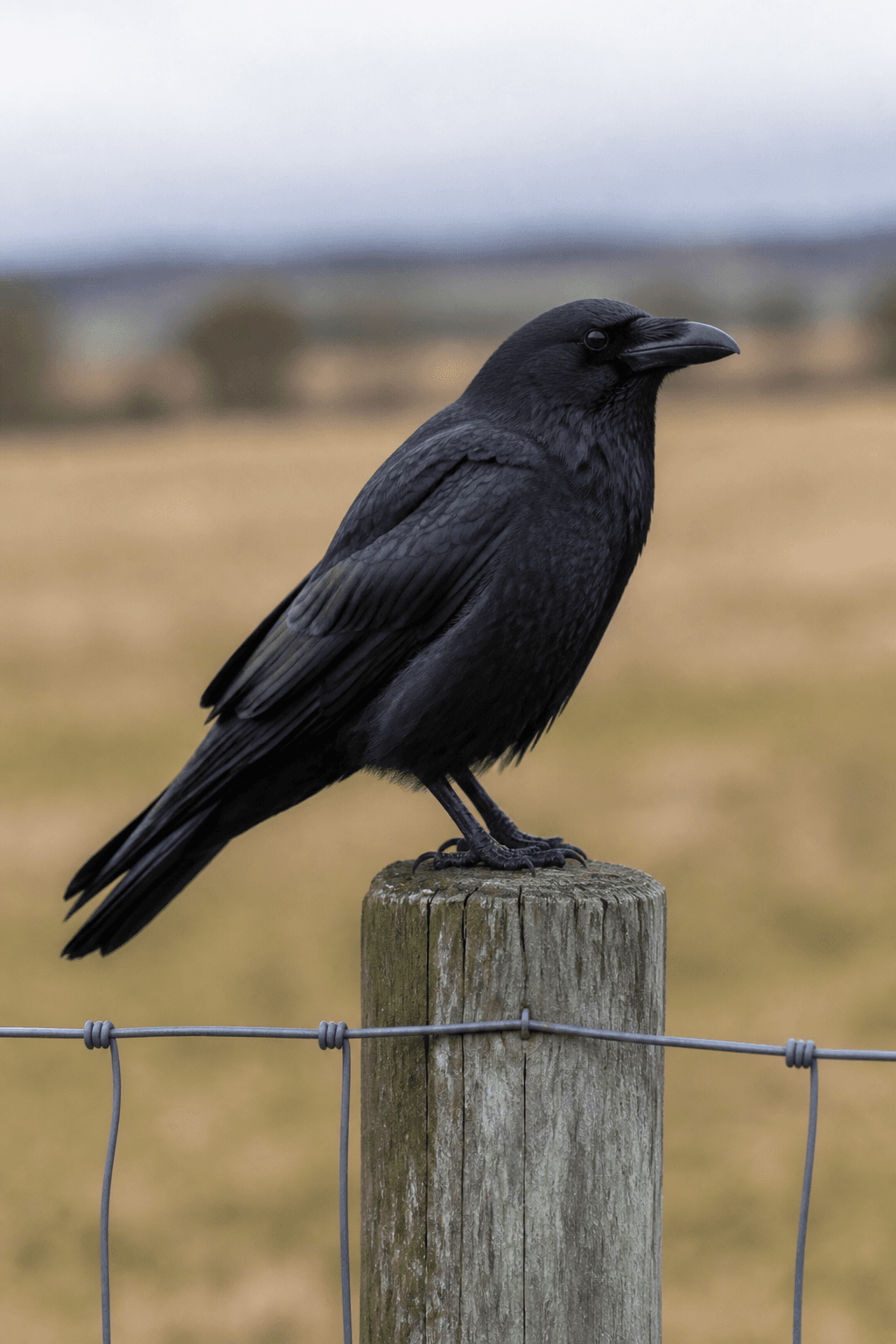
American Crow
United States
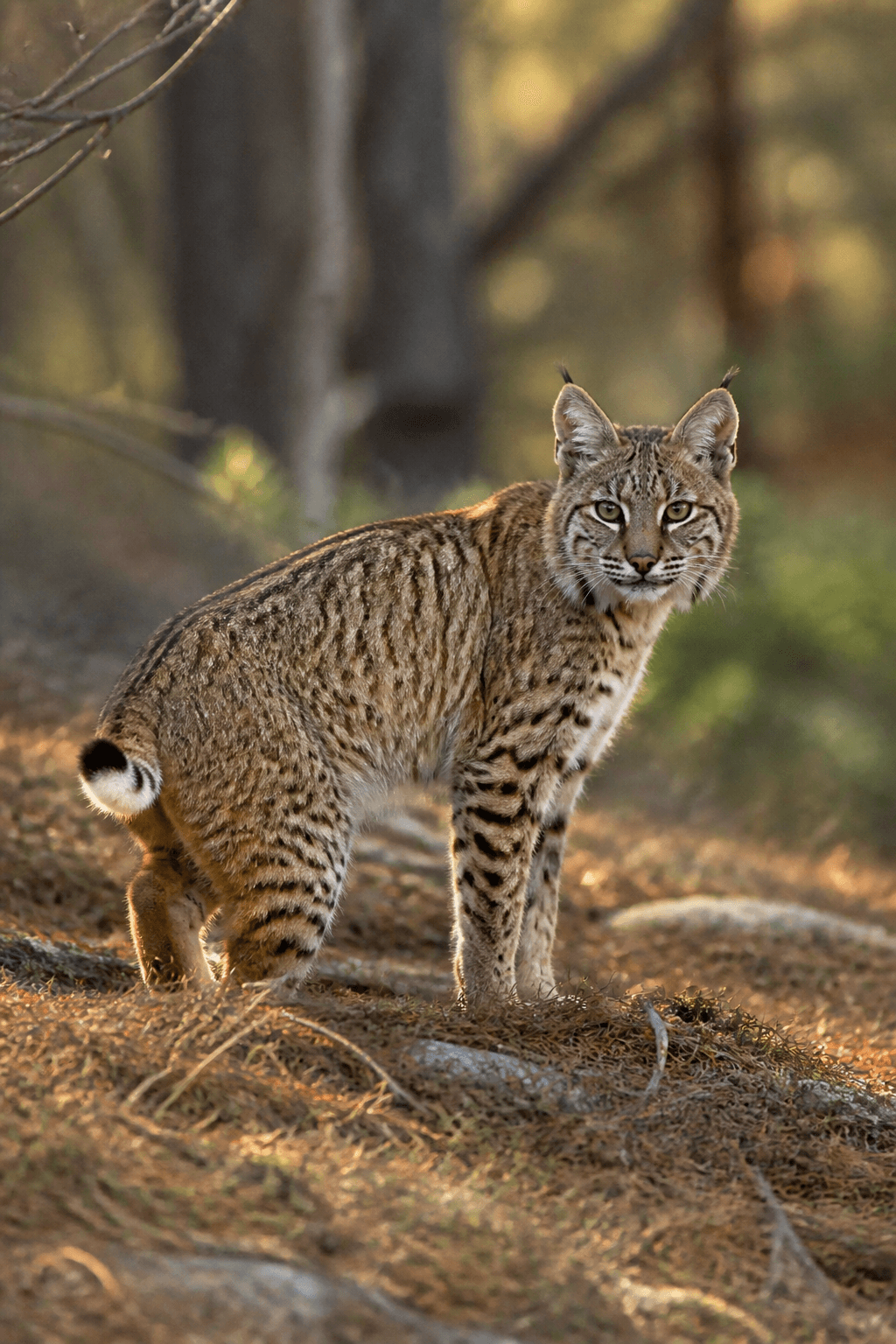
Bobcat
United States
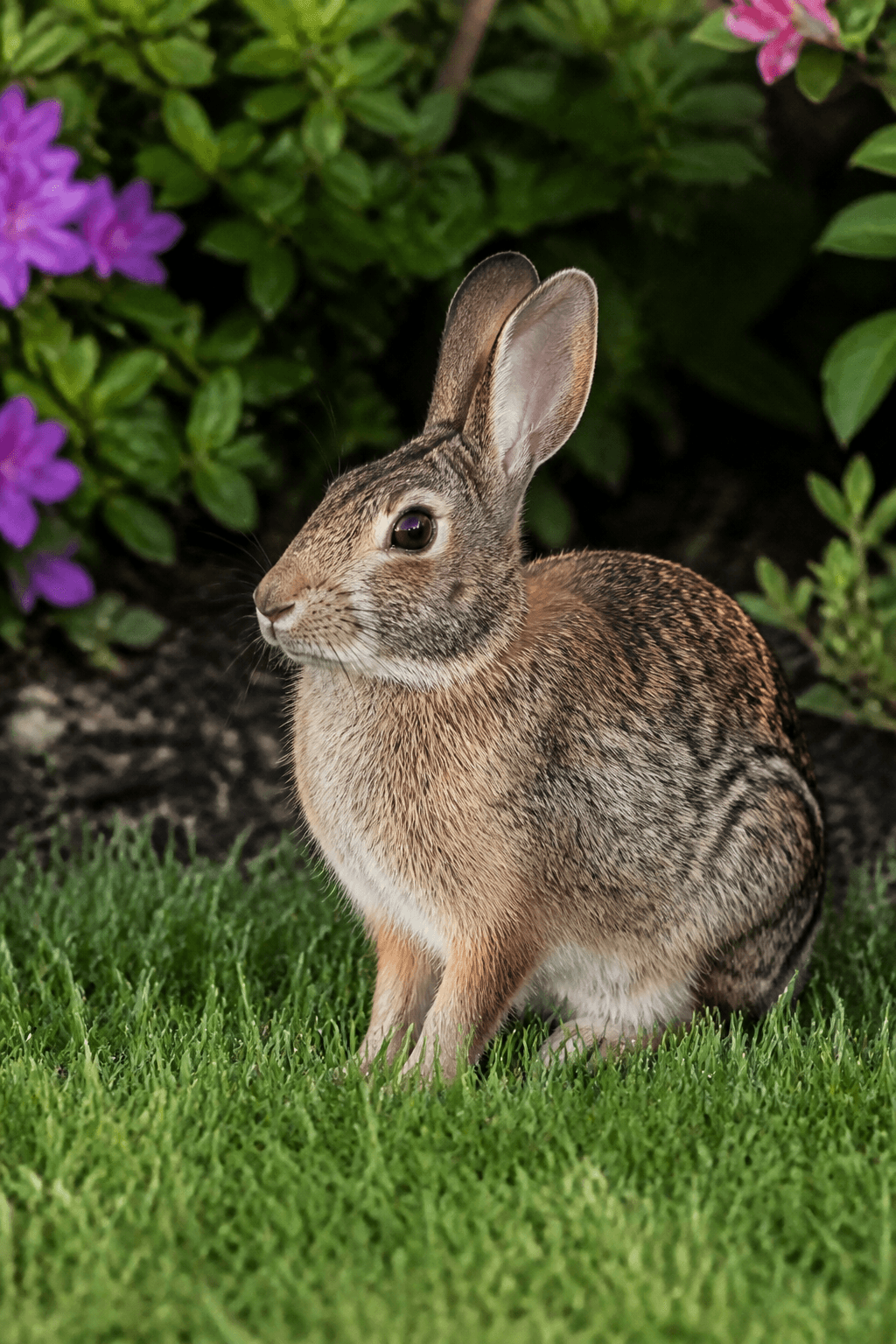
Eastern Cottontail
United States
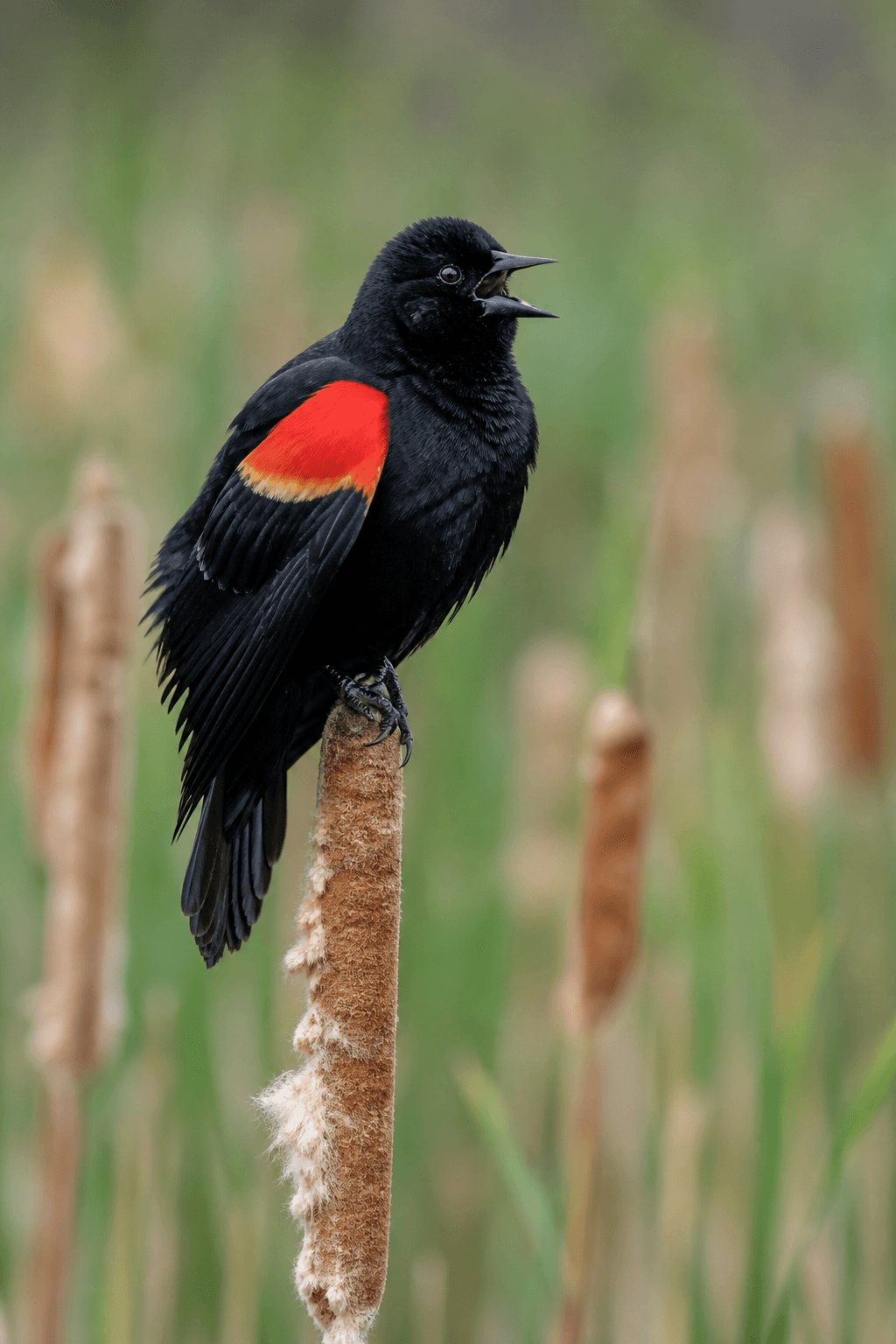
Red-winged Blackbird
United States
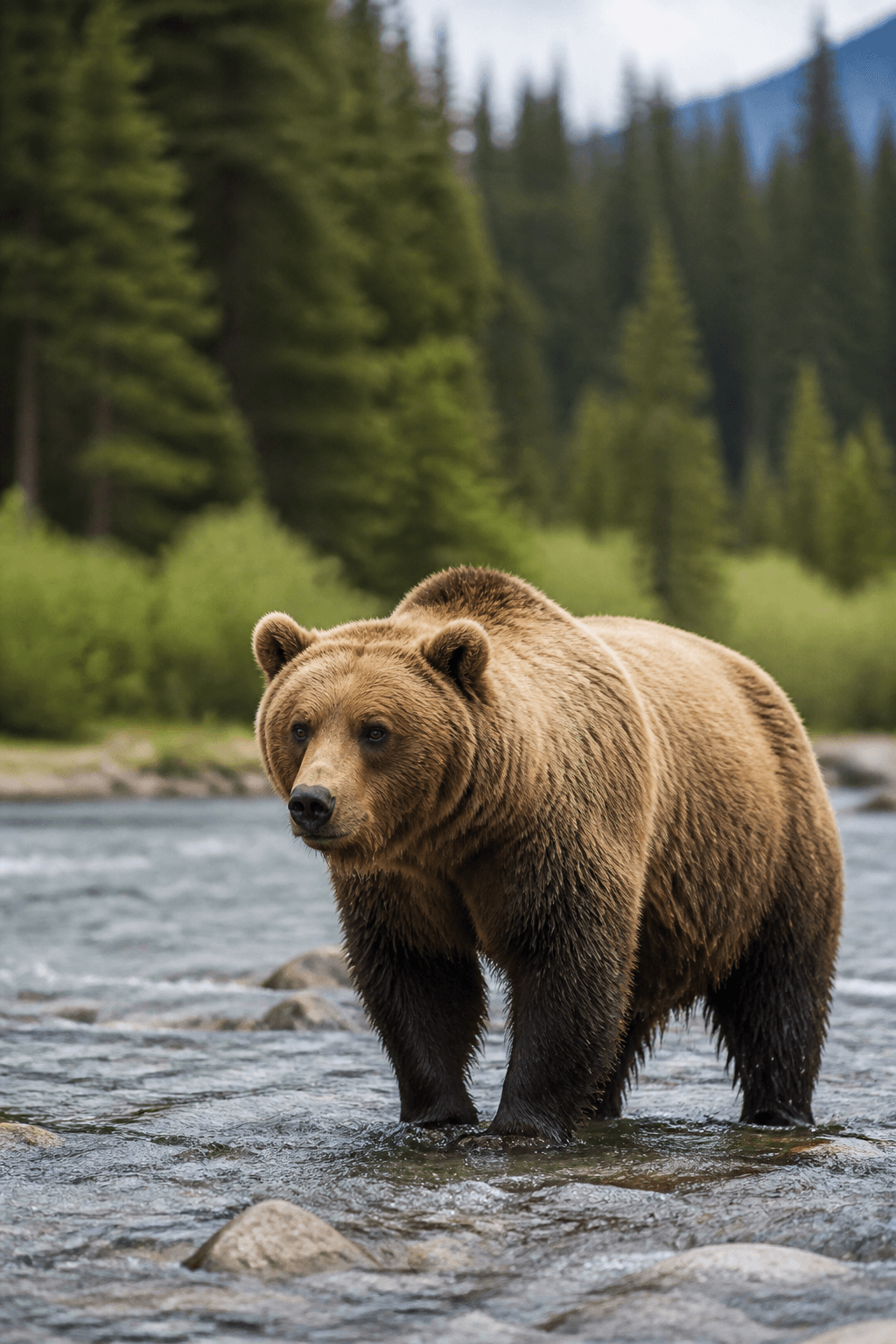
Grizzly Bear
United States
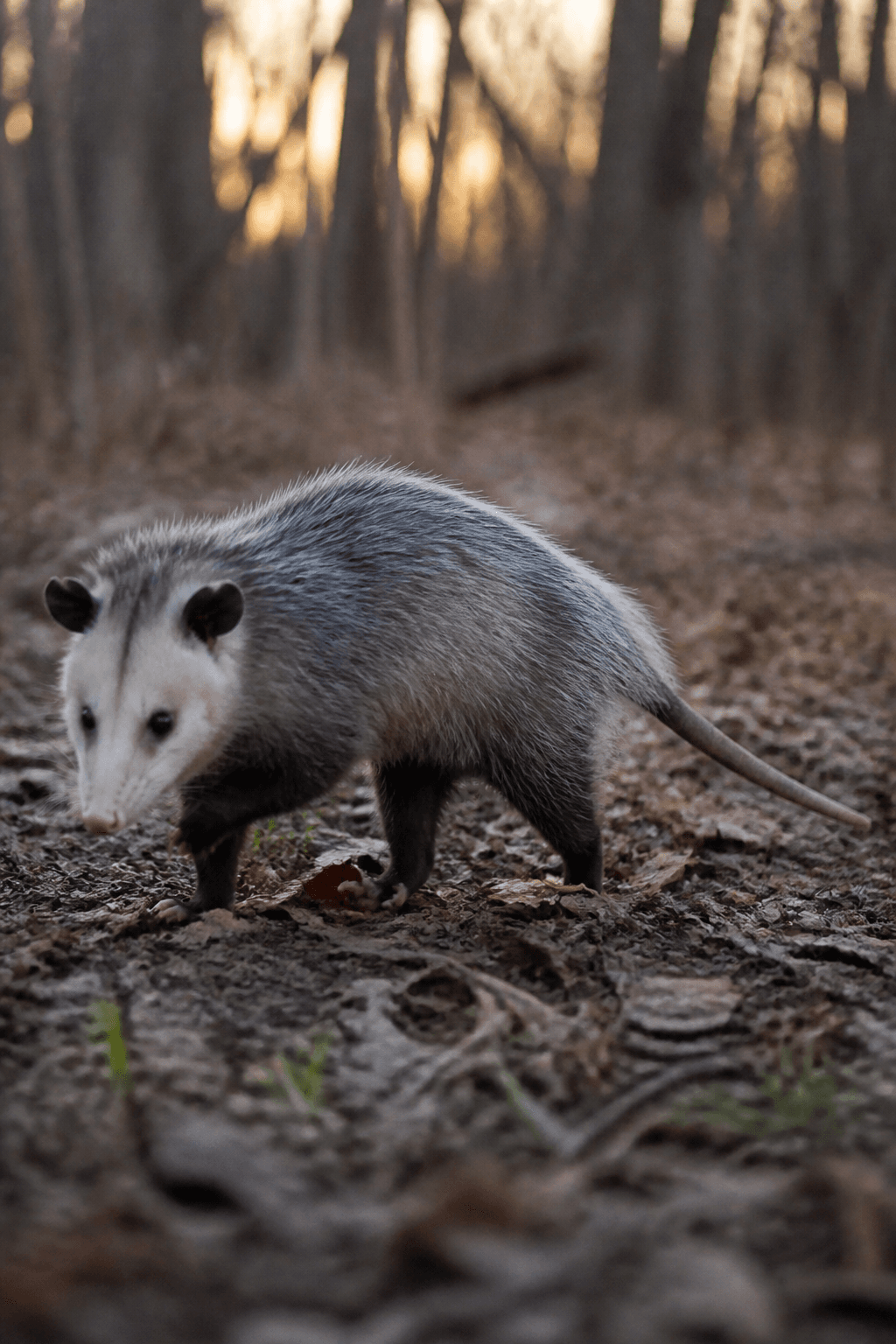
Opossum
United States
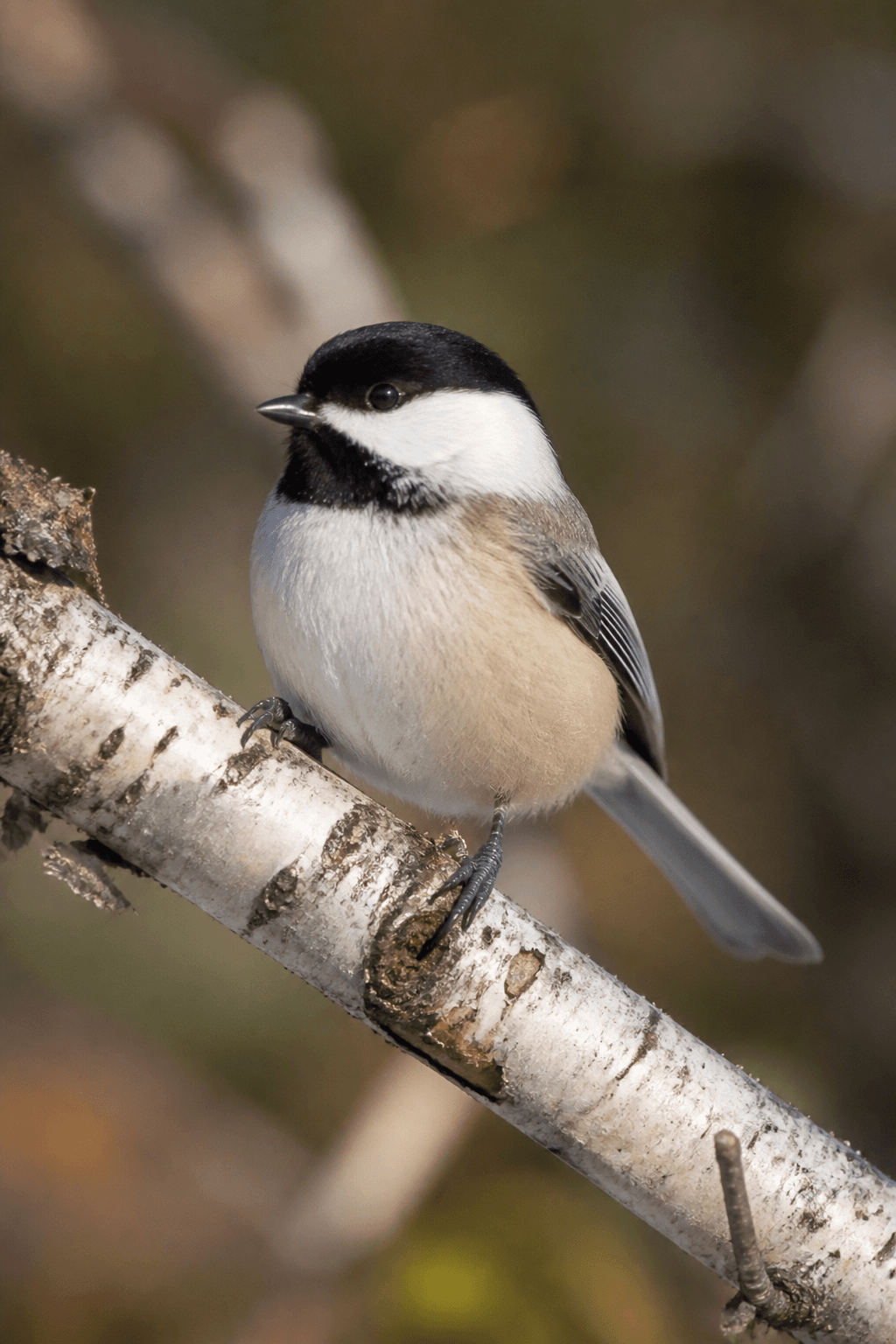
Black-capped Chickadee
United States
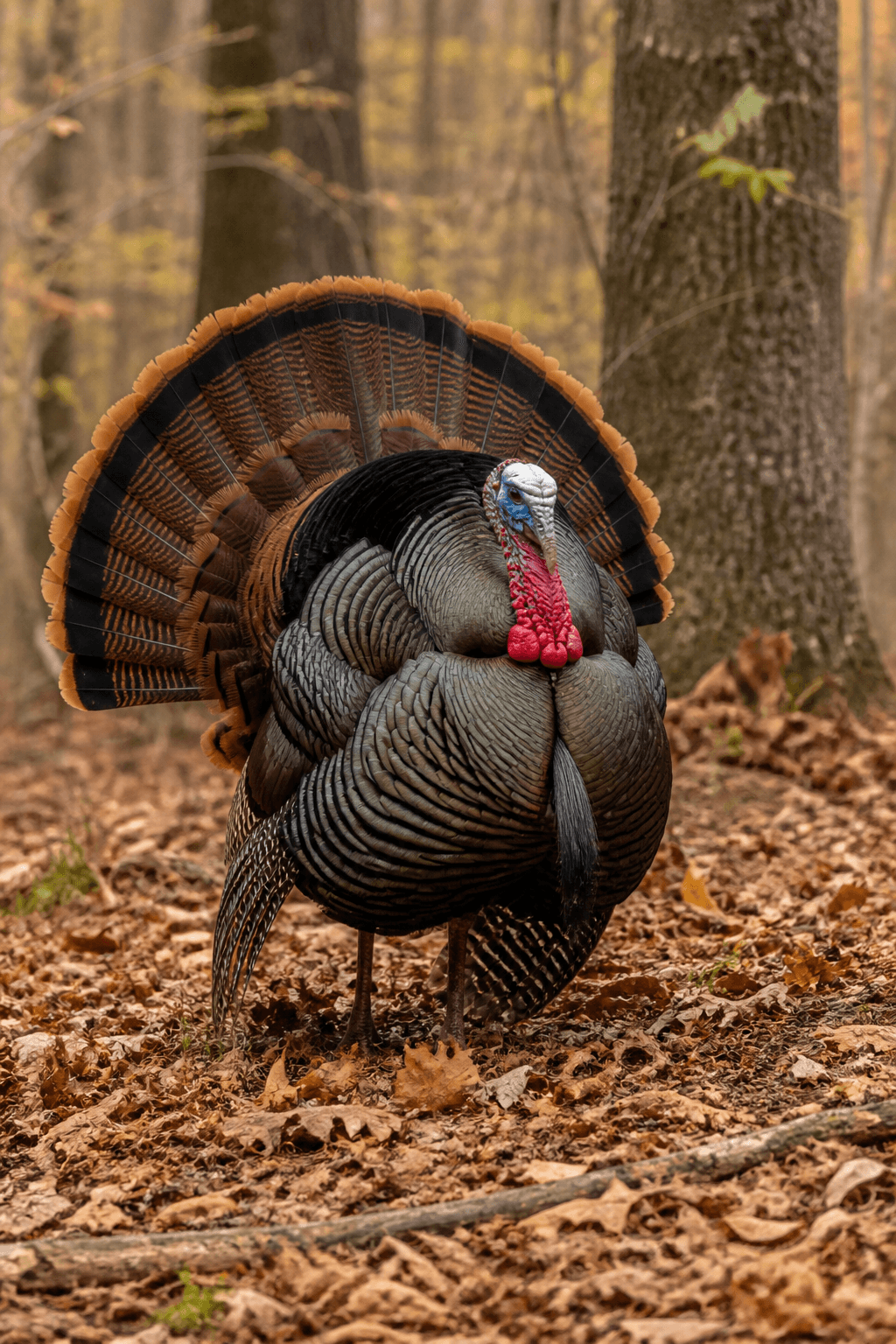
Wild Turkey
United States
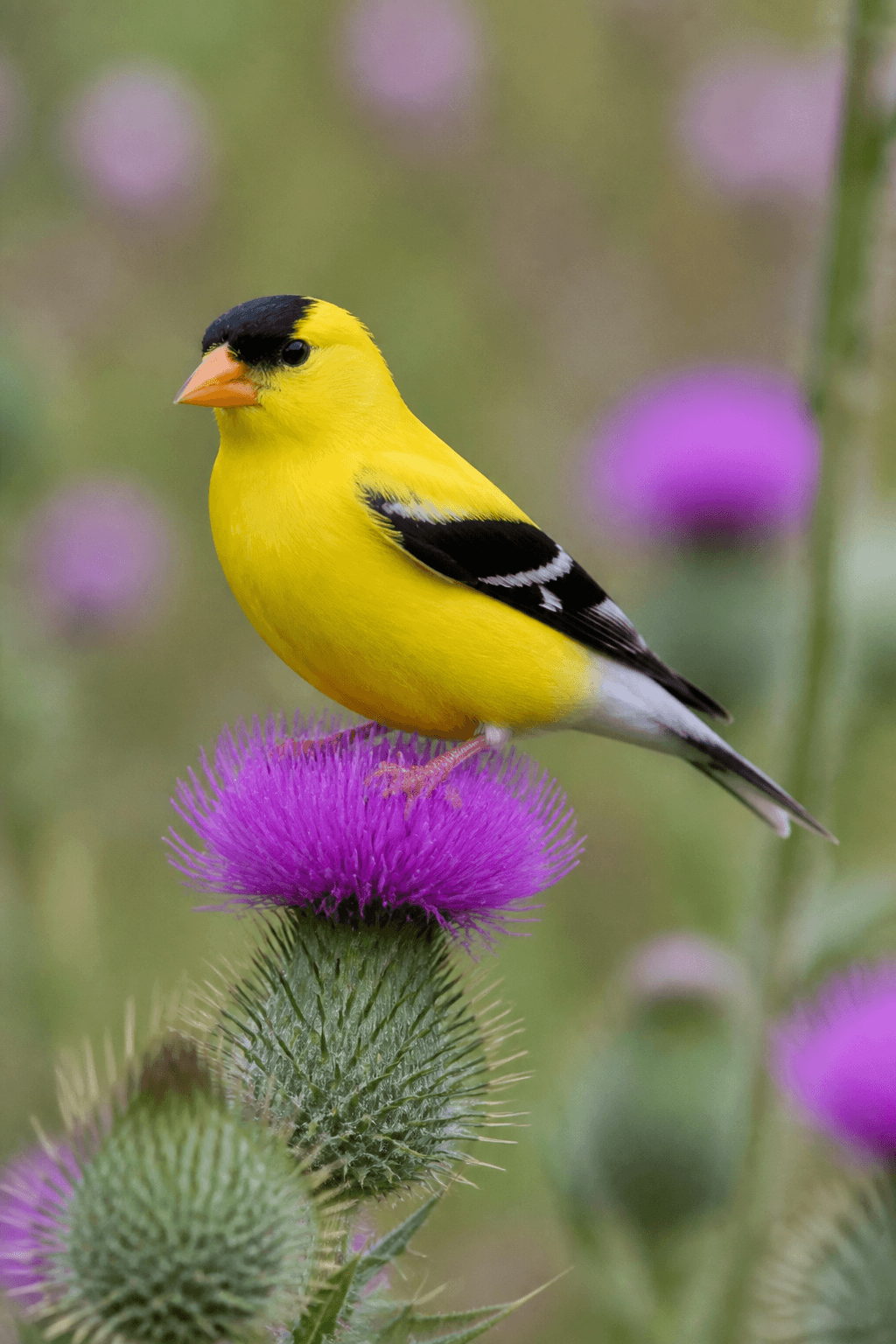
American Goldfinch
United States
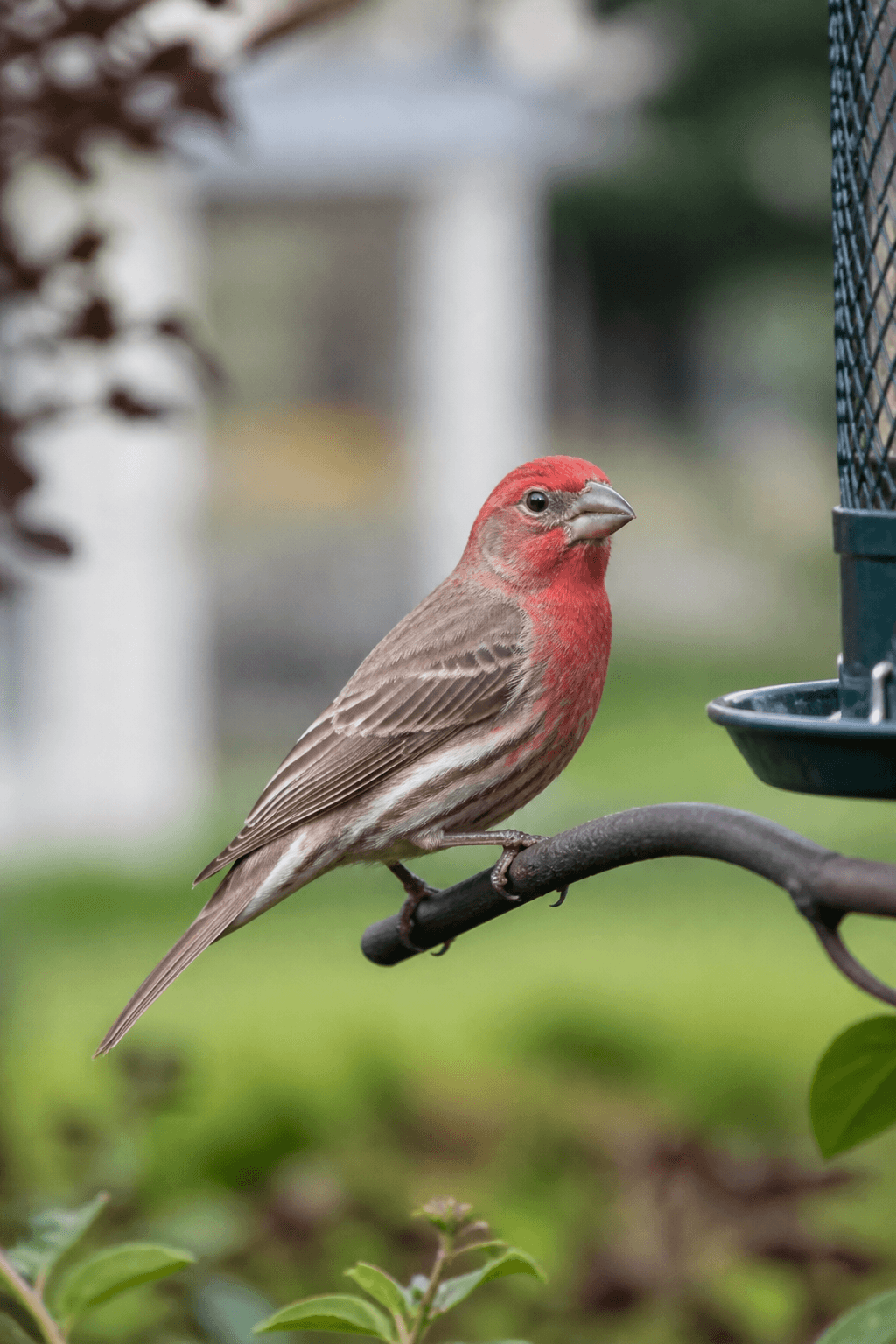
House Finch
United States
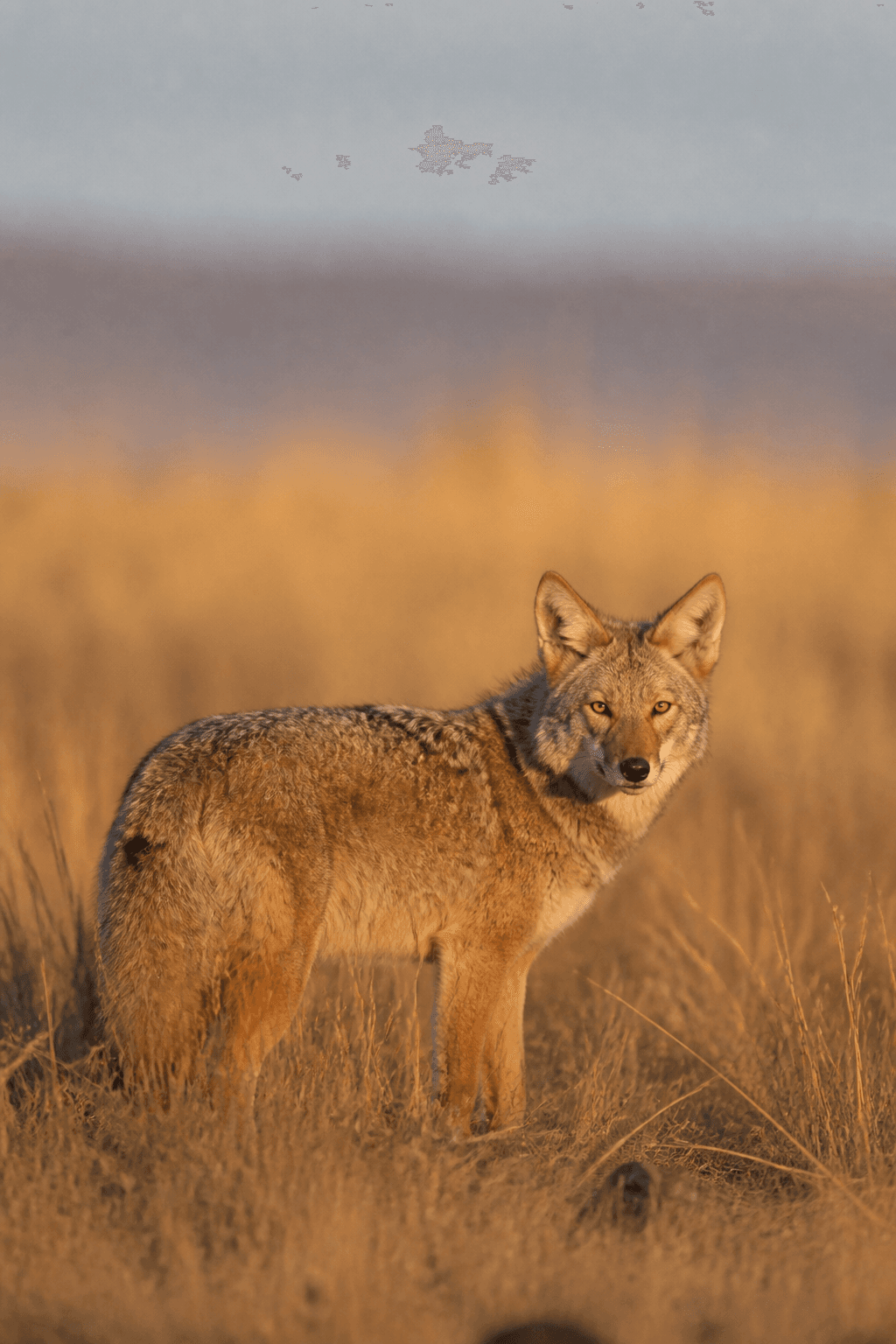
Coyote
United States
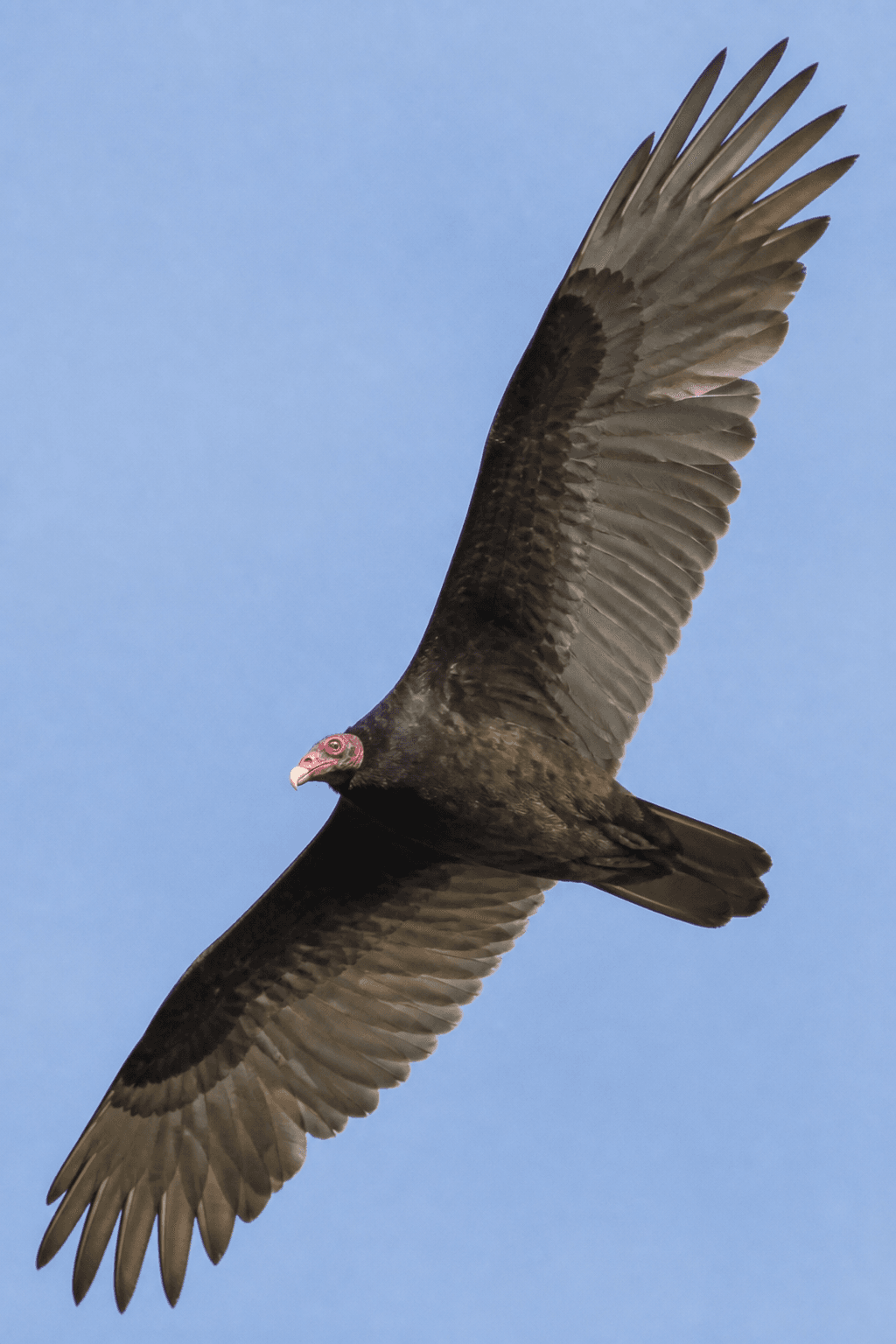
Turkey Vulture
United States
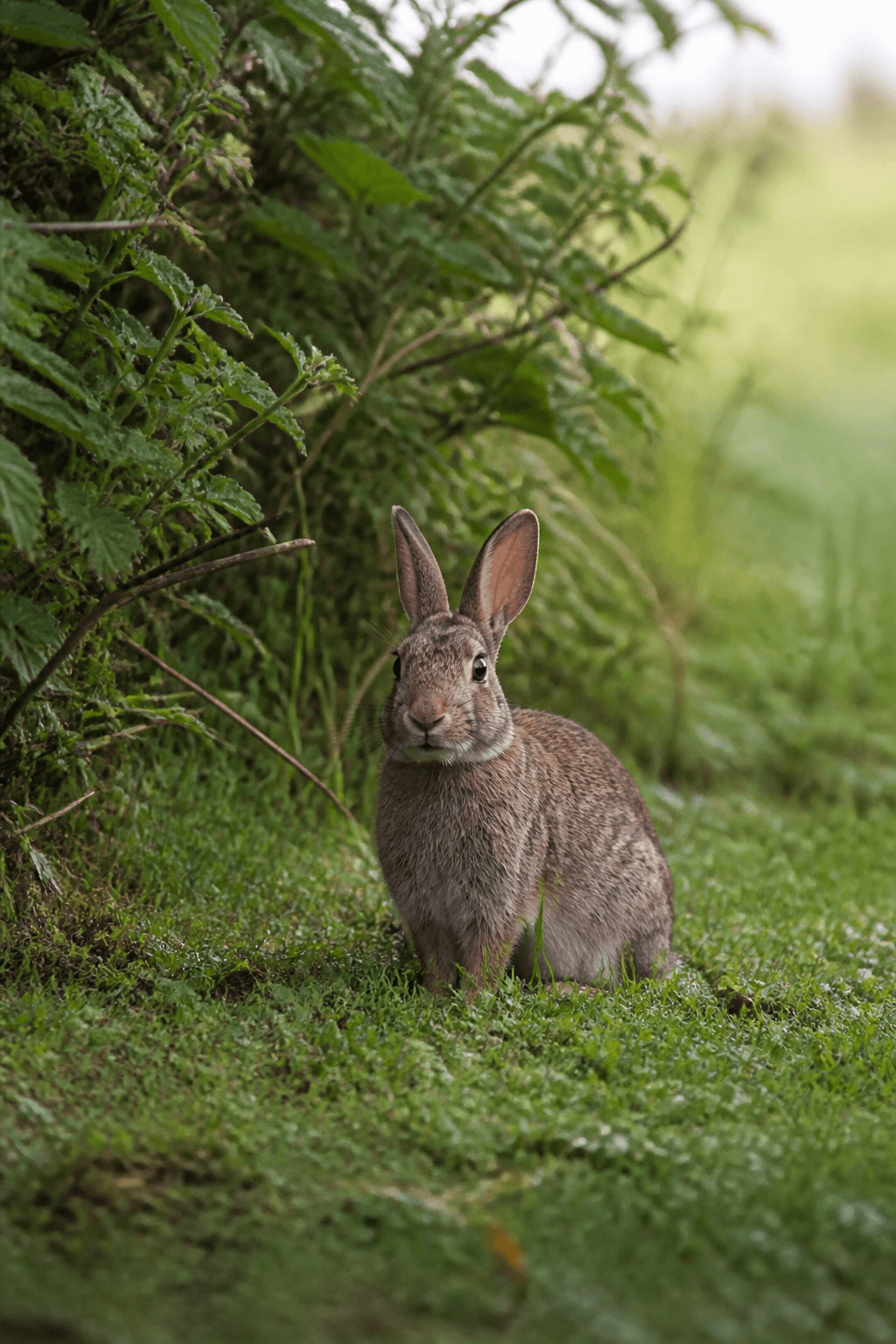
European Rabbit
United Kingdom, United States
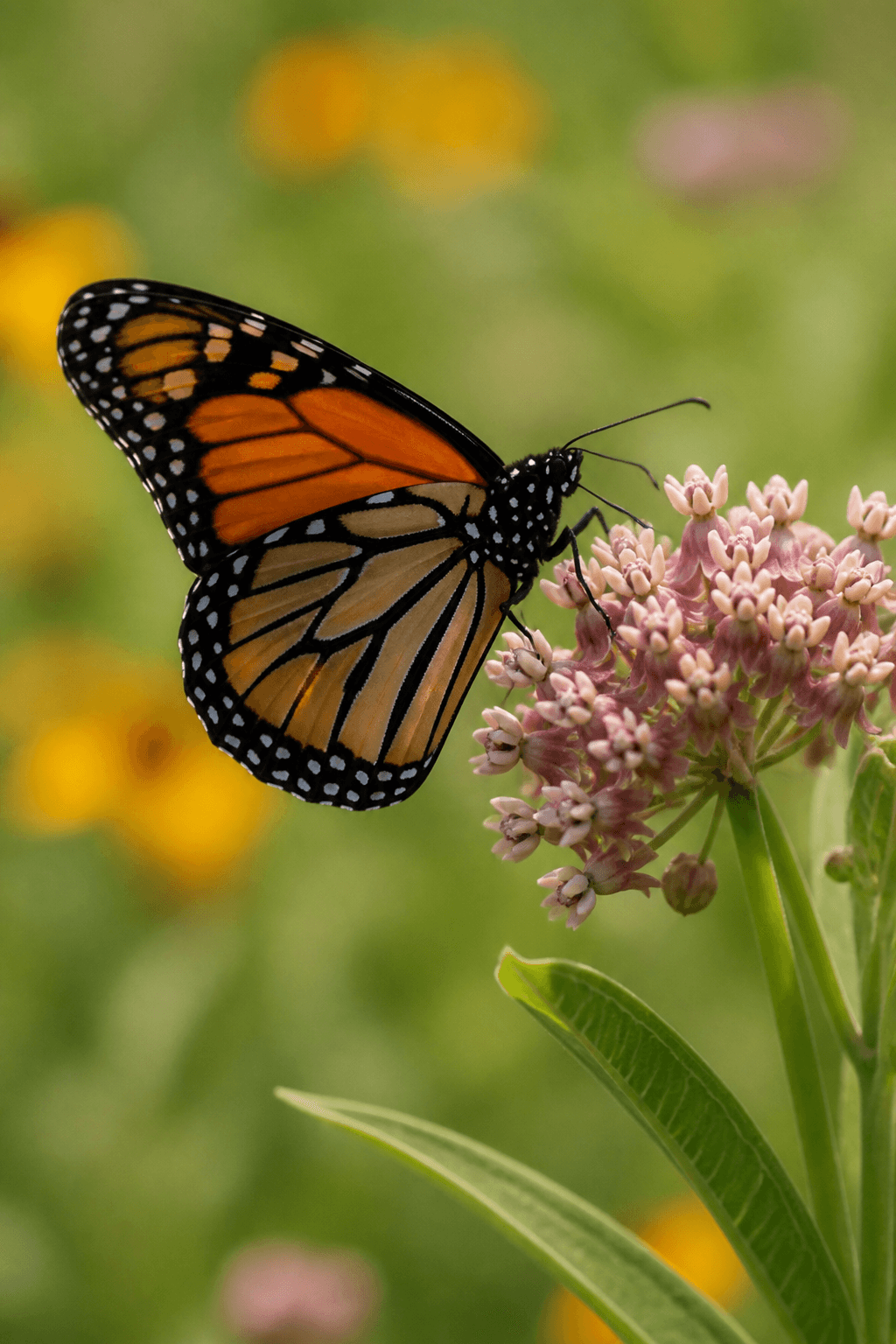
Monarch Butterfly
United States, United Kingdom
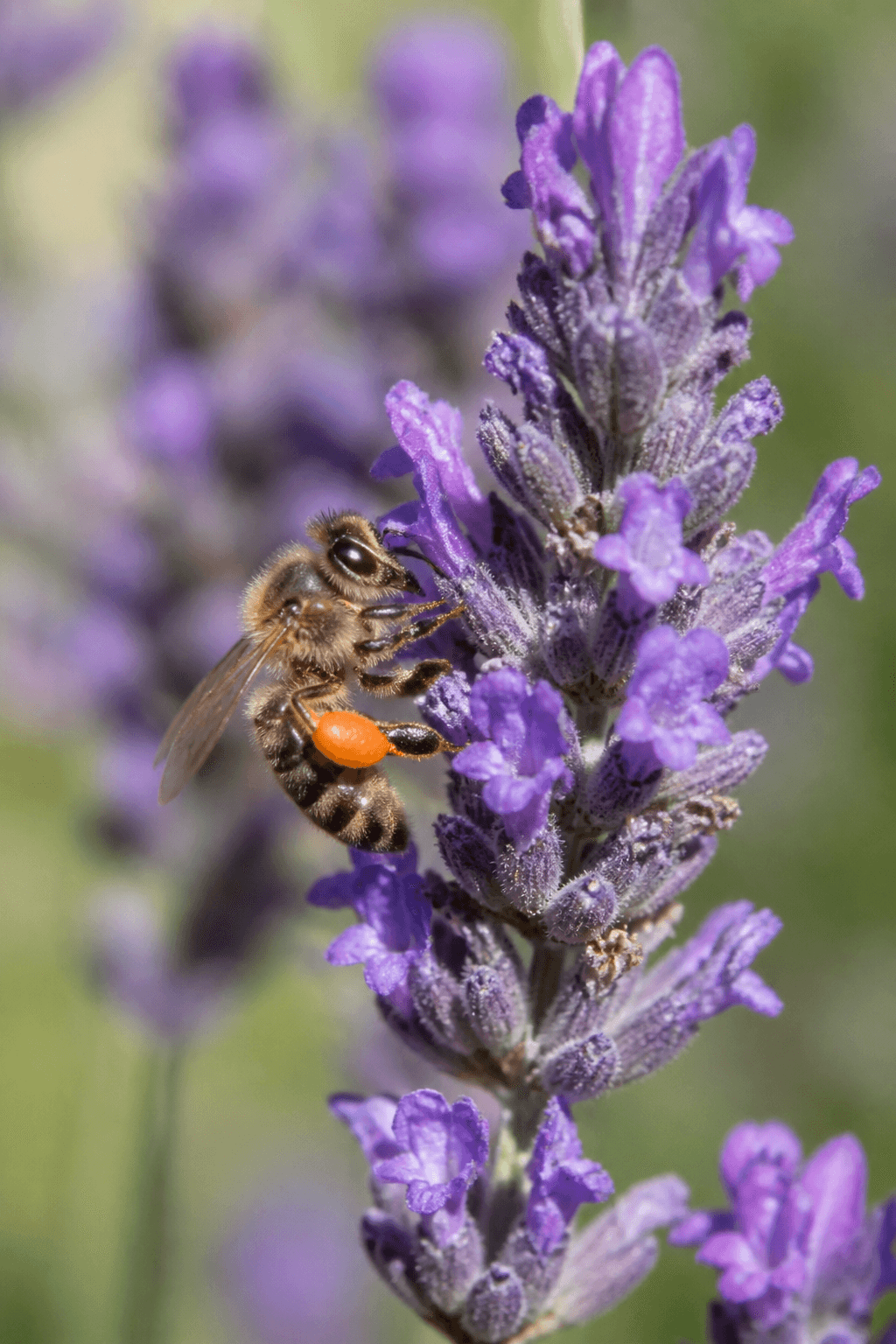
Honey Bee
United Kingdom, United States
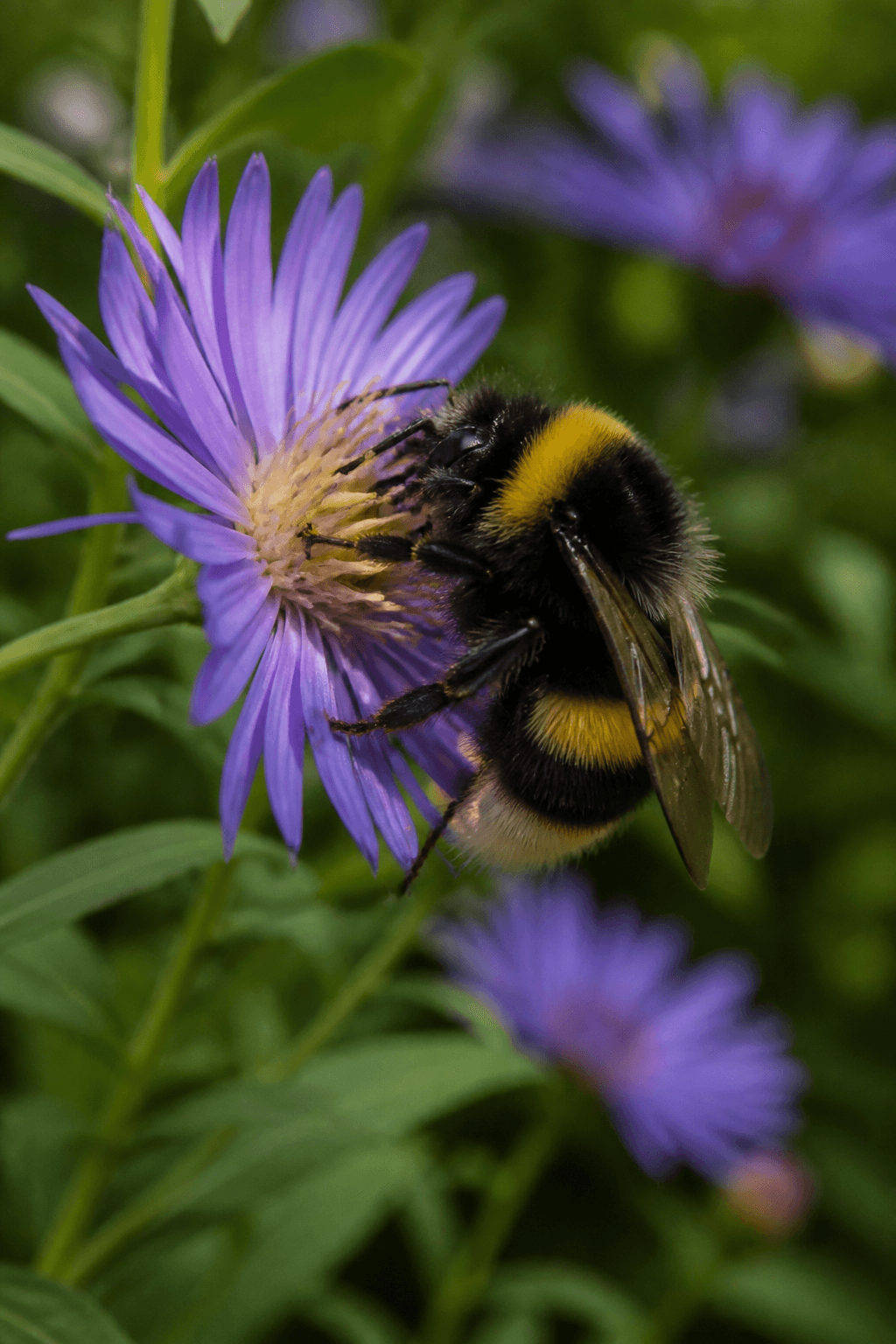
Bumblebee
United Kingdom, United States
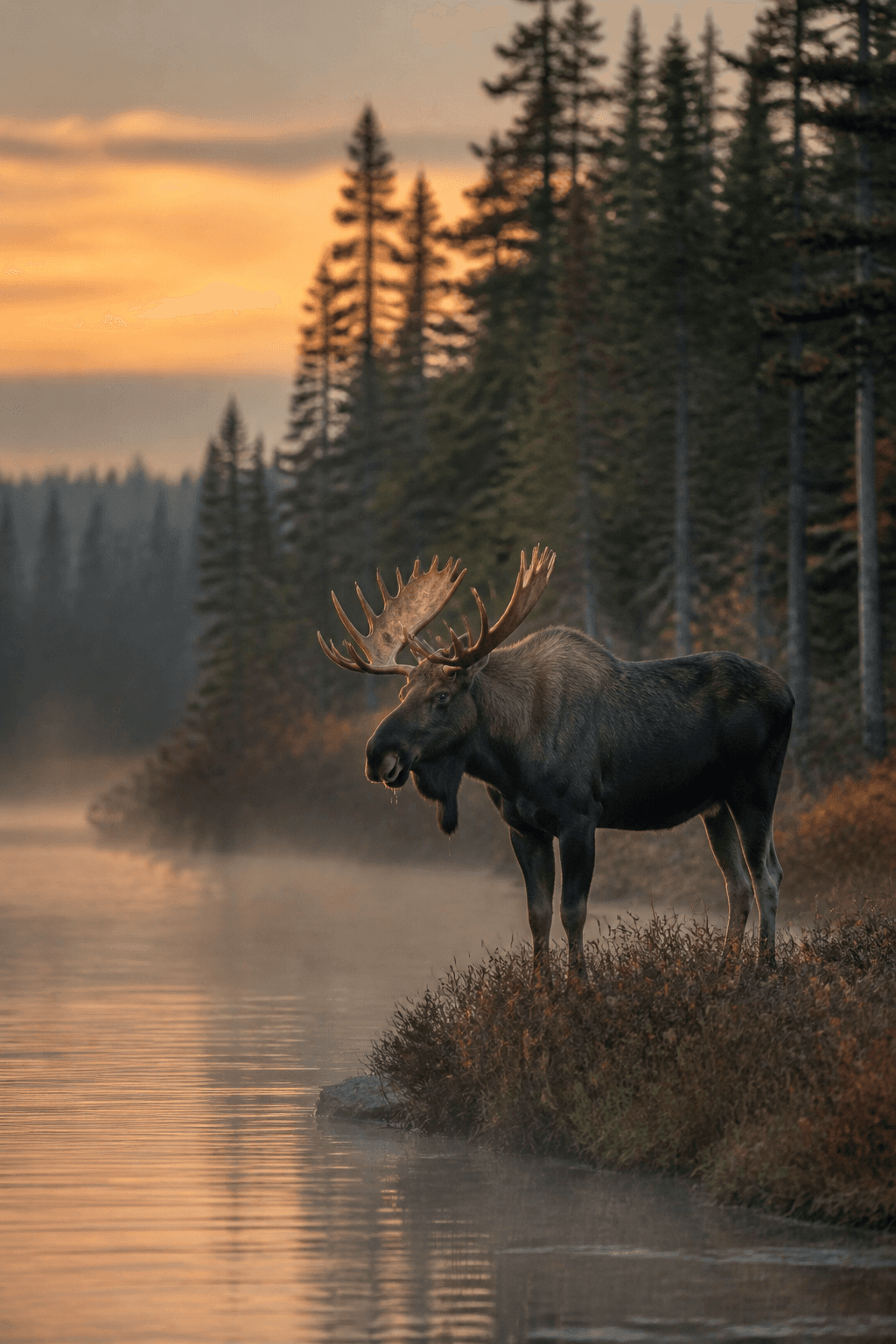
Moose
United States, Canada
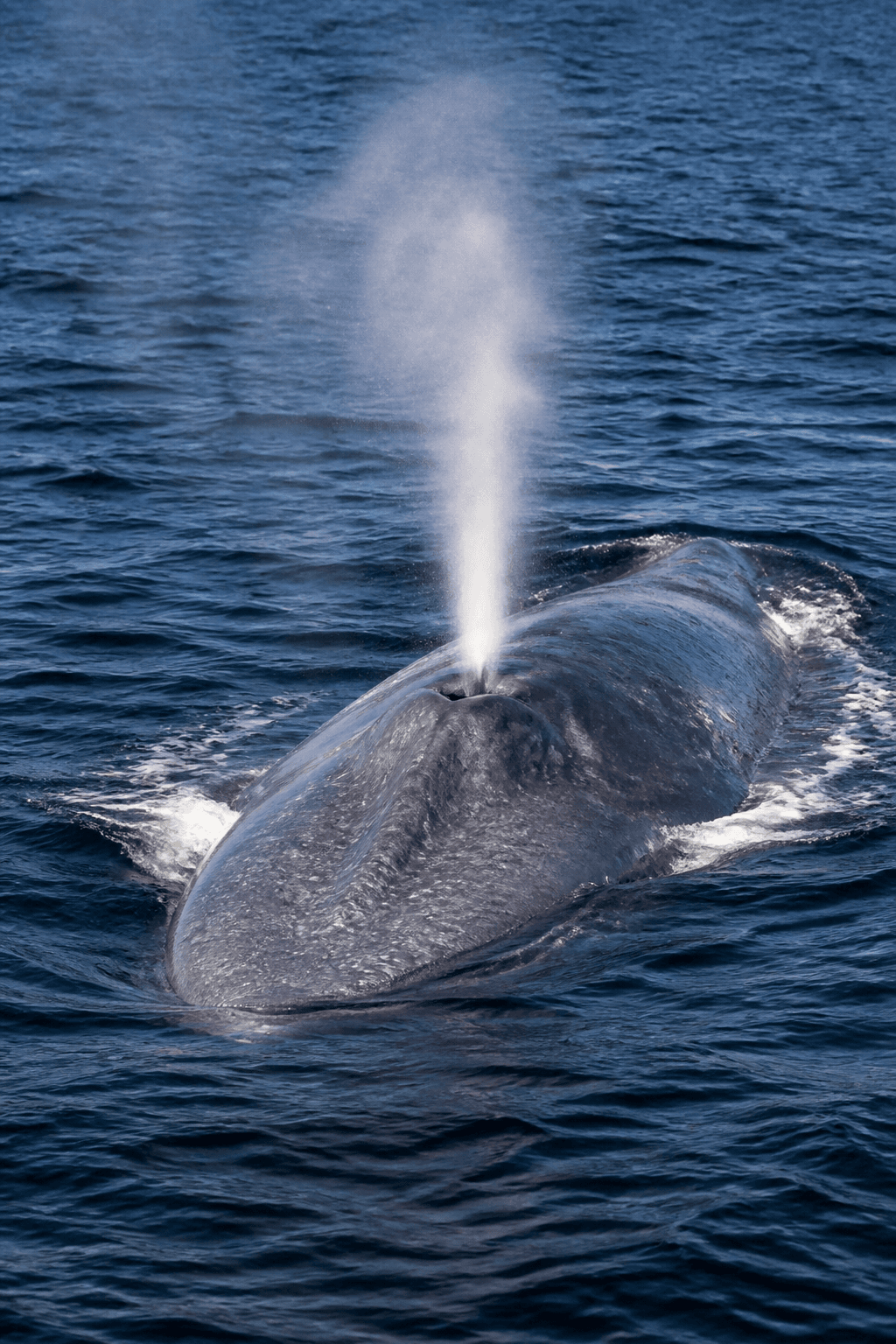
Blue Whale
United States, Canada
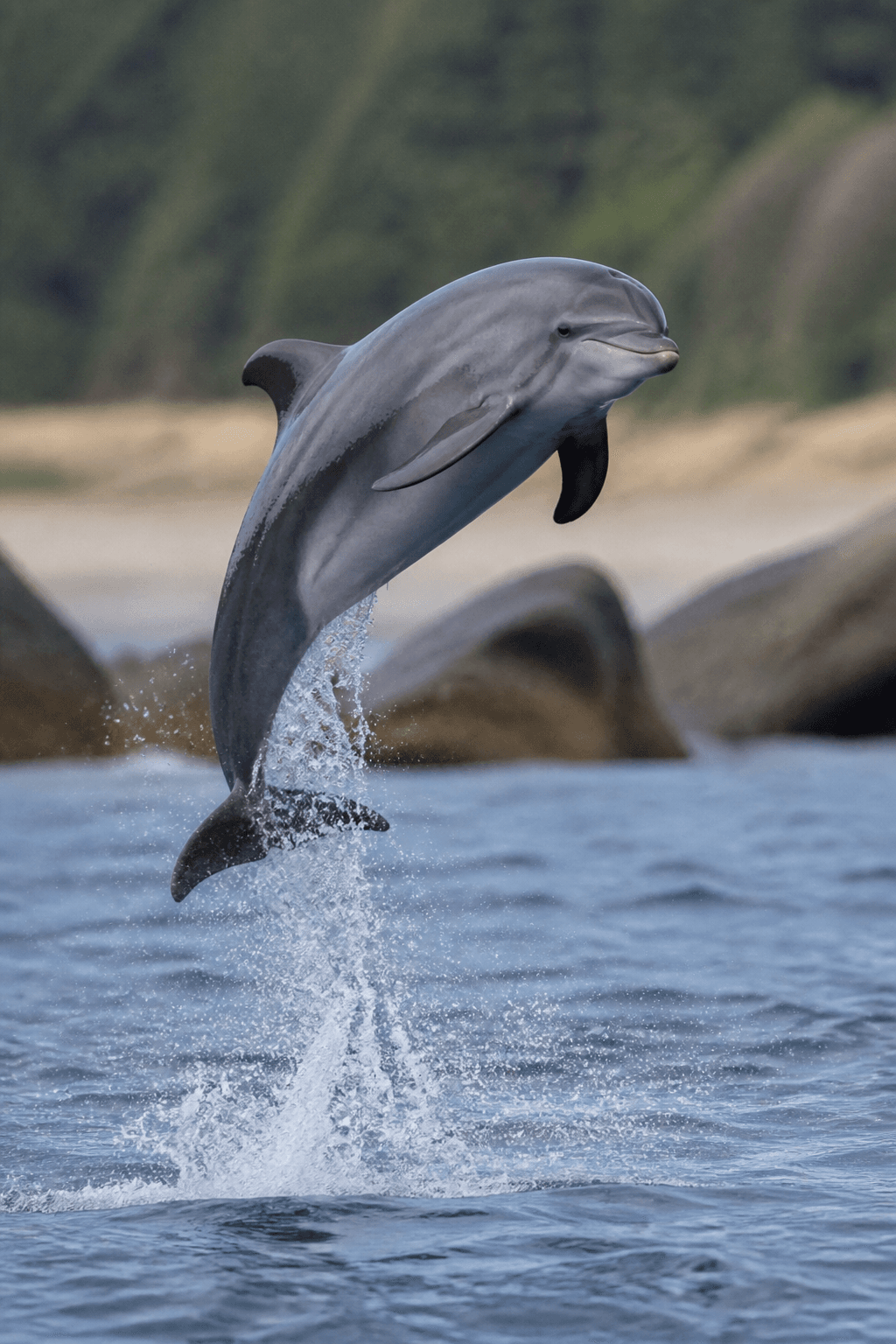
Bottlenose Dolphin
United States, United Kingdom
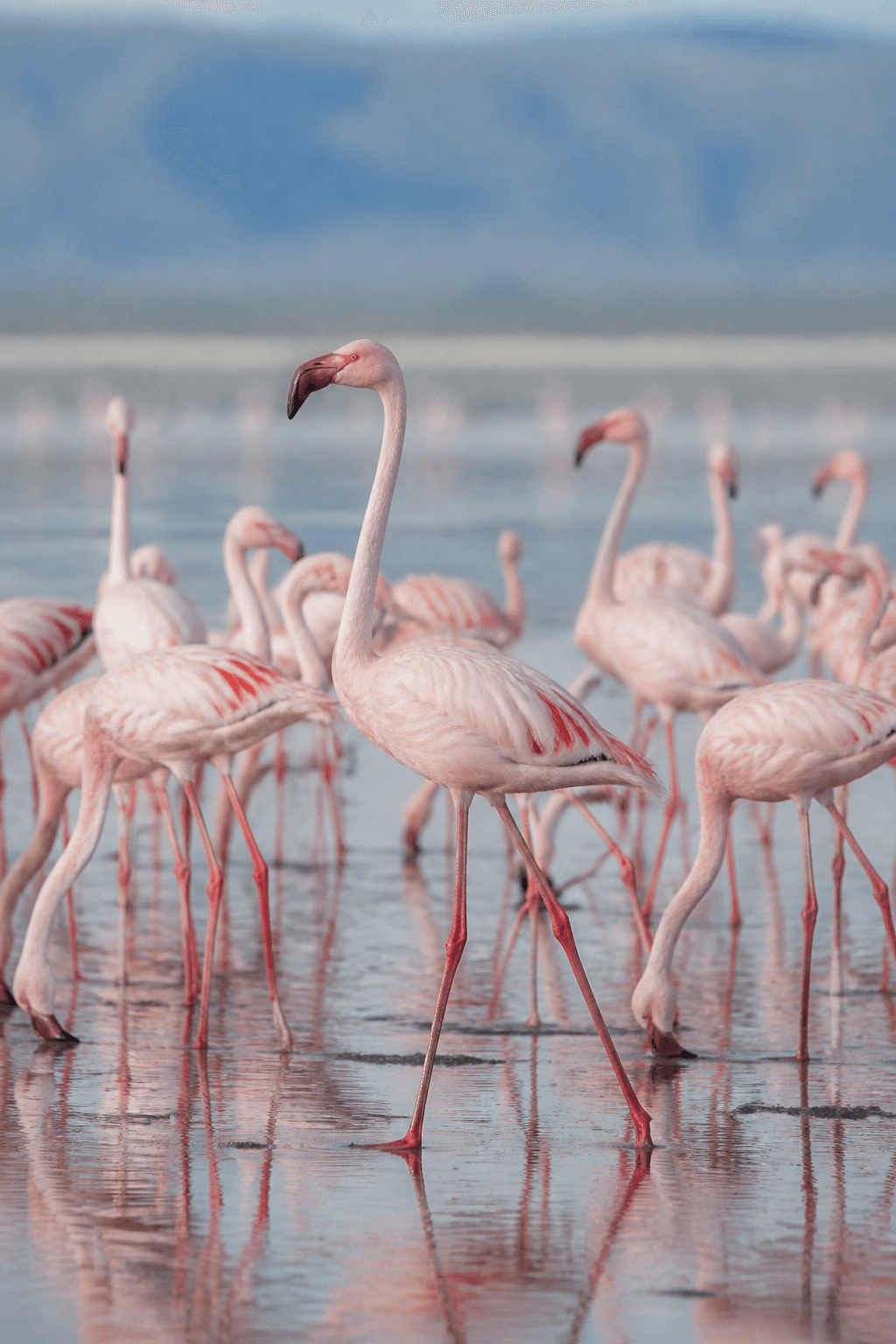
Flamingo
Kenya, United States
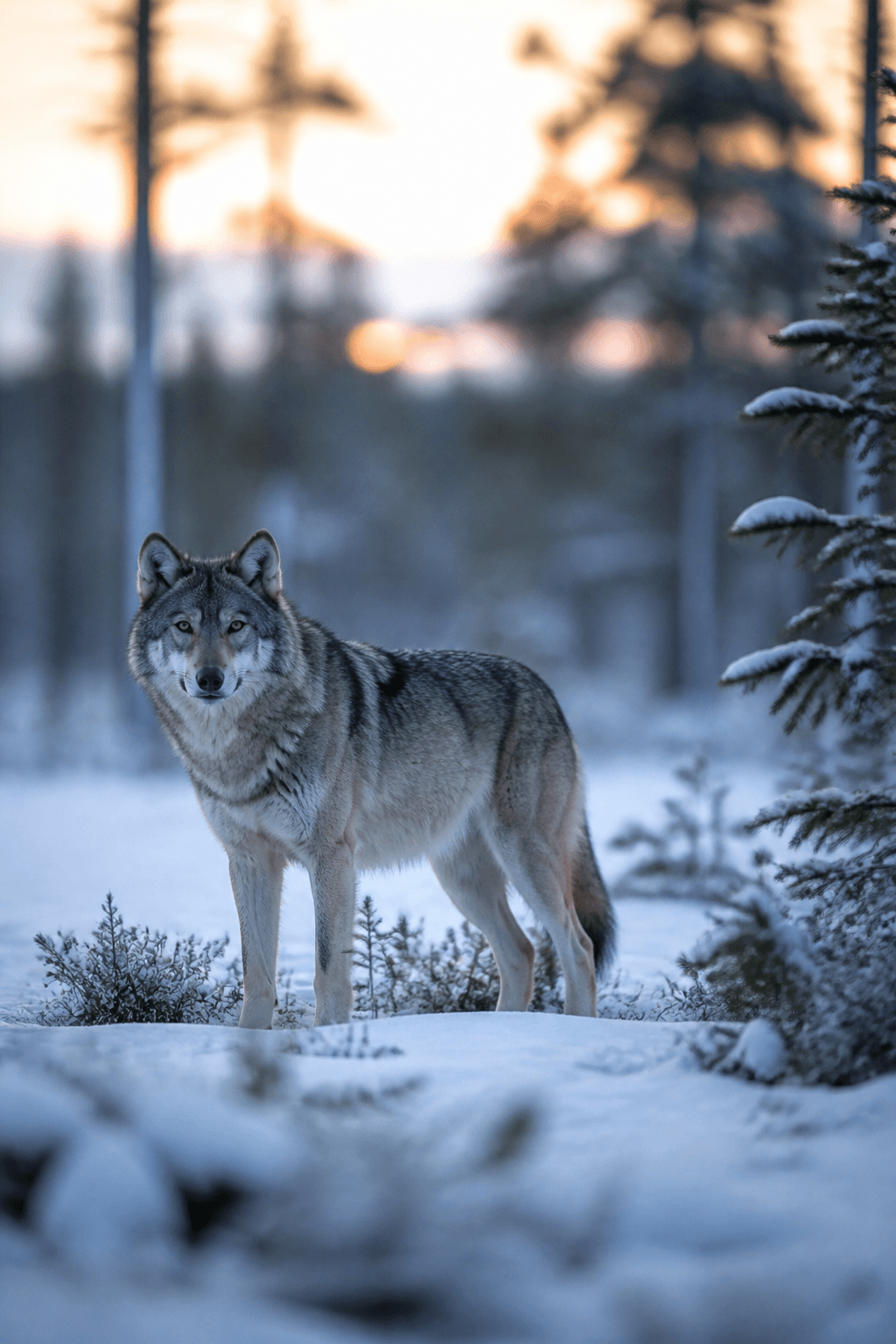
Wolf
United States, Canada
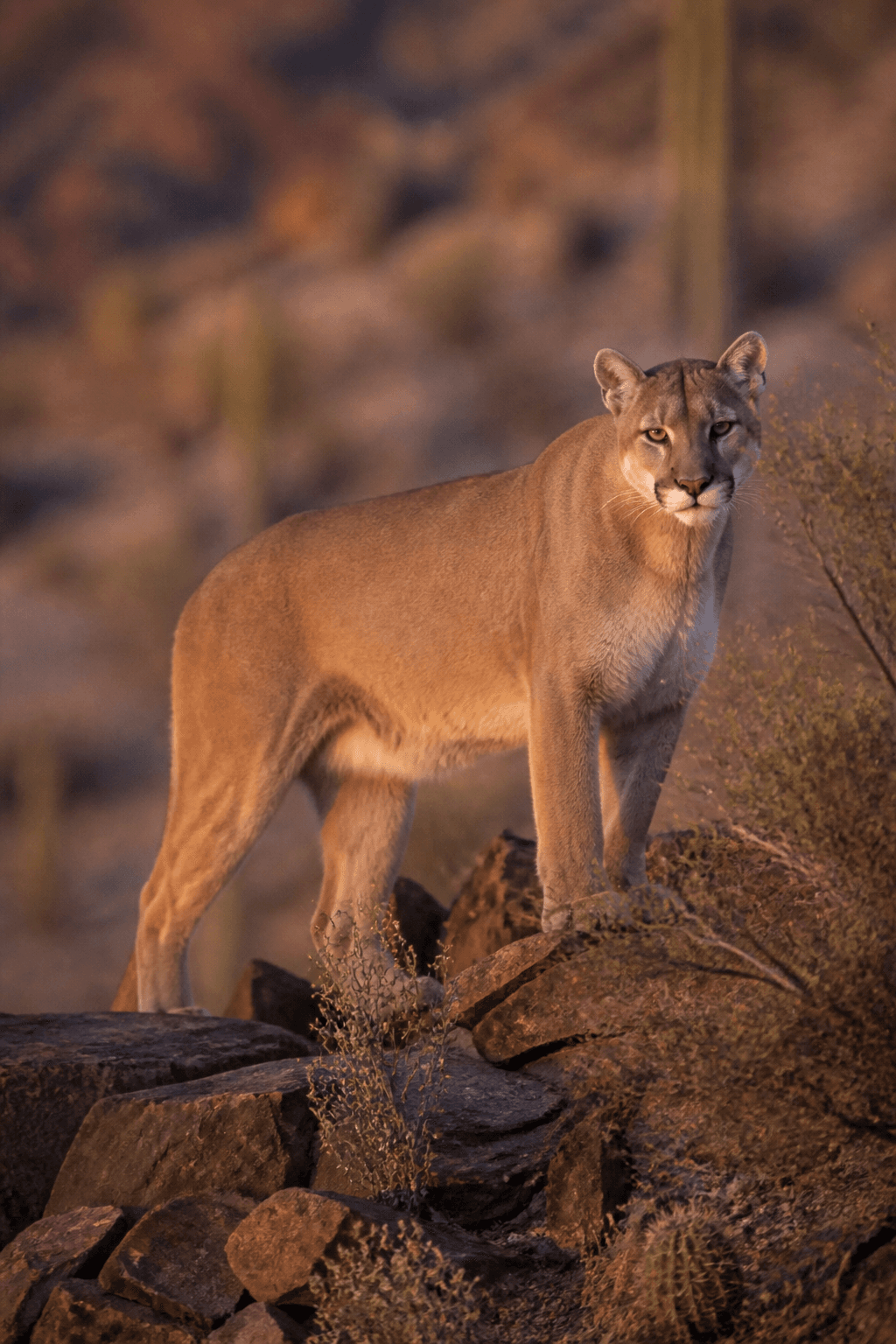
Mountain Lion
United States
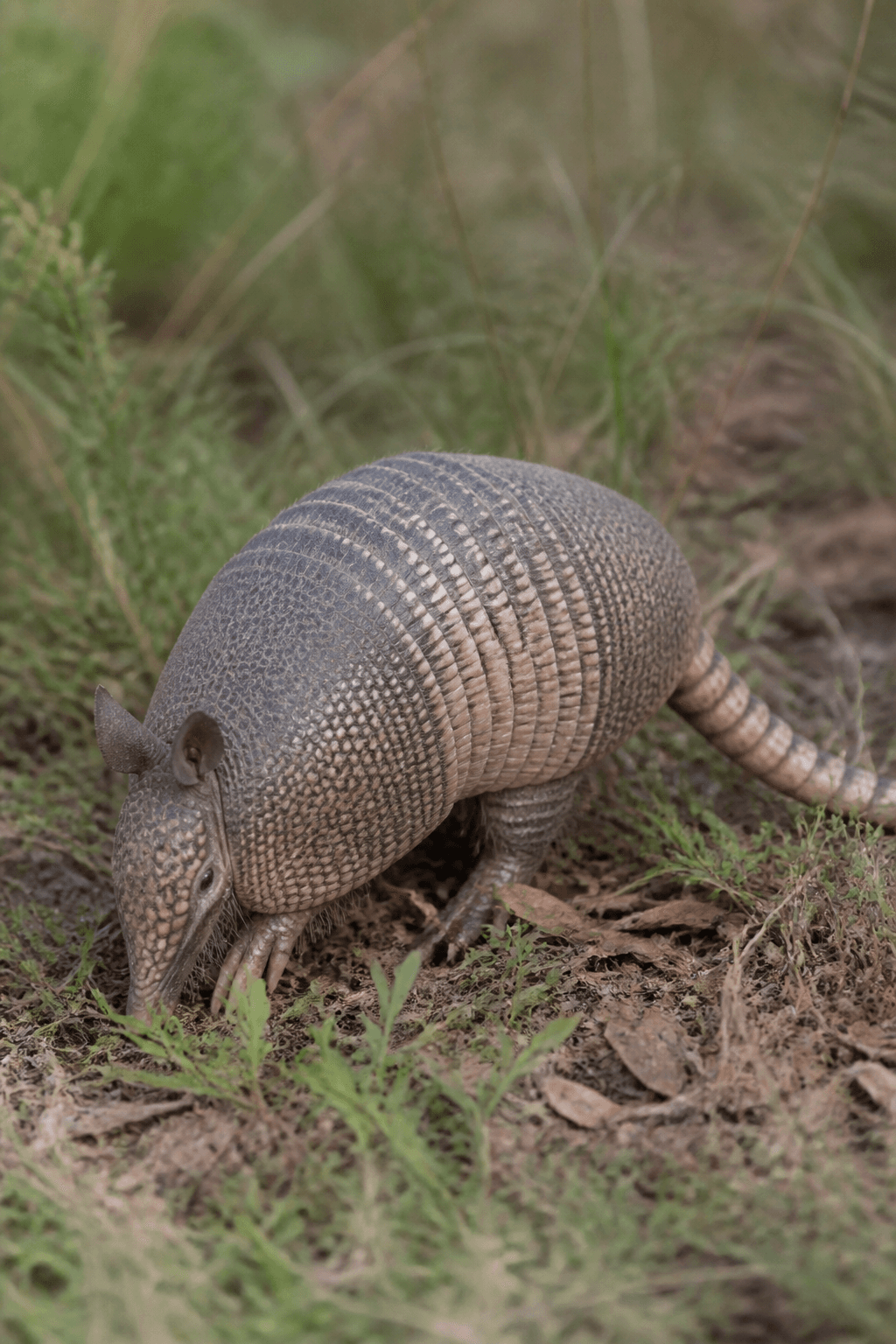
Armadillo
United States
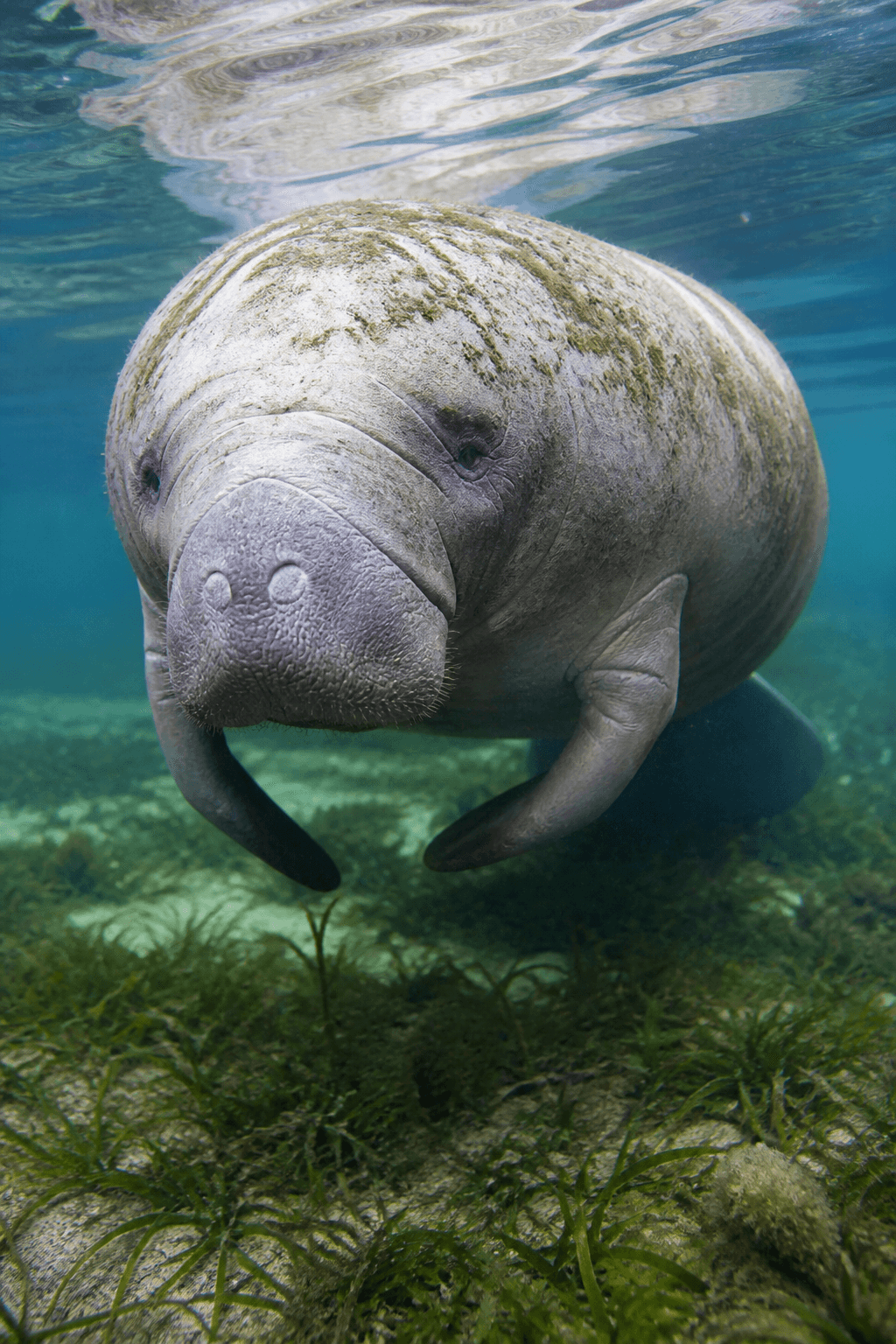
Manatee
United States
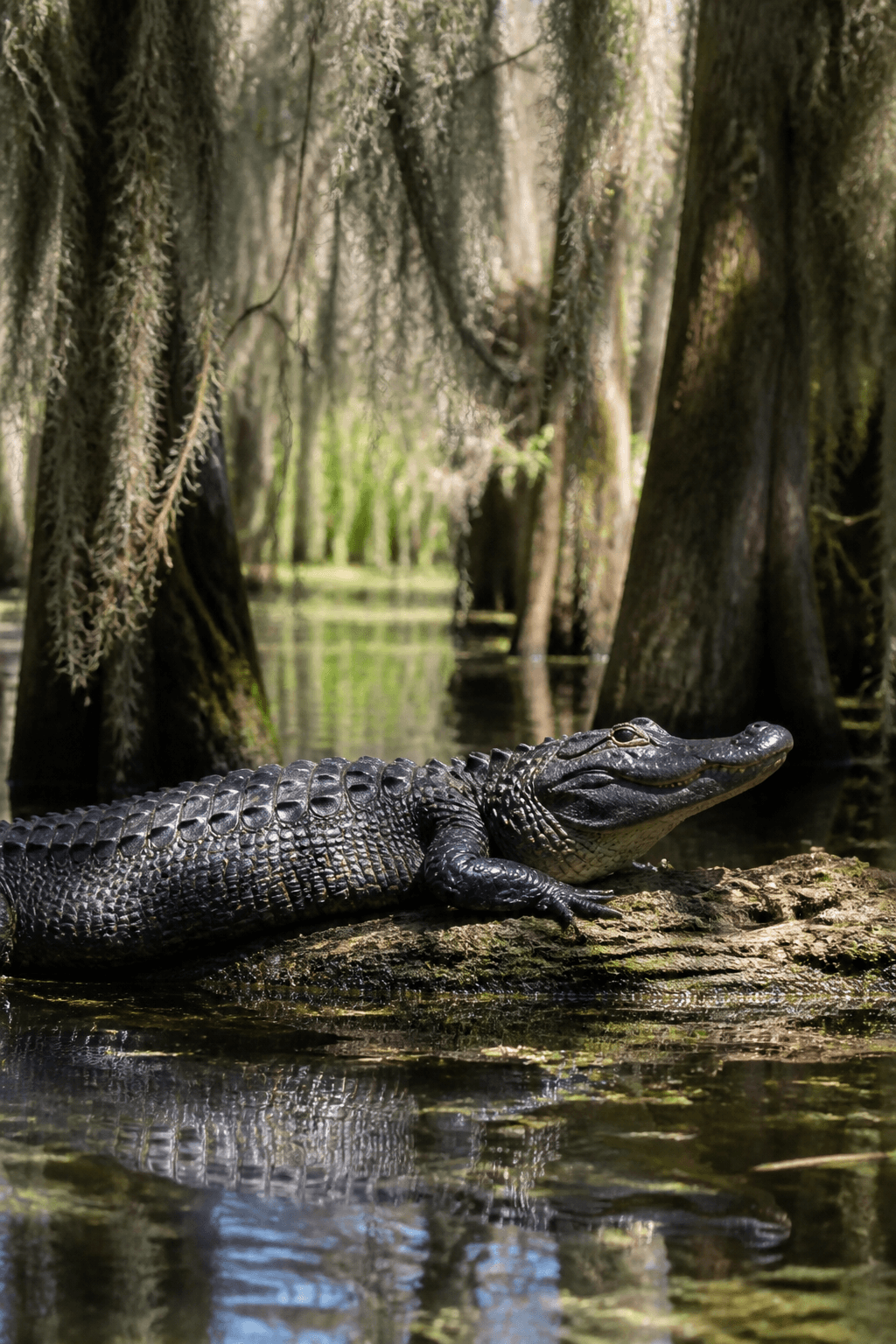
Alligator
United States
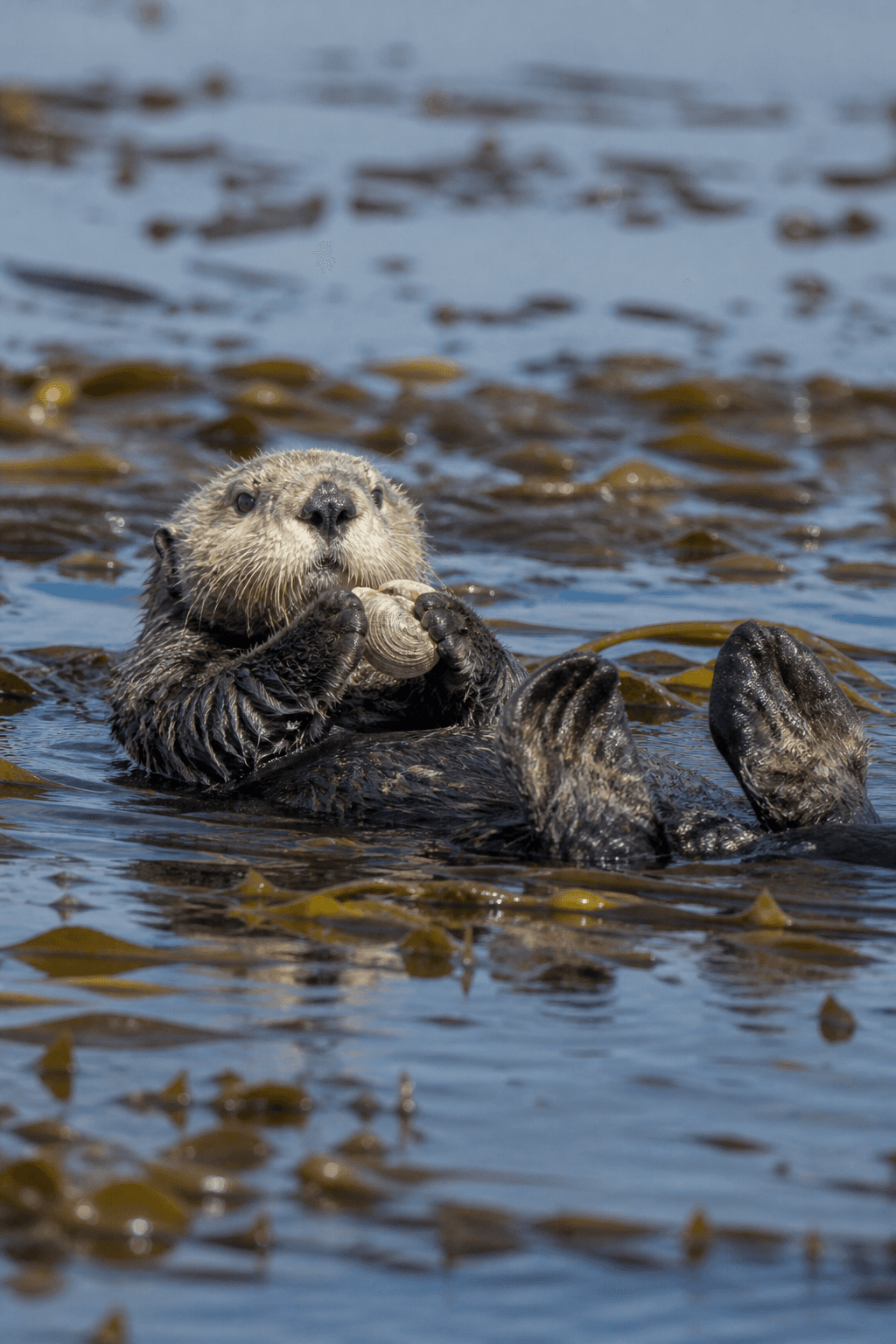
Sea Otter
United States, Canada
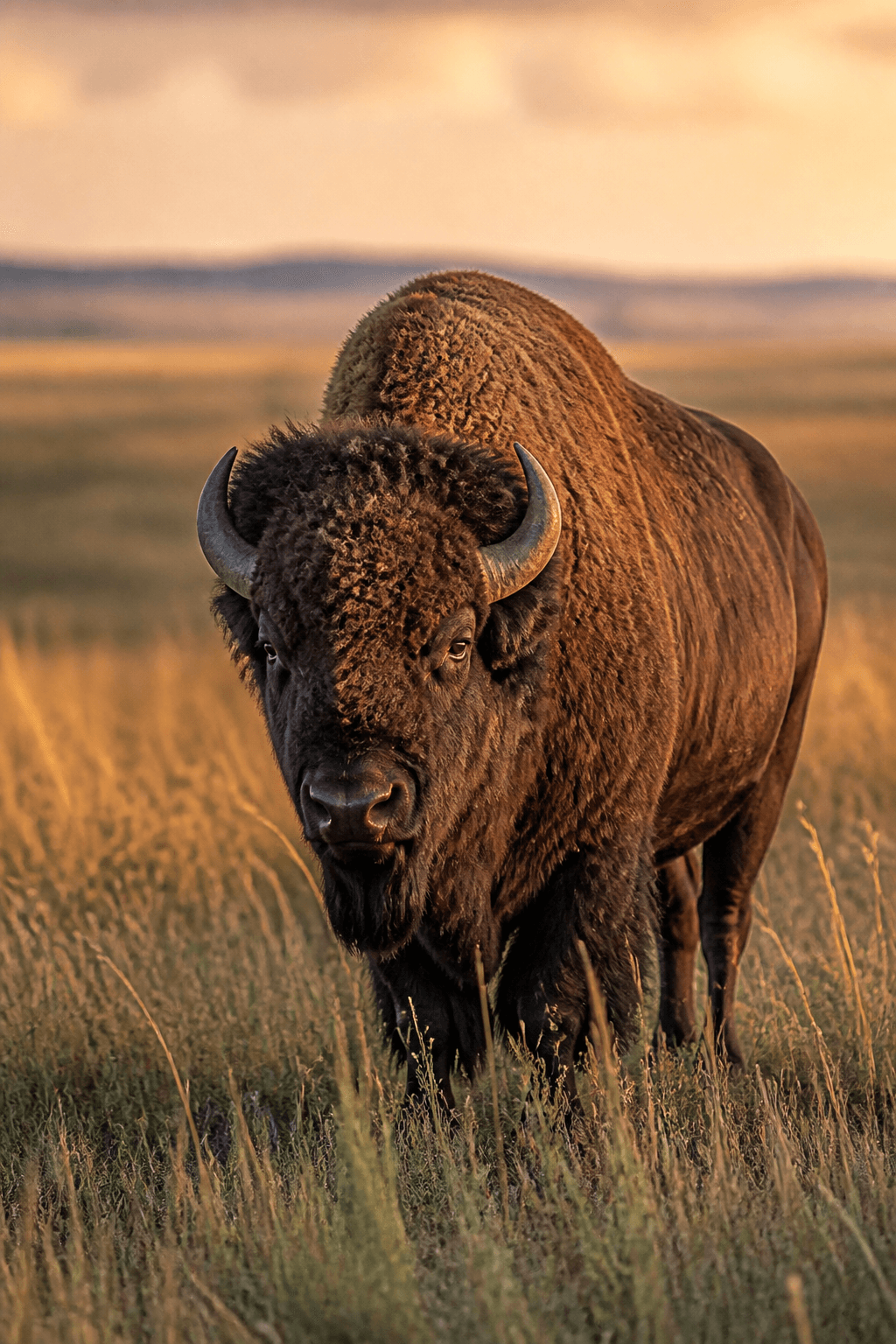
Bison
United States, Canada
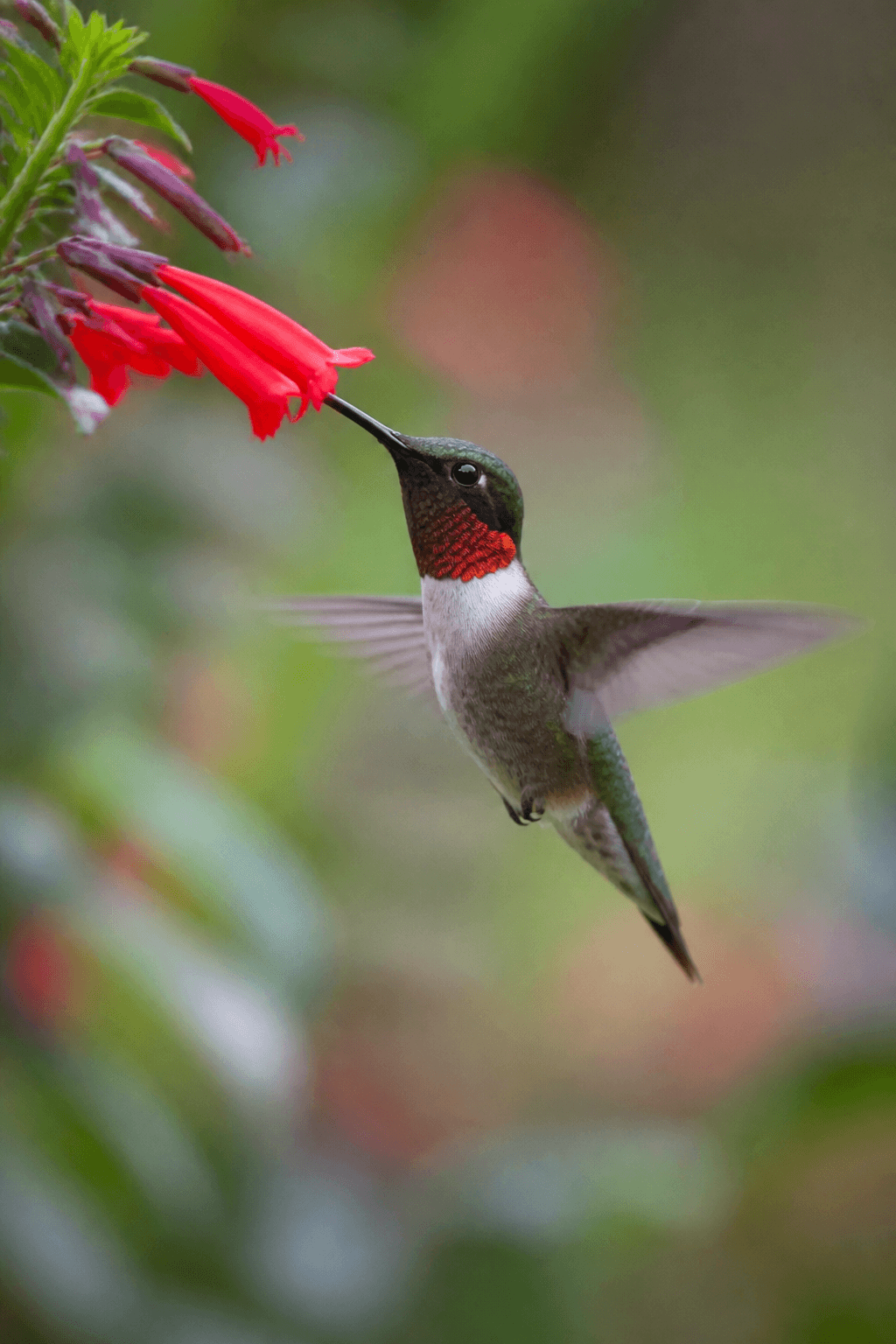
Hummingbird
United States
Snowy Owl
Canada, United States
Great White Shark
United States, South Africa, Australia
Octopus
United Kingdom, United States, Indonesia
Sea Turtle
Indonesia, United States, Kenya
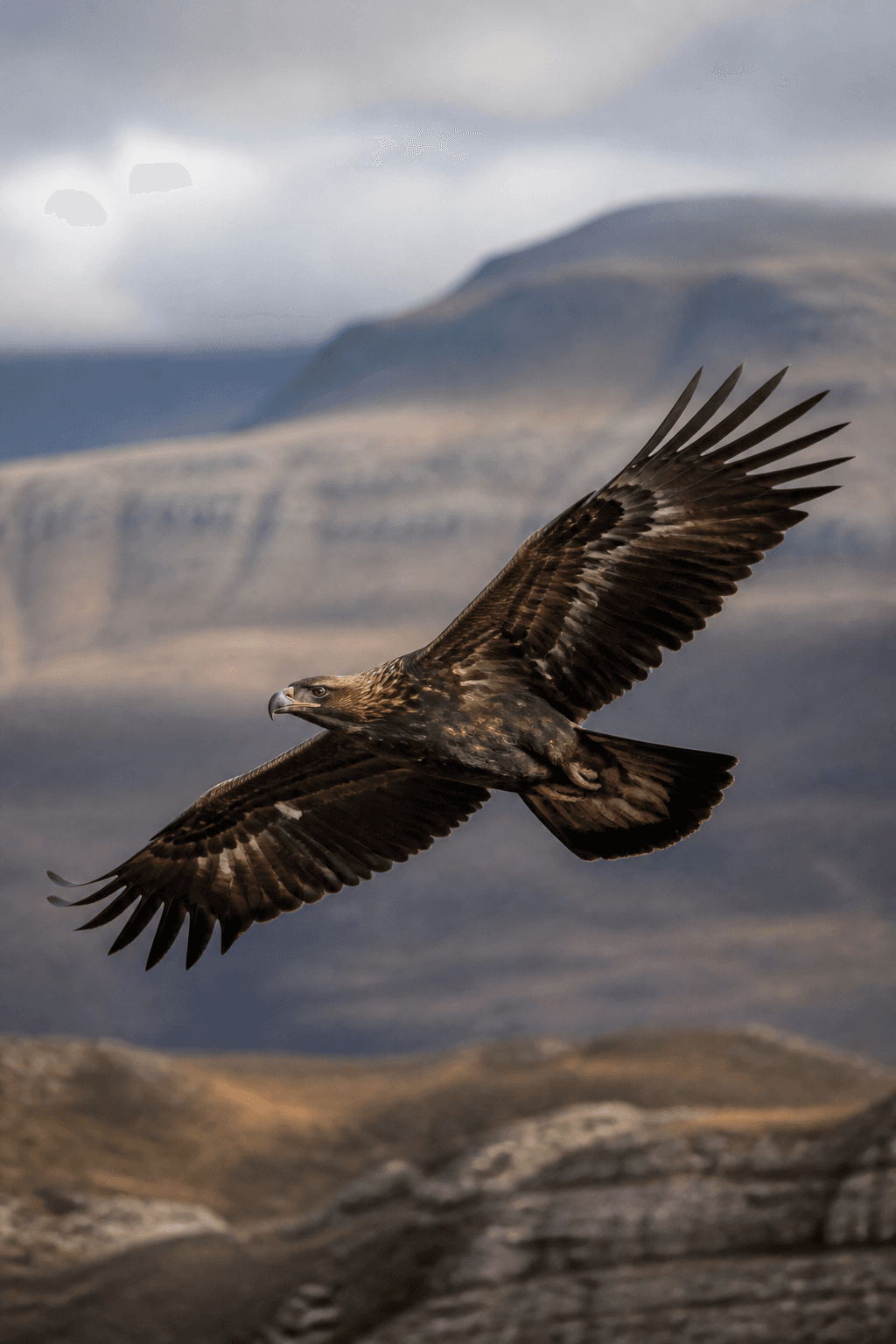
Golden Eagle
United Kingdom, United States, Canada
Keep exploring
Related discoveries
- Domestic Dogcommon • Parks & Neighbourhoods
- Domestic Catcommon • Gardens & Streets
- House Sparrowcommon • Gardens & Cities
- Rock Pigeoncommon • Town Squares
- Mallardcommon • Ponds & Rivers
- Grey Squirrelcommon • Woodland & Parks
- Bald Eaglelegendary • Lakes & Coasts
- Northern Cardinalcommon • Gardens & Woodland
- American Robincommon • Lawns & Parks
- Great Horned Owlrare • Forest & Suburbs
- Blue Jaycommon • Oak Forest & Suburbs
- Mourning Dovecommon • Gardens & Fields
- Eastern Gray Squirrelcommon • Parks & Woodland
- White-tailed Deerrare • Forest & Meadows
- Raccooncommon • Suburbs & Wetlands
- American Crowcommon • Fields & Towns
- Bobcatrare • Forest & Scrub
- Eastern Cottontailcommon • Fields & Gardens
- Red-winged Blackbirdcommon • Marshes & Fields
- Grizzly Bearlegendary • Mountains & Rivers
- Opossumcommon • Suburbs & Woodland
- Black-capped Chickadeecommon • Woodland & Feeders
- Wild Turkeyrare • Forest & Farmland
- American Goldfinchcommon • Meadows & Gardens
- House Finchcommon • Gardens & Urban
- Coyoterare • Prairie & Suburbs
- Turkey Vulturecommon • Roadsides & Open Country
- European Rabbitcommon • Fields & Warrens
- Monarch Butterflycommon • Meadows & Gardens
- Honey Beecommon • Gardens & Meadows
- Bumblebeecommon • Gardens & Wildflowers
- Mooserare • Northern Lakes
- Blue Whalelegendary • Open Ocean
- Bottlenose Dolphincommon • Coastal Waters
- Flamingocommon • Lagoons & Flats
- Wolfrare • Forest & Tundra
- Mountain Lionlegendary • Mountains & Desert
- Armadillocommon • Grassland & Scrub
- Manateerare • Coastal Springs
- Alligatorcommon • Swamps & Rivers
- Sea Ottercommon • Kelp Forest
- Bisonrare • Great Plains
- Hummingbirdcommon • Gardens & Flowers
- Snowy Owlrare • Arctic Tundra
- Great White Sharklegendary • Coastal Ocean
- Octopuscommon • Rock Pools & Reef
- Sea Turtlerare • Coastal Ocean
- Golden Eaglecommon • Mountains & Moorland
Free on iOS
Catch the Canada Goose
Spot one in the wild — then scan it in Catch'Um to log your common discovery.