
Field guide · rare
Great Horned Owl
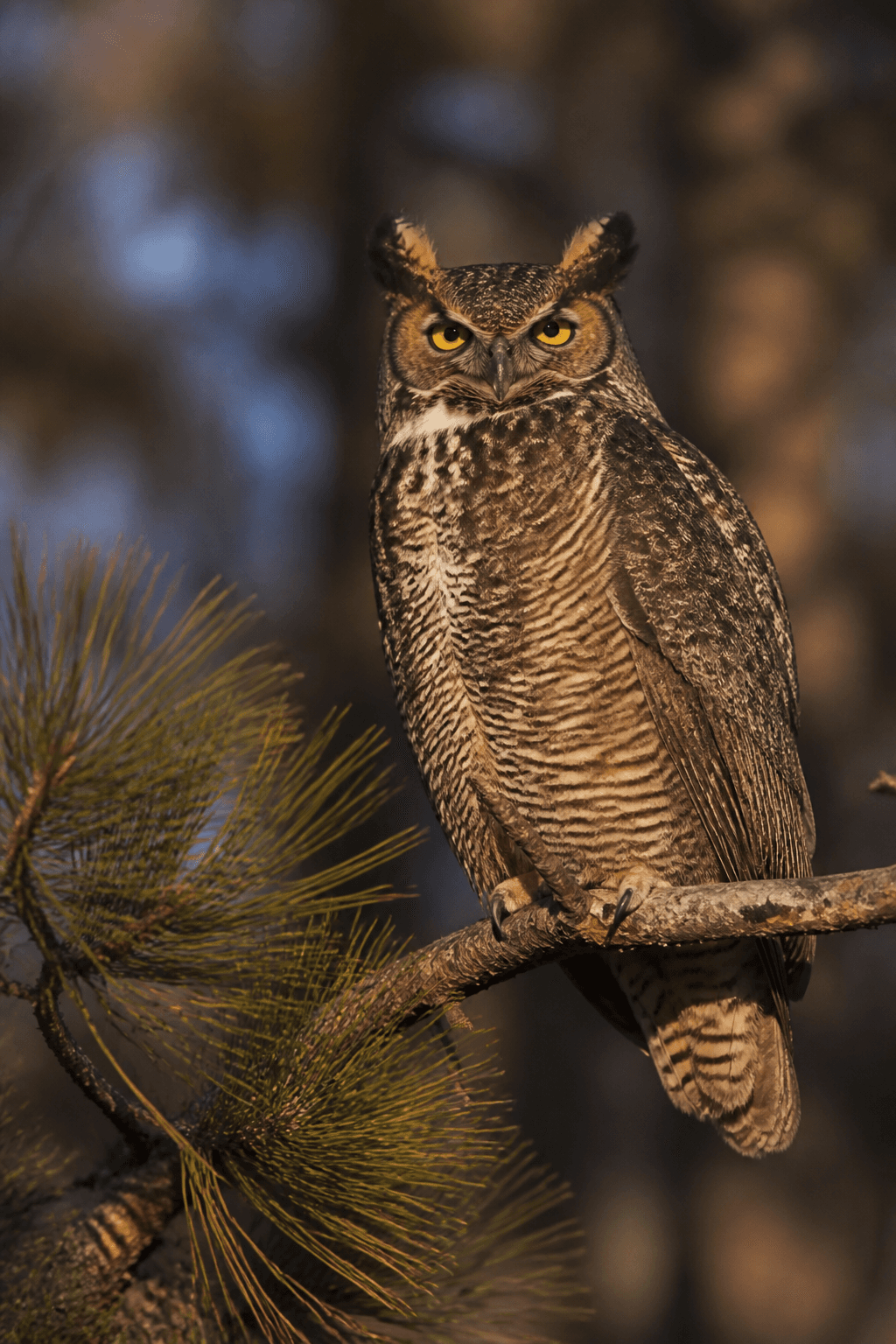
America's winged tiger — ear tufts, amber eyes, and a grip that can crush prey at 200 kg per square cm.
Least Concern
Overview
The great horned owl is the apex predator of American night — a heavy, broad-winged hunter with fierce ear tufts and deep hooting calls that carry across suburban woods and prairie edge. It eats almost anything: rabbits, skunks, other owls, even geese.
Great horned owls nest early — often in abandoned hawk or crow nests — and are surprisingly common in city parks with mature trees. Spot one at dusk, bulky on a branch against the fading sky, and you've logged a genuinely rare discovery.
Habitat
Great horned owls range across the entire United States in forest, woodland, desert scrub, and suburban areas with large trees. They nest in tree cavities, stick nests, cliff ledges, and even building alcoves — wherever a sheltered platform supports their young.
Countries found
Interesting facts
- 01
Great horned owls can crush prey with a grip strength of over 200 kg per square cm.
- 02
They are one of the earliest nesting birds in North America — eggs in snow are not uncommon.
- 03
Their 'horns' are feather tufts, not ears — the actual ears are asymmetric for pinpoint sound.
- 04
They have no sense of smell — which is why they regularly prey on skunks.
- 05
A great horned owl's hoot is the classic 'who's awake? me too' of American nights.
- 06
They can take prey two to three times their own weight, including young foxes and cats.
Conservation status
Great horned owls are Least Concern and widespread across North America. They adapt well to suburban habitat but face risks from rodenticide poisoning and vehicle collisions.
Related discoveries
Domestic Dog
United Kingdom, United States
Domestic Cat
United Kingdom, United States
House Sparrow
United Kingdom, United States
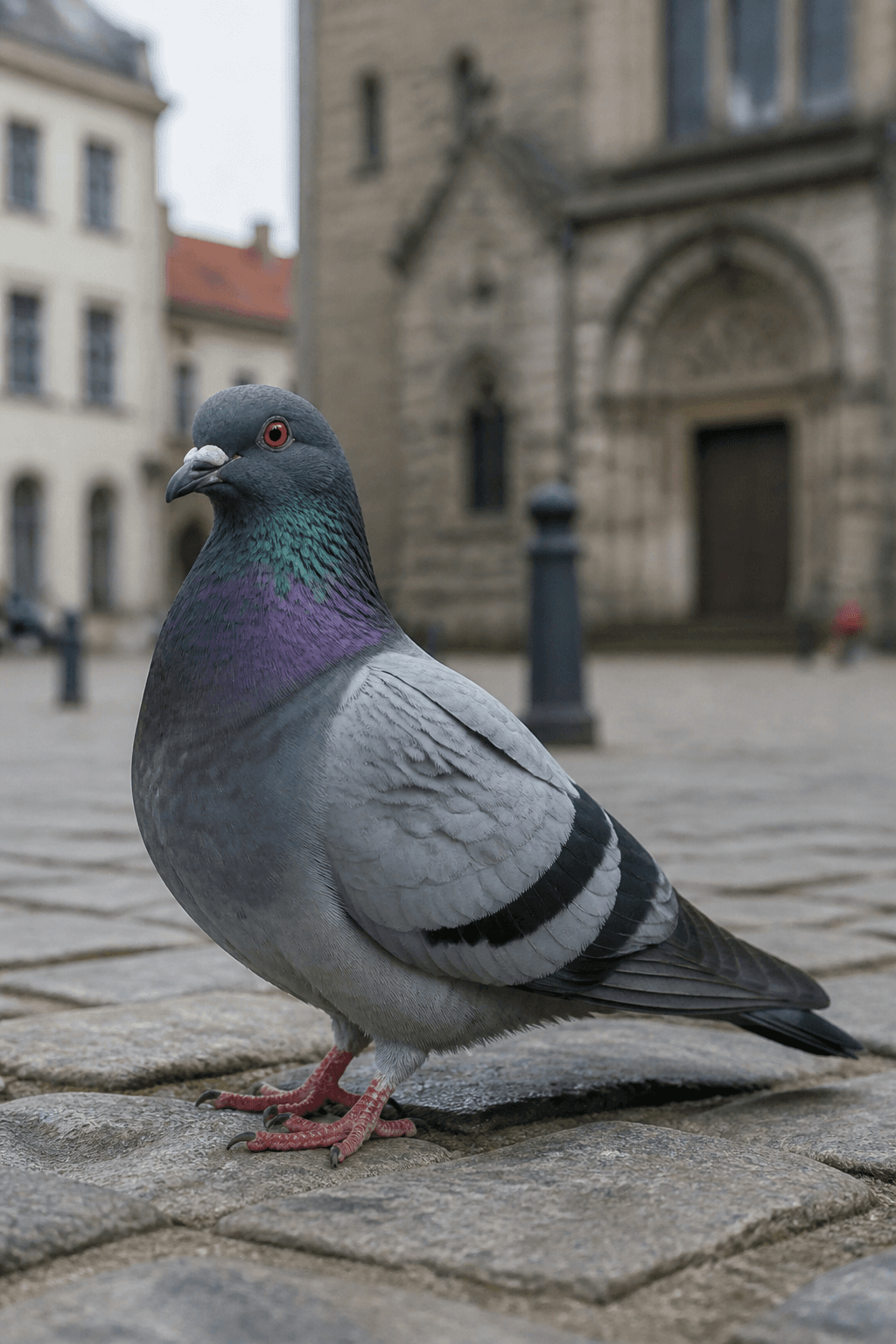
Rock Pigeon
United Kingdom, United States
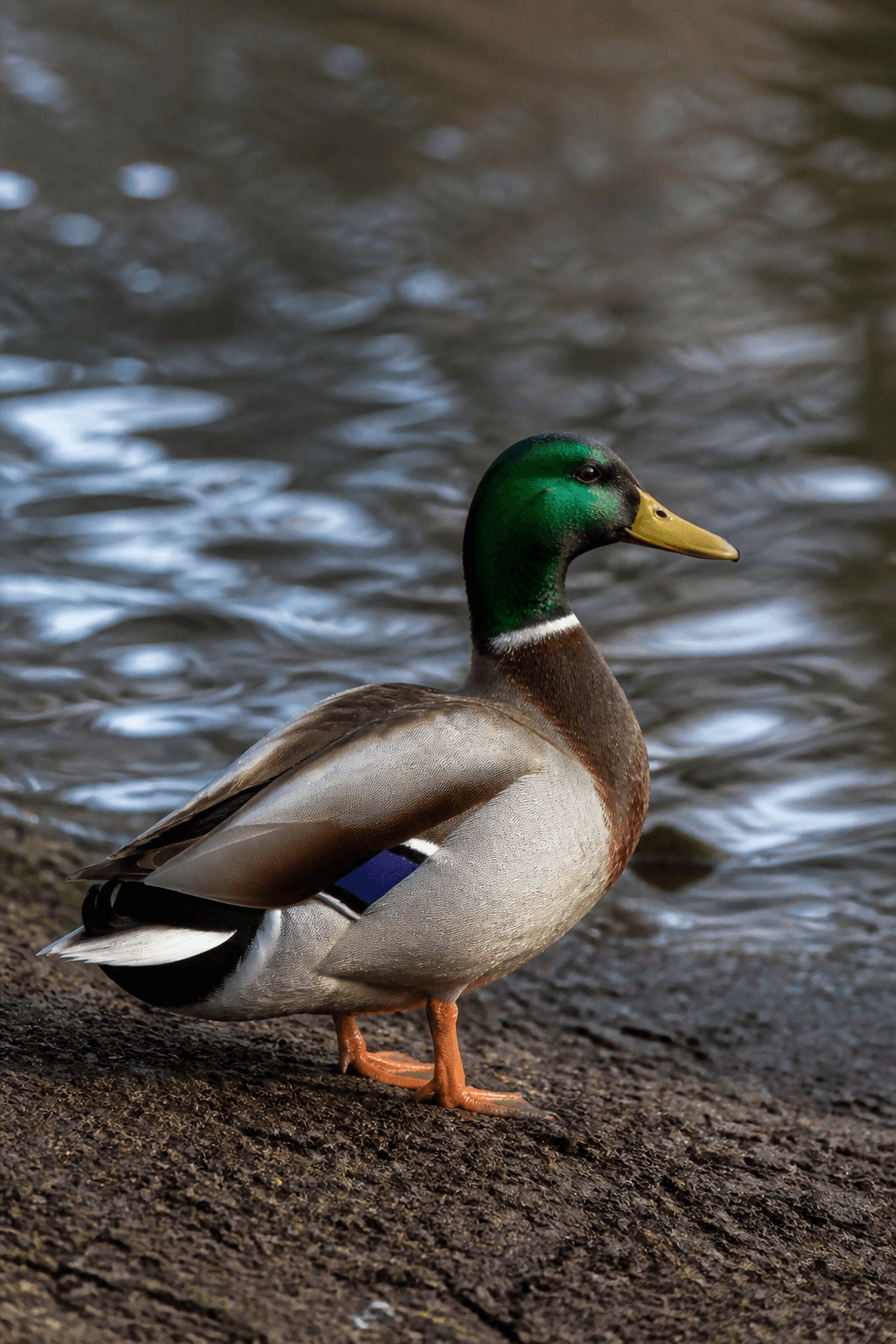
Mallard
United Kingdom, United States
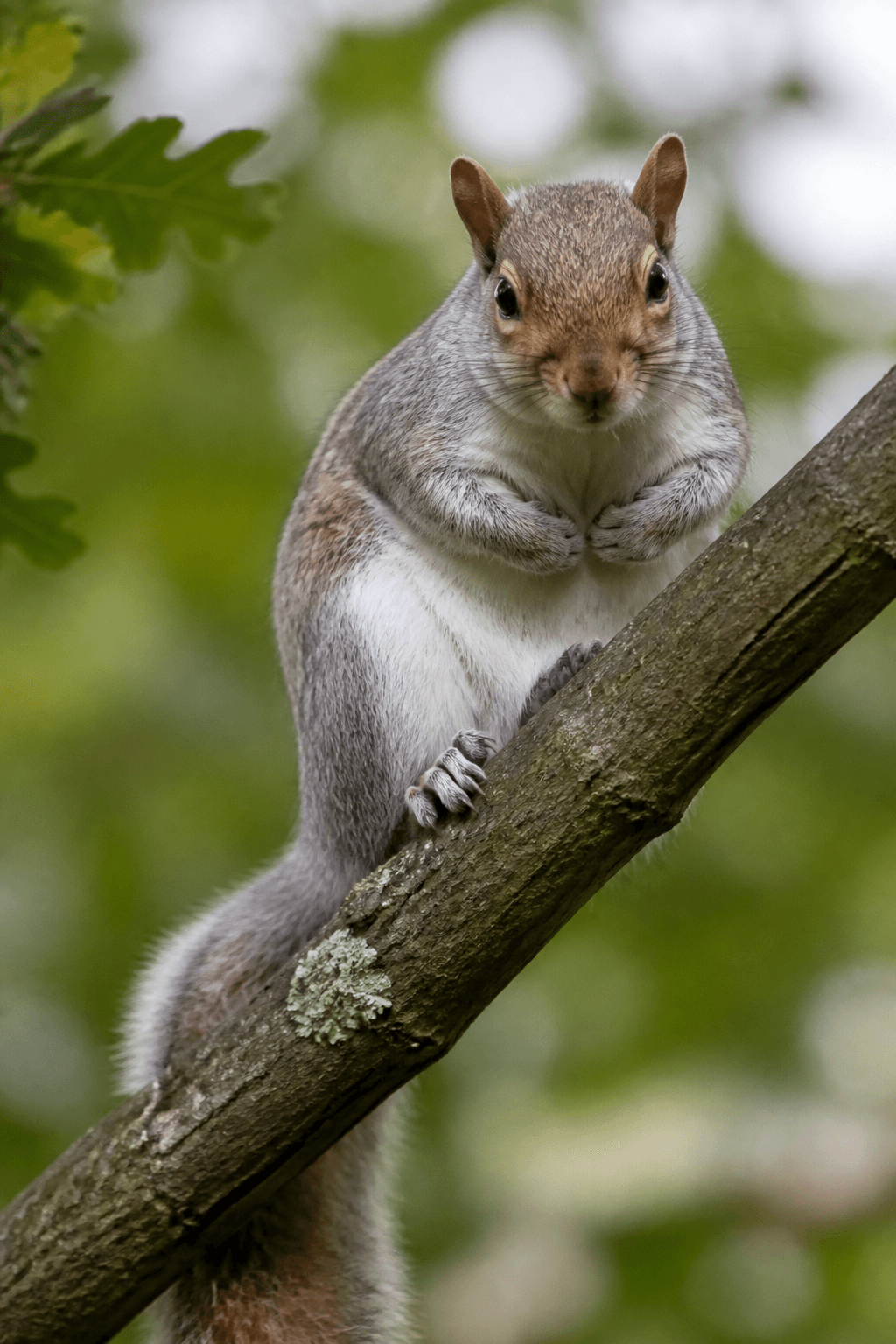
Grey Squirrel
United Kingdom, United States
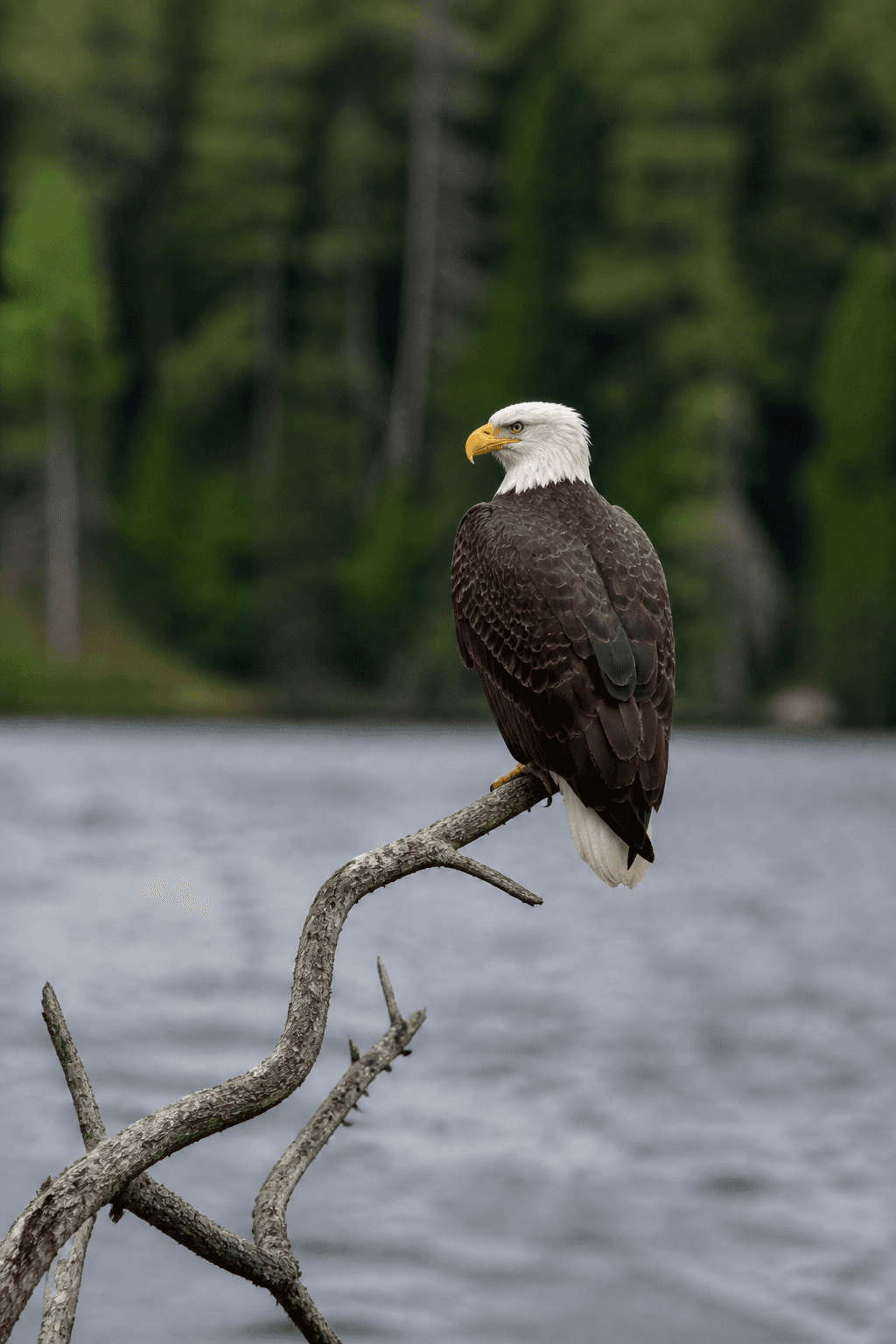
Bald Eagle
United States
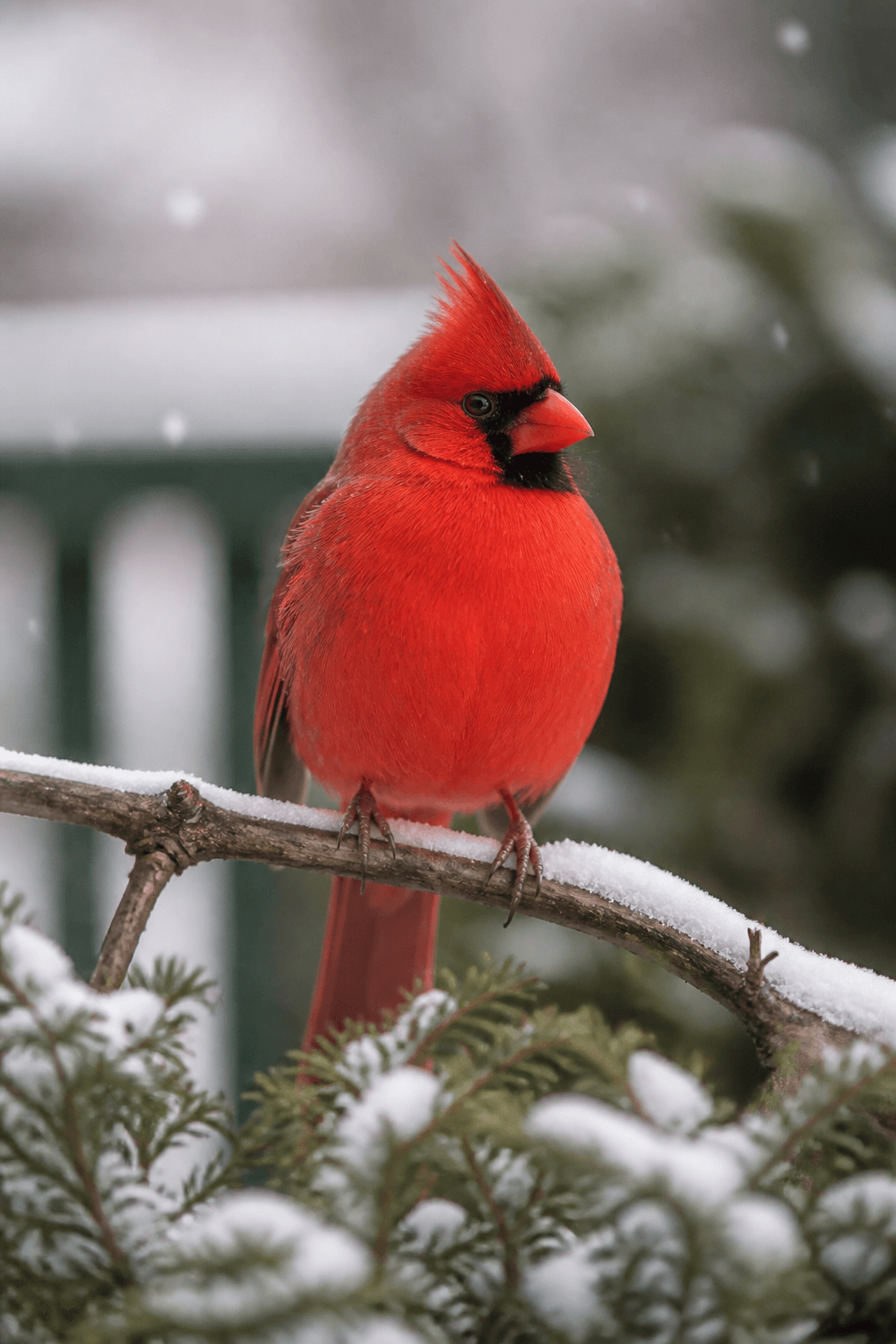
Northern Cardinal
United States
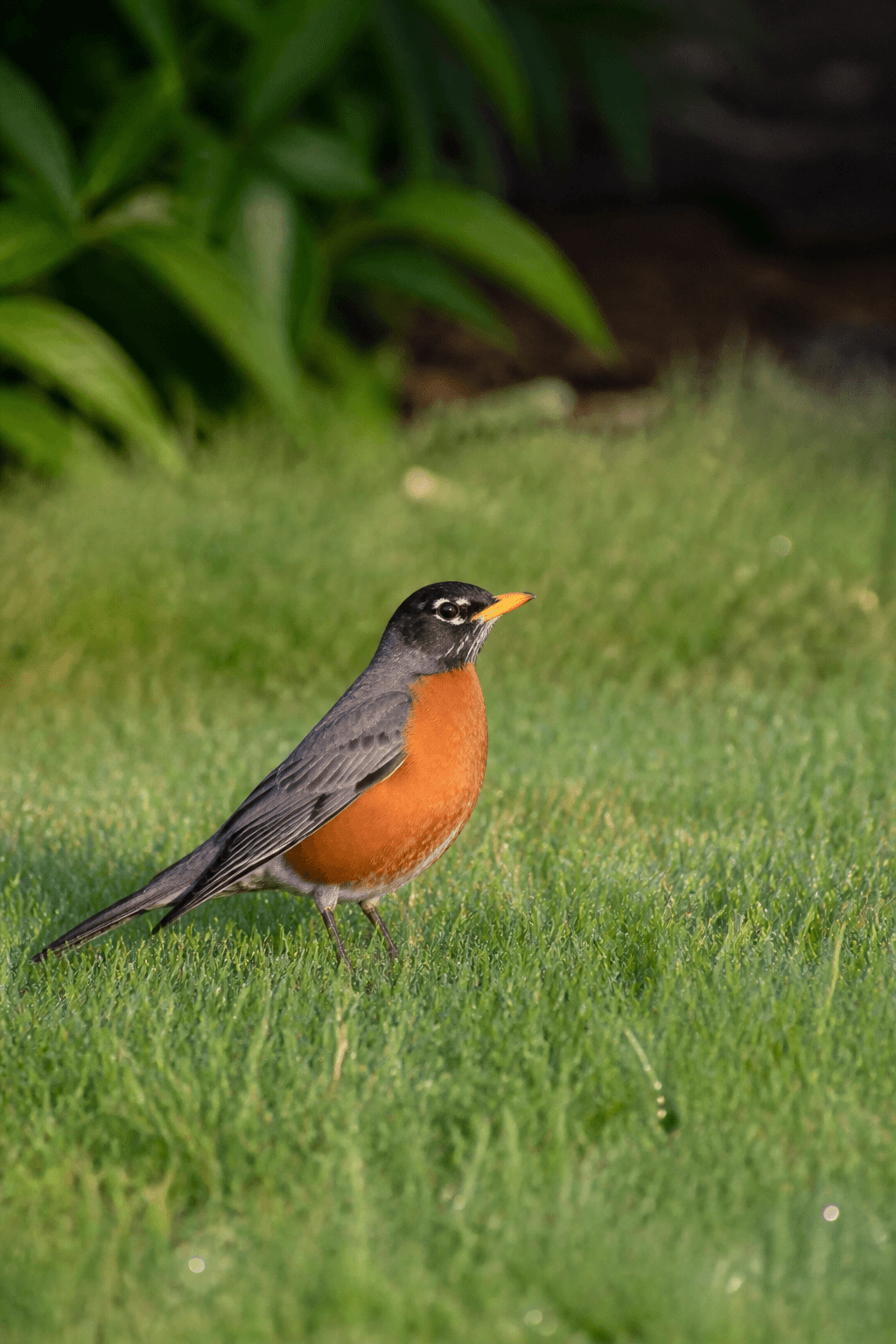
American Robin
United States
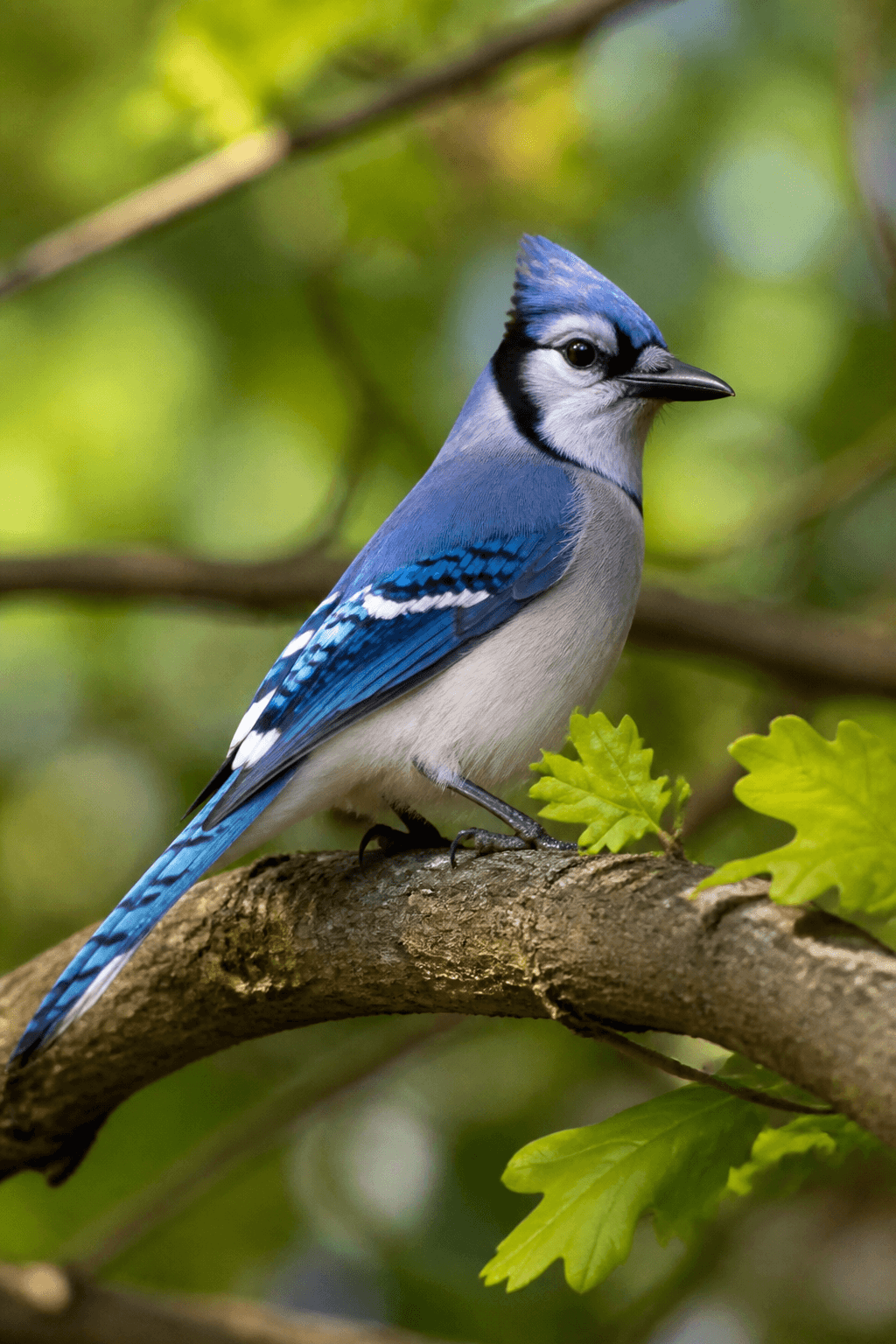
Blue Jay
United States
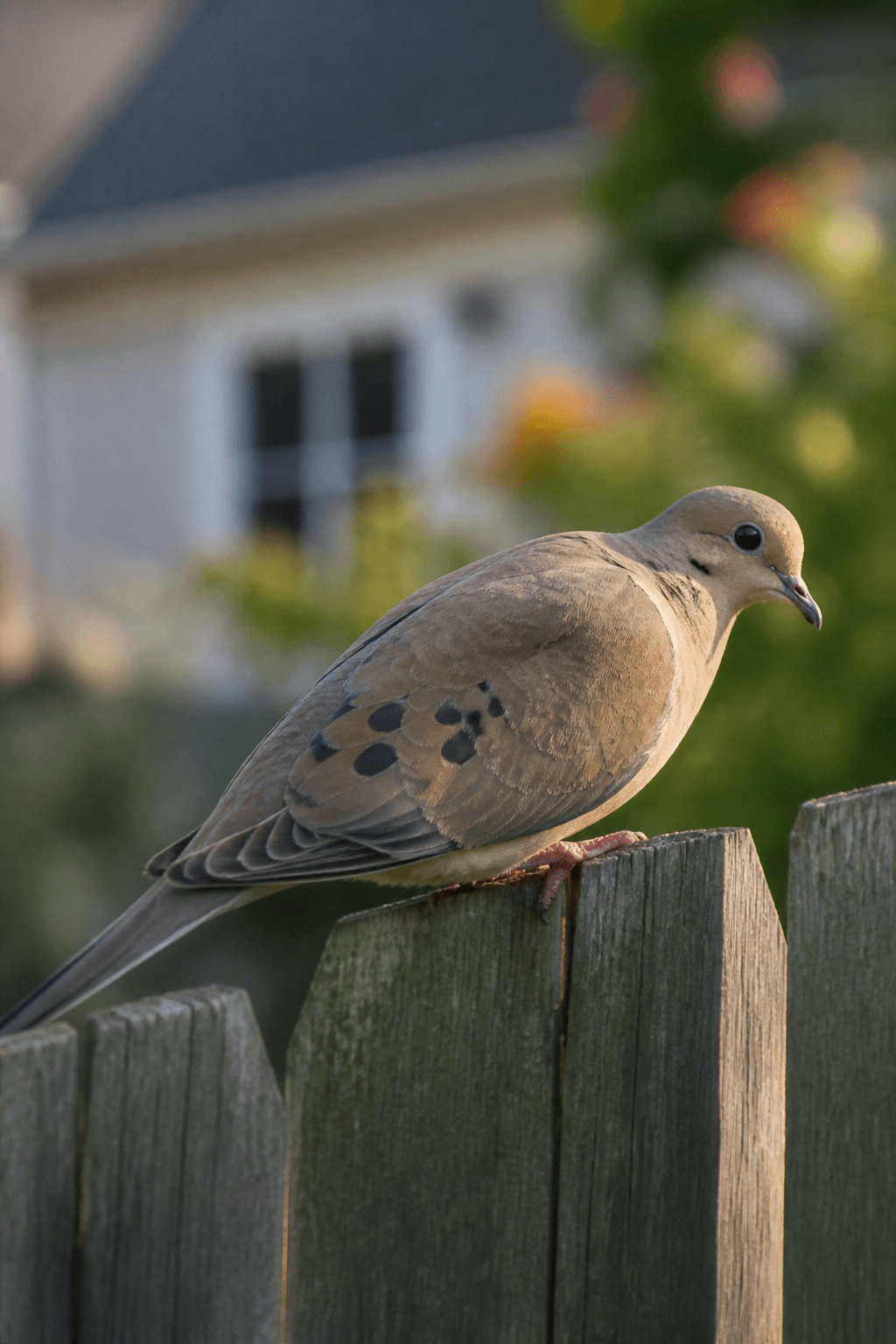
Mourning Dove
United States
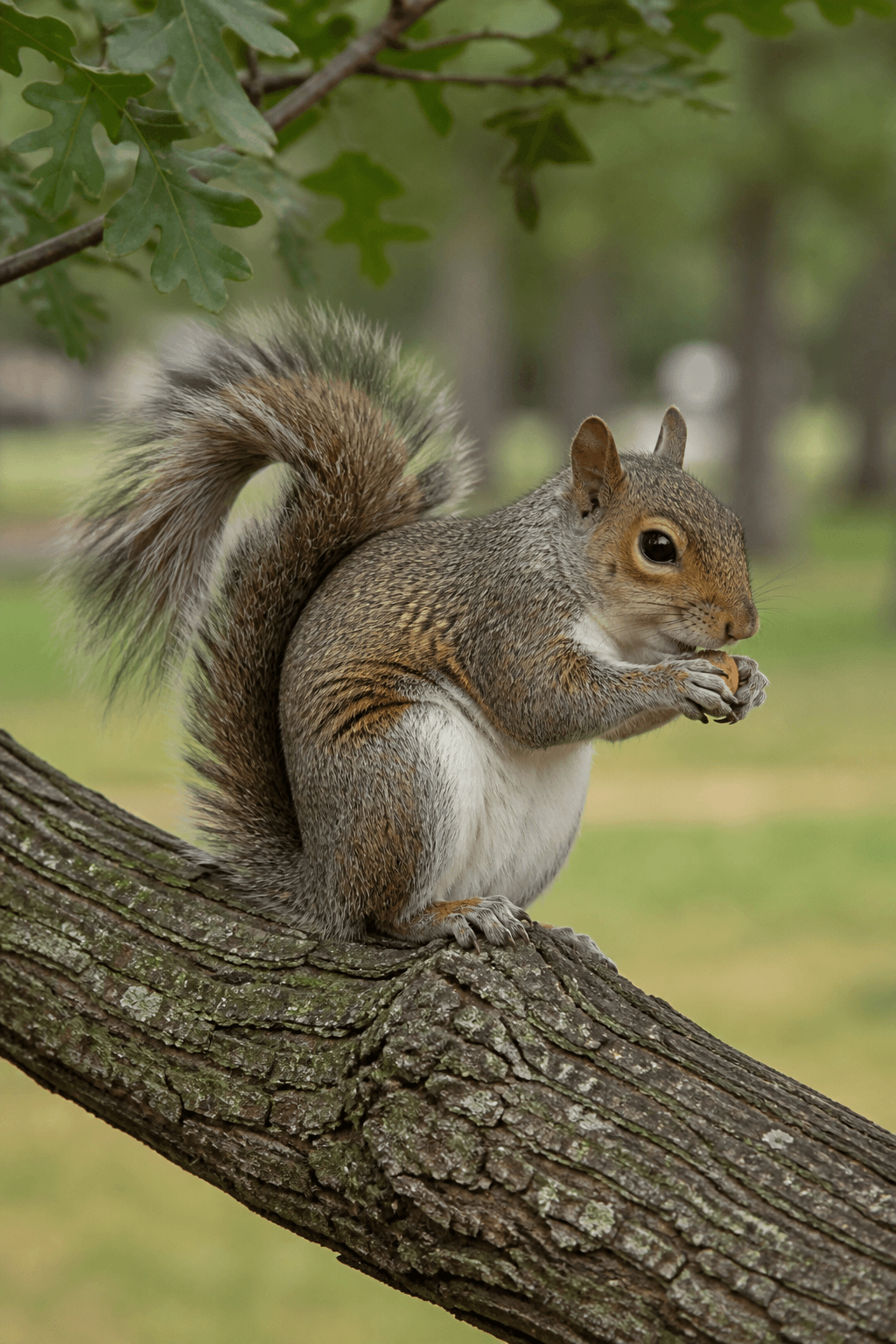
Eastern Gray Squirrel
United States
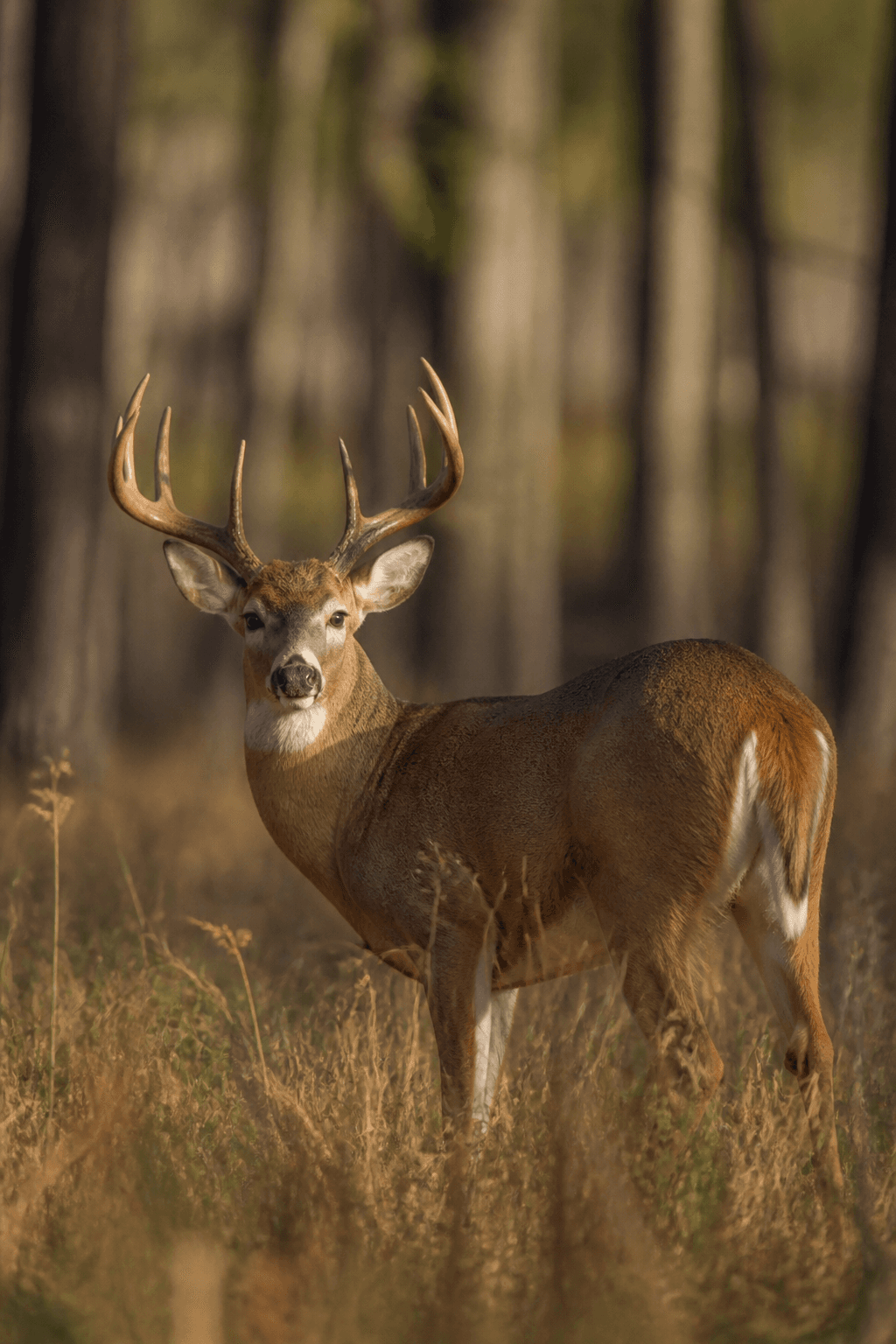
White-tailed Deer
United States
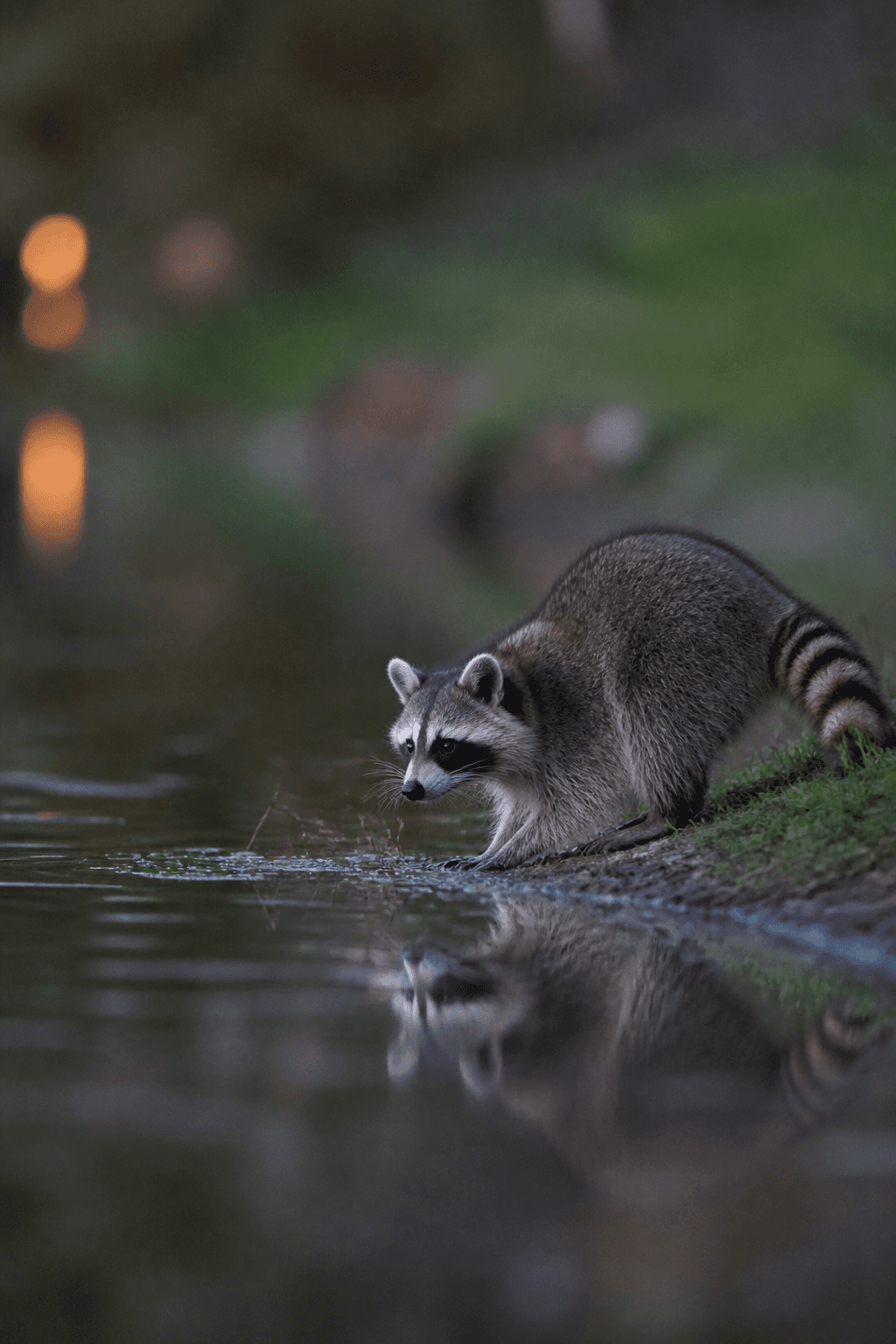
Raccoon
United States
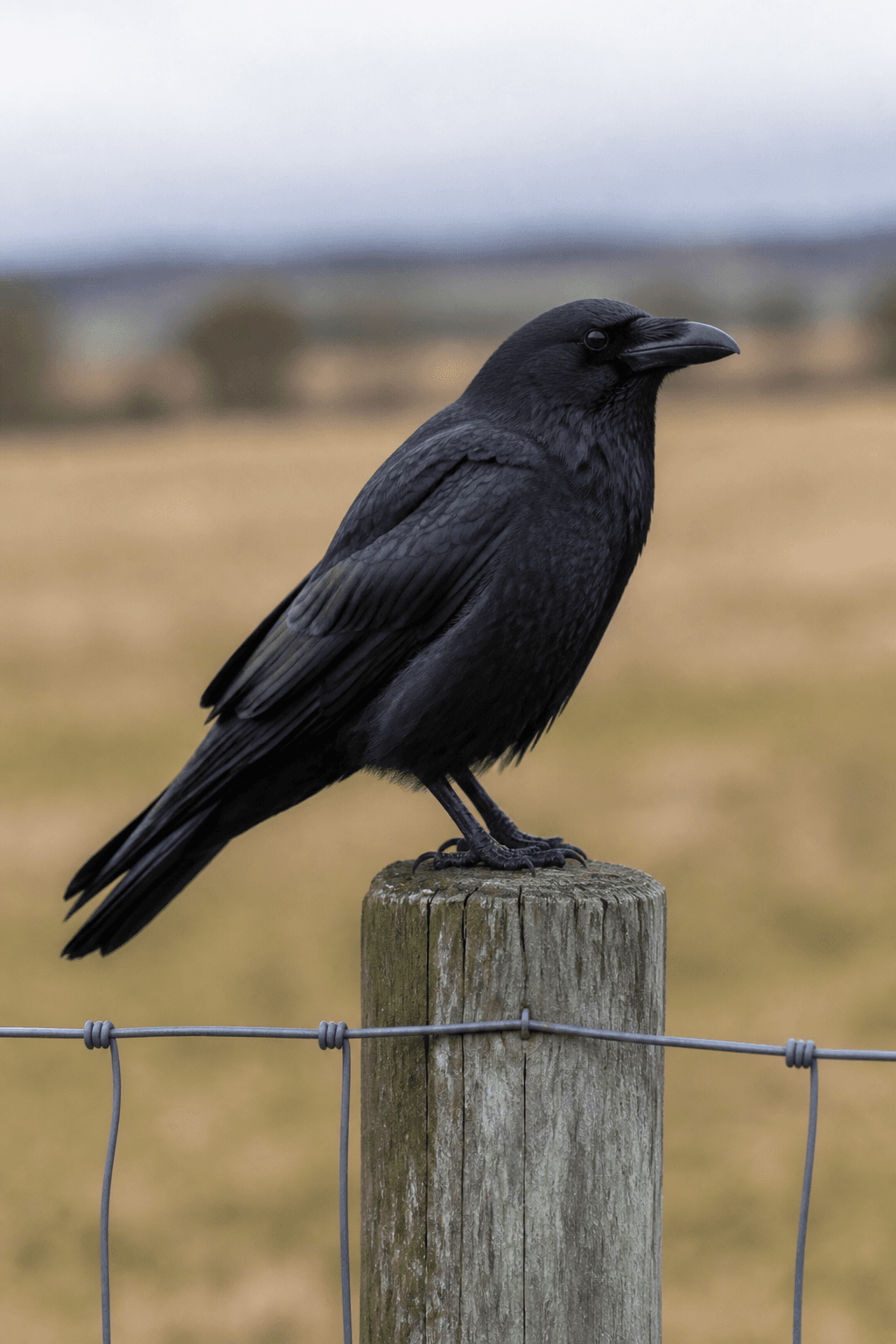
American Crow
United States
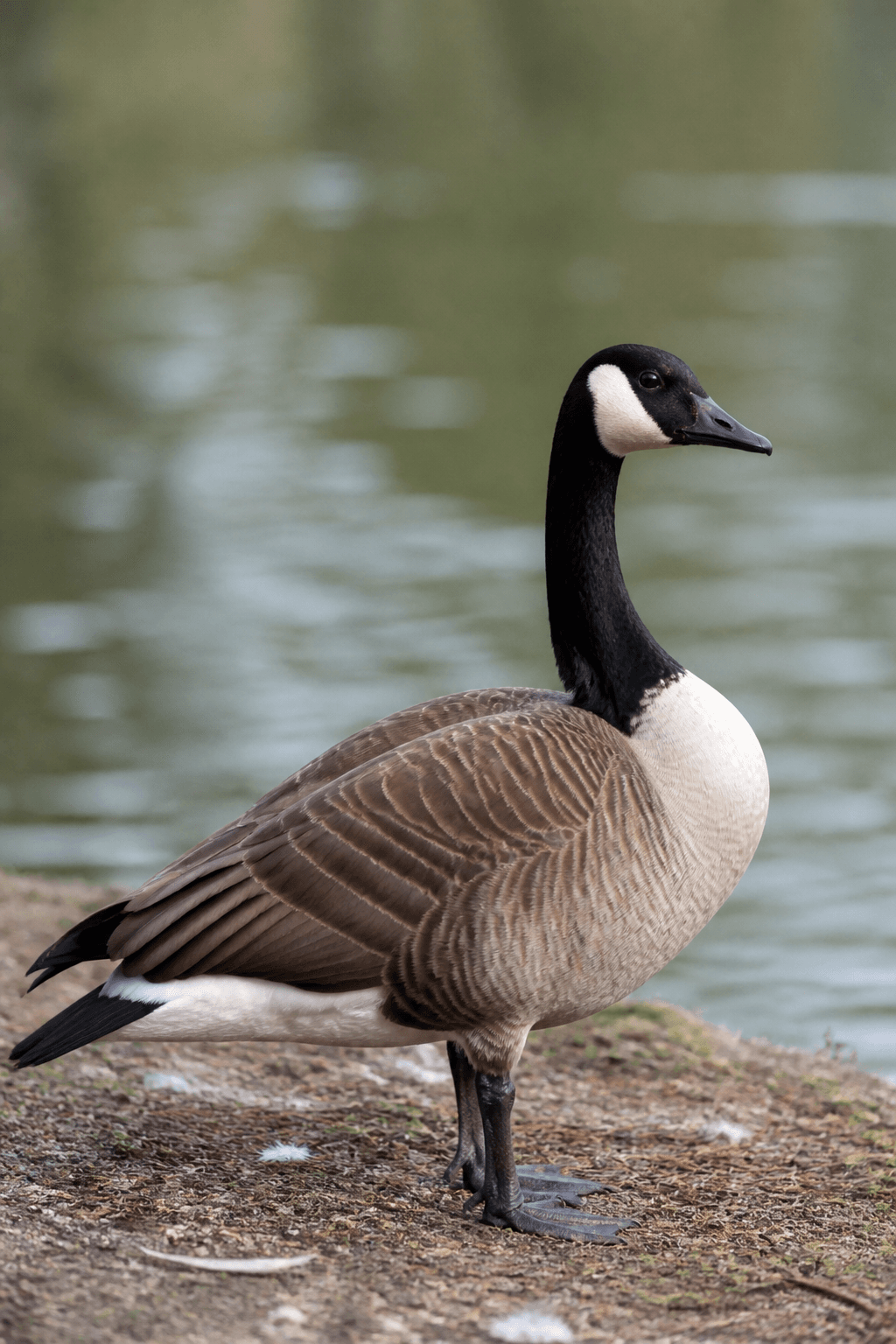
Canada Goose
United States
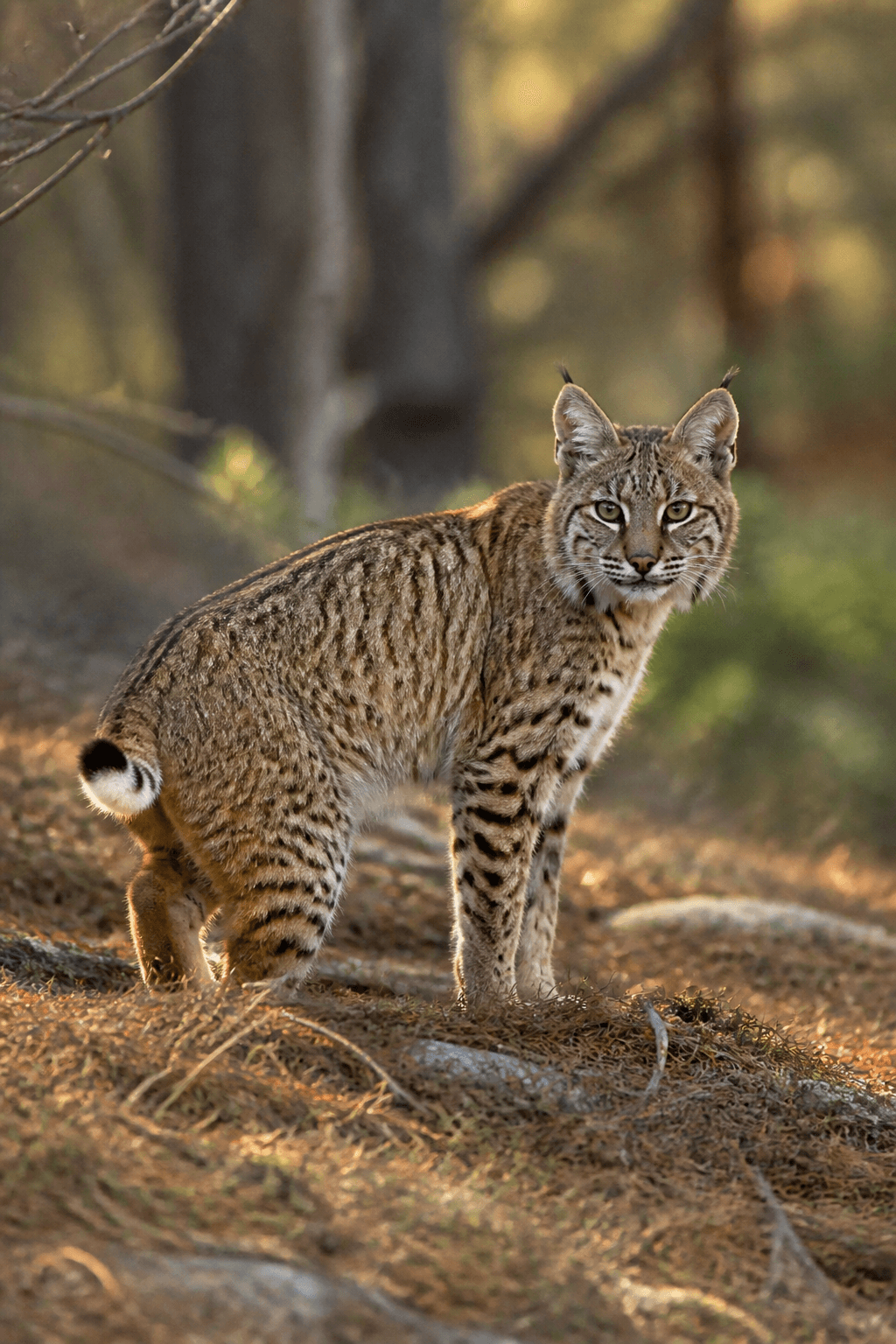
Bobcat
United States
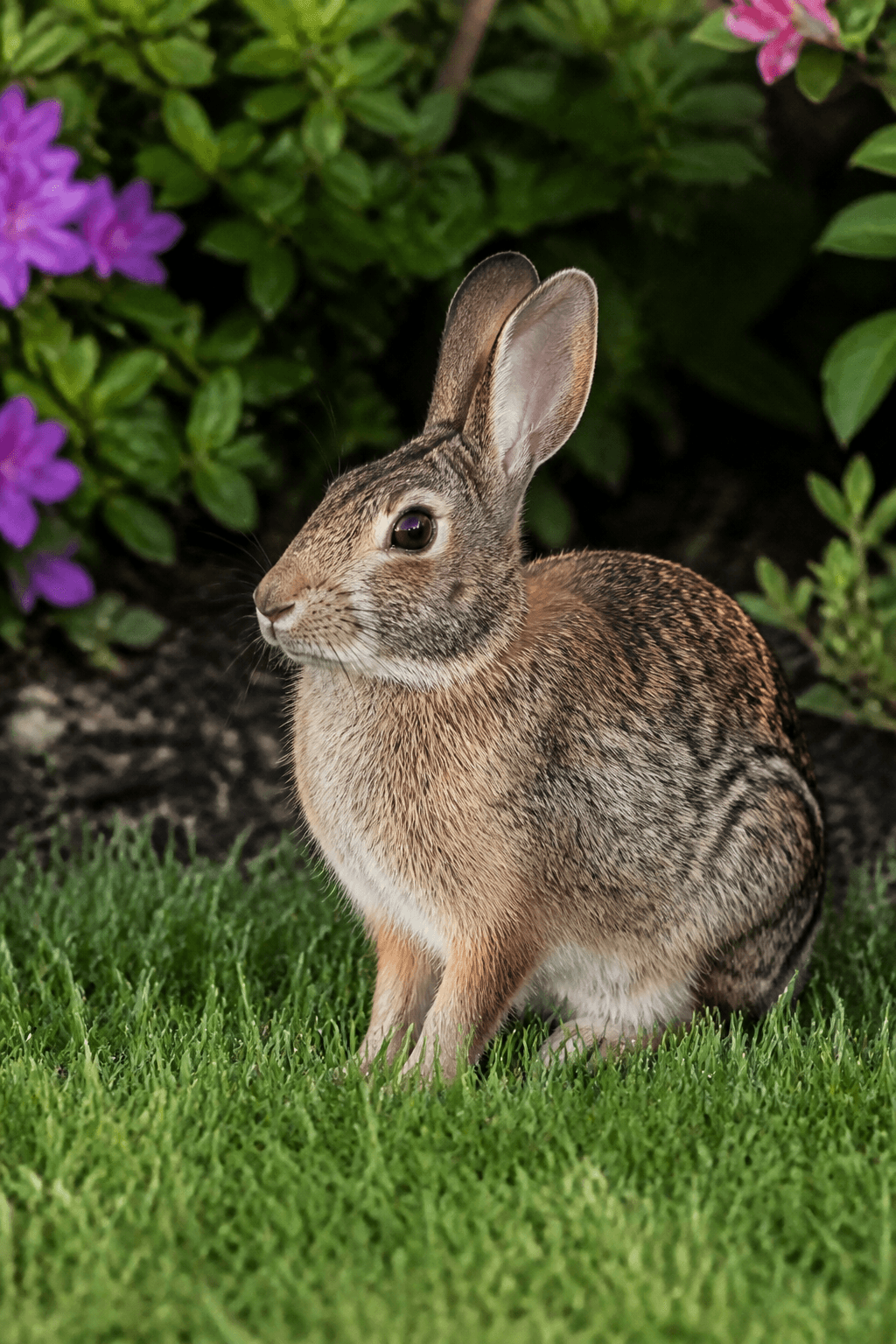
Eastern Cottontail
United States
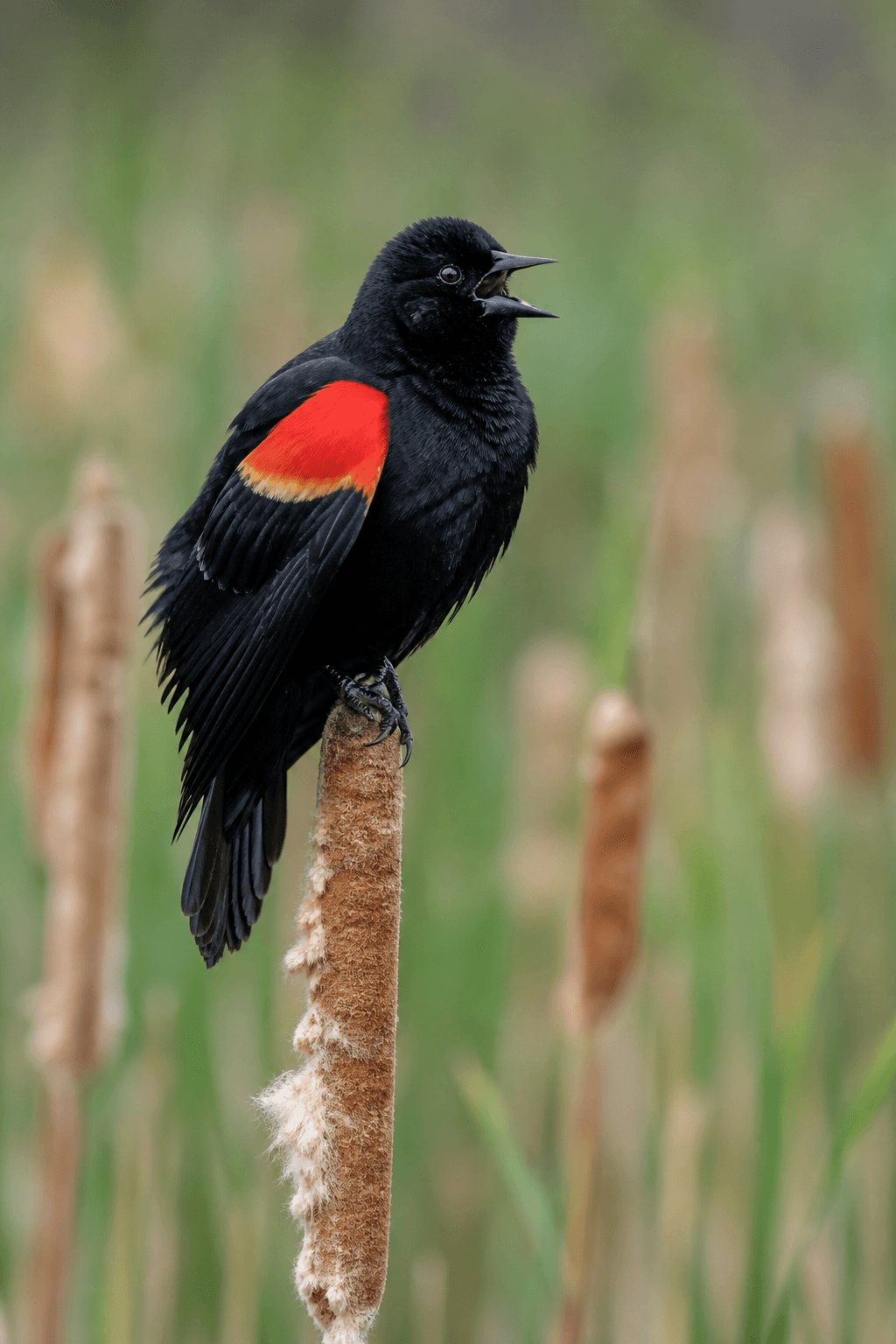
Red-winged Blackbird
United States
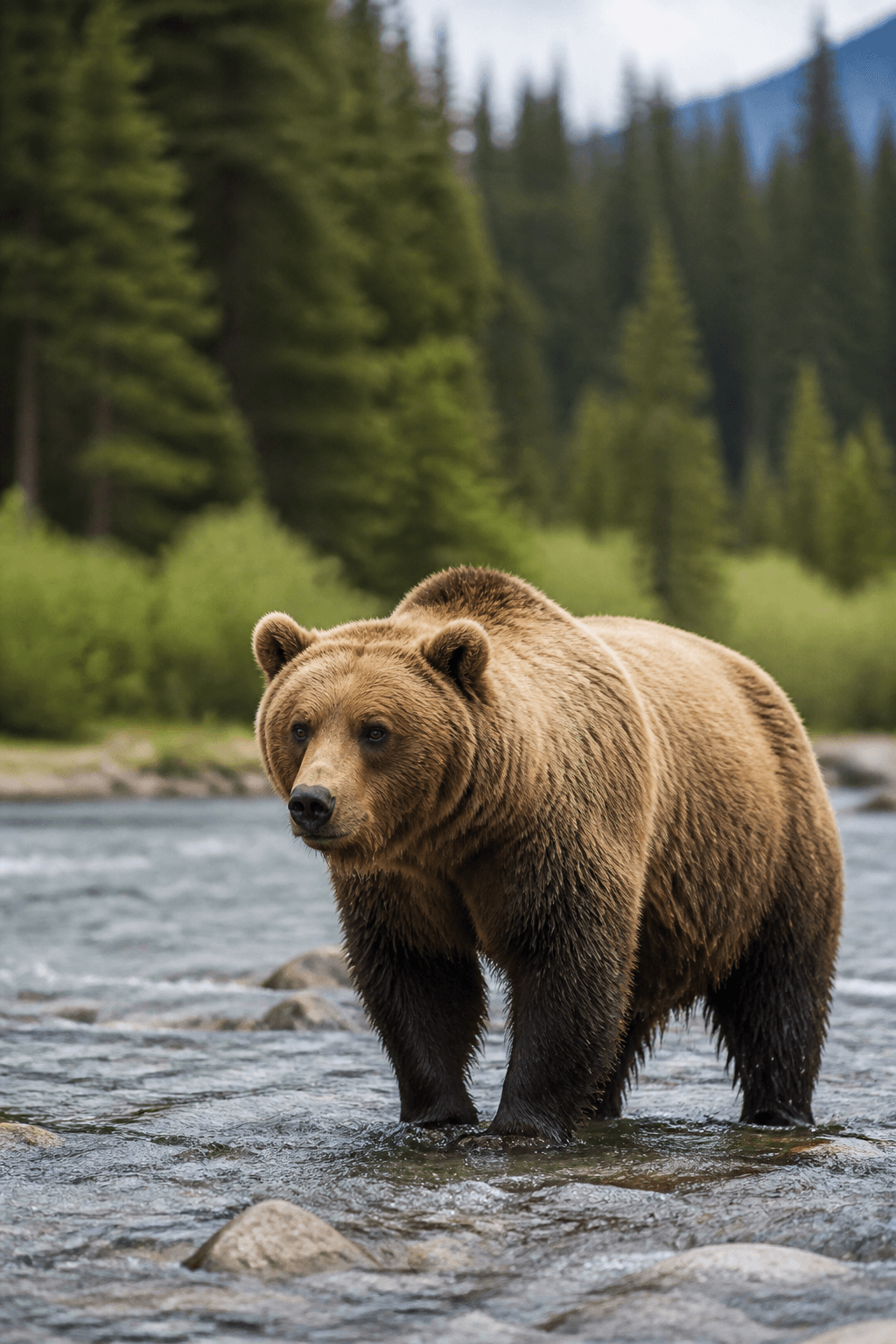
Grizzly Bear
United States
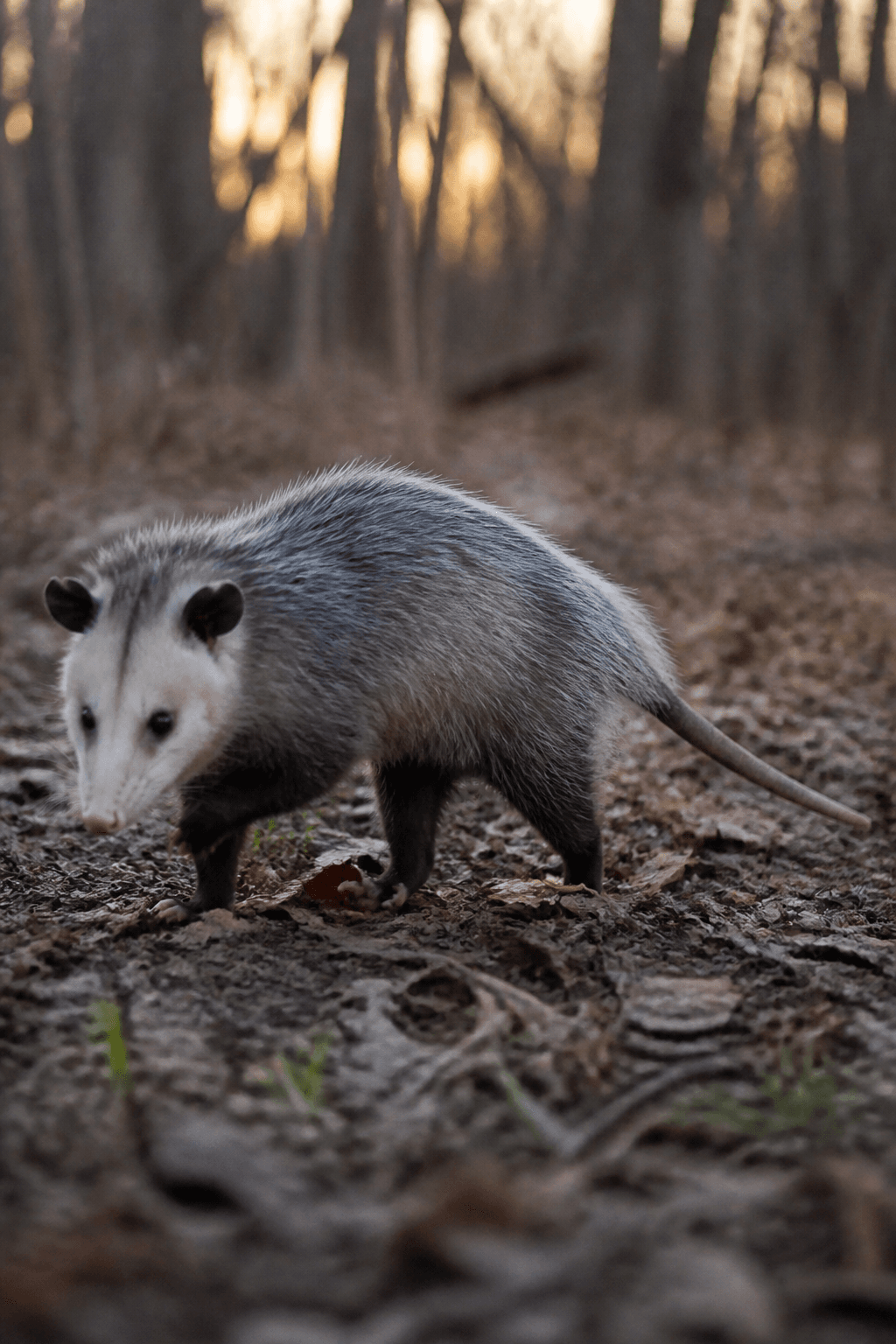
Opossum
United States
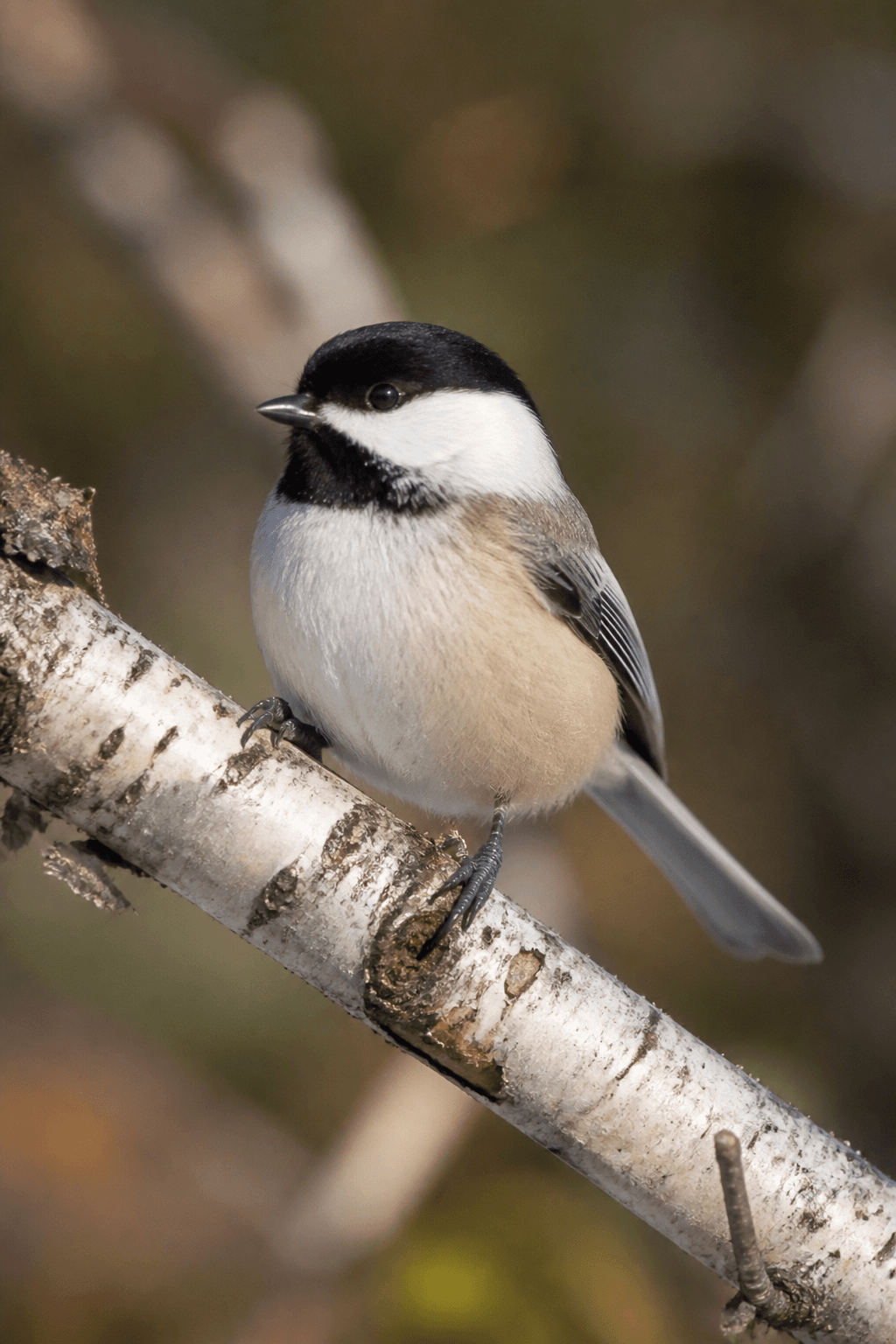
Black-capped Chickadee
United States
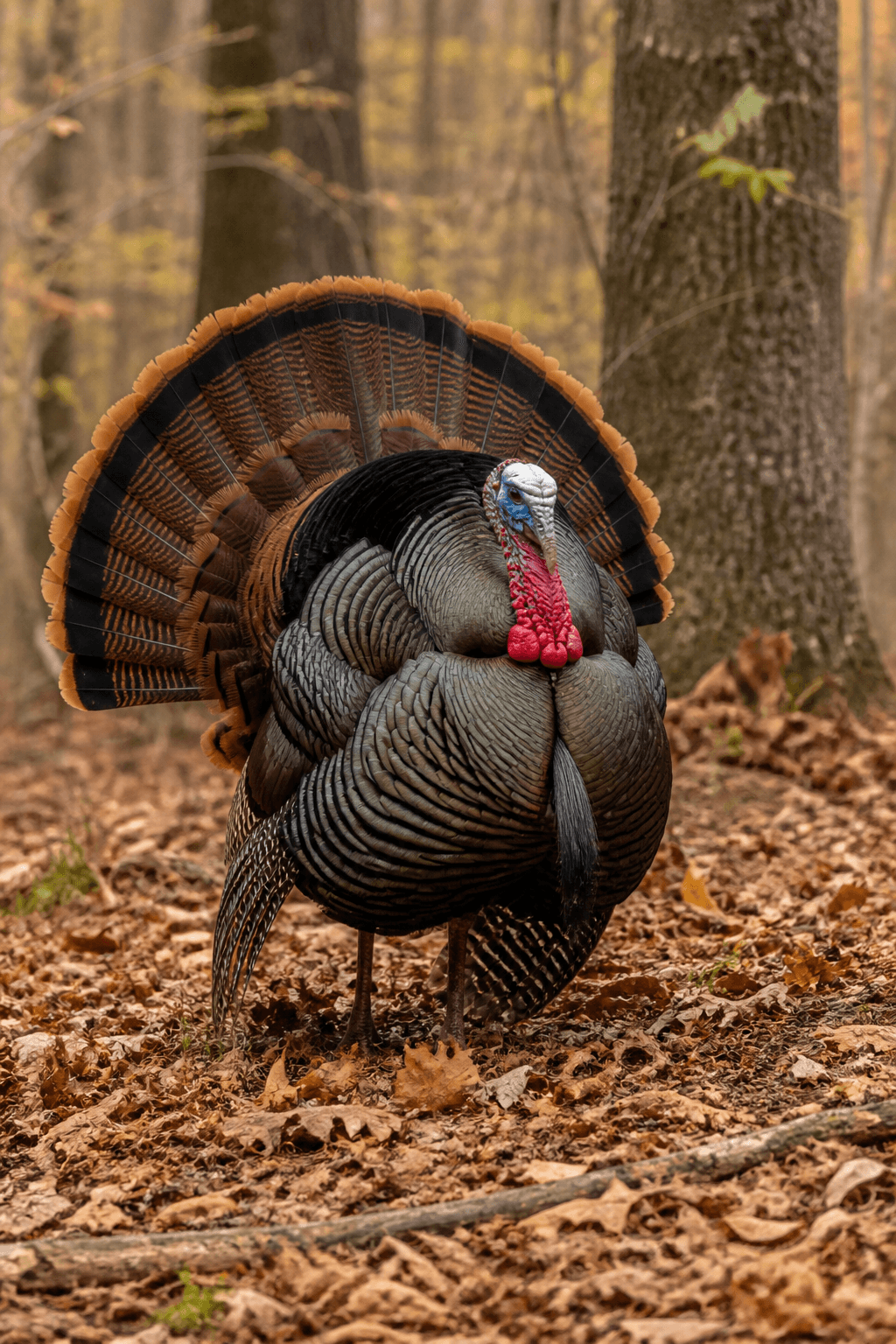
Wild Turkey
United States
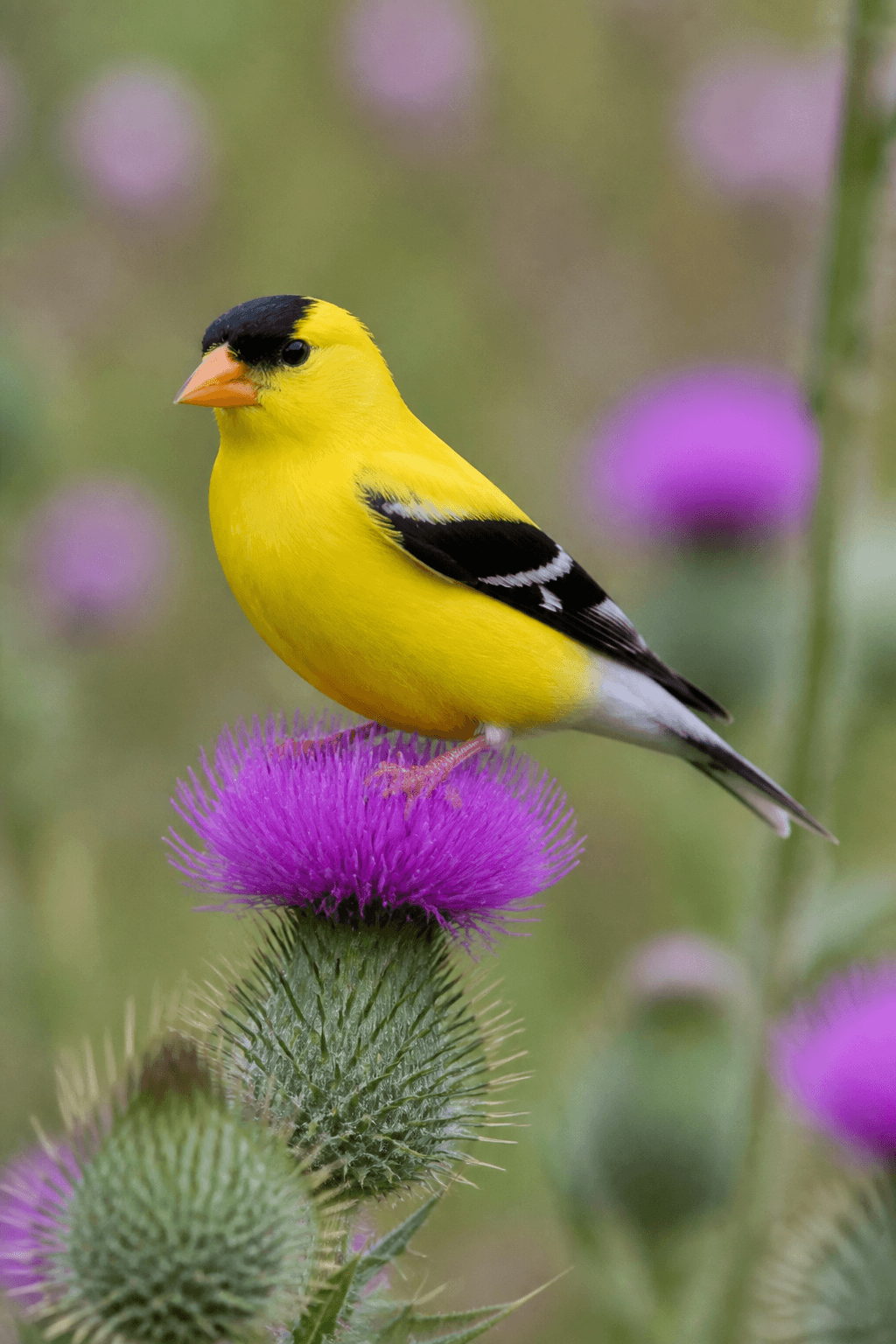
American Goldfinch
United States
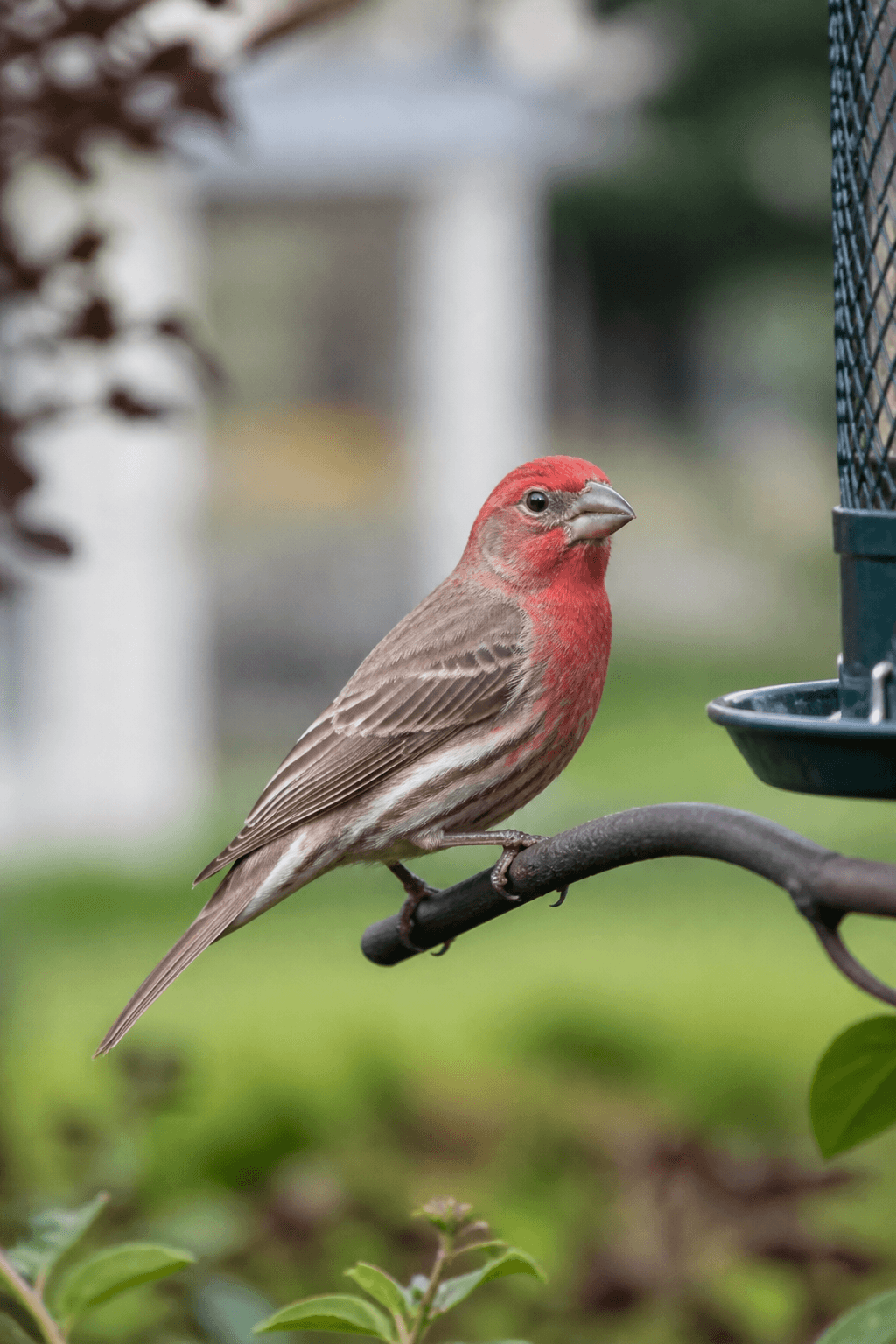
House Finch
United States
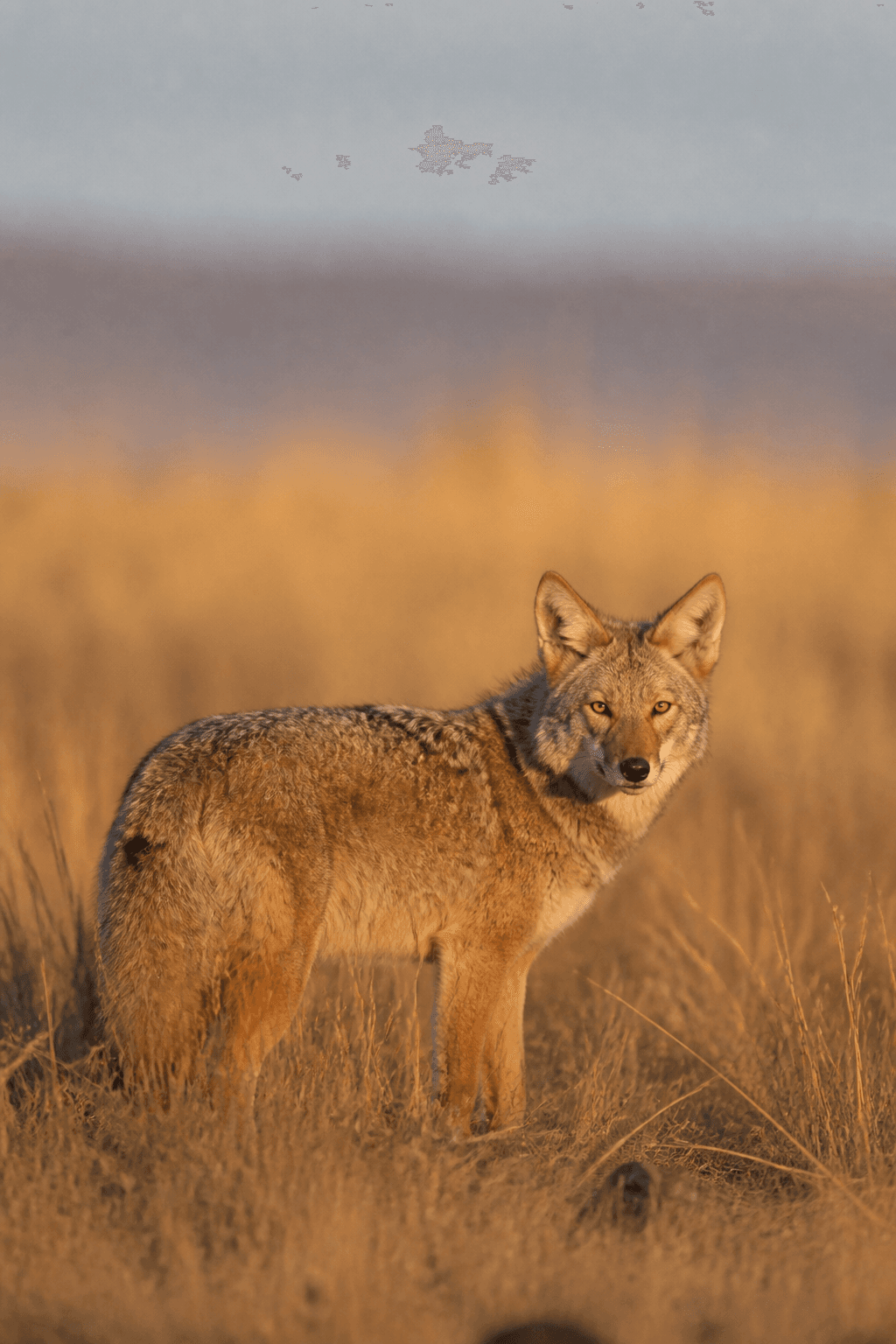
Coyote
United States
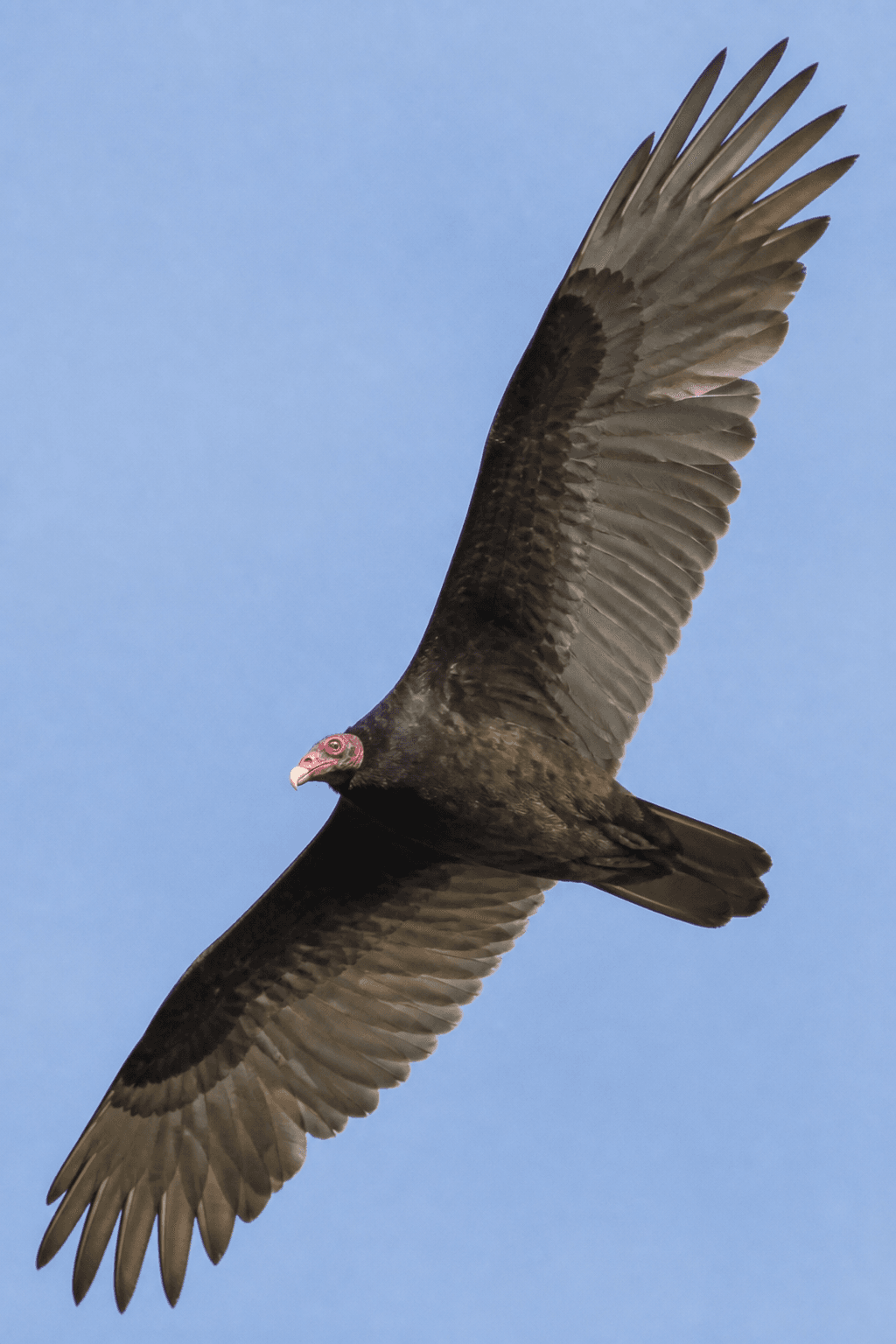
Turkey Vulture
United States
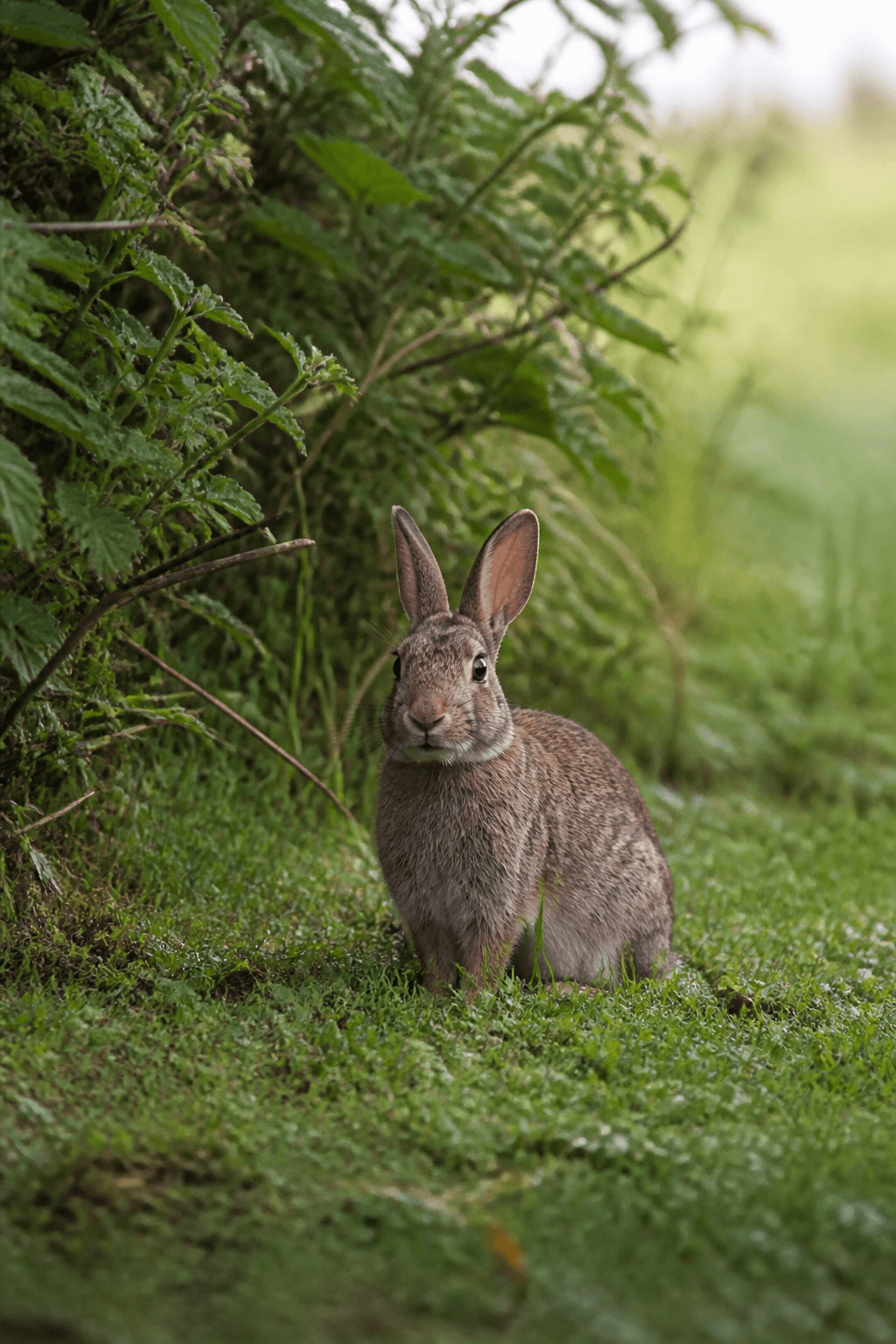
European Rabbit
United Kingdom, United States
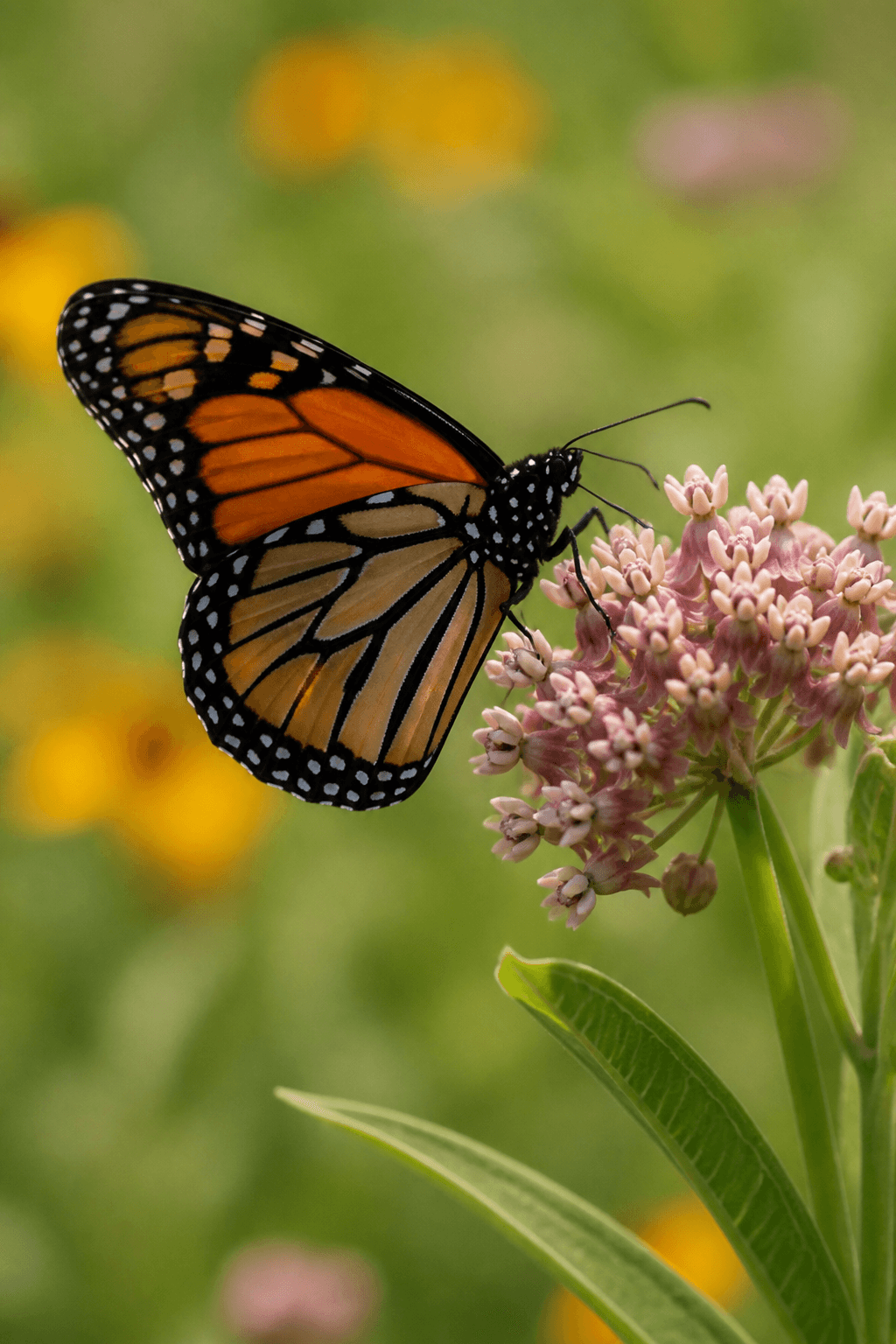
Monarch Butterfly
United States, United Kingdom
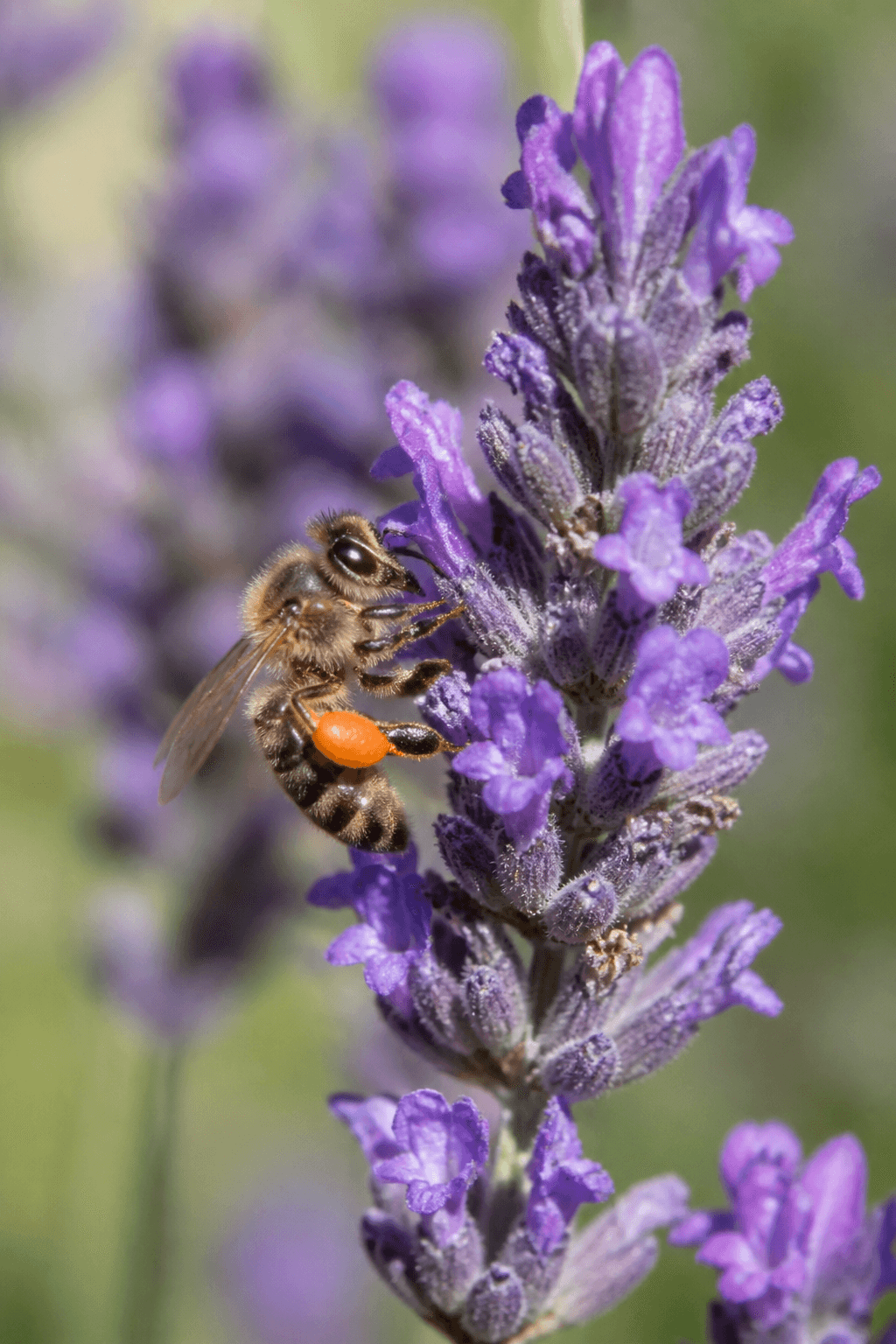
Honey Bee
United Kingdom, United States
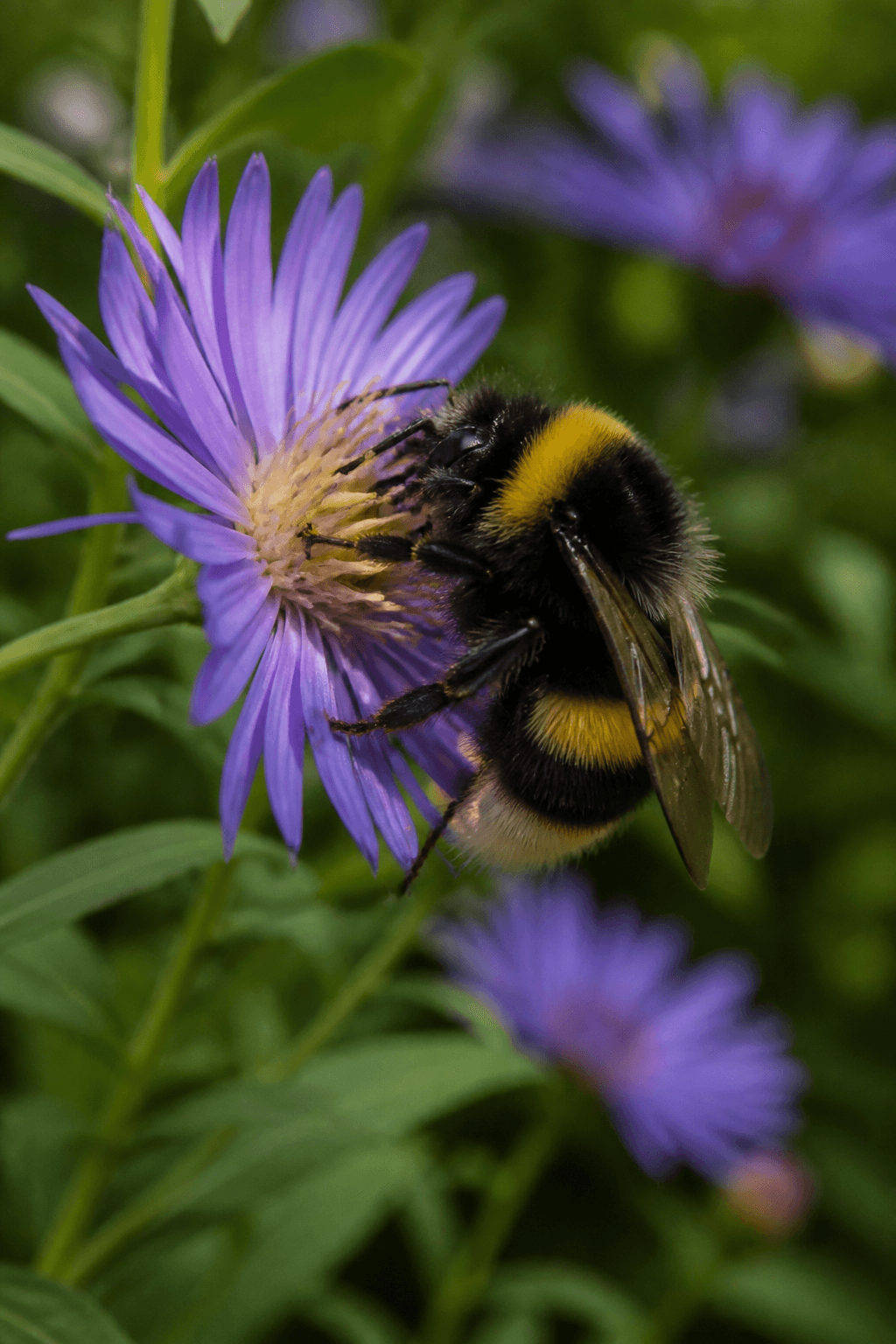
Bumblebee
United Kingdom, United States
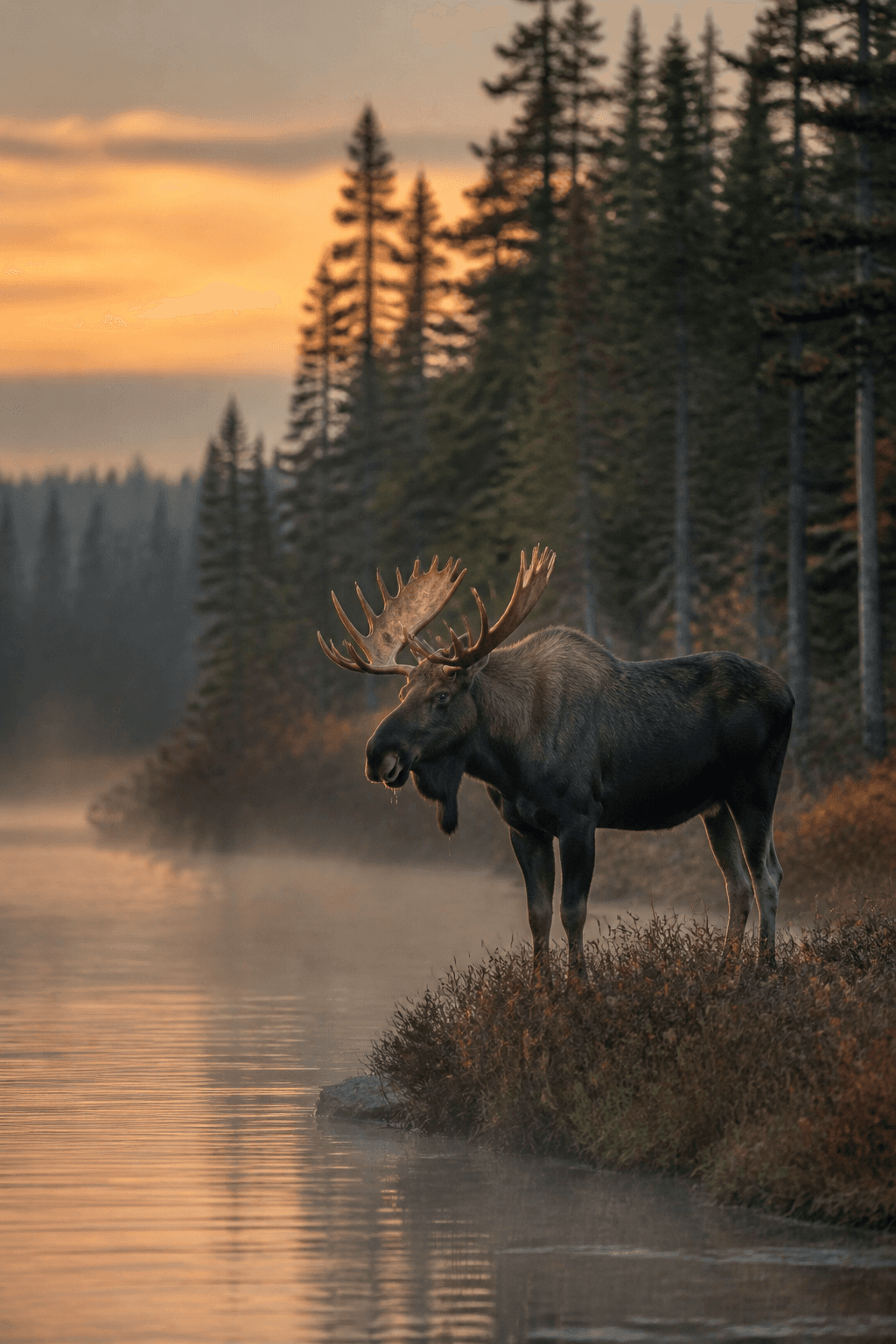
Moose
United States, Canada
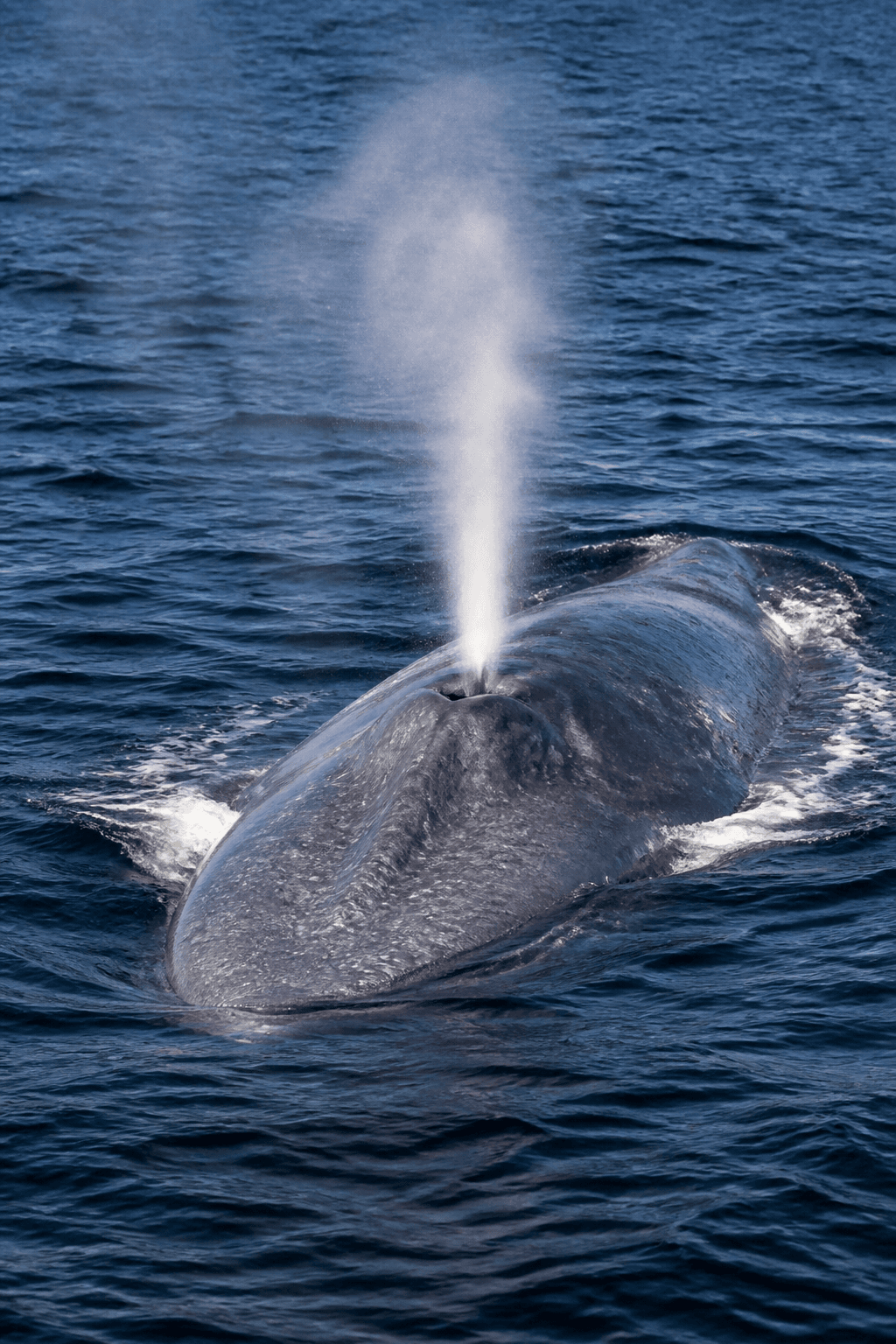
Blue Whale
United States, Canada

Bottlenose Dolphin
United States, United Kingdom
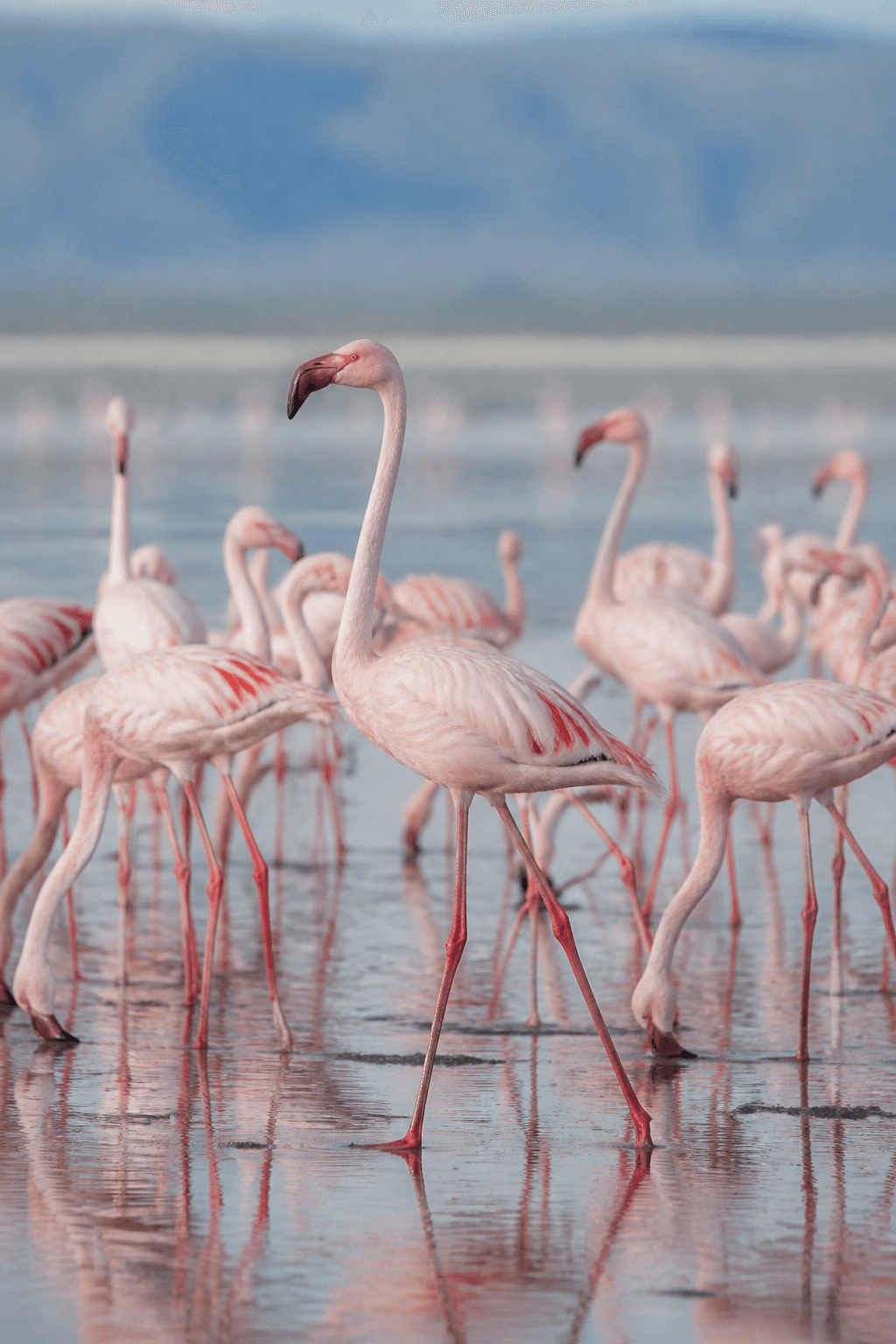
Flamingo
Kenya, United States
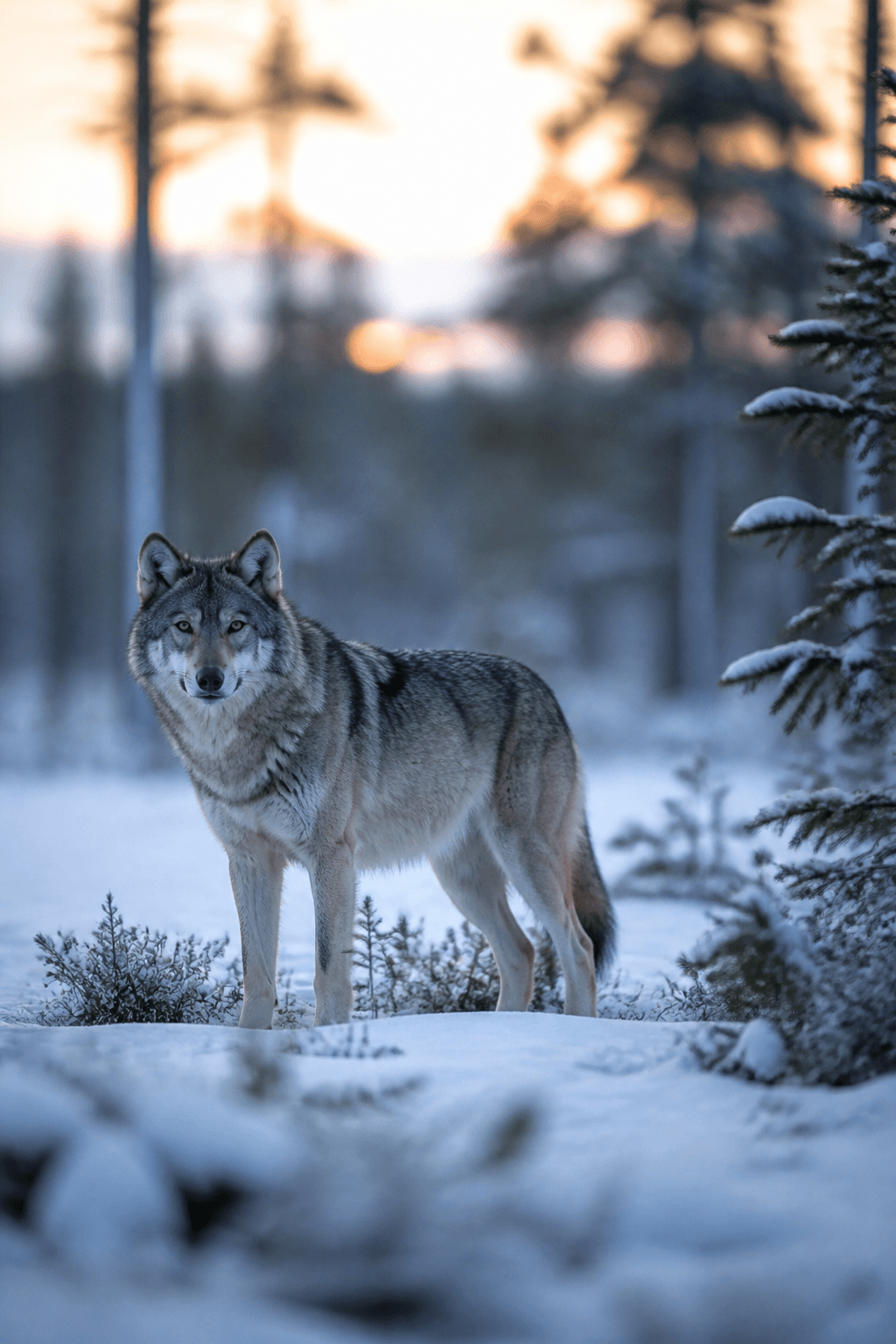
Wolf
United States, Canada
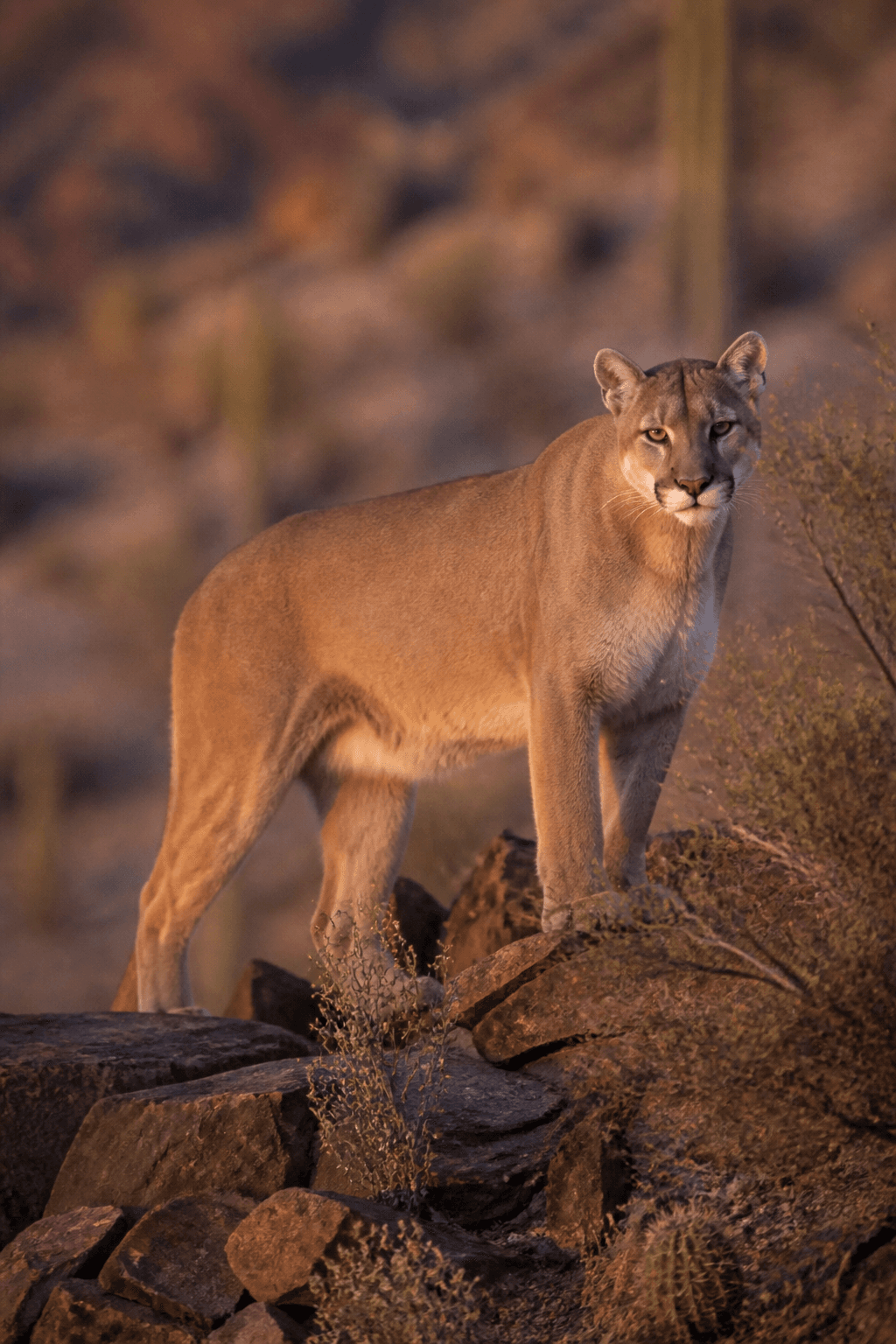
Mountain Lion
United States
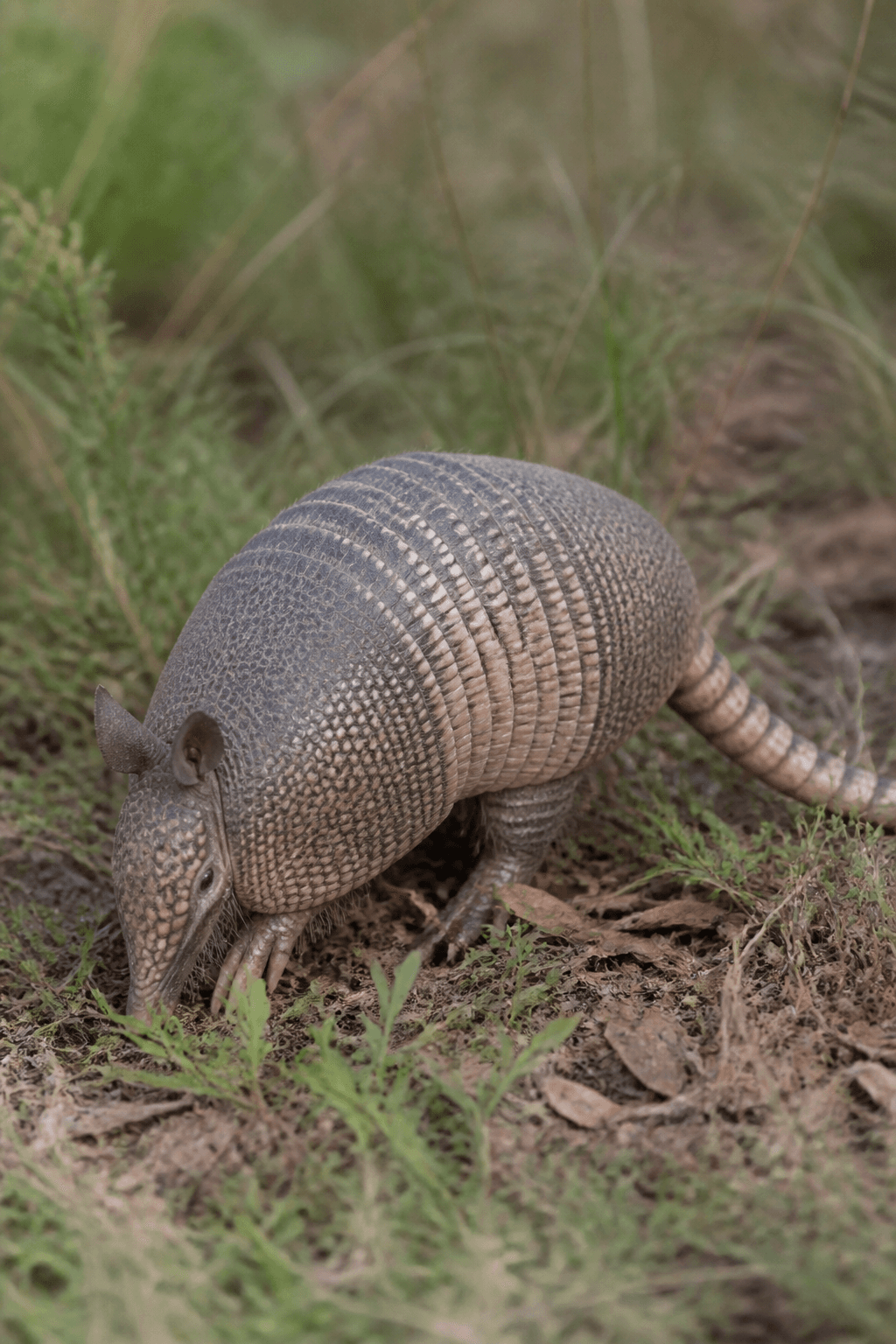
Armadillo
United States
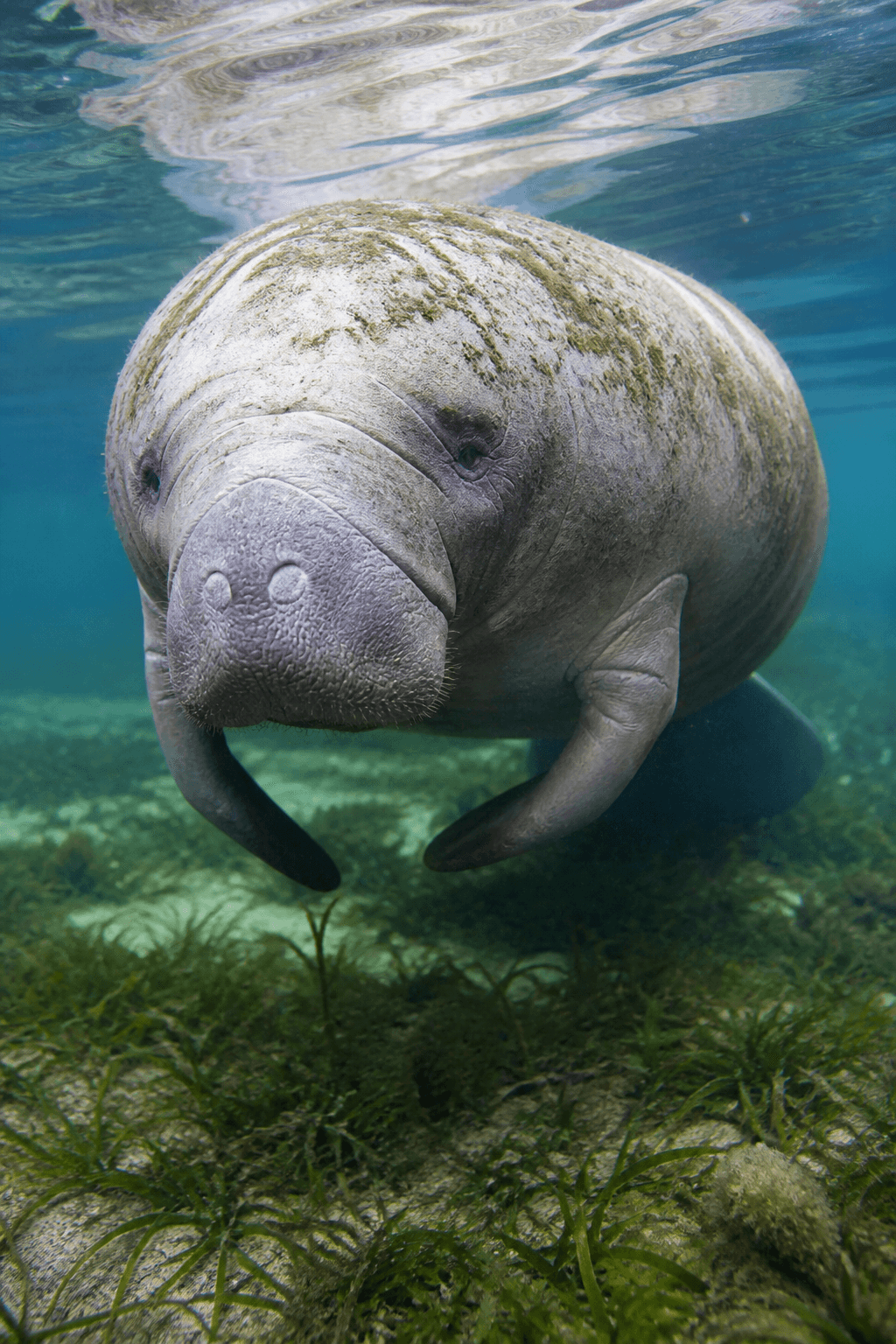
Manatee
United States
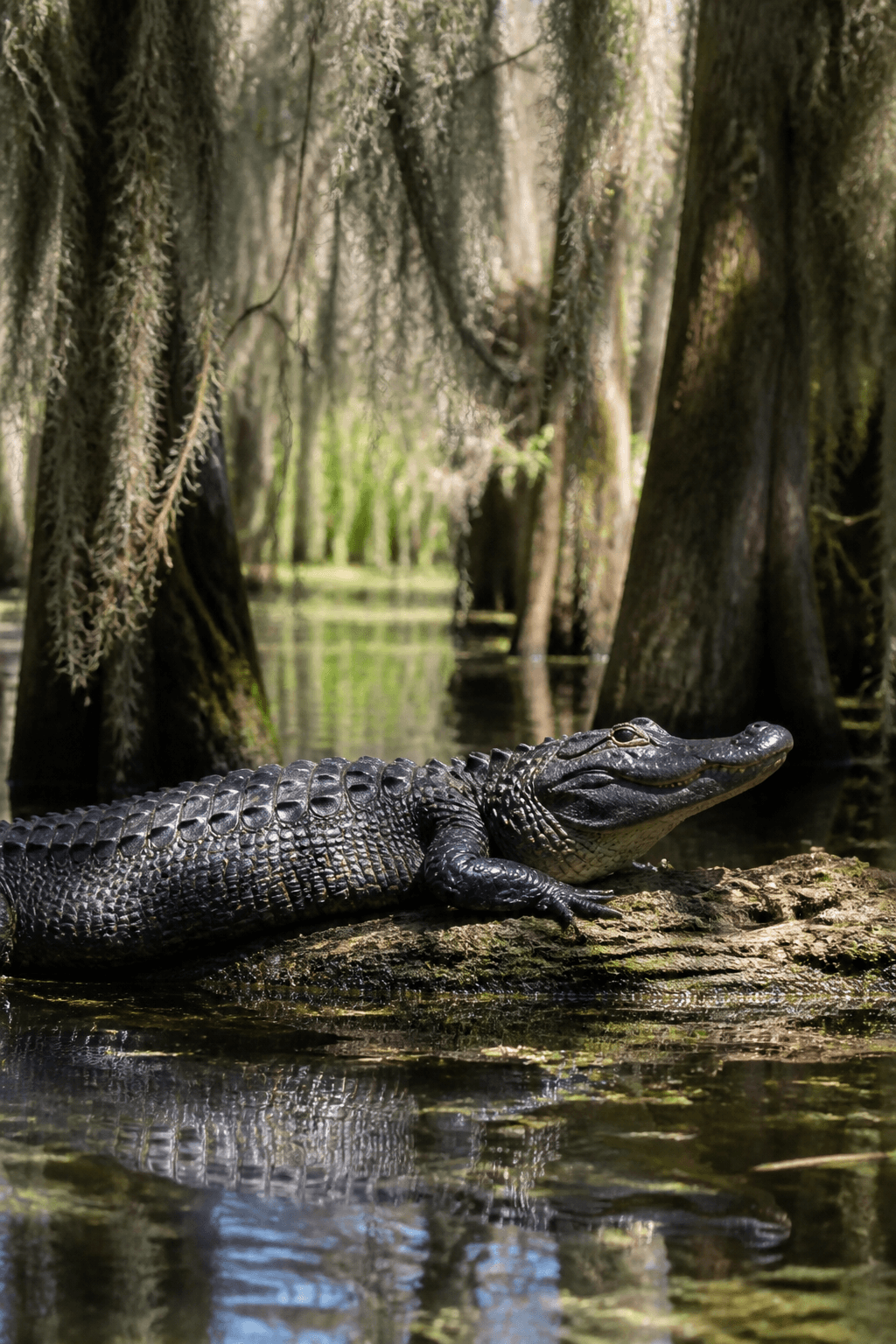
Alligator
United States
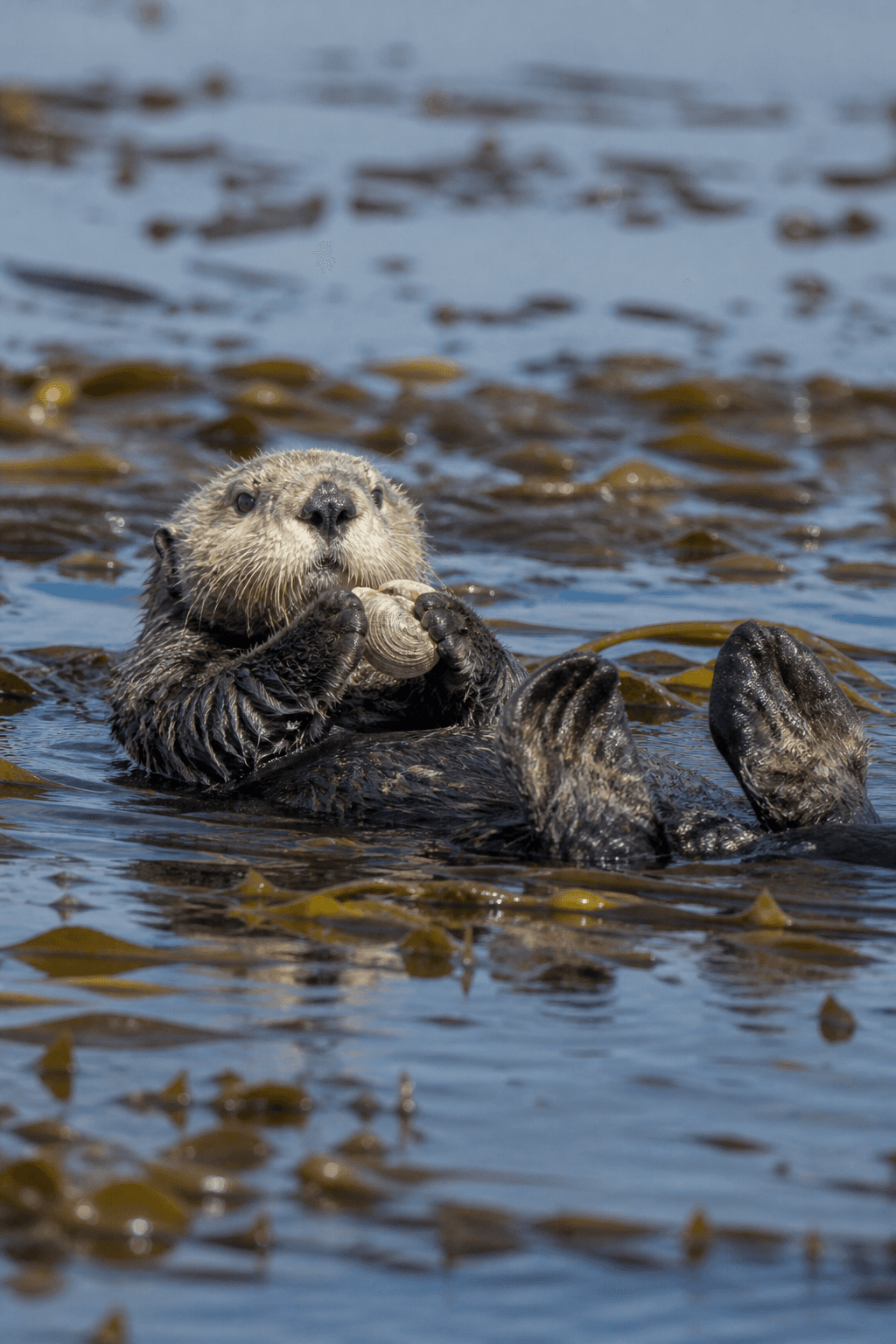
Sea Otter
United States, Canada
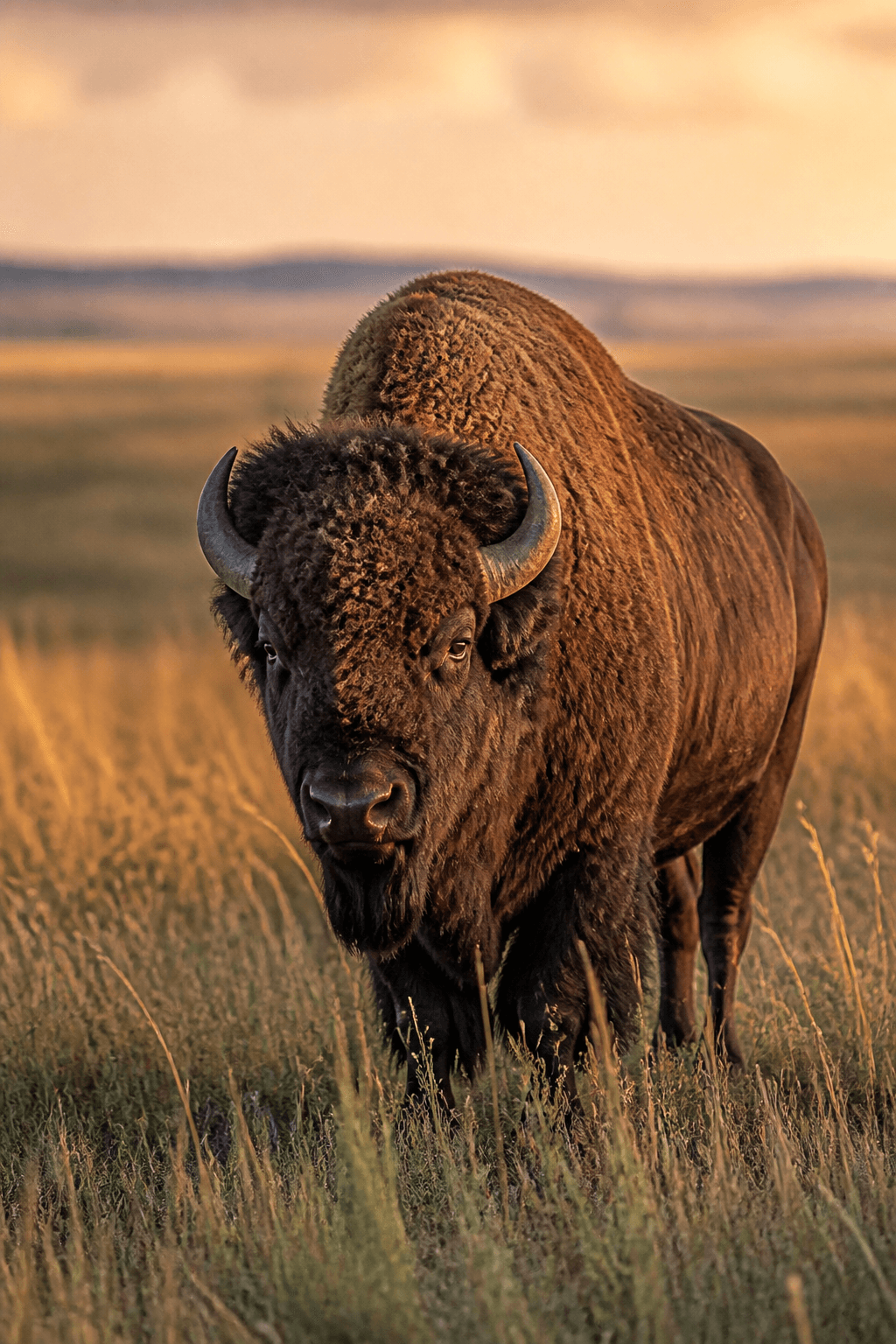
Bison
United States, Canada
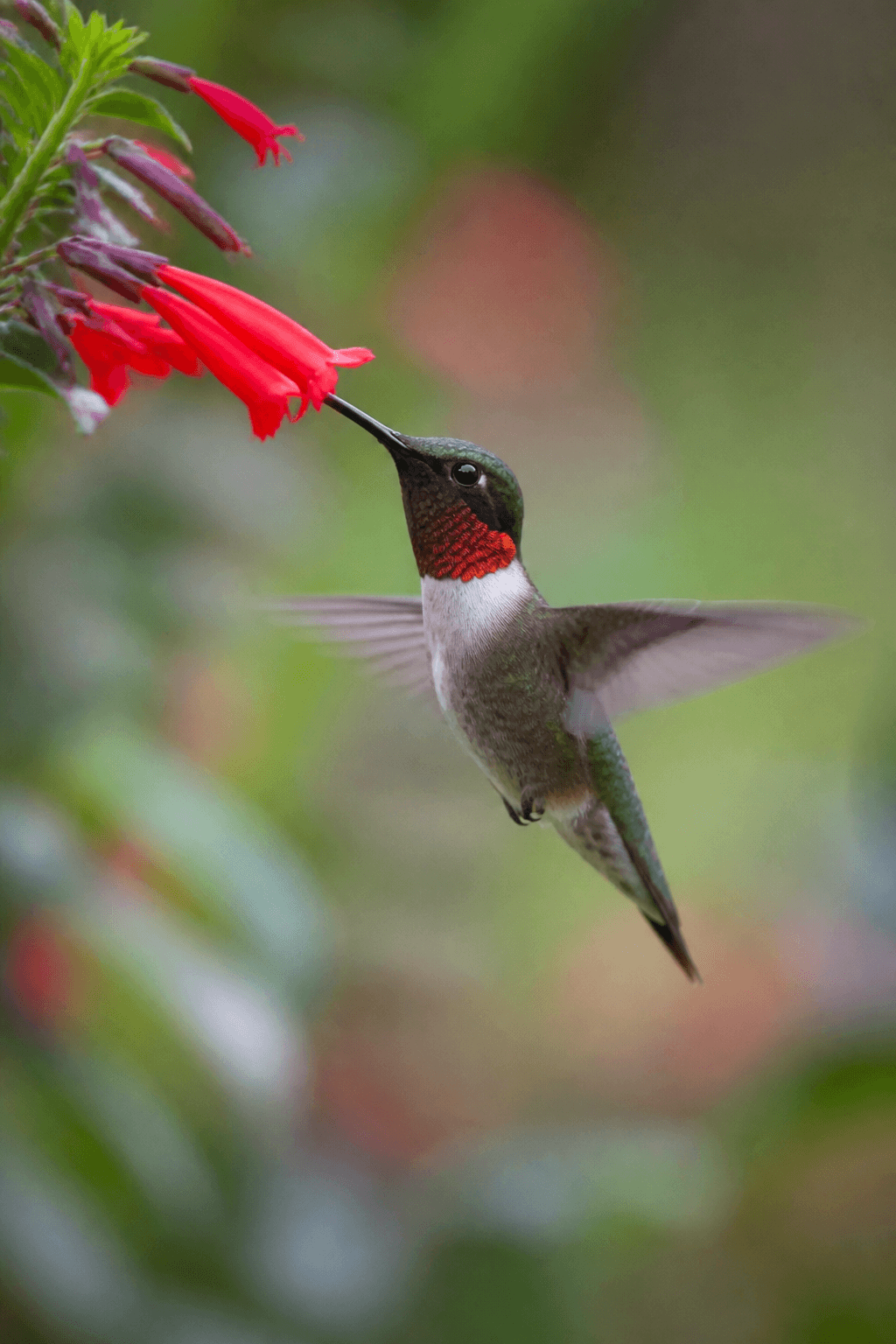
Hummingbird
United States
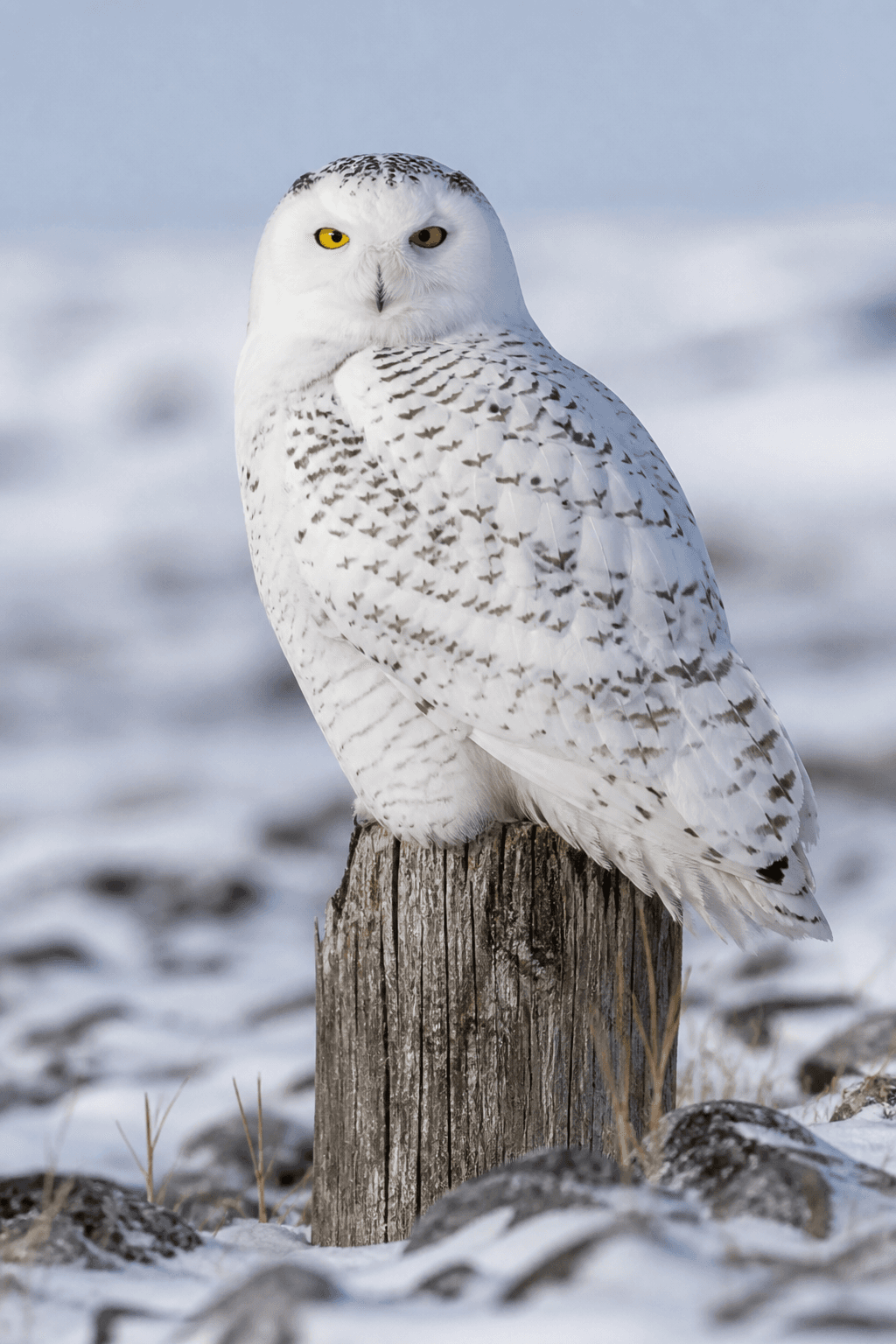
Snowy Owl
Canada, United States
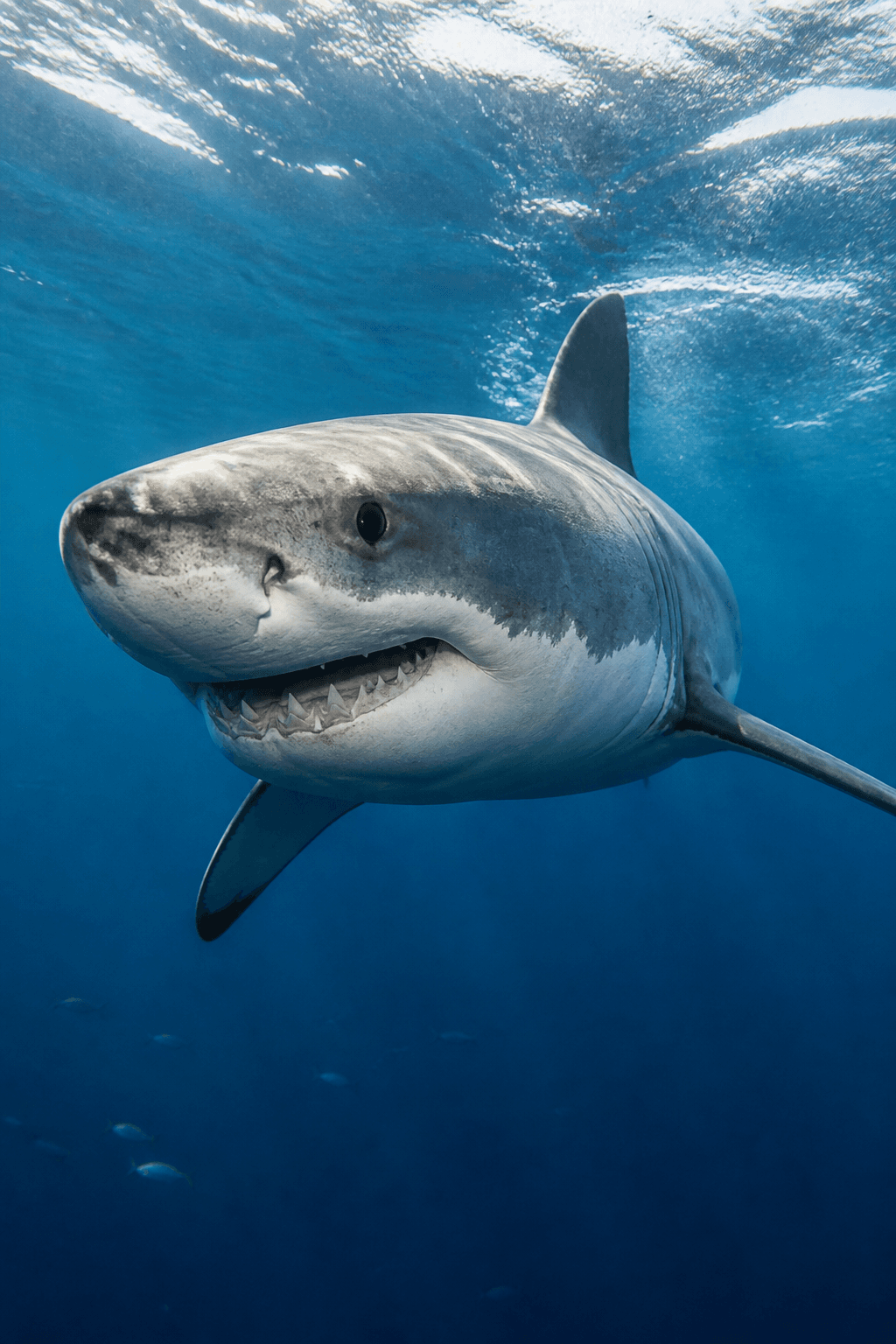
Great White Shark
United States, South Africa, Australia
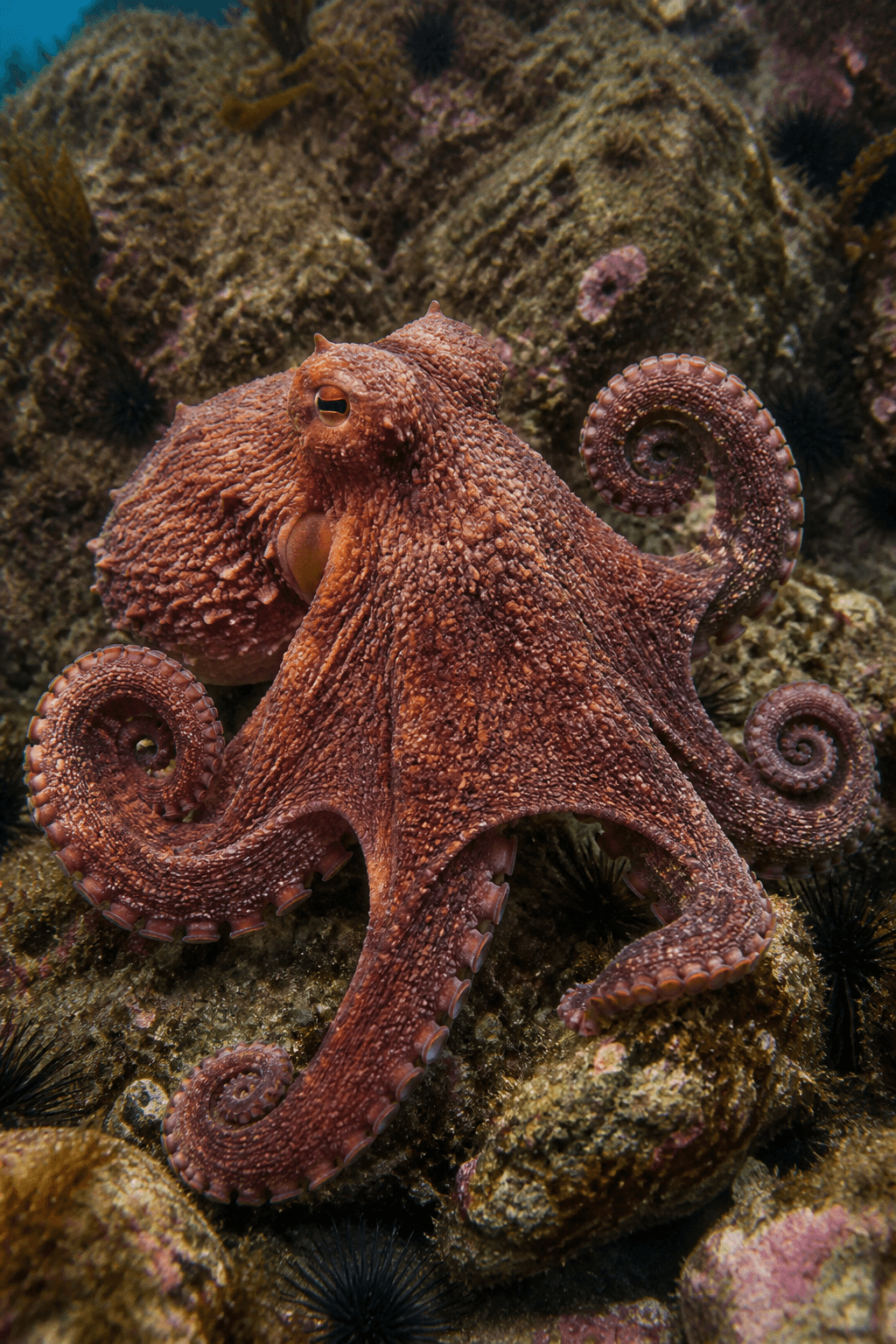
Octopus
United Kingdom, United States, Indonesia

Sea Turtle
Indonesia, United States, Kenya
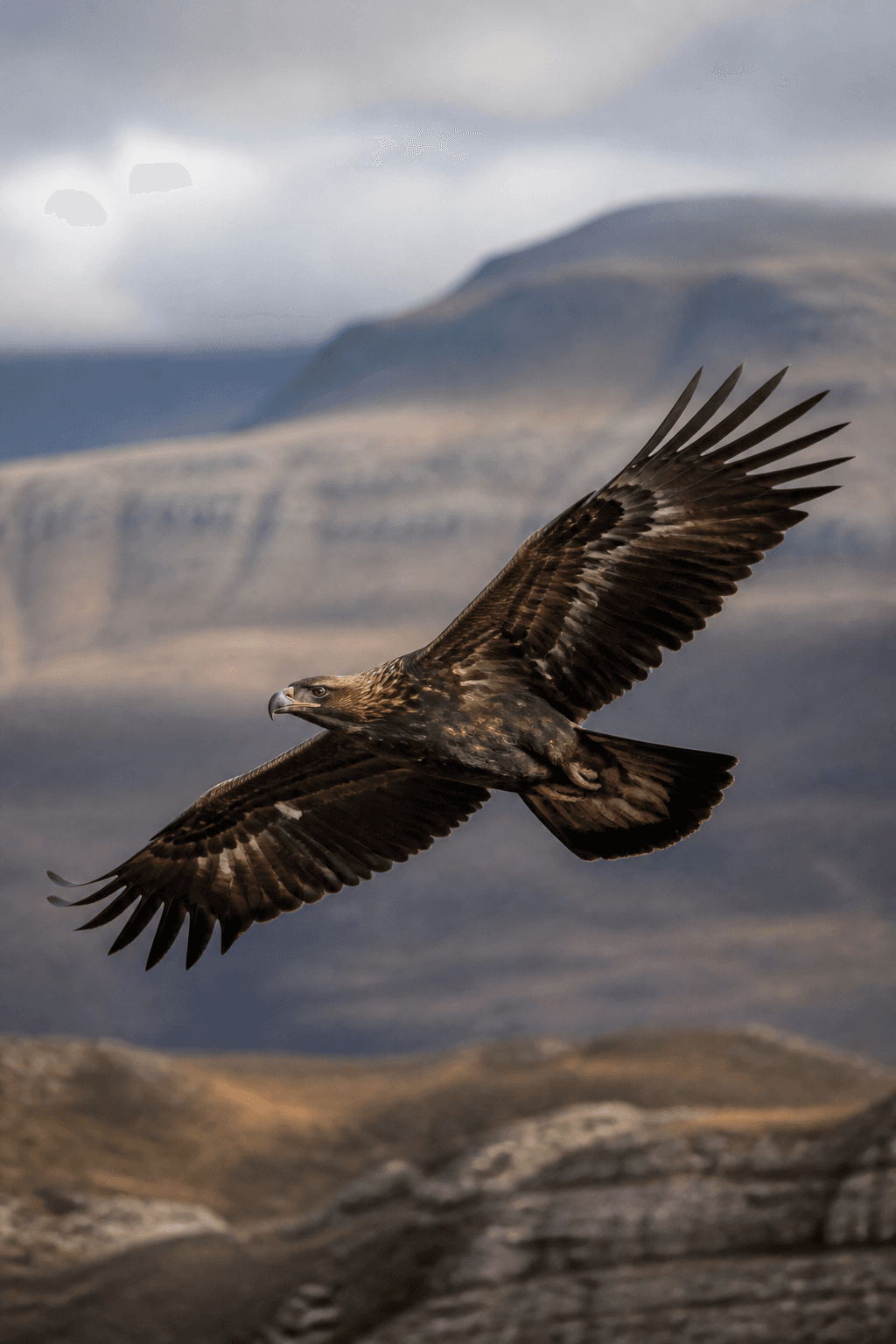
Golden Eagle
United Kingdom, United States, Canada
Keep exploring
Related discoveries
- Domestic Dogcommon • Parks & Neighbourhoods
- Domestic Catcommon • Gardens & Streets
- House Sparrowcommon • Gardens & Cities
- Rock Pigeoncommon • Town Squares
- Mallardcommon • Ponds & Rivers
- Grey Squirrelcommon • Woodland & Parks
- Bald Eaglelegendary • Lakes & Coasts
- Northern Cardinalcommon • Gardens & Woodland
- American Robincommon • Lawns & Parks
- Blue Jaycommon • Oak Forest & Suburbs
- Mourning Dovecommon • Gardens & Fields
- Eastern Gray Squirrelcommon • Parks & Woodland
- White-tailed Deerrare • Forest & Meadows
- Raccooncommon • Suburbs & Wetlands
- American Crowcommon • Fields & Towns
- Canada Goosecommon • Lakes & Parks
- Bobcatrare • Forest & Scrub
- Eastern Cottontailcommon • Fields & Gardens
- Red-winged Blackbirdcommon • Marshes & Fields
- Grizzly Bearlegendary • Mountains & Rivers
- Opossumcommon • Suburbs & Woodland
- Black-capped Chickadeecommon • Woodland & Feeders
- Wild Turkeyrare • Forest & Farmland
- American Goldfinchcommon • Meadows & Gardens
- House Finchcommon • Gardens & Urban
- Coyoterare • Prairie & Suburbs
- Turkey Vulturecommon • Roadsides & Open Country
- European Rabbitcommon • Fields & Warrens
- Monarch Butterflycommon • Meadows & Gardens
- Honey Beecommon • Gardens & Meadows
- Bumblebeecommon • Gardens & Wildflowers
- Mooserare • Northern Lakes
- Blue Whalelegendary • Open Ocean
- Bottlenose Dolphincommon • Coastal Waters
- Flamingocommon • Lagoons & Flats
- Wolfrare • Forest & Tundra
- Mountain Lionlegendary • Mountains & Desert
- Armadillocommon • Grassland & Scrub
- Manateerare • Coastal Springs
- Alligatorcommon • Swamps & Rivers
- Sea Ottercommon • Kelp Forest
- Bisonrare • Great Plains
- Hummingbirdcommon • Gardens & Flowers
- Snowy Owlrare • Arctic Tundra
- Great White Sharklegendary • Coastal Ocean
- Octopuscommon • Rock Pools & Reef
- Sea Turtlerare • Coastal Ocean
- Golden Eaglecommon • Mountains & Moorland
Free on iOS
Catch the Great Horned Owl
Spot one in the wild — then scan it in Catch'Um to log your rare discovery.