
Field guide · common
Eastern Cottontail
America's backyard rabbit — a quick-footed grazer whose white tail flashes like a warning light when danger appears.
Least Concern
Overview
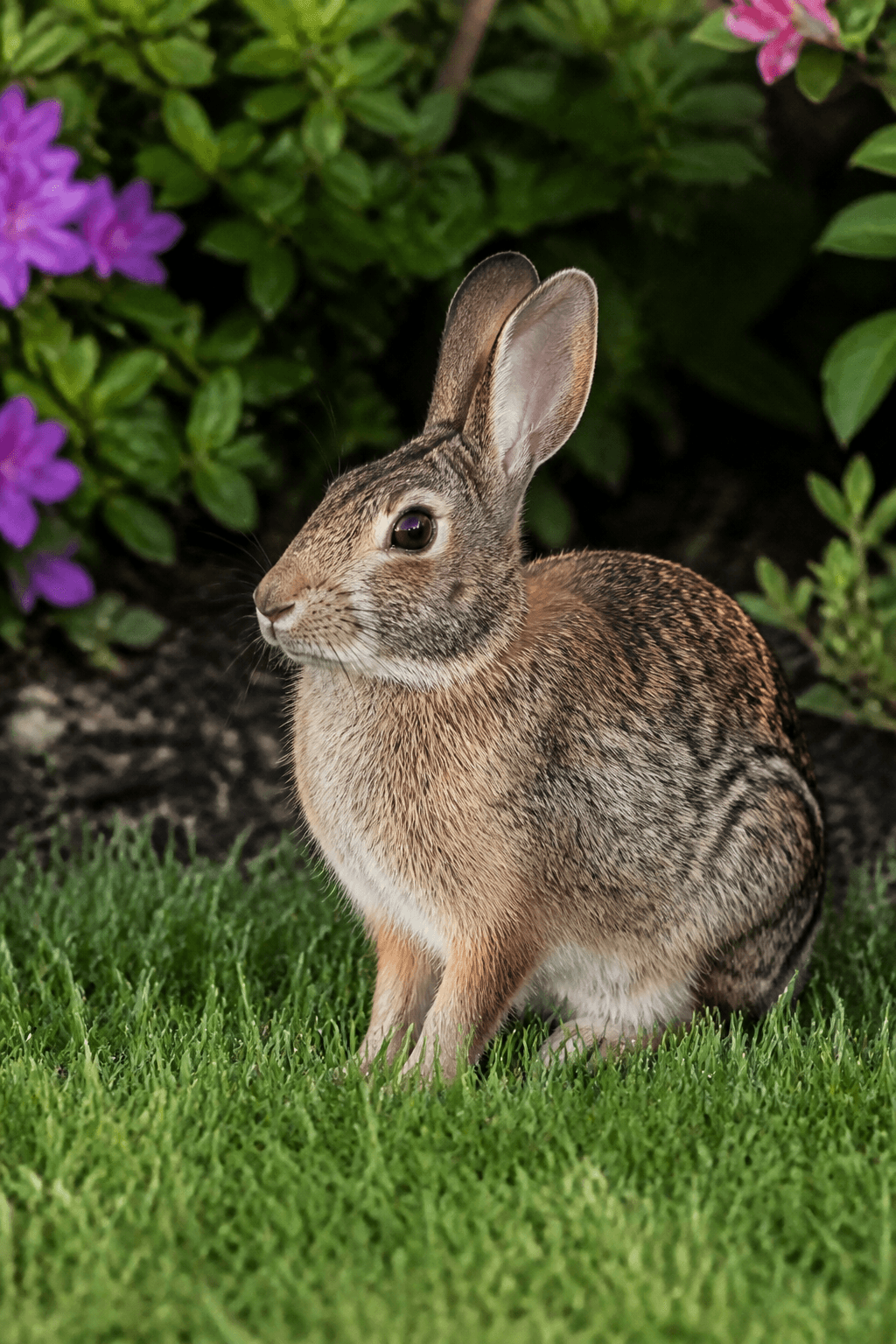
The eastern cottontail is the most familiar rabbit across the eastern and central United States, turning lawns, field edges, and suburban gardens into its home range. Active mainly at dawn and dusk, it feeds on grasses, clover, and garden plants, leaving neat clipped stems where it has grazed.
When startled, a cottontail freezes briefly — its brown coat melting into leaf litter — then bolts in a zigzag sprint, flashing the bright white underside of its tail. That flash may confuse predators just long enough for the rabbit to reach cover.
Habitat
Cottontails thrive in patchy landscapes: mowed lawns beside brush piles, hedgerows, overgrown fields, and woodland edges. They need dense cover within a short dash of open feeding ground and often shelter in thickets or burrows abandoned by other animals.
Countries found
Interesting facts
- 01
Cottontails freeze when scared — their brown coat blends into leaf litter.
- 02
They can produce several litters a year, with kits leaving the nest in about two weeks.
- 03
The white tail flash may signal danger to other rabbits nearby.
Conservation status
Eastern cottontails are Least Concern and abundant across their range. They benefit from suburban edge habitat but face heavy predation from cats, dogs, foxes, and hawks.
Related discoveries
Domestic Dog
United Kingdom, United States
Domestic Cat
United Kingdom, United States
House Sparrow
United Kingdom, United States
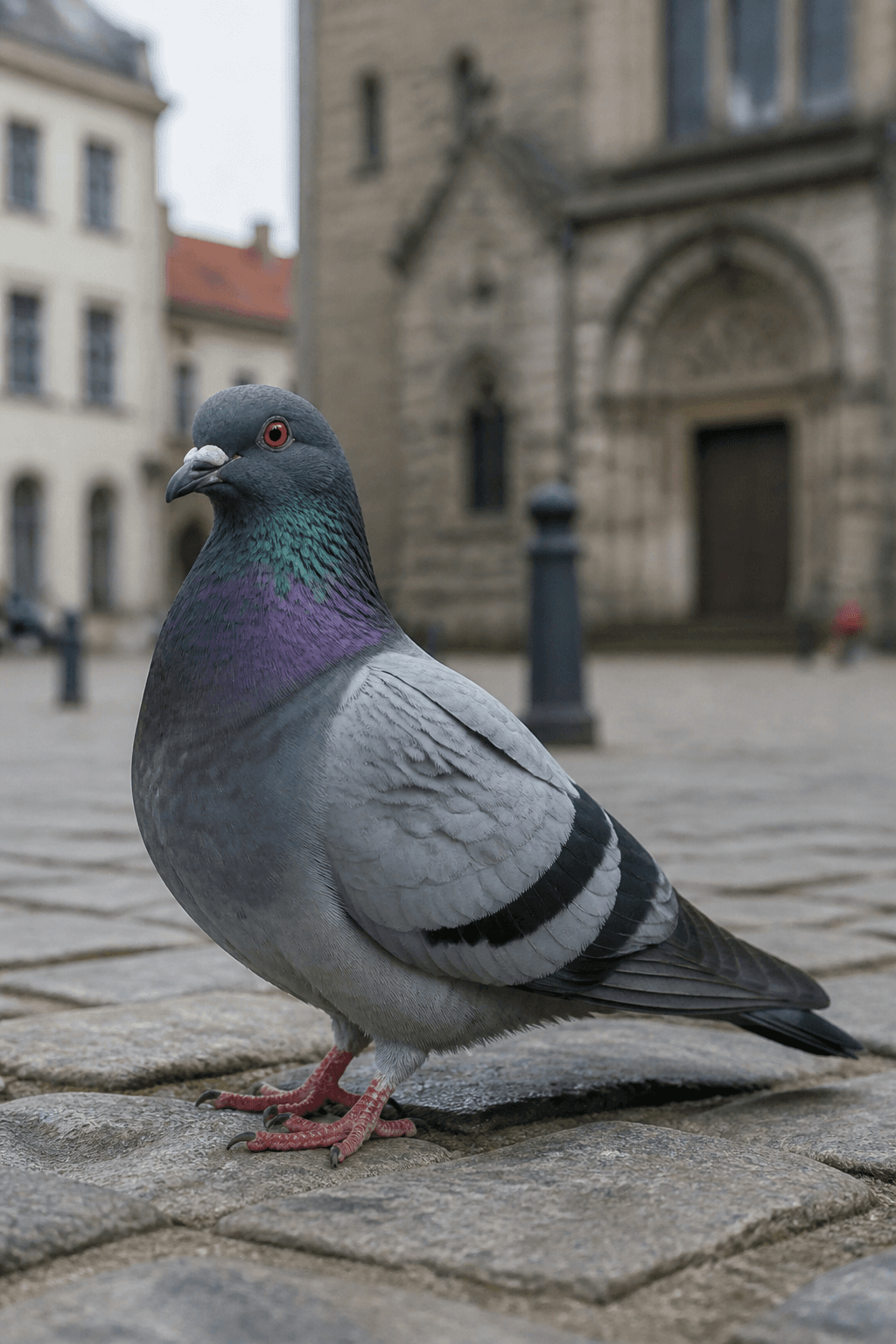
Rock Pigeon
United Kingdom, United States
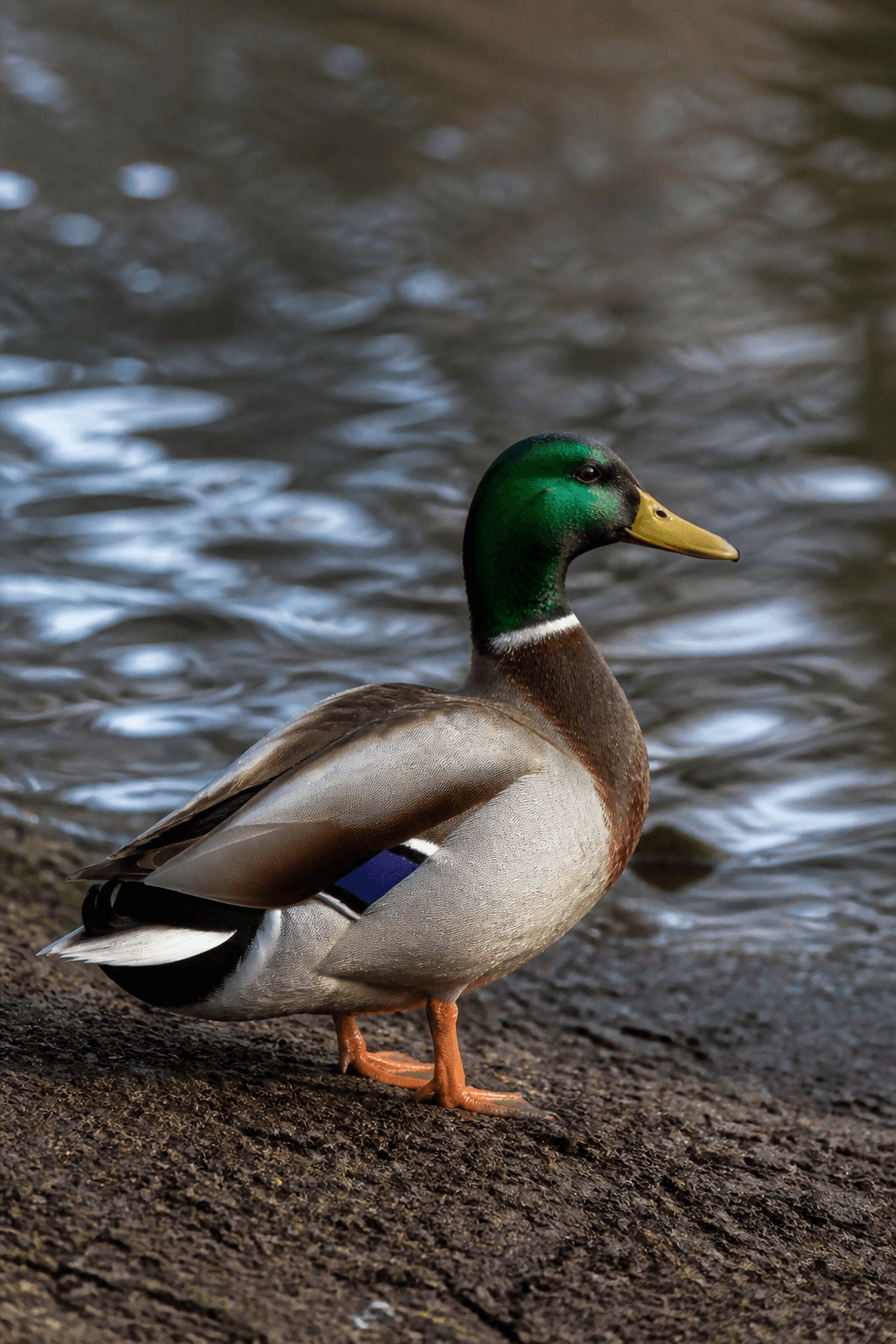
Mallard
United Kingdom, United States
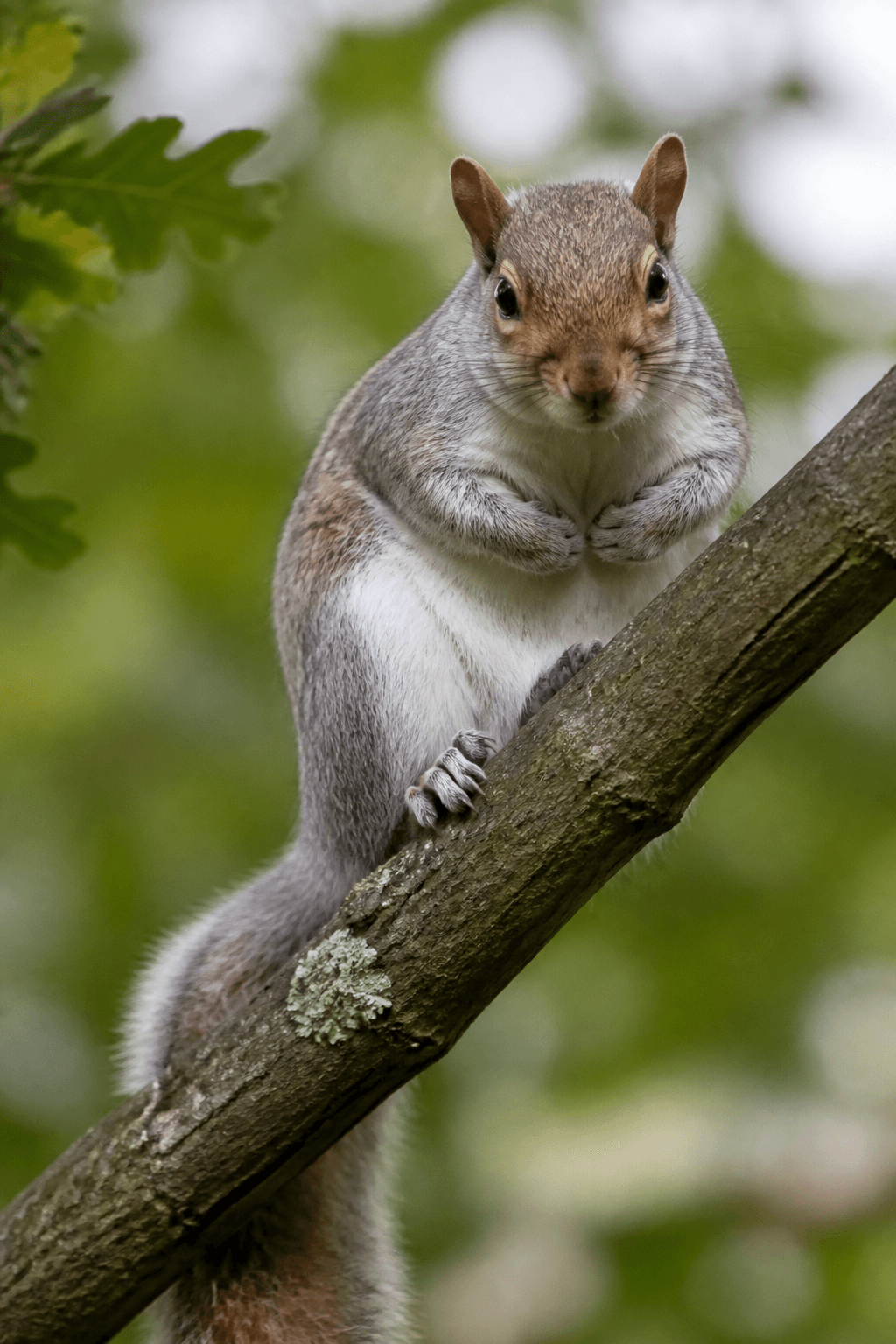
Grey Squirrel
United Kingdom, United States
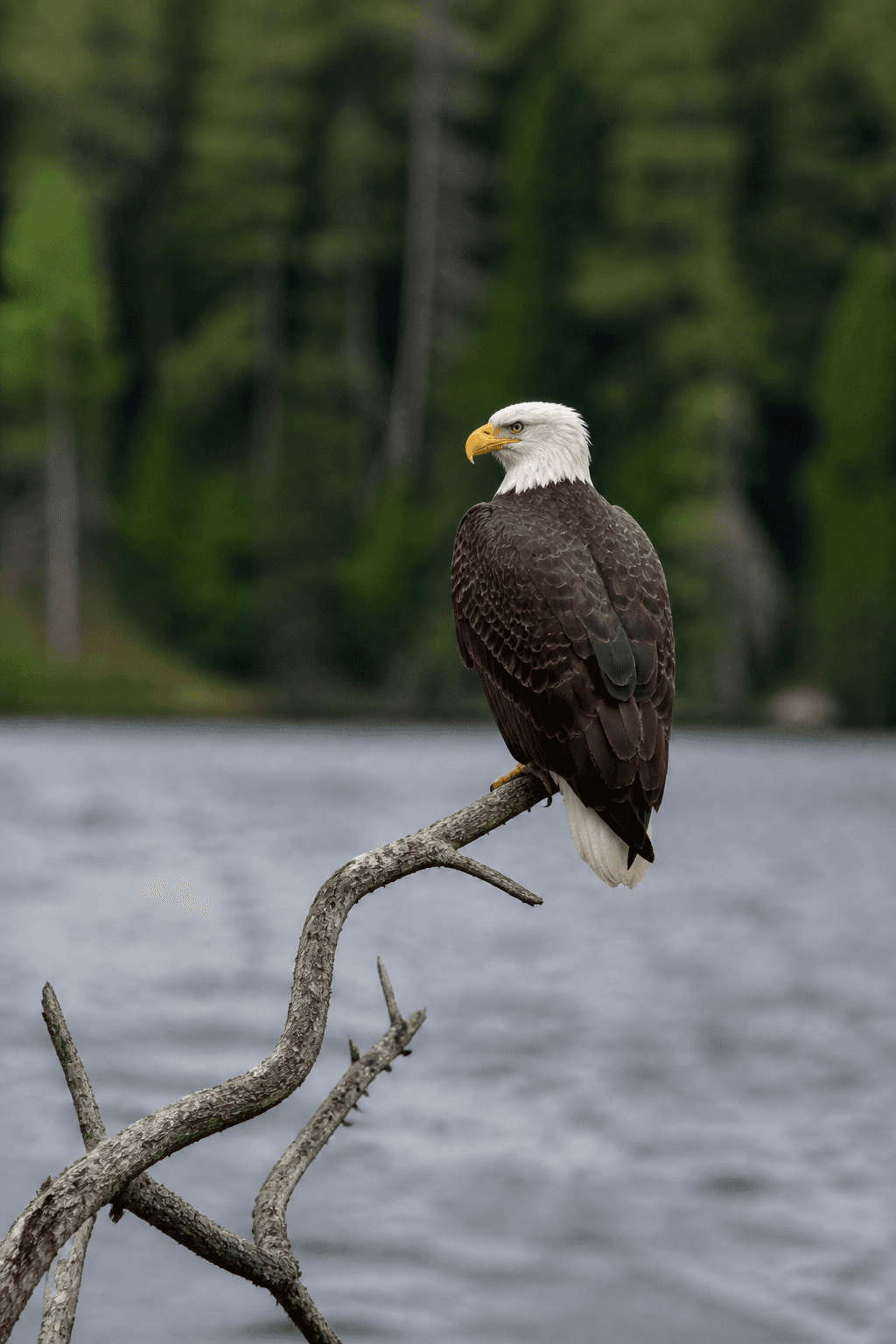
Bald Eagle
United States
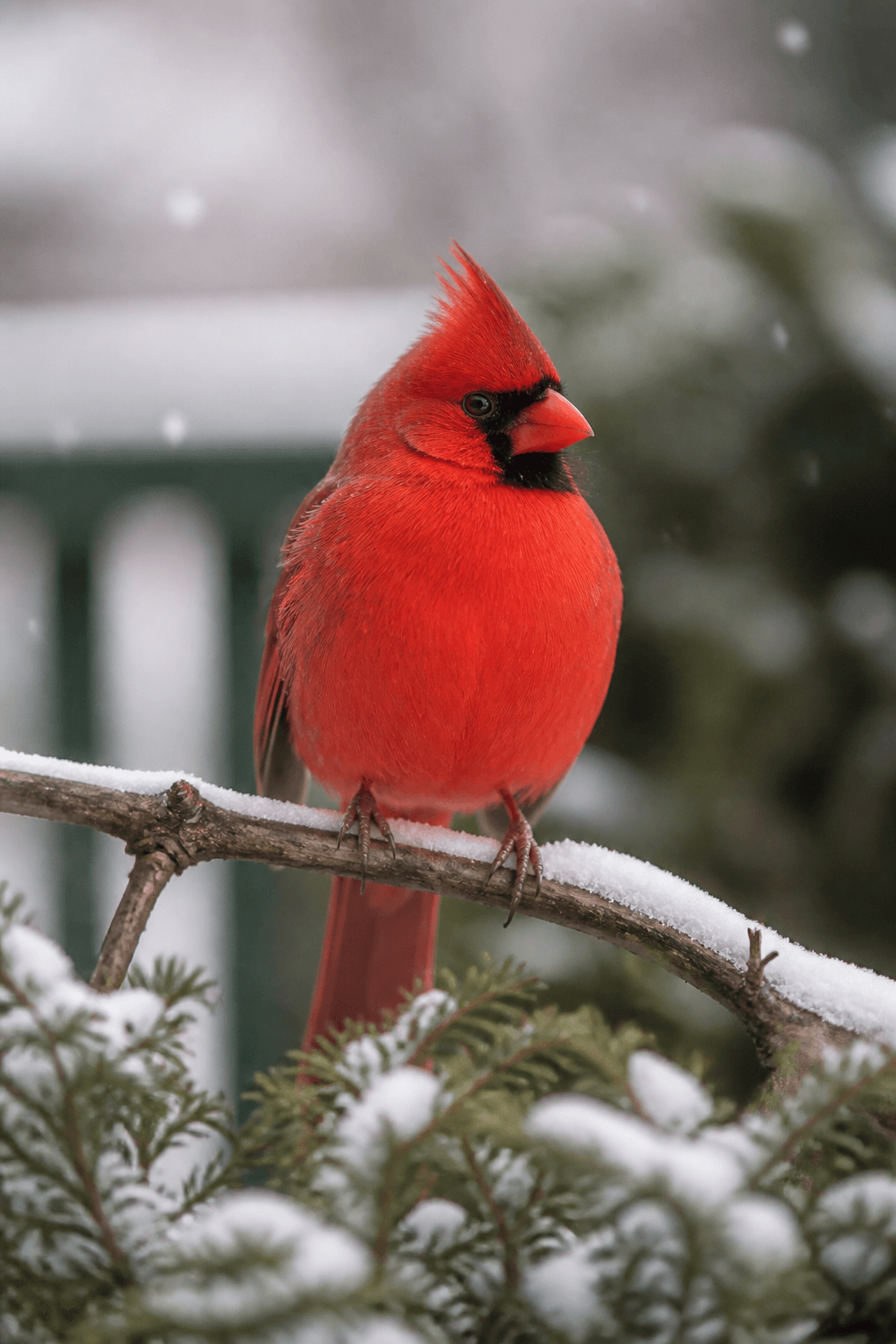
Northern Cardinal
United States
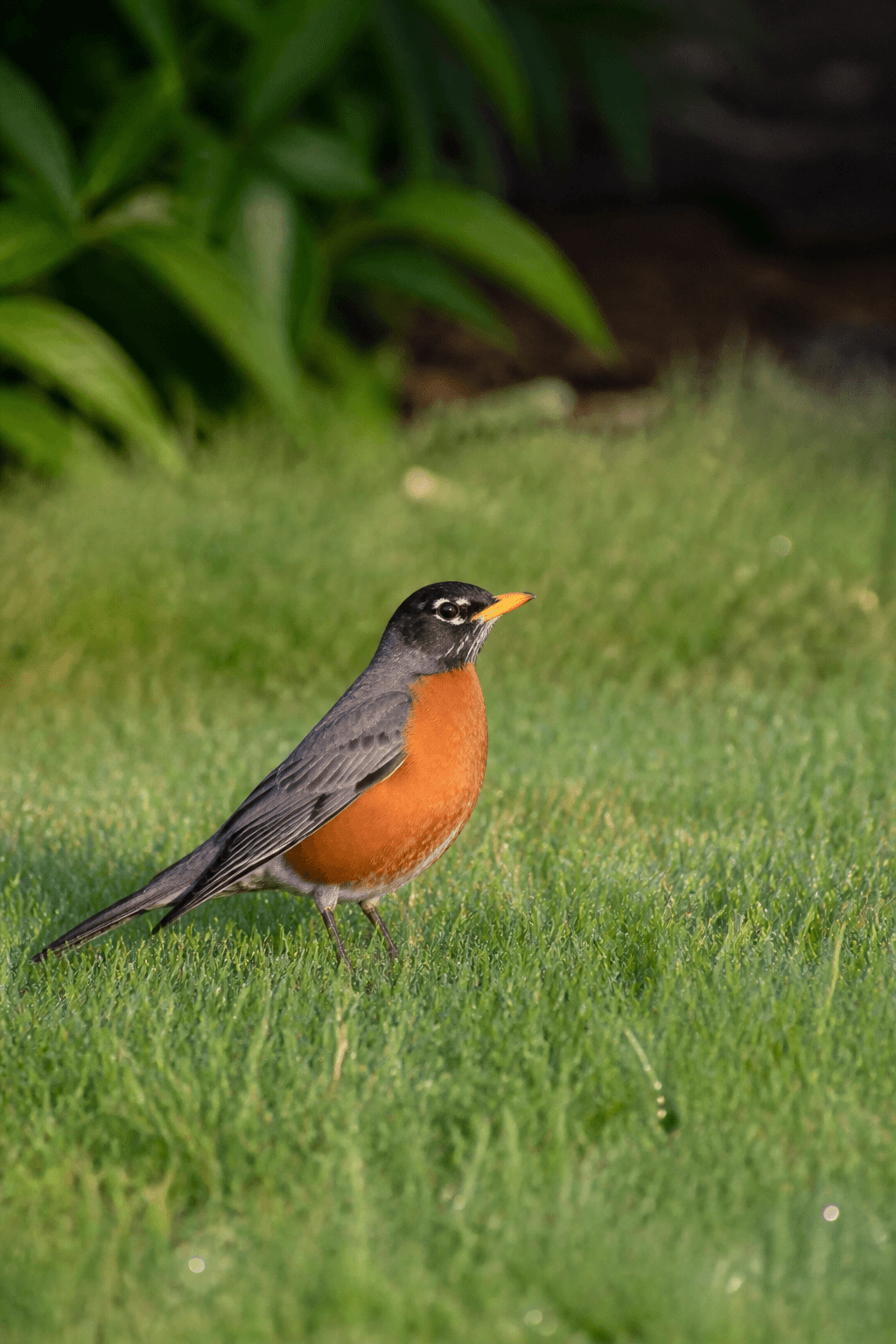
American Robin
United States
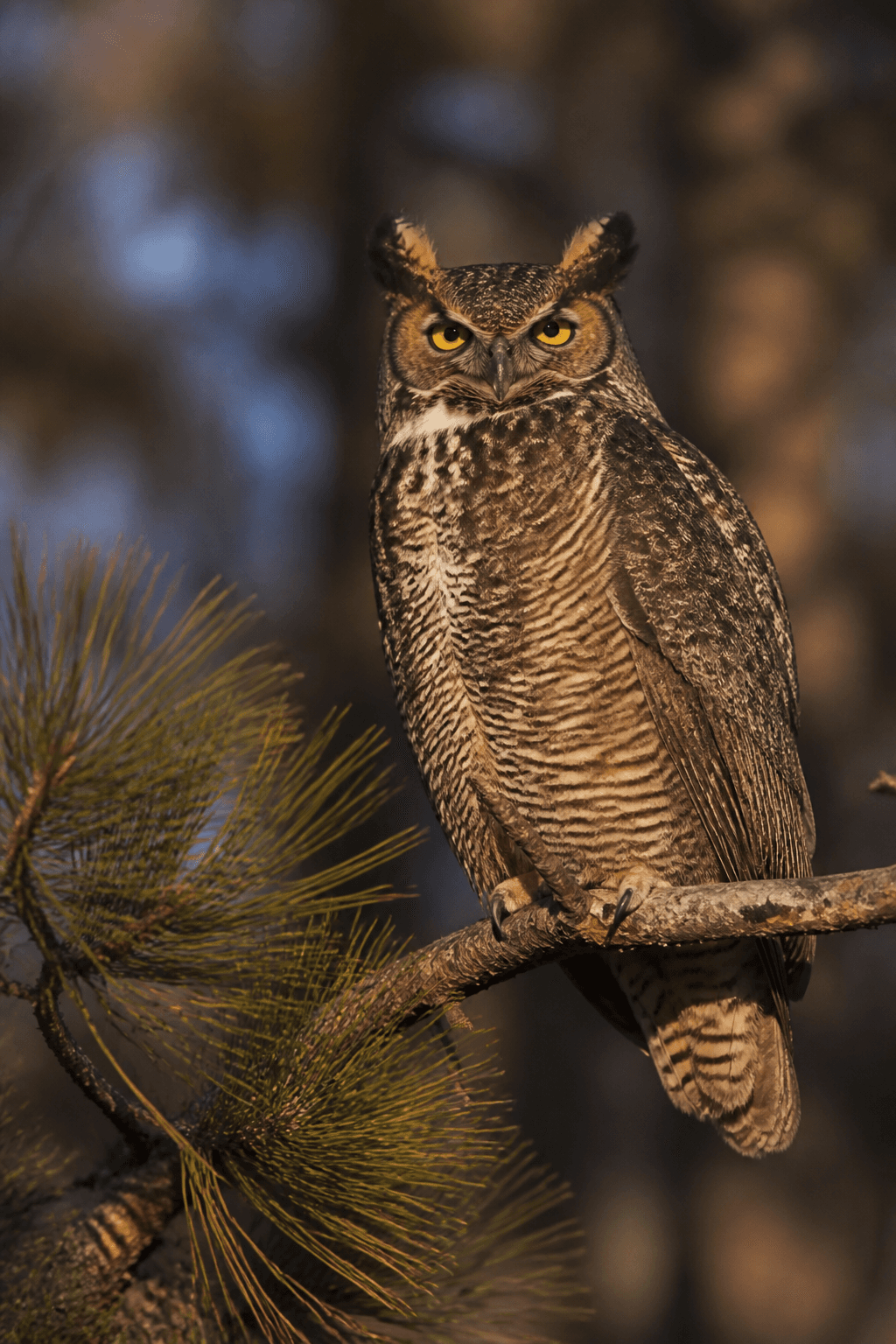
Great Horned Owl
United States
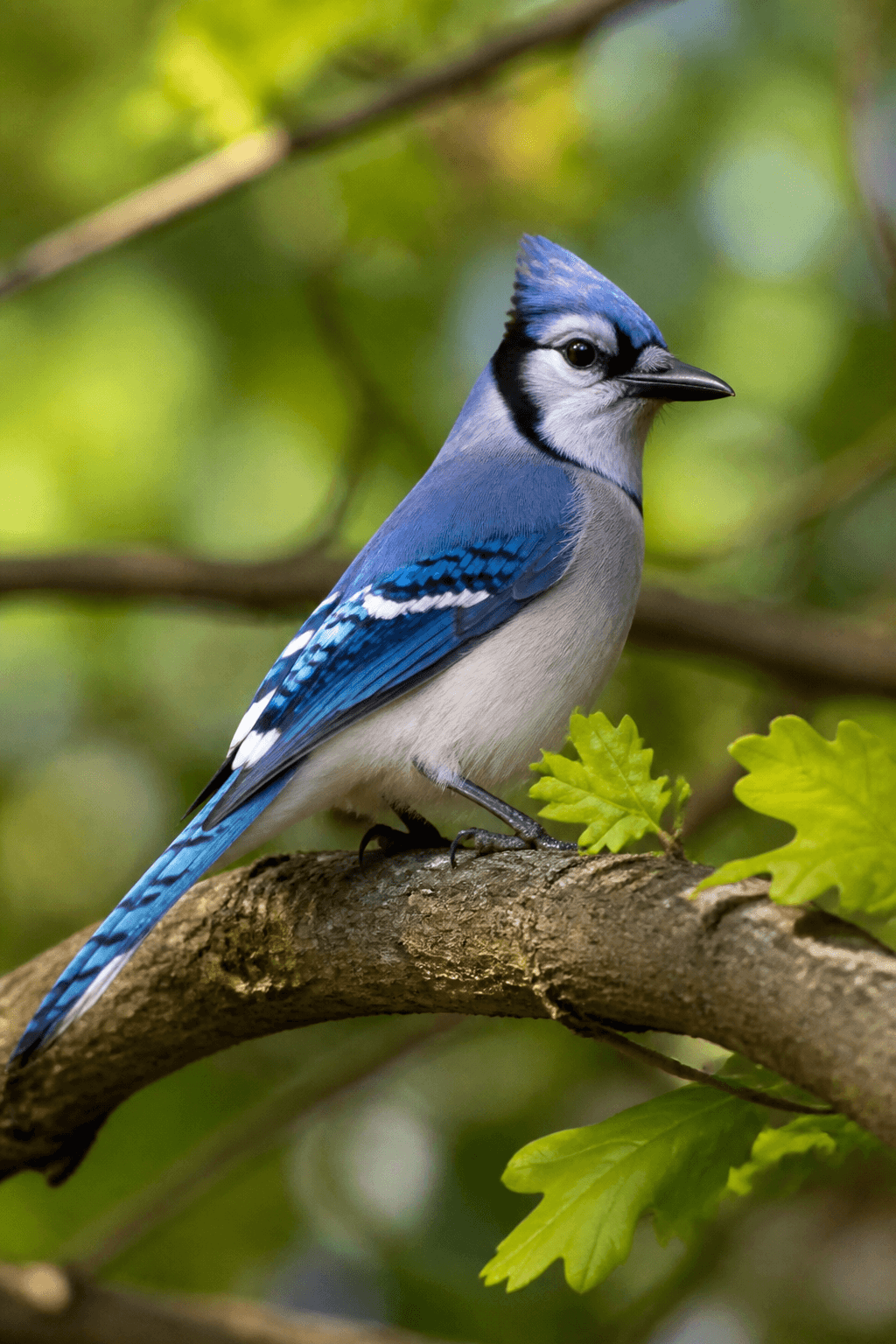
Blue Jay
United States
Mourning Dove
United States
Eastern Gray Squirrel
United States
White-tailed Deer
United States
Raccoon
United States
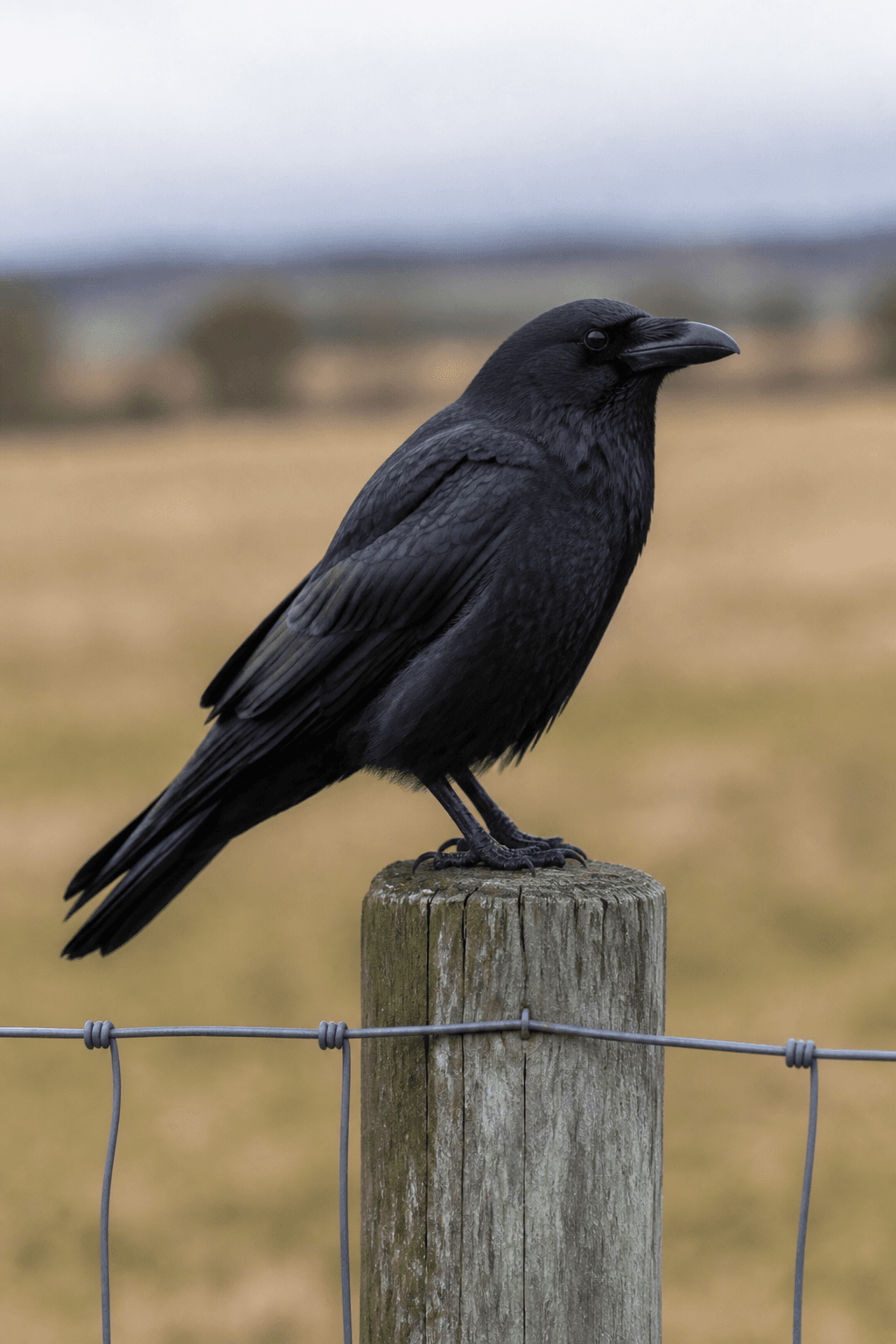
American Crow
United States
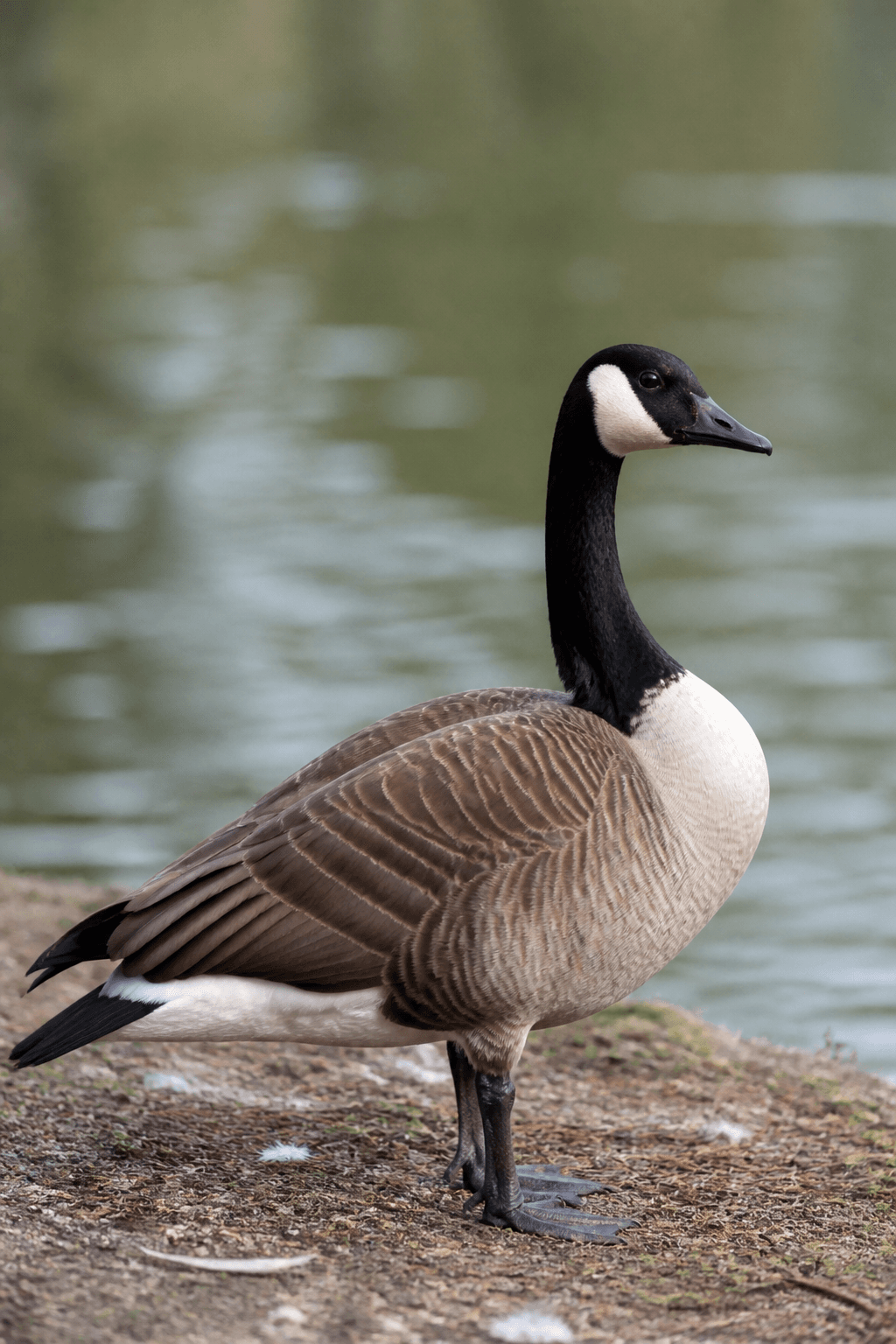
Canada Goose
United States
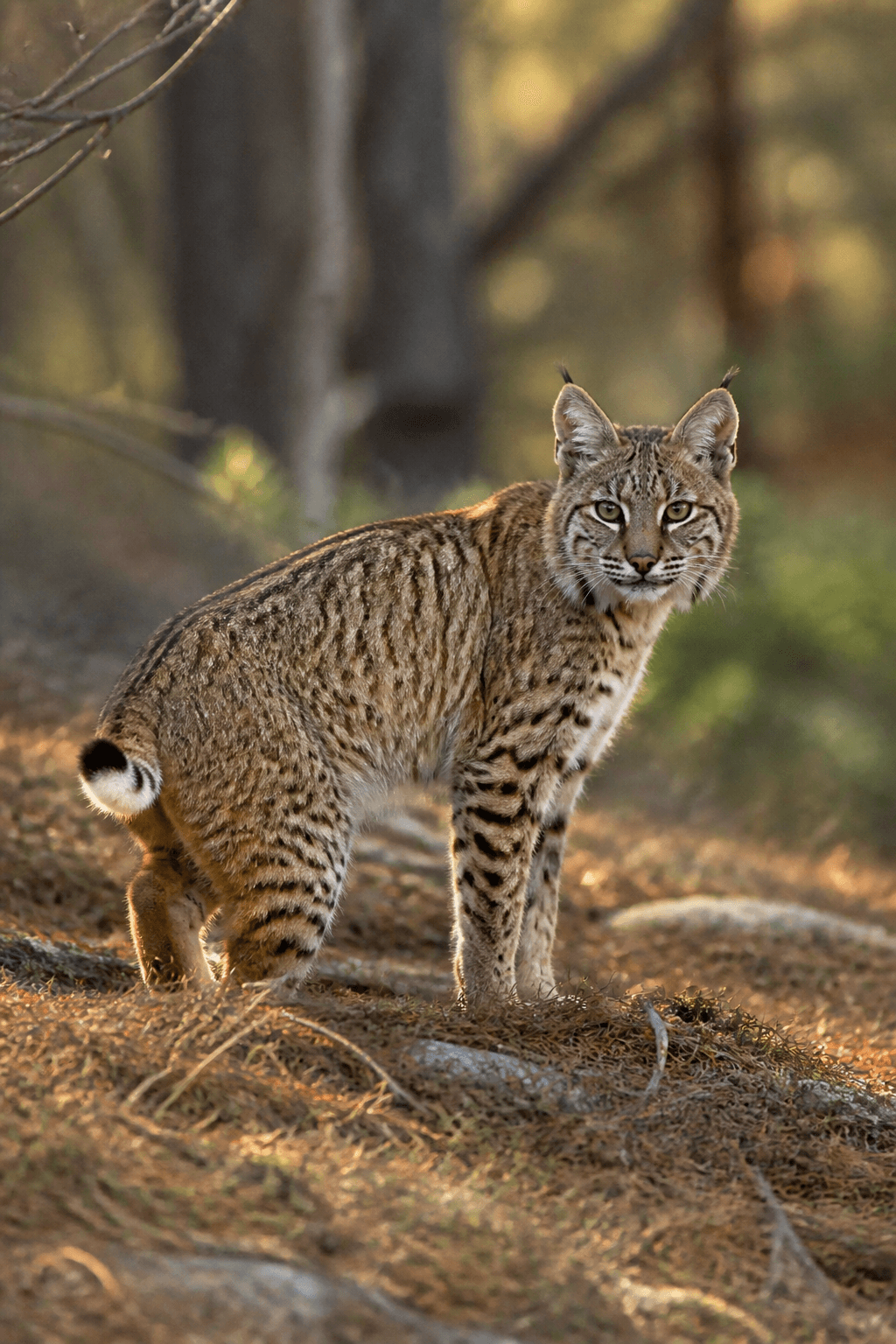
Bobcat
United States
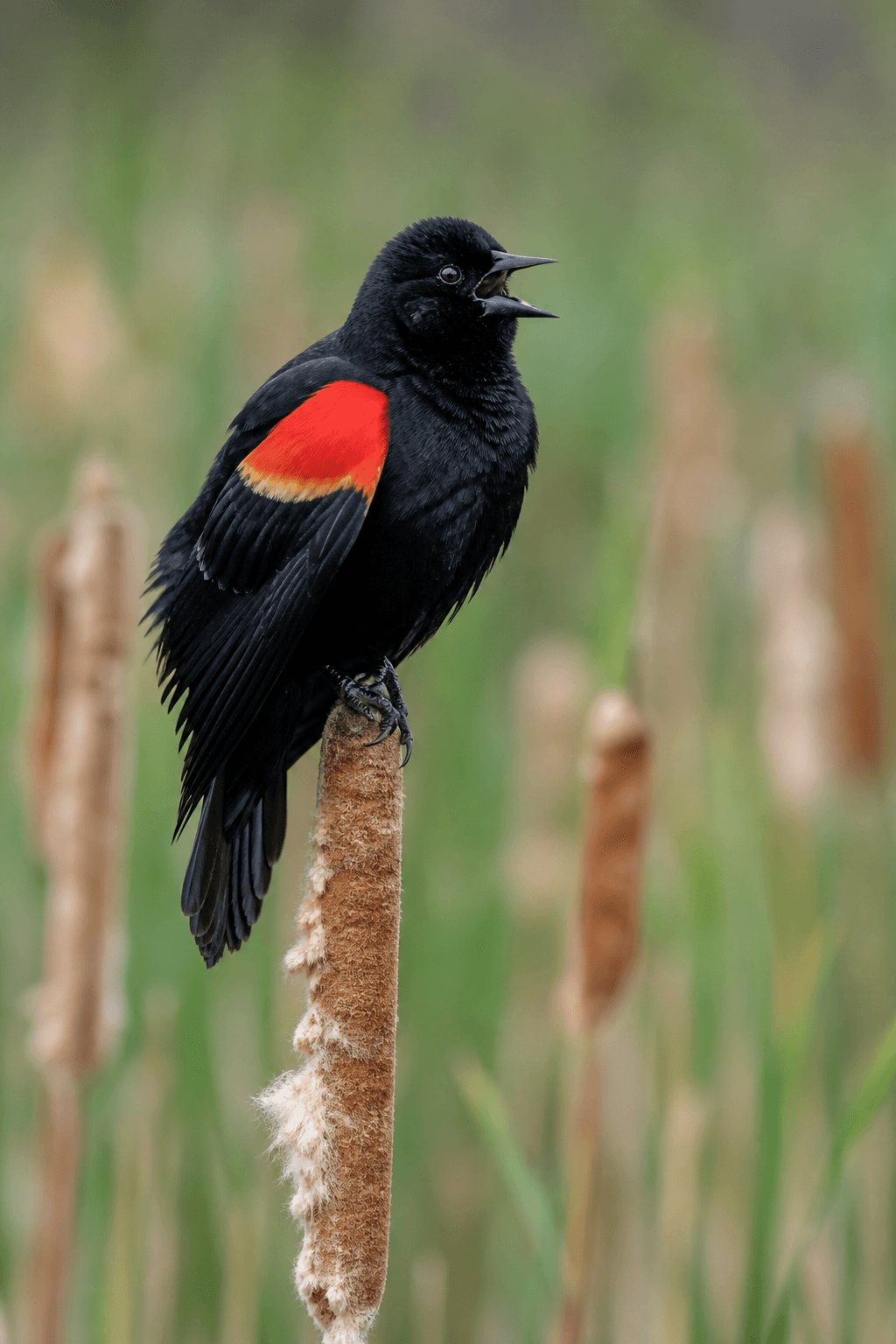
Red-winged Blackbird
United States
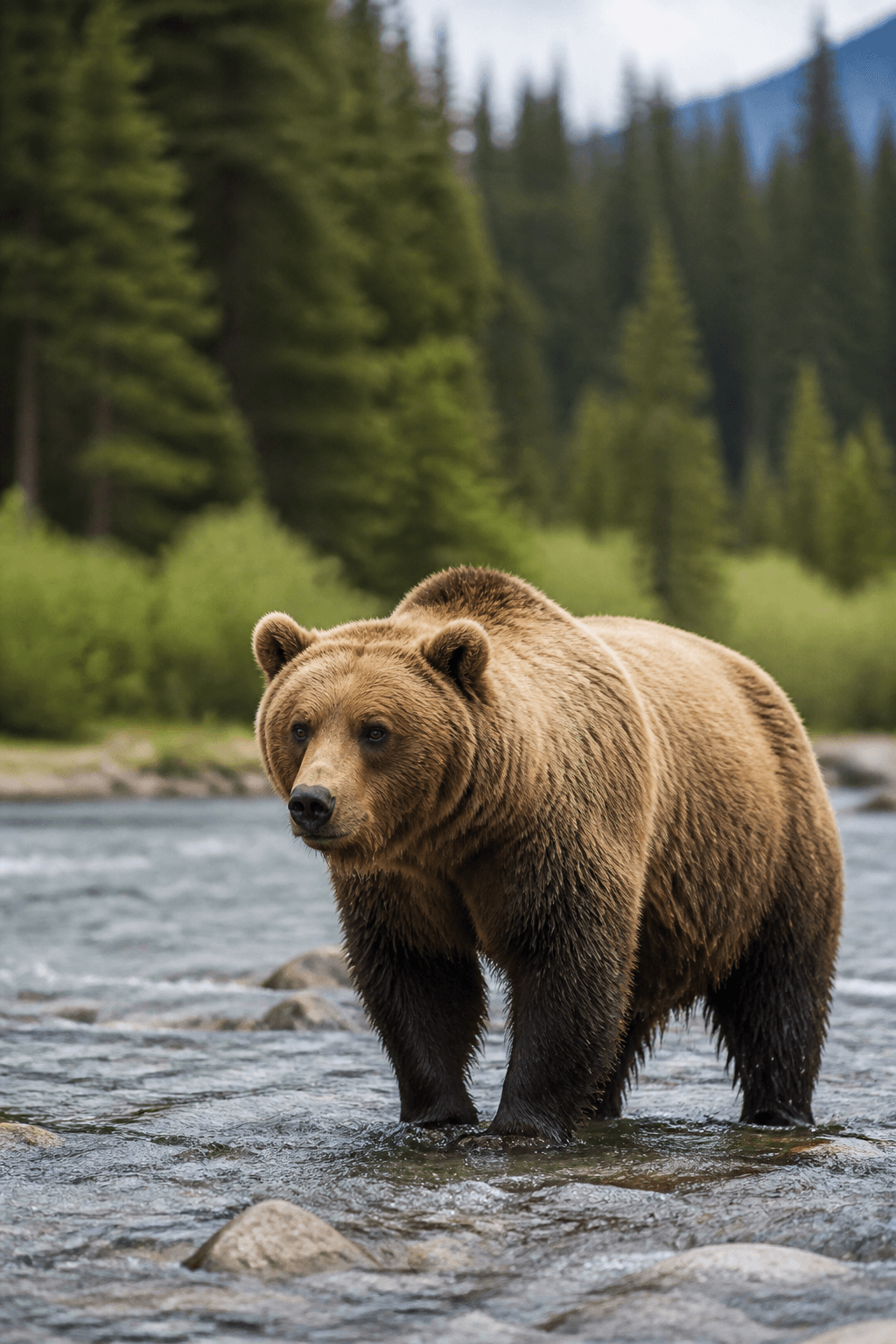
Grizzly Bear
United States
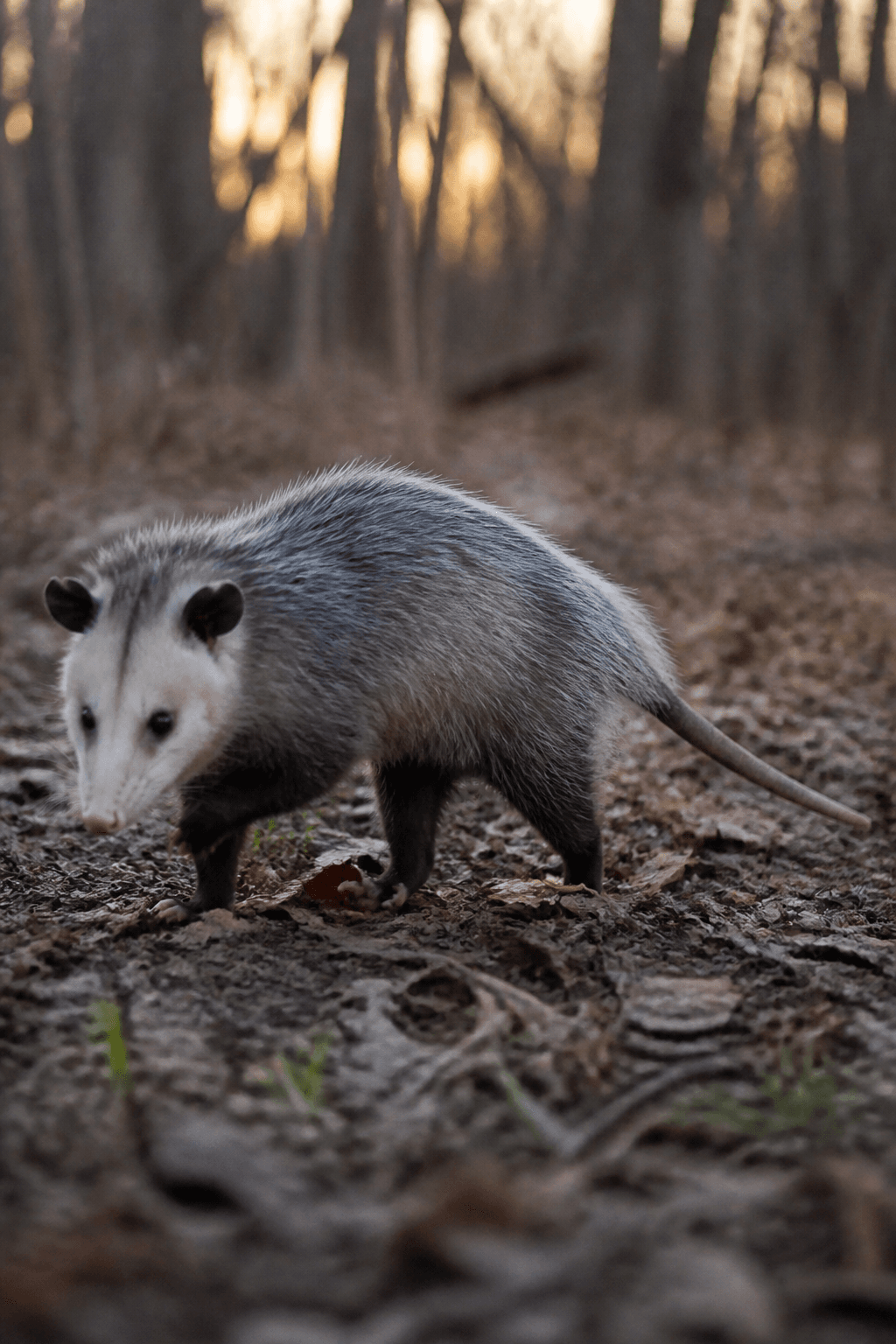
Opossum
United States
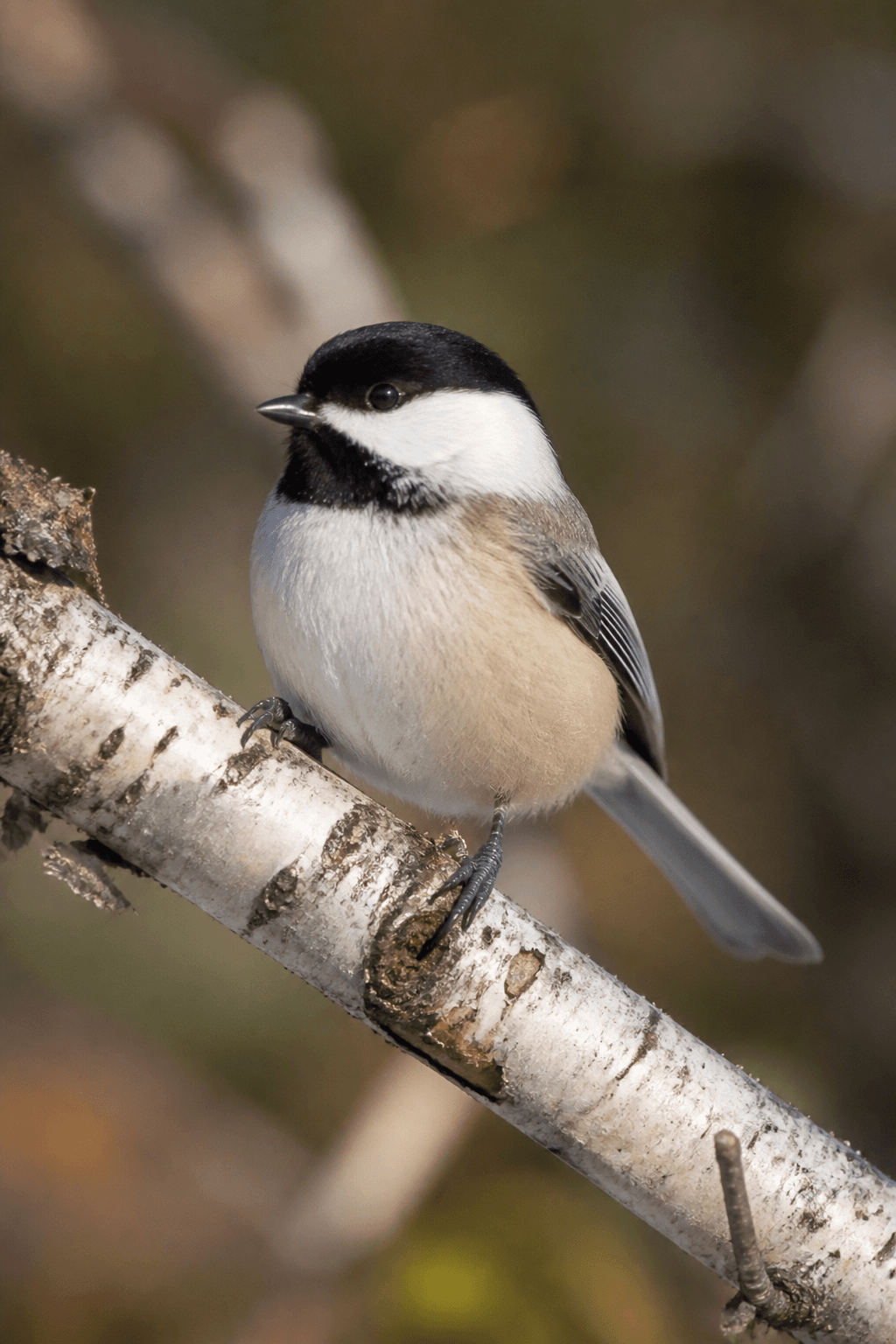
Black-capped Chickadee
United States
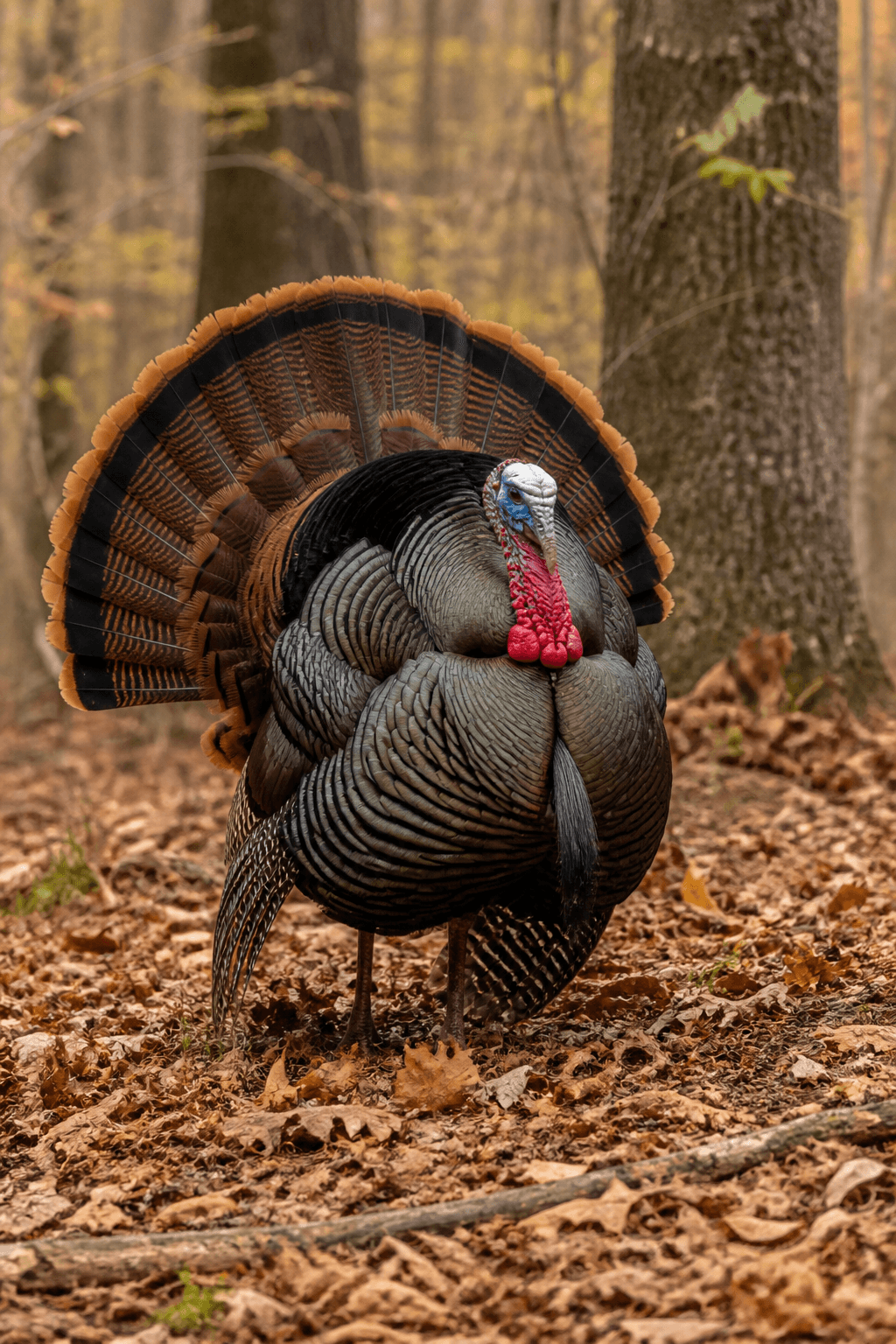
Wild Turkey
United States
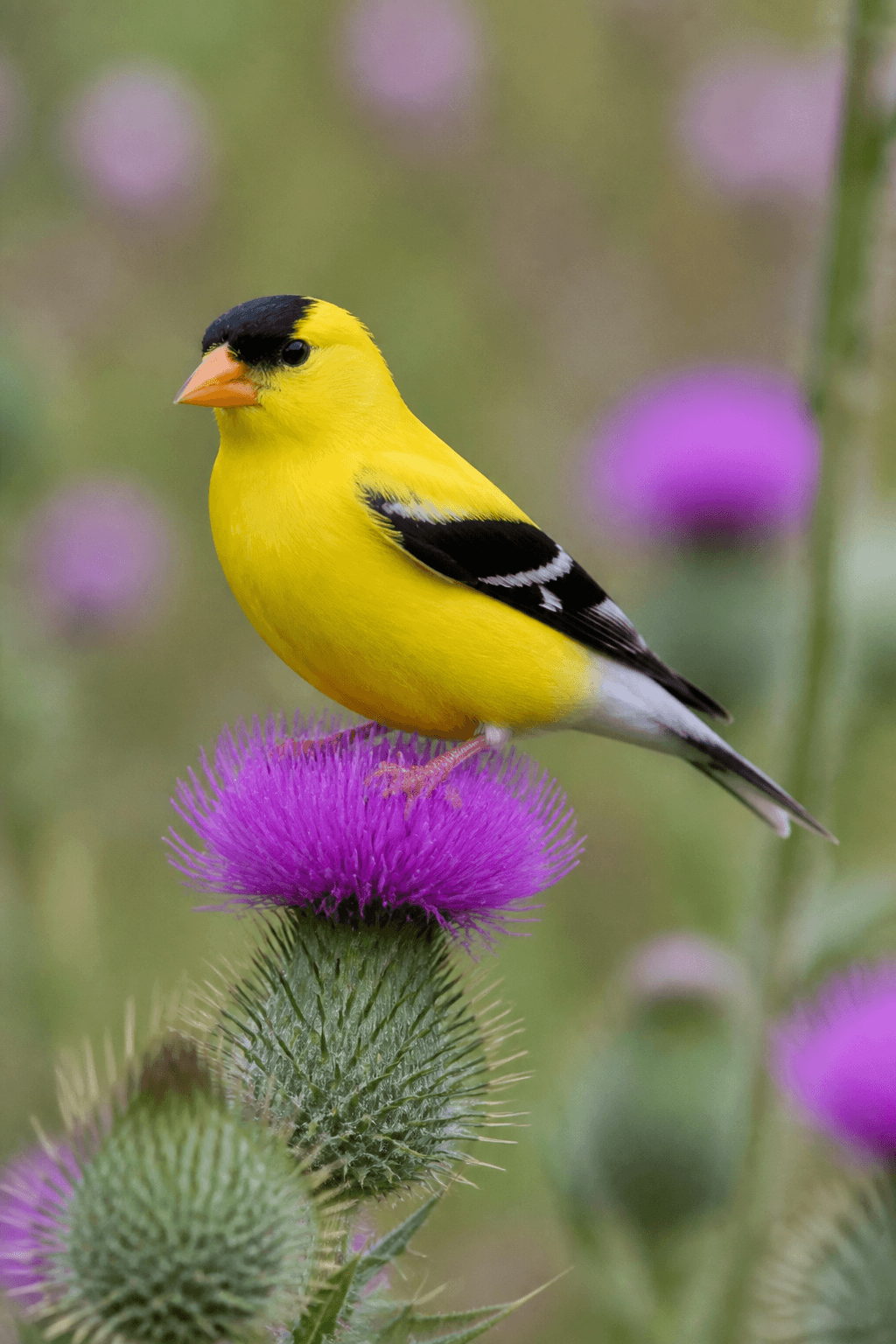
American Goldfinch
United States
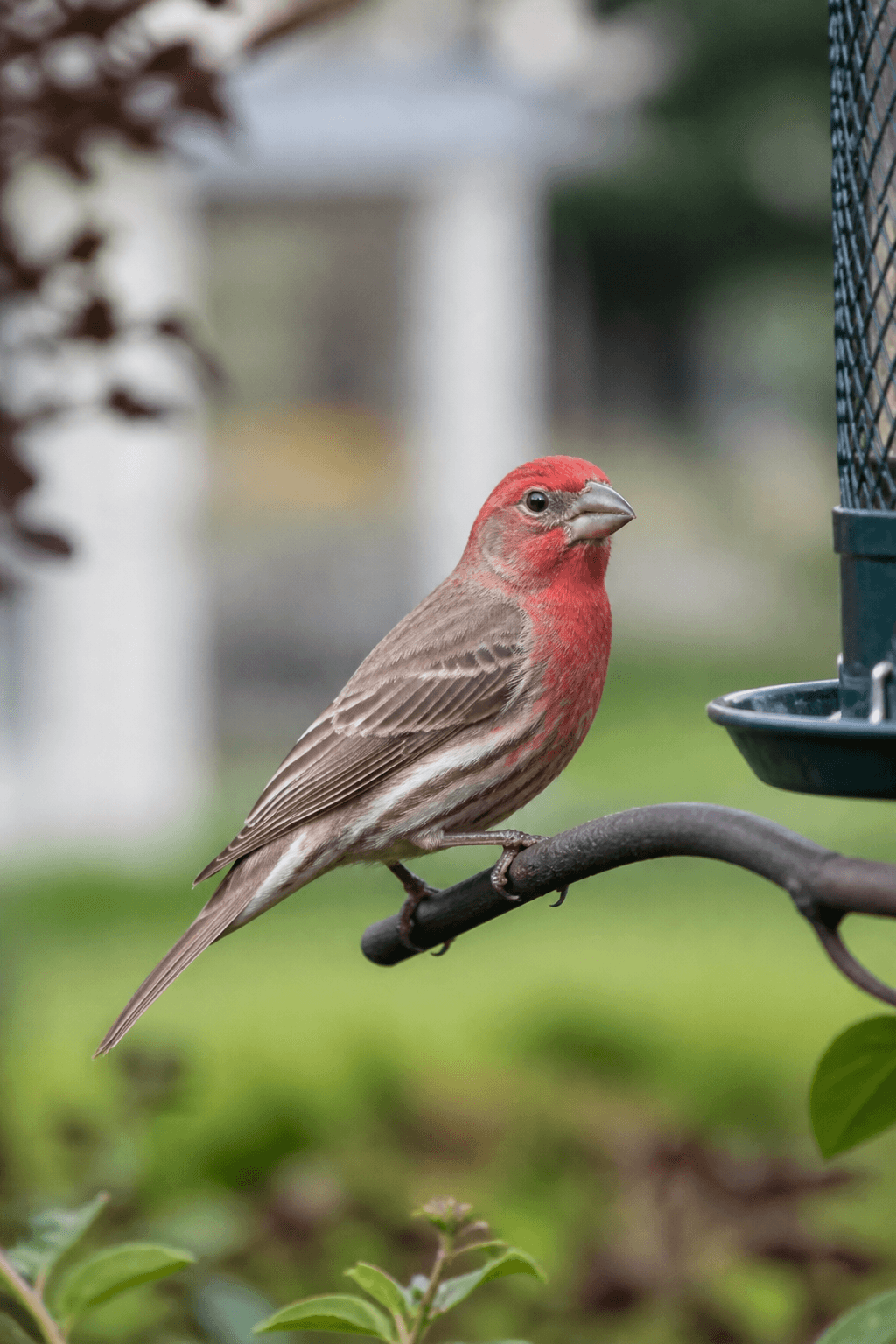
House Finch
United States
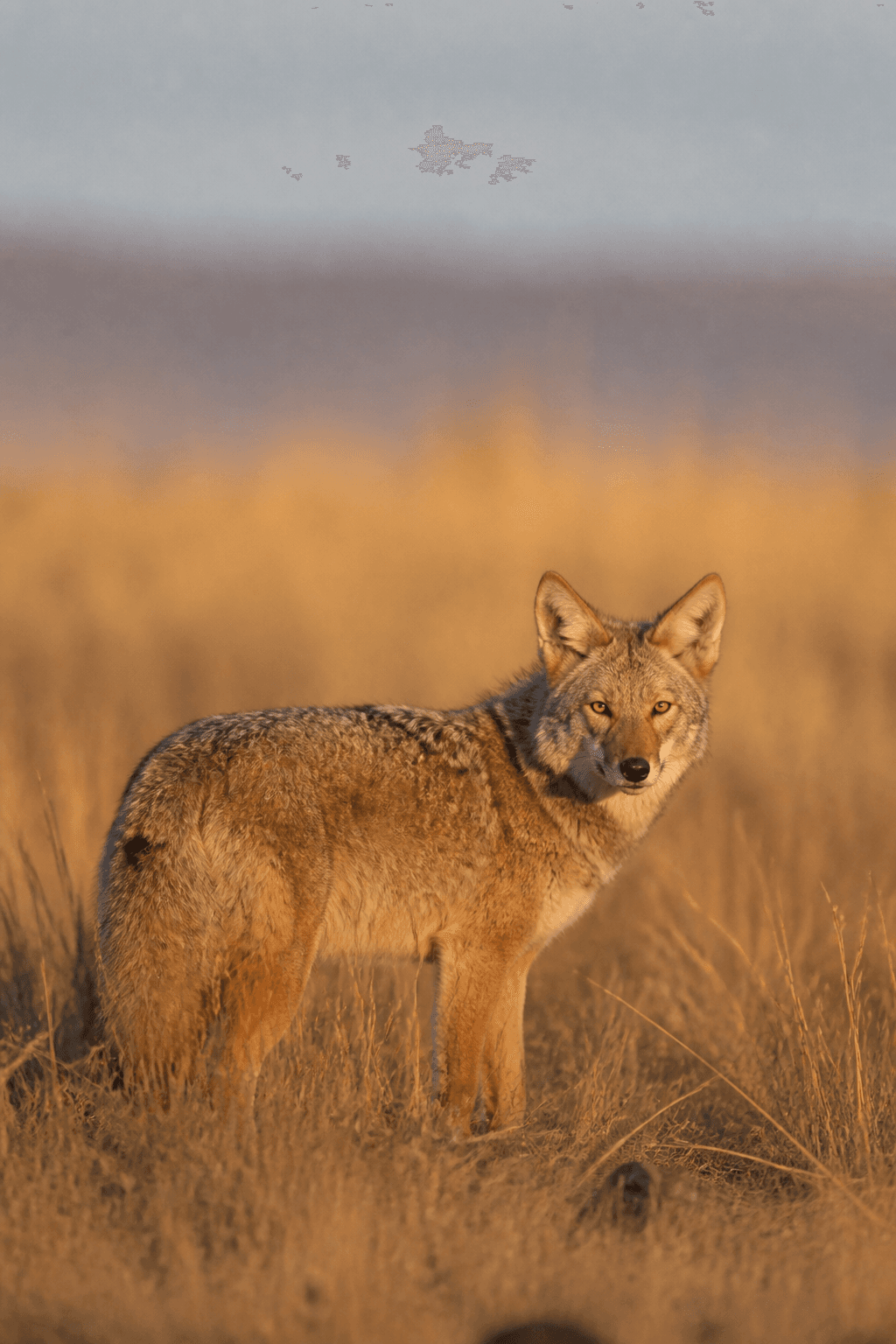
Coyote
United States
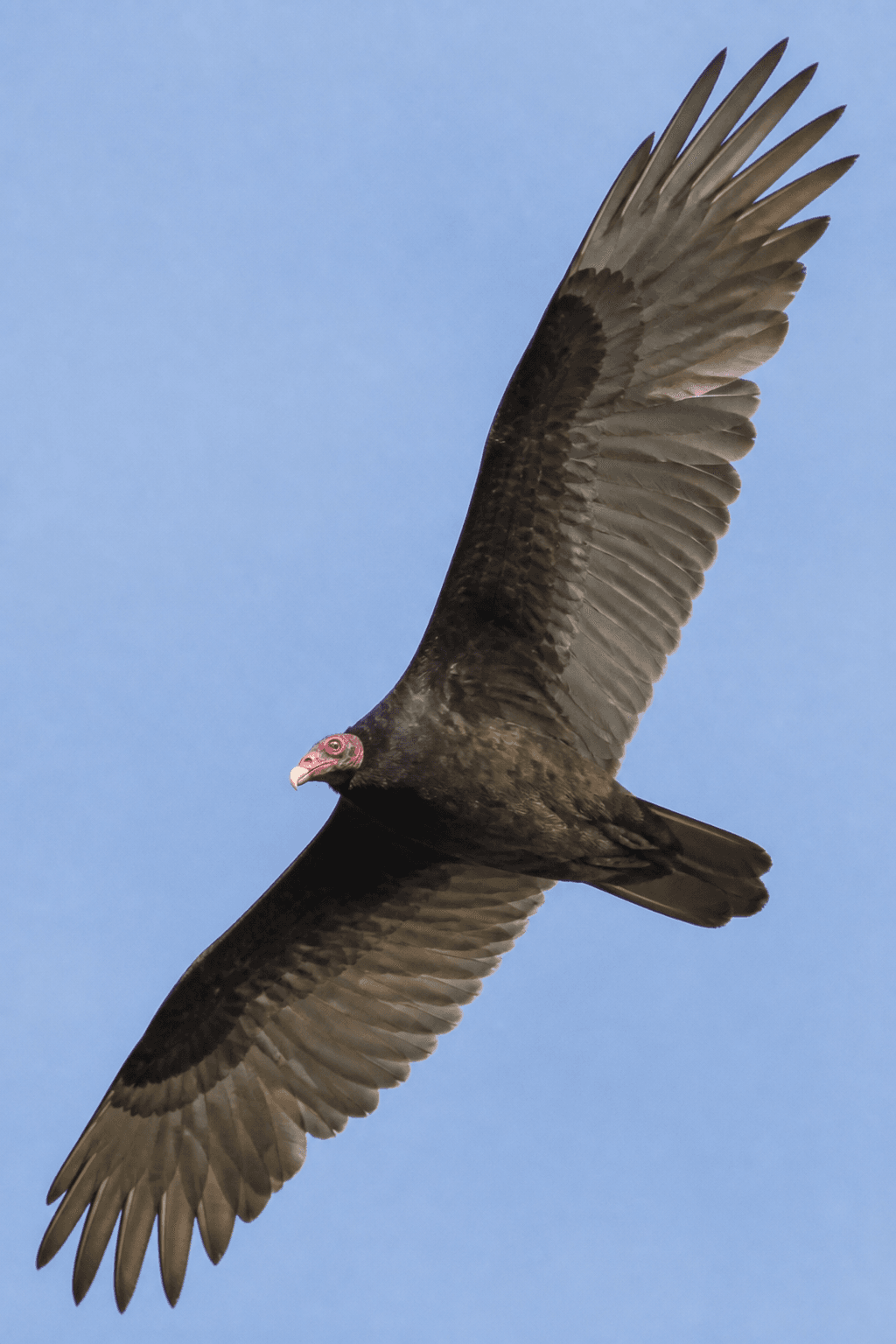
Turkey Vulture
United States
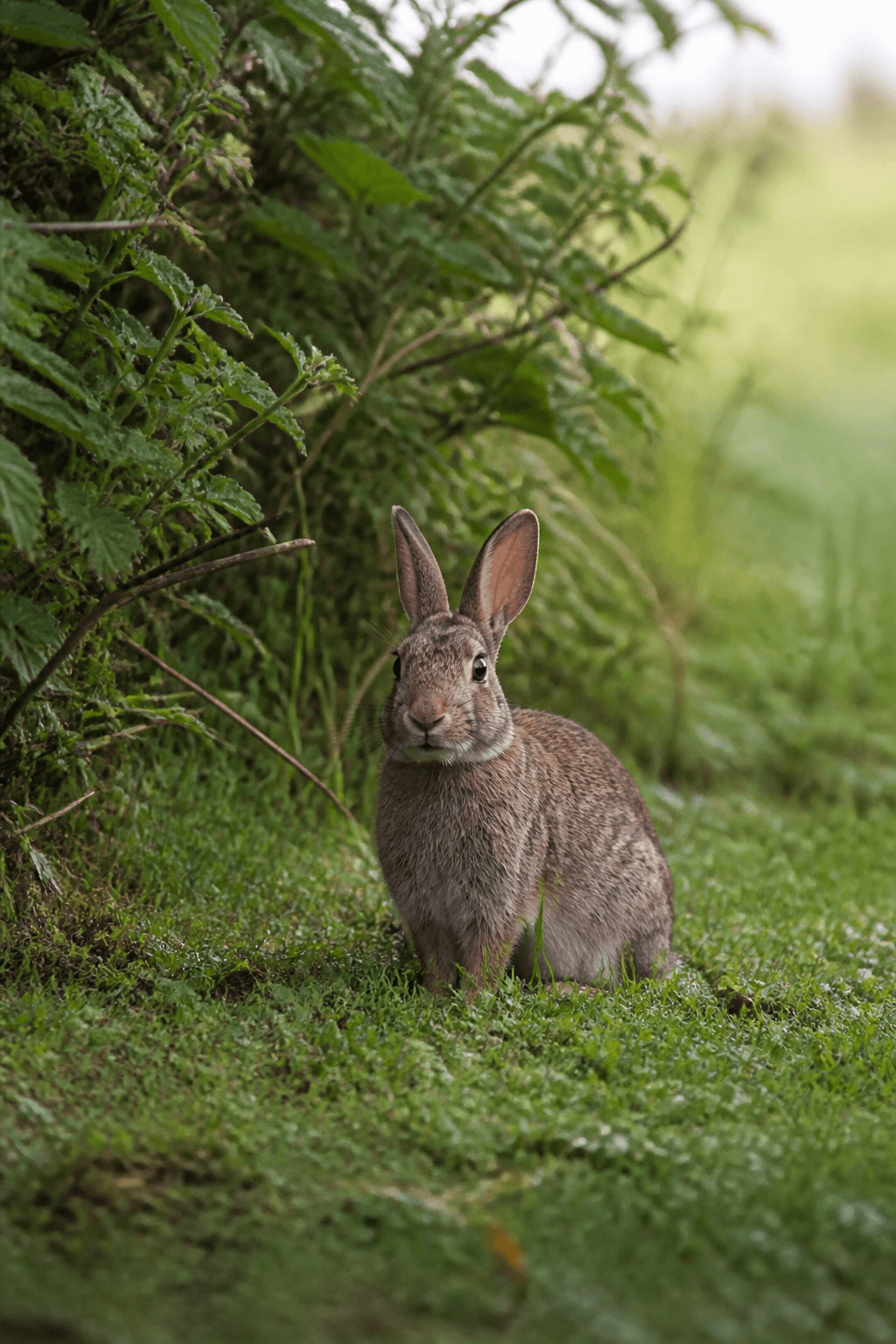
European Rabbit
United Kingdom, United States
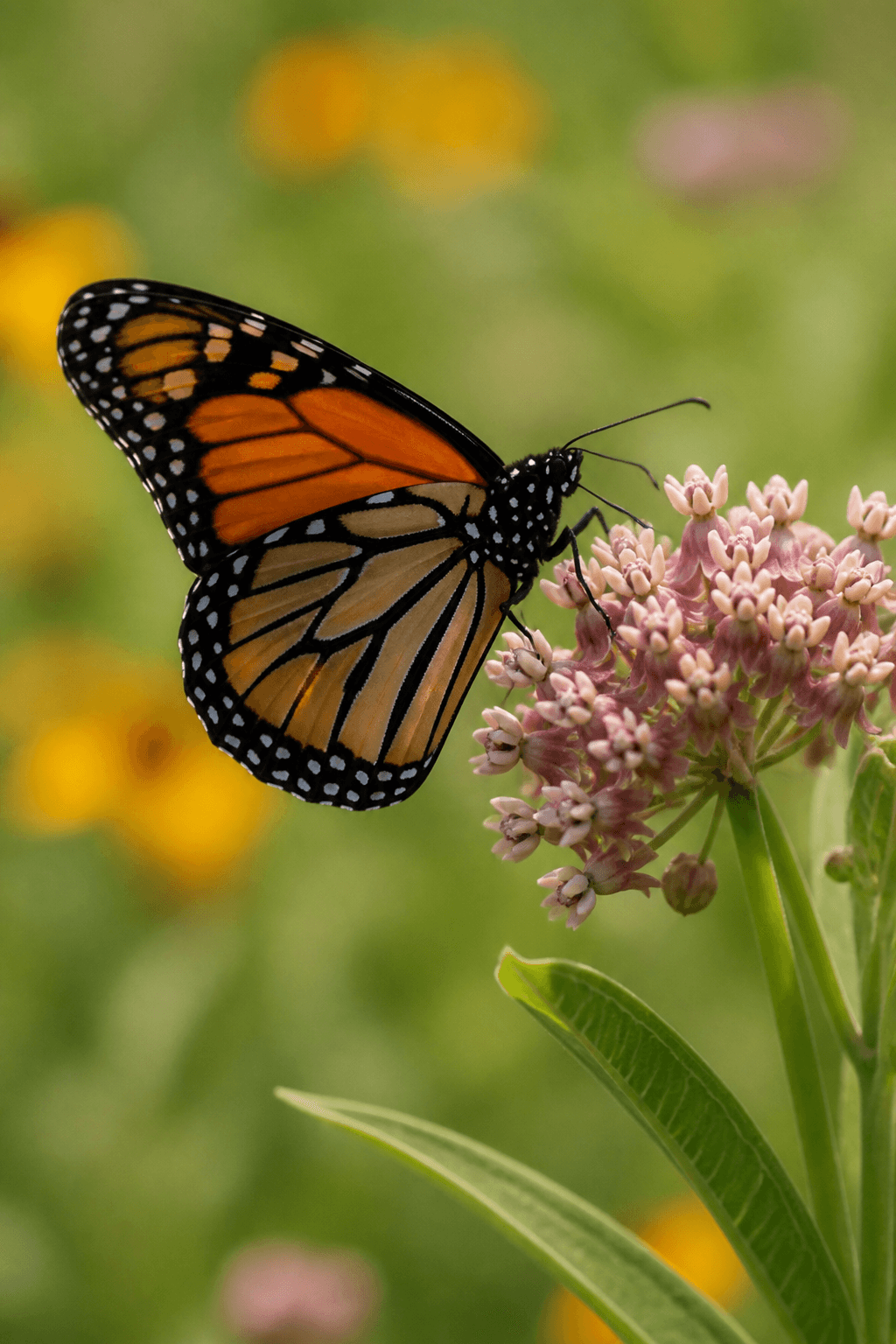
Monarch Butterfly
United States, United Kingdom
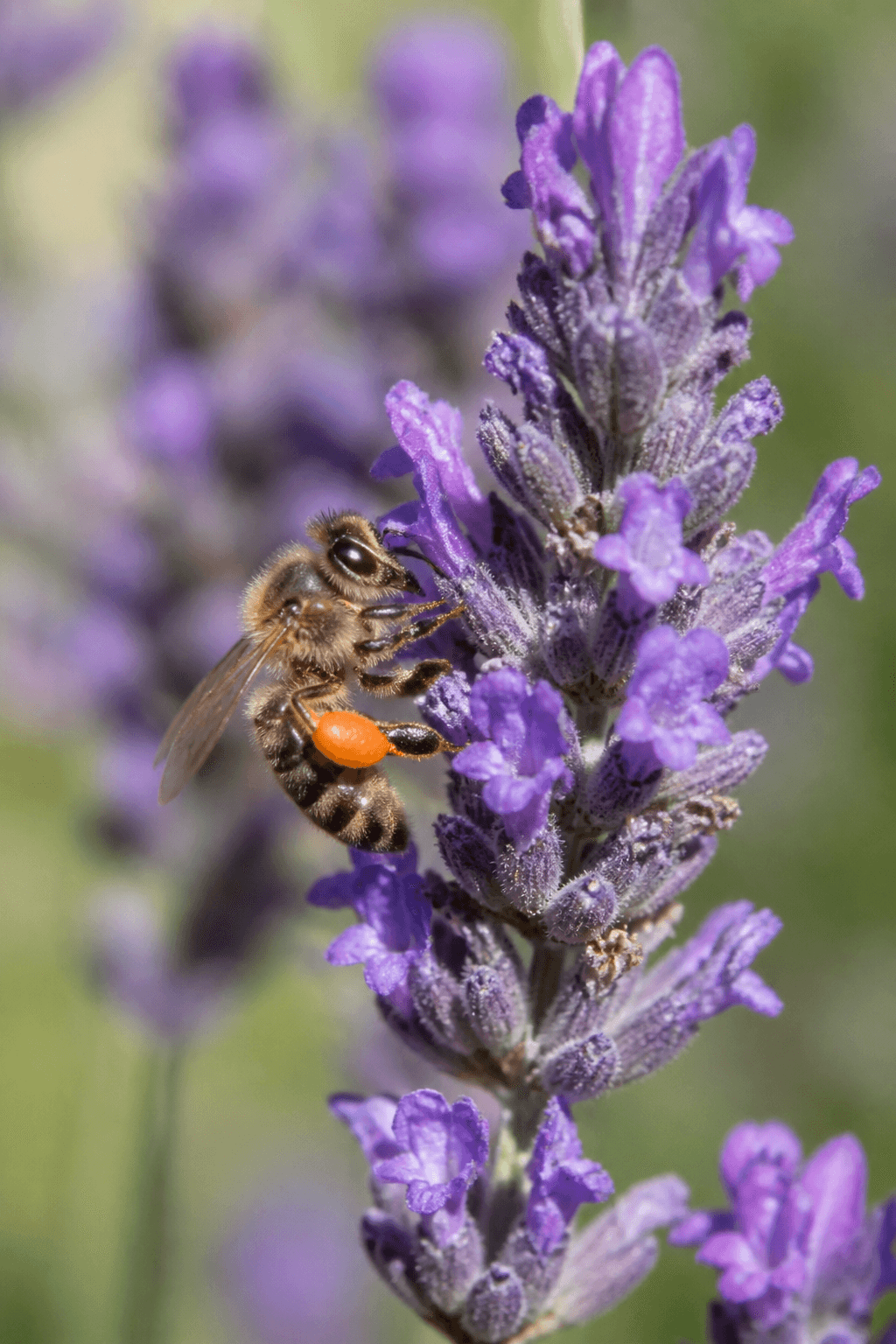
Honey Bee
United Kingdom, United States
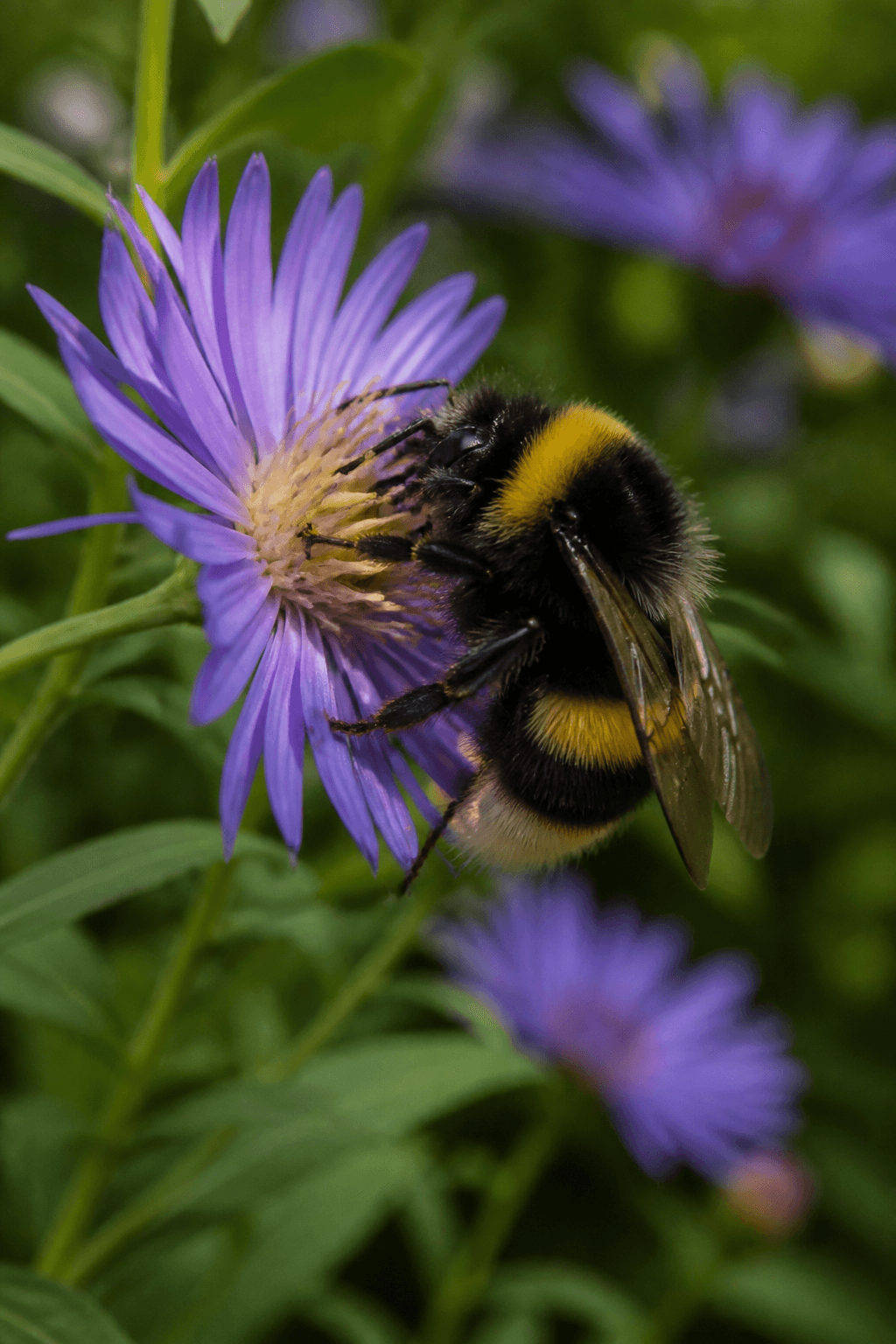
Bumblebee
United Kingdom, United States
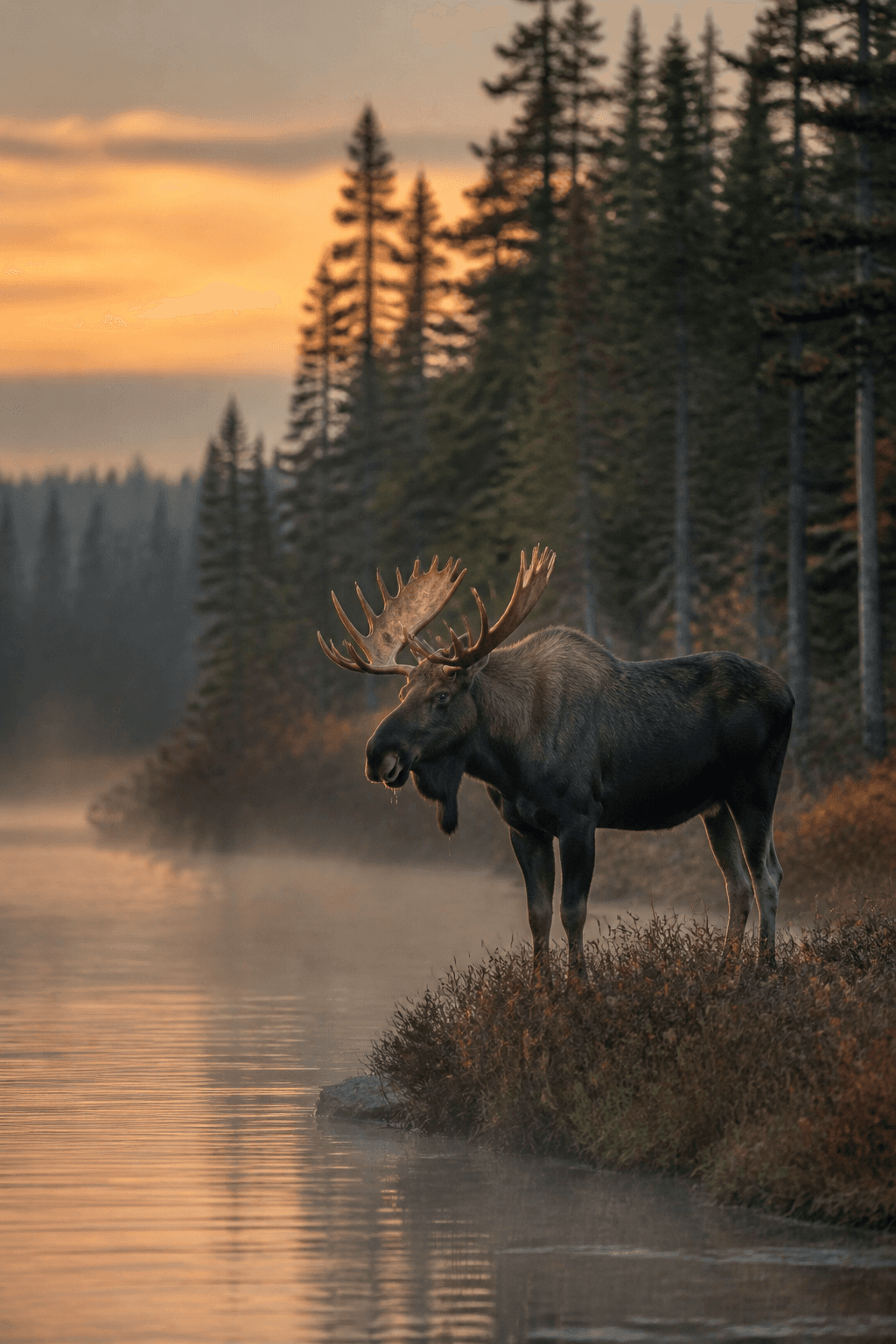
Moose
United States, Canada
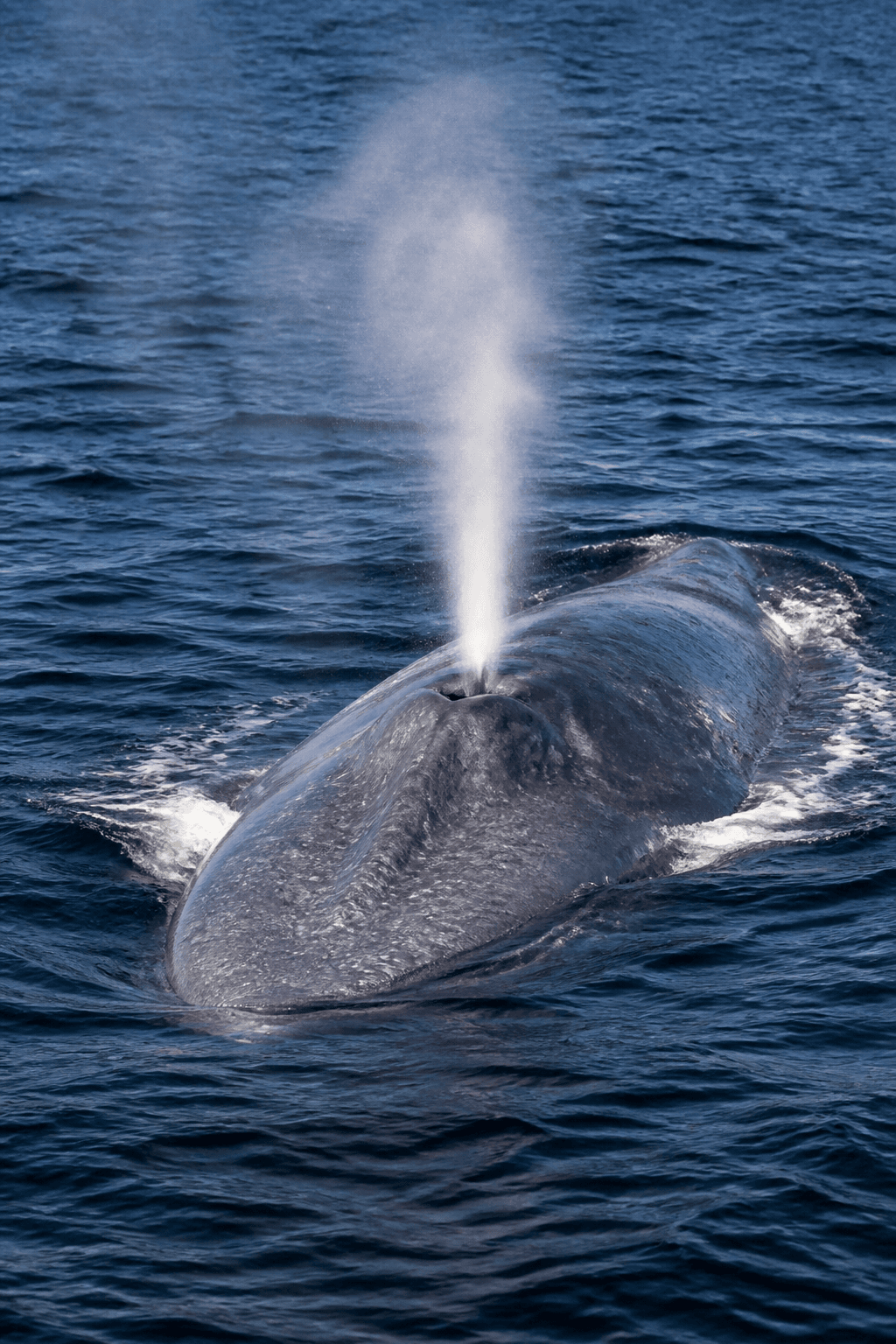
Blue Whale
United States, Canada
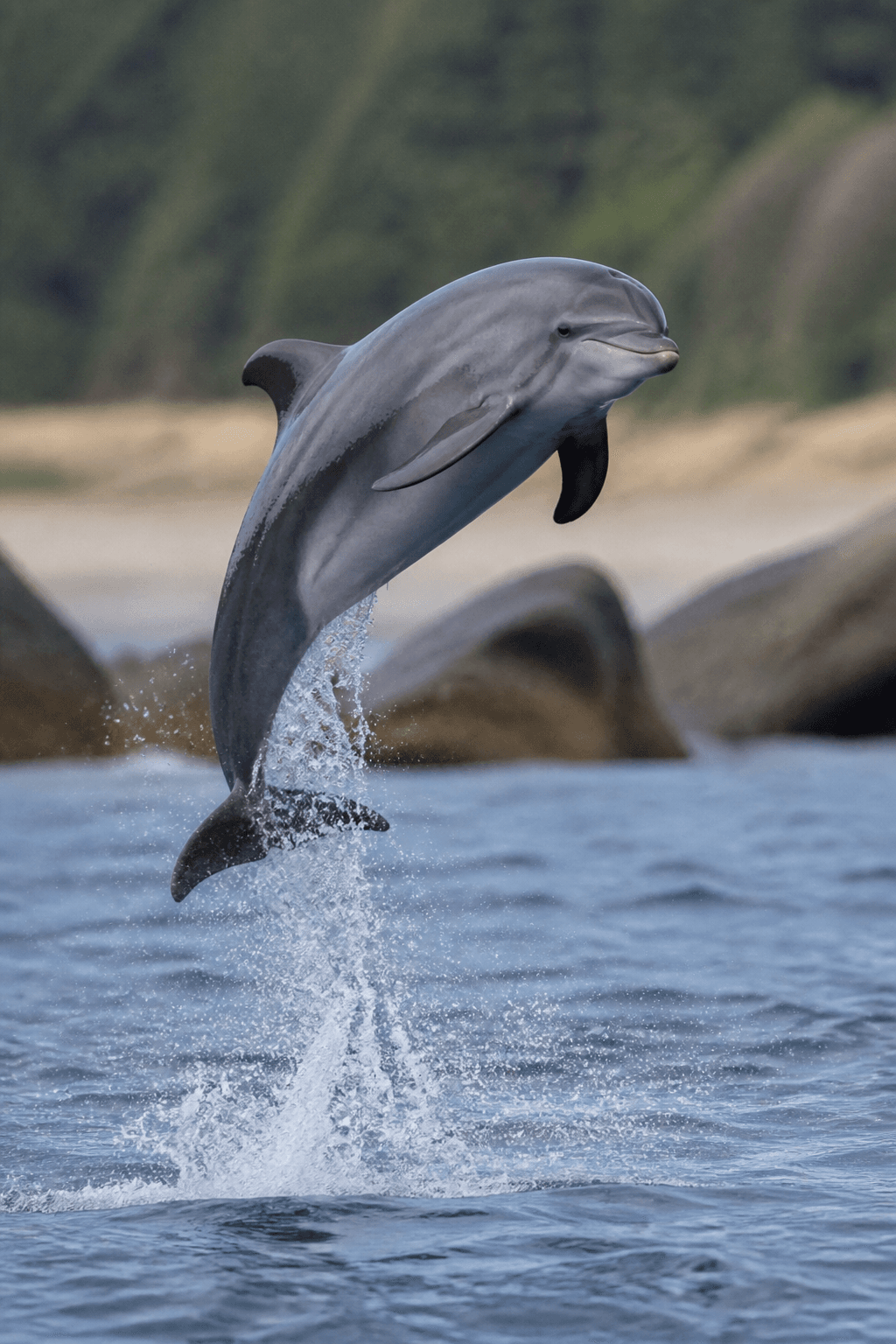
Bottlenose Dolphin
United States, United Kingdom
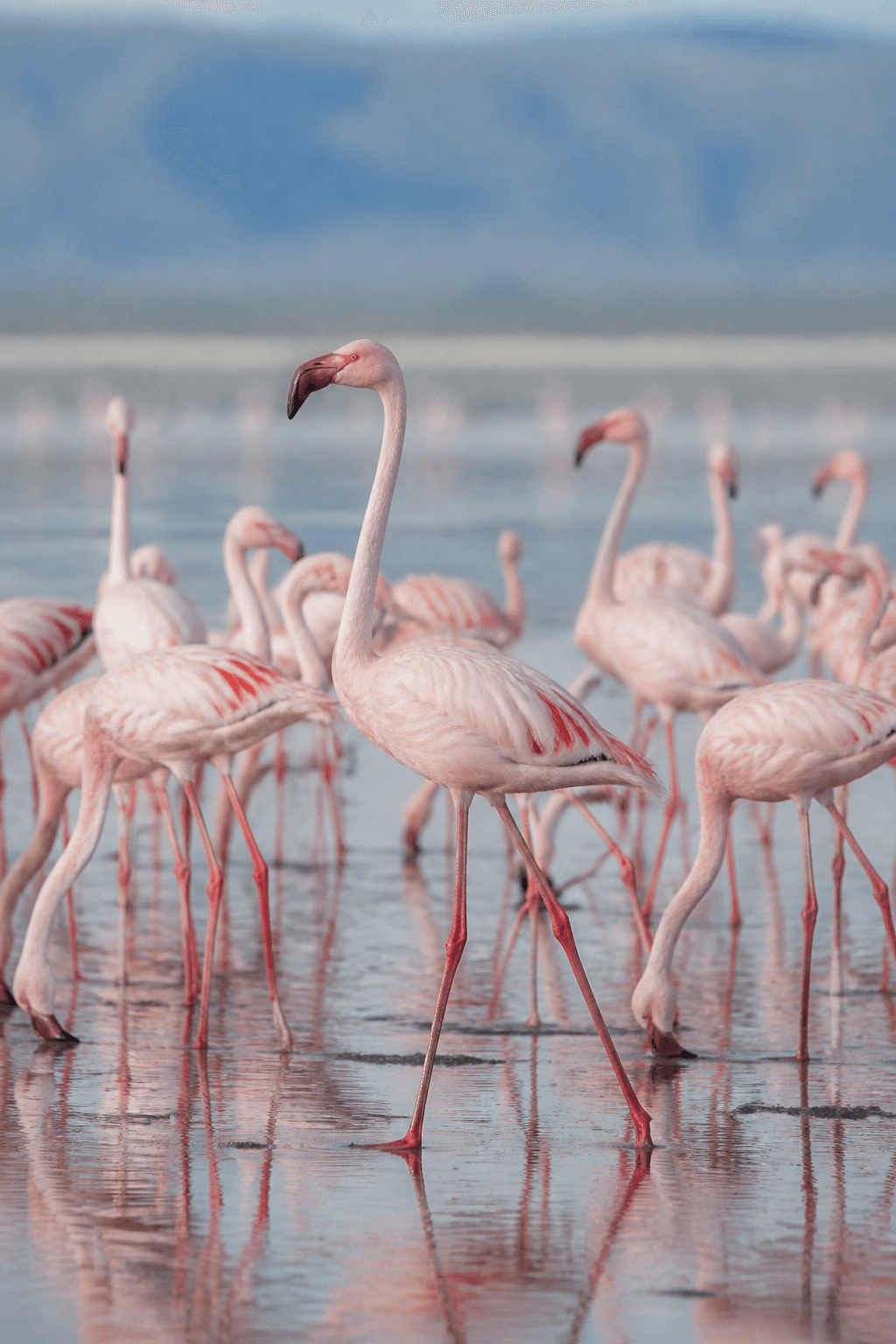
Flamingo
Kenya, United States
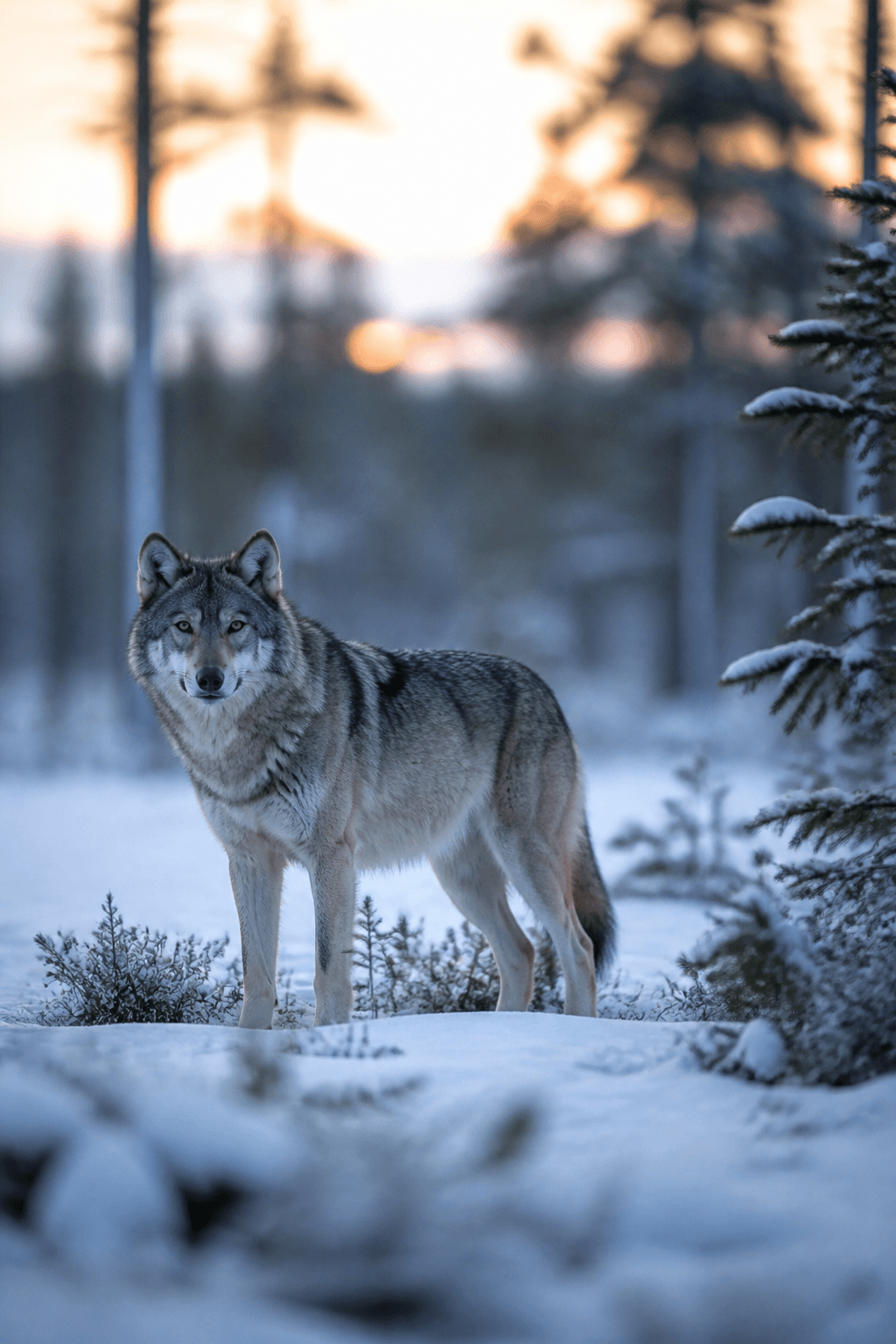
Wolf
United States, Canada
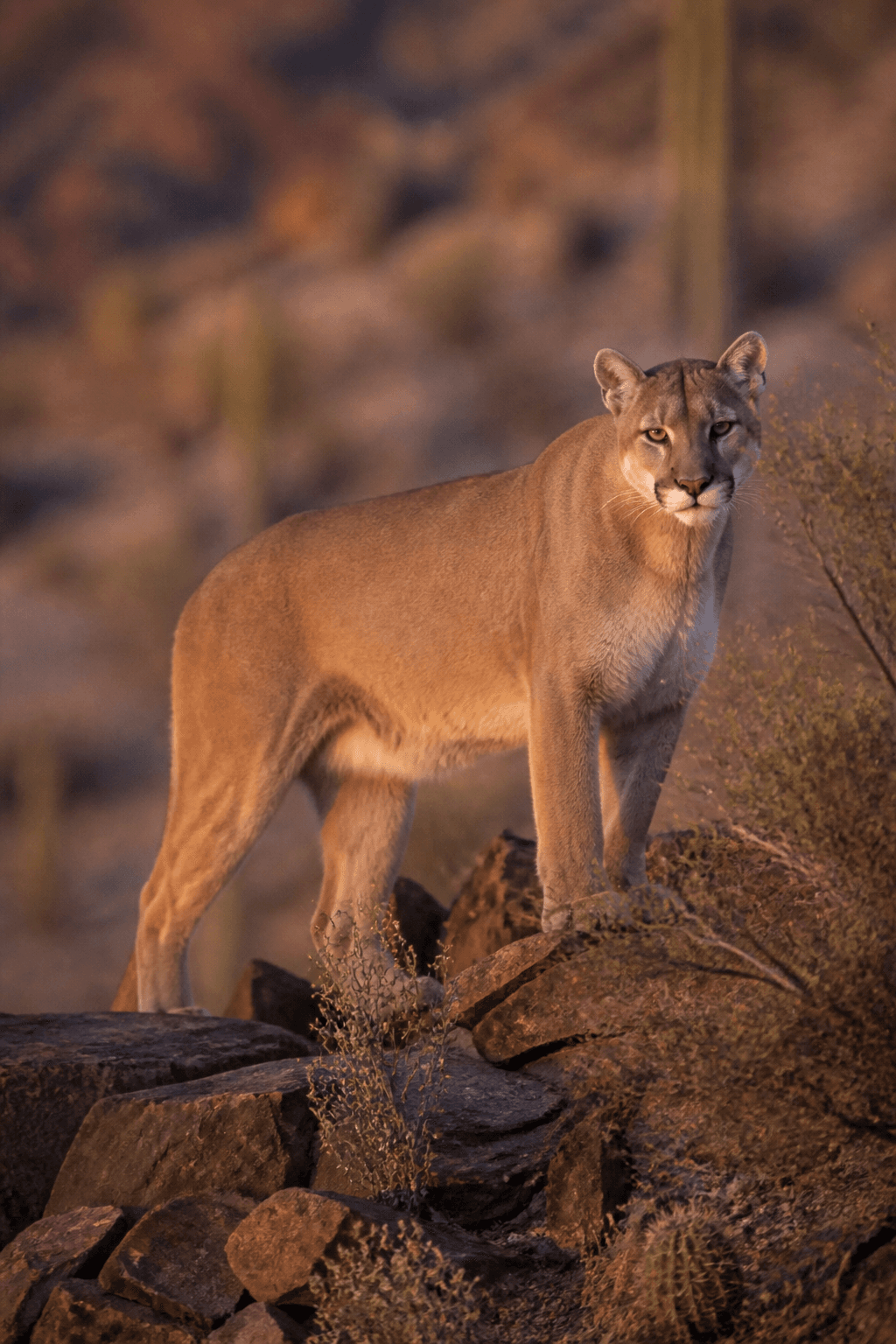
Mountain Lion
United States
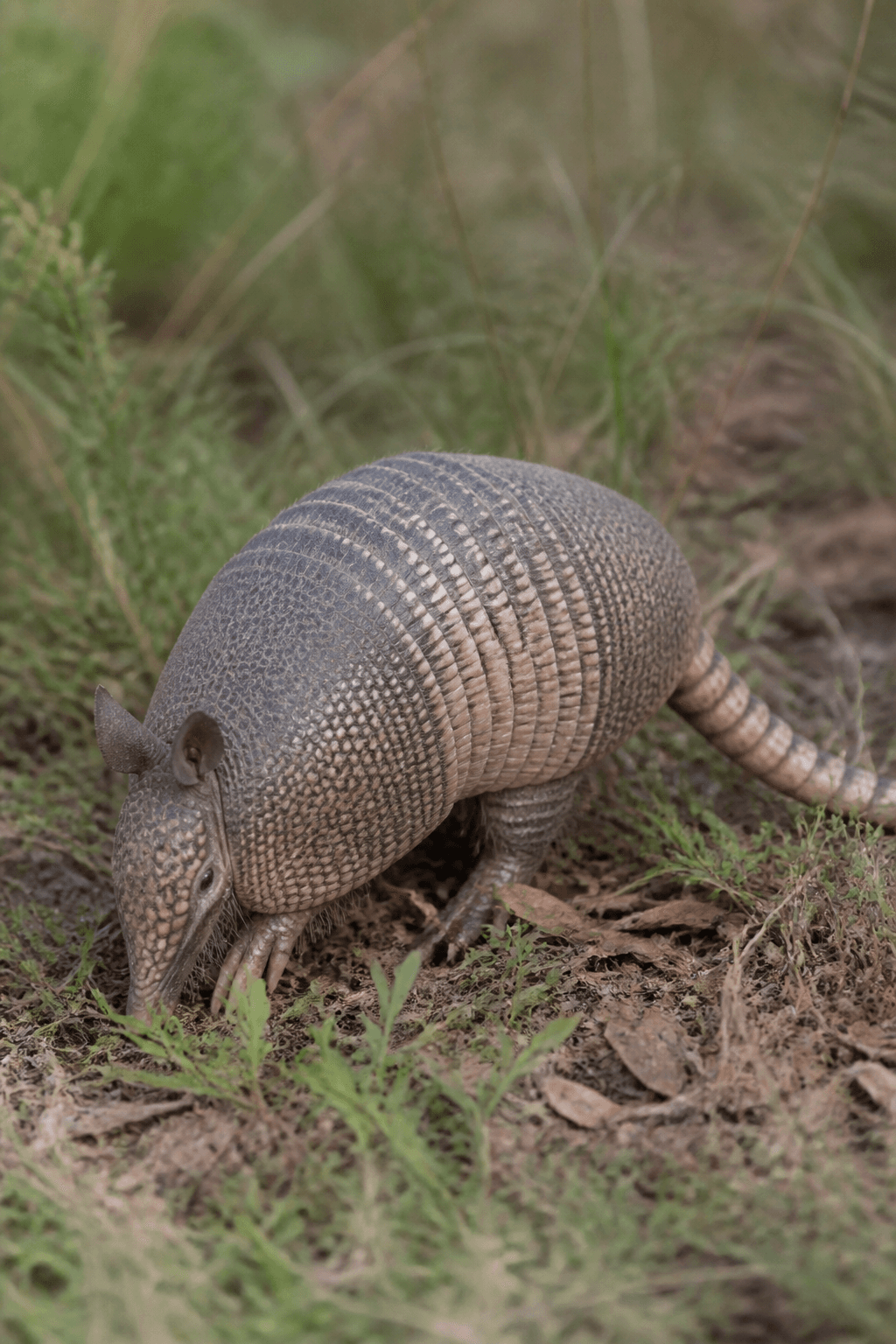
Armadillo
United States
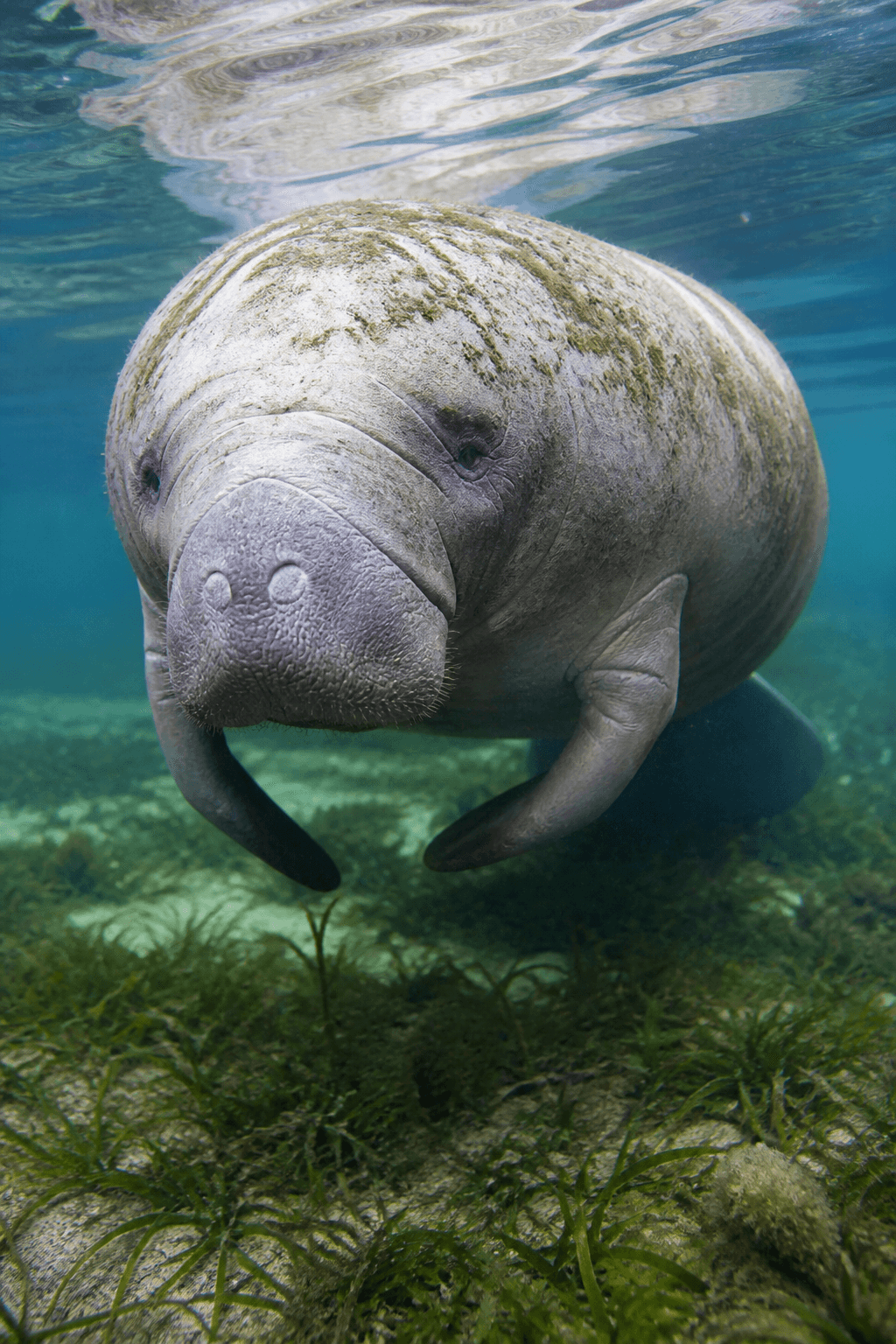
Manatee
United States
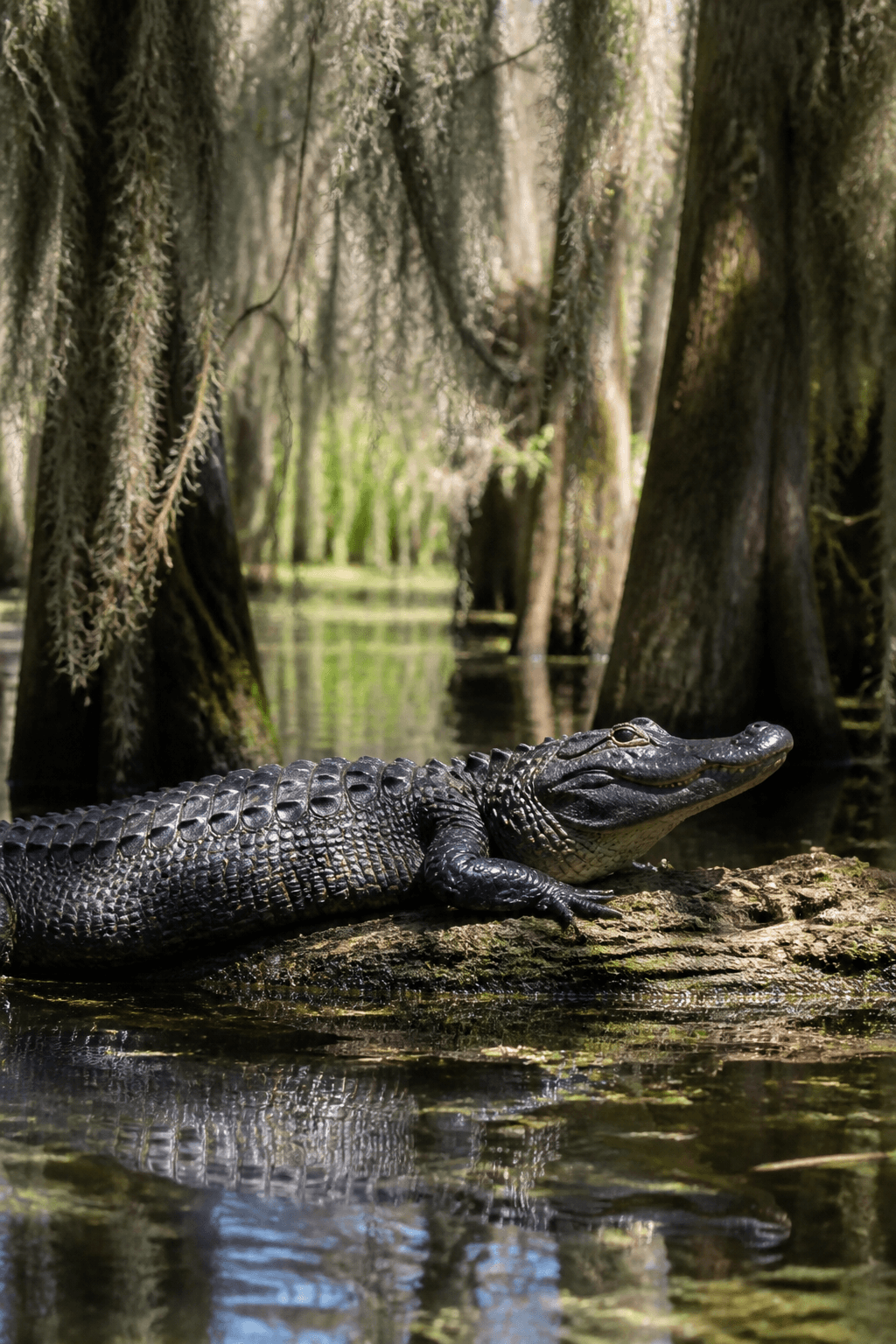
Alligator
United States
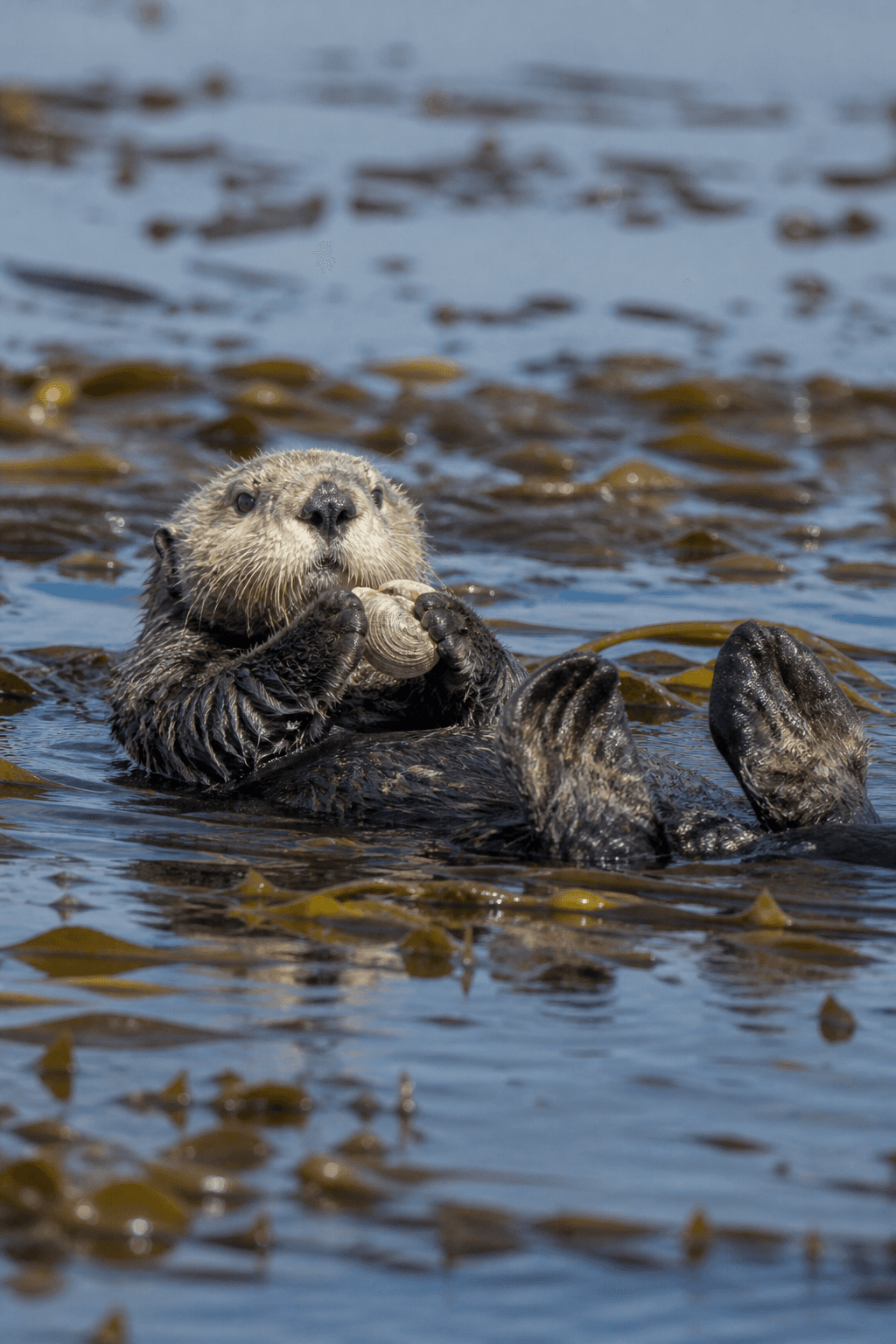
Sea Otter
United States, Canada
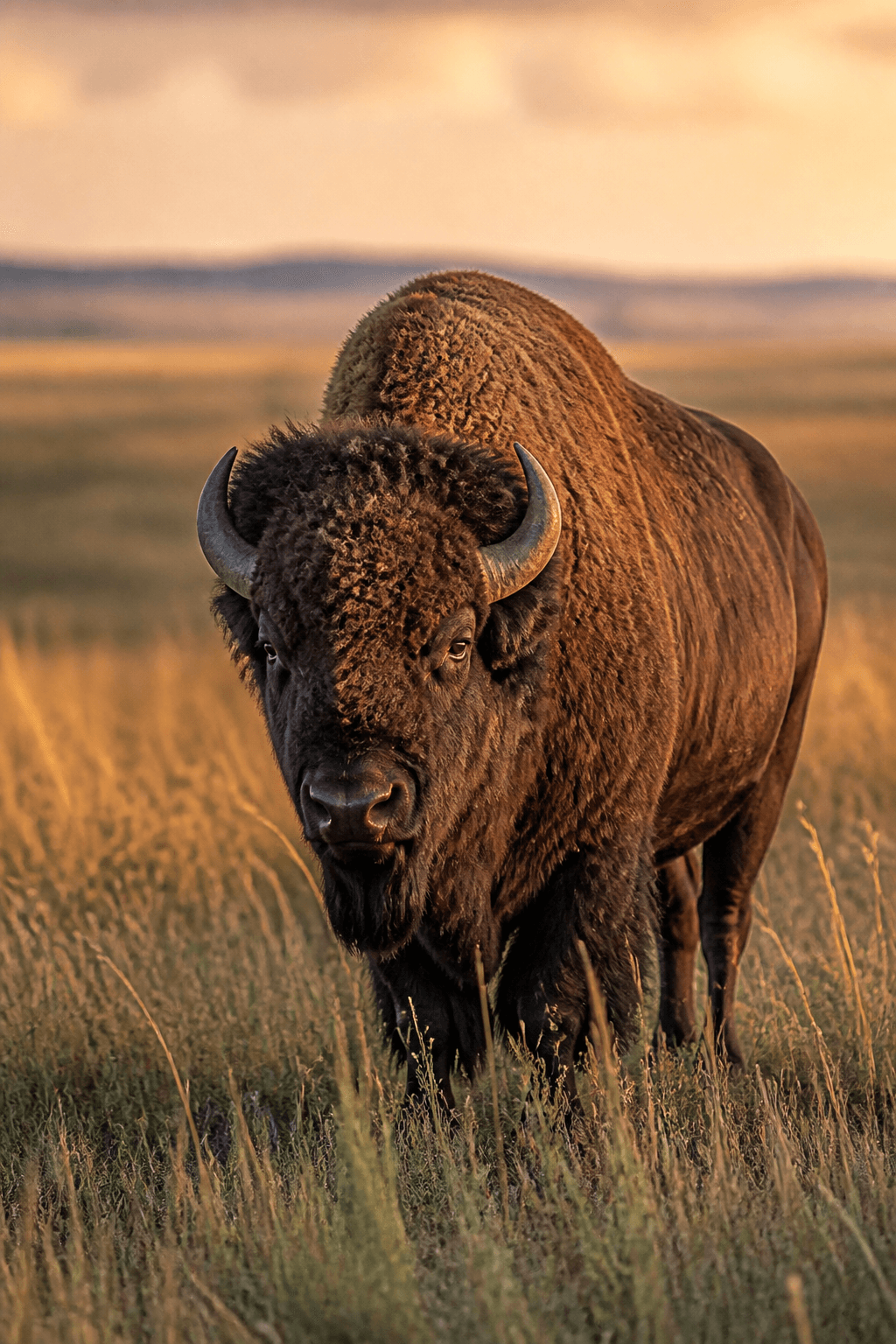
Bison
United States, Canada
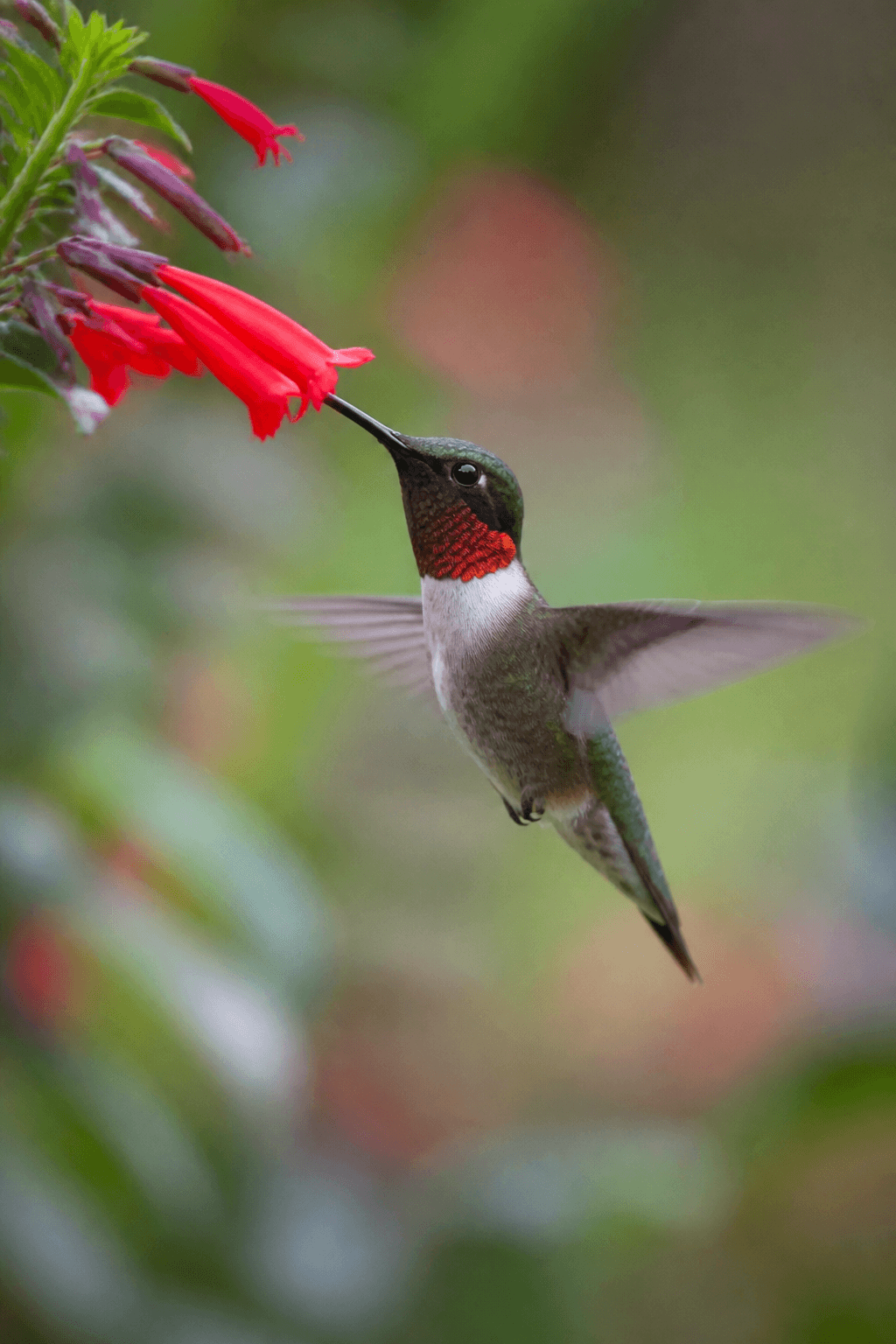
Hummingbird
United States
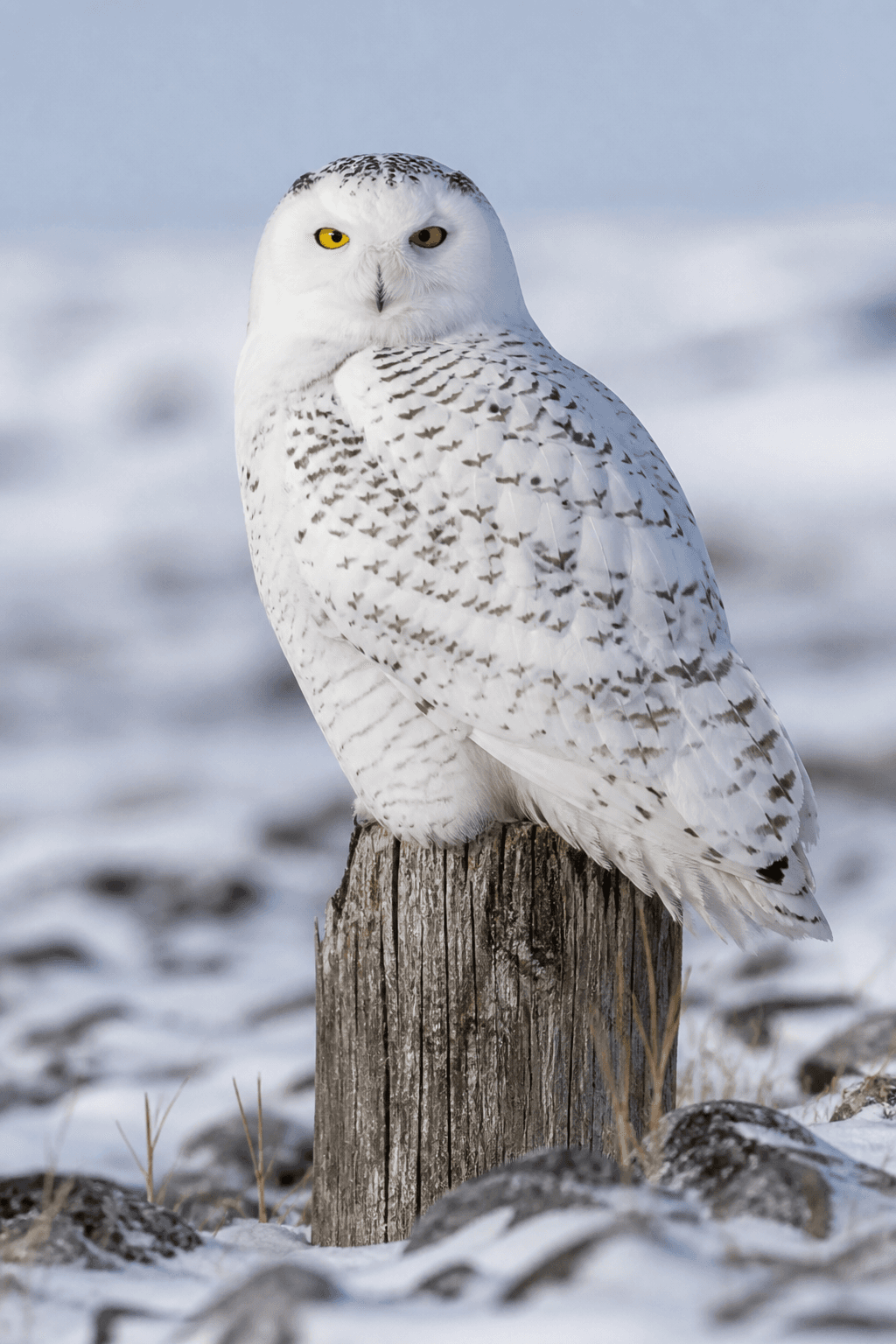
Snowy Owl
Canada, United States
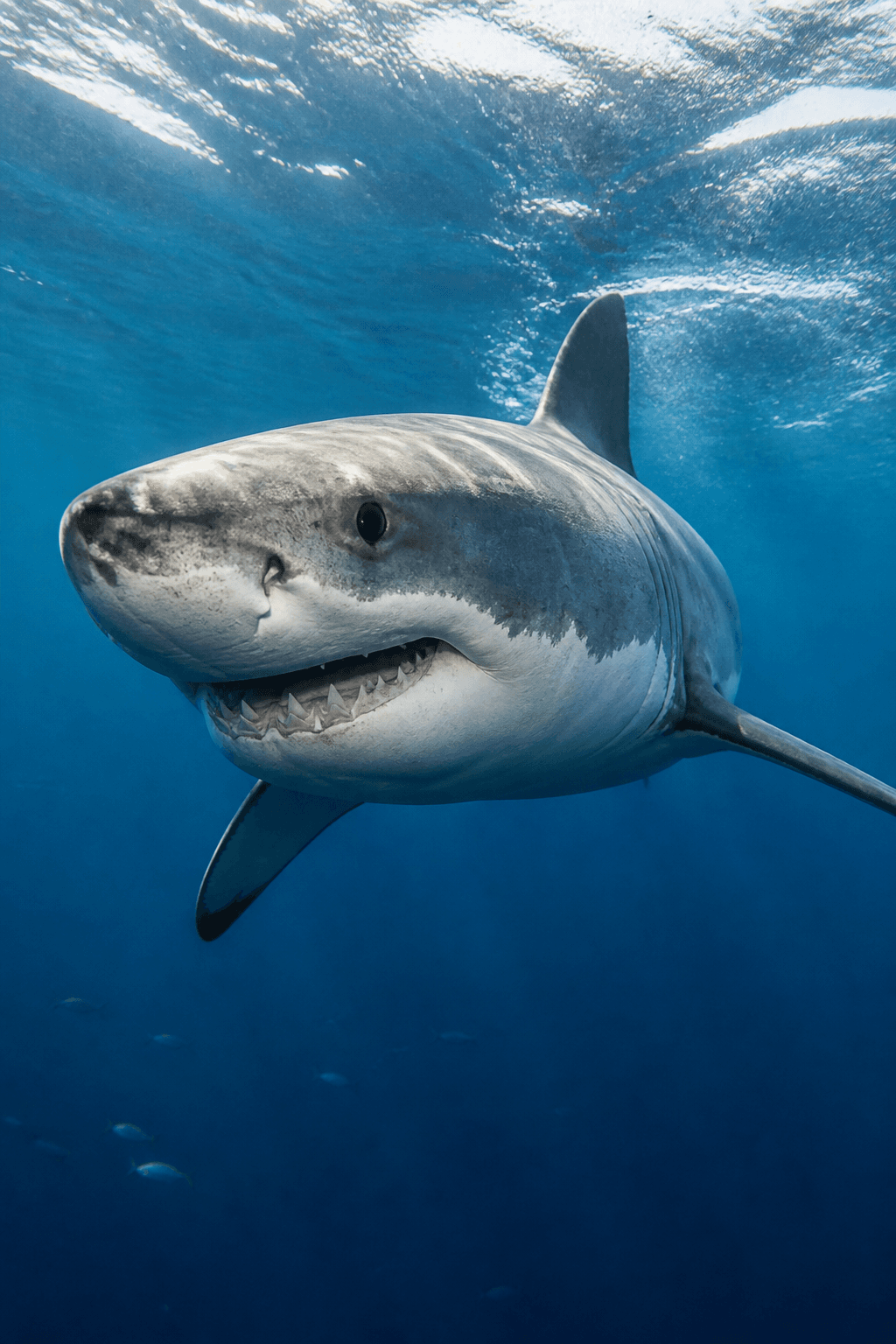
Great White Shark
United States, South Africa, Australia
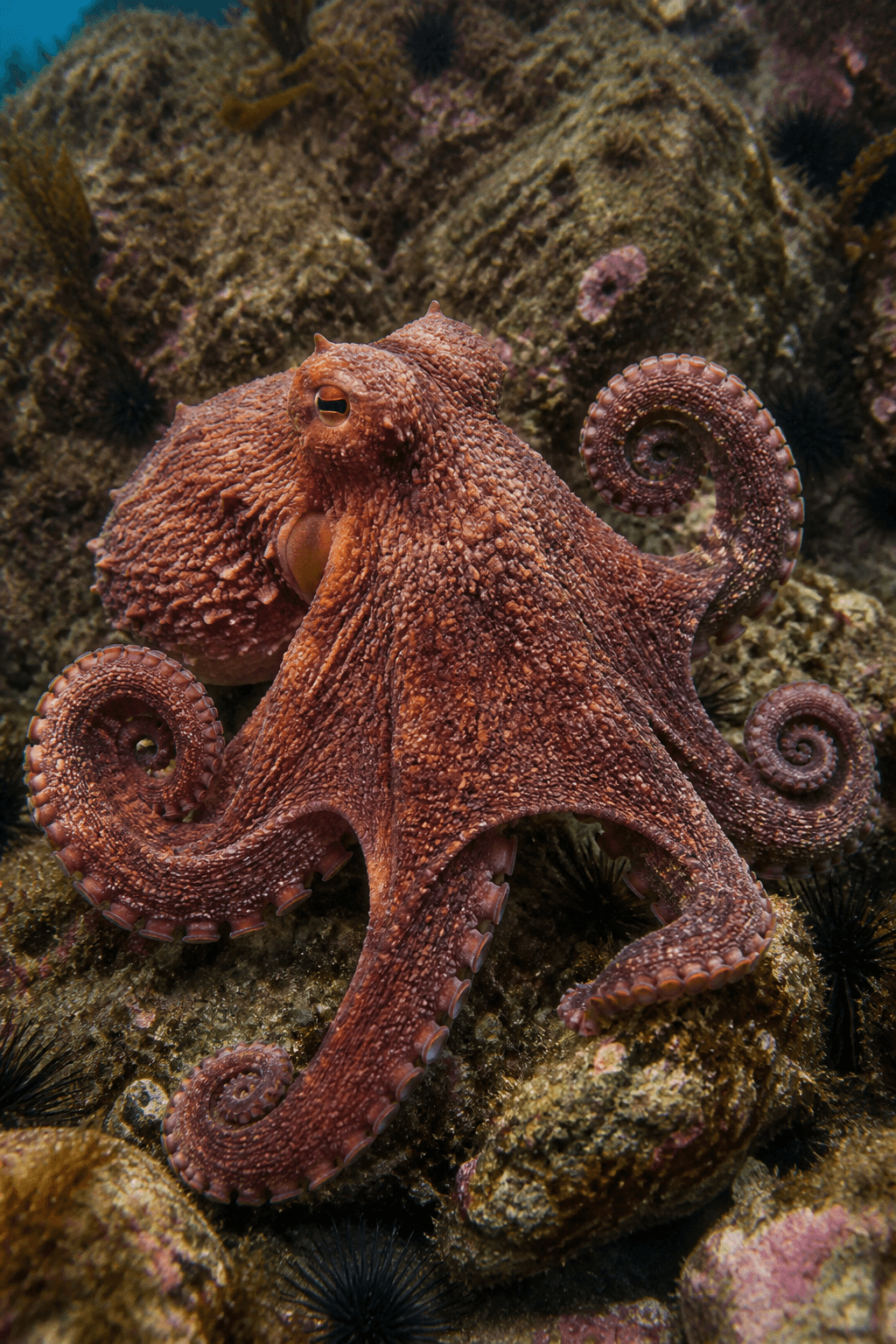
Octopus
United Kingdom, United States, Indonesia
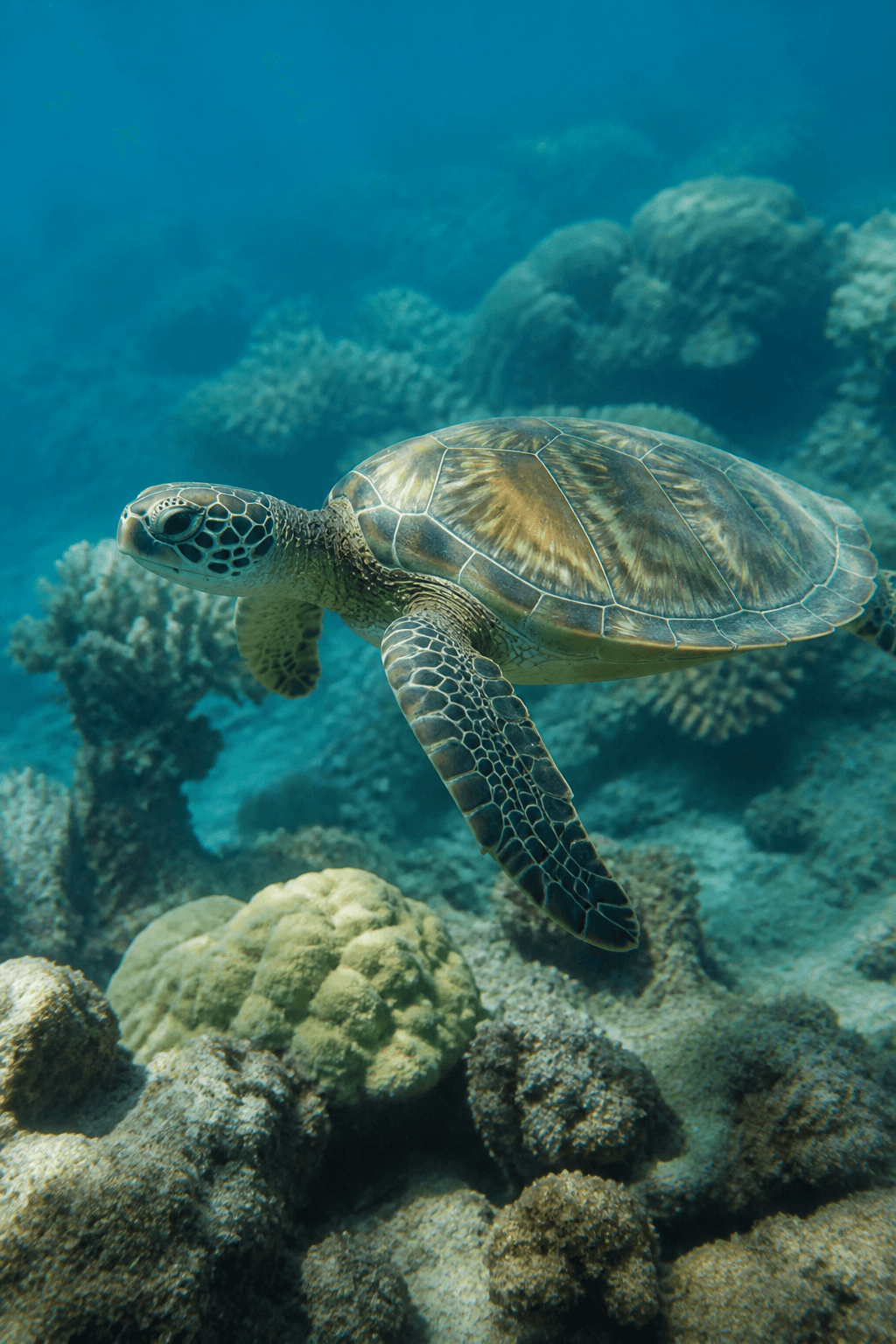
Sea Turtle
Indonesia, United States, Kenya
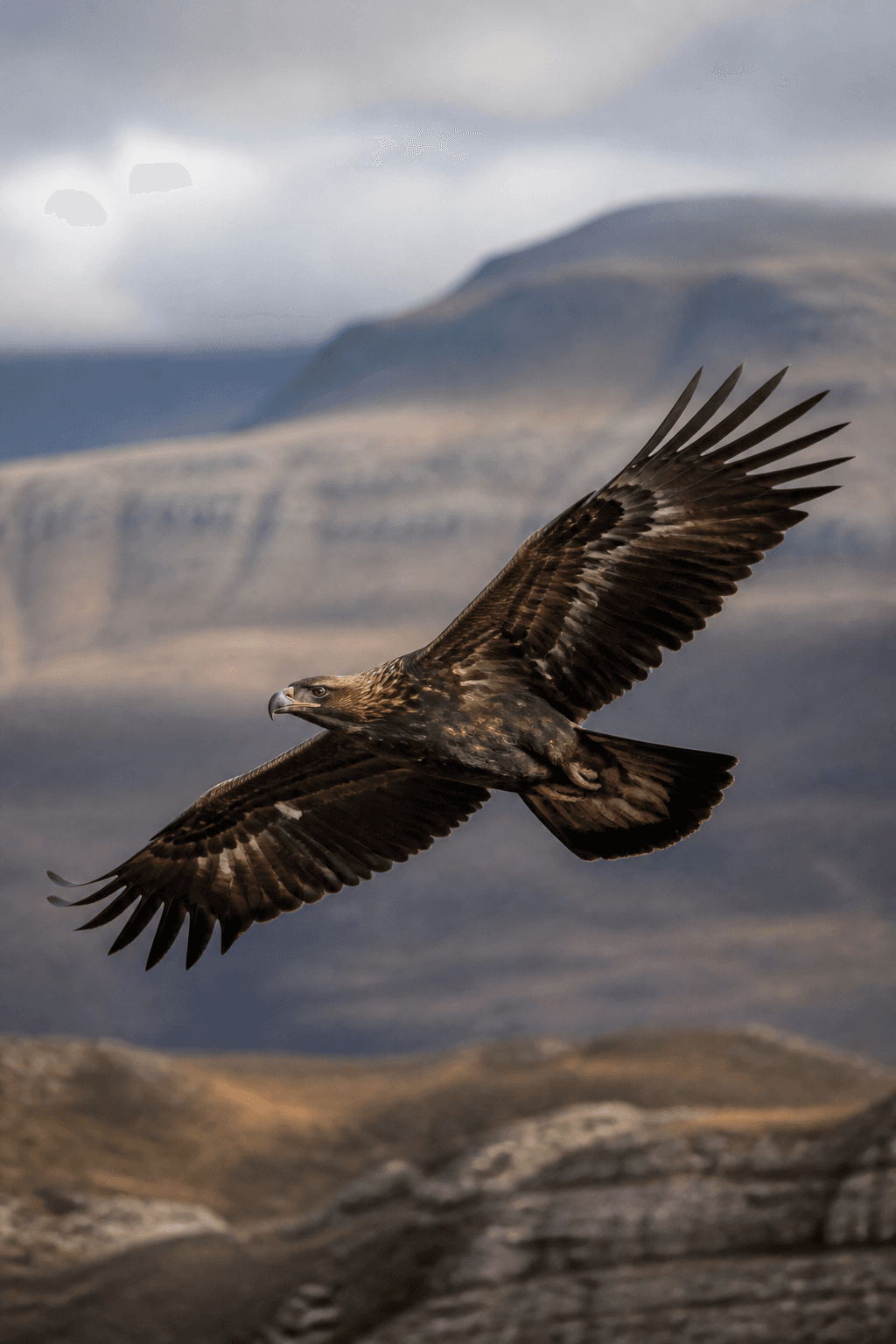
Golden Eagle
United Kingdom, United States, Canada
Keep exploring
Related discoveries
- Domestic Dogcommon • Parks & Neighbourhoods
- Domestic Catcommon • Gardens & Streets
- House Sparrowcommon • Gardens & Cities
- Rock Pigeoncommon • Town Squares
- Mallardcommon • Ponds & Rivers
- Grey Squirrelcommon • Woodland & Parks
- Bald Eaglelegendary • Lakes & Coasts
- Northern Cardinalcommon • Gardens & Woodland
- American Robincommon • Lawns & Parks
- Great Horned Owlrare • Forest & Suburbs
- Blue Jaycommon • Oak Forest & Suburbs
- Mourning Dovecommon • Gardens & Fields
- Eastern Gray Squirrelcommon • Parks & Woodland
- White-tailed Deerrare • Forest & Meadows
- Raccooncommon • Suburbs & Wetlands
- American Crowcommon • Fields & Towns
- Canada Goosecommon • Lakes & Parks
- Bobcatrare • Forest & Scrub
- Red-winged Blackbirdcommon • Marshes & Fields
- Grizzly Bearlegendary • Mountains & Rivers
- Opossumcommon • Suburbs & Woodland
- Black-capped Chickadeecommon • Woodland & Feeders
- Wild Turkeyrare • Forest & Farmland
- American Goldfinchcommon • Meadows & Gardens
- House Finchcommon • Gardens & Urban
- Coyoterare • Prairie & Suburbs
- Turkey Vulturecommon • Roadsides & Open Country
- European Rabbitcommon • Fields & Warrens
- Monarch Butterflycommon • Meadows & Gardens
- Honey Beecommon • Gardens & Meadows
- Bumblebeecommon • Gardens & Wildflowers
- Mooserare • Northern Lakes
- Blue Whalelegendary • Open Ocean
- Bottlenose Dolphincommon • Coastal Waters
- Flamingocommon • Lagoons & Flats
- Wolfrare • Forest & Tundra
- Mountain Lionlegendary • Mountains & Desert
- Armadillocommon • Grassland & Scrub
- Manateerare • Coastal Springs
- Alligatorcommon • Swamps & Rivers
- Sea Ottercommon • Kelp Forest
- Bisonrare • Great Plains
- Hummingbirdcommon • Gardens & Flowers
- Snowy Owlrare • Arctic Tundra
- Great White Sharklegendary • Coastal Ocean
- Octopuscommon • Rock Pools & Reef
- Sea Turtlerare • Coastal Ocean
- Golden Eaglecommon • Mountains & Moorland
Free on iOS
Catch the Eastern Cottontail
Spot one in the wild — then scan it in Catch'Um to log your common discovery.