
Field guide · common
Raccoon
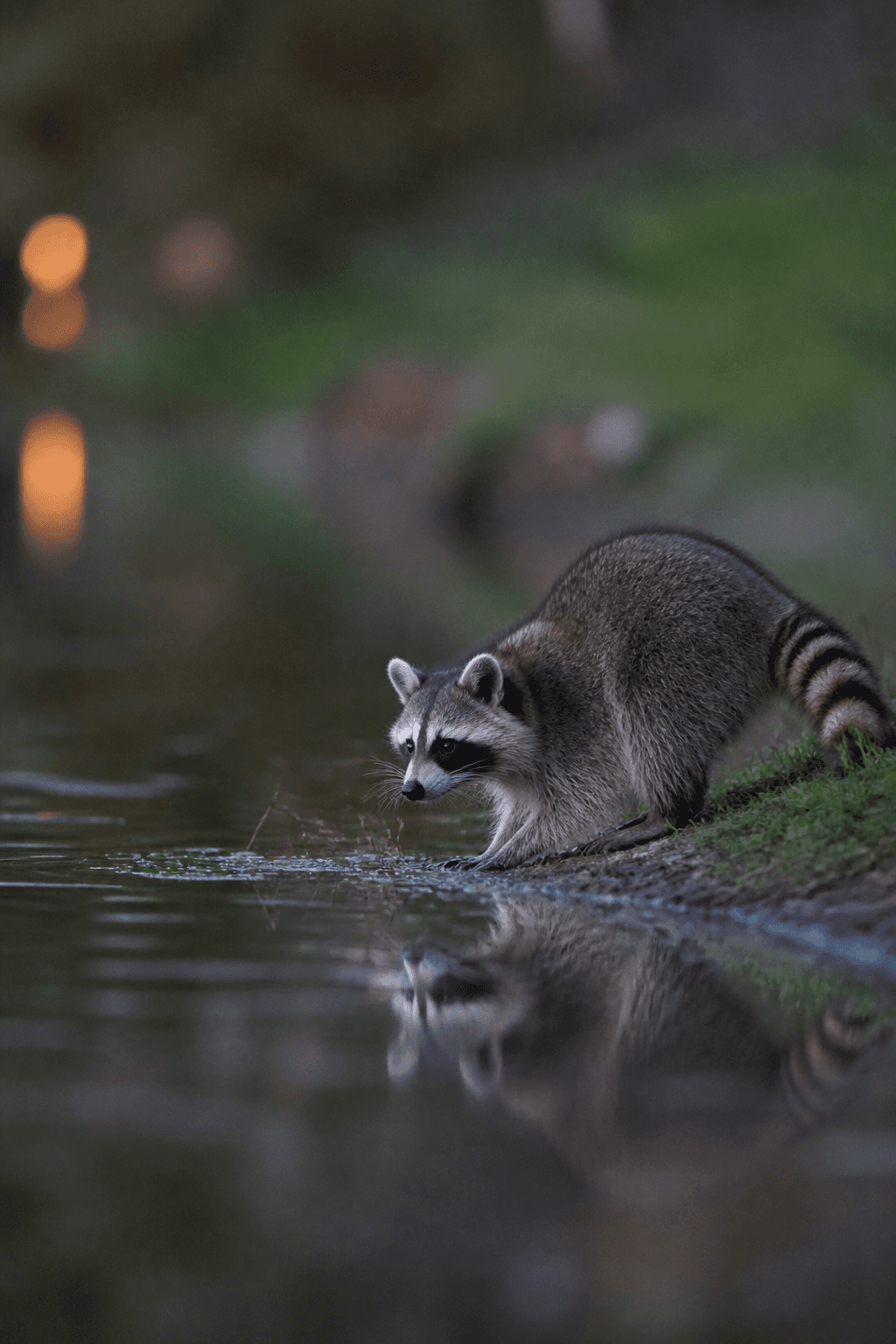
The masked bandit — front paws so sensitive they can 'see' underwater without looking.
Least Concern
Overview
The raccoon is North America's most recognisable night raider — black mask, ringed tail, and those eerily human-like front paws that dip and fumble in streams and bins alike. Intelligent and adaptable, raccoons have thrived in cities as readily as in swamps.
That paw sensitivity is real: raccoons have more touch receptors in their palms than most mammals and will explore objects underwater with their eyes closed. A common discovery at the edge of any American suburb after dark.
Habitat
Raccoons live across the United States in forest, wetland, farmland, and urban areas. They den in hollow trees, burrows, attics, and storm drains — wherever shelter is close to food from bins, gardens, ponds, and pet bowls.
Countries found
Interesting facts
- 01
Raccoons have highly sensitive front paws — they 'see' objects by touch underwater.
- 02
Their name comes from the Algonquian word arakun — 'one who scratches with hands'.
- 03
They are omnivores eating almost anything — frogs, eggs, fruit, and pizza crusts.
- 04
Raccoons can rotate their hind feet 180 degrees to climb down trees head-first.
- 05
Urban raccoons have smaller home ranges than rural ones — food is easier to find.
- 06
They wash food in water — though scientists debate whether this is cleaning or enhancing touch.
Conservation status
Raccoons are Least Concern and have expanded their range and urban population across North America. They can carry rabies and roundworm — admire from a distance.
Related discoveries
Domestic Dog
United Kingdom, United States
Domestic Cat
United Kingdom, United States
House Sparrow
United Kingdom, United States
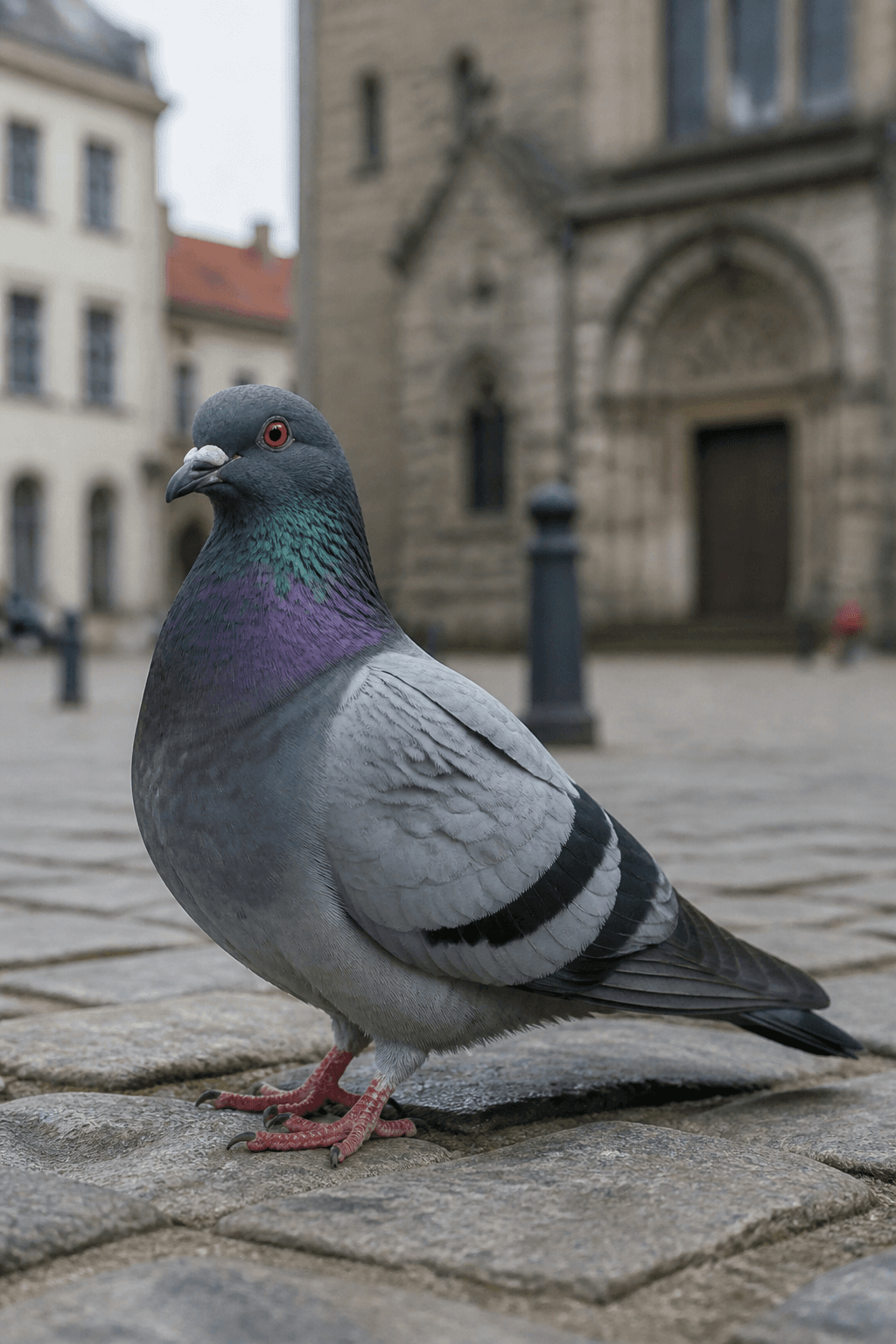
Rock Pigeon
United Kingdom, United States
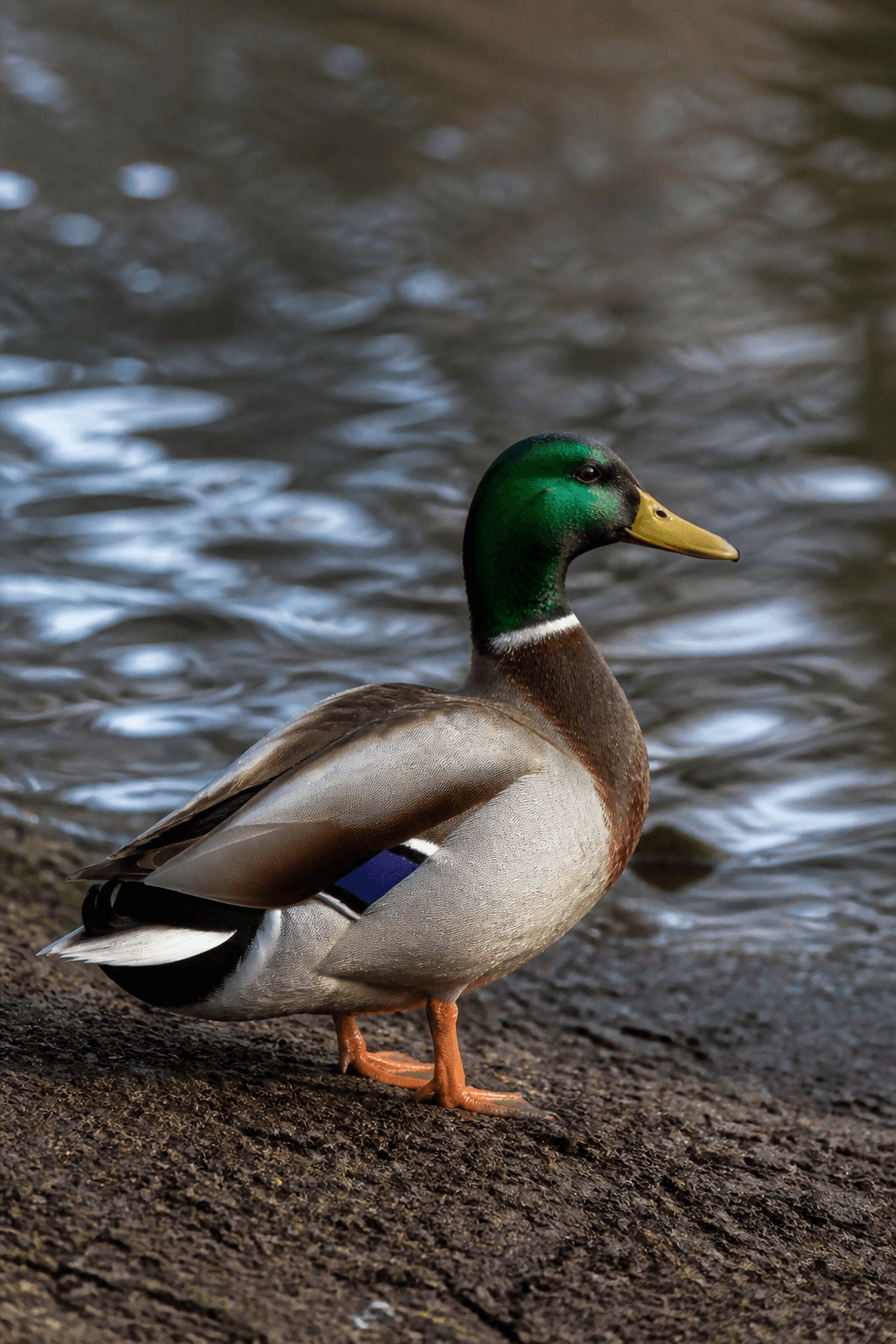
Mallard
United Kingdom, United States
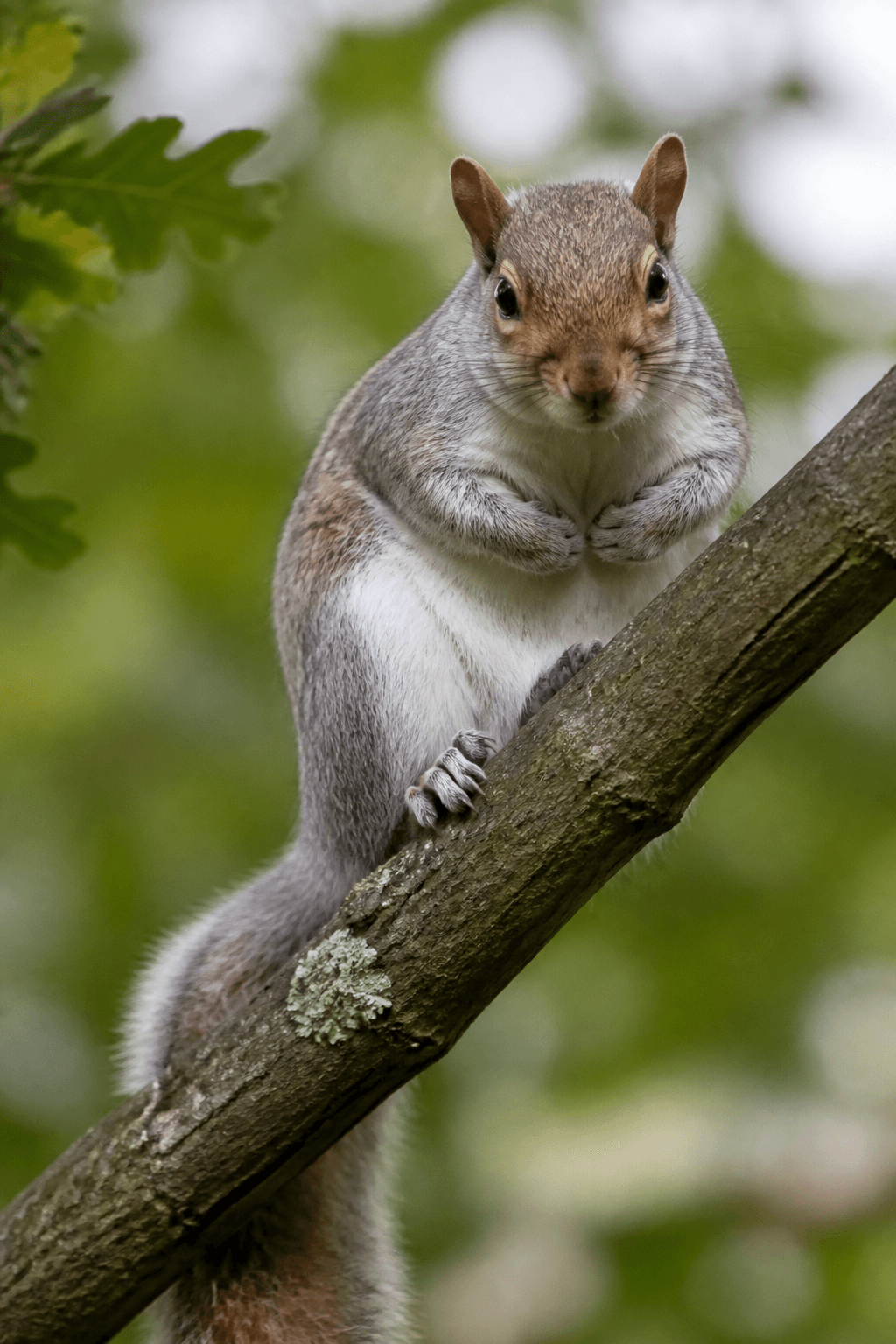
Grey Squirrel
United Kingdom, United States
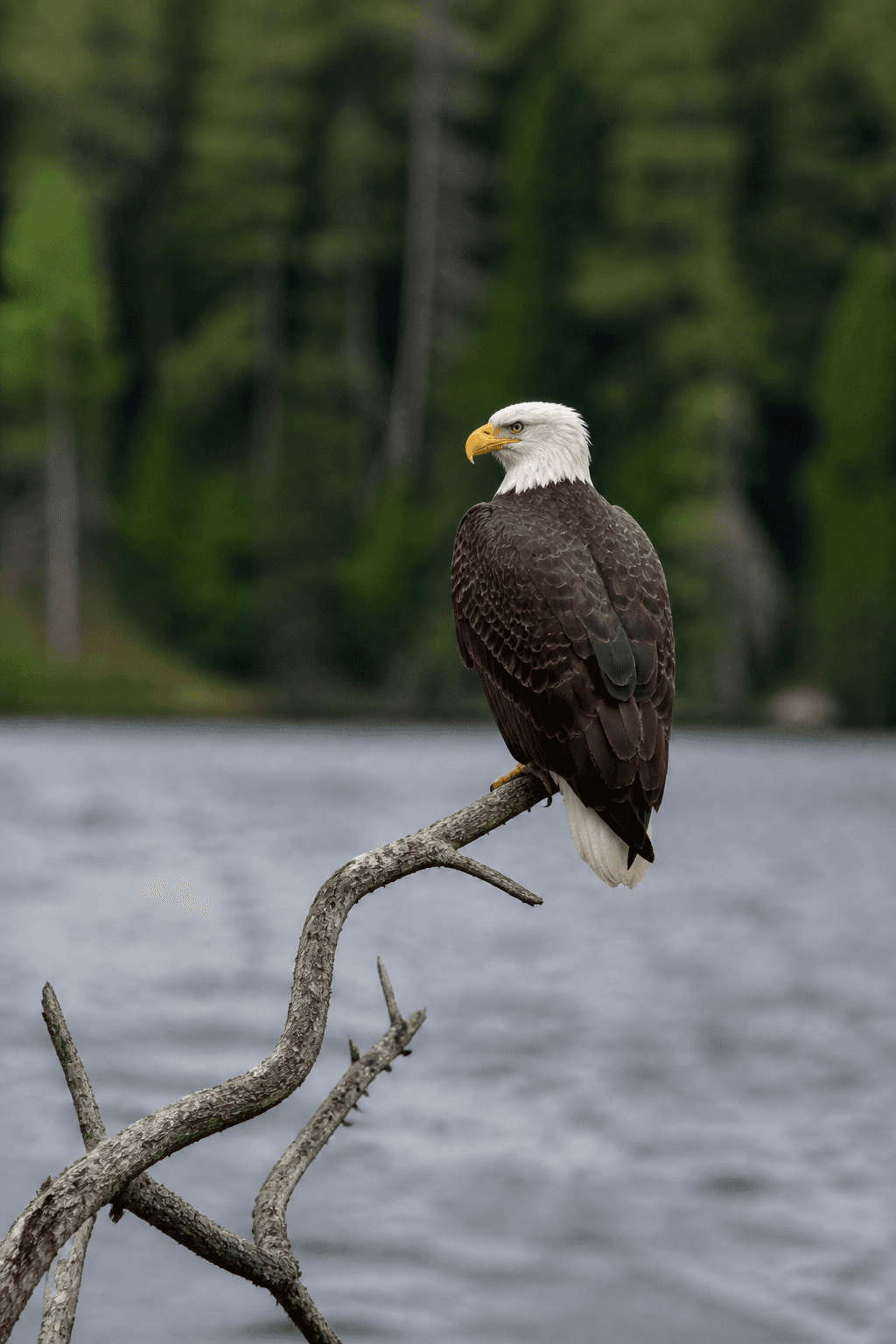
Bald Eagle
United States
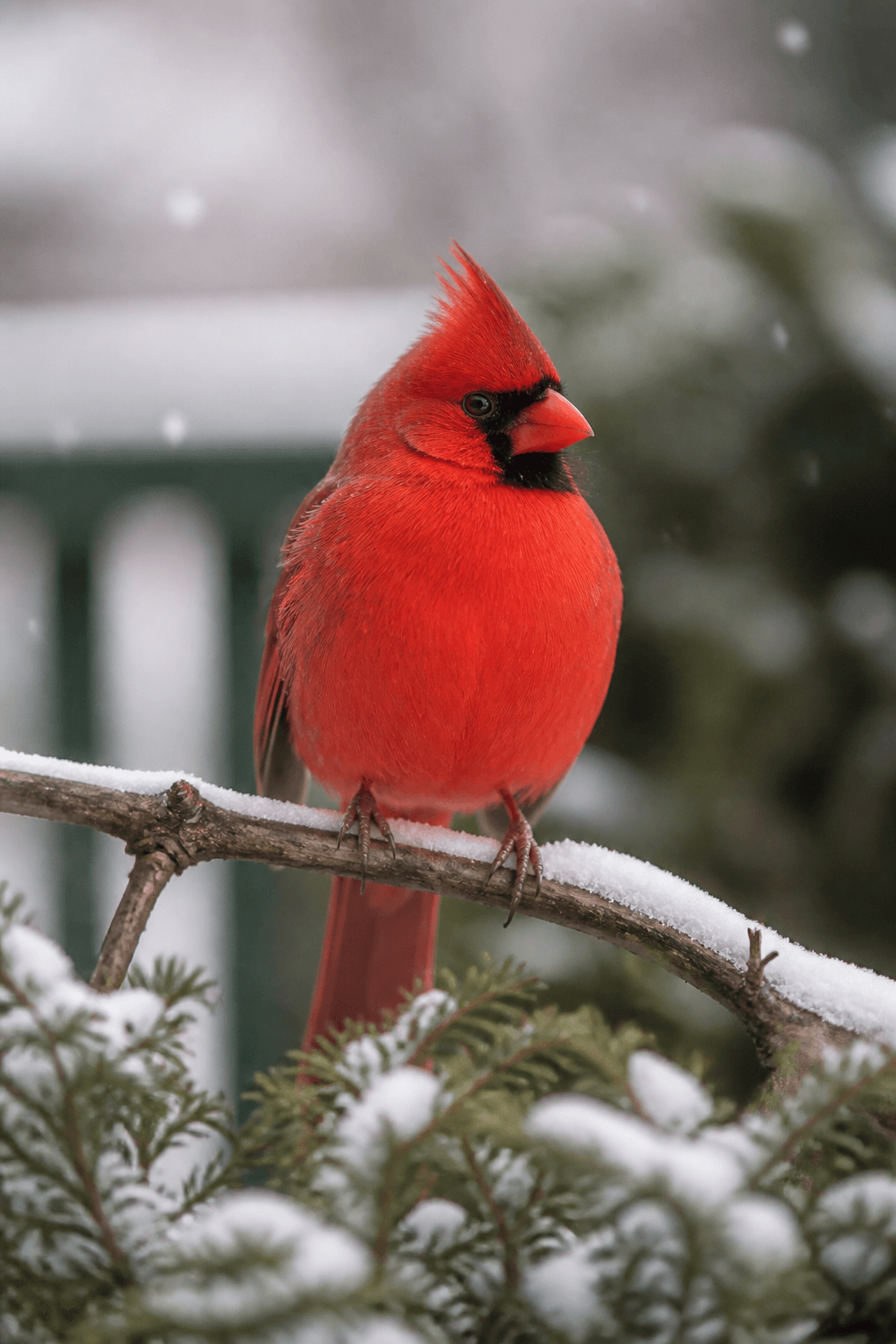
Northern Cardinal
United States
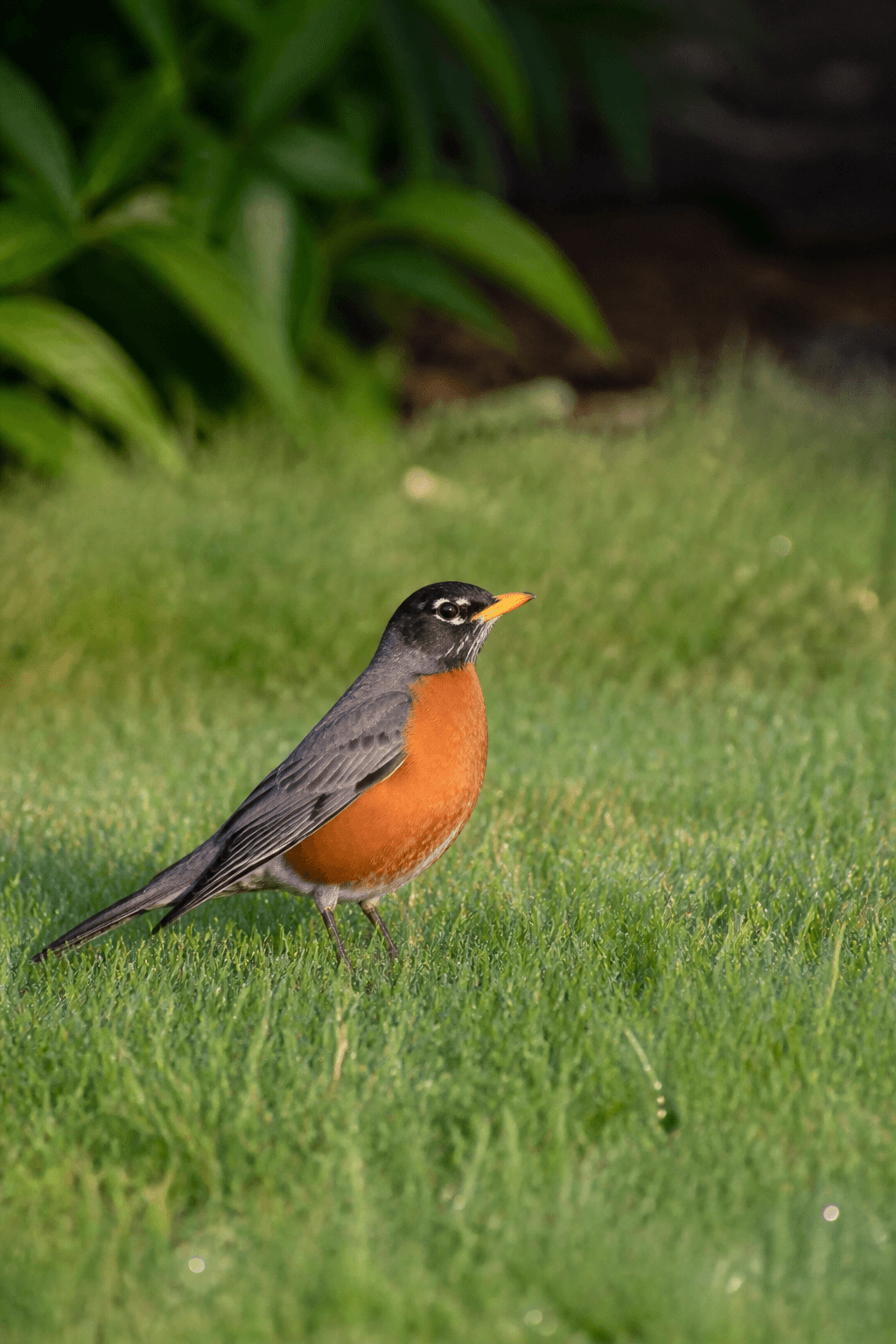
American Robin
United States
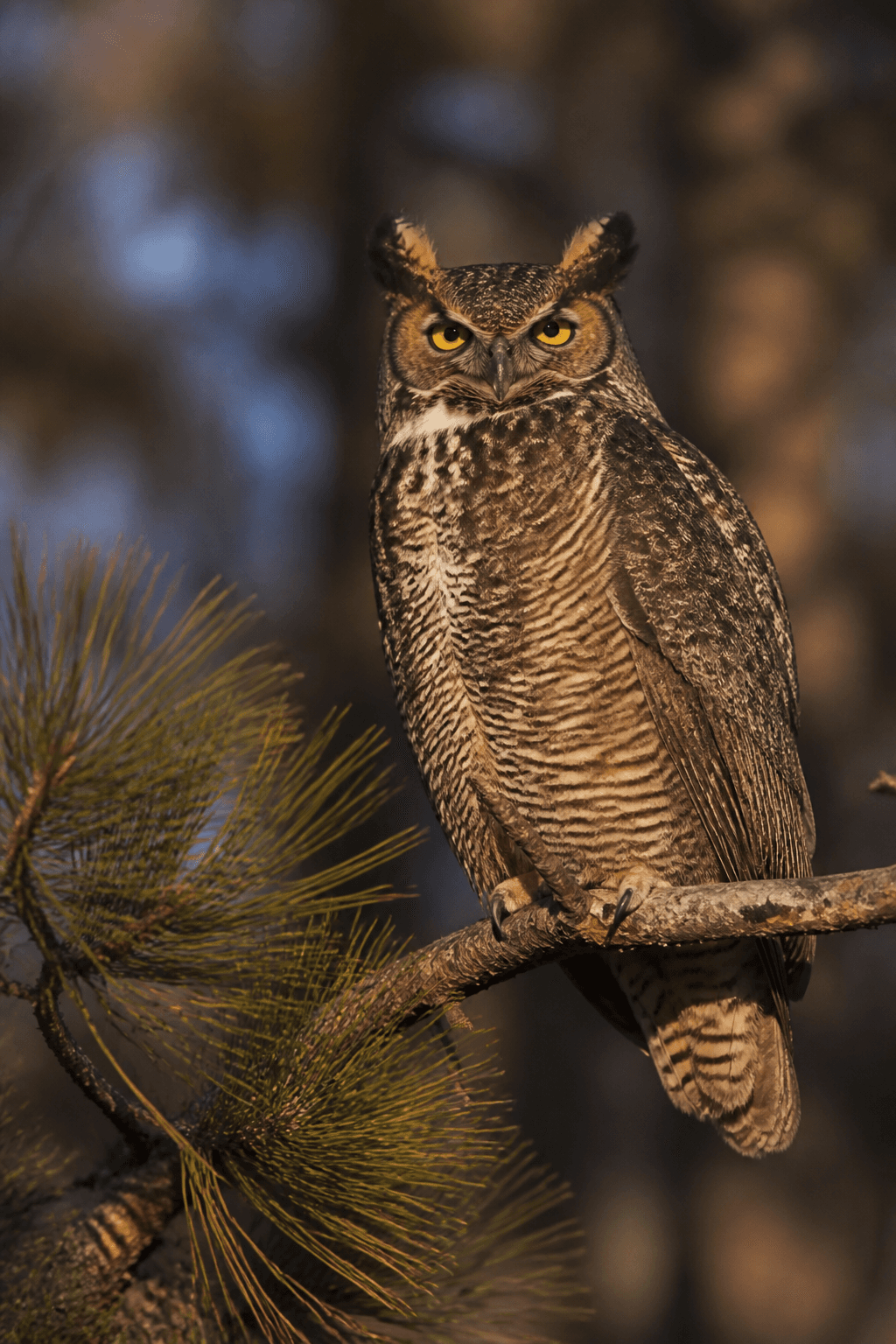
Great Horned Owl
United States
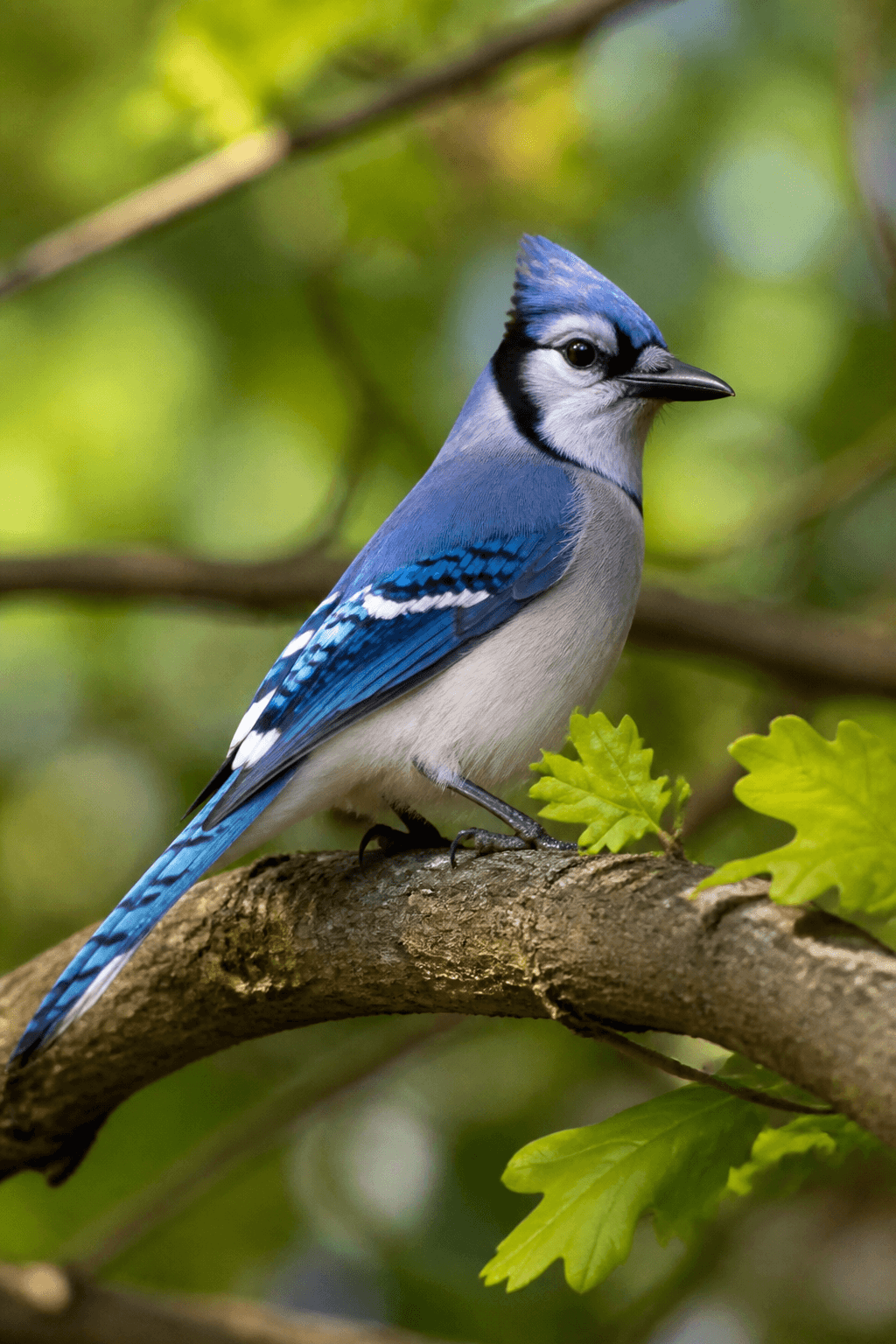
Blue Jay
United States
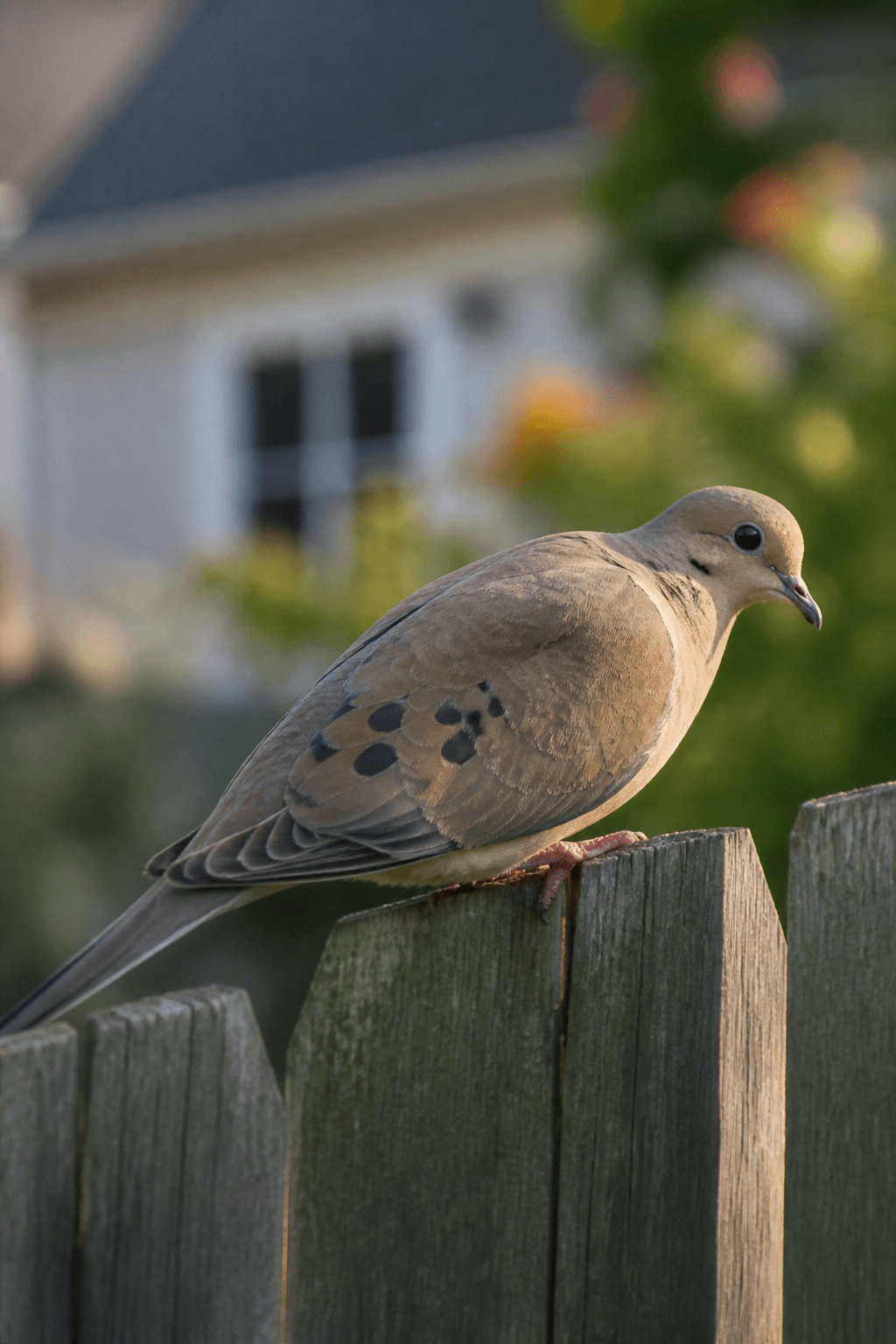
Mourning Dove
United States
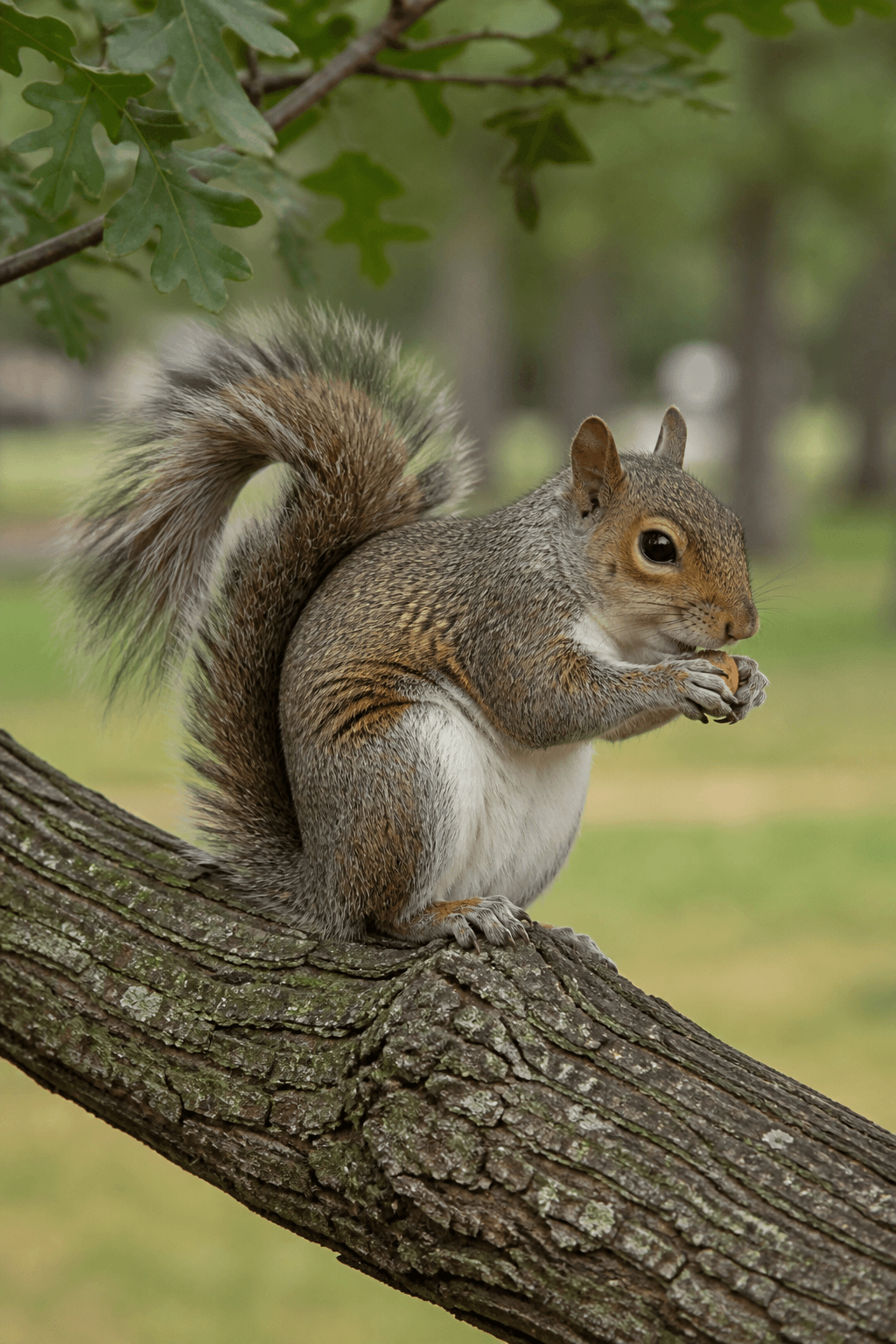
Eastern Gray Squirrel
United States
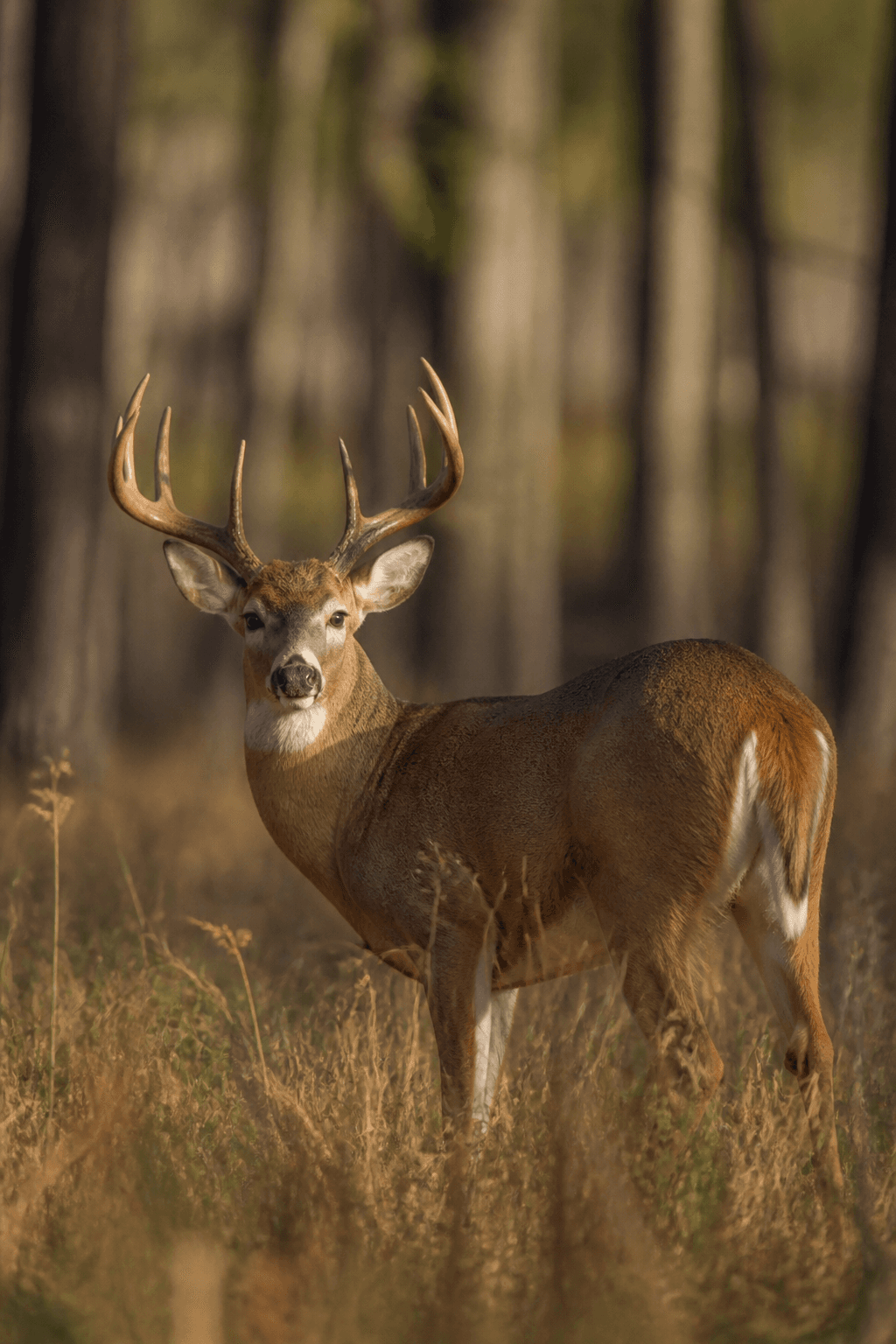
White-tailed Deer
United States
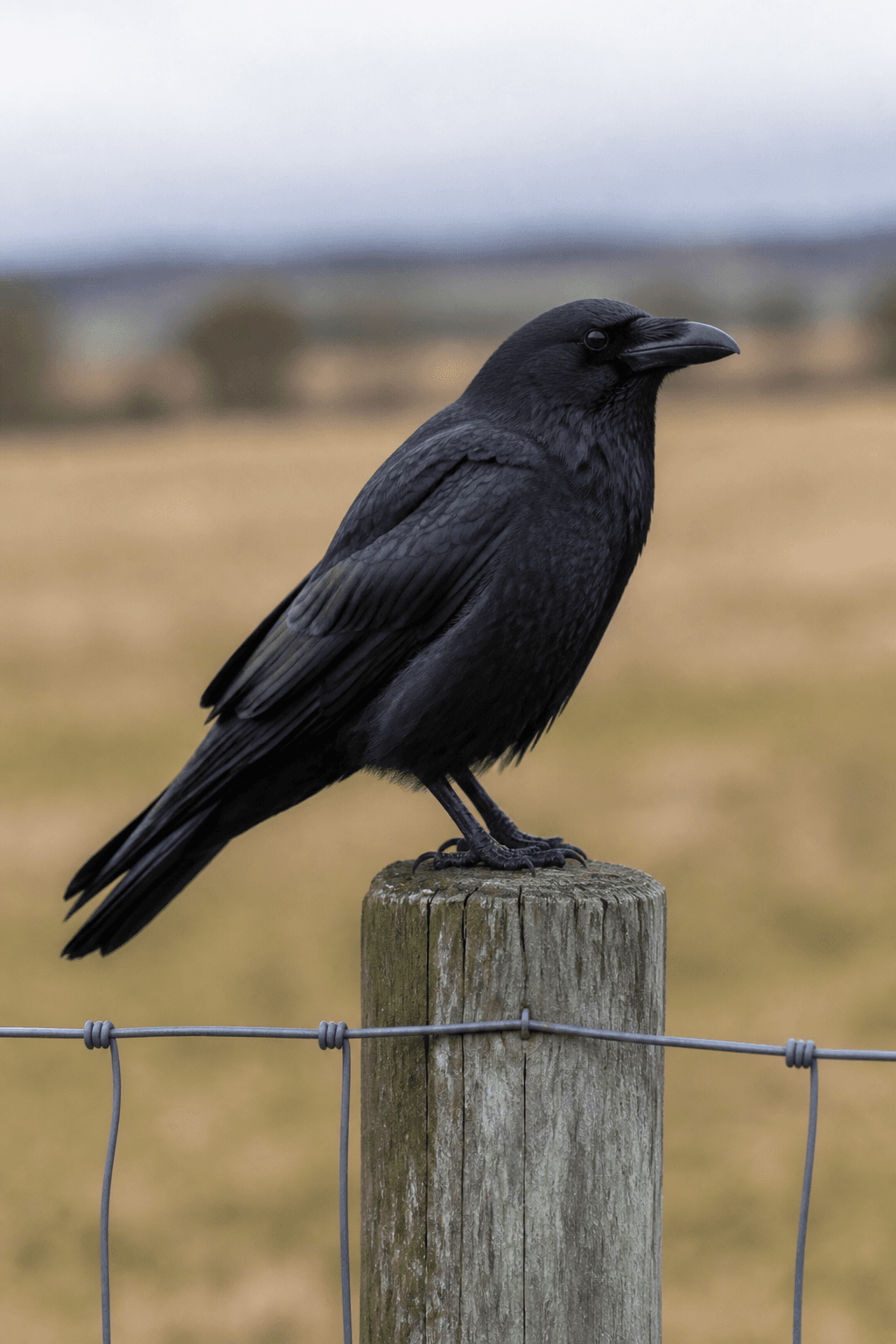
American Crow
United States
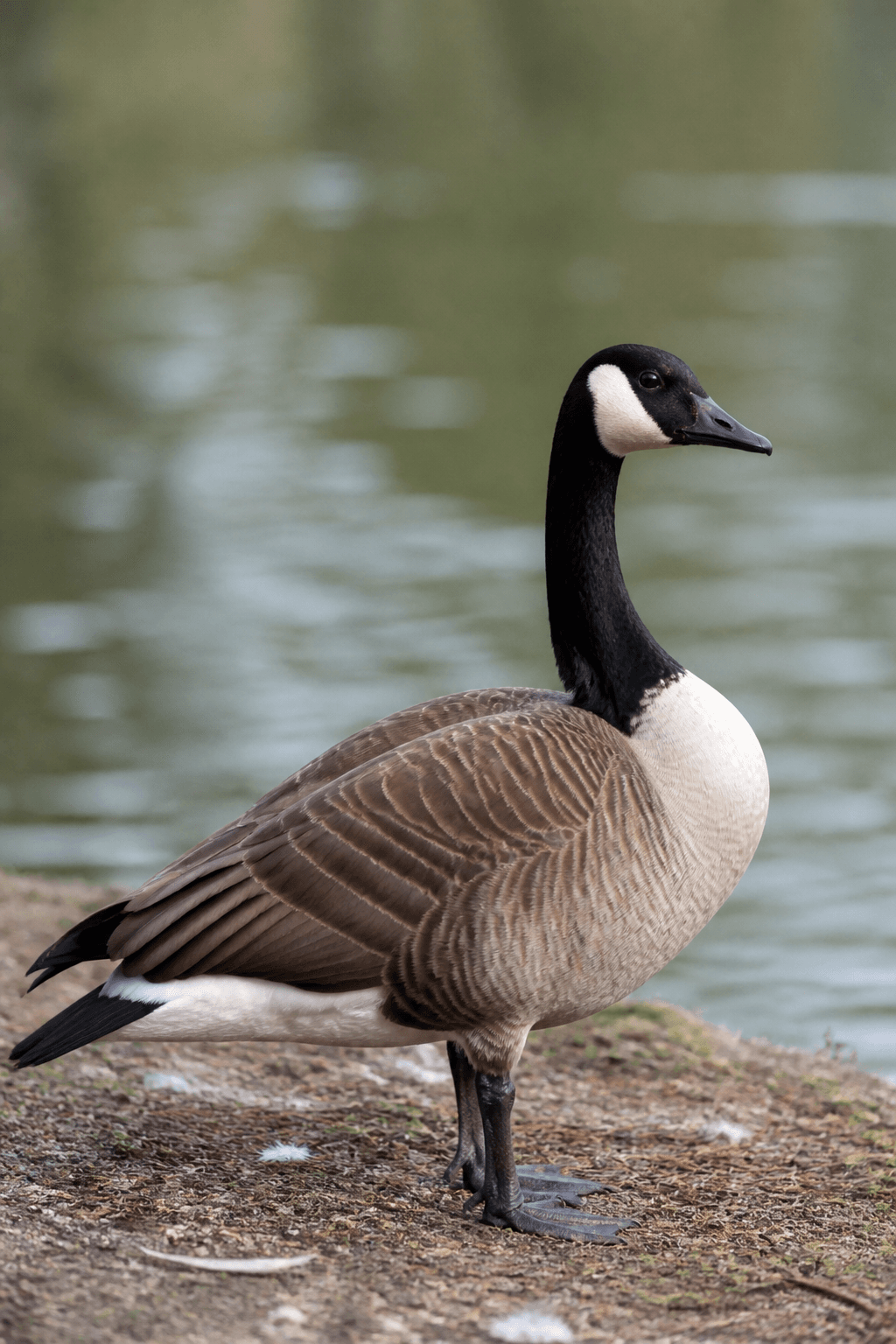
Canada Goose
United States
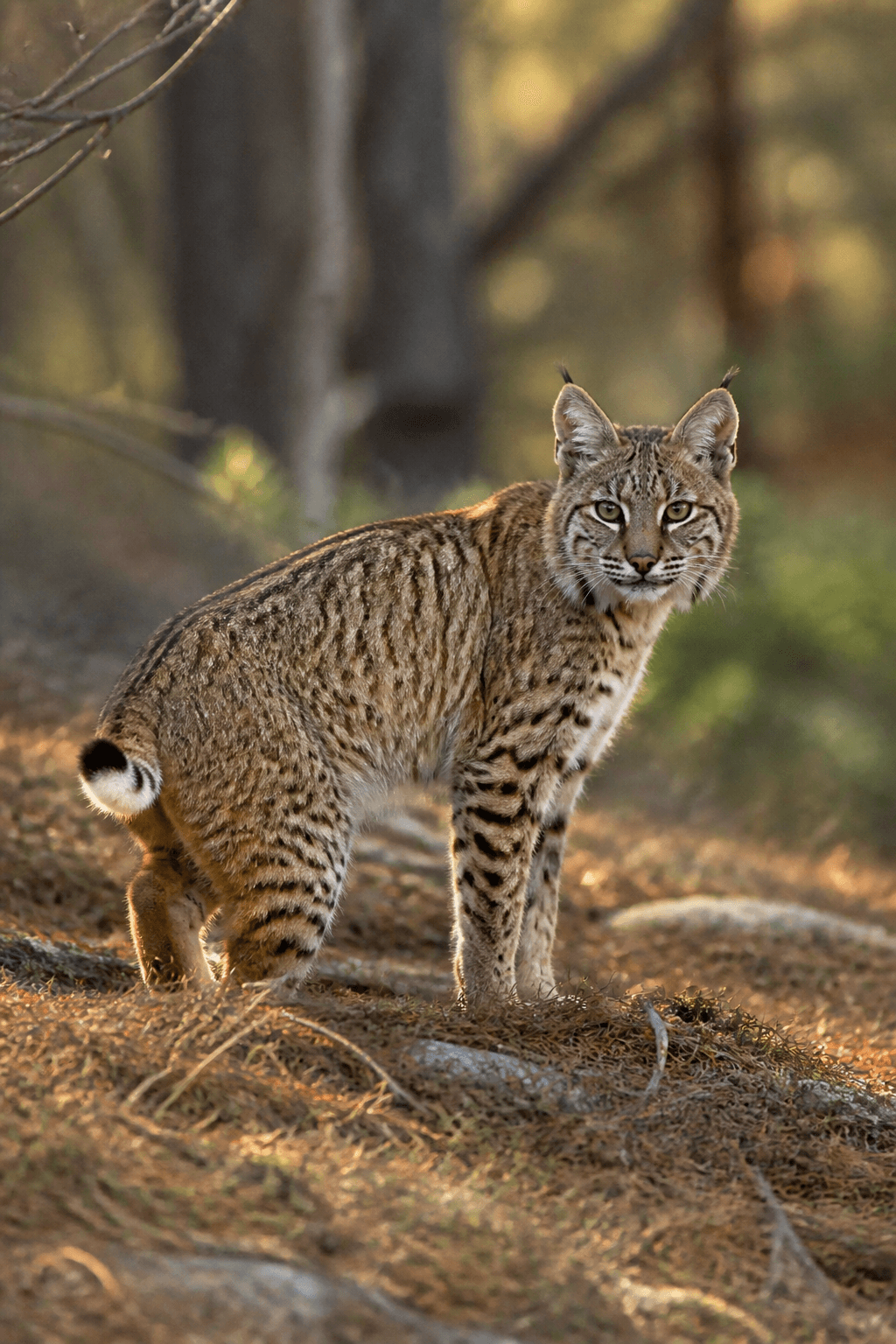
Bobcat
United States
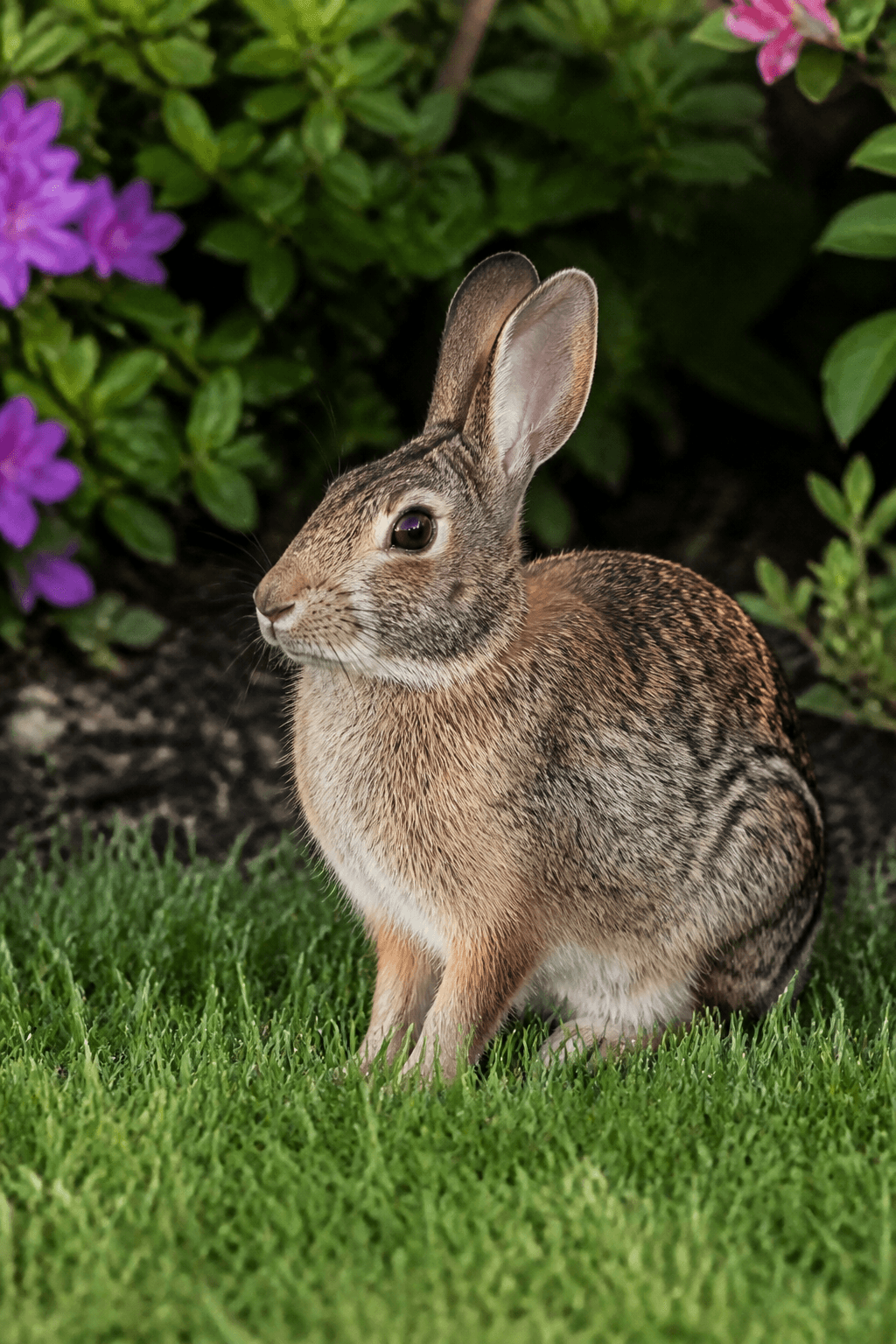
Eastern Cottontail
United States
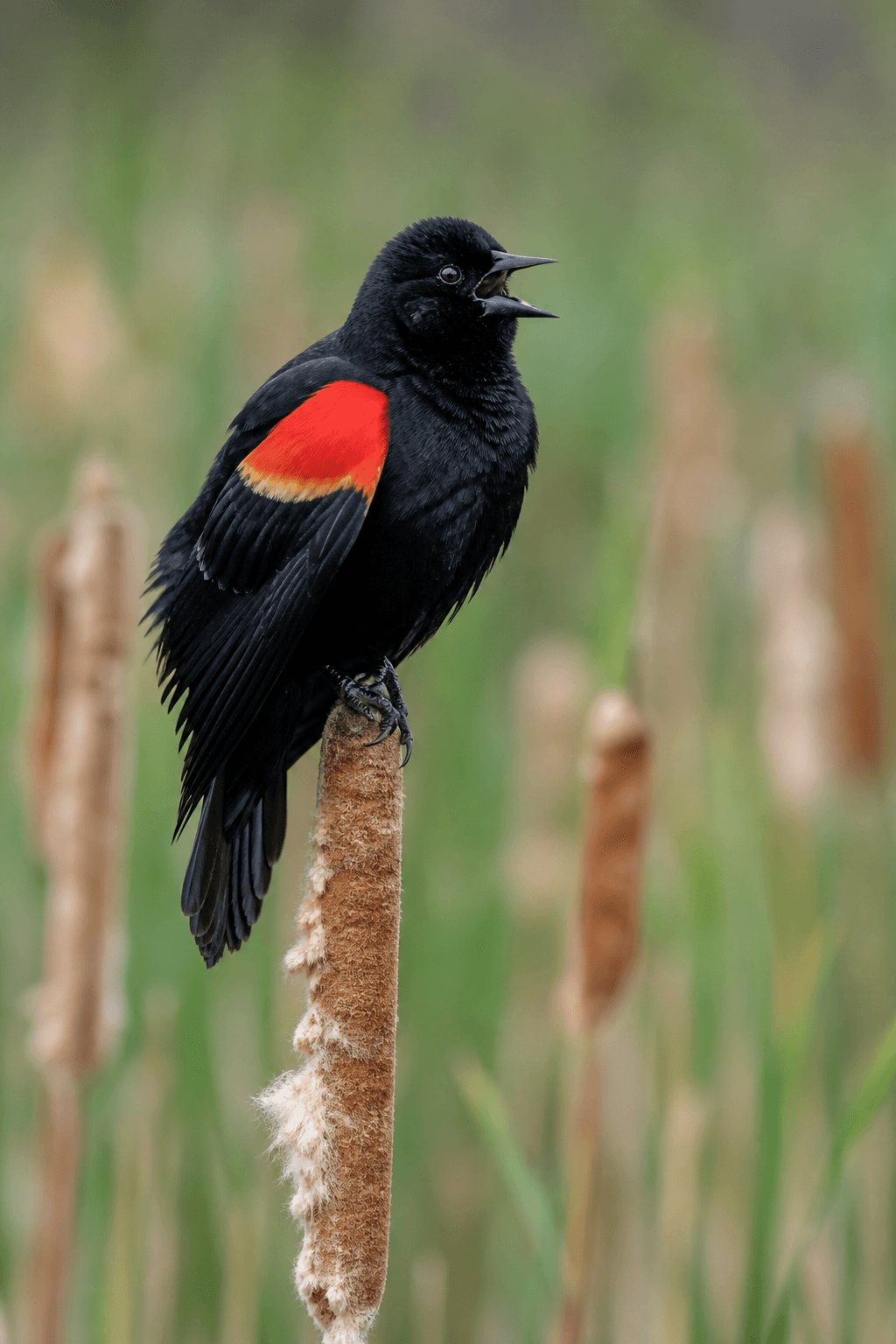
Red-winged Blackbird
United States
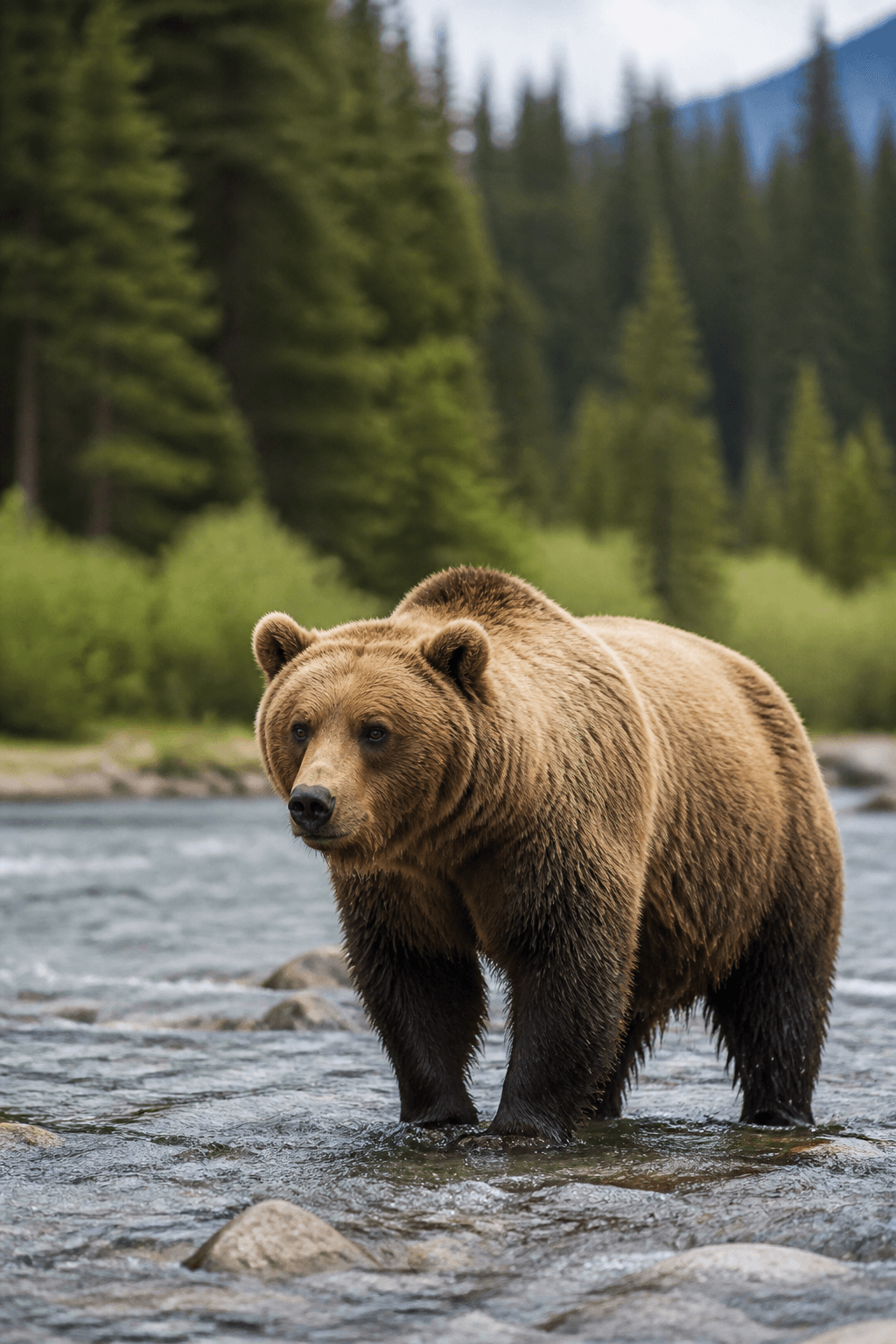
Grizzly Bear
United States
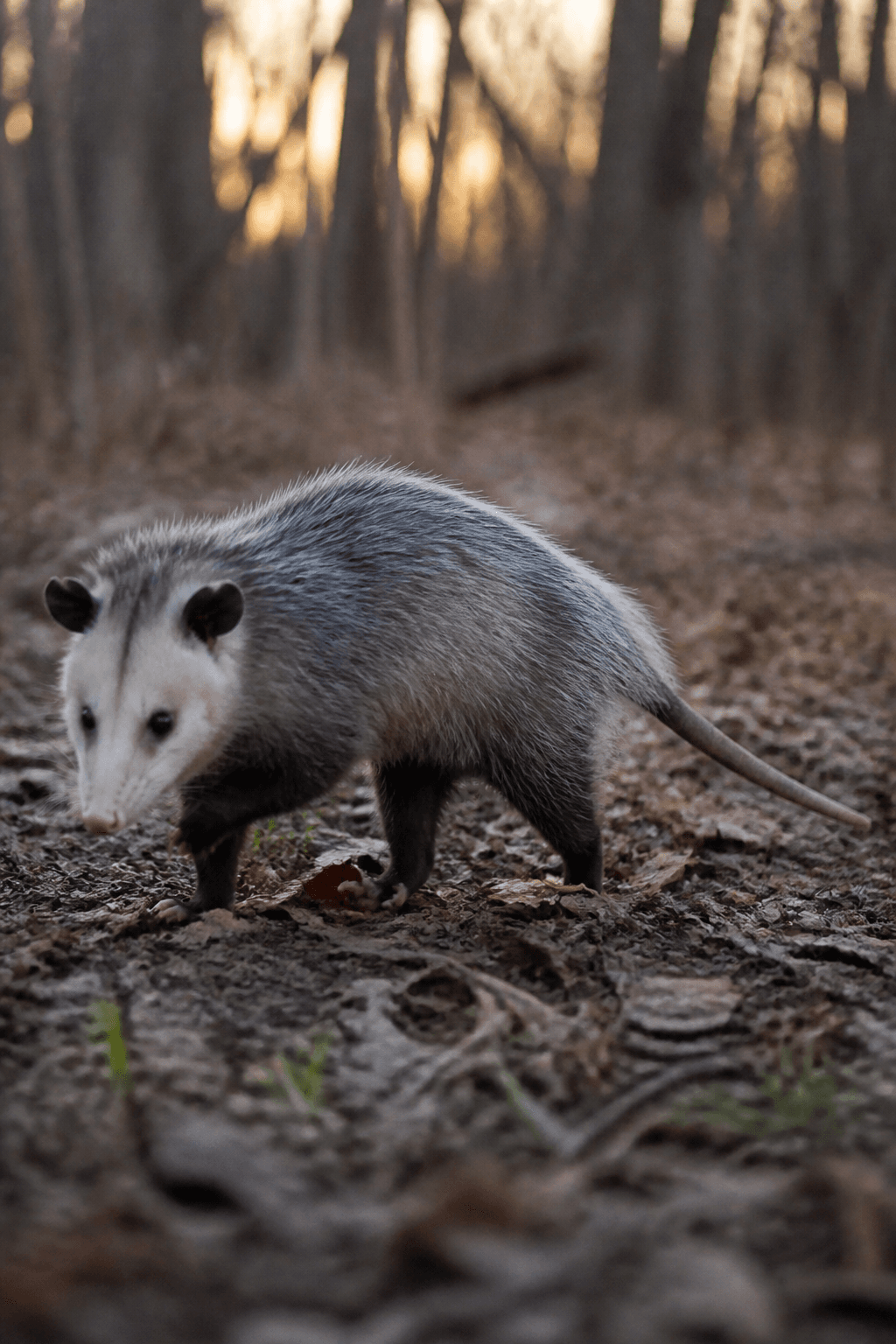
Opossum
United States
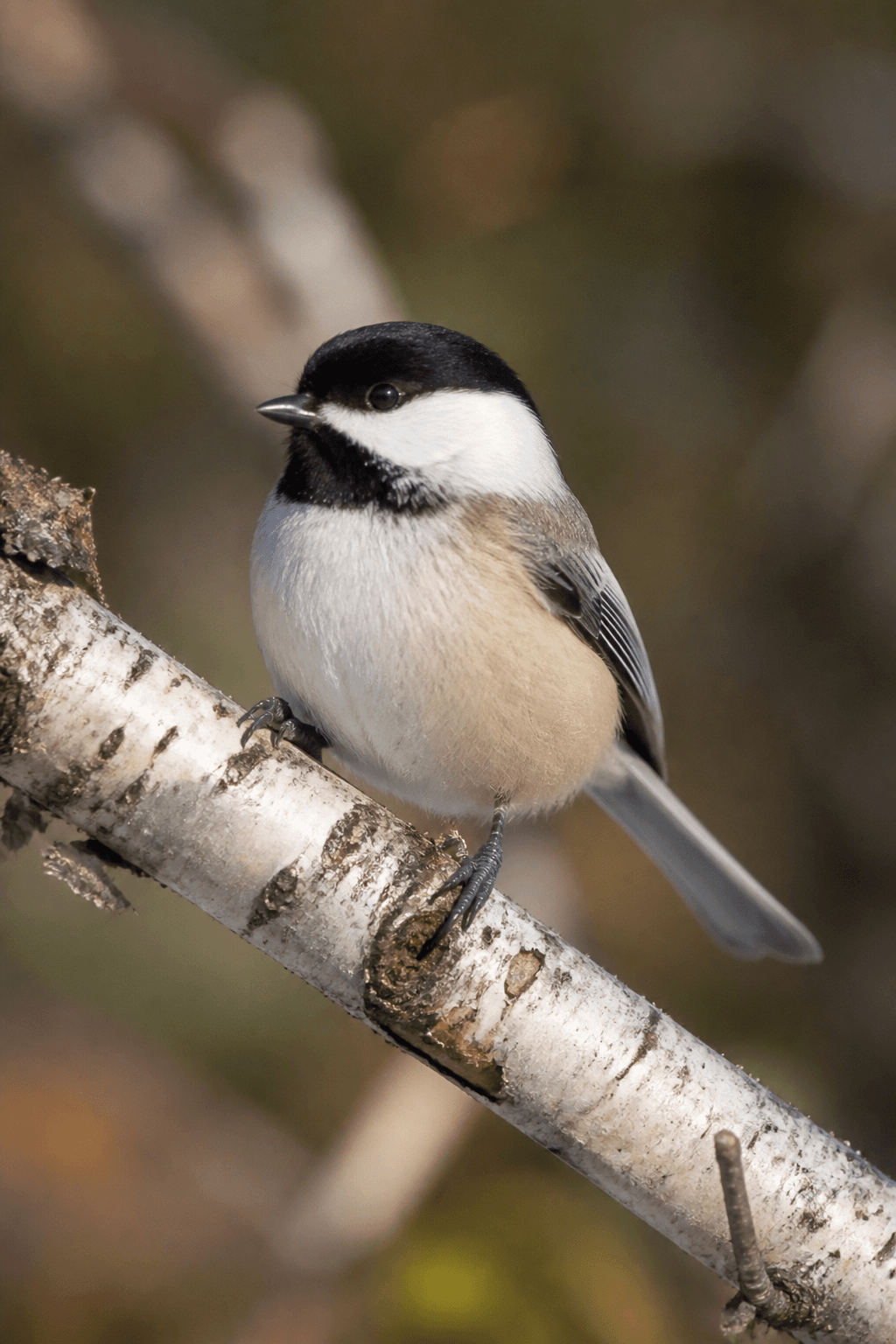
Black-capped Chickadee
United States
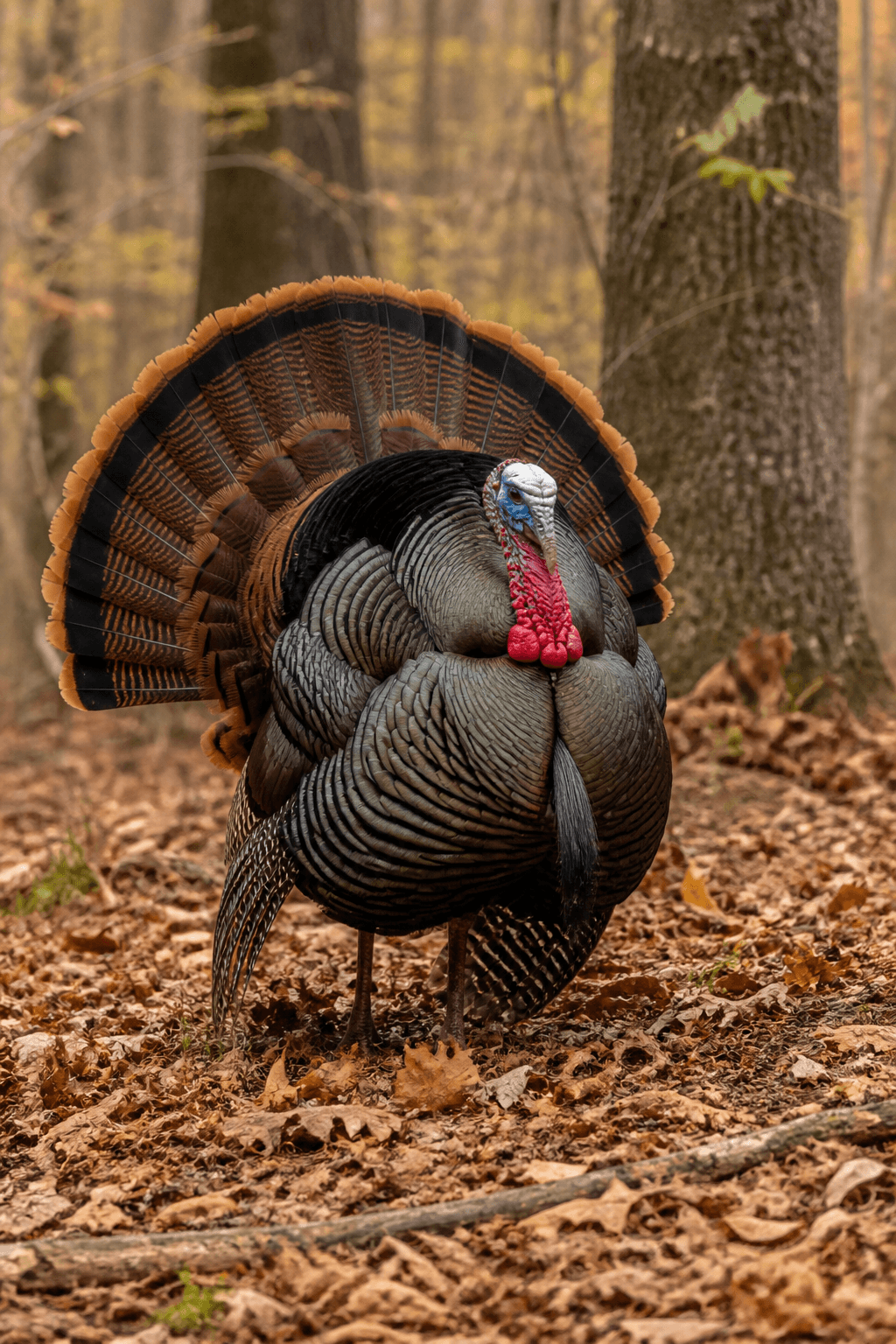
Wild Turkey
United States
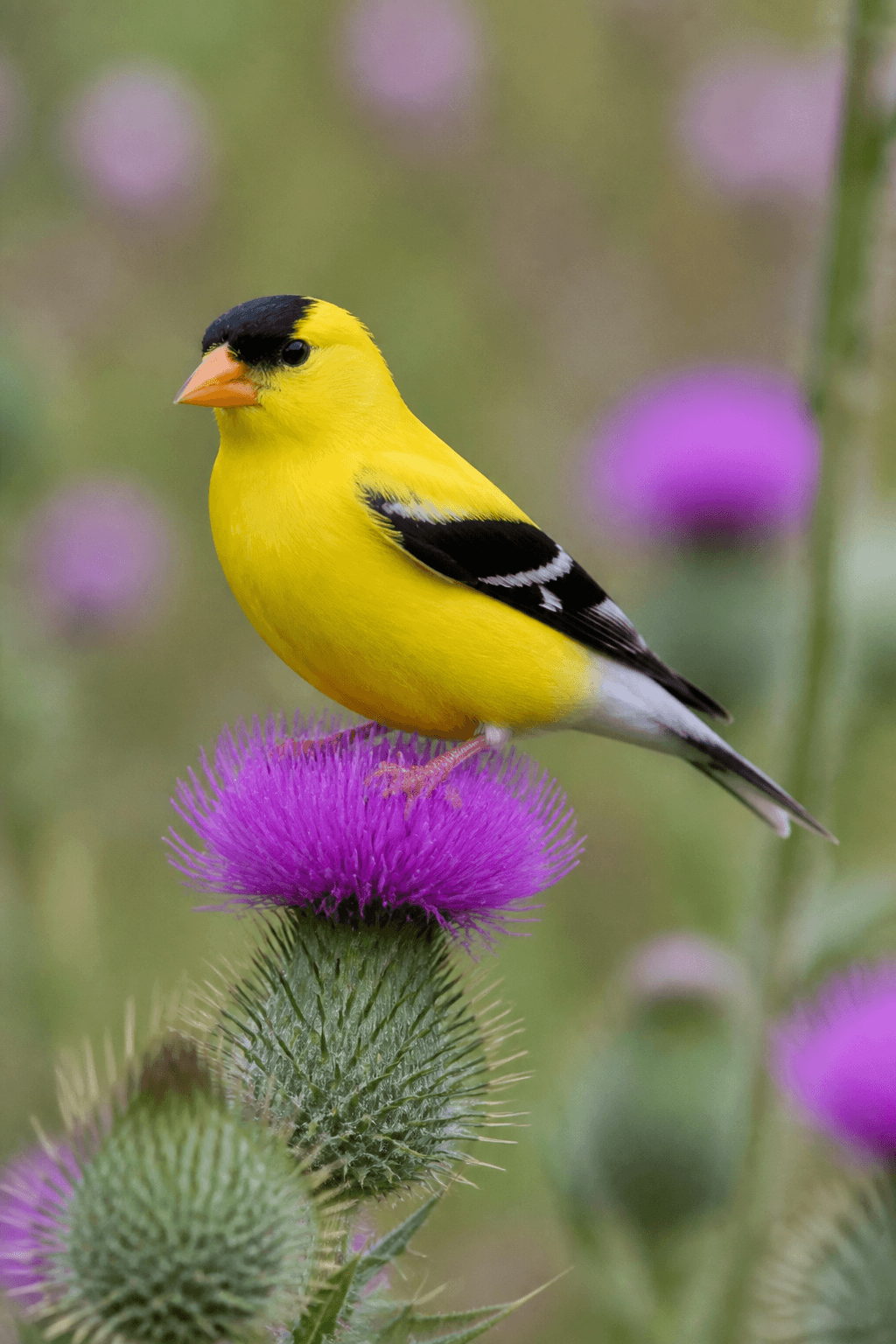
American Goldfinch
United States
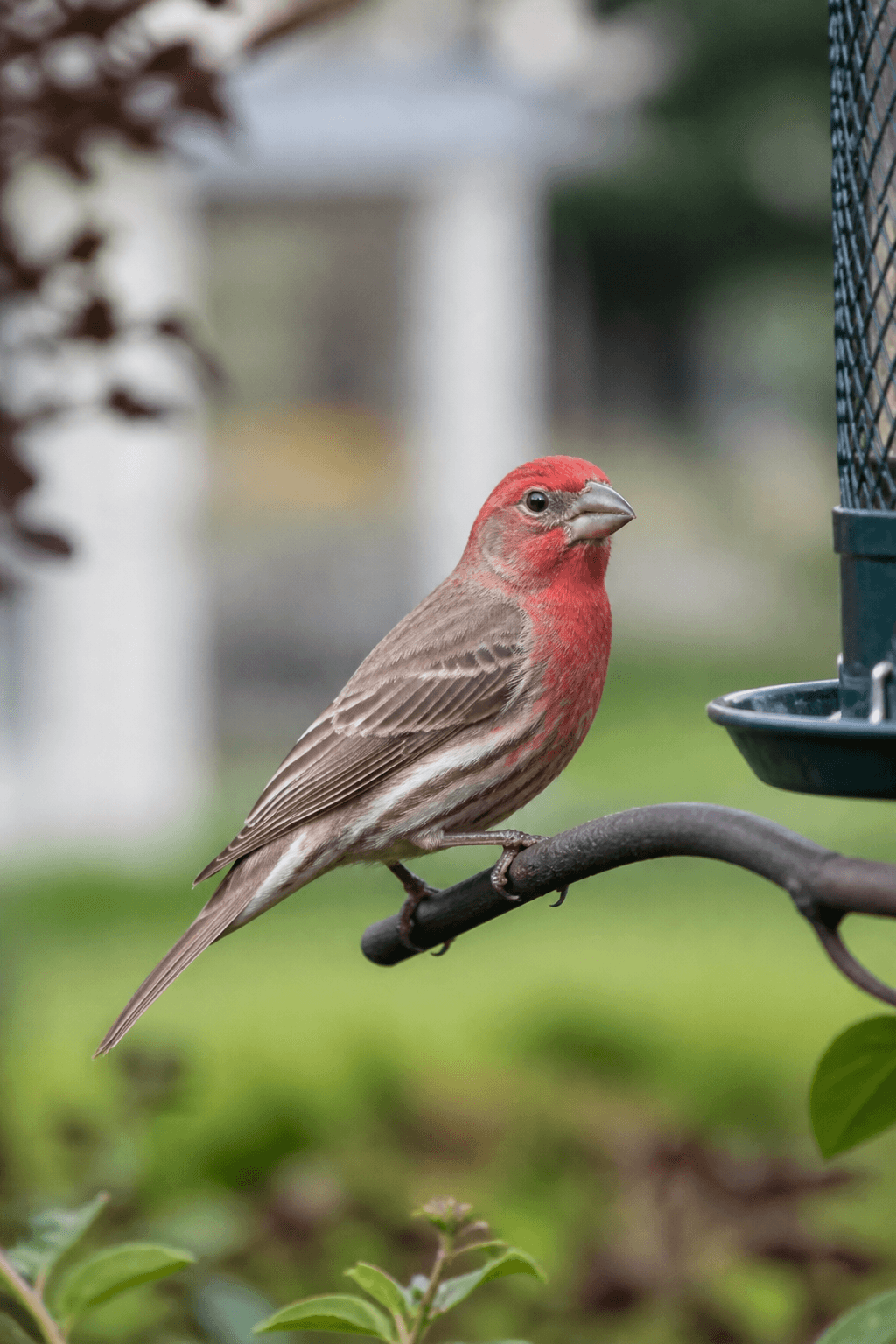
House Finch
United States
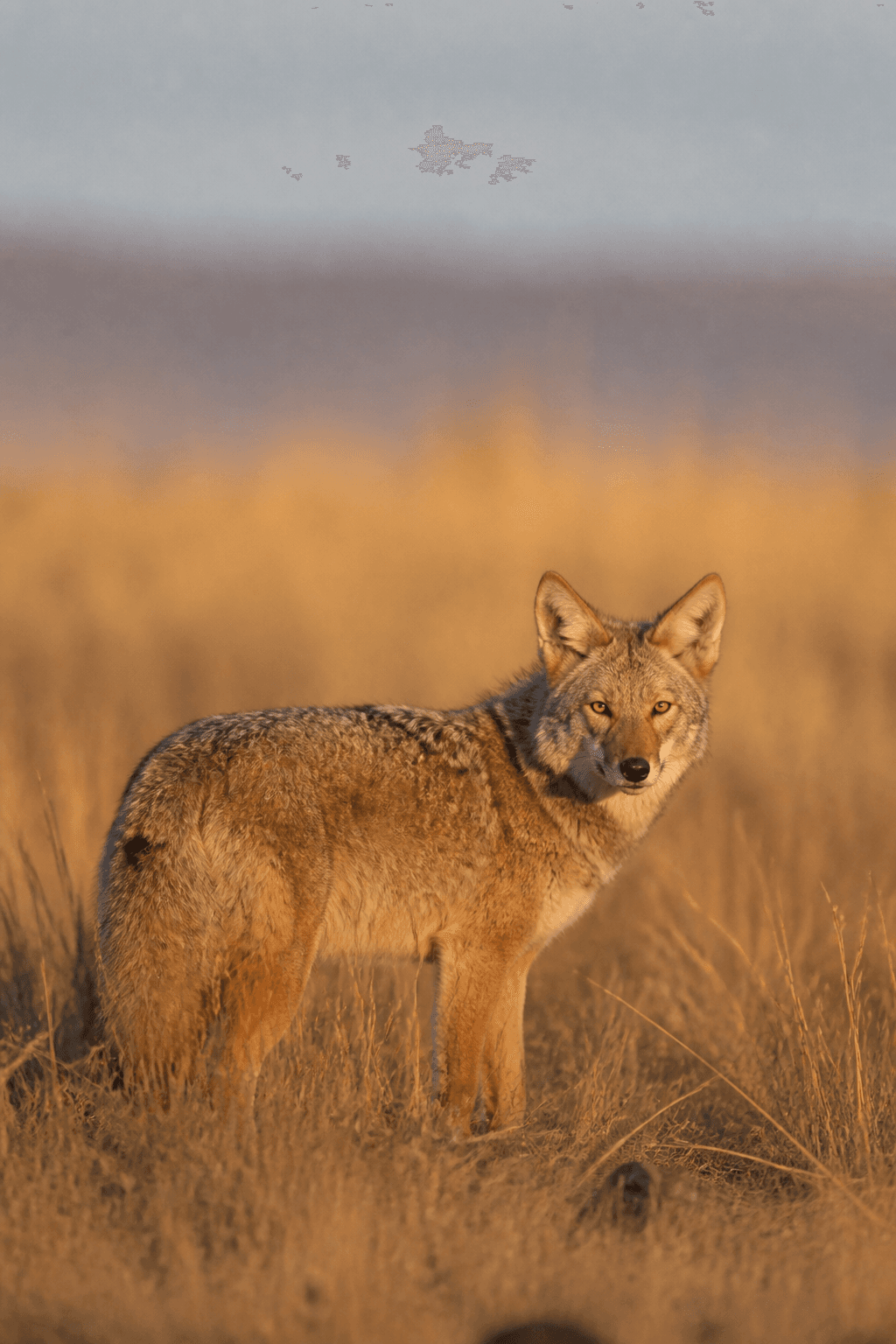
Coyote
United States
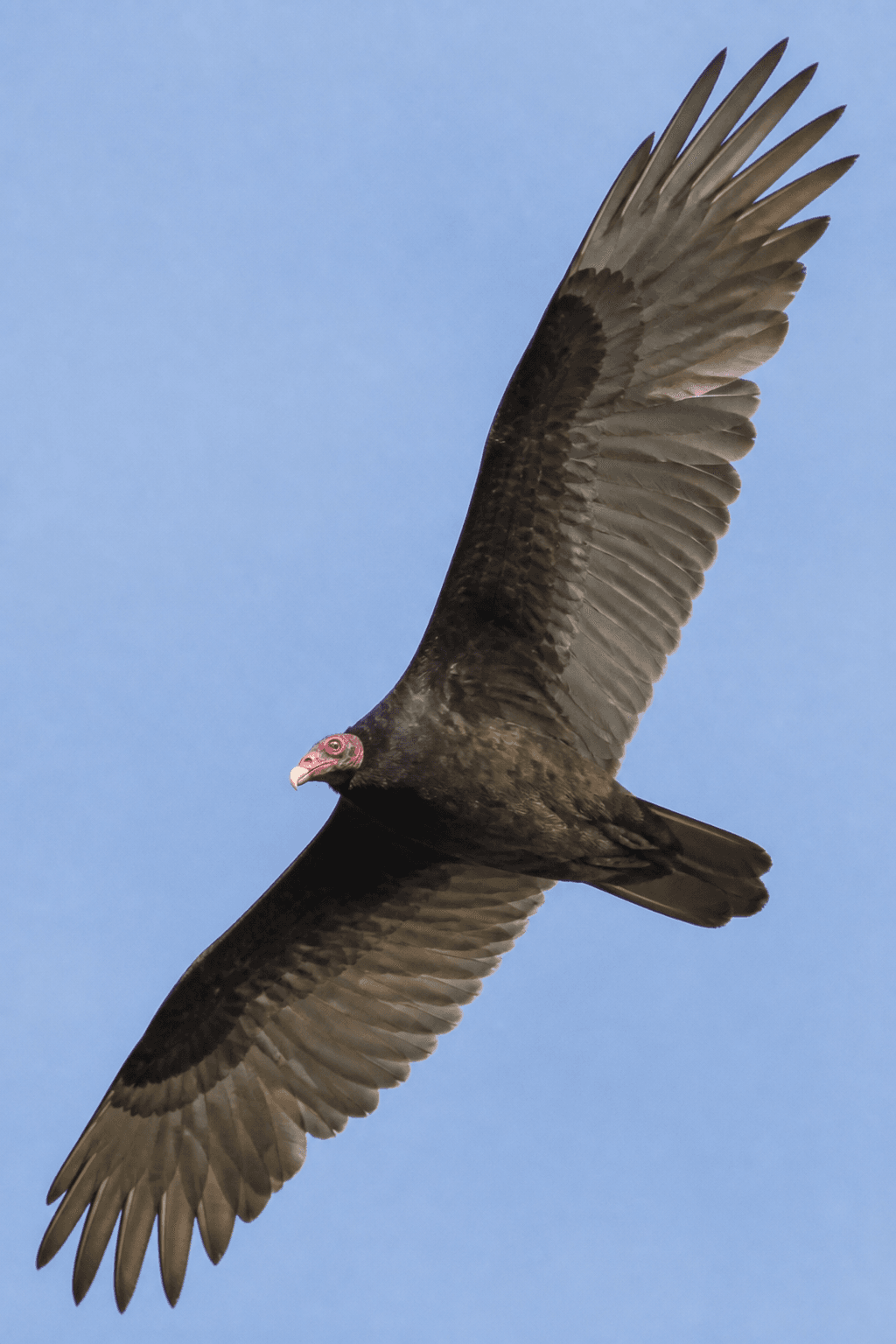
Turkey Vulture
United States
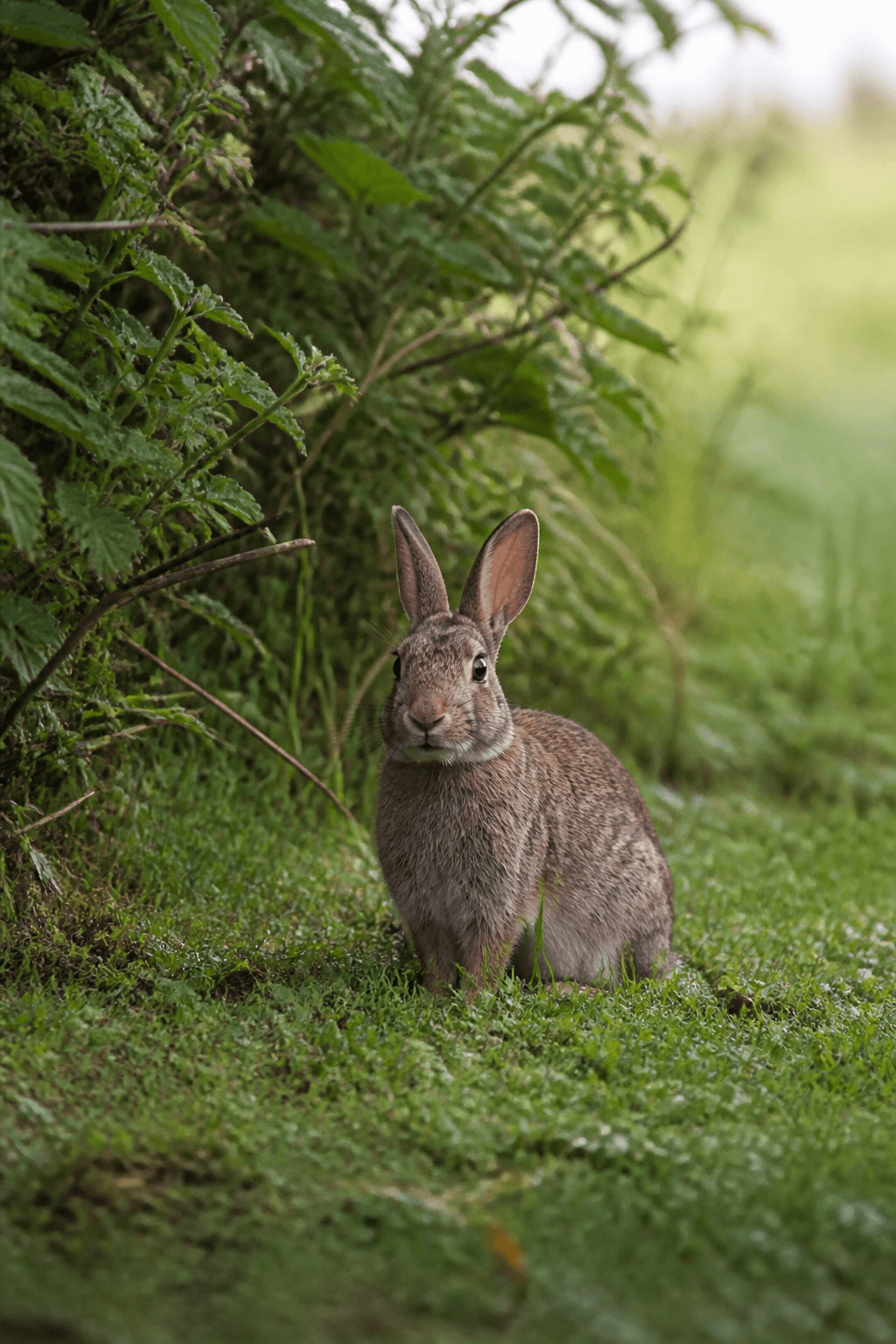
European Rabbit
United Kingdom, United States
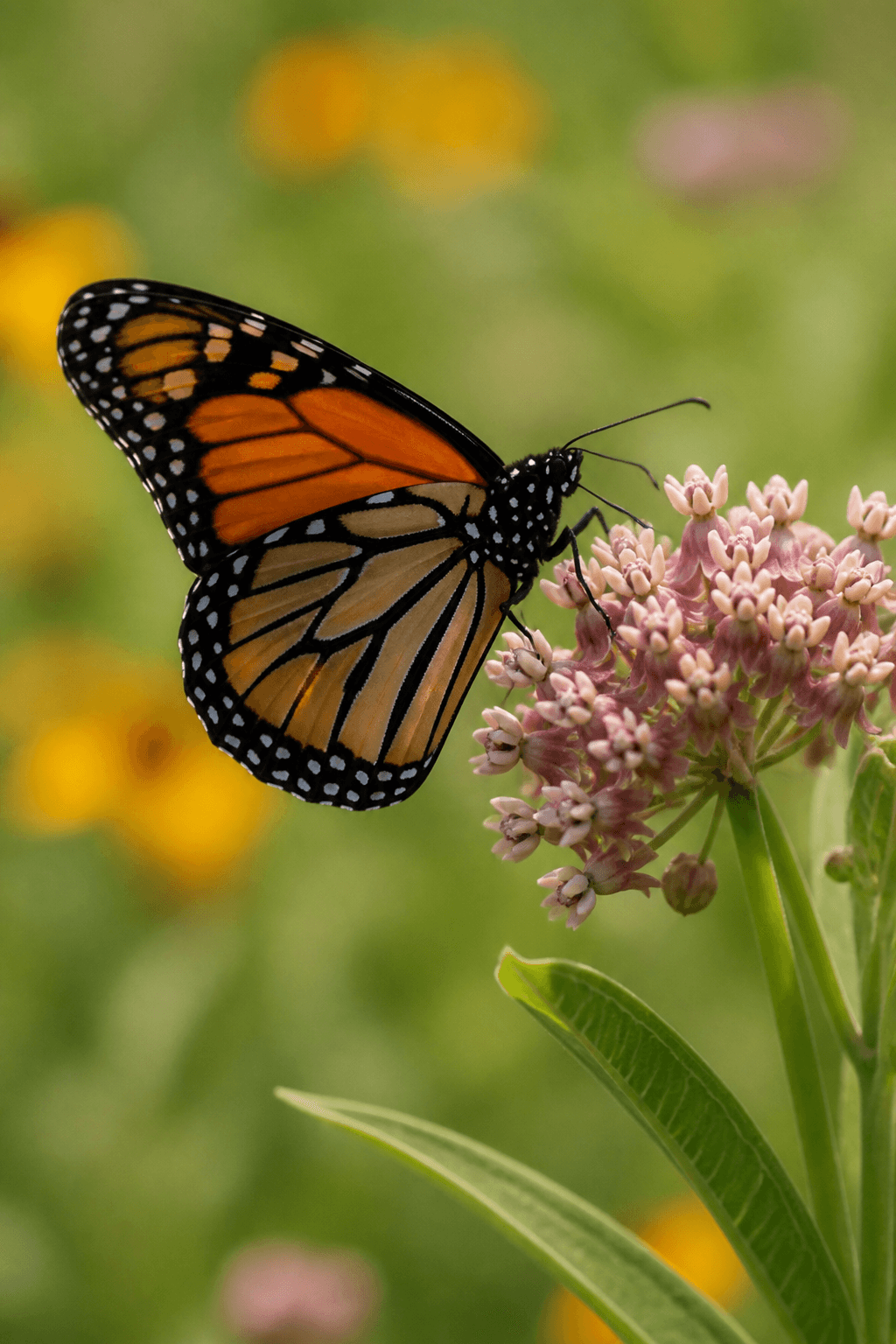
Monarch Butterfly
United States, United Kingdom
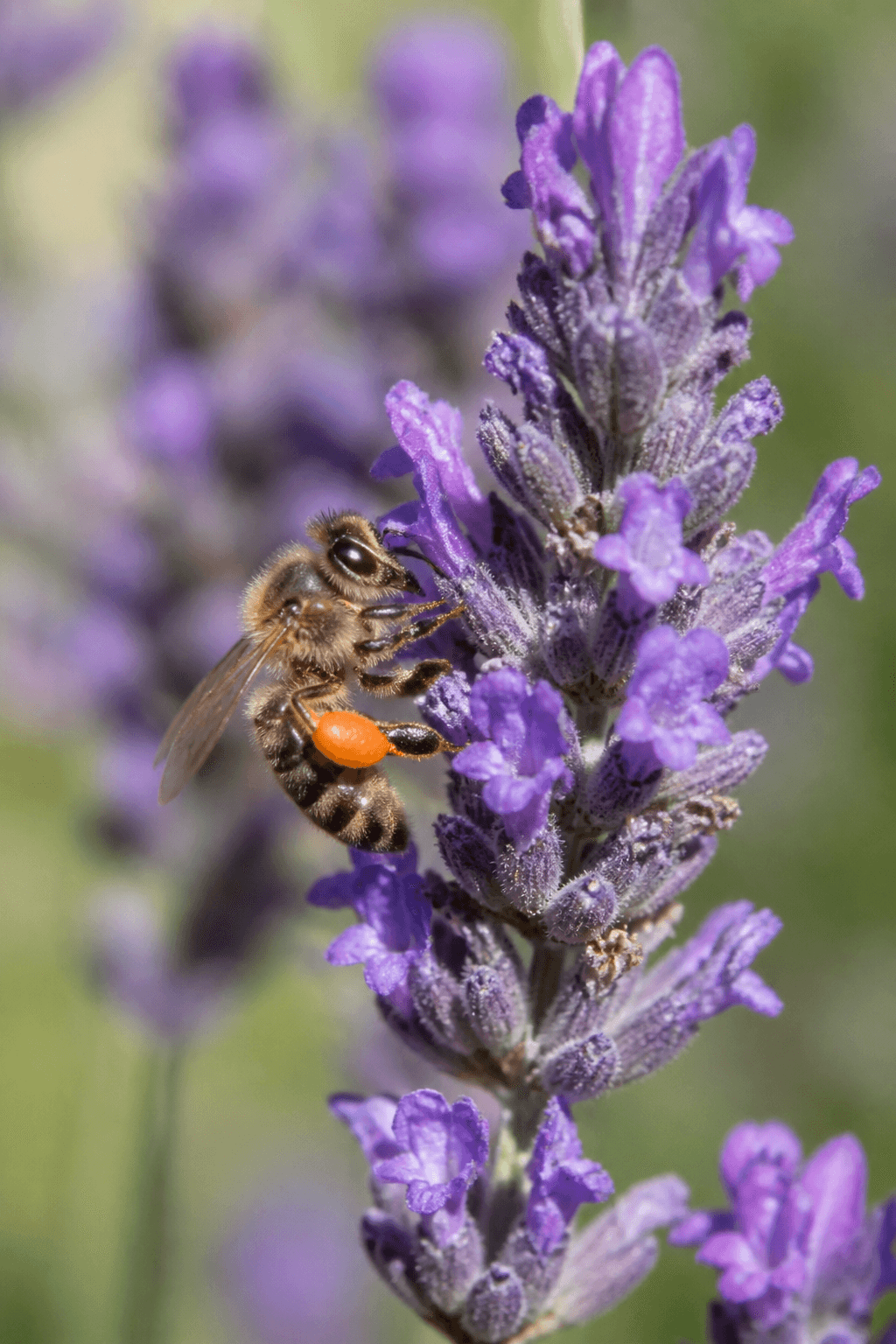
Honey Bee
United Kingdom, United States
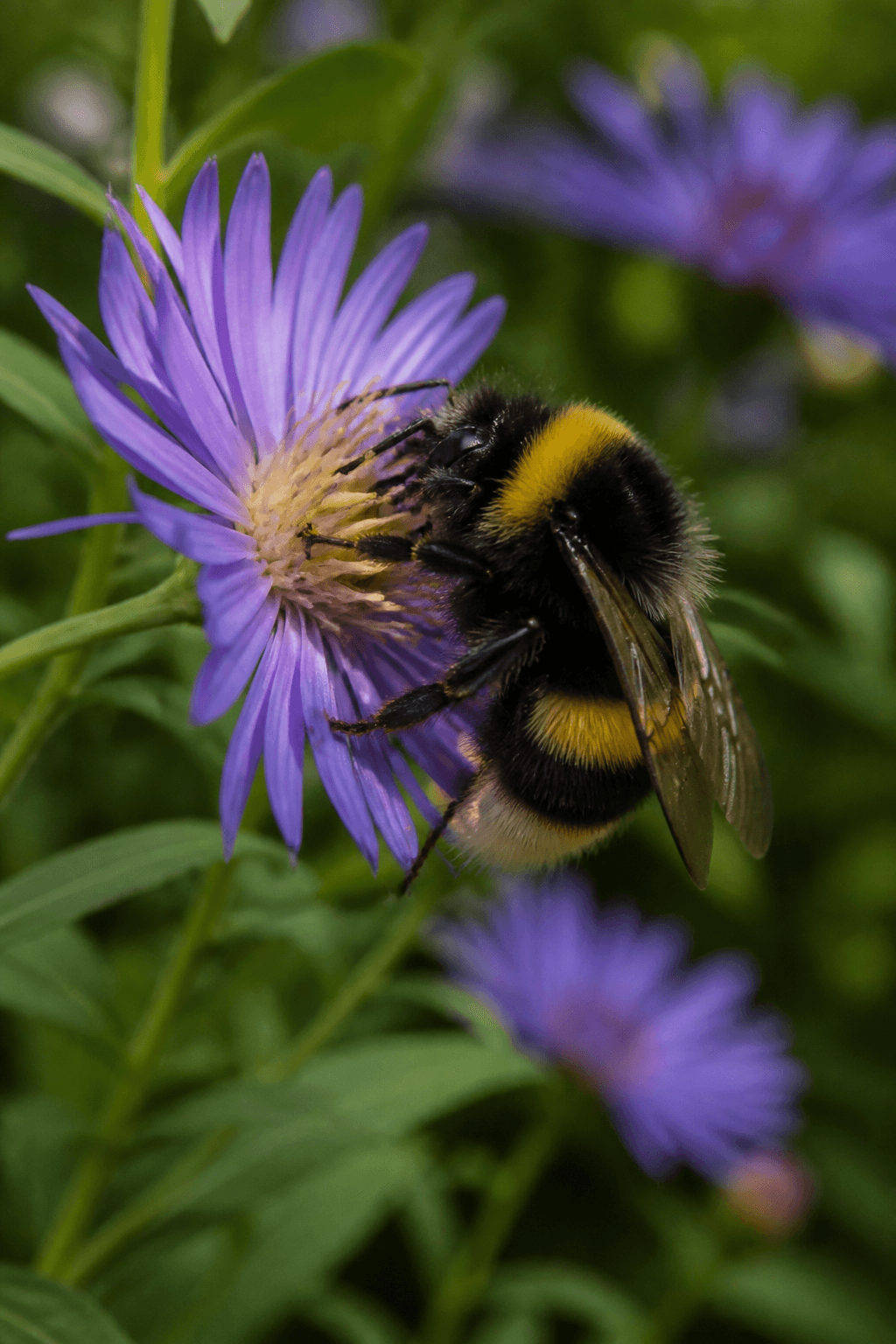
Bumblebee
United Kingdom, United States
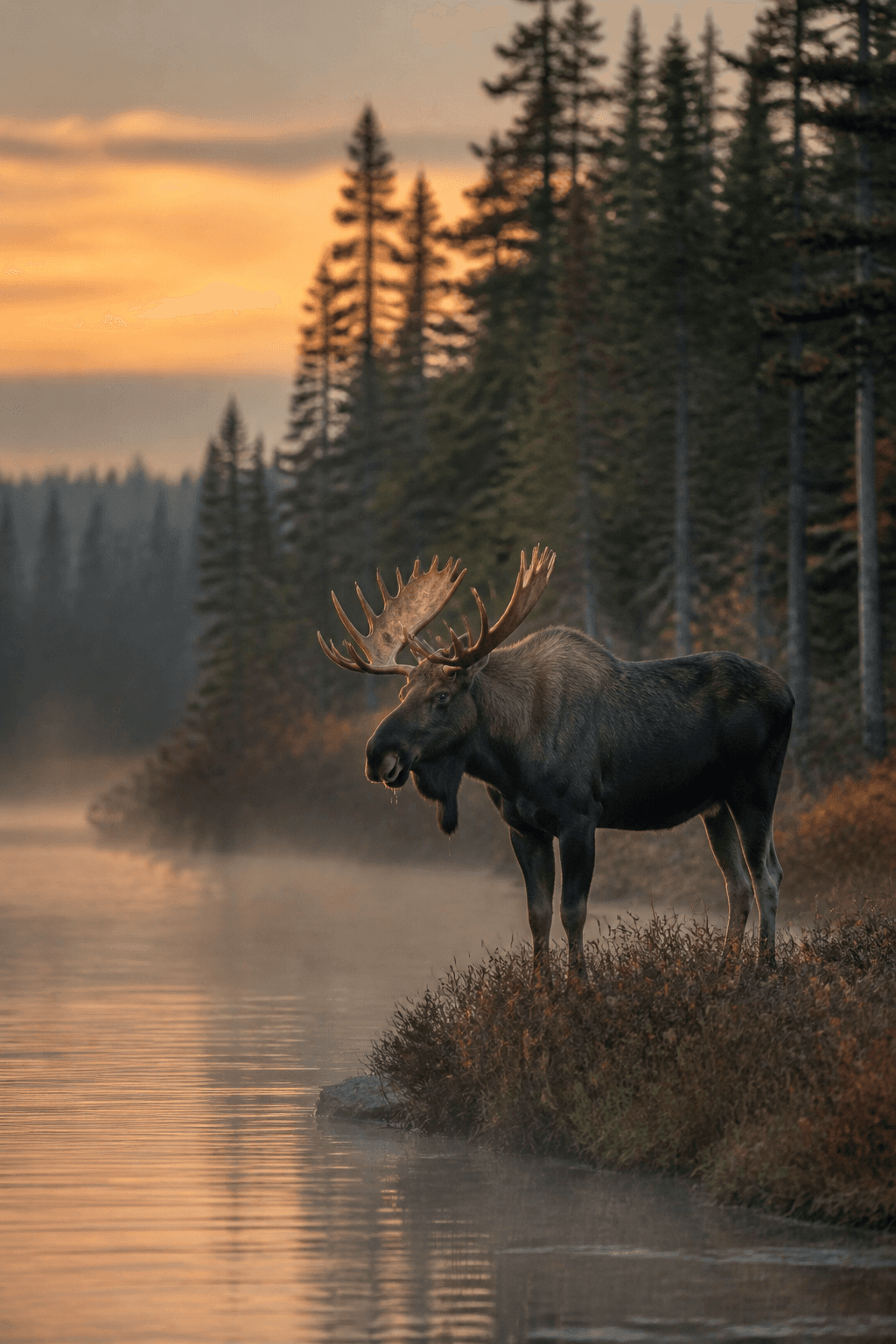
Moose
United States, Canada
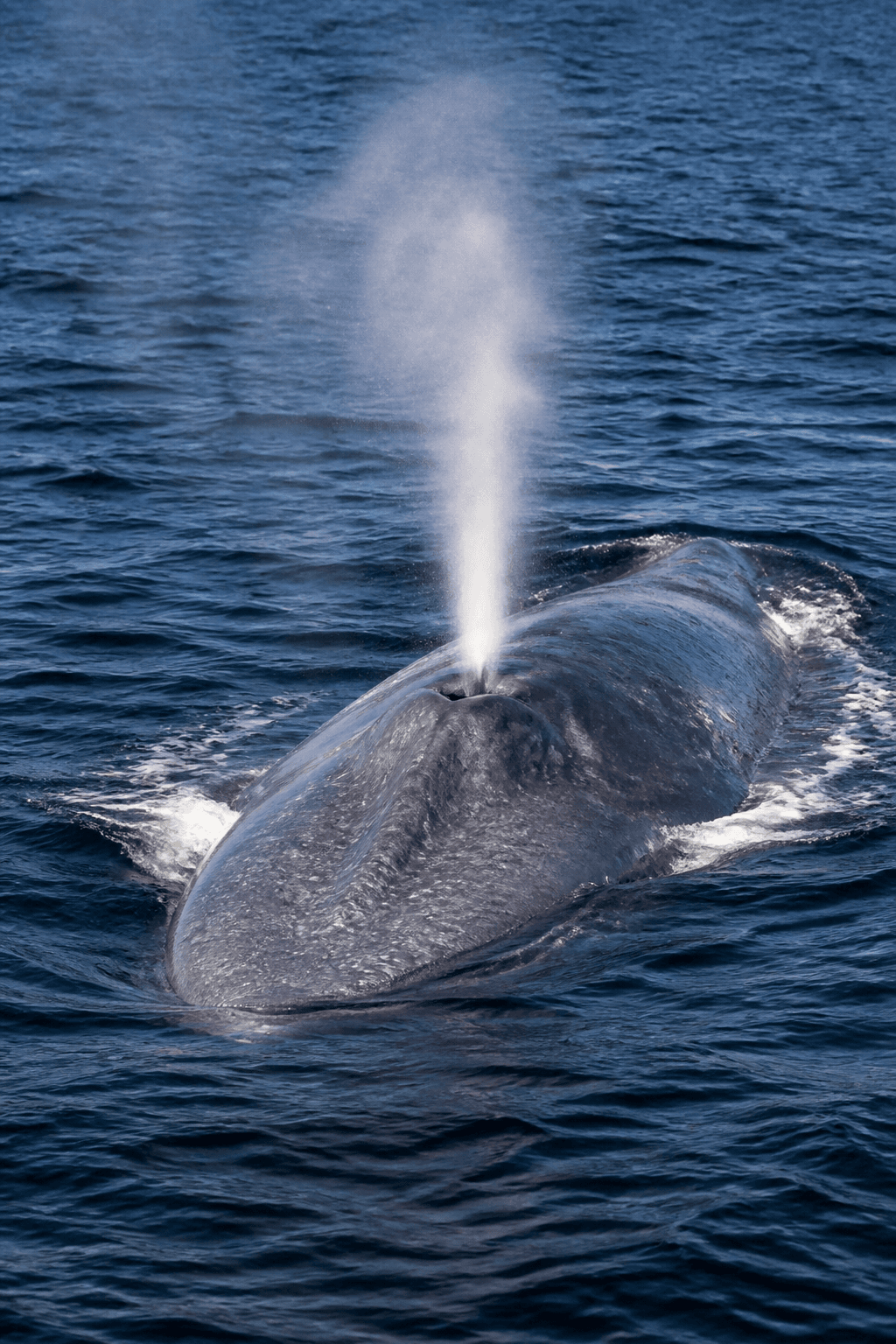
Blue Whale
United States, Canada
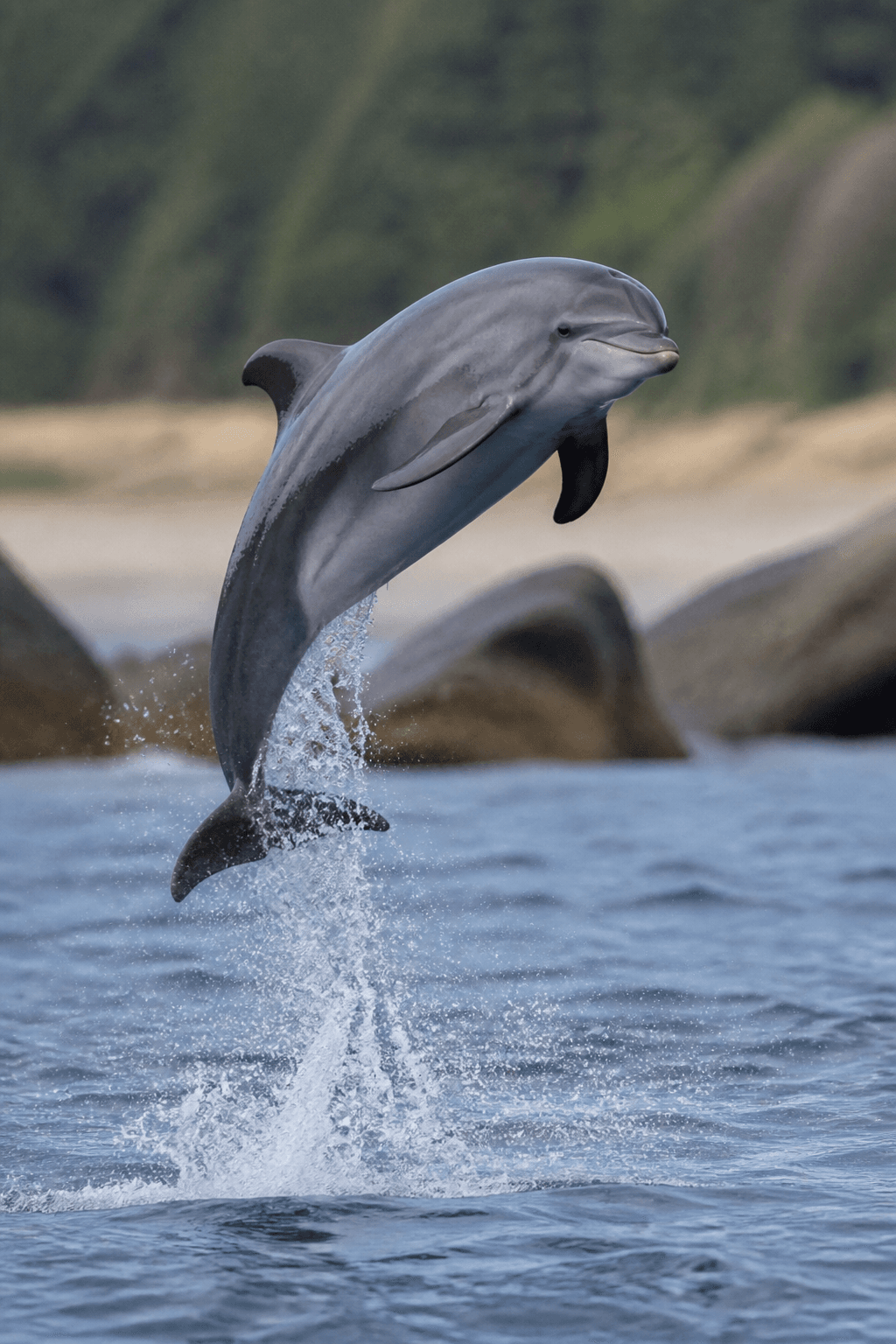
Bottlenose Dolphin
United States, United Kingdom
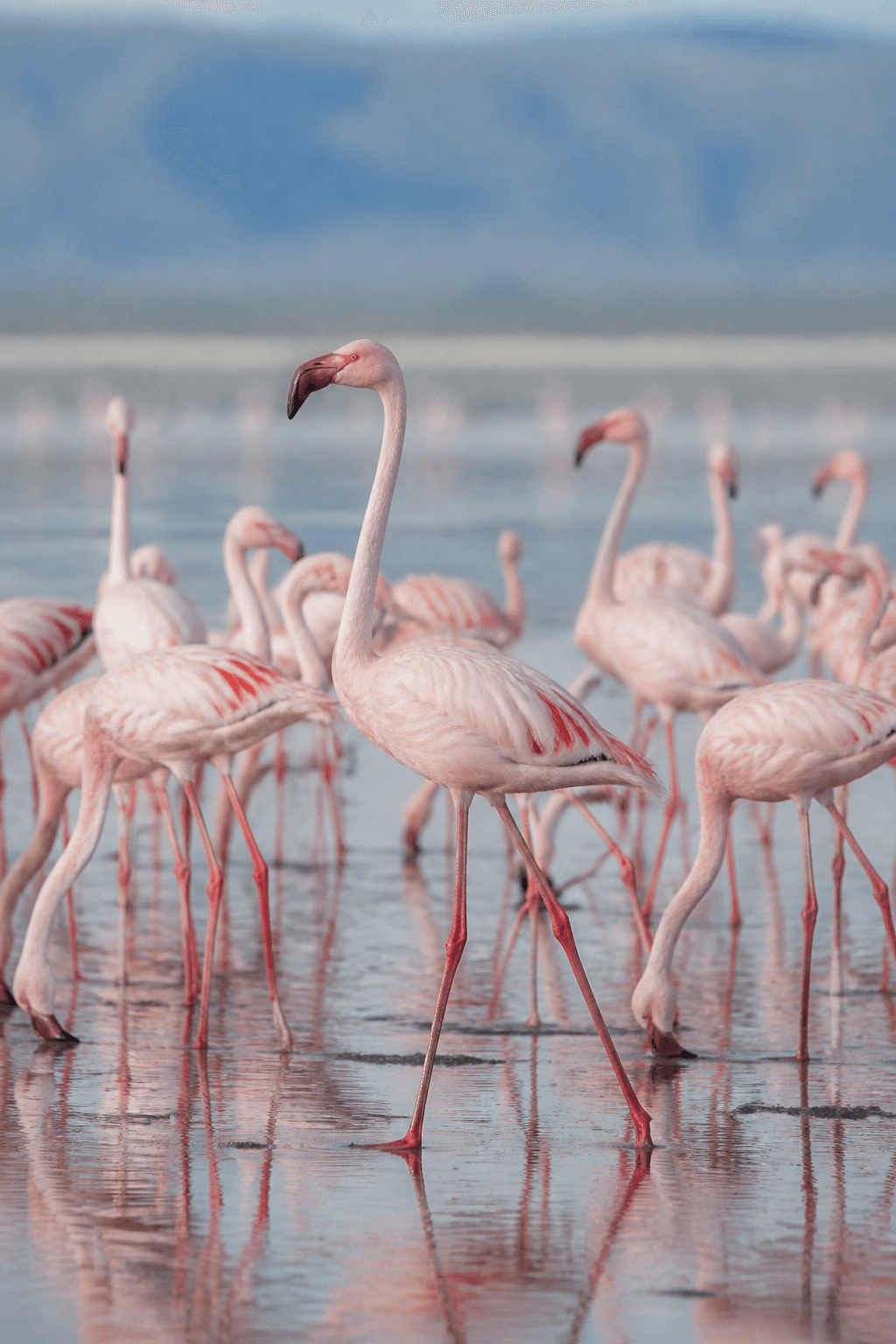
Flamingo
Kenya, United States
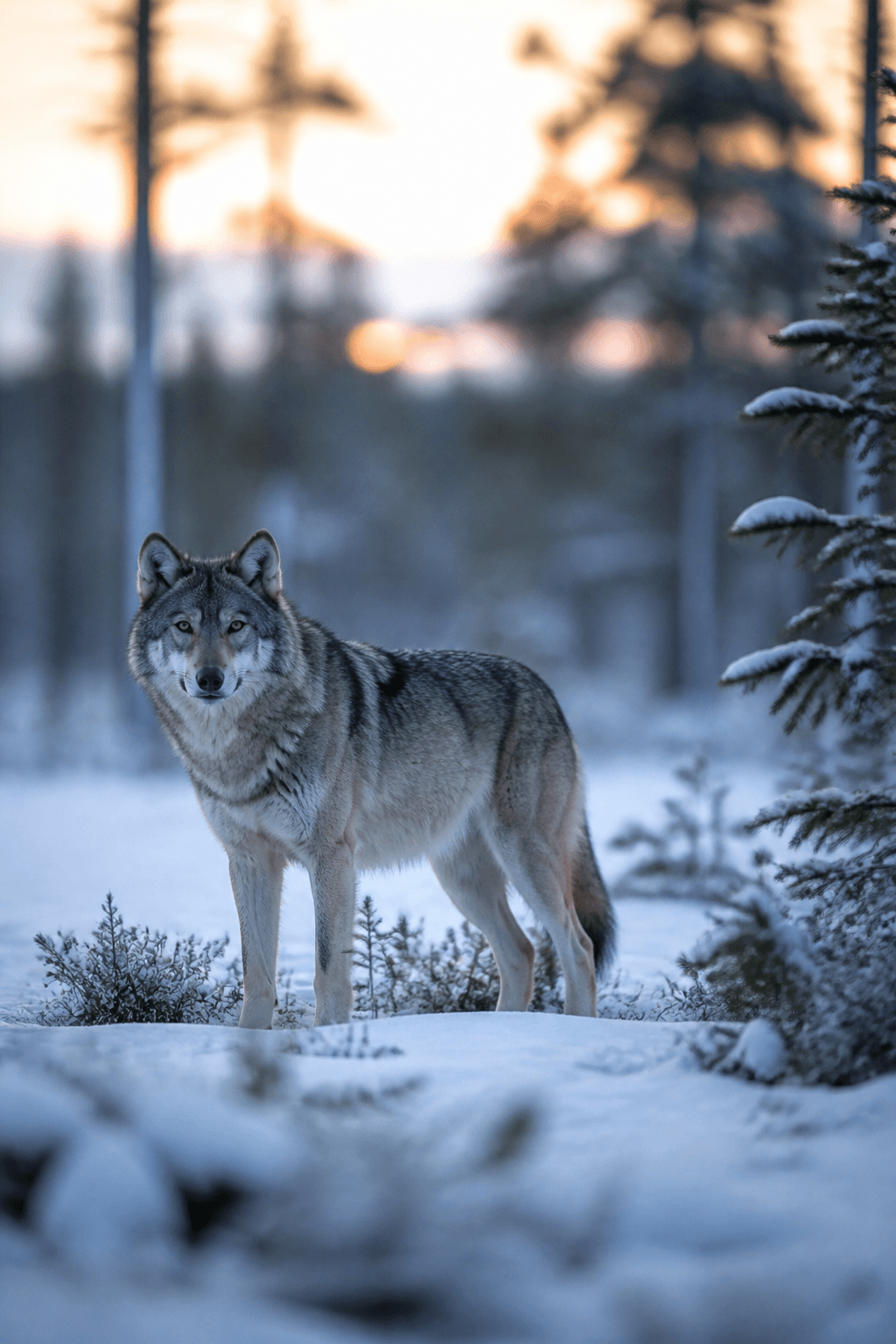
Wolf
United States, Canada
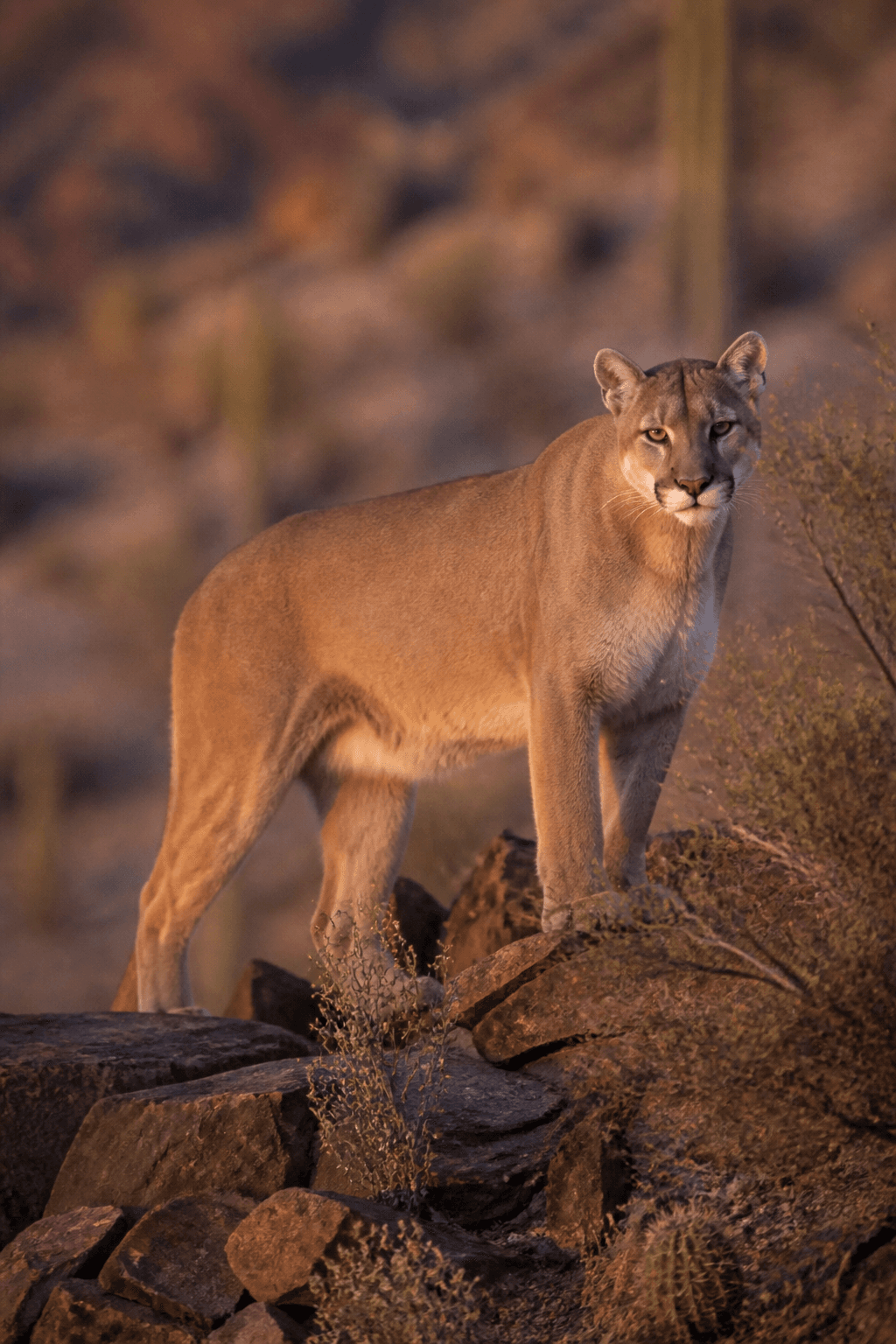
Mountain Lion
United States
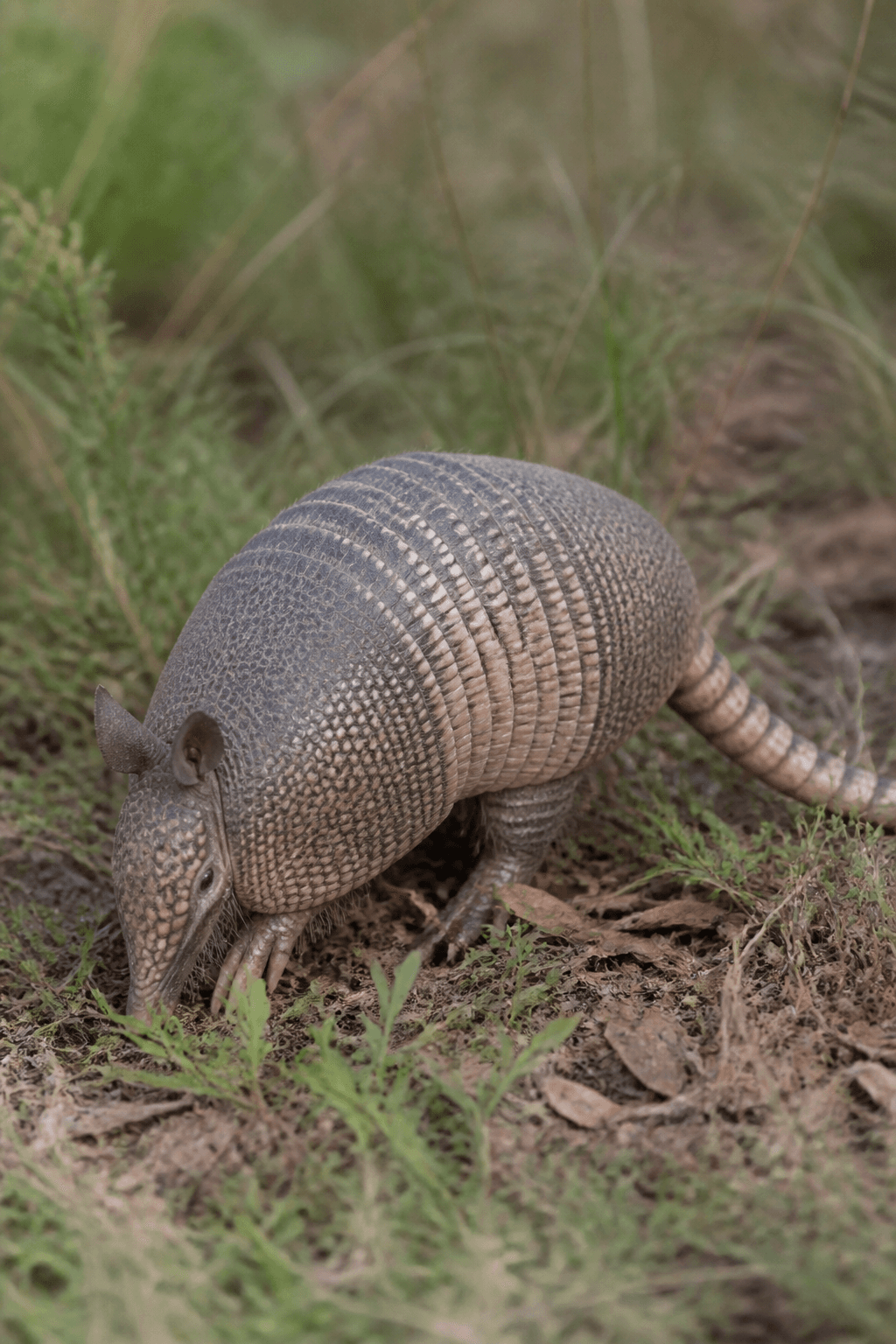
Armadillo
United States
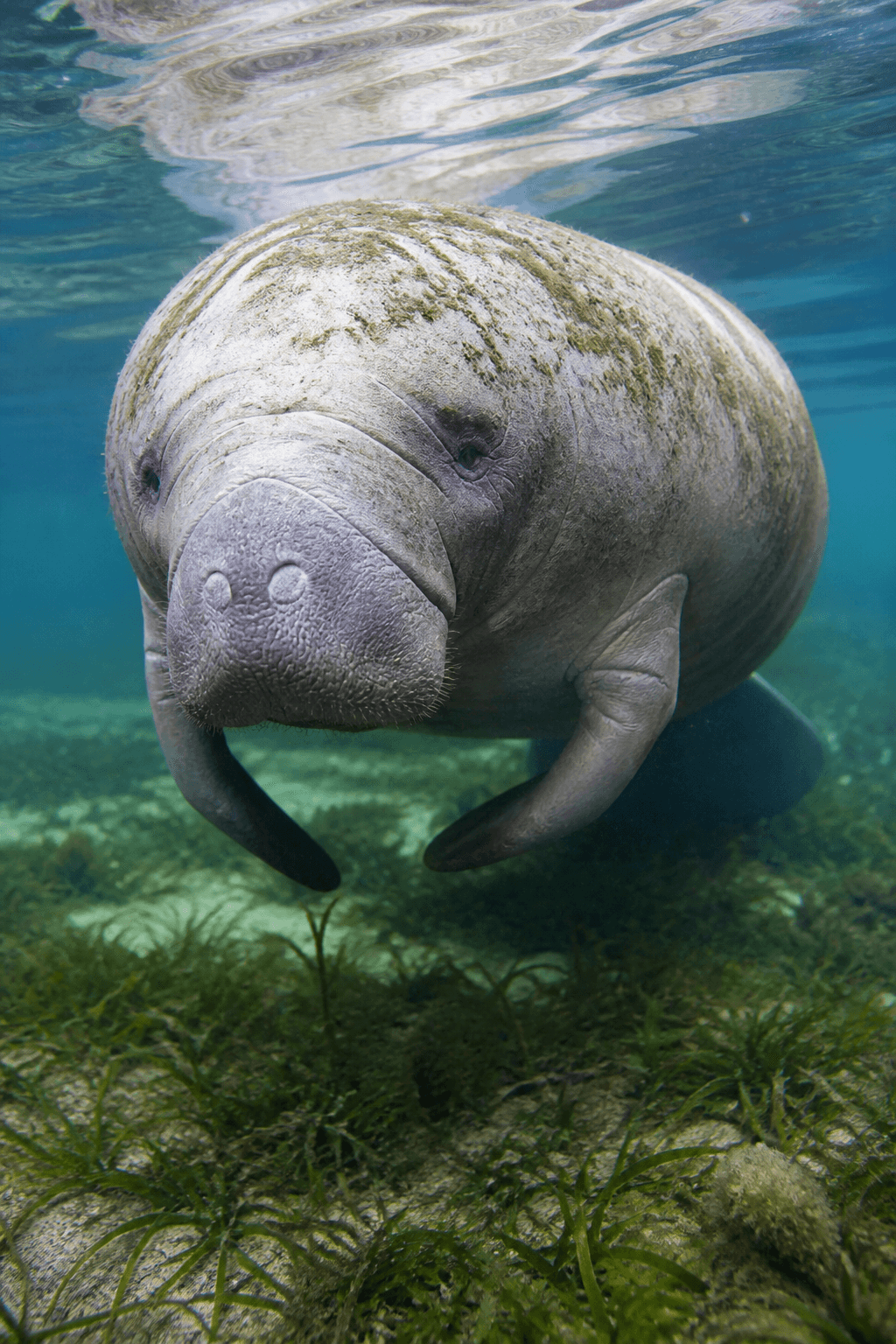
Manatee
United States
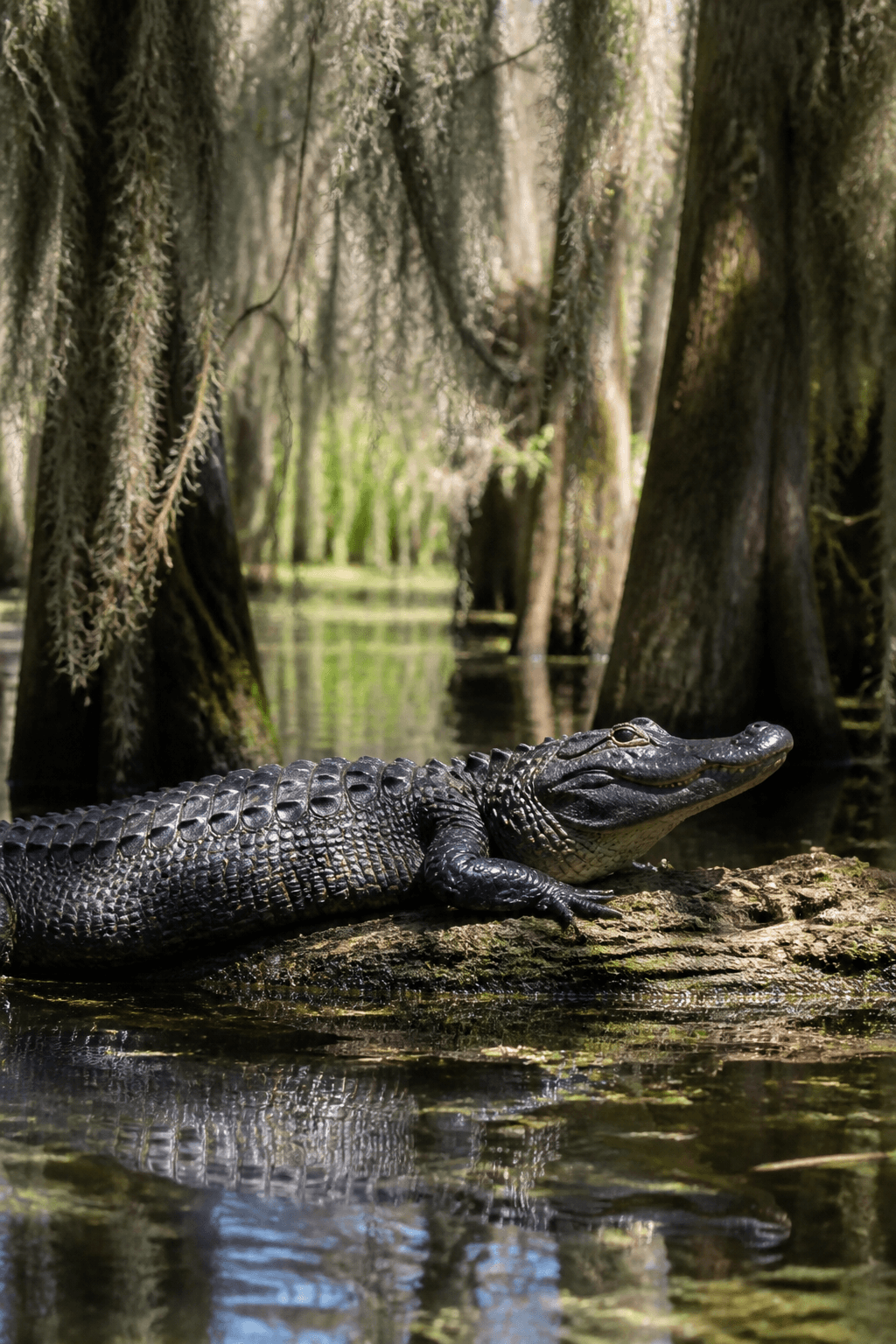
Alligator
United States
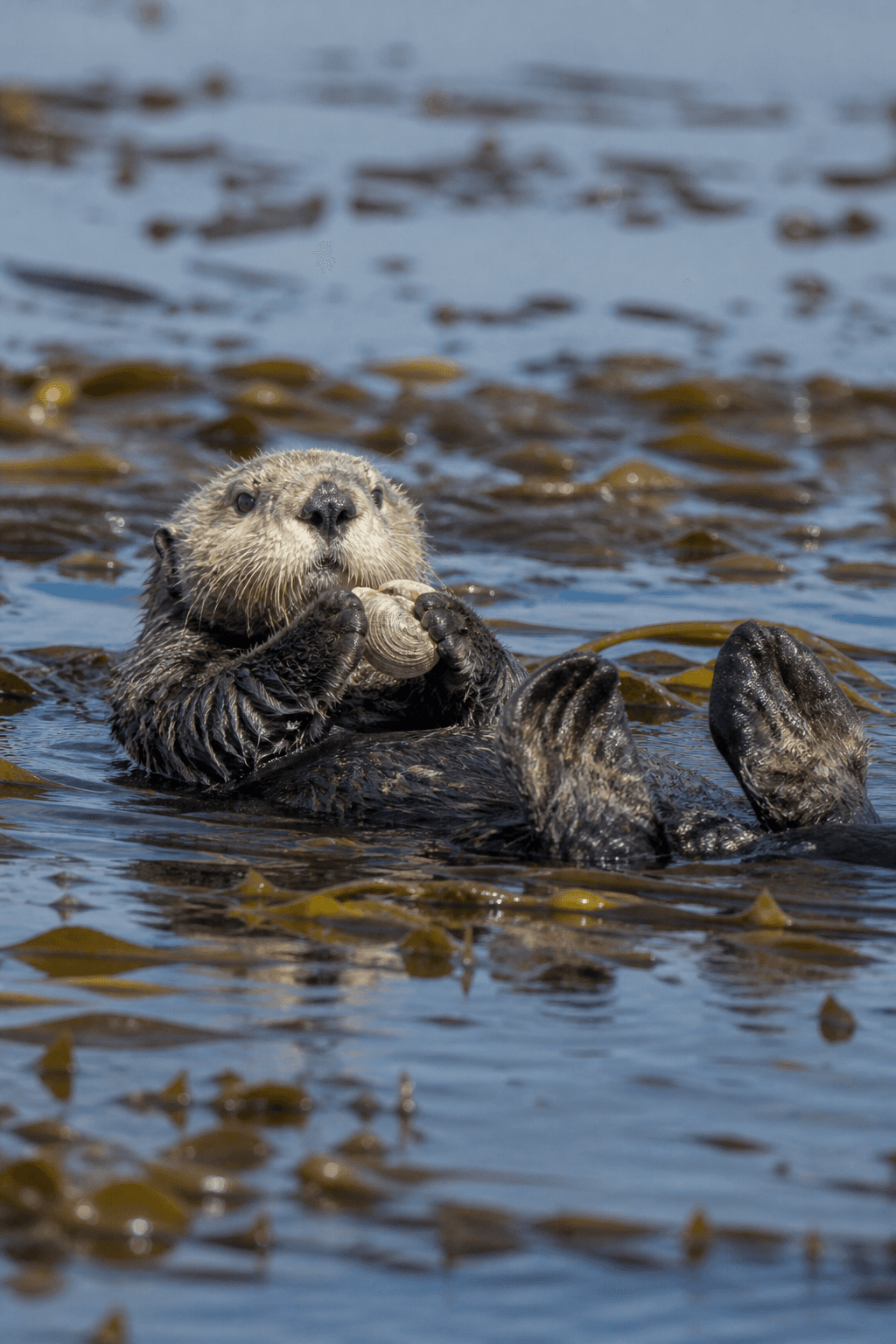
Sea Otter
United States, Canada
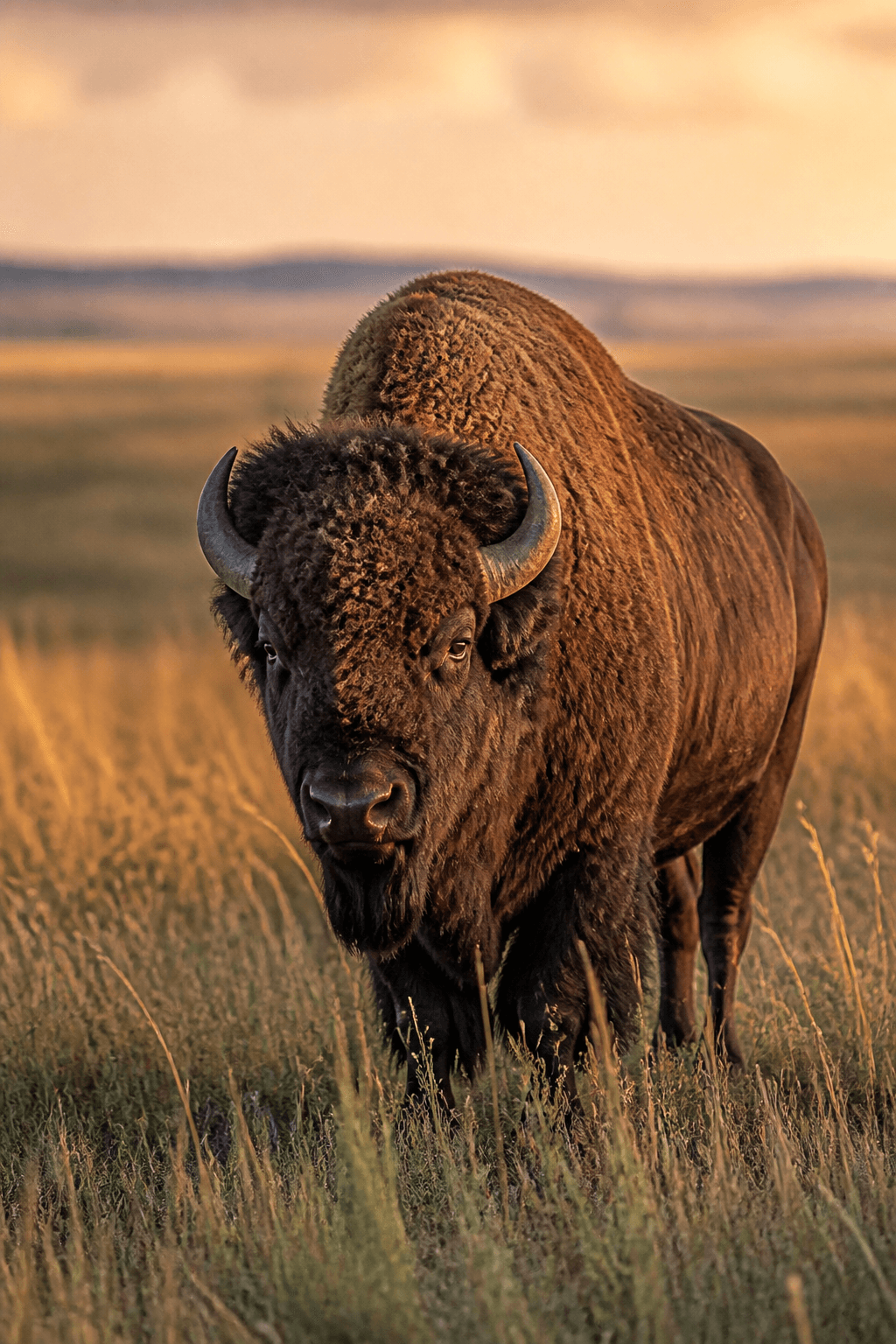
Bison
United States, Canada
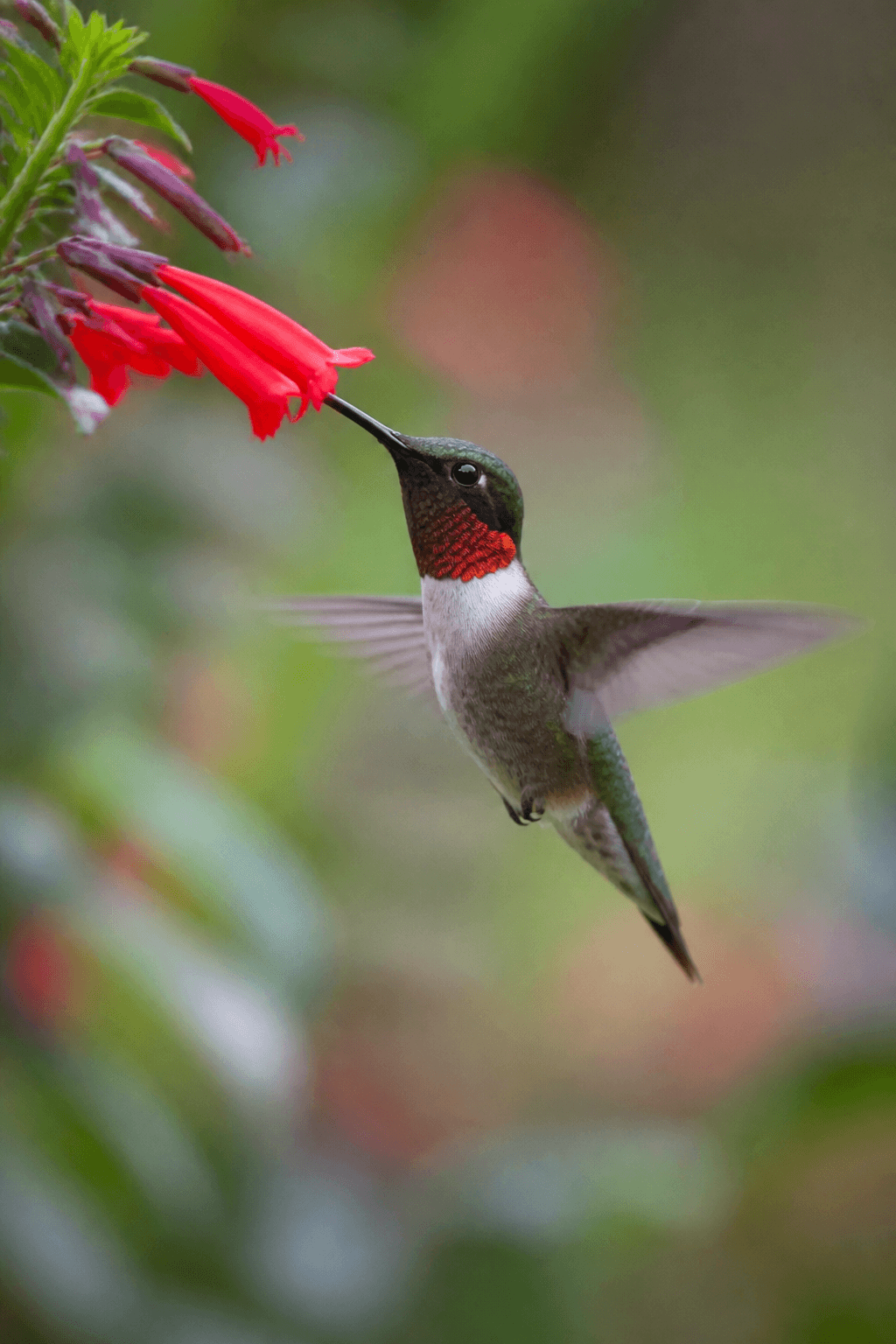
Hummingbird
United States
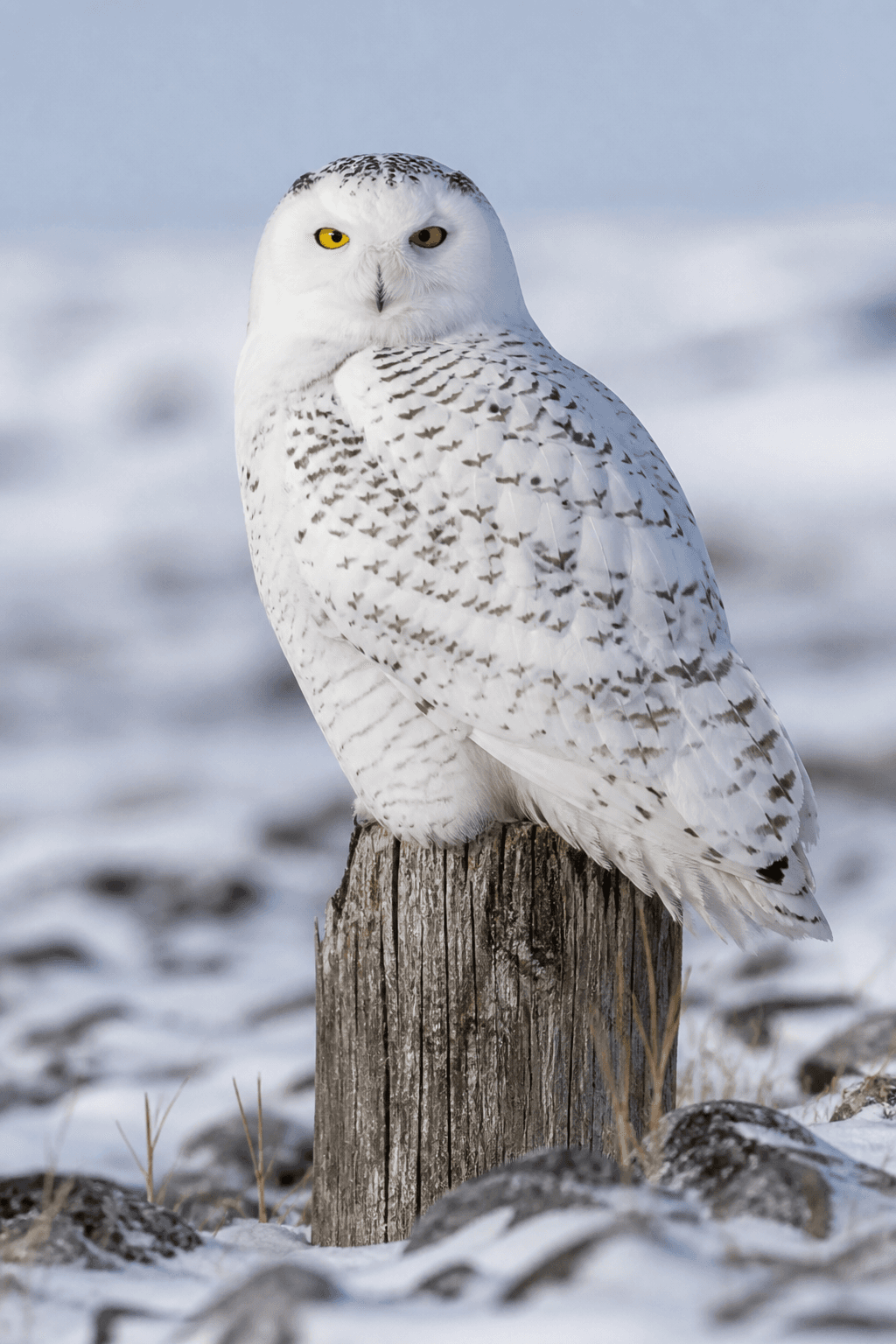
Snowy Owl
Canada, United States
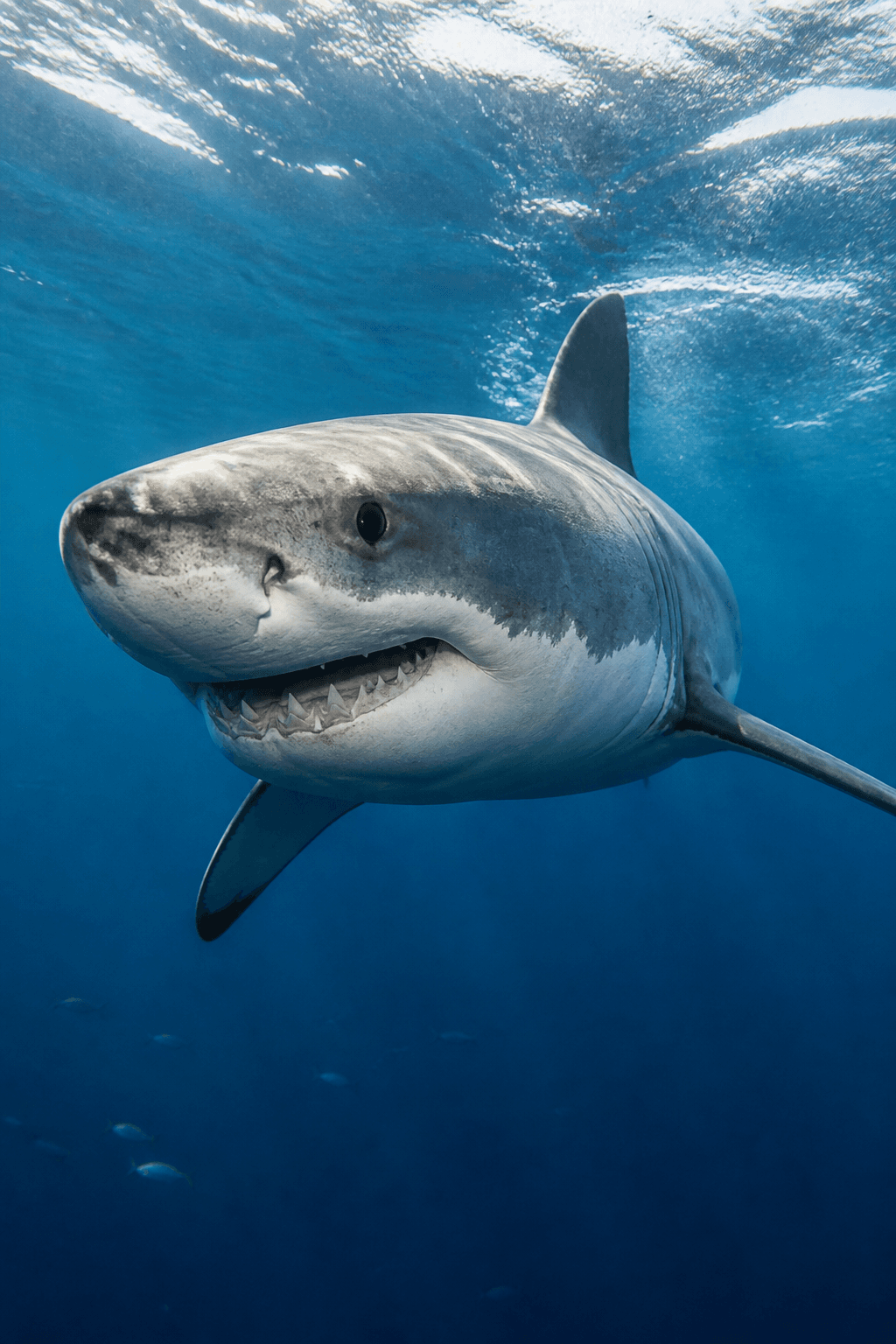
Great White Shark
United States, South Africa, Australia
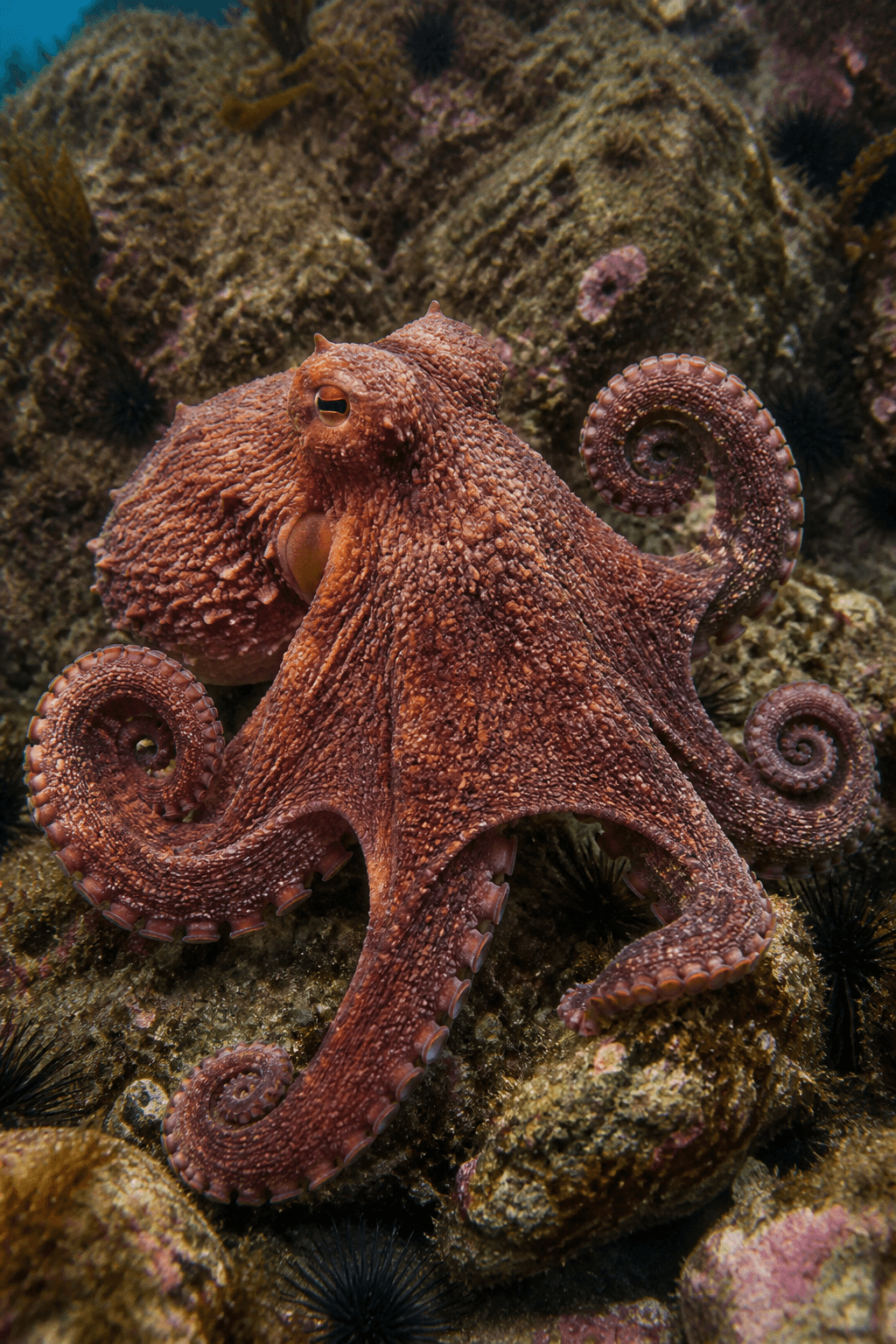
Octopus
United Kingdom, United States, Indonesia
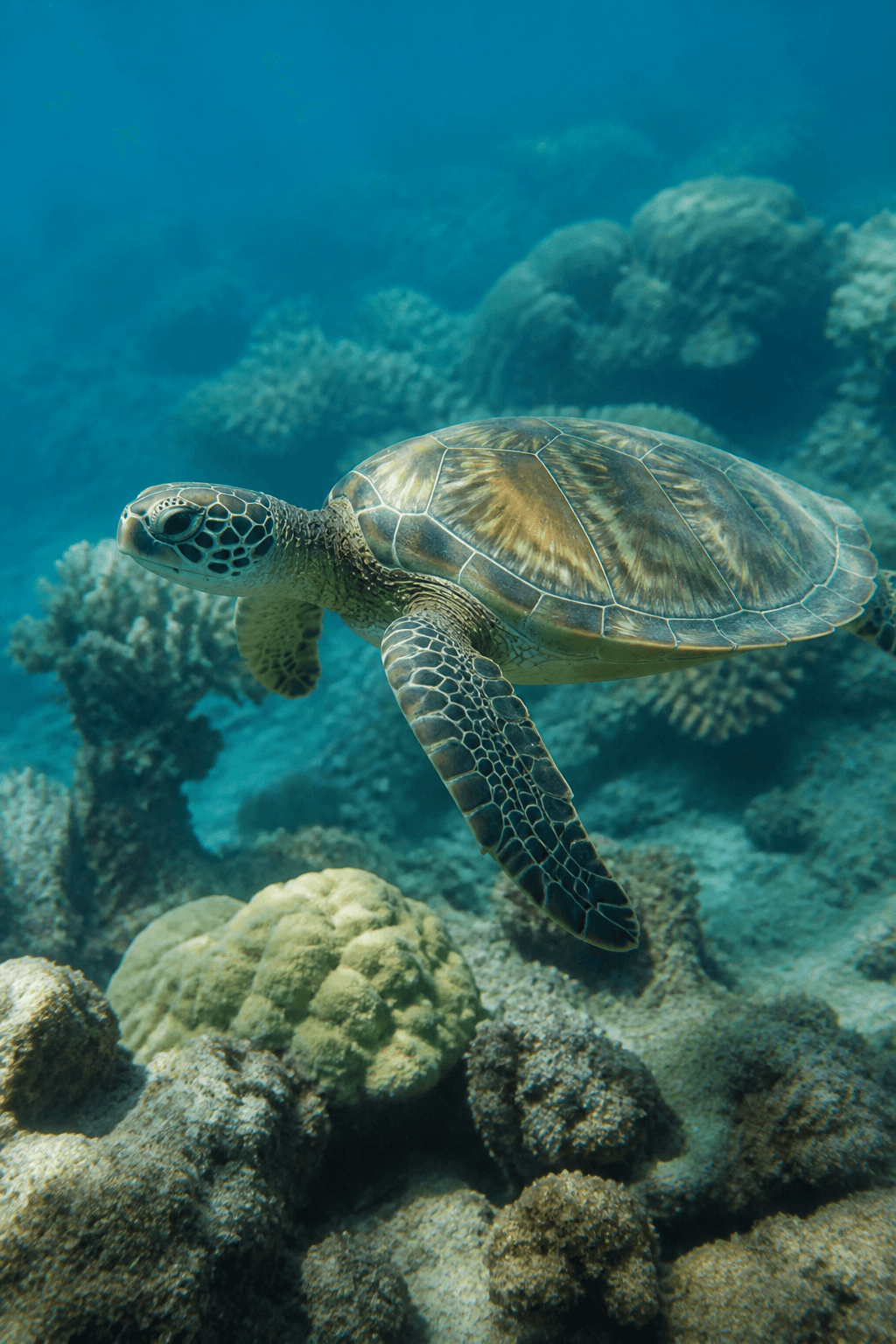
Sea Turtle
Indonesia, United States, Kenya
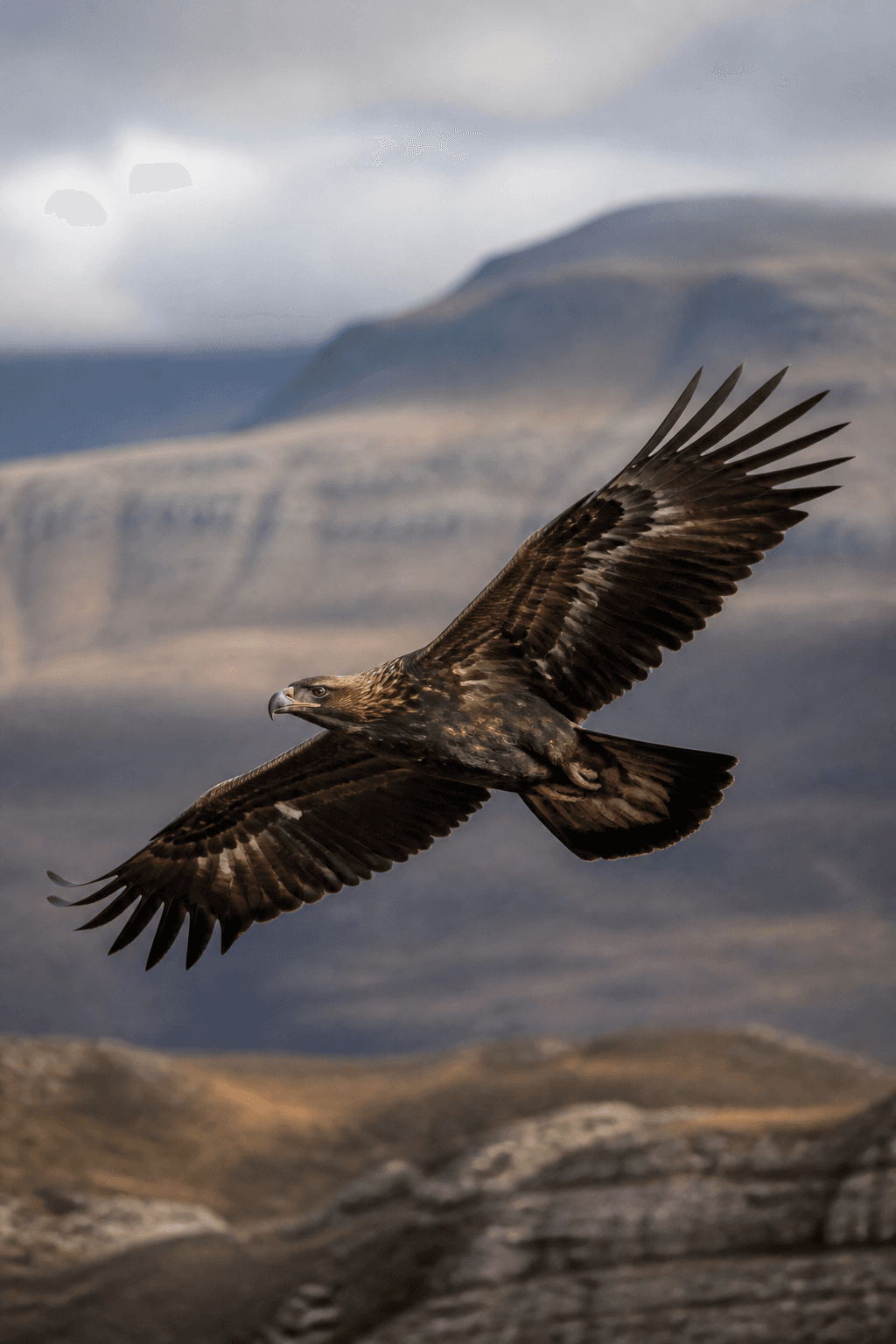
Golden Eagle
United Kingdom, United States, Canada
Keep exploring
Related discoveries
- Domestic Dogcommon • Parks & Neighbourhoods
- Domestic Catcommon • Gardens & Streets
- House Sparrowcommon • Gardens & Cities
- Rock Pigeoncommon • Town Squares
- Mallardcommon • Ponds & Rivers
- Grey Squirrelcommon • Woodland & Parks
- Bald Eaglelegendary • Lakes & Coasts
- Northern Cardinalcommon • Gardens & Woodland
- American Robincommon • Lawns & Parks
- Great Horned Owlrare • Forest & Suburbs
- Blue Jaycommon • Oak Forest & Suburbs
- Mourning Dovecommon • Gardens & Fields
- Eastern Gray Squirrelcommon • Parks & Woodland
- White-tailed Deerrare • Forest & Meadows
- American Crowcommon • Fields & Towns
- Canada Goosecommon • Lakes & Parks
- Bobcatrare • Forest & Scrub
- Eastern Cottontailcommon • Fields & Gardens
- Red-winged Blackbirdcommon • Marshes & Fields
- Grizzly Bearlegendary • Mountains & Rivers
- Opossumcommon • Suburbs & Woodland
- Black-capped Chickadeecommon • Woodland & Feeders
- Wild Turkeyrare • Forest & Farmland
- American Goldfinchcommon • Meadows & Gardens
- House Finchcommon • Gardens & Urban
- Coyoterare • Prairie & Suburbs
- Turkey Vulturecommon • Roadsides & Open Country
- European Rabbitcommon • Fields & Warrens
- Monarch Butterflycommon • Meadows & Gardens
- Honey Beecommon • Gardens & Meadows
- Bumblebeecommon • Gardens & Wildflowers
- Mooserare • Northern Lakes
- Blue Whalelegendary • Open Ocean
- Bottlenose Dolphincommon • Coastal Waters
- Flamingocommon • Lagoons & Flats
- Wolfrare • Forest & Tundra
- Mountain Lionlegendary • Mountains & Desert
- Armadillocommon • Grassland & Scrub
- Manateerare • Coastal Springs
- Alligatorcommon • Swamps & Rivers
- Sea Ottercommon • Kelp Forest
- Bisonrare • Great Plains
- Hummingbirdcommon • Gardens & Flowers
- Snowy Owlrare • Arctic Tundra
- Great White Sharklegendary • Coastal Ocean
- Octopuscommon • Rock Pools & Reef
- Sea Turtlerare • Coastal Ocean
- Golden Eaglecommon • Mountains & Moorland
Free on iOS
Catch the Raccoon
Spot one in the wild — then scan it in Catch'Um to log your common discovery.