
Field guide · common
Rhinoceros
The armoured grazer — a prehistoric-looking giant whose horn is keratin, not bone, and whose survival hangs by a thread.
Critically Endangered
Overview
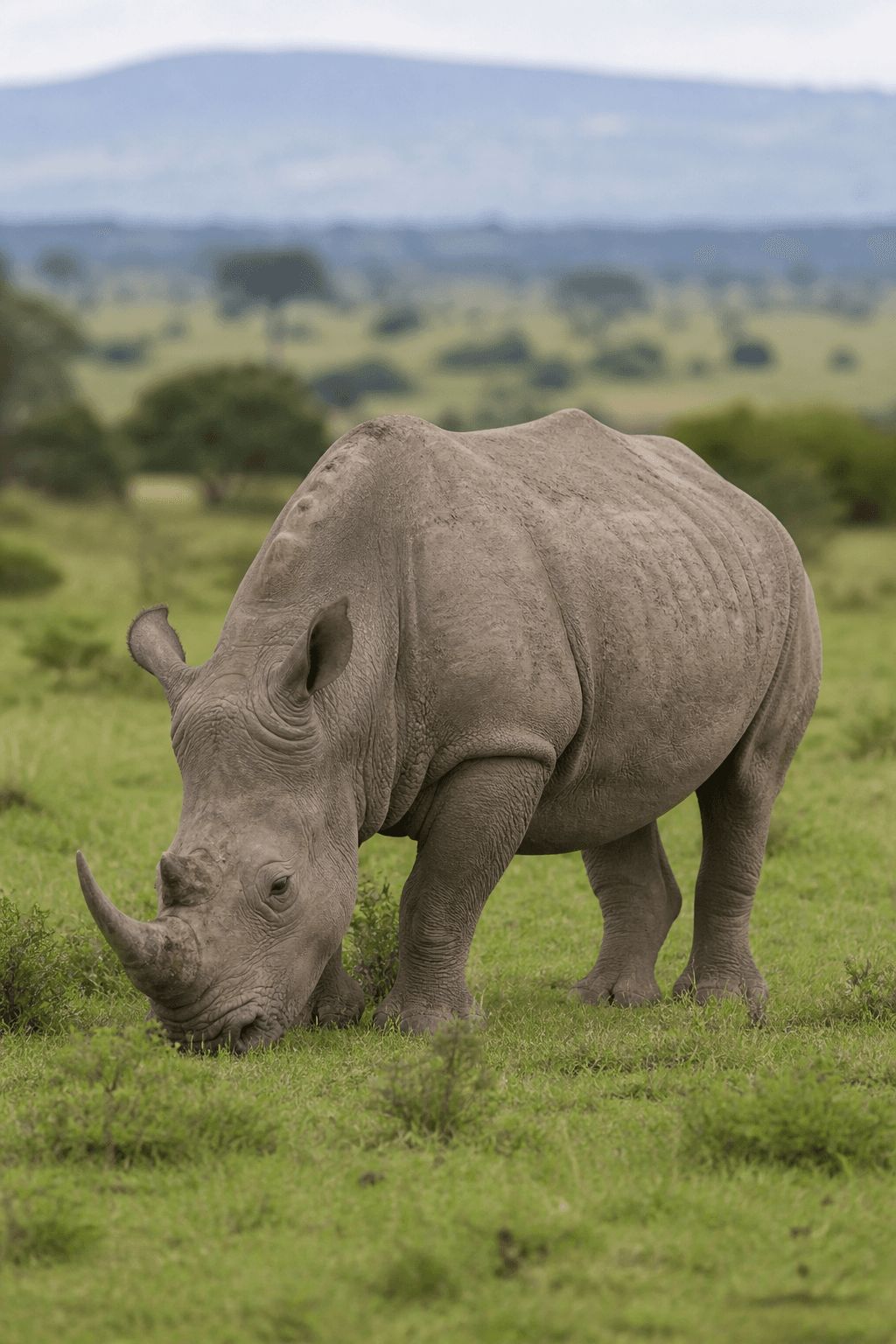
The white rhinoceros is the largest rhino species and a square-lipped grazer of African grassland. Despite the name, it is grey — 'white' may come from the Afrikaans word 'wyd' meaning wide, referring to its broad mouth. Bulls weigh over two tonnes and mark territory with dung piles and scrapes.
Rhino horns are made of keratin — the same protein as human hair and fingernails — yet demand for traditional medicine drives poaching that has devastated populations. South Africa holds most of the world's remaining white rhinos.
Habitat
Open grassland and savanna in South Africa, Namibia, and Kenya suit white rhinos. They need water, short grass for grazing, and intensive anti-poaching protection — most wild populations now live in fenced reserves.
Countries found
Interesting facts
- 01
Rhino horns are made of keratin — the same protein as human hair and nails.
- 02
White rhinos are grazers; black rhinos browse on shrubs and trees.
- 03
A rhino can run at over 40 km/h despite its bulk.
Conservation status
White rhinos are Near Threatened globally but northern white rhino is Critically Endangered — functionally extinct in the wild. Southern white rhinos survive mainly in South African reserves under heavy protection.


Keep exploring
Where it lives
Related discoveries
- Lionlegendary • Savanna, East Africa
- African Elephantrare • Savanna
- Zebracommon • Grassland
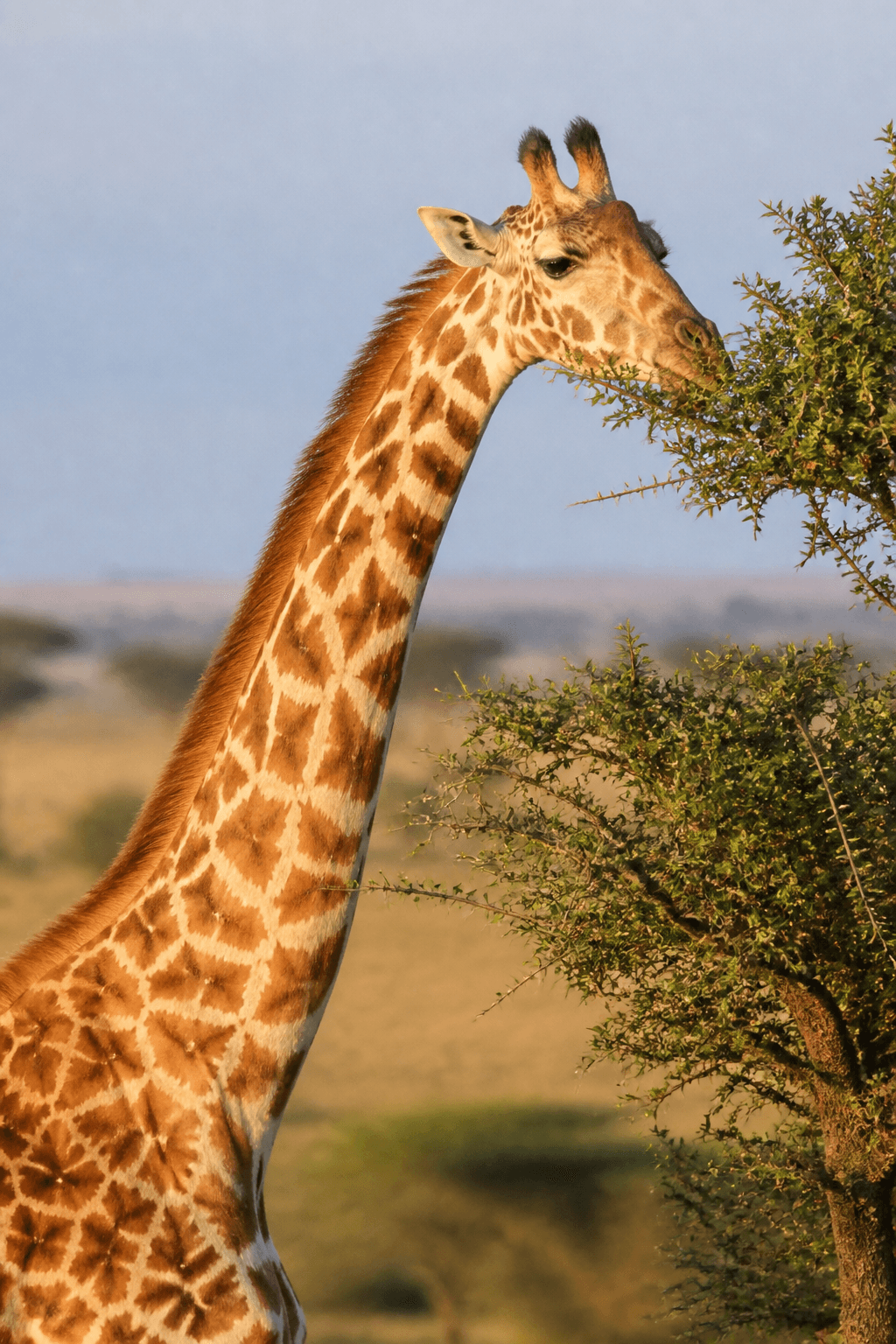
- Giraffecommon • Savanna
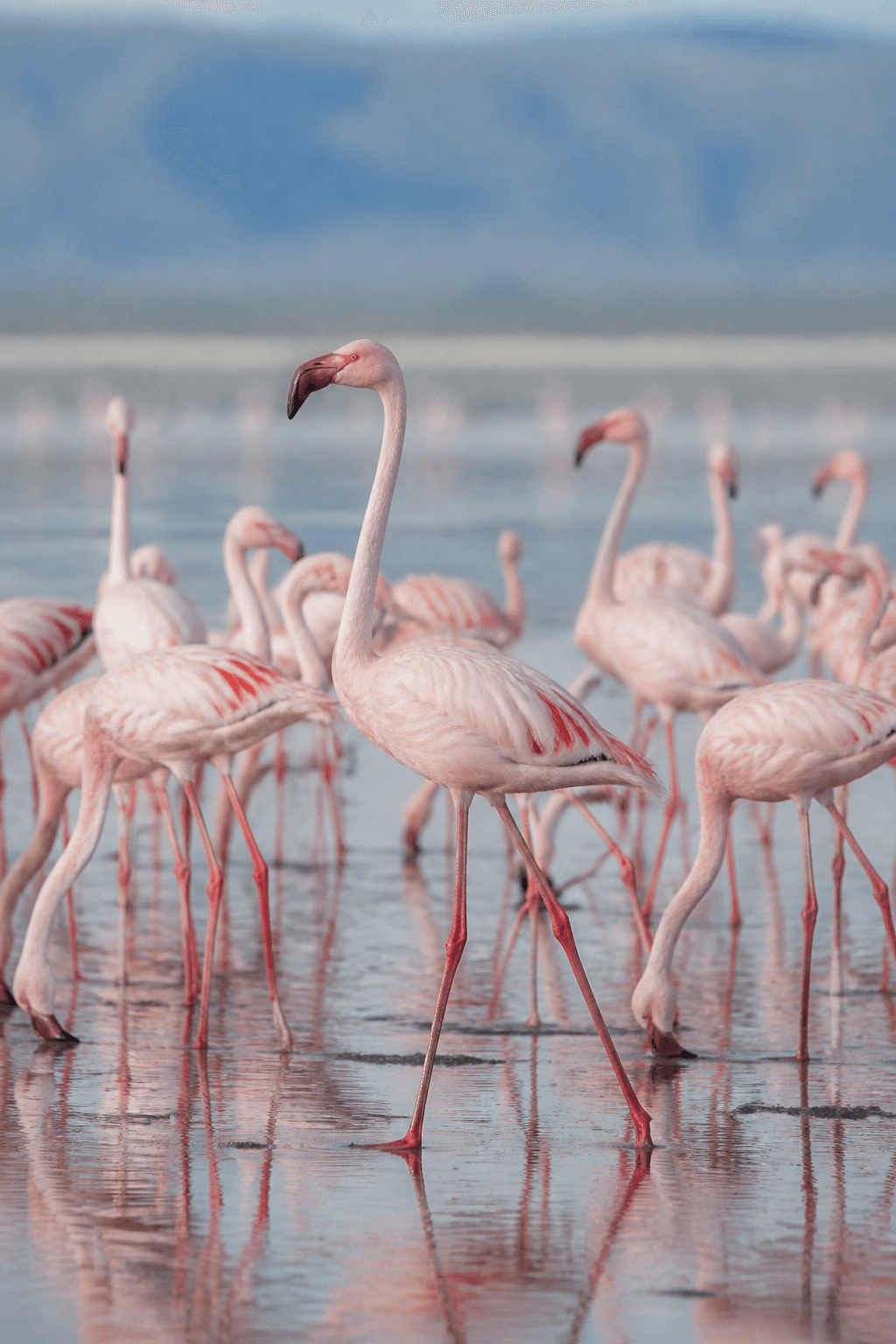
- Flamingocommon • Lagoons & Flats
- African Penguincommon • Coastal Colonies
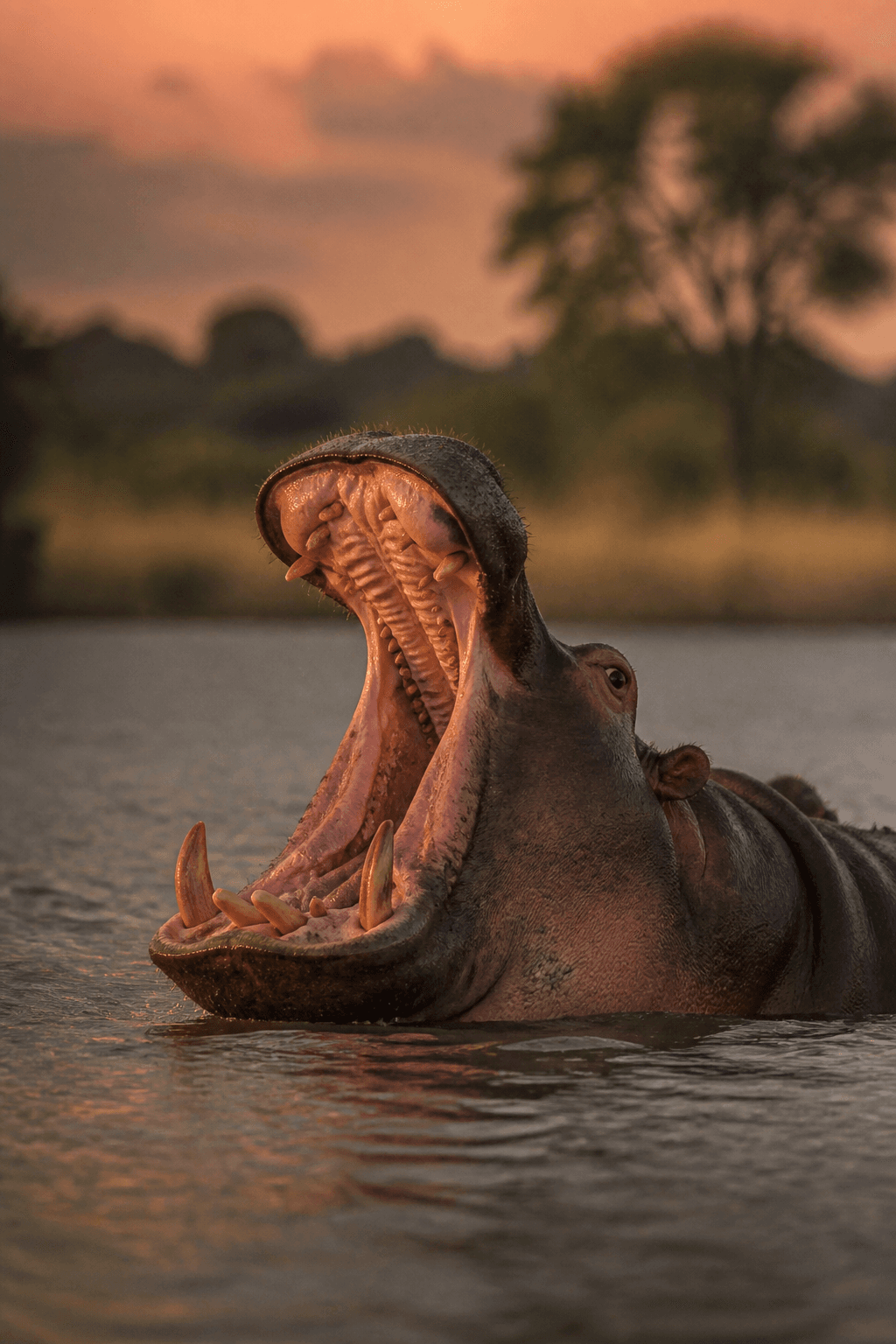
- Hippopotamuscommon • Rivers & Lakes
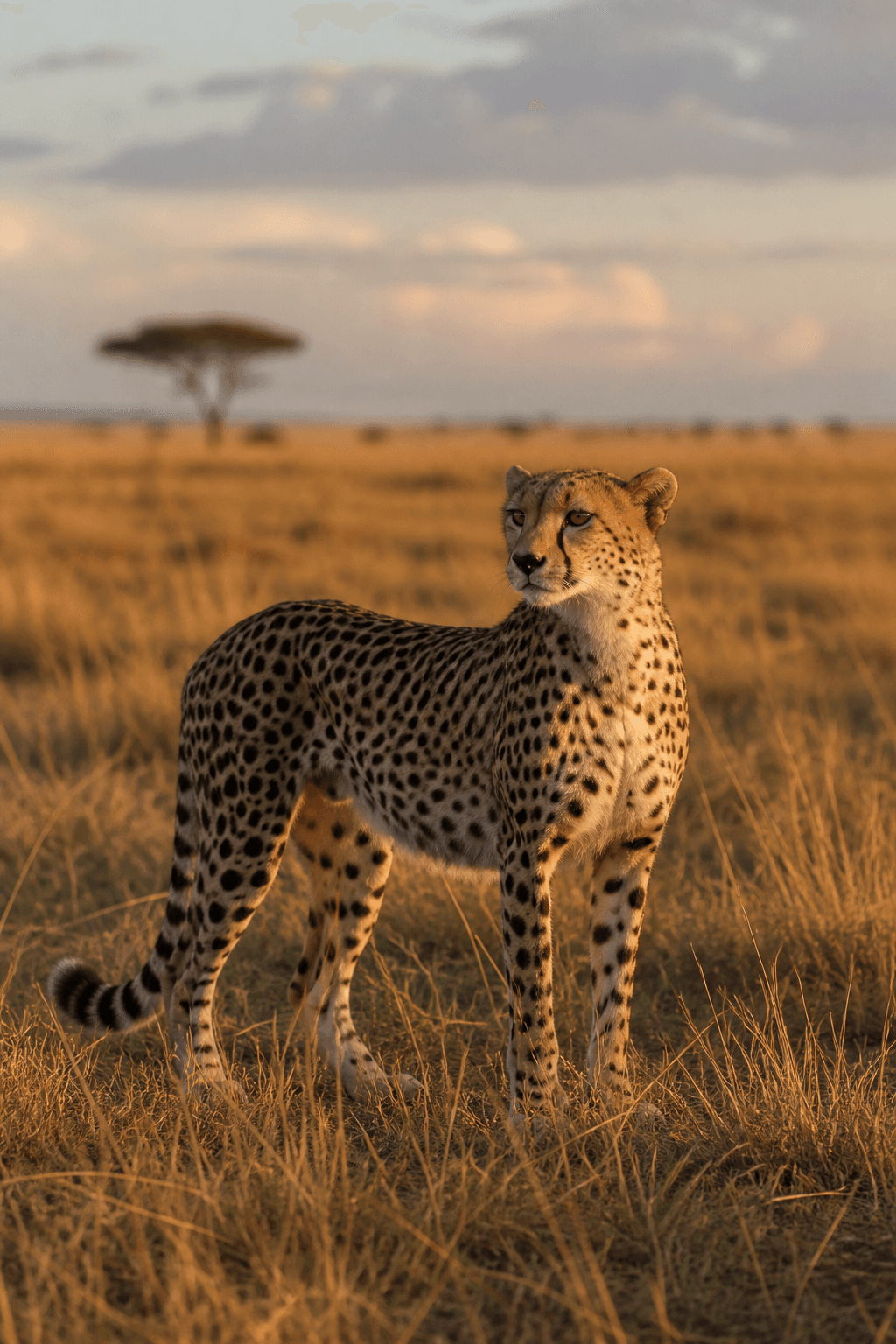
- Cheetahrare • Savanna
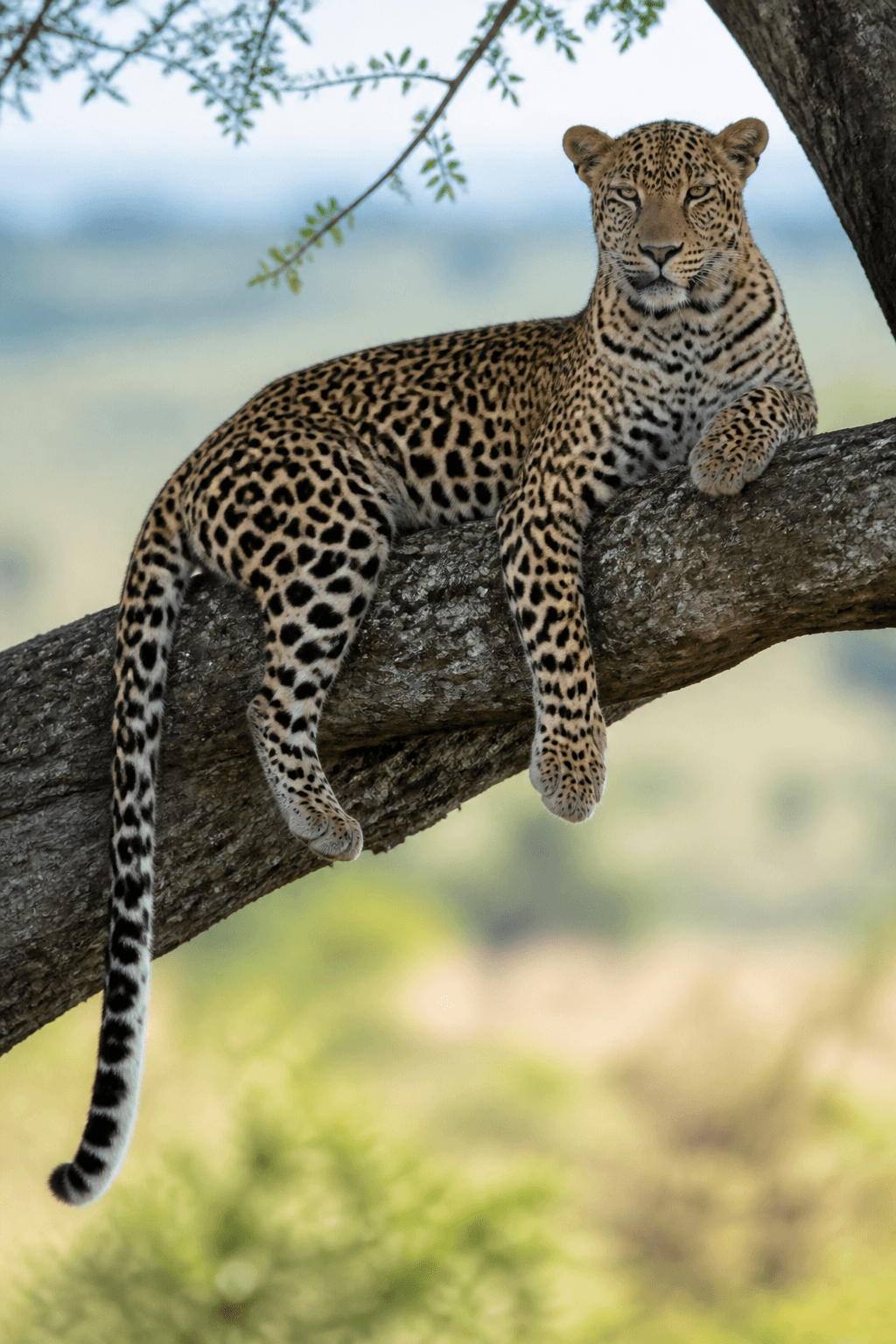
- Leopardcommon • Savanna & Forest
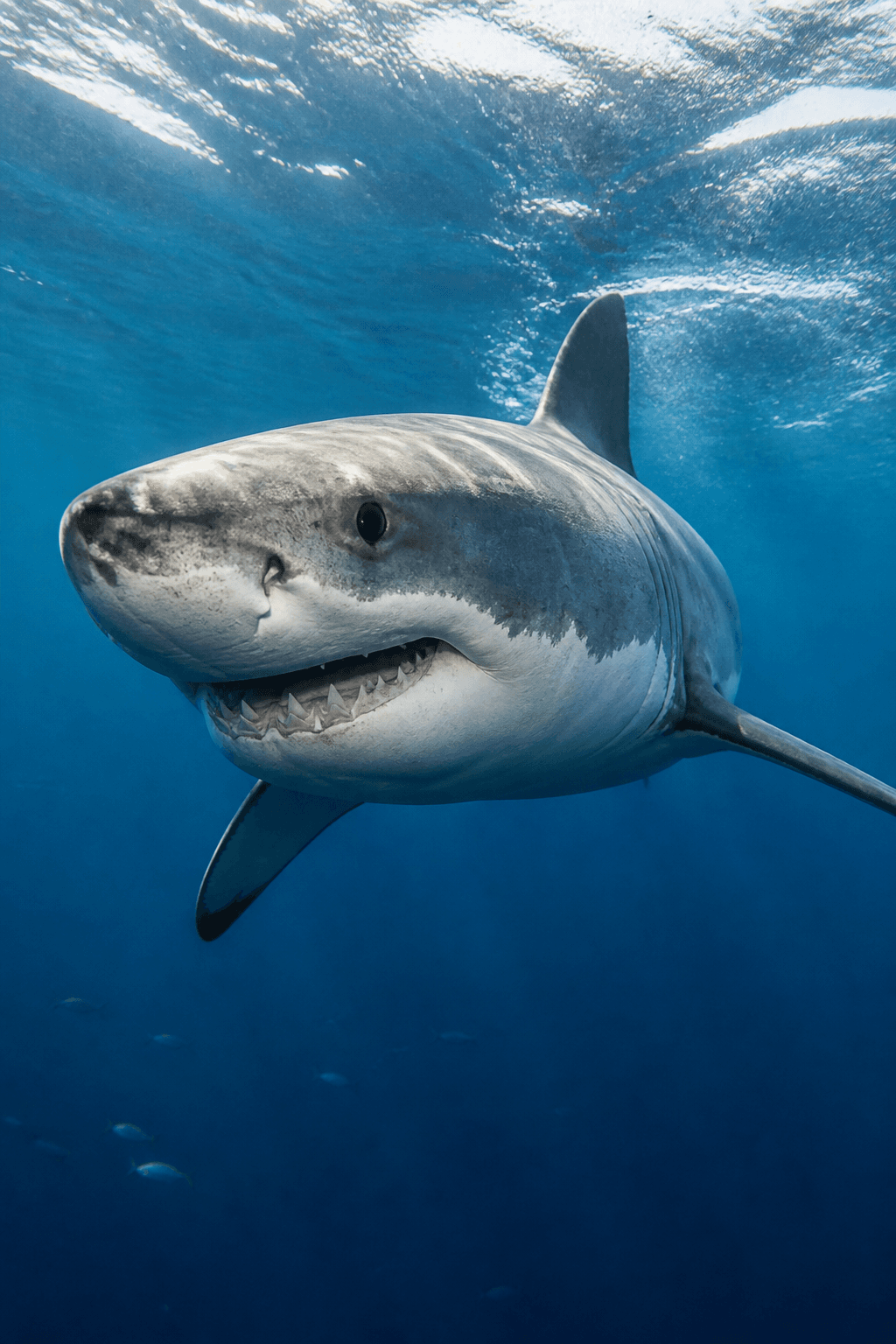
- Great White Sharklegendary • Coastal Ocean
- Sea Turtlerare • Coastal Ocean
Free on iOS
Catch the Rhinoceros
Spot one in the wild — then scan it in Catch'Um to log your common discovery.