
Field guide · common
Arctic Fox
The colour-changing survivor — a compact fox that turns white in winter and brown in summer across the far north.
Least Concern
Overview
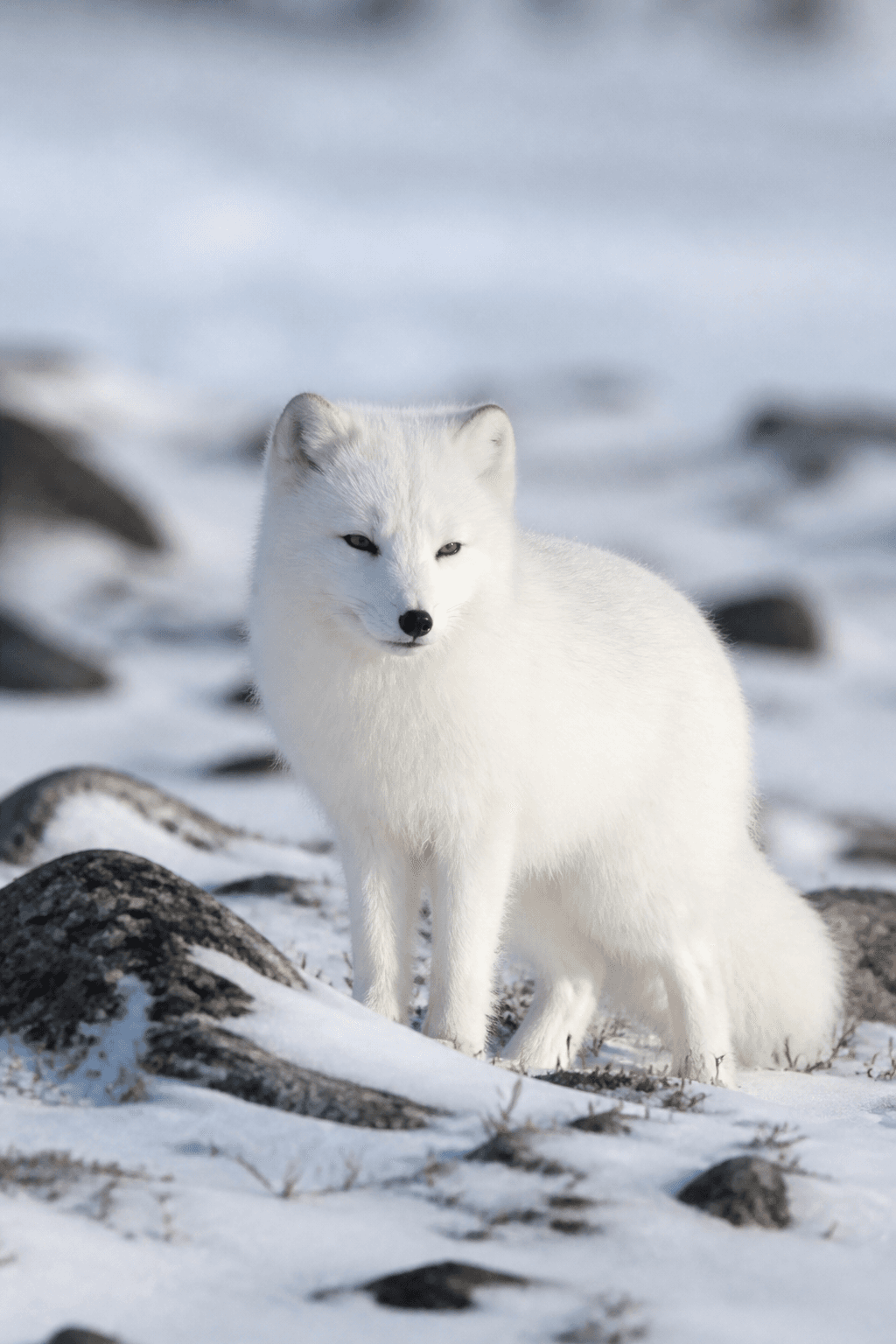
The Arctic fox is superbly adapted to the coldest places on Earth — the only canid native to Iceland and a survivor of temperatures below minus 50°C. Its thick fur changes colour with the seasons: white in winter for snow camouflage, brown-grey in summer against tundra rock.
Arctic foxes follow polar bears to scavenge seal kills on the ice, cache surplus food in the tundra, and raise large litters of up to 14 pups in good lemming years. They are smaller than red foxes, with short ears and muzzle to conserve heat.
Habitat
Arctic tundra and coastal ice across Canada, Alaska, Greenland, Scandinavia, and Russia hold Arctic foxes. They den in eskers and riverbanks, and range widely following lemming cycles and carrion availability.
Countries found
Interesting facts
- 01
Arctic foxes change from brown in summer to white in winter for camouflage.
- 02
They can survive temperatures below minus 50°C.
- 03
Blue-phase Arctic foxes keep a charcoal coat year-round in some populations.
Conservation status
Arctic foxes are Least Concern globally but the Scandinavian population is Critically Endangered. Climate change and competition from expanding red foxes threaten southern Arctic populations.
Related discoveries
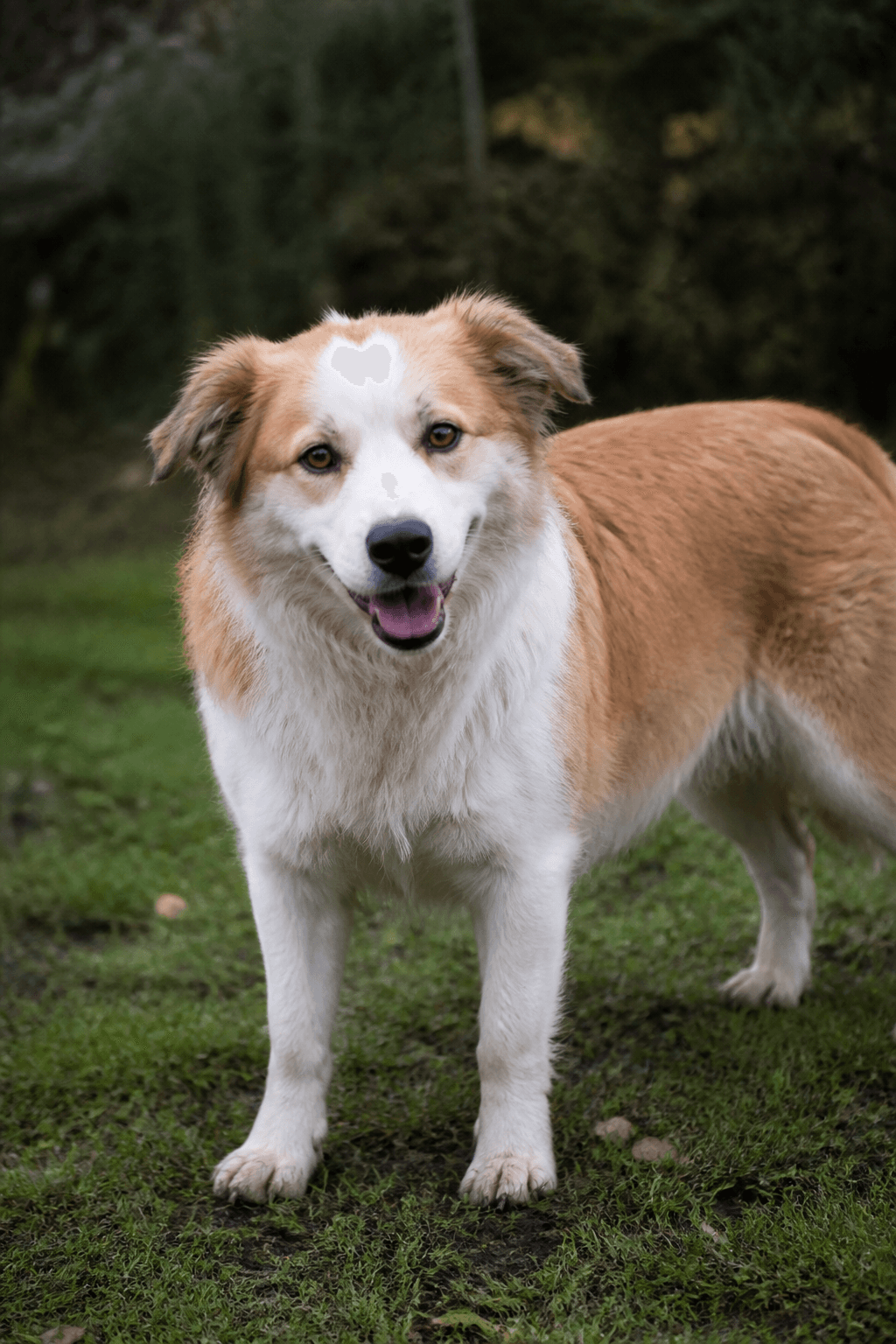
Domestic Dog
United Kingdom, United States
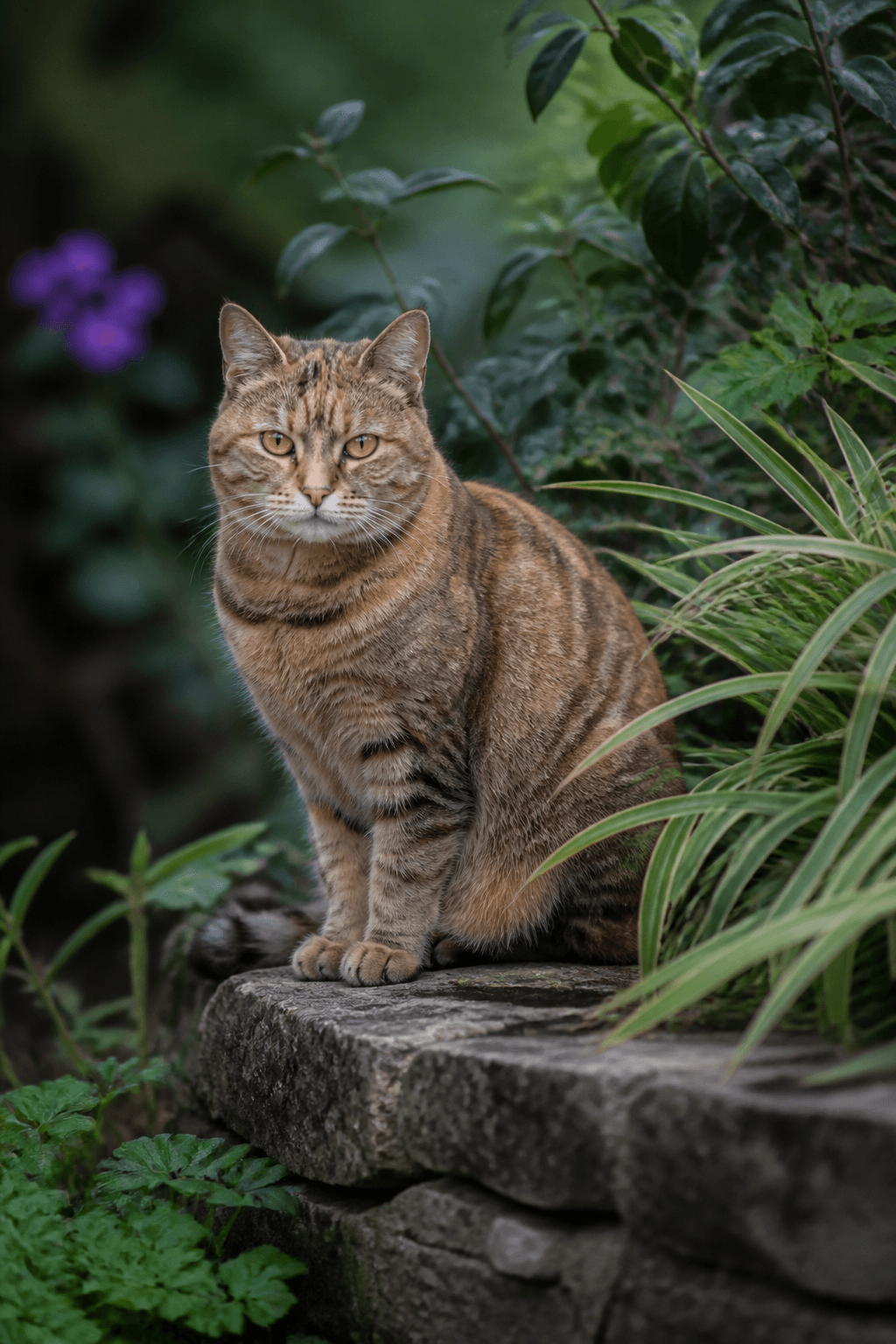
Domestic Cat
United Kingdom, United States
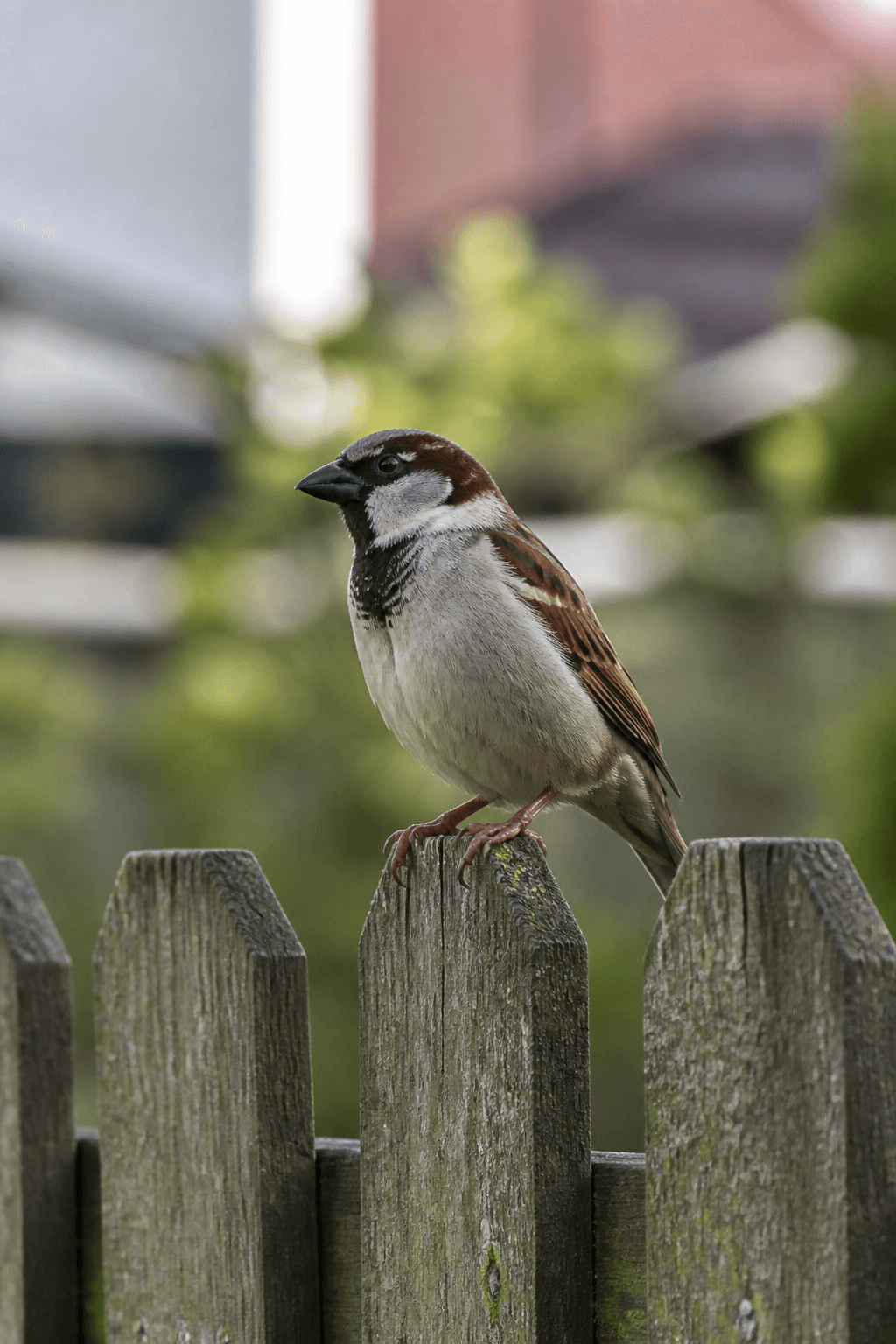
House Sparrow
United Kingdom, United States
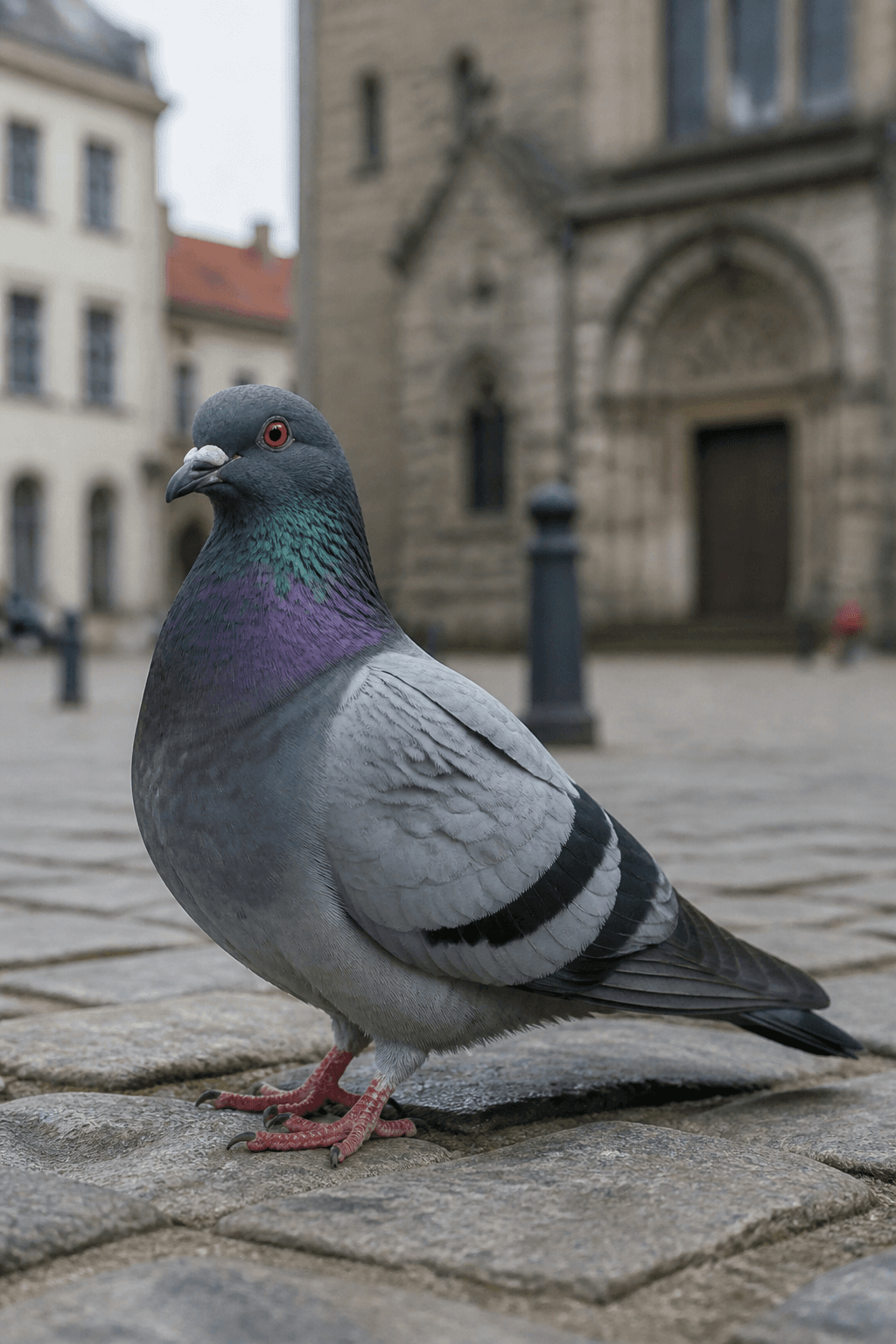
Rock Pigeon
United Kingdom, United States
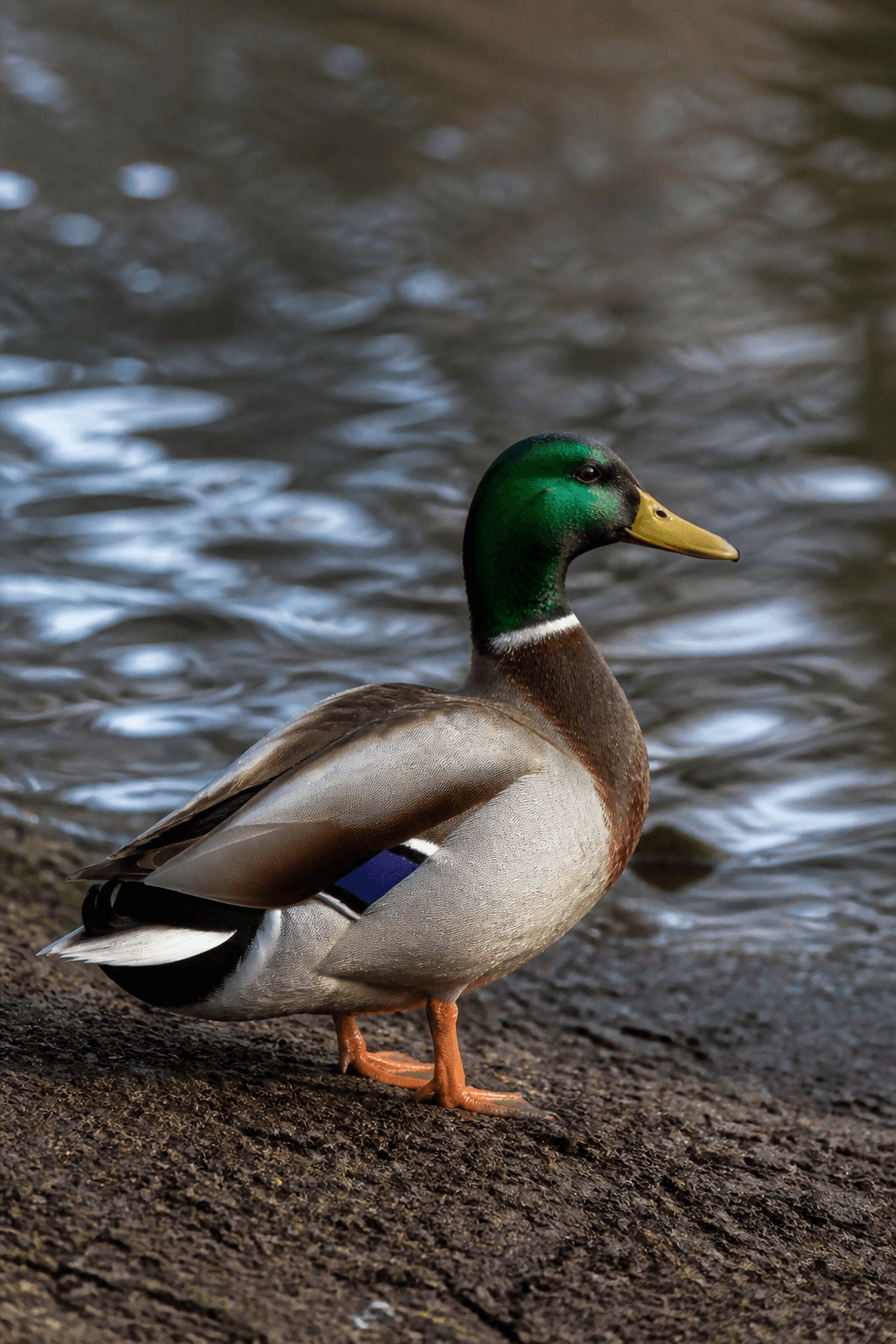
Mallard
United Kingdom, United States
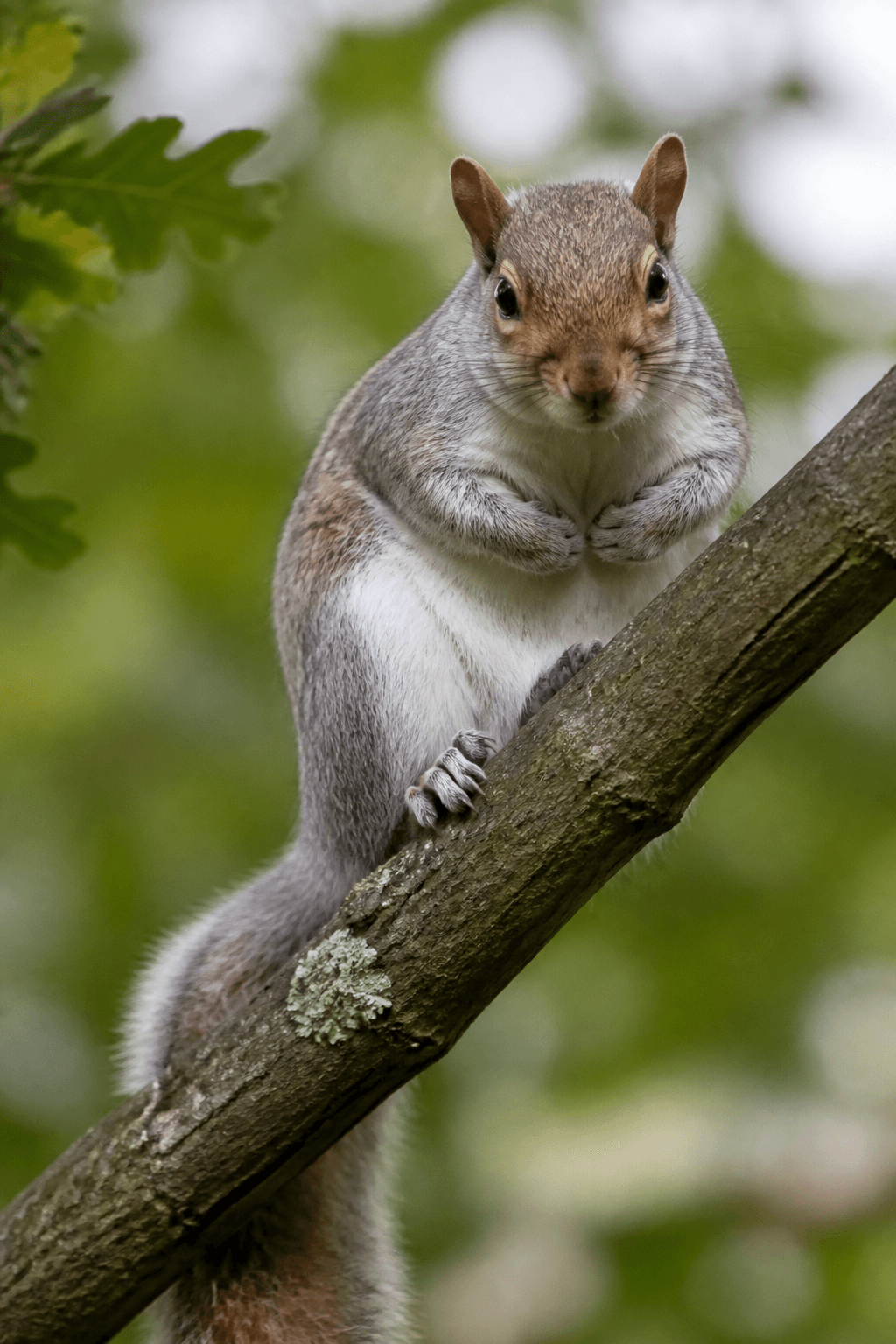
Grey Squirrel
United Kingdom, United States
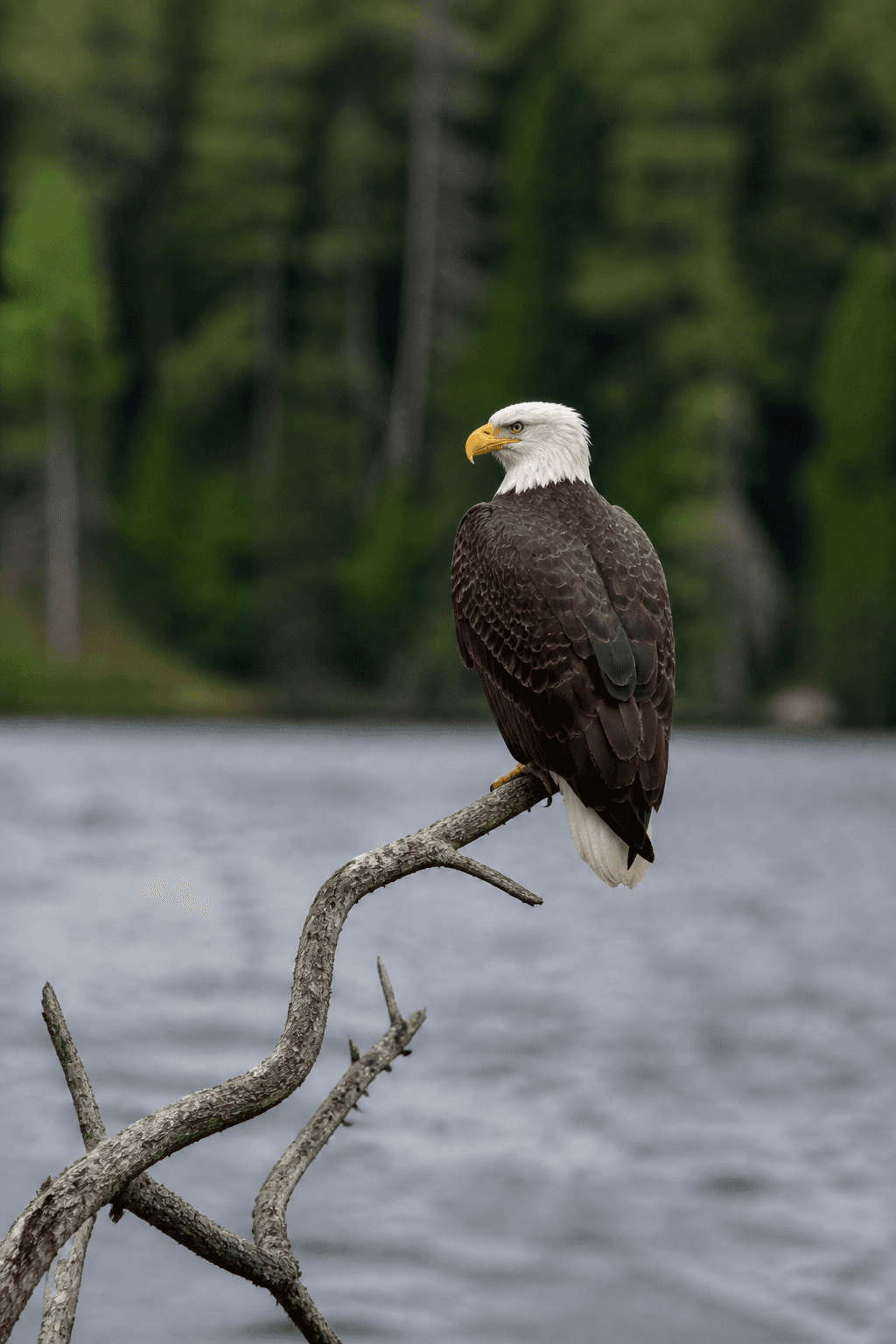
Bald Eagle
United States
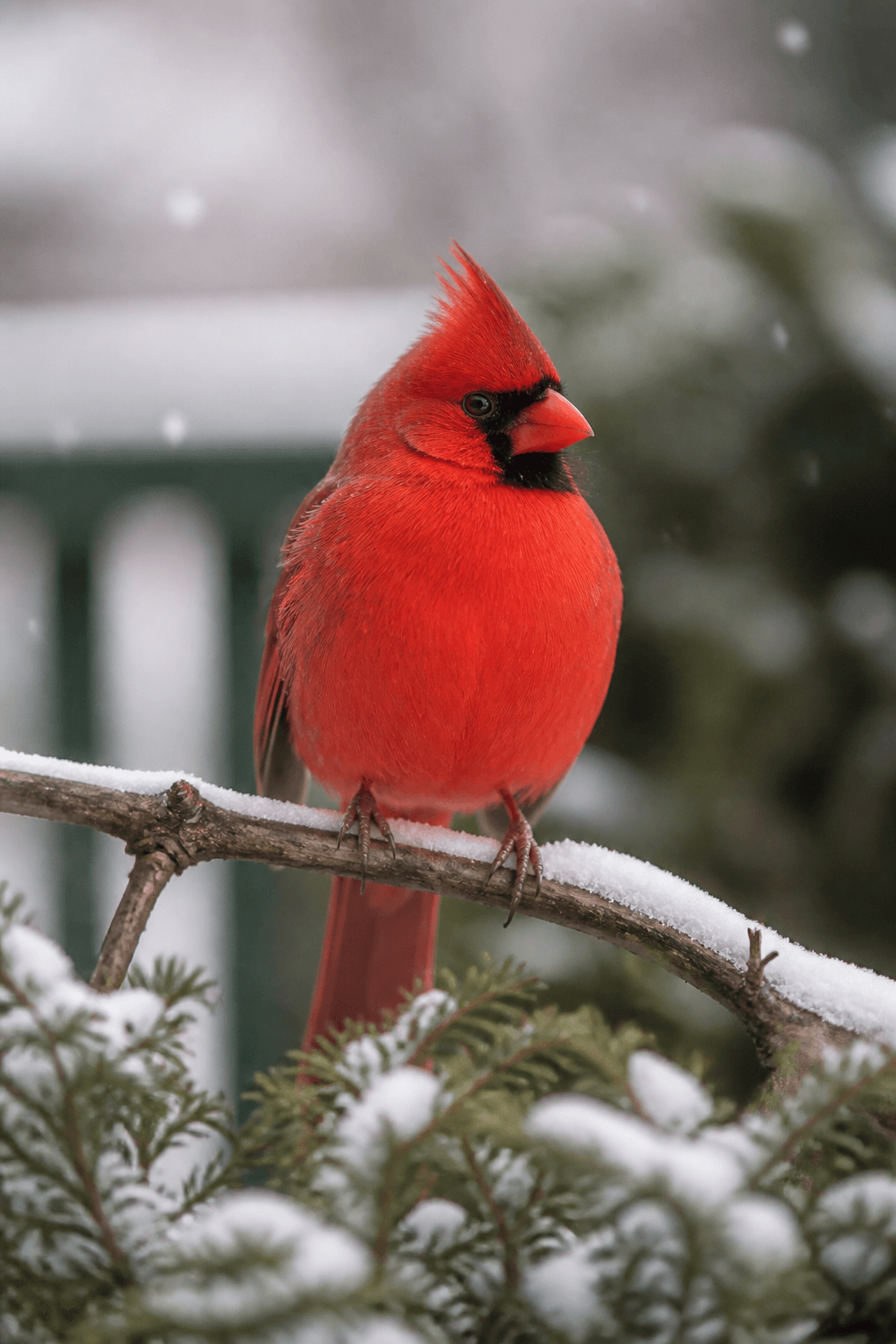
Northern Cardinal
United States
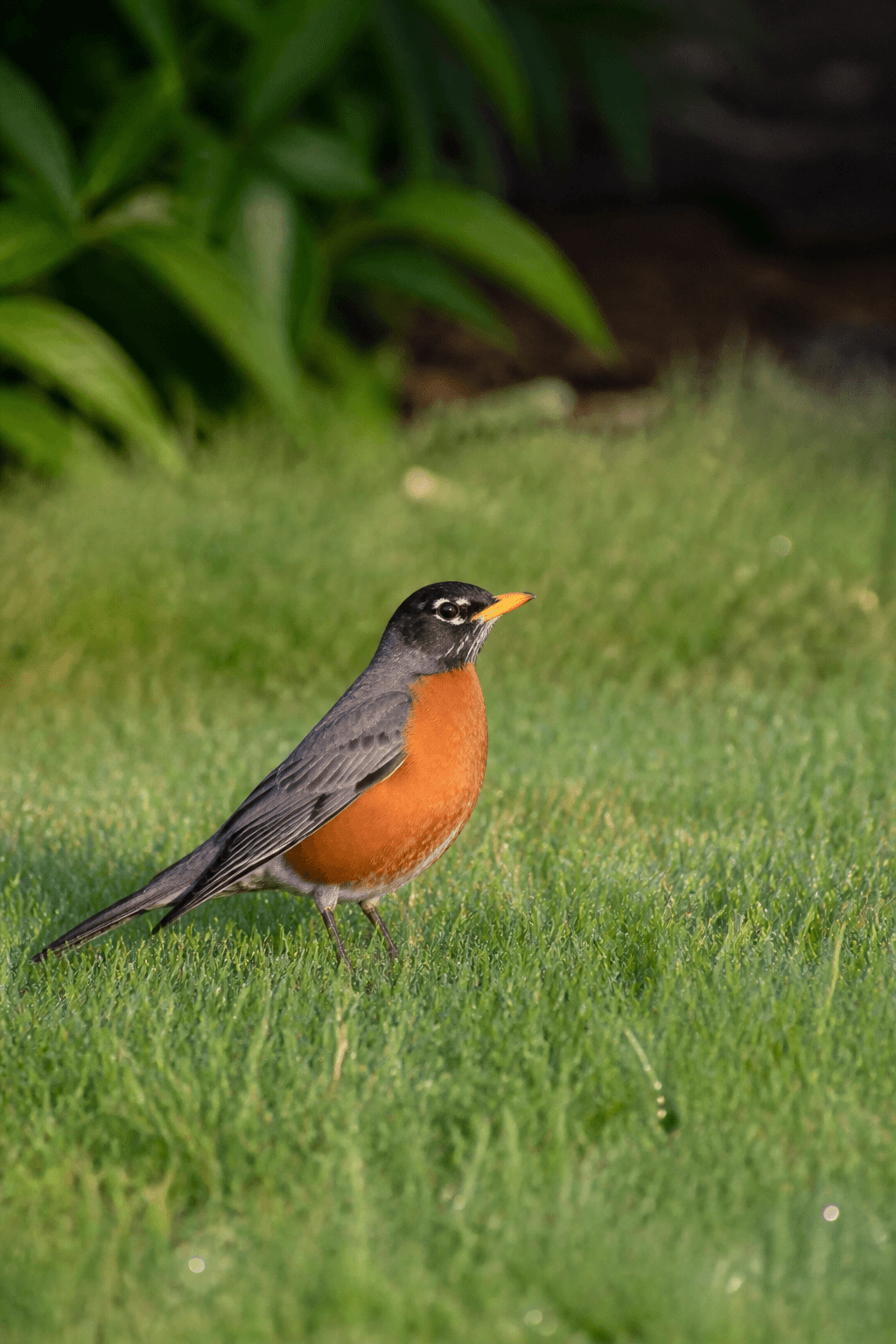
American Robin
United States
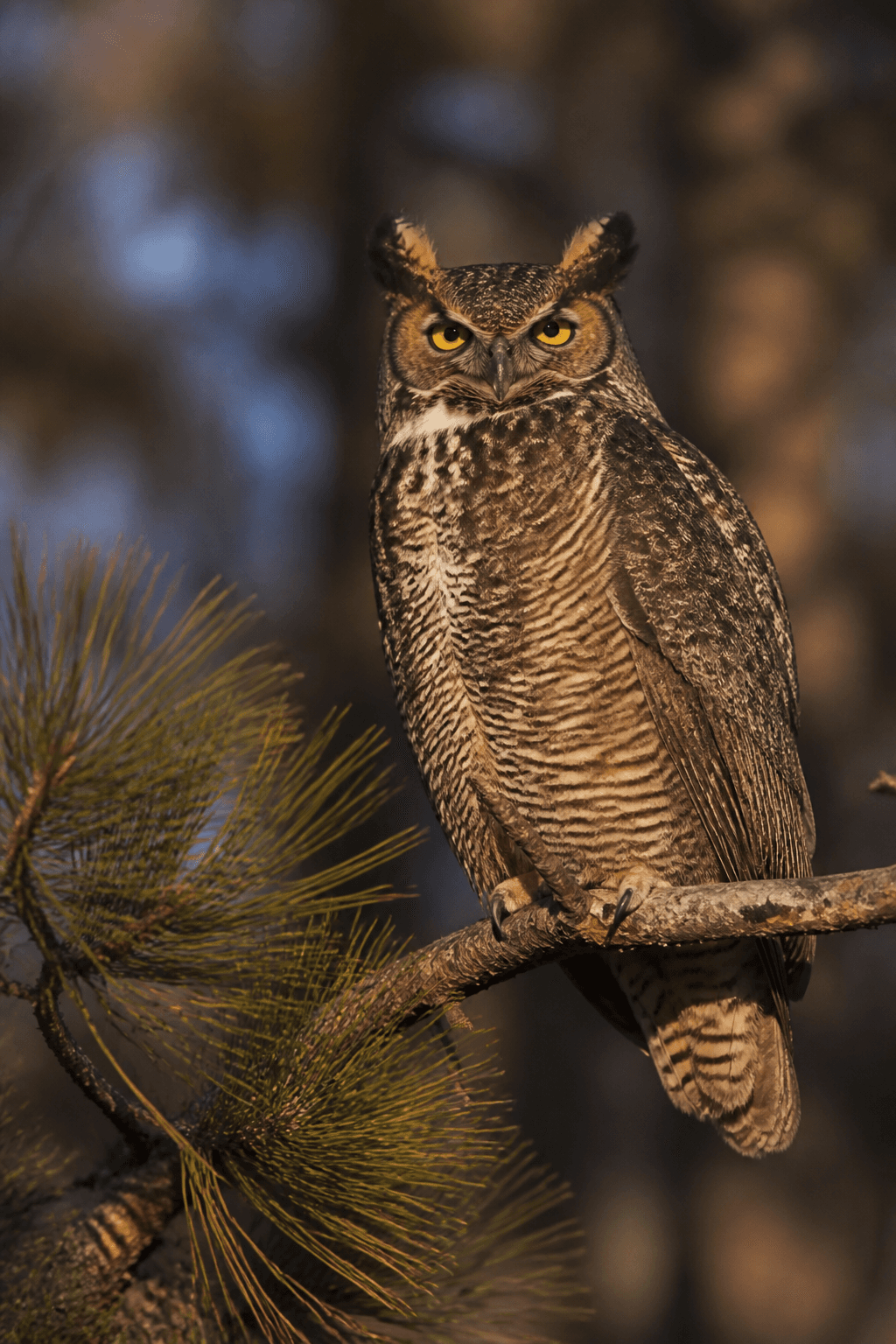
Great Horned Owl
United States
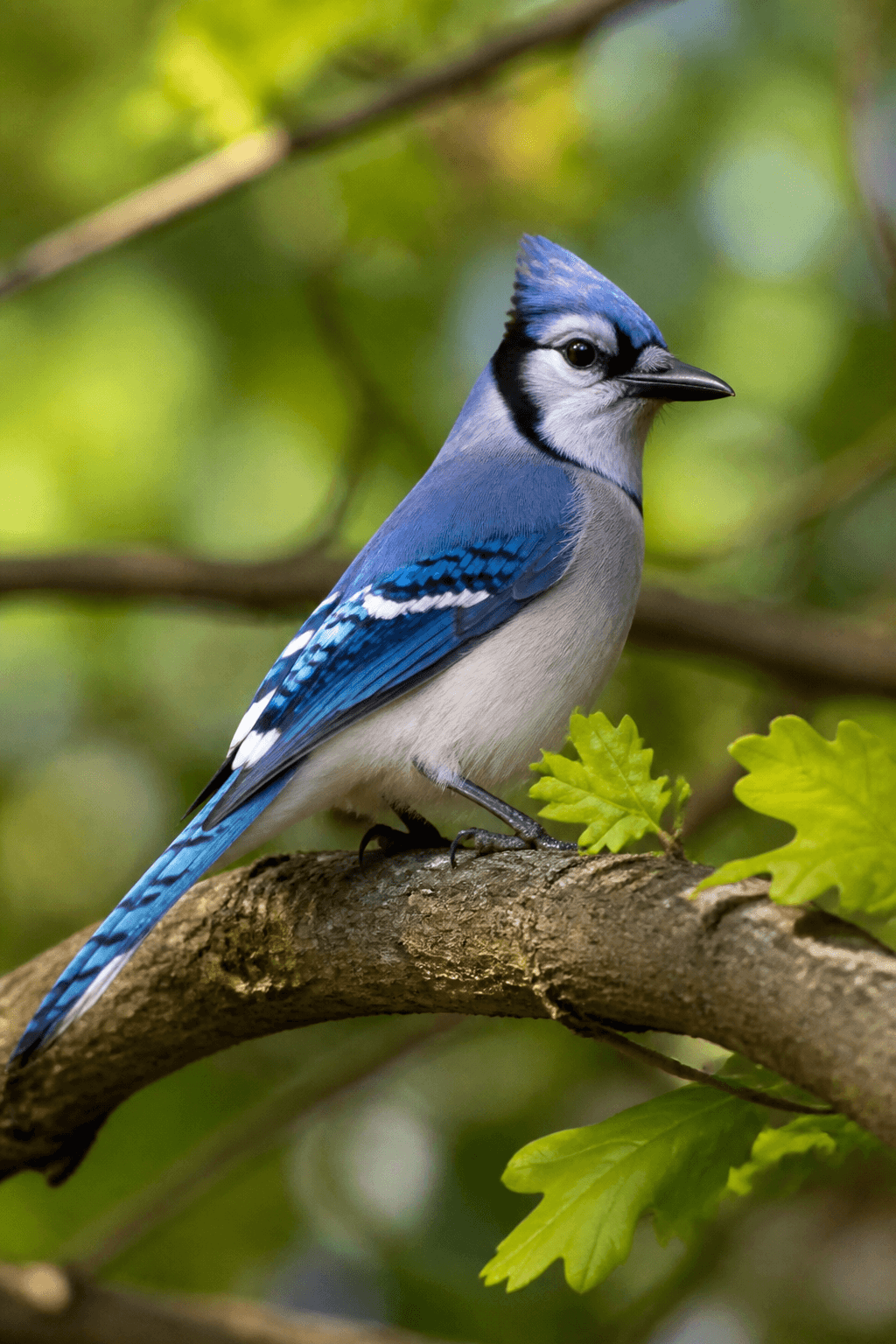
Blue Jay
United States
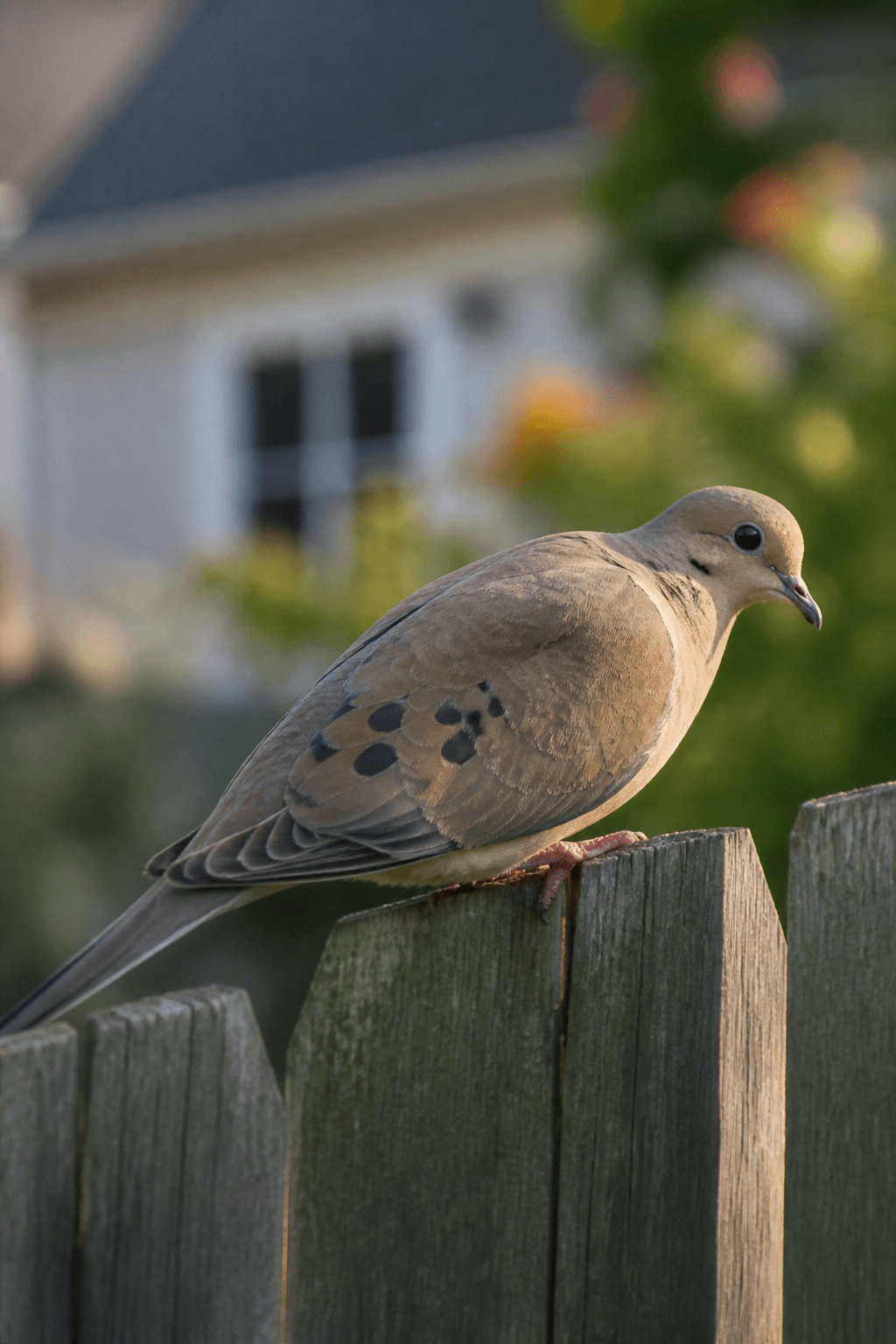
Mourning Dove
United States
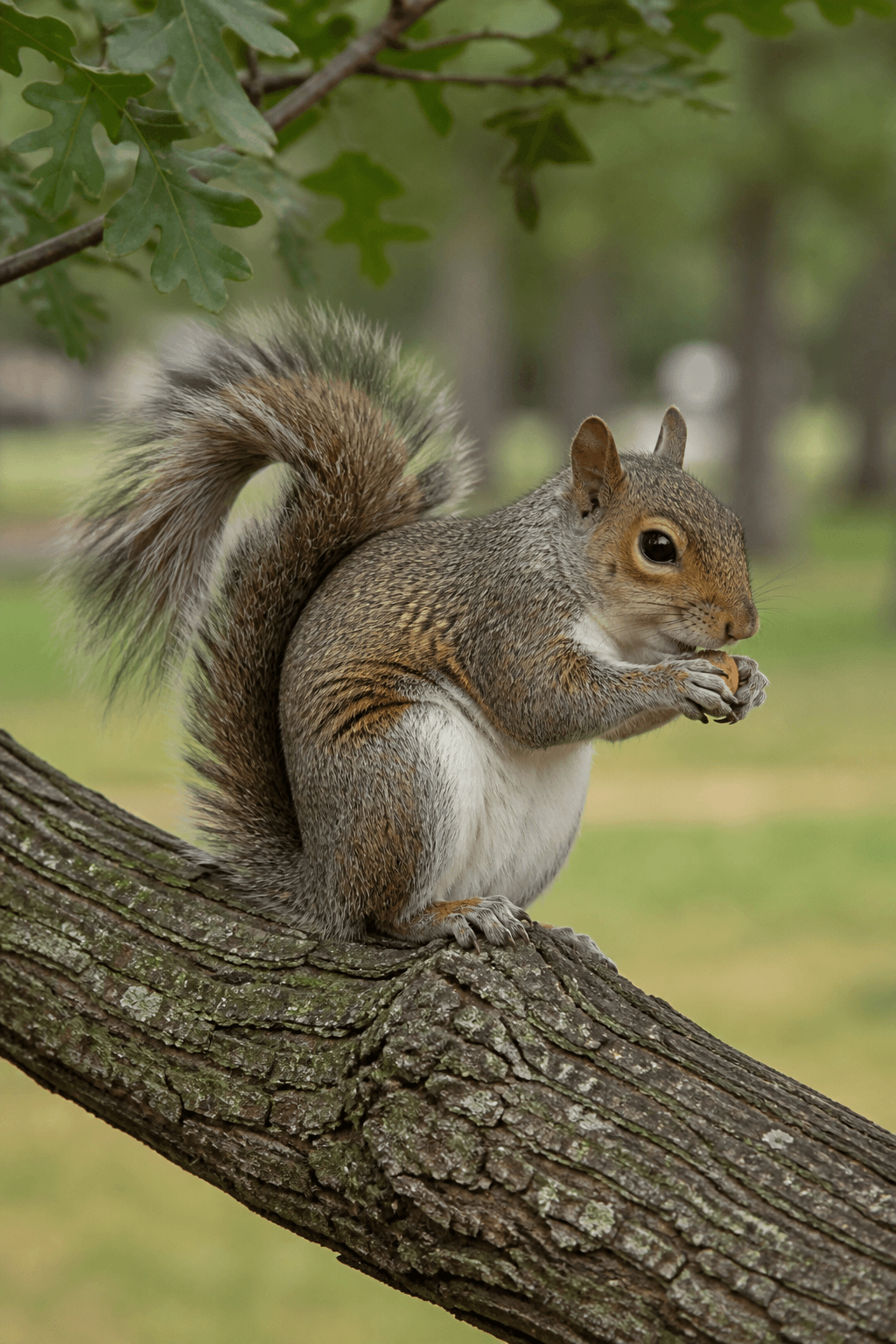
Eastern Gray Squirrel
United States
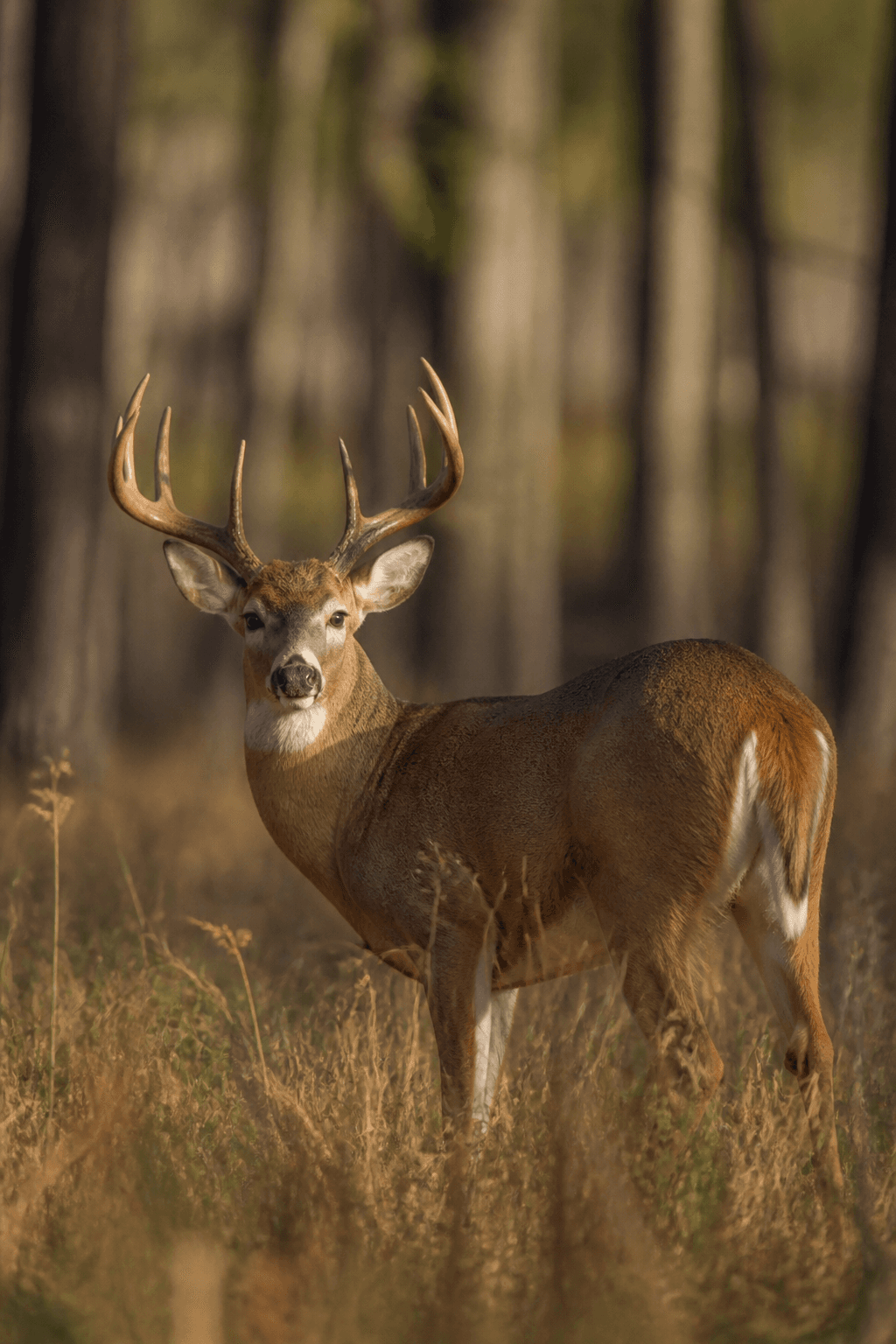
White-tailed Deer
United States
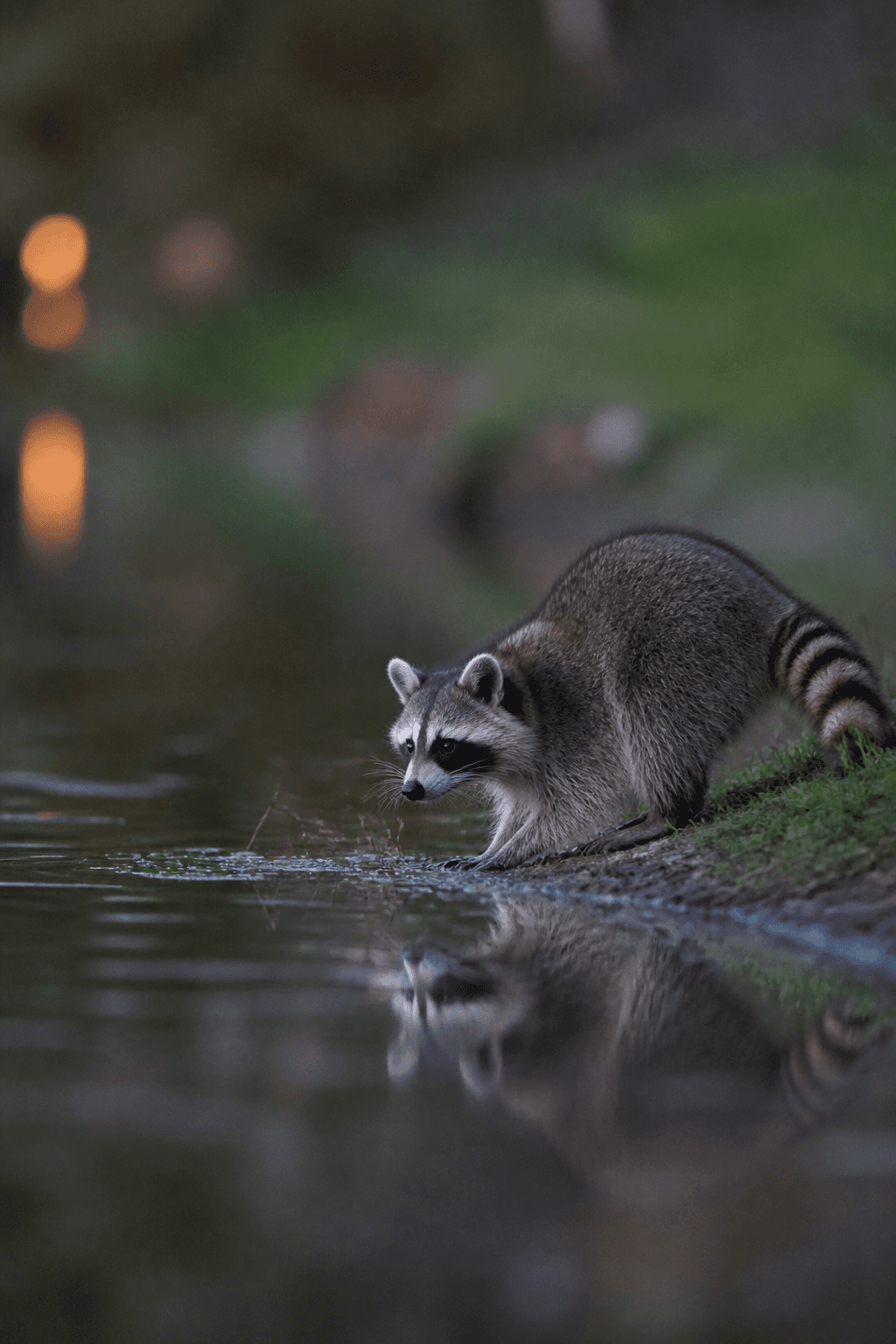
Raccoon
United States
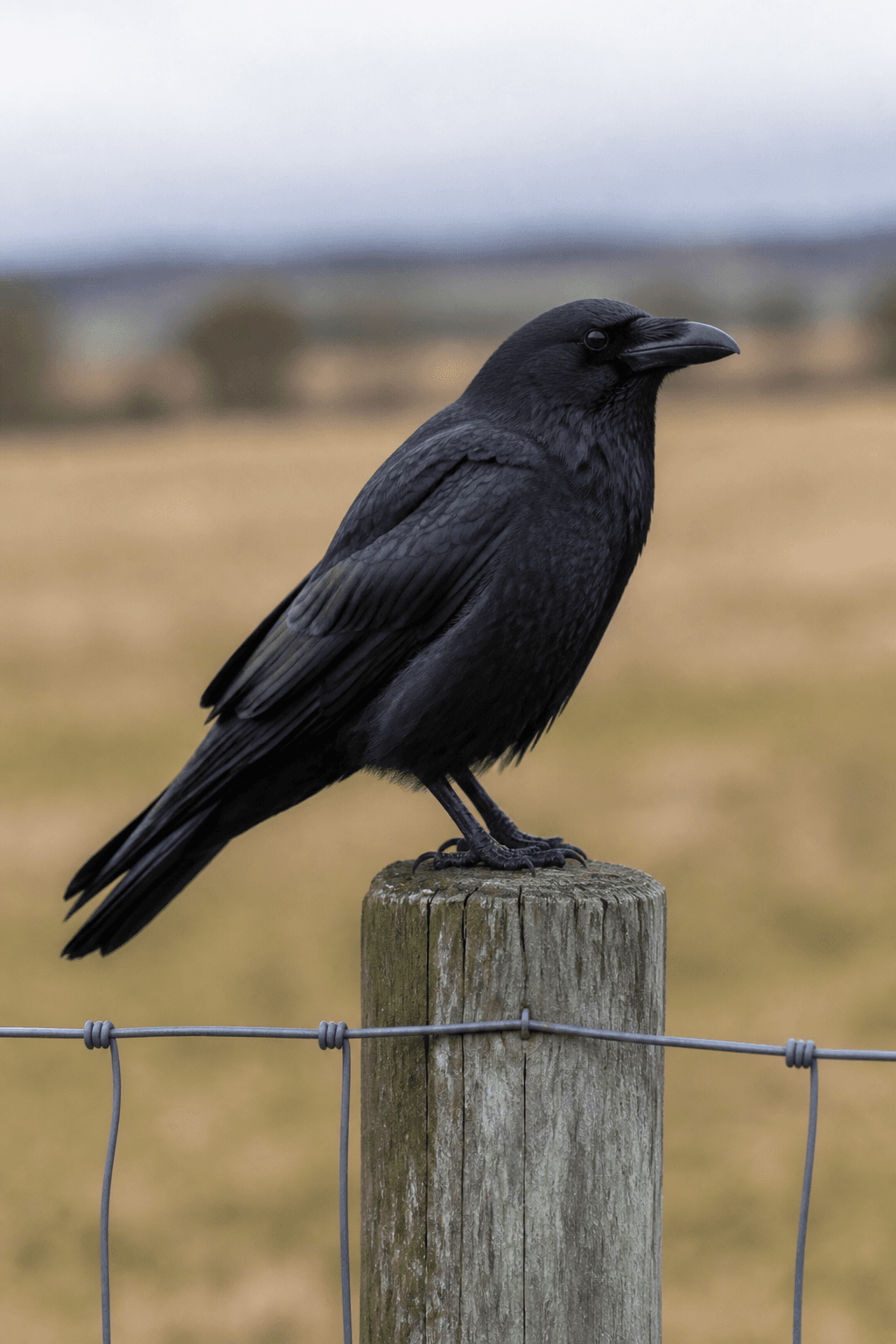
American Crow
United States
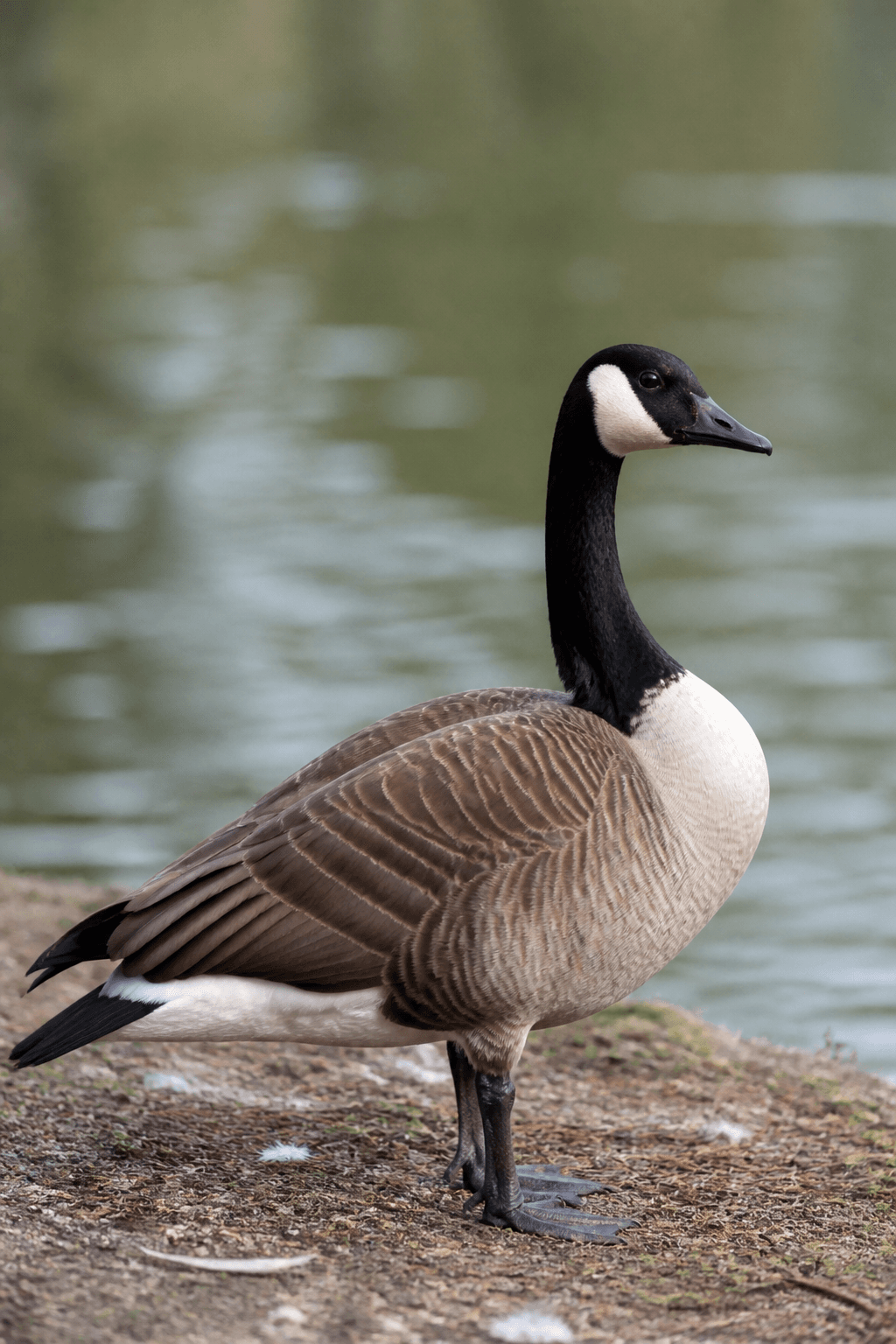
Canada Goose
United States
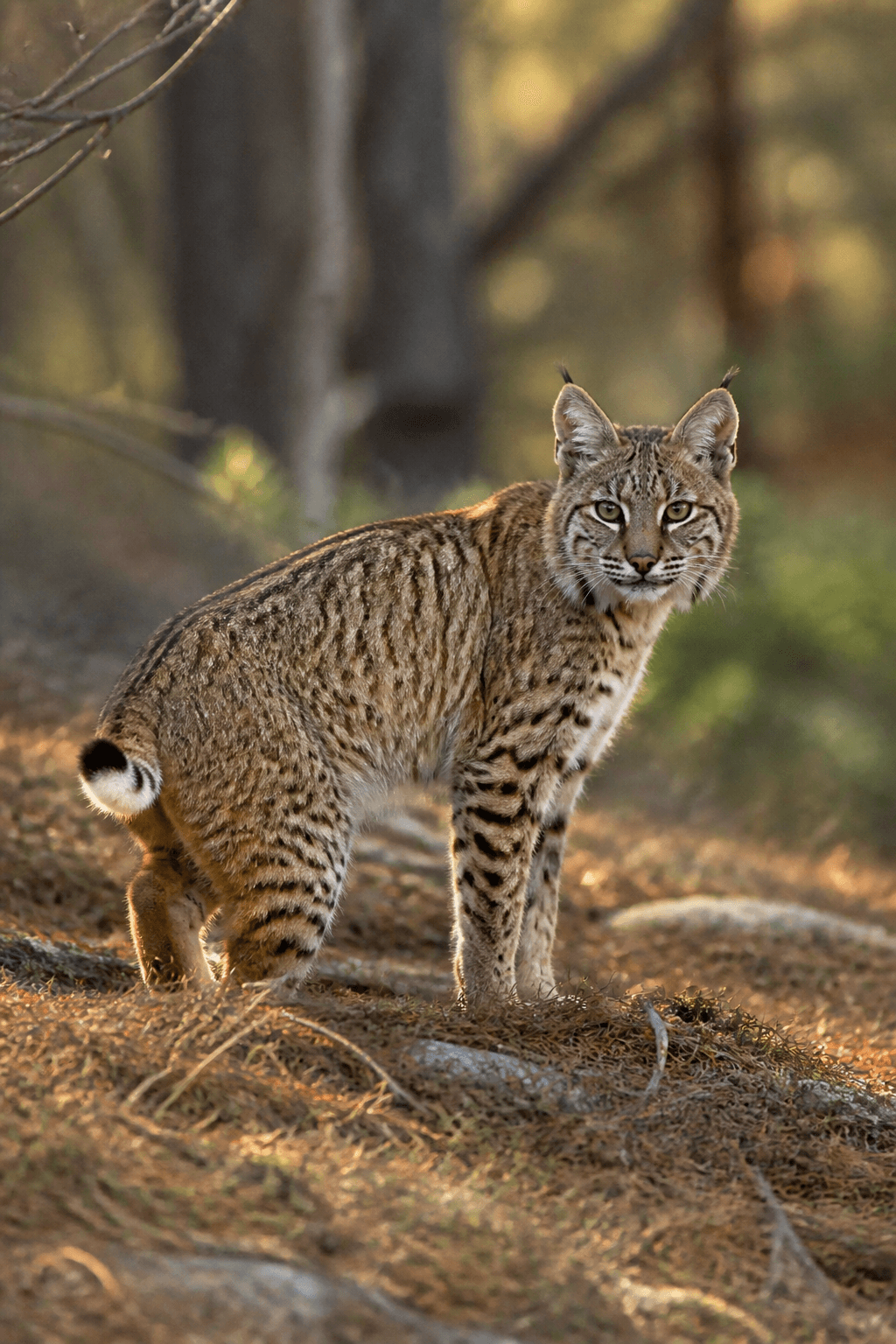
Bobcat
United States
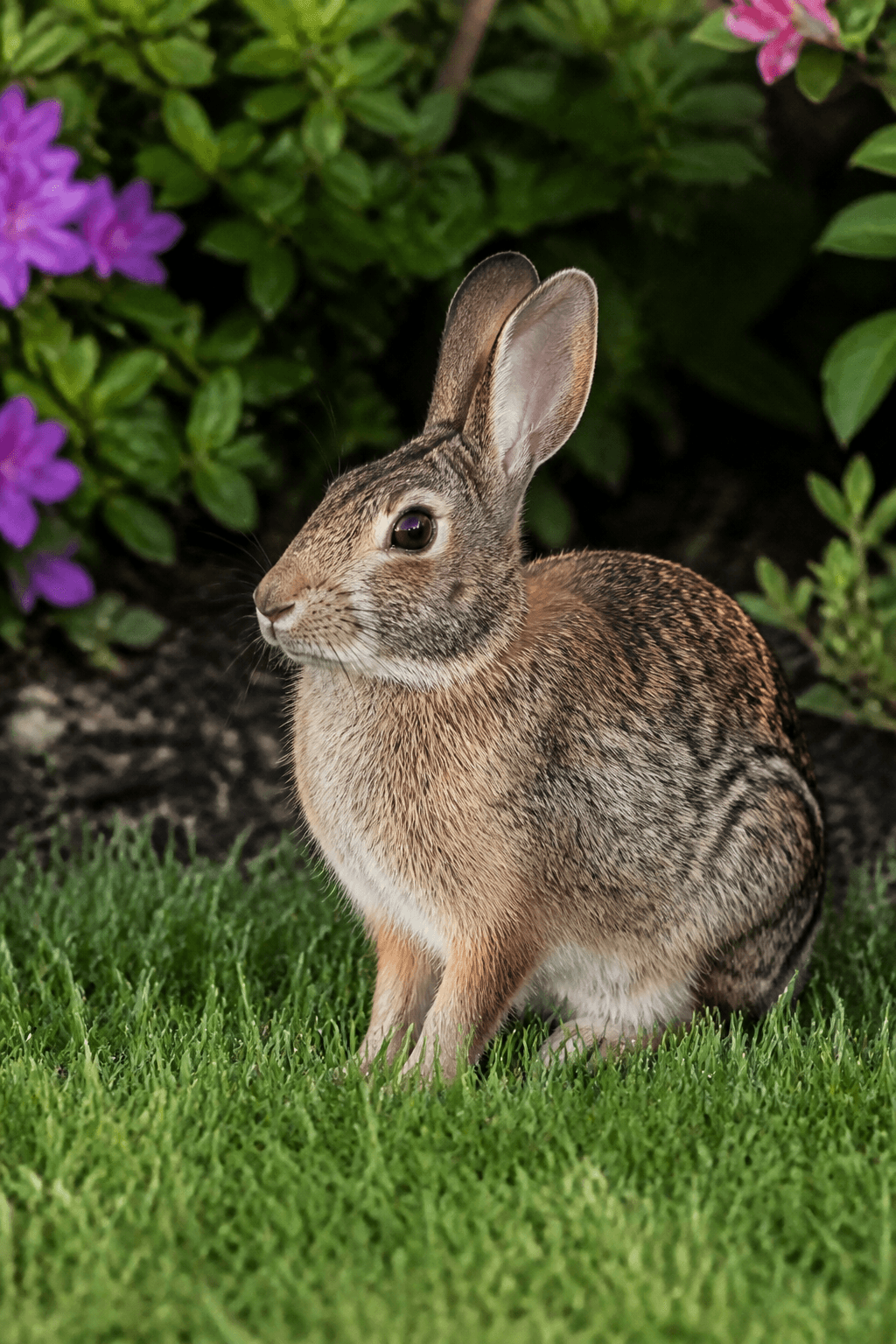
Eastern Cottontail
United States
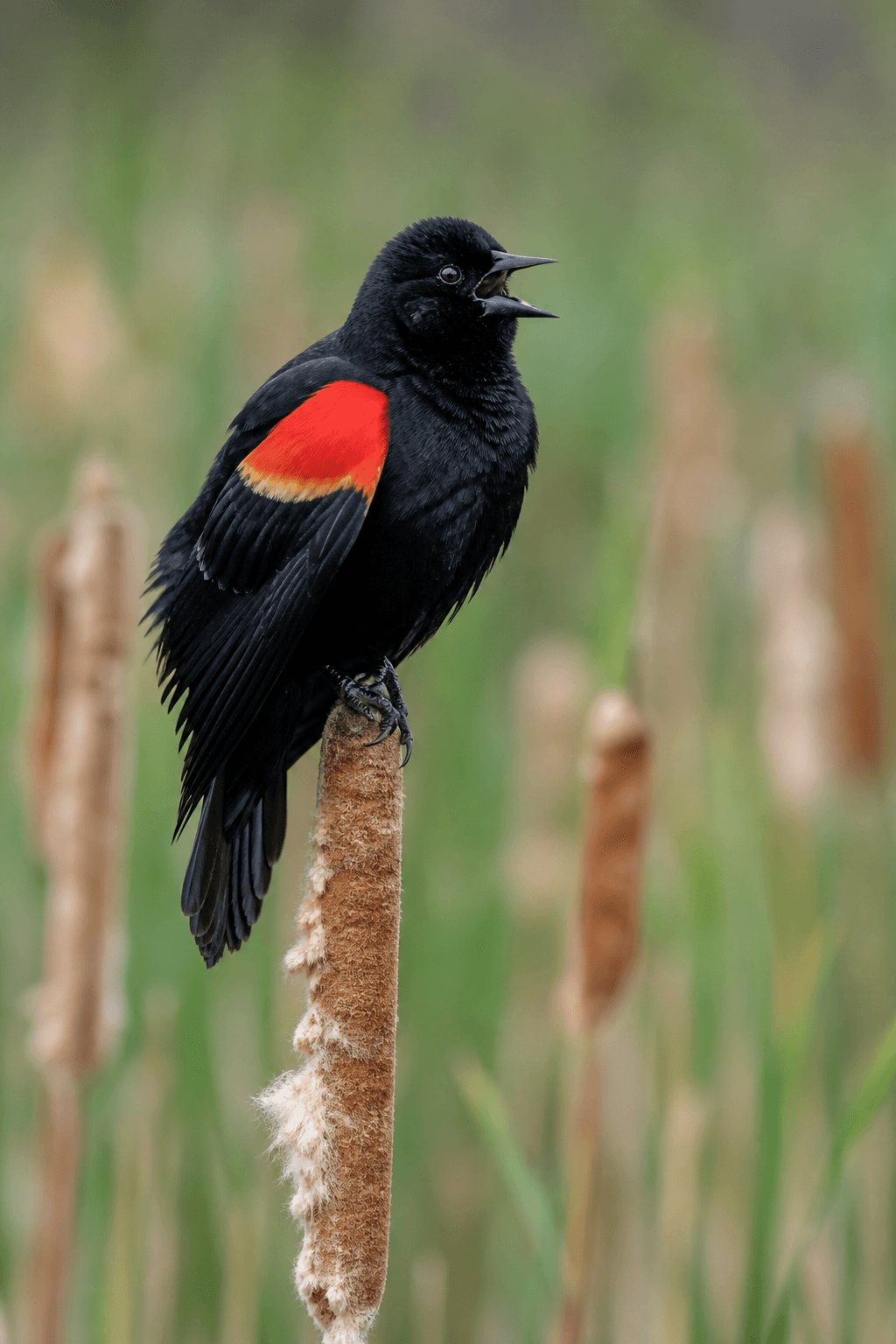
Red-winged Blackbird
United States
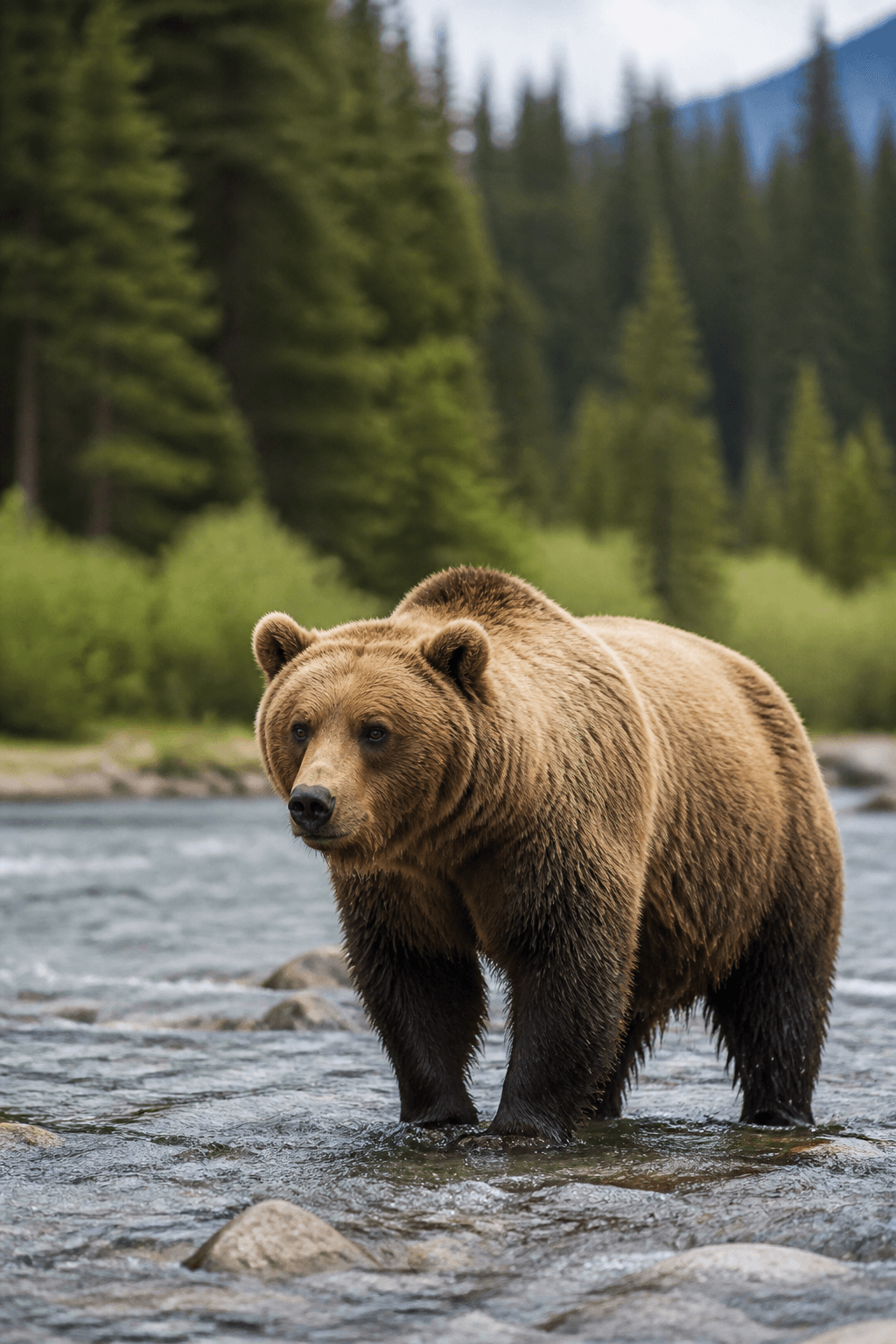
Grizzly Bear
United States
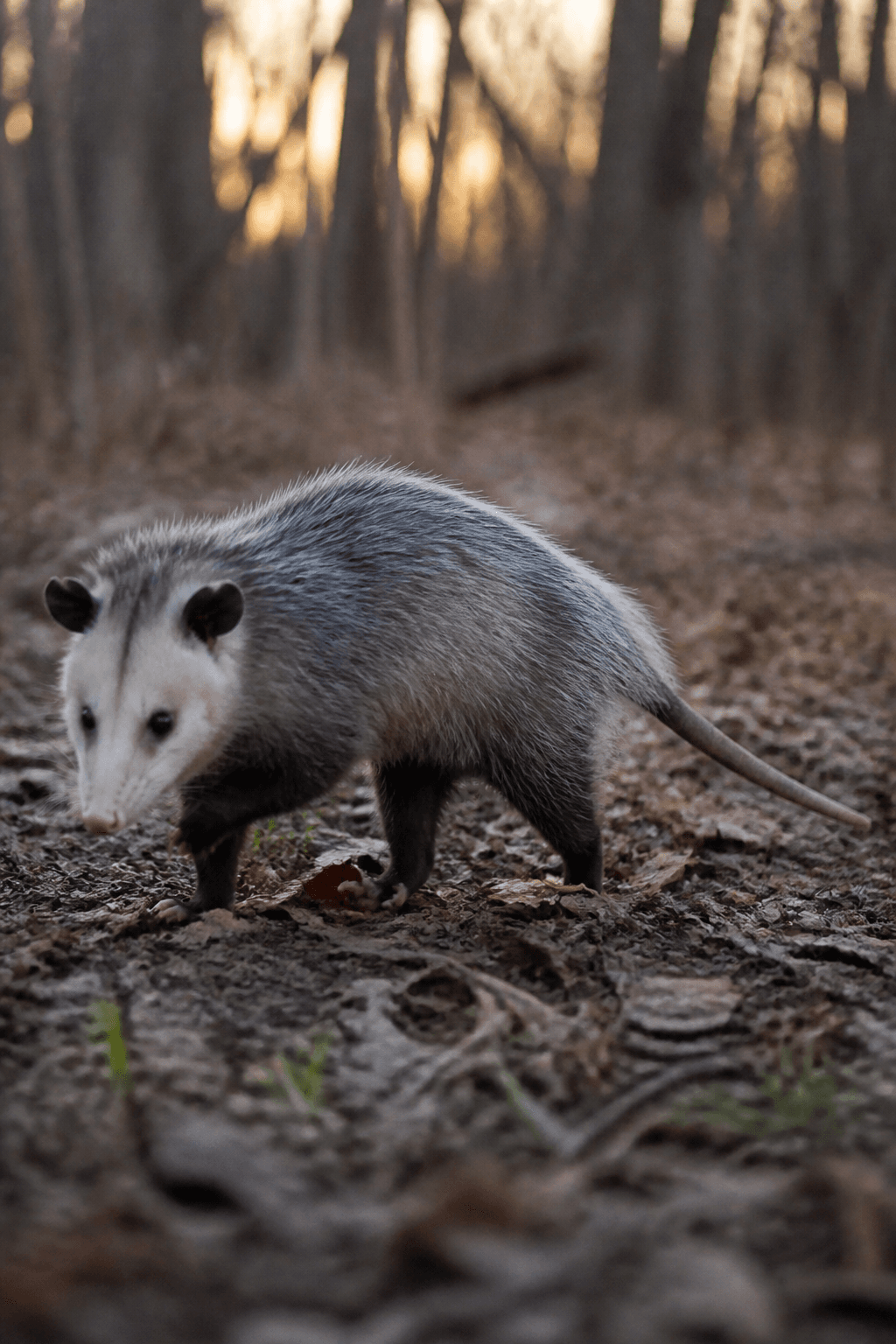
Opossum
United States
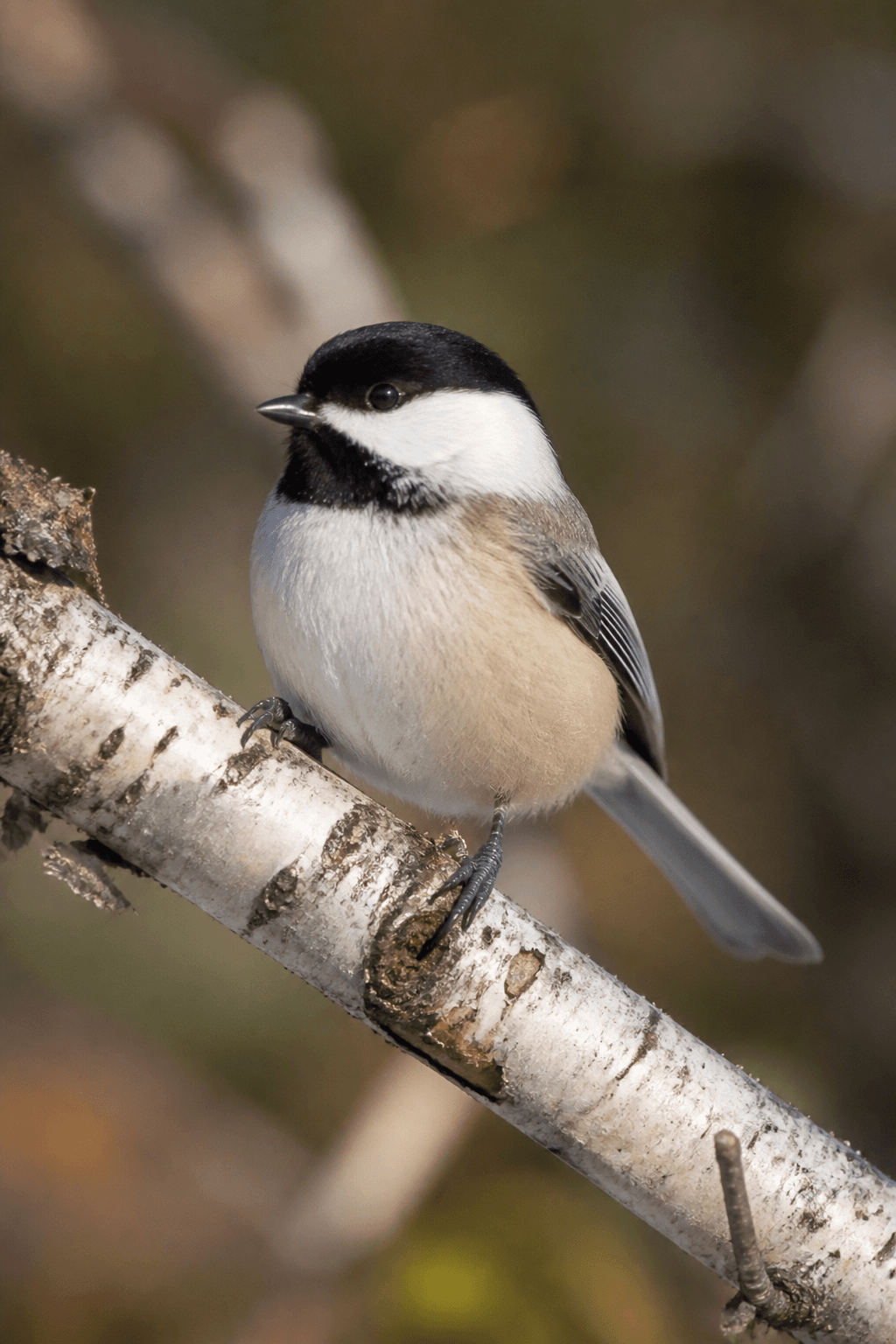
Black-capped Chickadee
United States
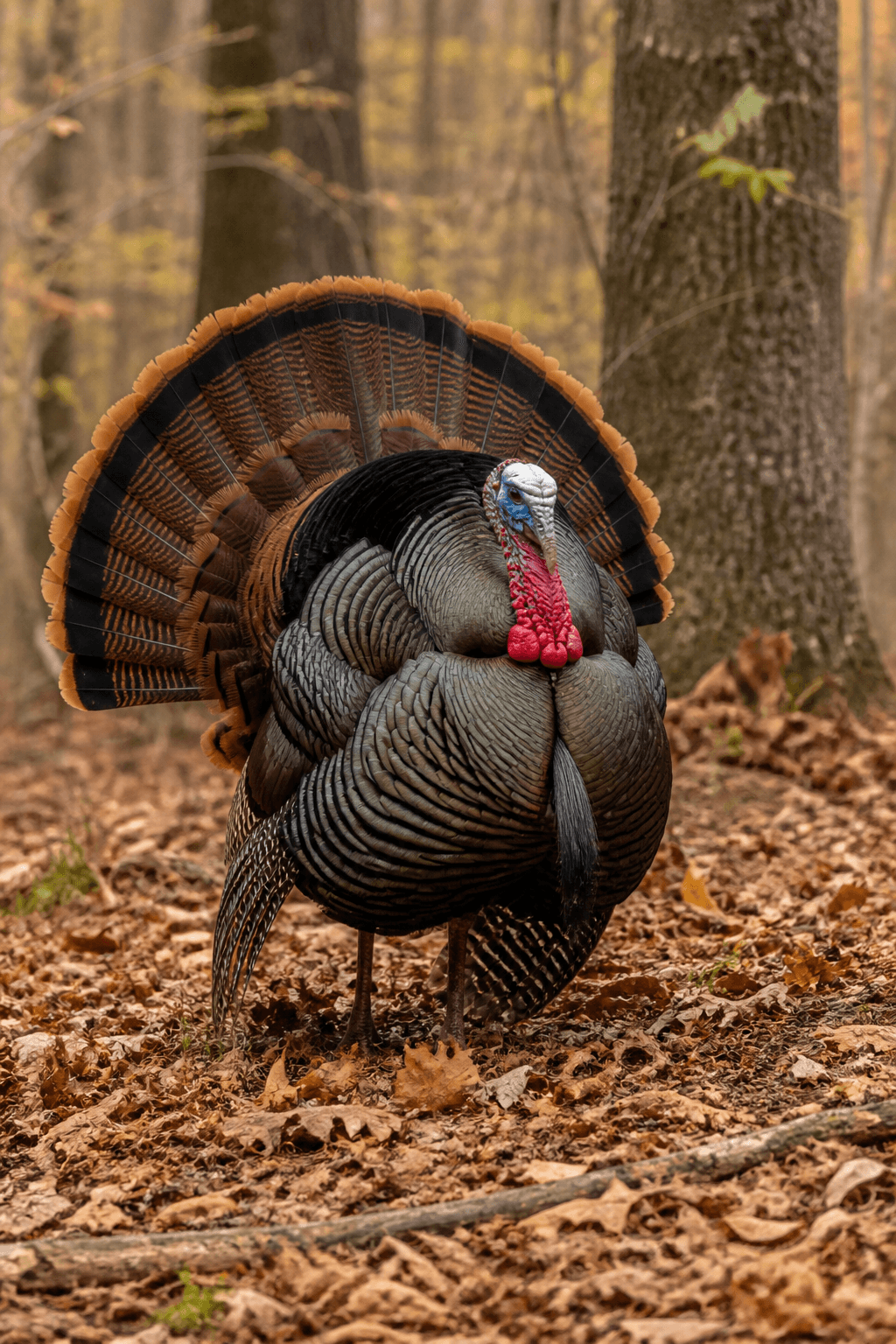
Wild Turkey
United States
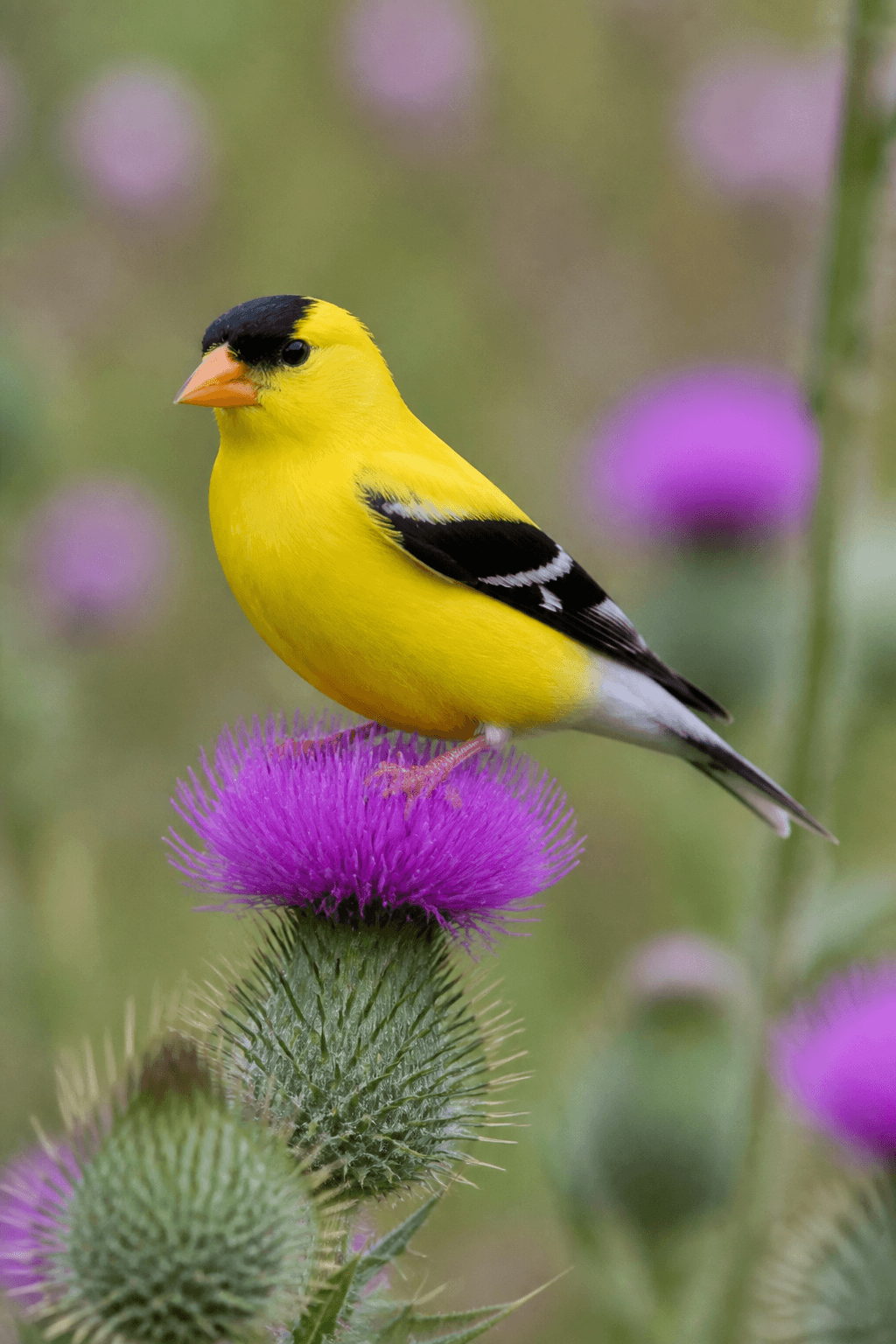
American Goldfinch
United States
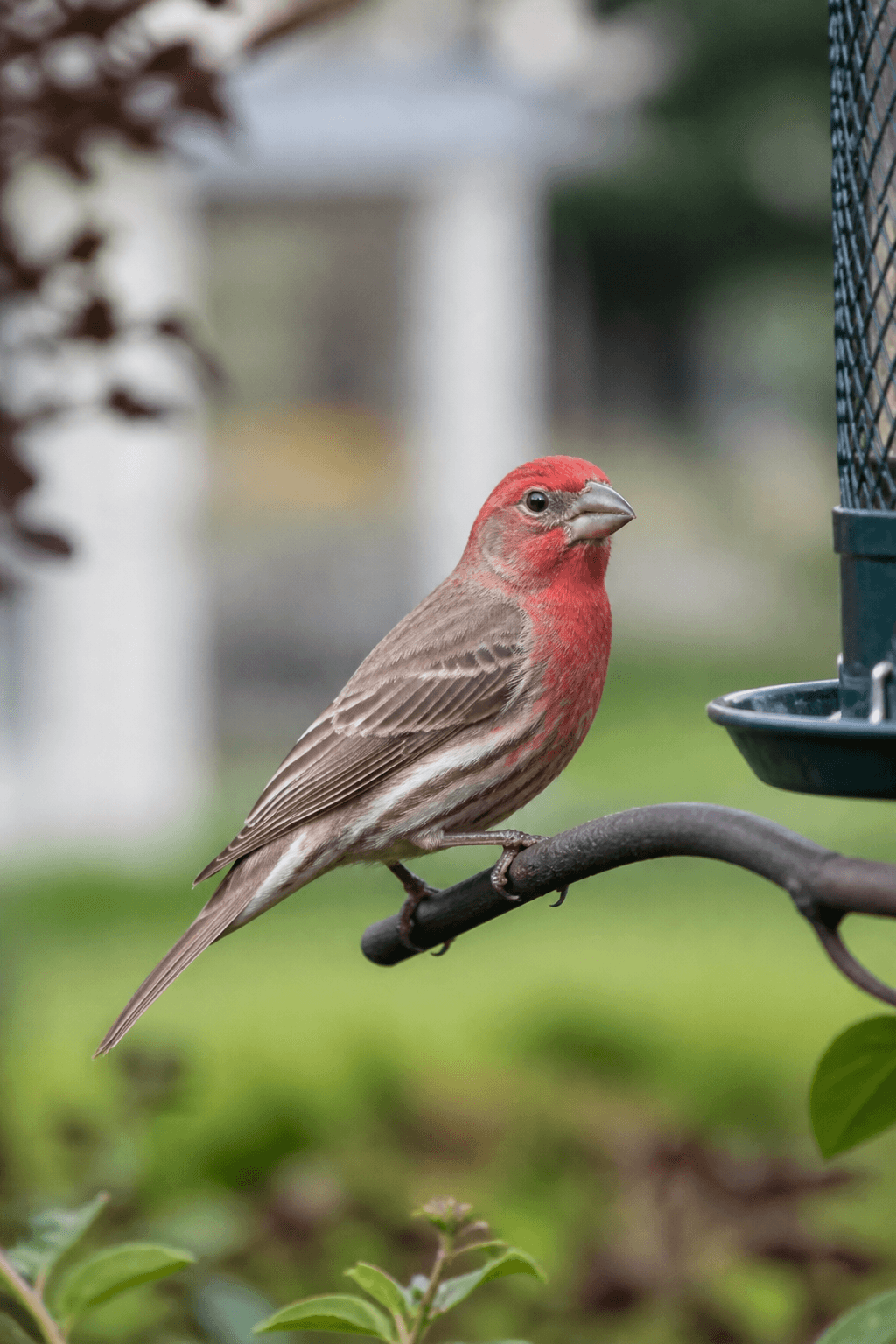
House Finch
United States
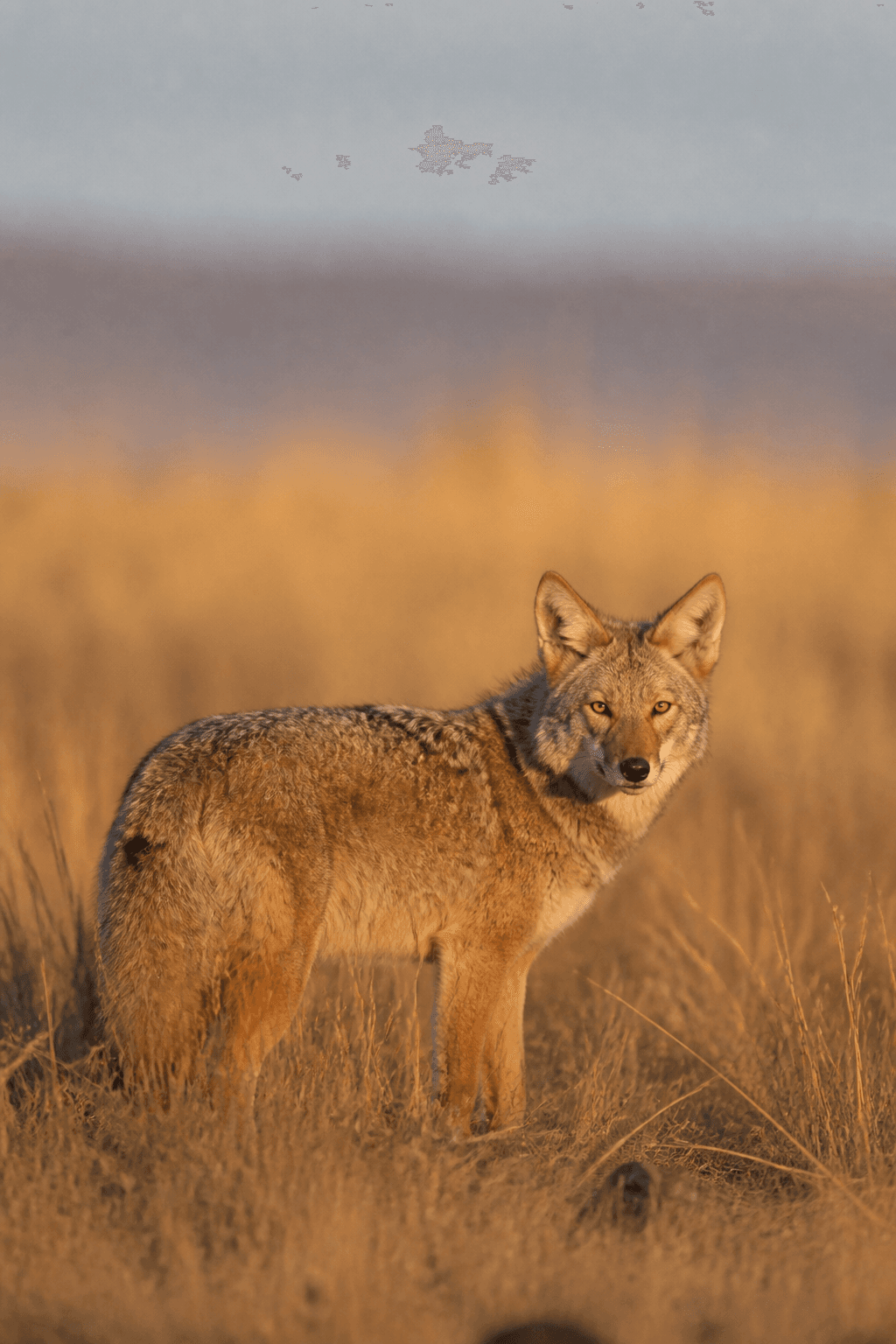
Coyote
United States
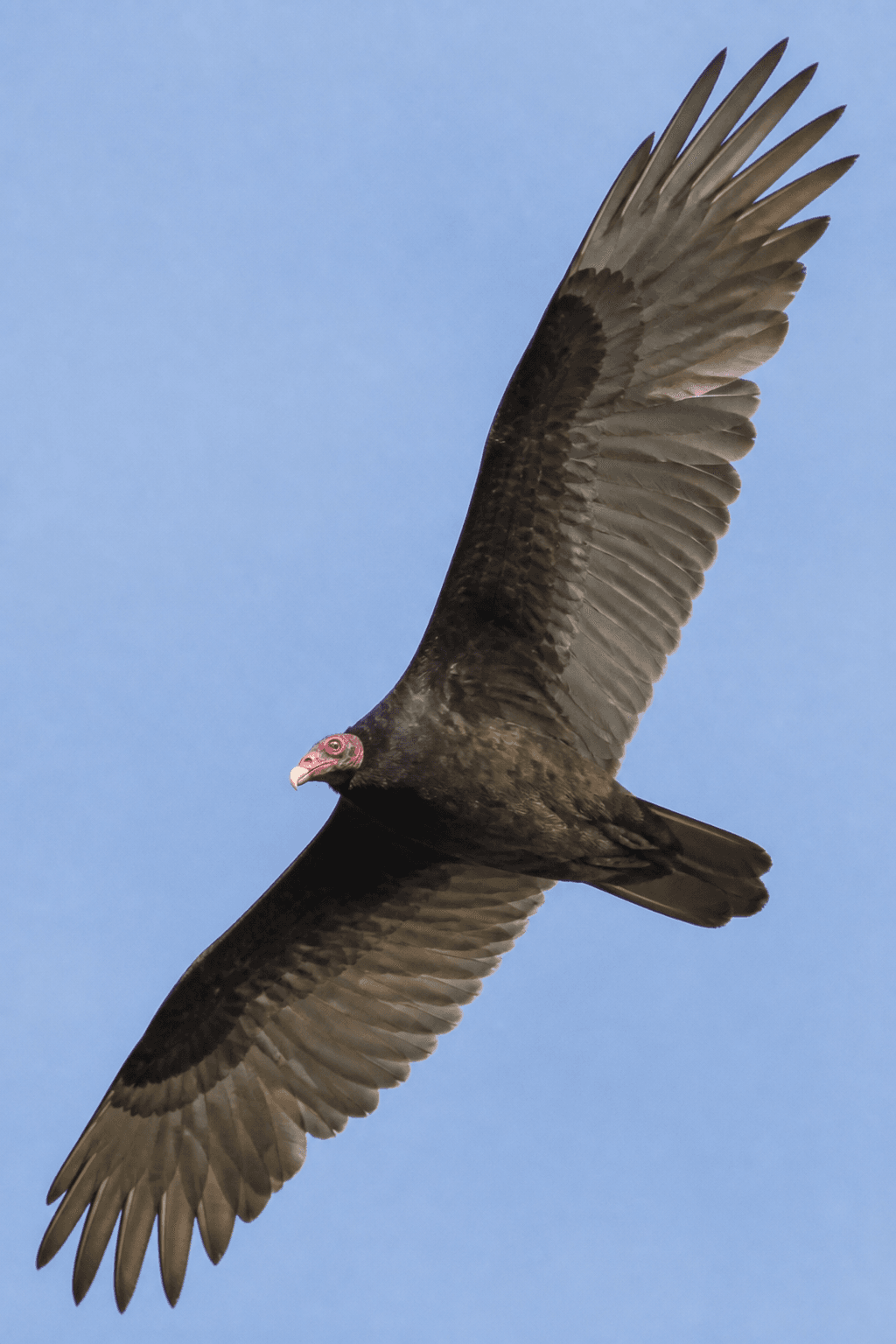
Turkey Vulture
United States
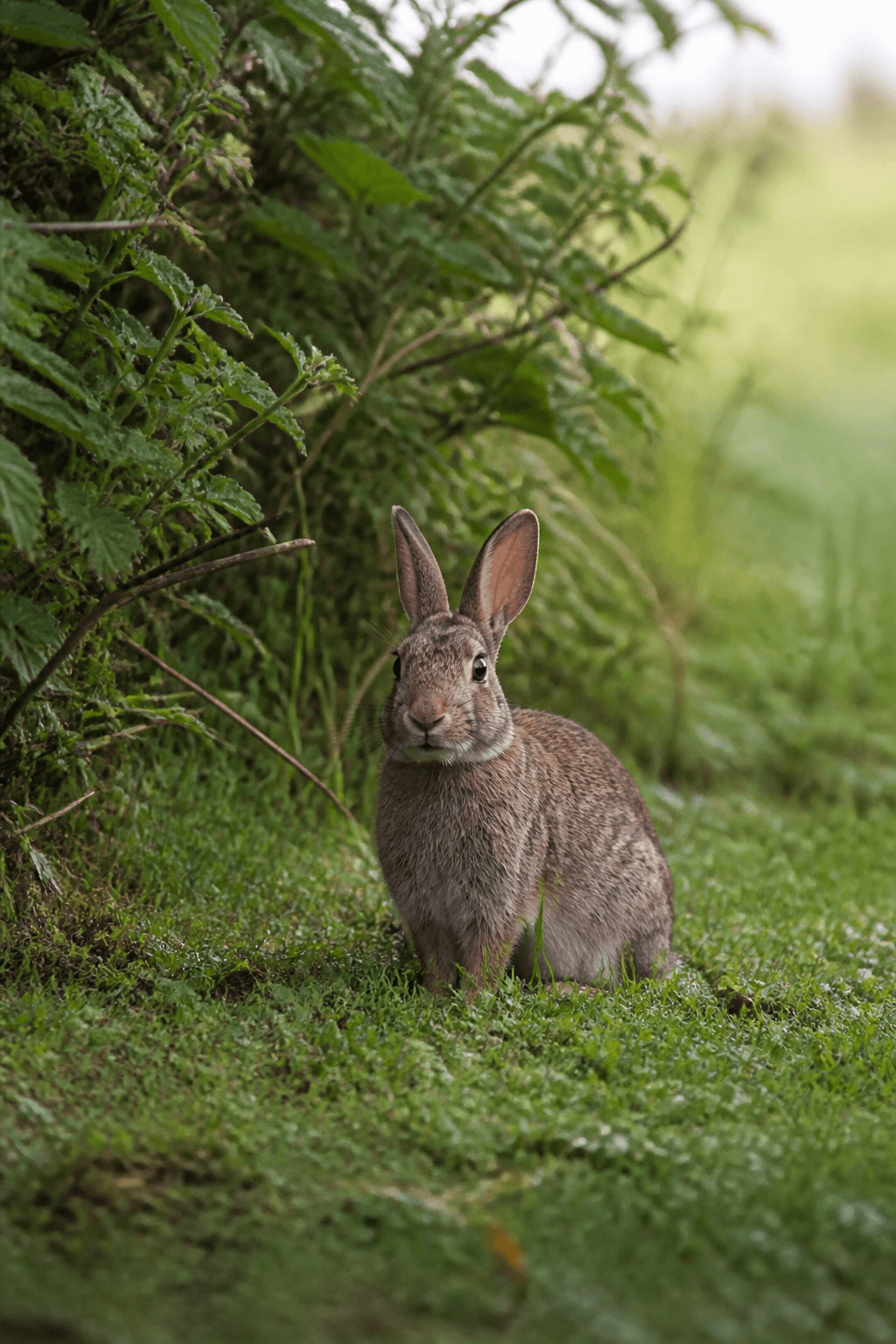
European Rabbit
United Kingdom, United States
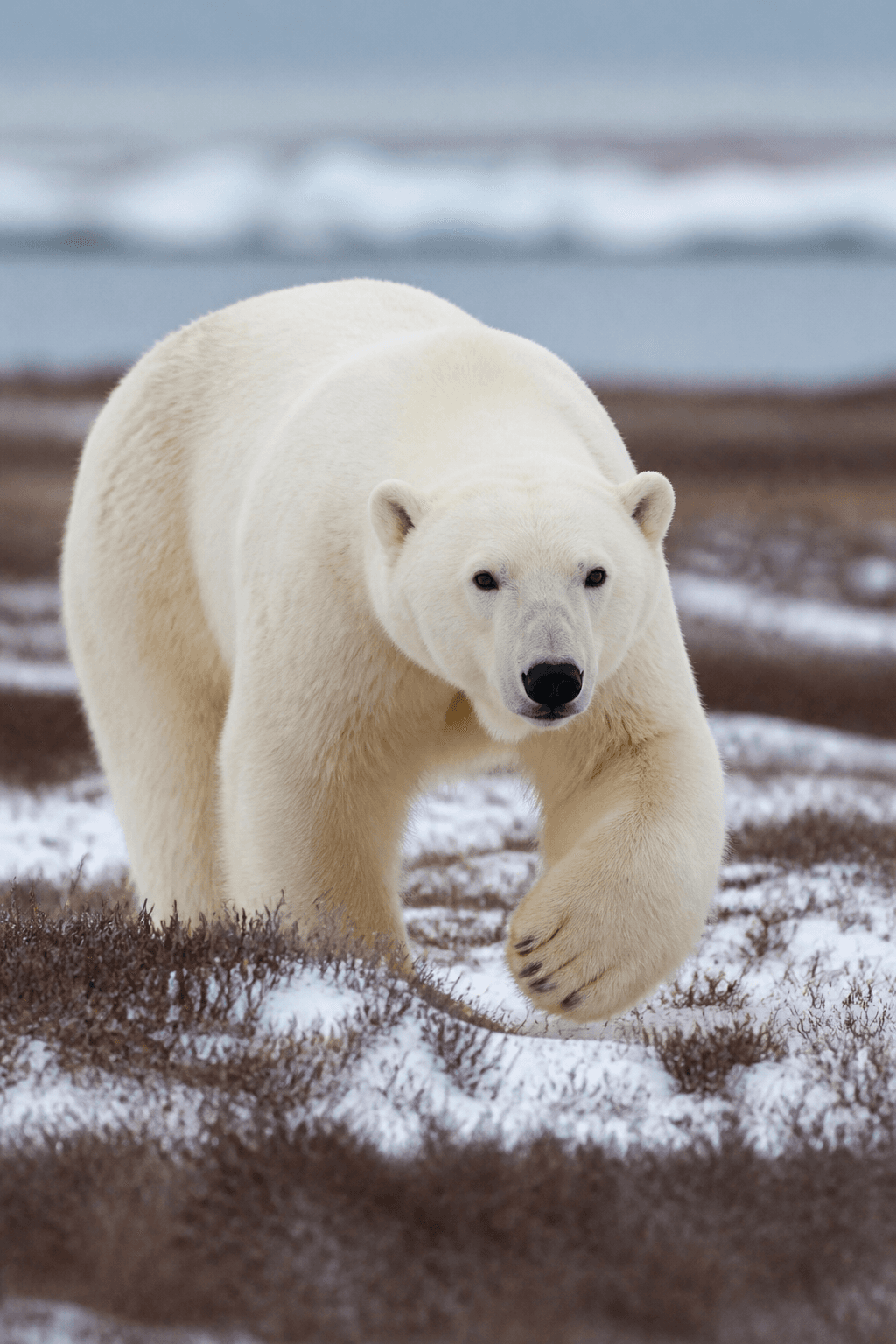
Polar Bear
Canada
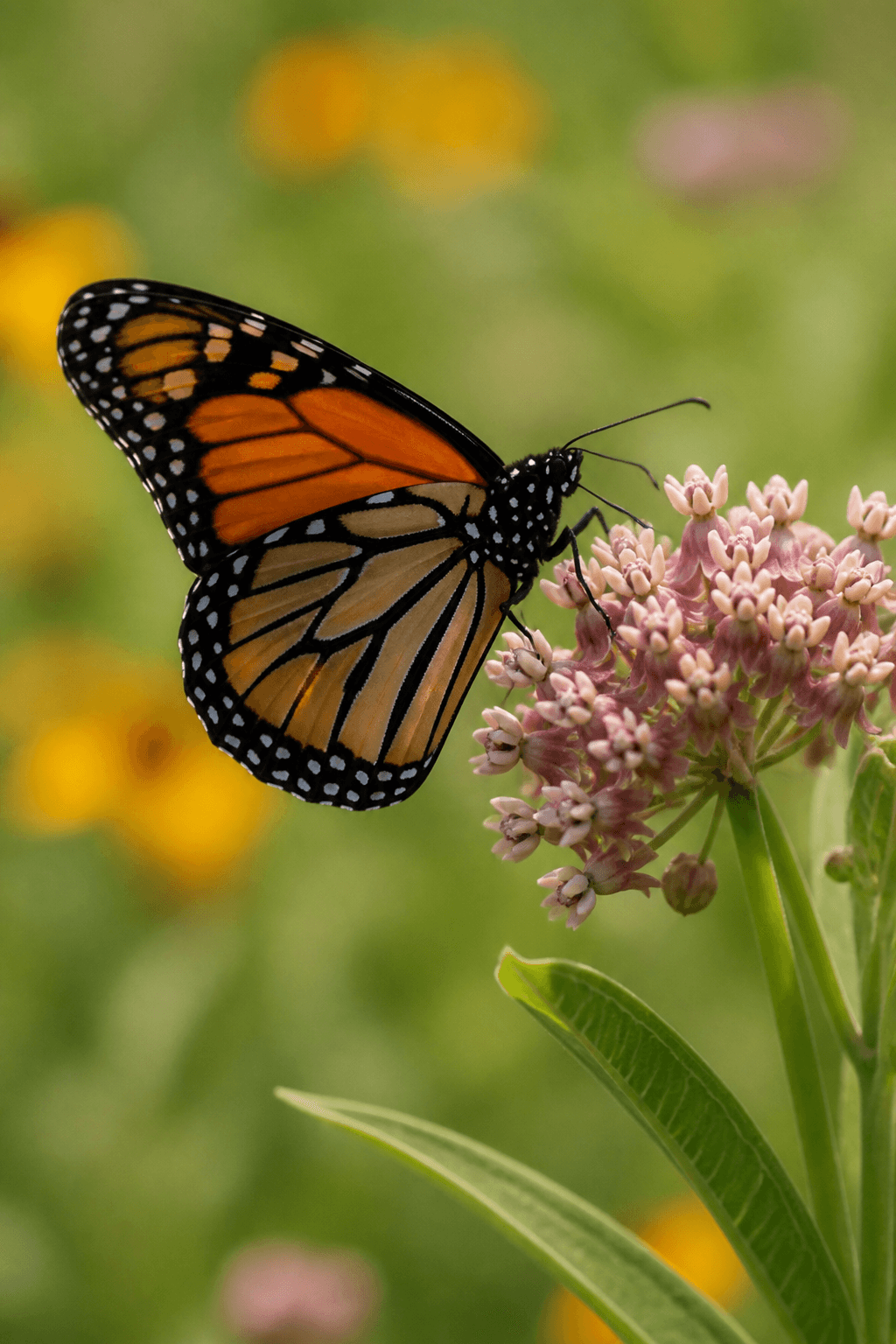
Monarch Butterfly
United States, United Kingdom
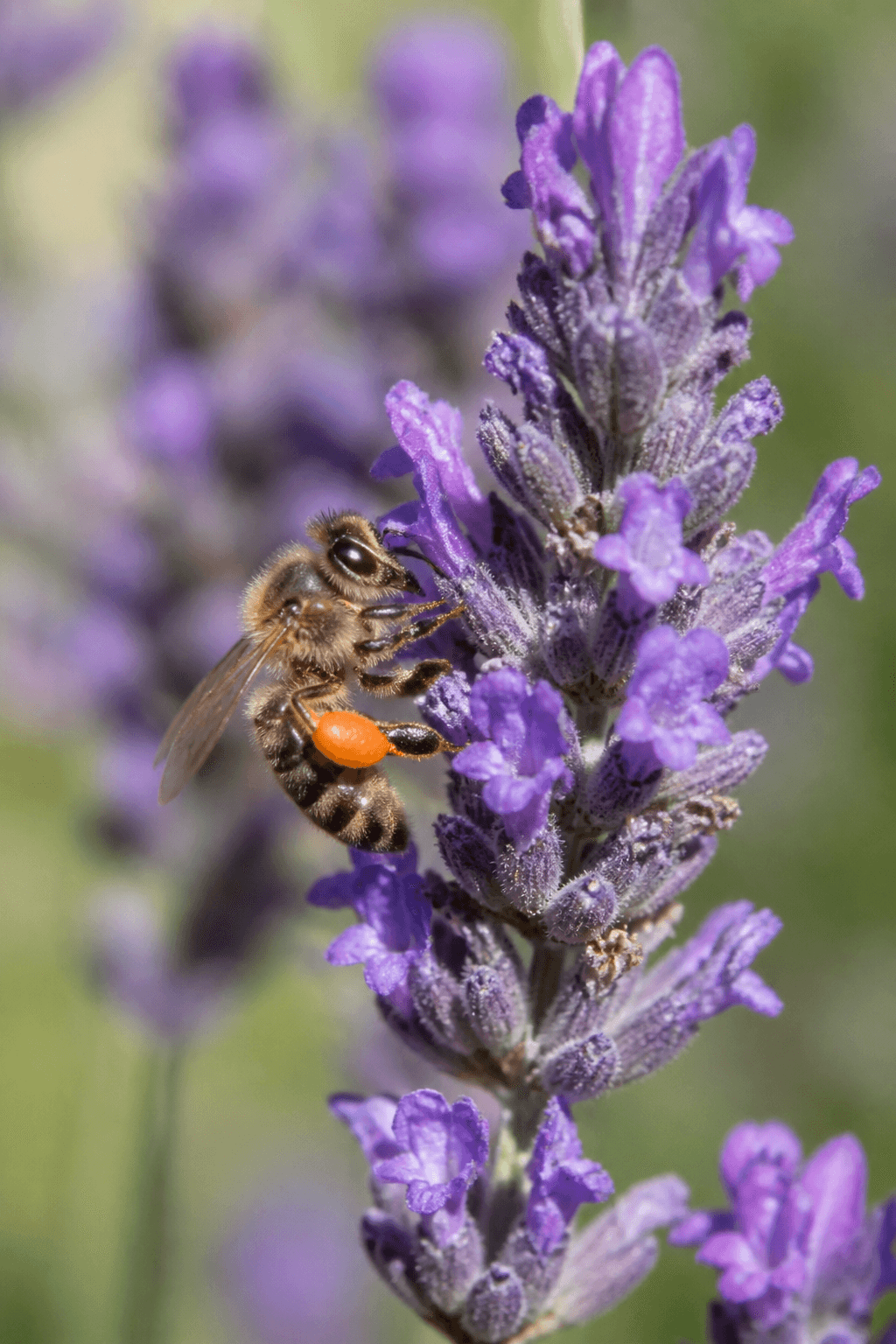
Honey Bee
United Kingdom, United States
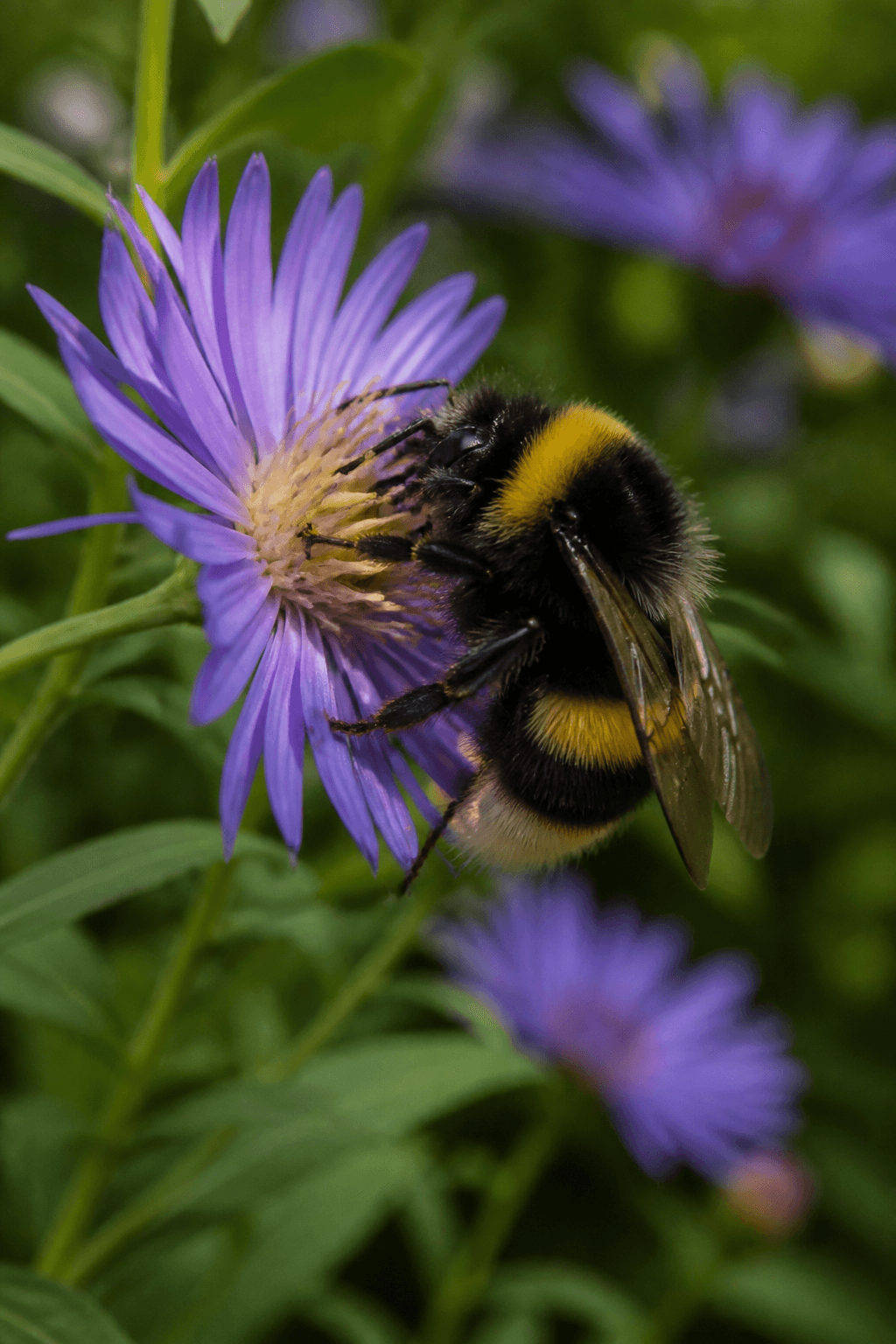
Bumblebee
United Kingdom, United States
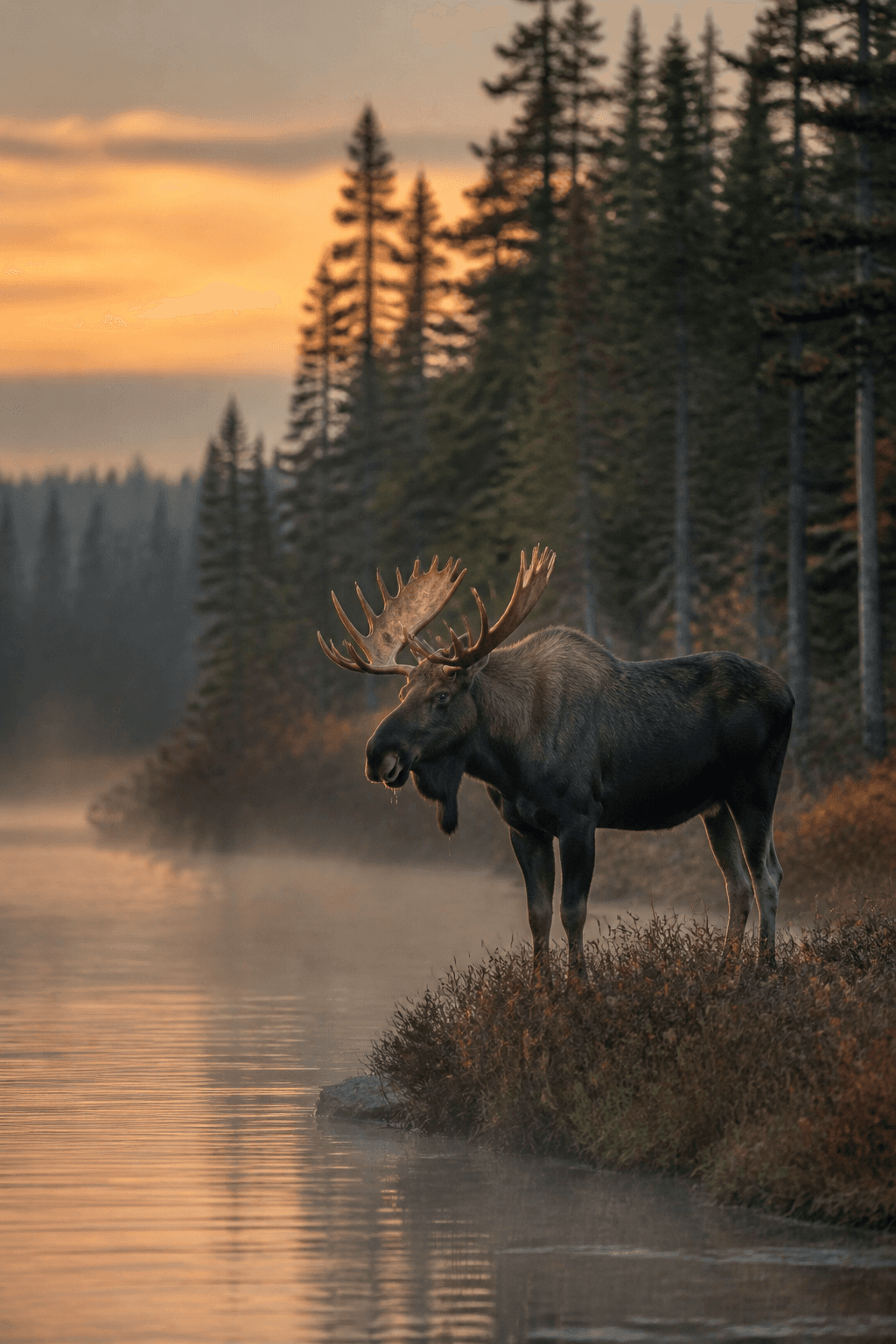
Moose
United States, Canada
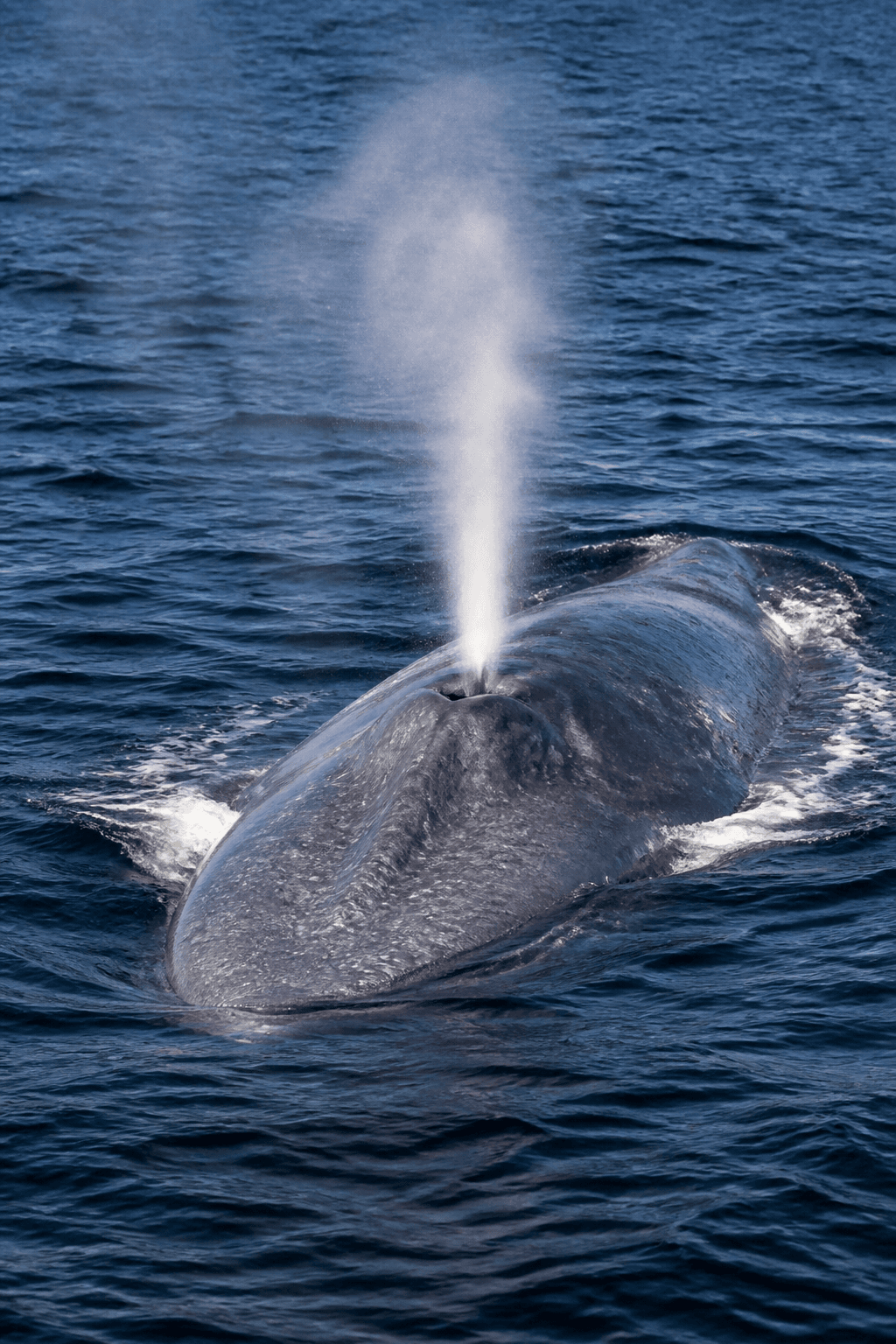
Blue Whale
United States, Canada
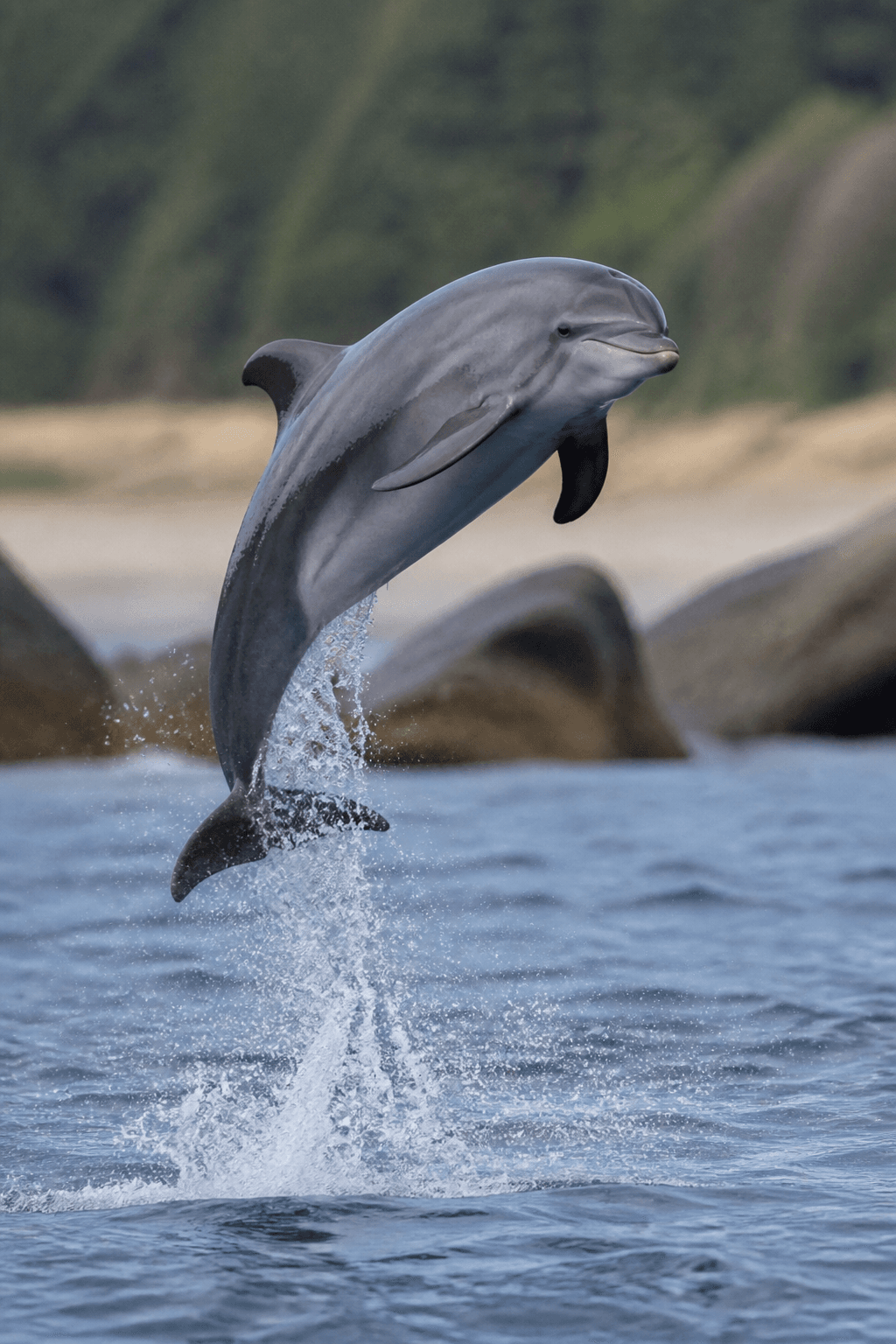
Bottlenose Dolphin
United States, United Kingdom
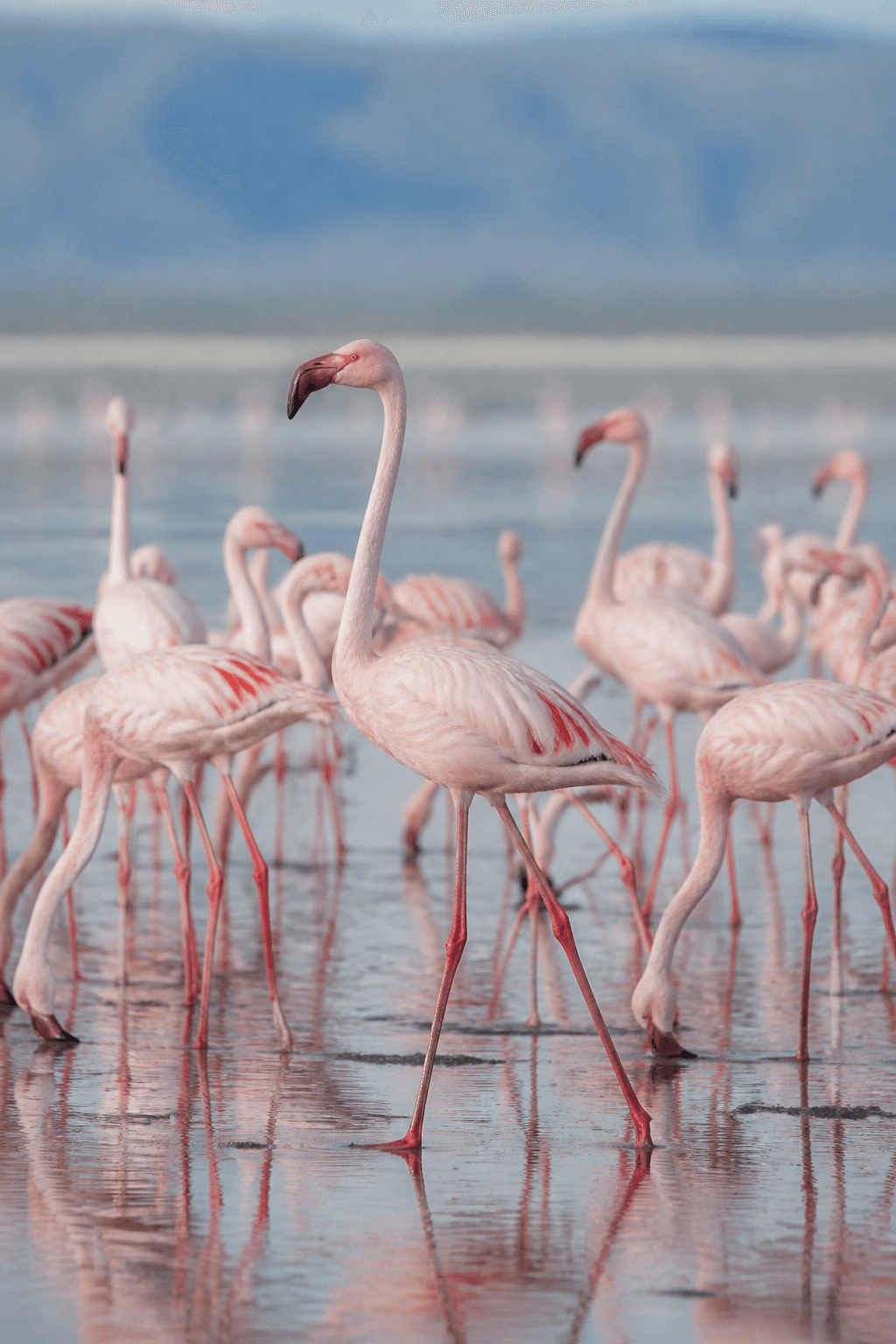
Flamingo
Kenya, United States
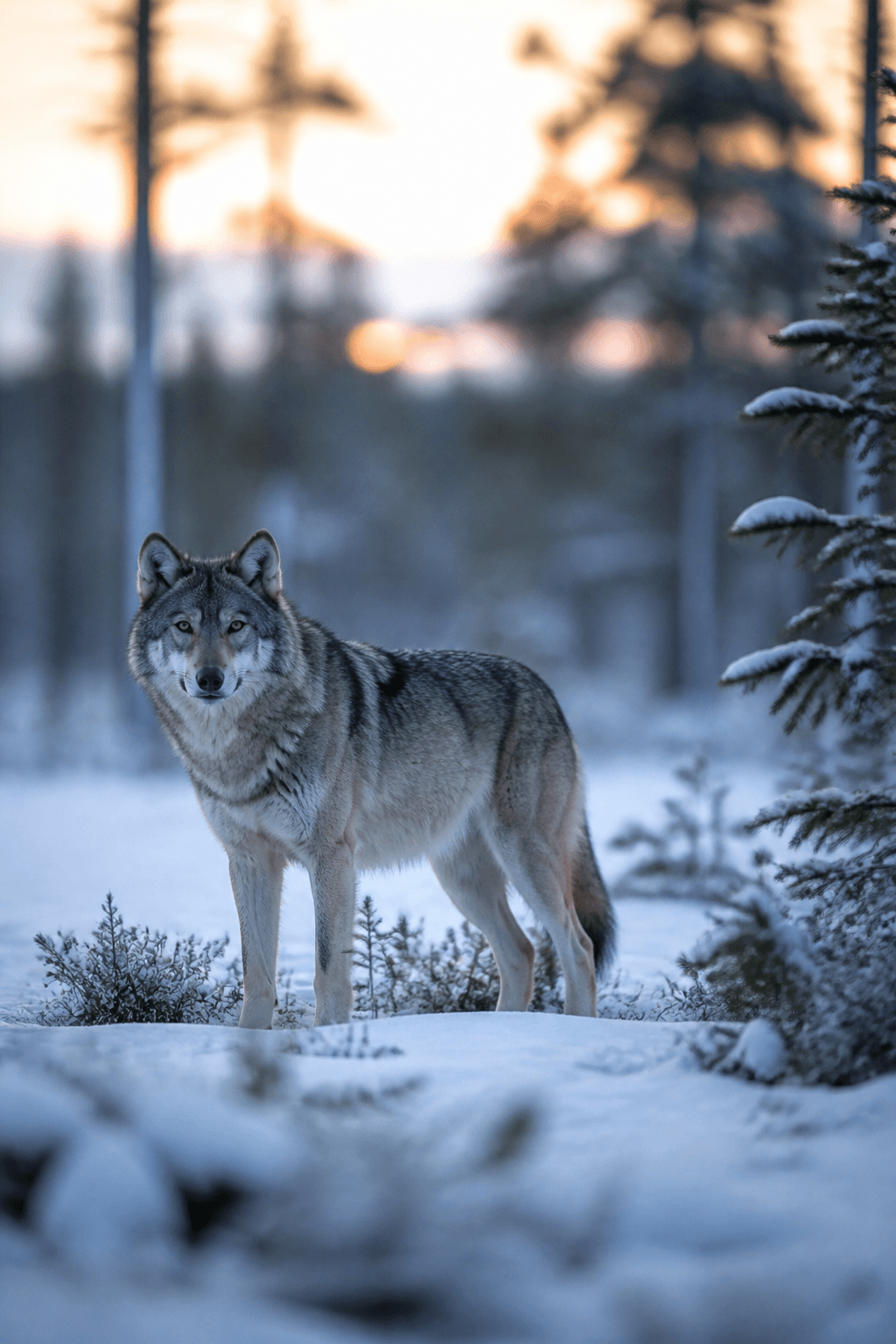
Wolf
United States, Canada
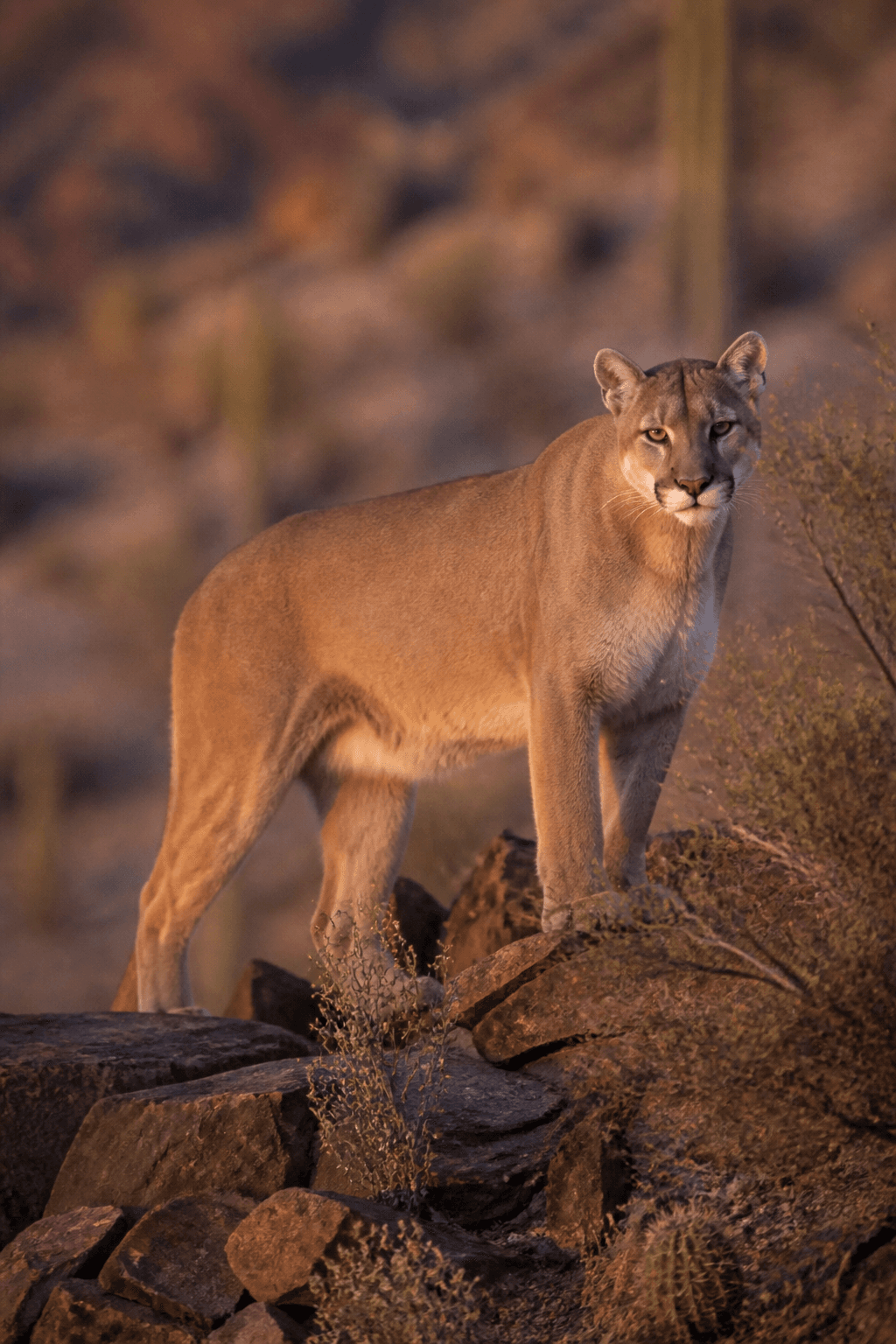
Mountain Lion
United States
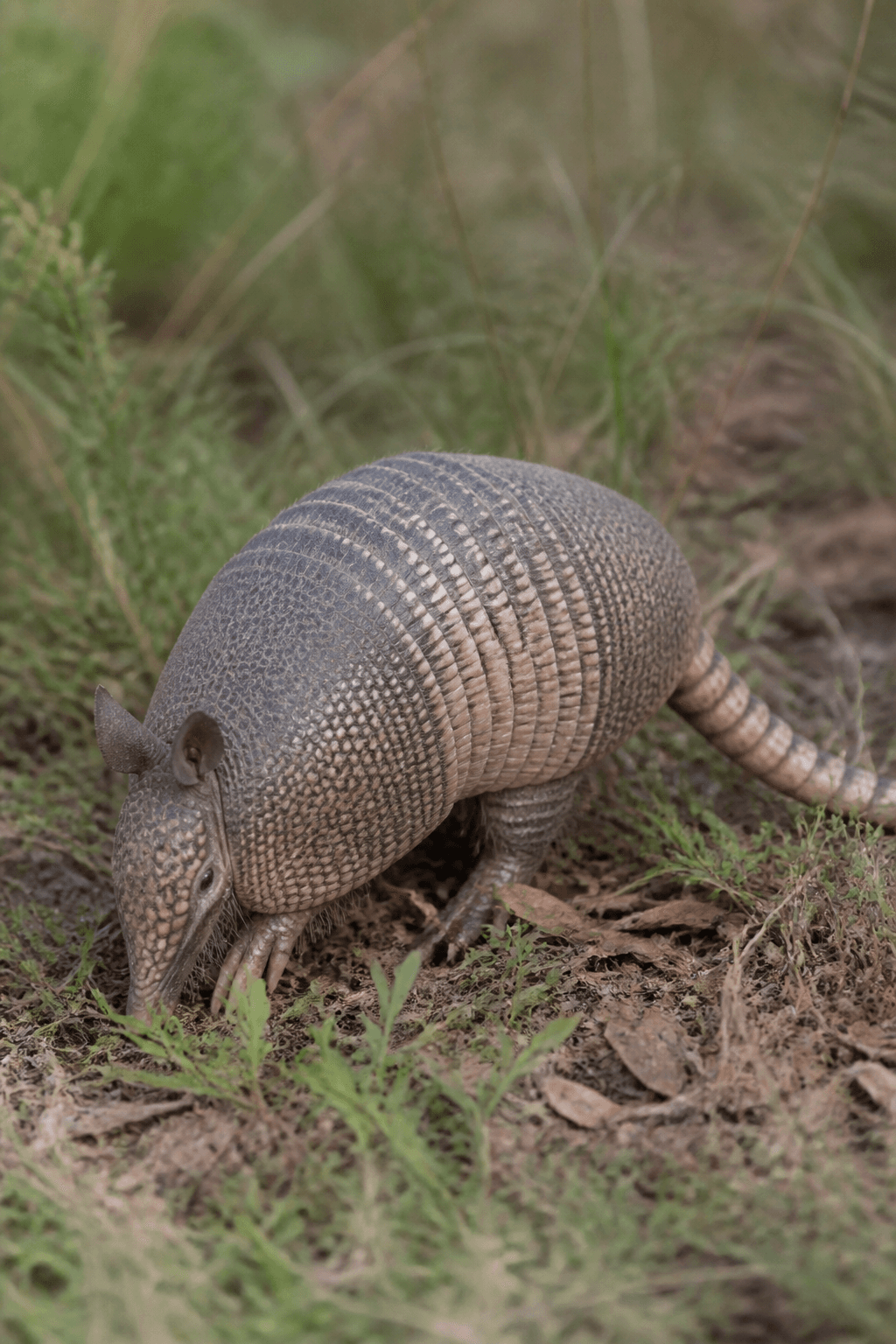
Armadillo
United States
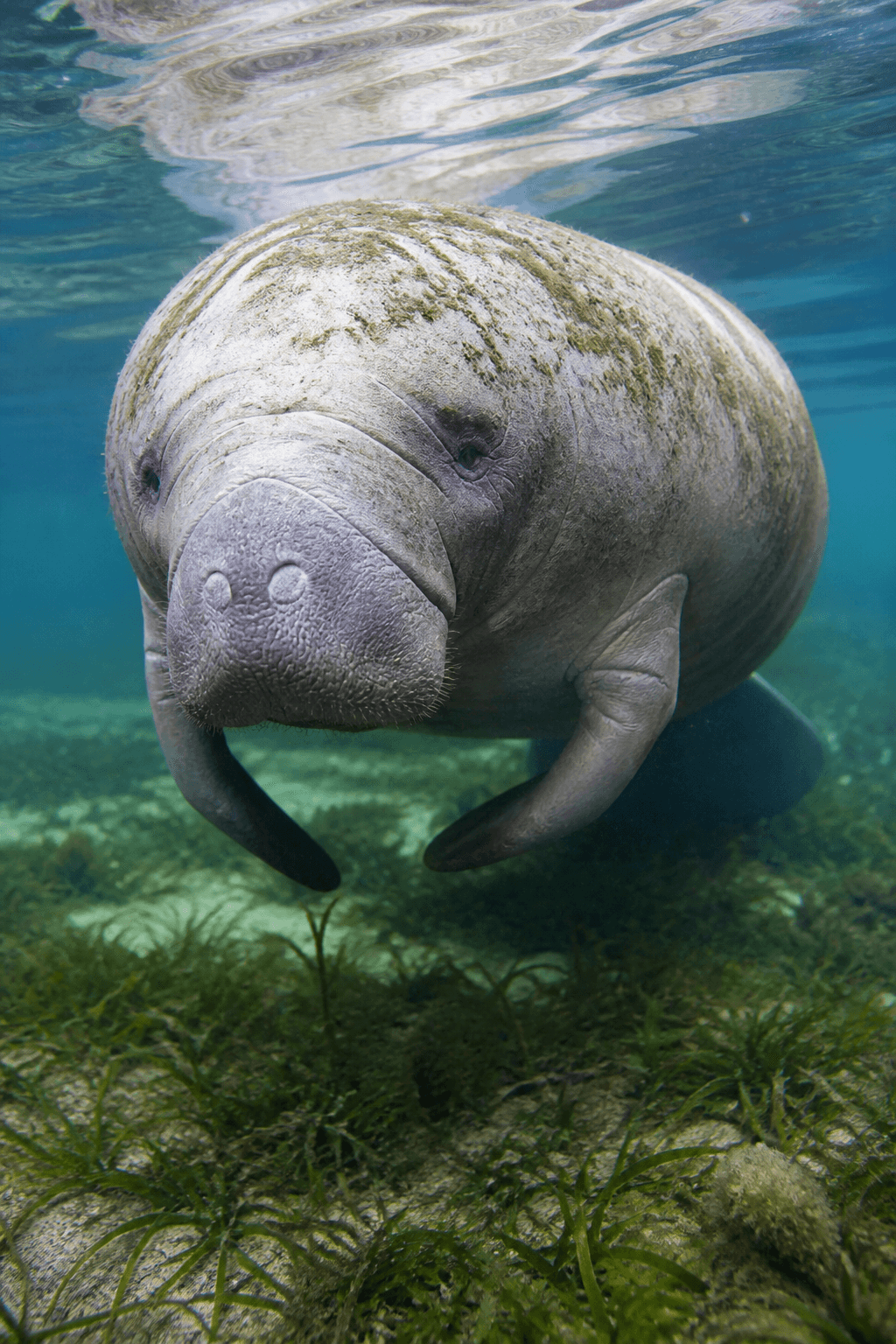
Manatee
United States
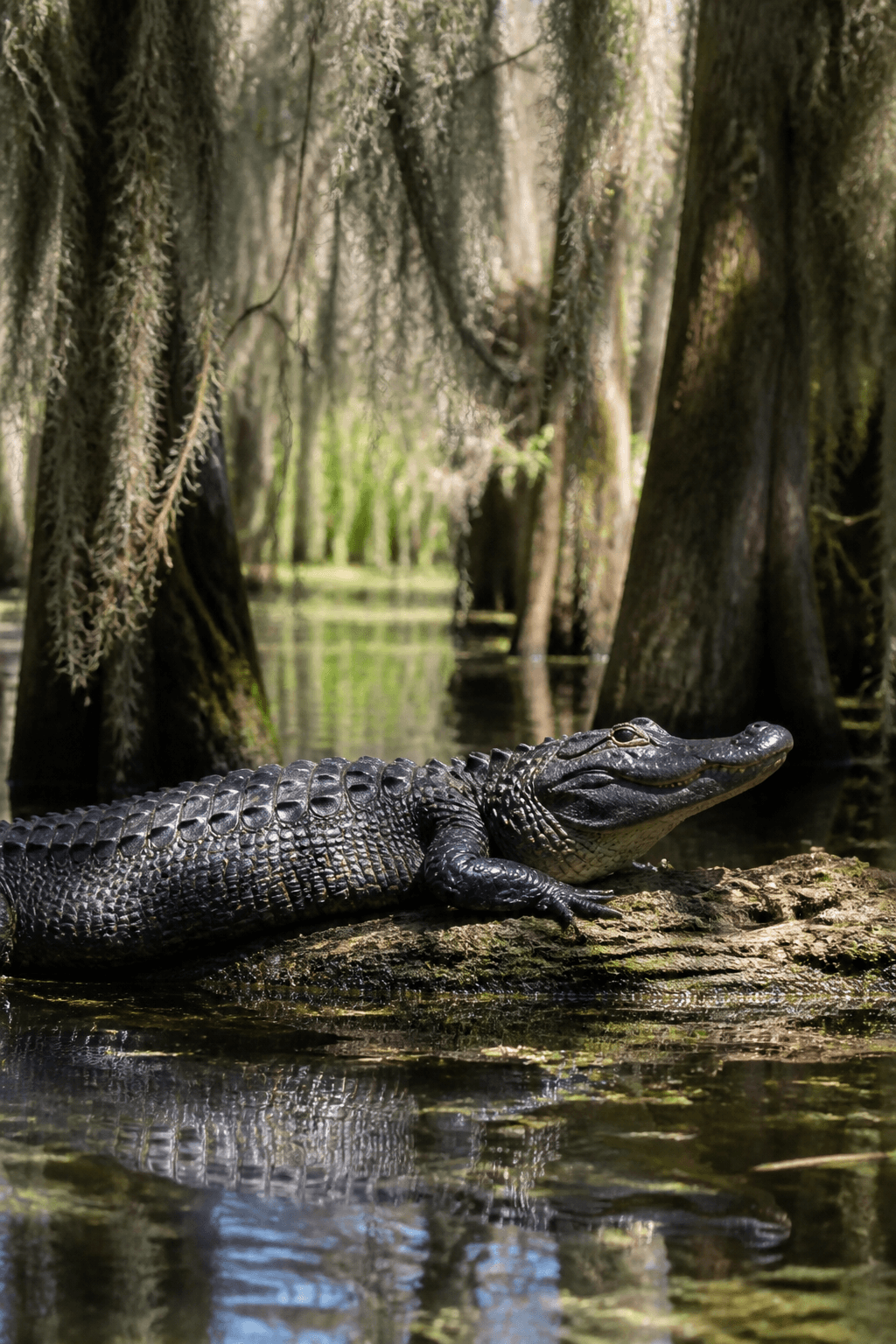
Alligator
United States
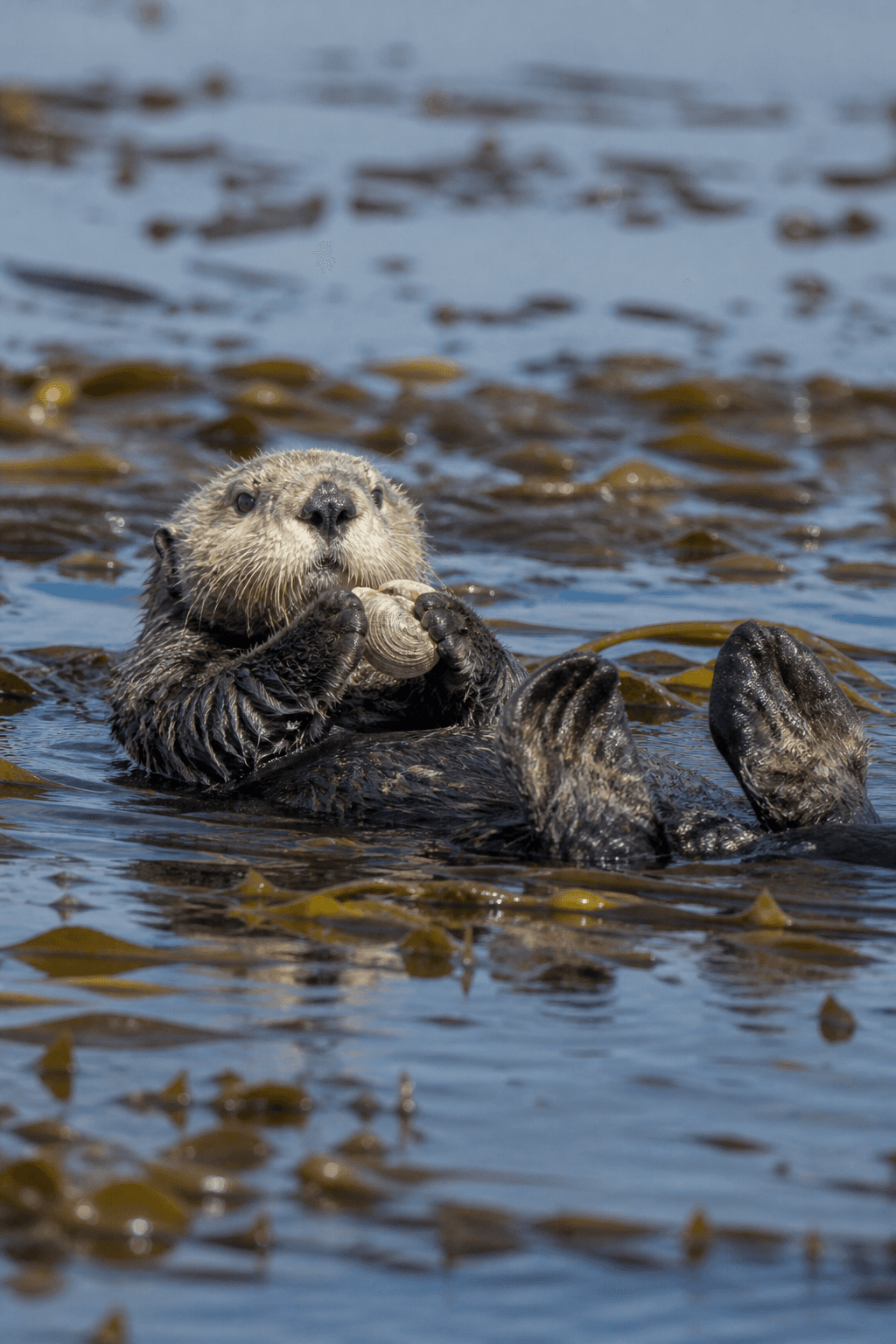
Sea Otter
United States, Canada
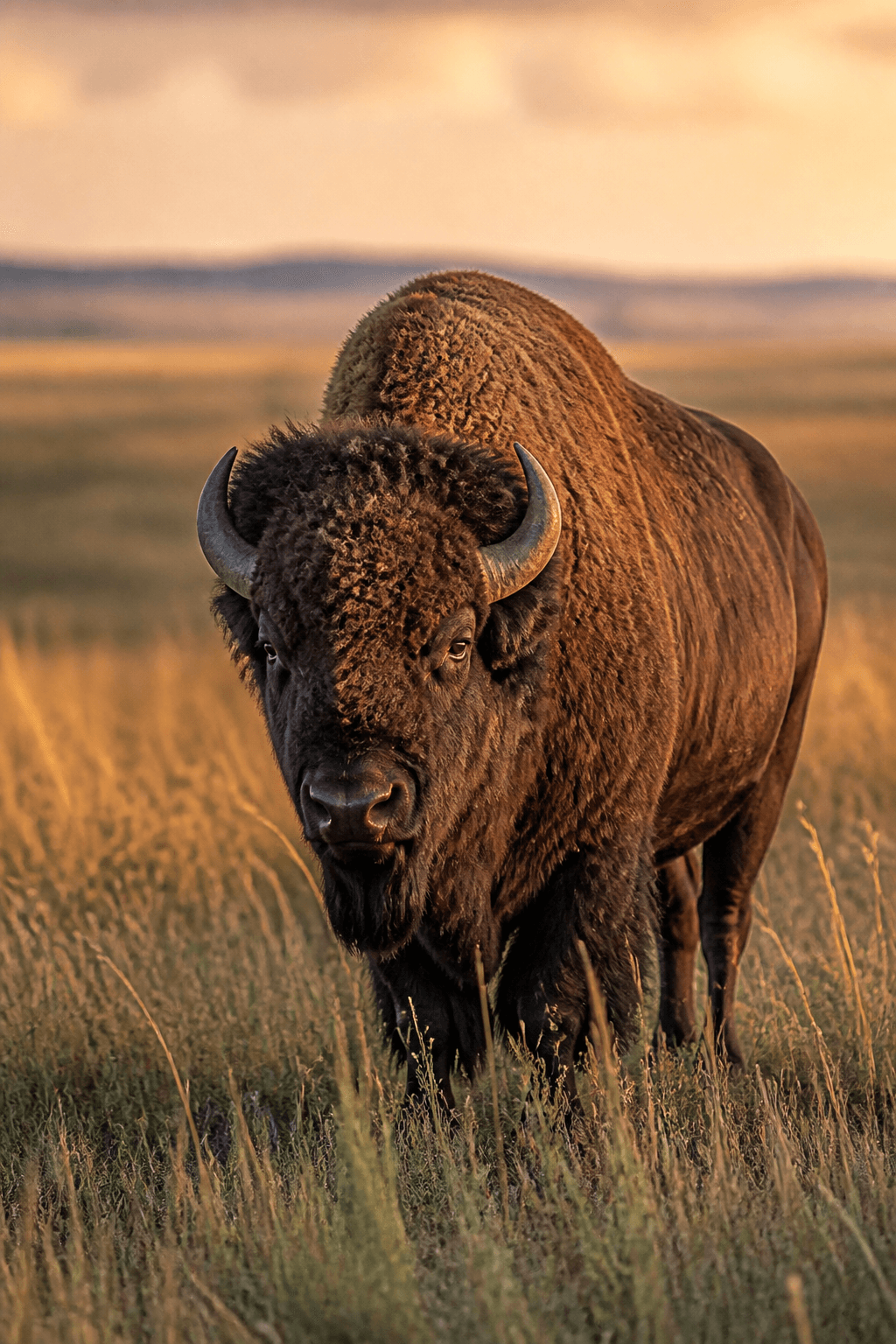
Bison
United States, Canada
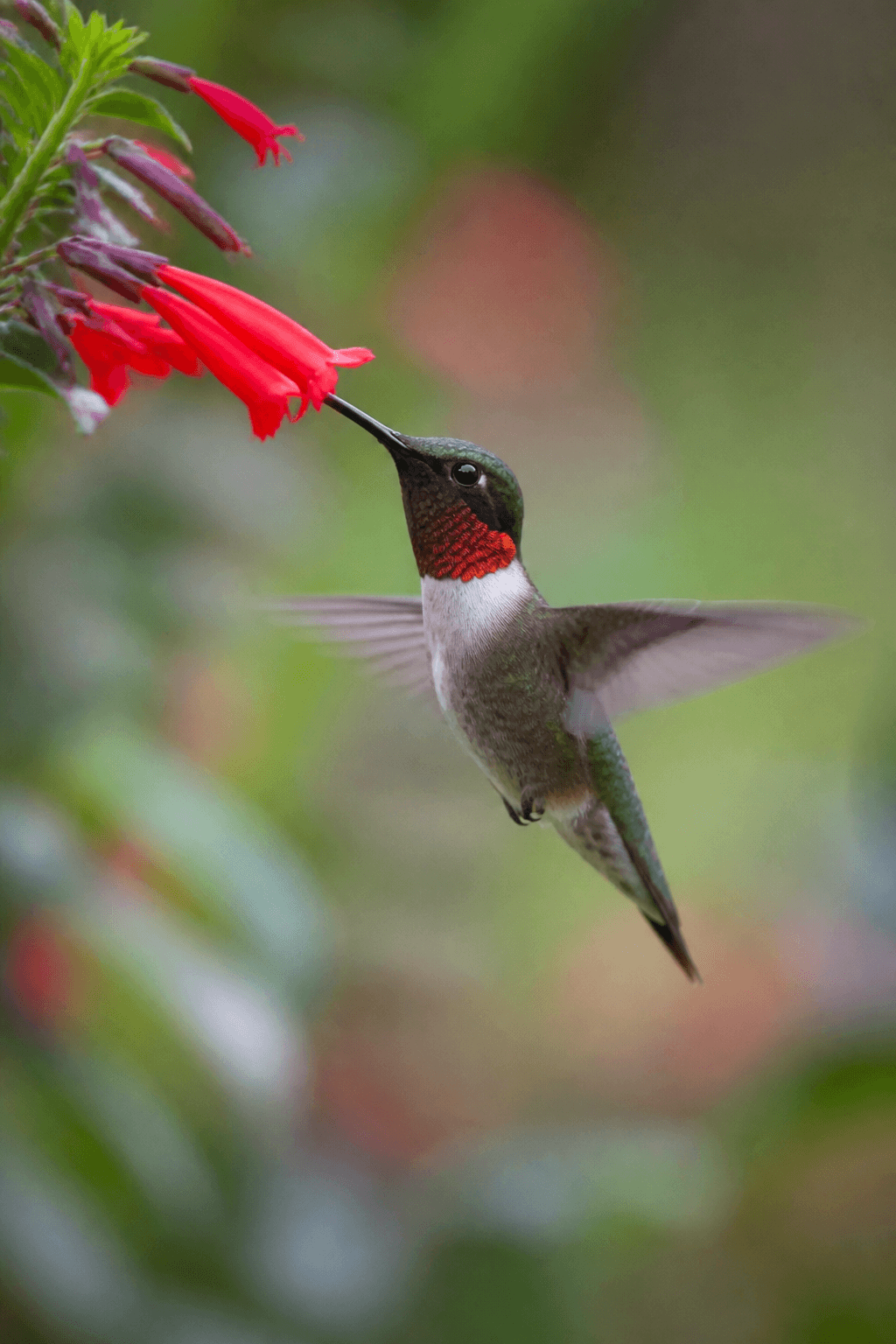
Hummingbird
United States
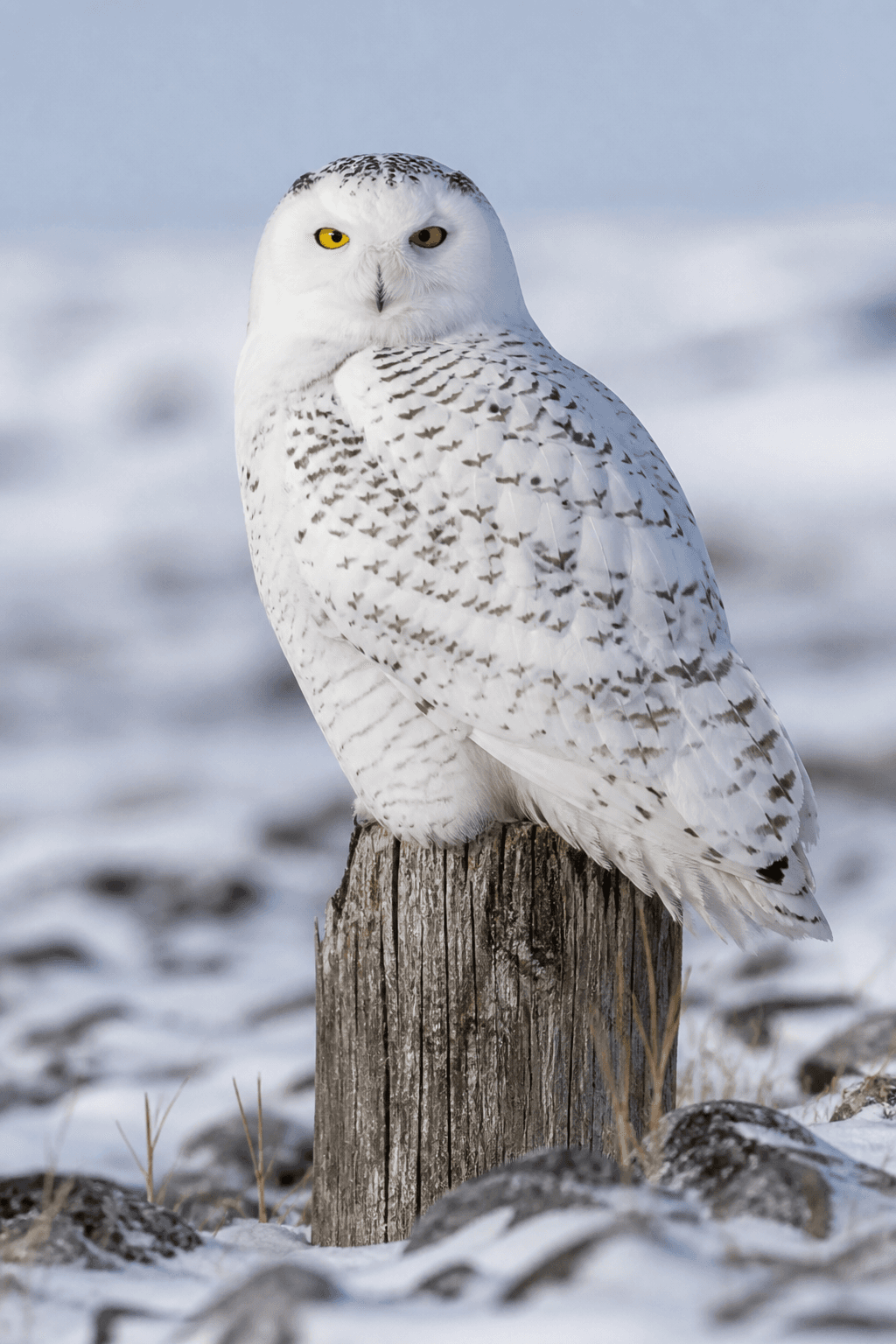
Snowy Owl
Canada, United States
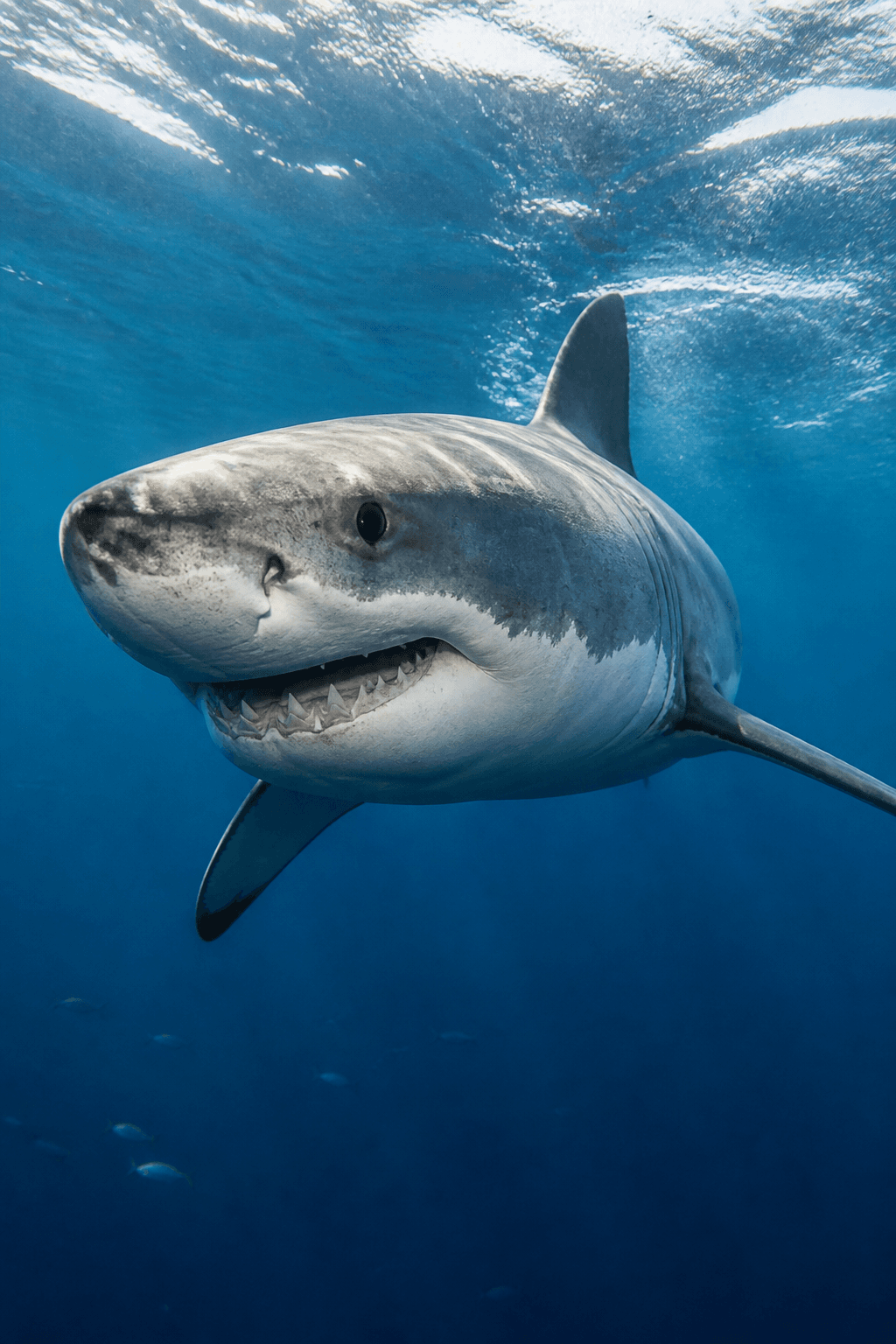
Great White Shark
United States, South Africa, Australia
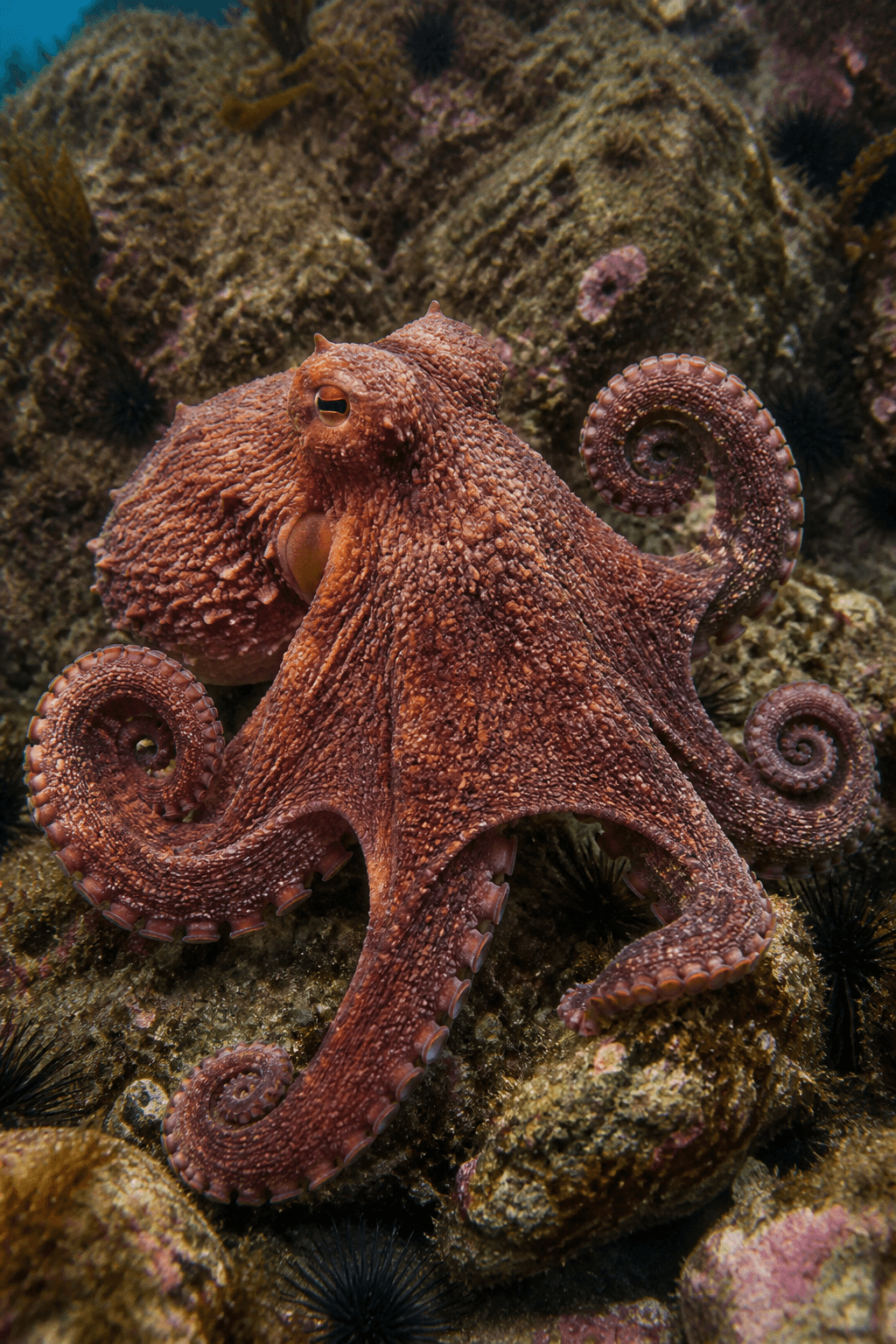
Octopus
United Kingdom, United States, Indonesia
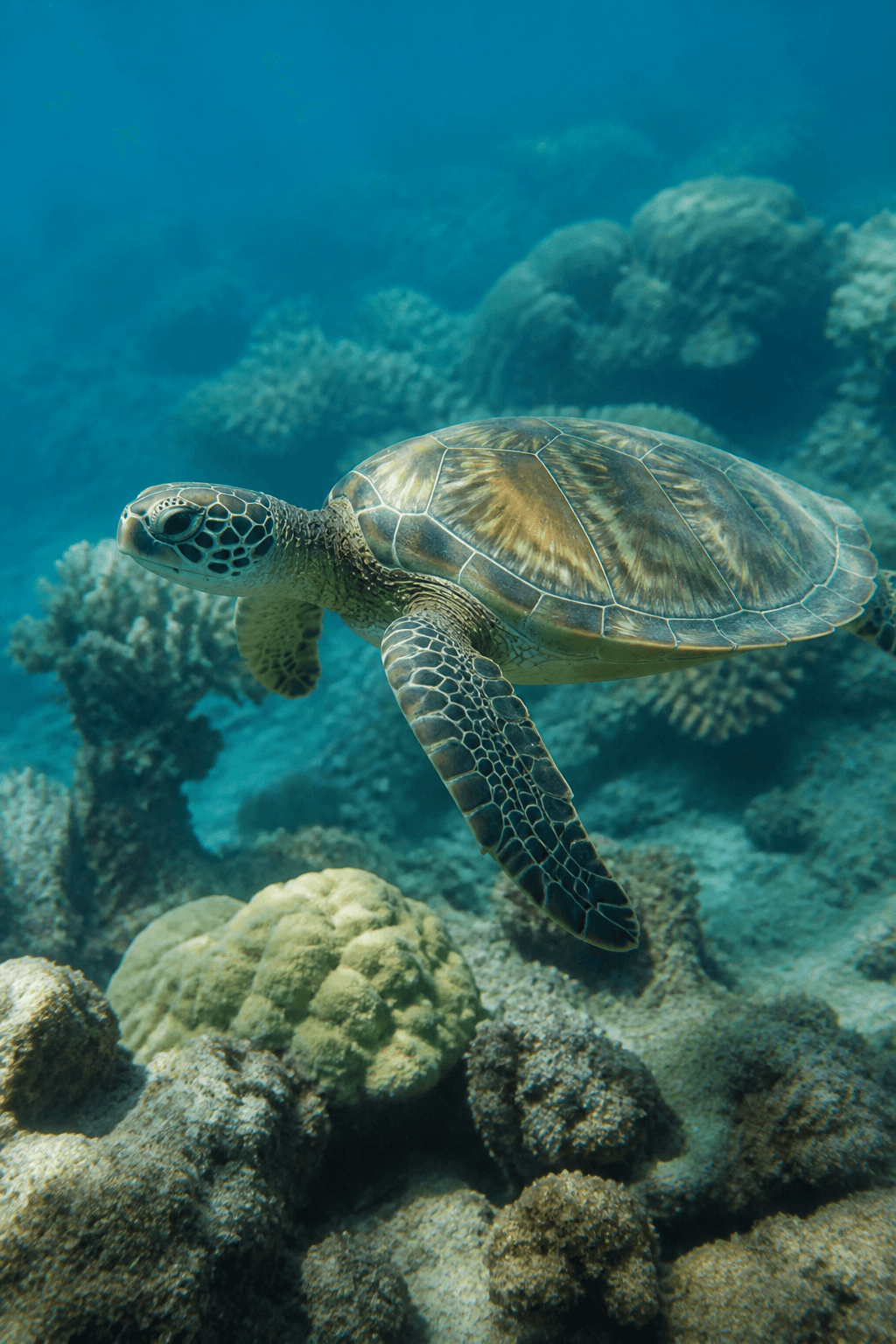
Sea Turtle
Indonesia, United States, Kenya
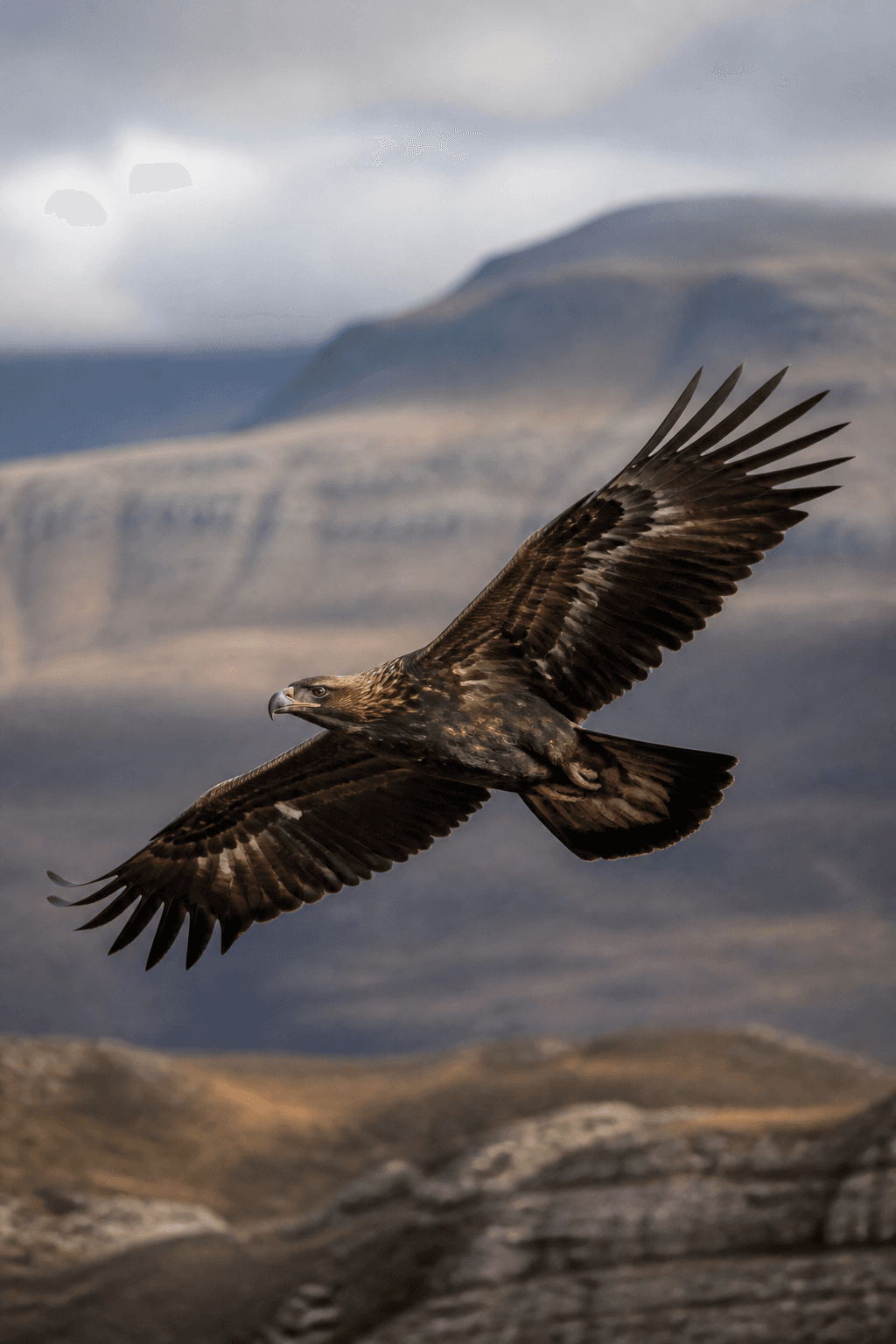
Golden Eagle
United Kingdom, United States, Canada
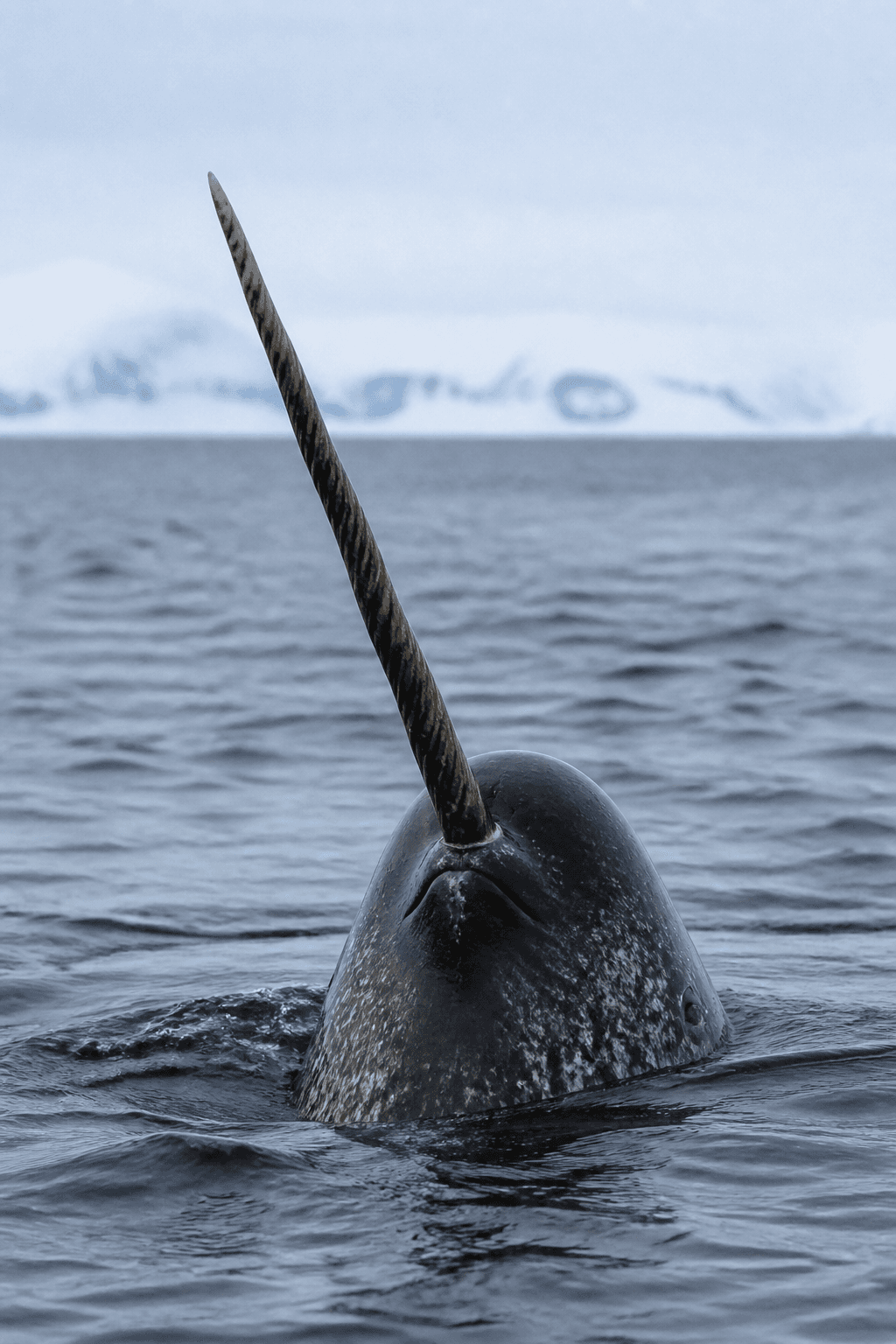
Narwhal
Canada
Keep exploring
Where it lives
Related discoveries
- Domestic Dogcommon • Parks & Neighbourhoods
- Domestic Catcommon • Gardens & Streets
- House Sparrowcommon • Gardens & Cities
- Rock Pigeoncommon • Town Squares
- Mallardcommon • Ponds & Rivers
- Grey Squirrelcommon • Woodland & Parks
- Bald Eaglelegendary • Lakes & Coasts
- Northern Cardinalcommon • Gardens & Woodland
- American Robincommon • Lawns & Parks
- Great Horned Owlrare • Forest & Suburbs
- Blue Jaycommon • Oak Forest & Suburbs
- Mourning Dovecommon • Gardens & Fields
- Eastern Gray Squirrelcommon • Parks & Woodland
- White-tailed Deerrare • Forest & Meadows
- Raccooncommon • Suburbs & Wetlands
- American Crowcommon • Fields & Towns
- Canada Goosecommon • Lakes & Parks
- Bobcatrare • Forest & Scrub
- Eastern Cottontailcommon • Fields & Gardens
- Red-winged Blackbirdcommon • Marshes & Fields
- Grizzly Bearlegendary • Mountains & Rivers
- Opossumcommon • Suburbs & Woodland
- Black-capped Chickadeecommon • Woodland & Feeders
- Wild Turkeyrare • Forest & Farmland
- American Goldfinchcommon • Meadows & Gardens
- House Finchcommon • Gardens & Urban
- Coyoterare • Prairie & Suburbs
- Turkey Vulturecommon • Roadsides & Open Country
- European Rabbitcommon • Fields & Warrens
- Polar Bearlegendary • Arctic Ice
- Monarch Butterflycommon • Meadows & Gardens
- Honey Beecommon • Gardens & Meadows
- Bumblebeecommon • Gardens & Wildflowers
- Mooserare • Northern Lakes
- Blue Whalelegendary • Open Ocean
- Bottlenose Dolphincommon • Coastal Waters
- Flamingocommon • Lagoons & Flats
- Wolfrare • Forest & Tundra
- Mountain Lionlegendary • Mountains & Desert
- Armadillocommon • Grassland & Scrub
- Manateerare • Coastal Springs
- Alligatorcommon • Swamps & Rivers
- Sea Ottercommon • Kelp Forest
- Bisonrare • Great Plains
- Hummingbirdcommon • Gardens & Flowers
- Snowy Owlrare • Arctic Tundra
- Great White Sharklegendary • Coastal Ocean
- Octopuscommon • Rock Pools & Reef
- Sea Turtlerare • Coastal Ocean
- Golden Eaglecommon • Mountains & Moorland
- Narwhalrare • Arctic Ocean
Free on iOS
Catch the Arctic Fox
Spot one in the wild — then scan it in Catch'Um to log your common discovery.