
Field guide · common
Blue Tit
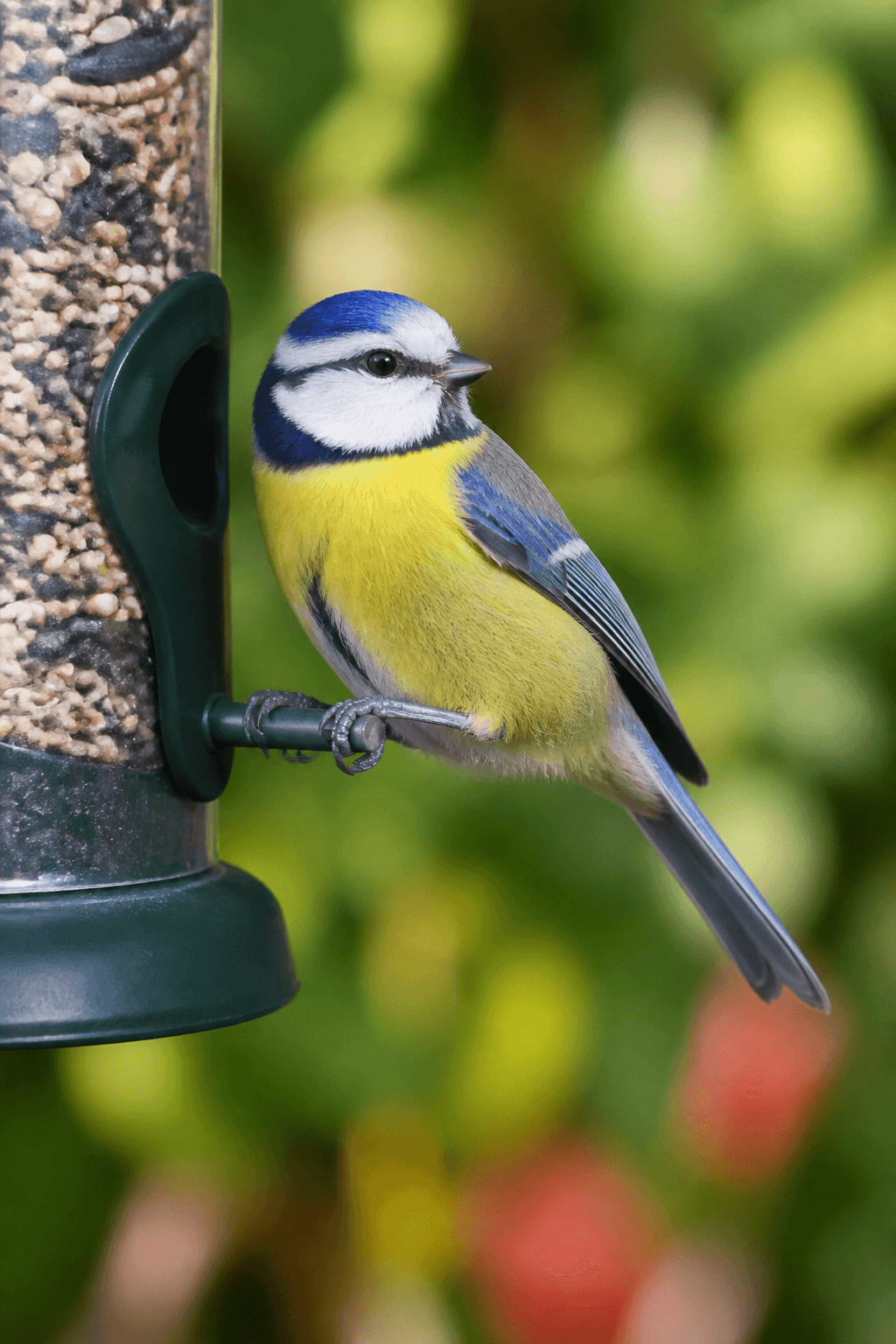
The acrobatic feeder favourite — a blue-and-yellow burst of energy that hangs upside down to prise open seeds.
Least Concern
Overview
The blue tit is one of Britain's most colourful garden birds — a compact bundle of blue cap, yellow breast, and green back that arrives at feeders in flurries and departs just as fast. Small enough to fit in your palm, it more than makes up for size with agility, hanging upside down from mesh feeders and pecking at sunflower hearts with surgical precision.
Blue tits are fearless around people and remarkably adaptable, nesting in tree holes, nest boxes, and occasionally letterboxes. A garden with a feeder and a nest box is often all you need for a reliable common discovery — and a front-row seat to one of the best aerial shows in British birdwatching.
Habitat
Blue tits live across the United Kingdom in woodland, parks, gardens, and hedgerows. They favour deciduous and mixed forest with oak and birch, but have thrived in suburbs wherever nest boxes and bird feeders provide food through winter.
Countries found
Interesting facts
- 01
Blue tits can hang upside down on feeders while prising open seeds.
- 02
A brood of chicks can eat over 10,000 caterpillars before leaving the nest.
- 03
They are one of the few birds that use intelligence to solve puzzles for food.
- 04
Blue tits learn to open milk bottle tops — a behaviour that spread across Britain in the 20th century.
- 05
Their nests are built from moss, wool, and feathers — lined with soft down for insulation.
- 06
Winter flocks join mixed tit parties with great tits, coal tits, and long-tailed tits.
Conservation status
The blue tit is Least Concern and one of the most abundant birds in British gardens. Cold, wet springs can reduce caterpillar food and nesting success, but populations recover quickly in good years.
Related discoveries
Domestic Dog
United Kingdom, United States
Domestic Cat
United Kingdom, United States
House Sparrow
United Kingdom, United States
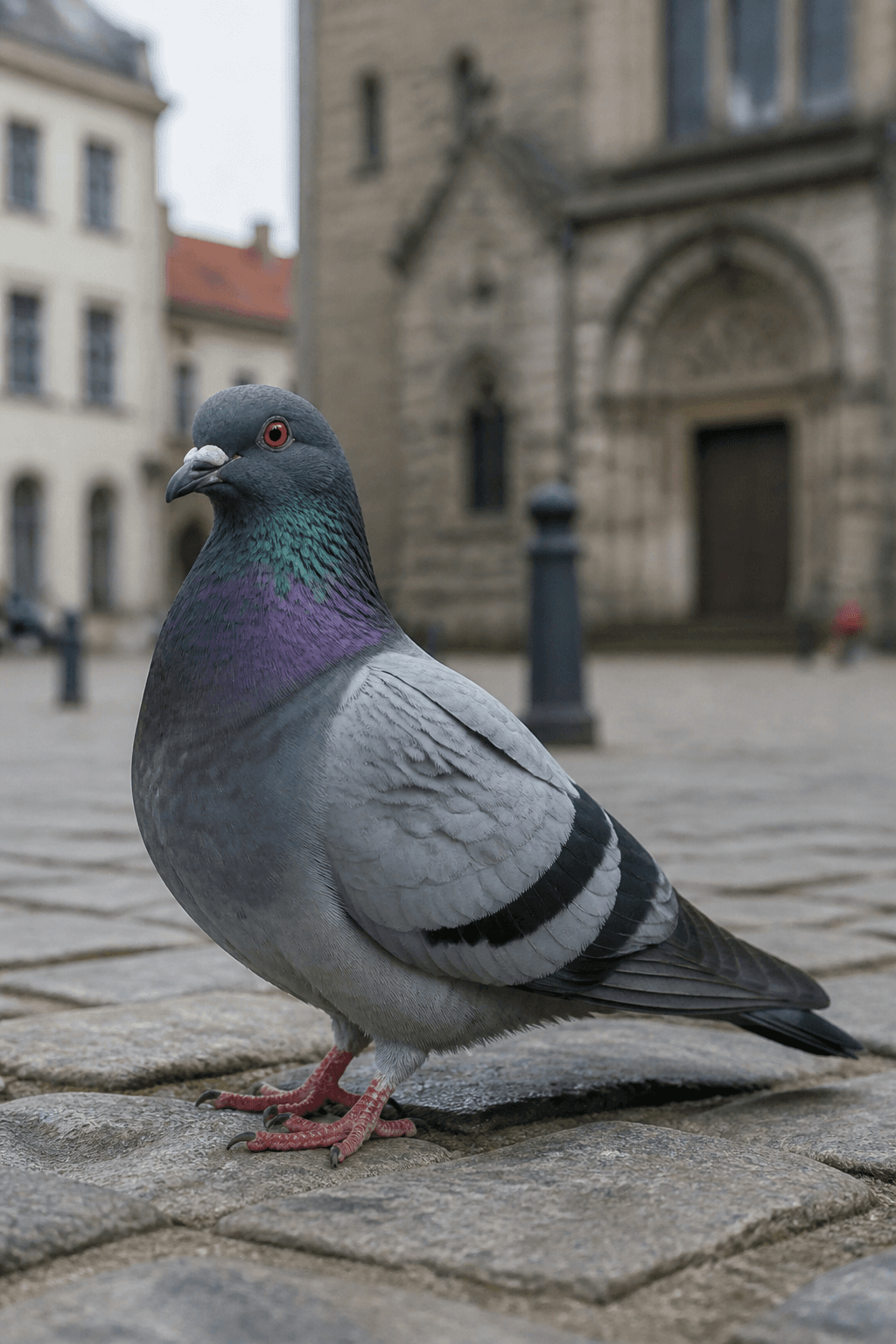
Rock Pigeon
United Kingdom, United States
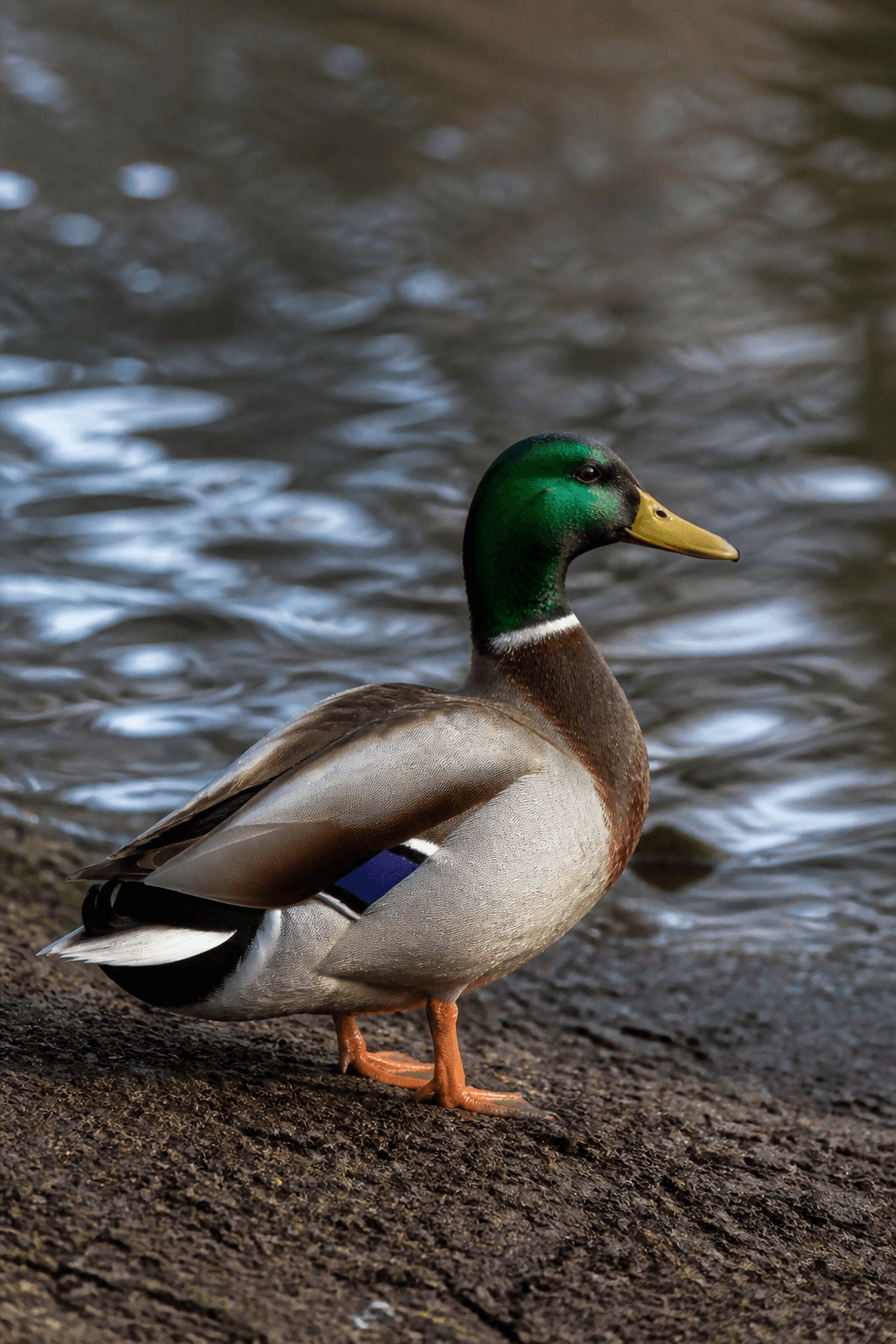
Mallard
United Kingdom, United States
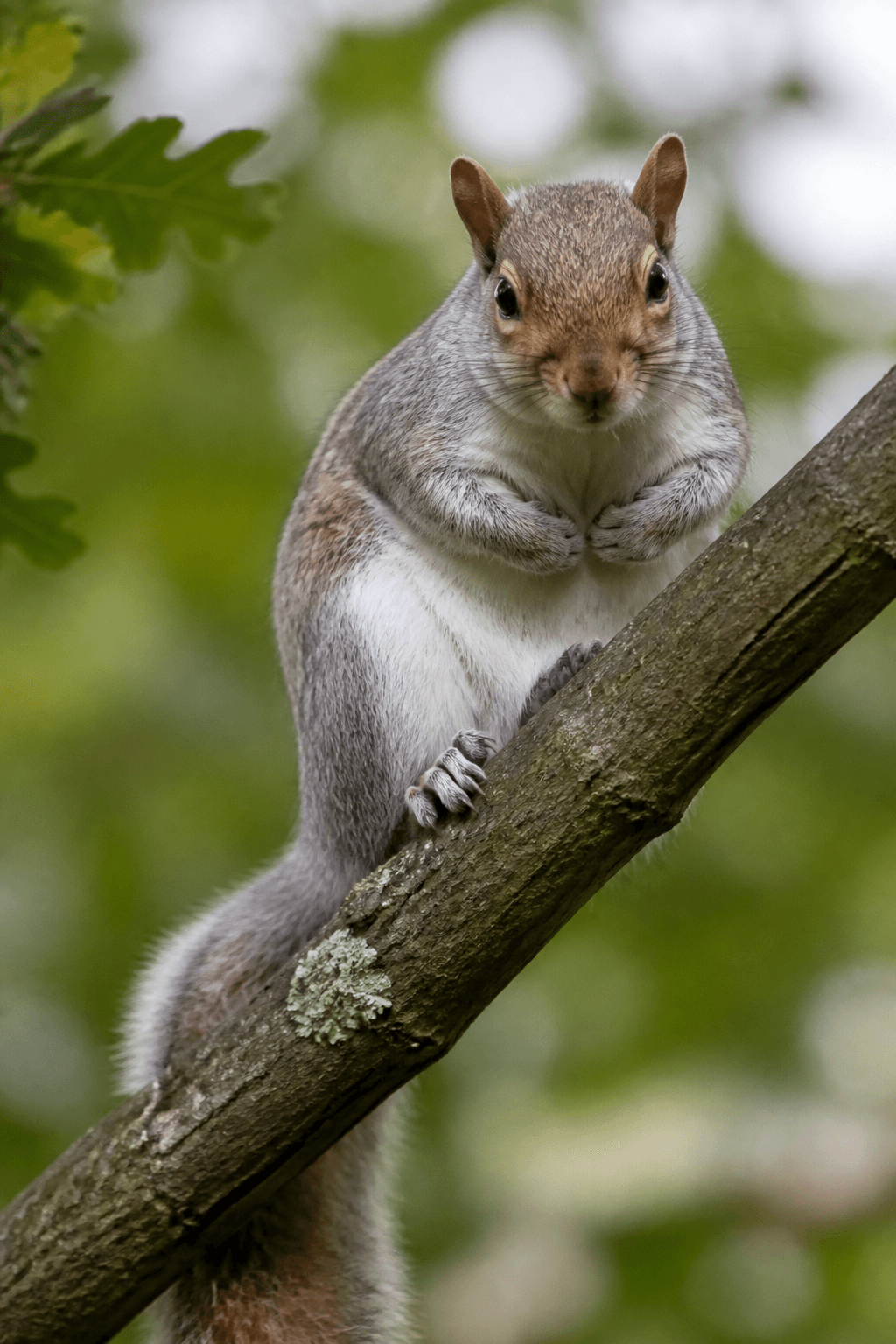
Grey Squirrel
United Kingdom, United States
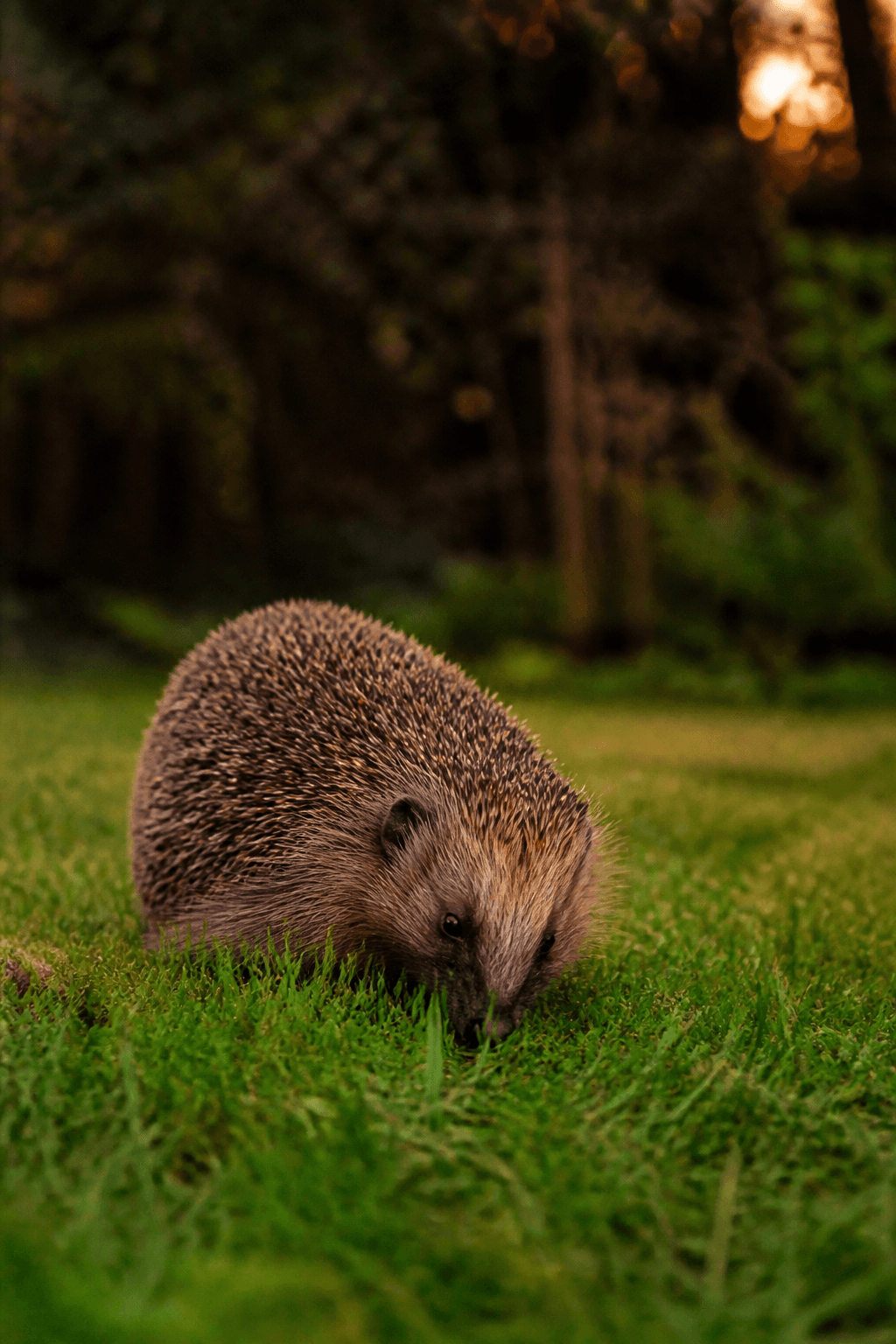
Hedgehog
United Kingdom
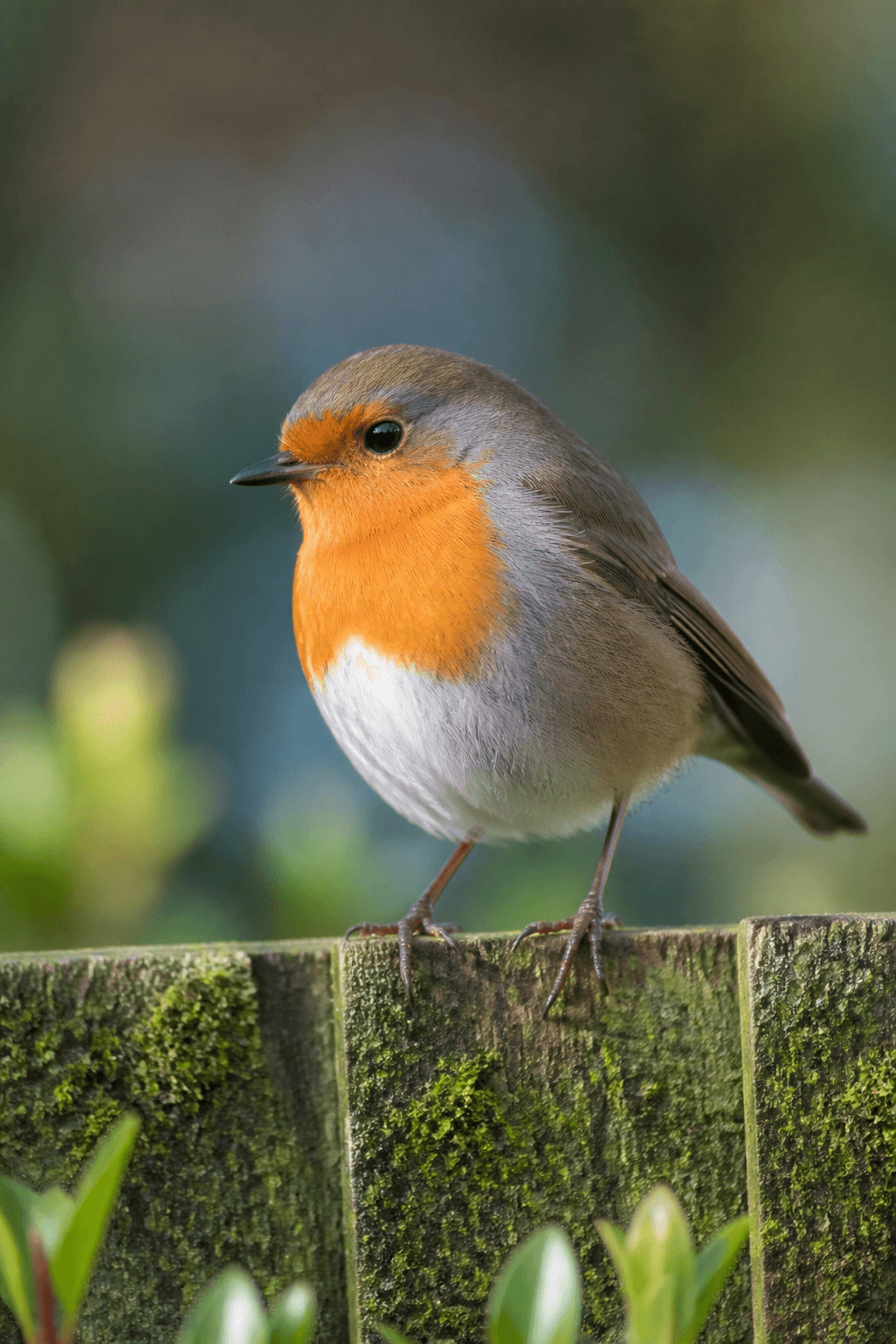
Robin
United Kingdom
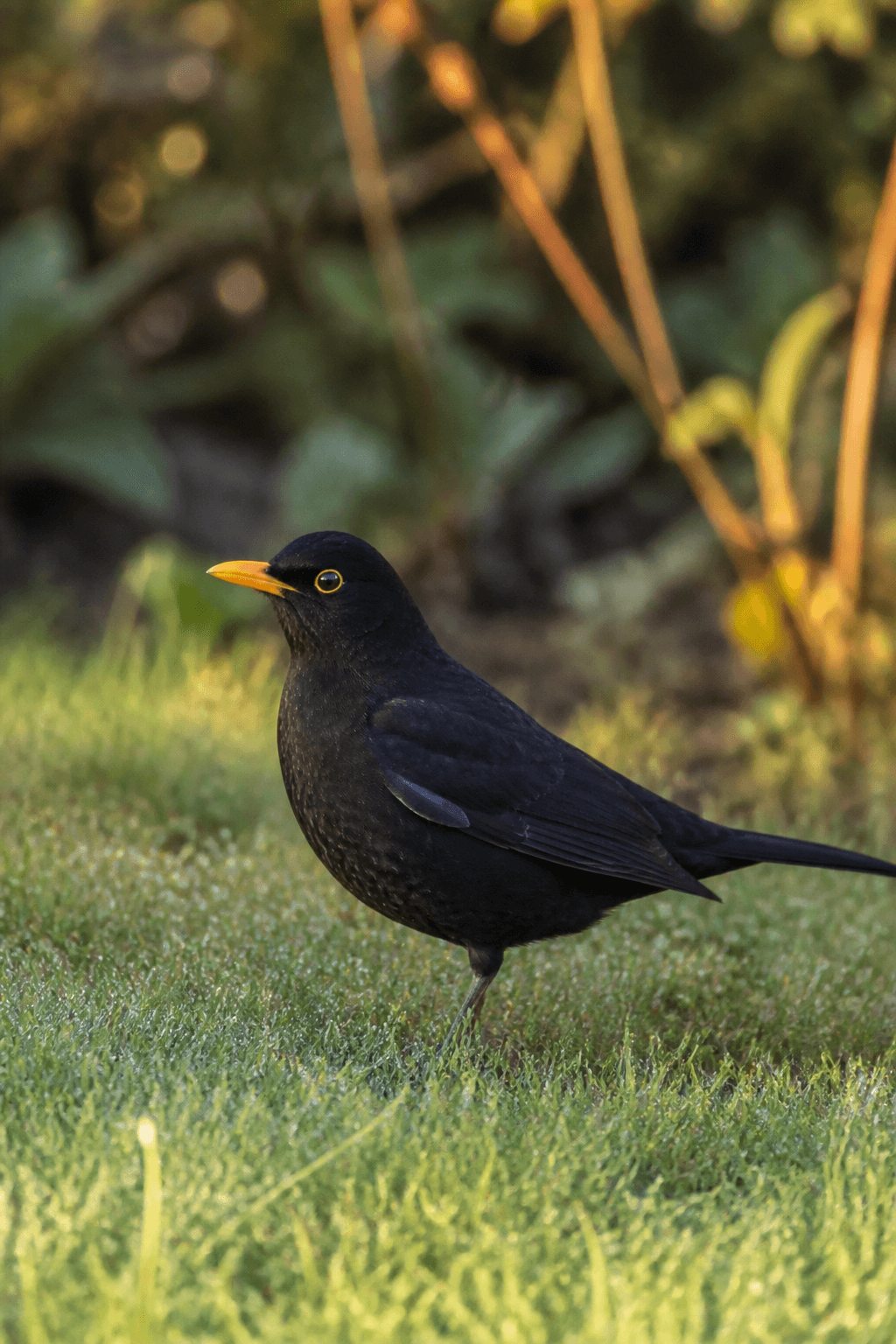
Blackbird
United Kingdom
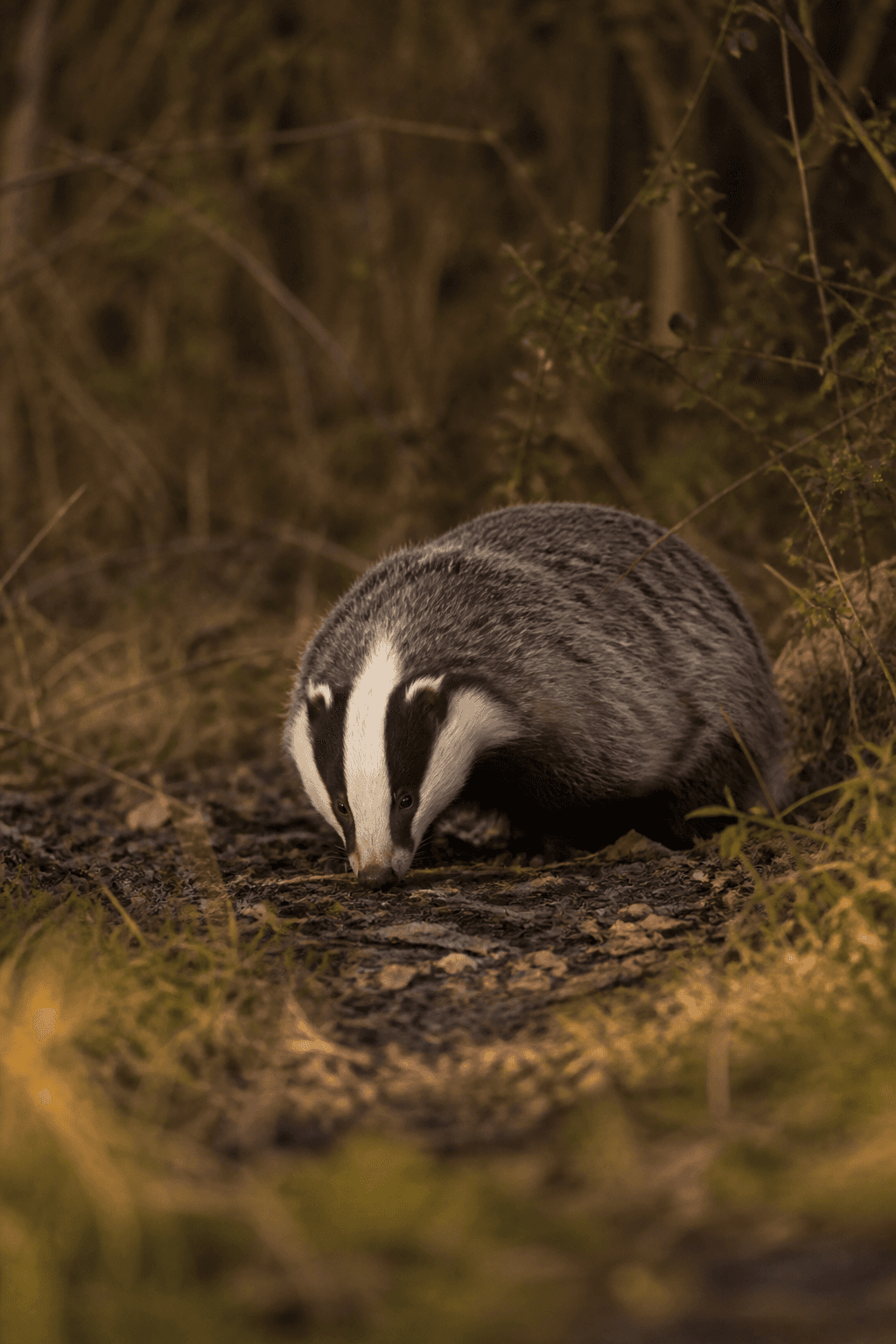
Badger
United Kingdom
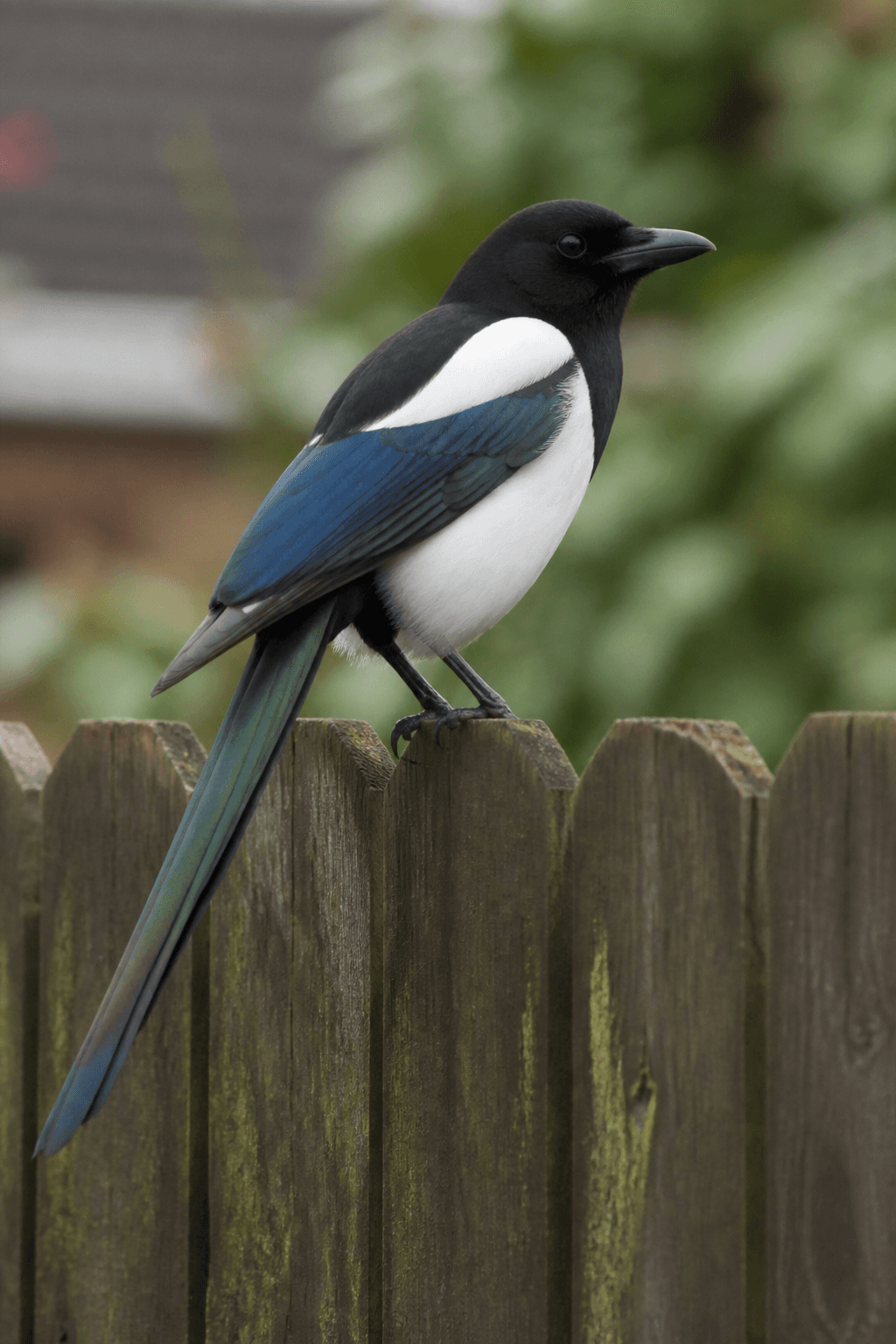
Magpie
United Kingdom
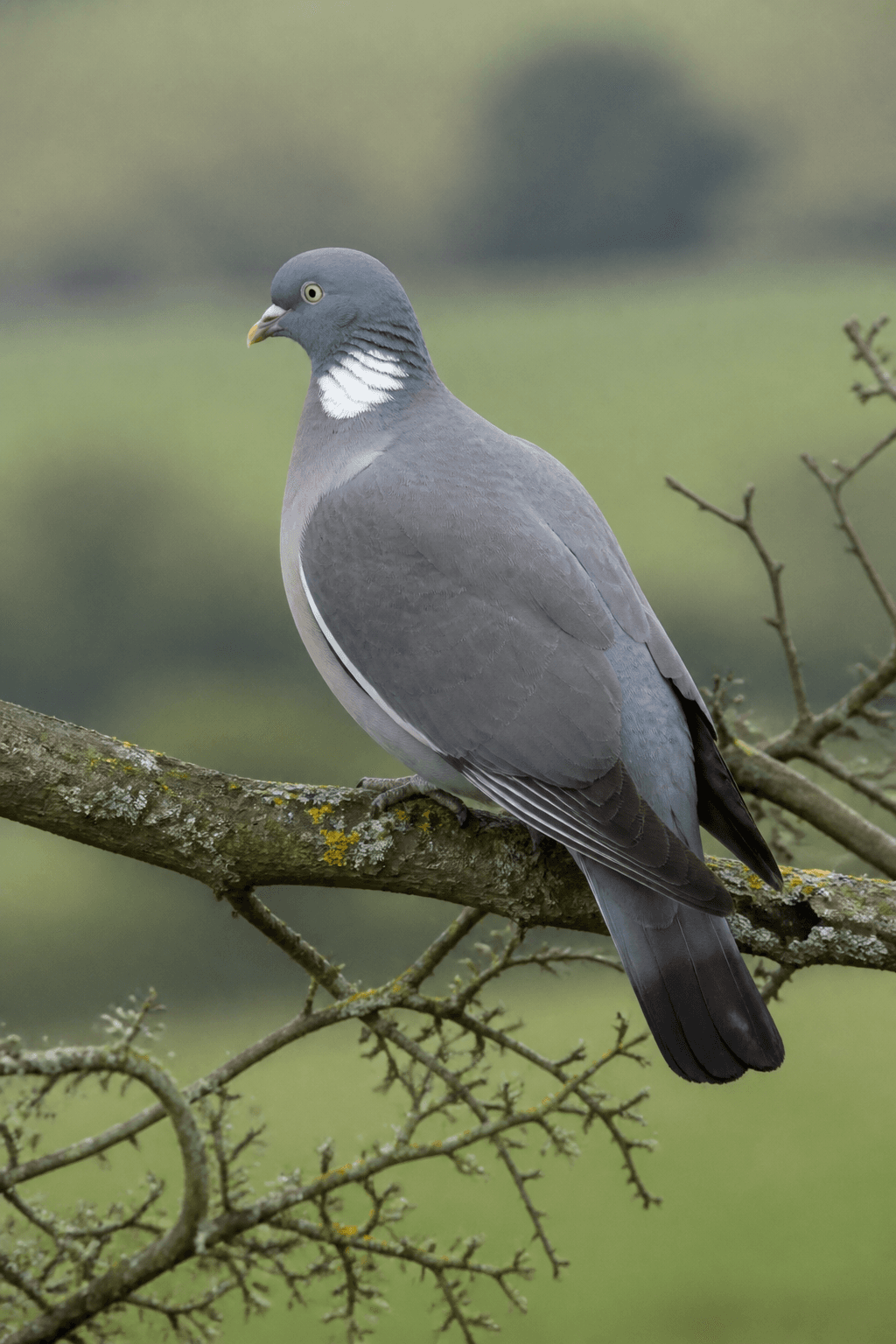
Wood Pigeon
United Kingdom
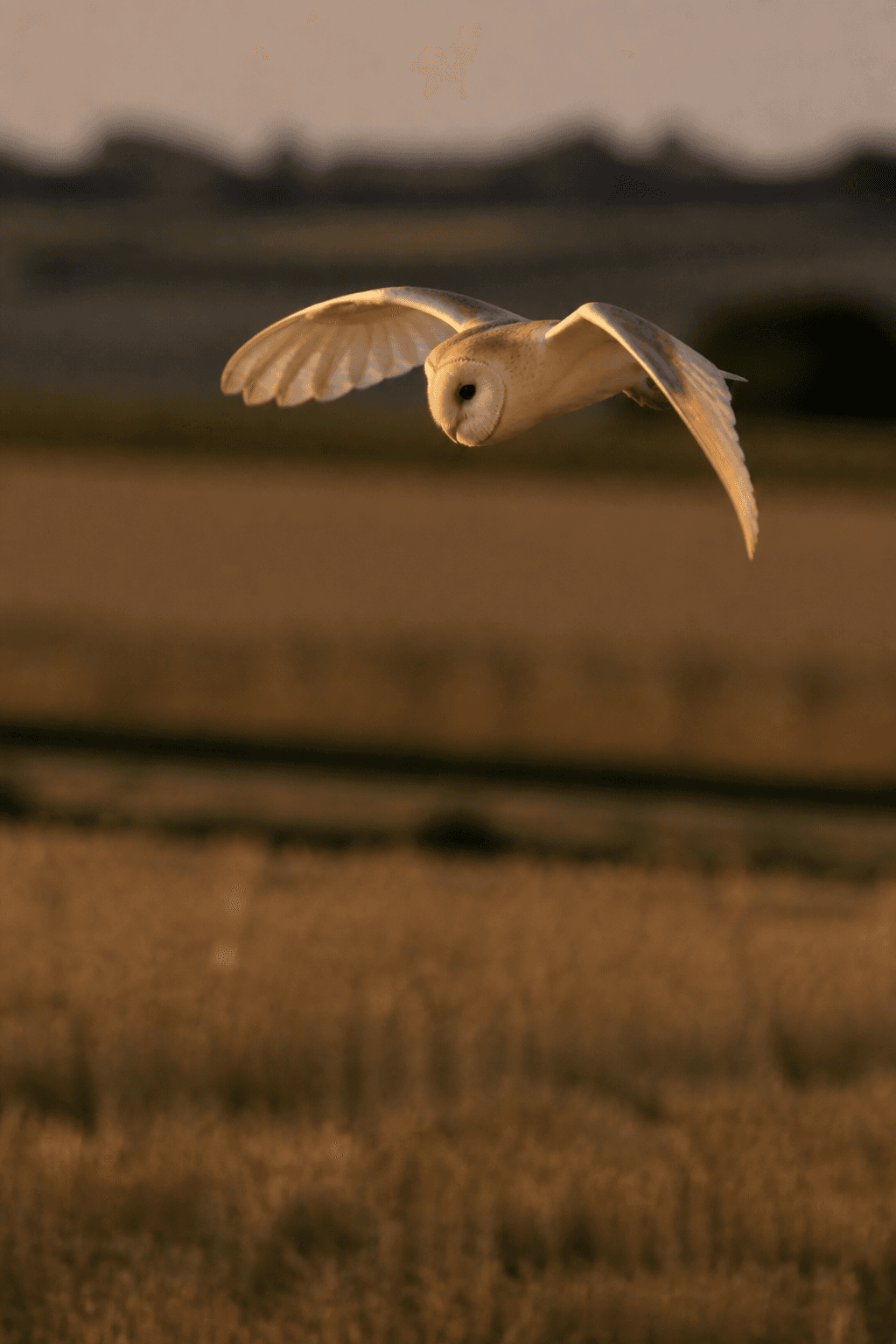
Barn Owl
United Kingdom
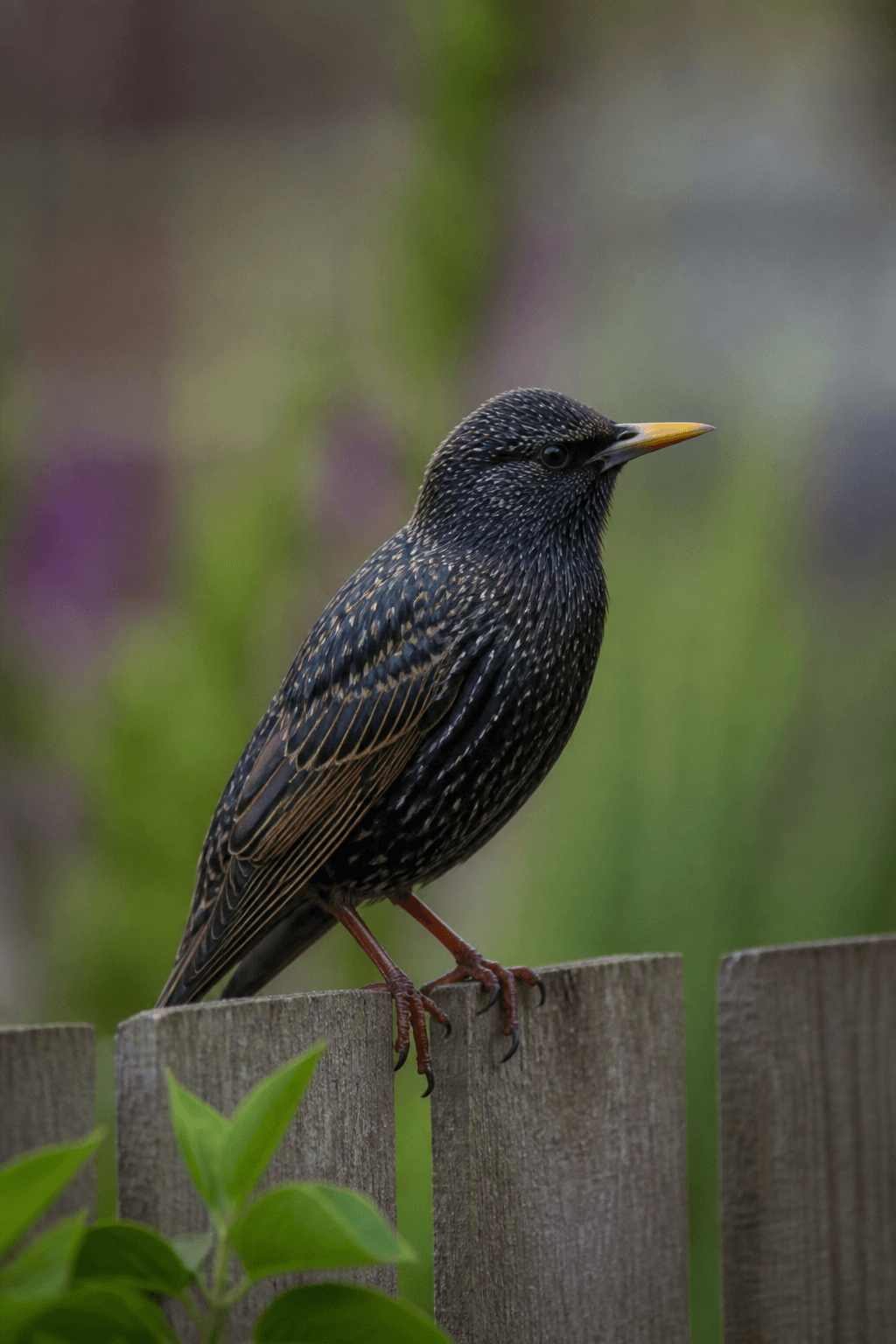
Starling
United Kingdom
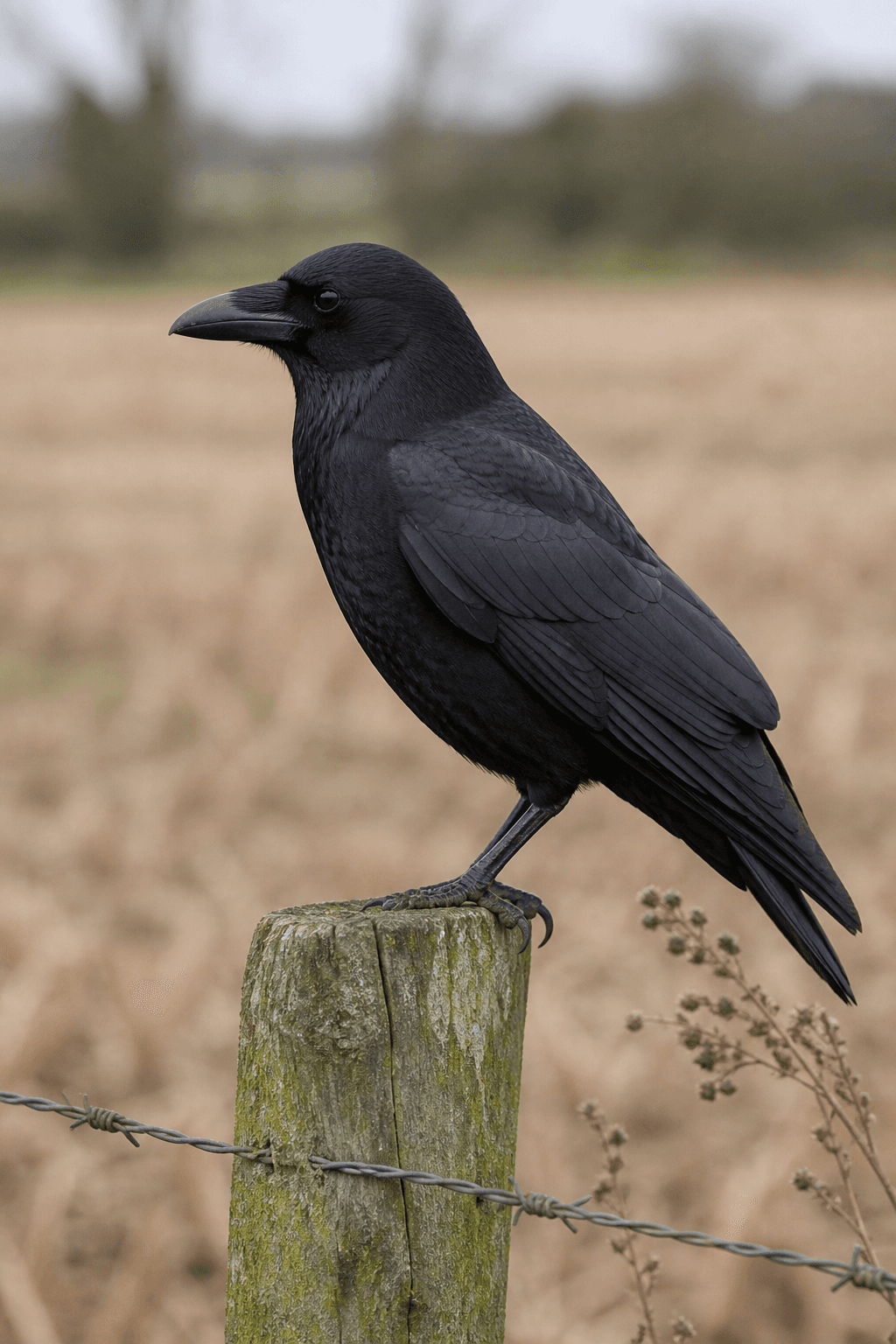
Carrion Crow
United Kingdom
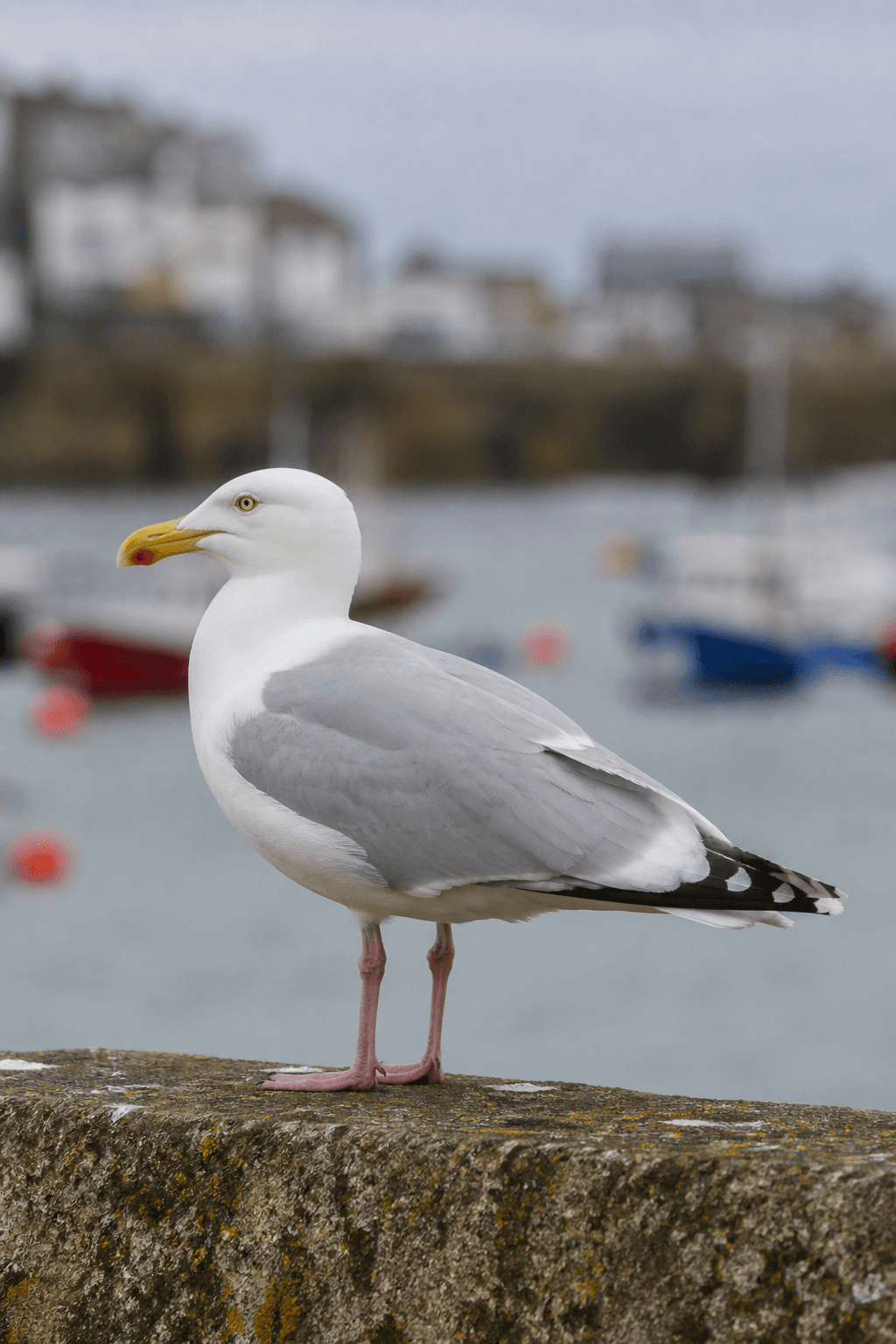
Herring Gull
United Kingdom
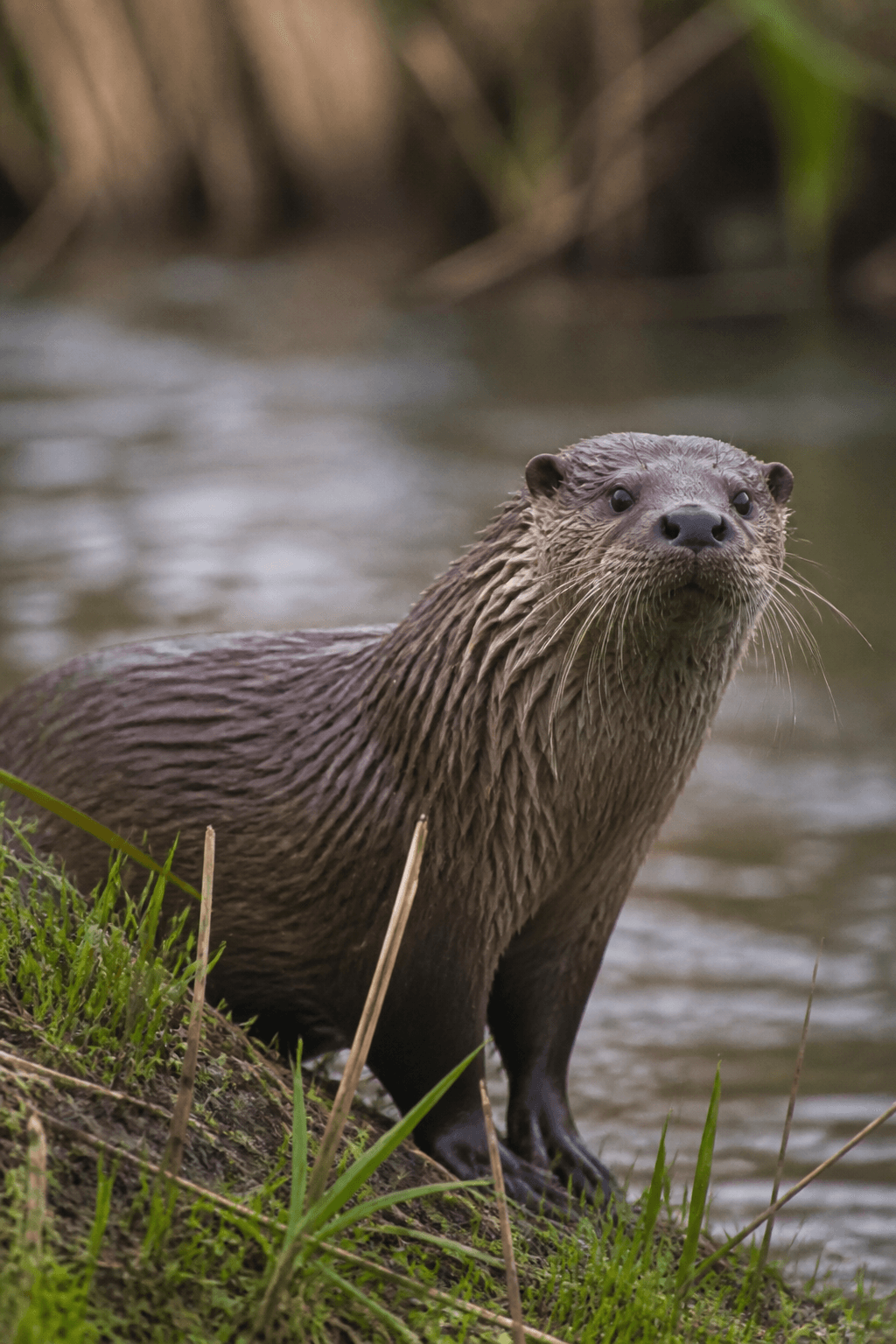
Otter
United Kingdom
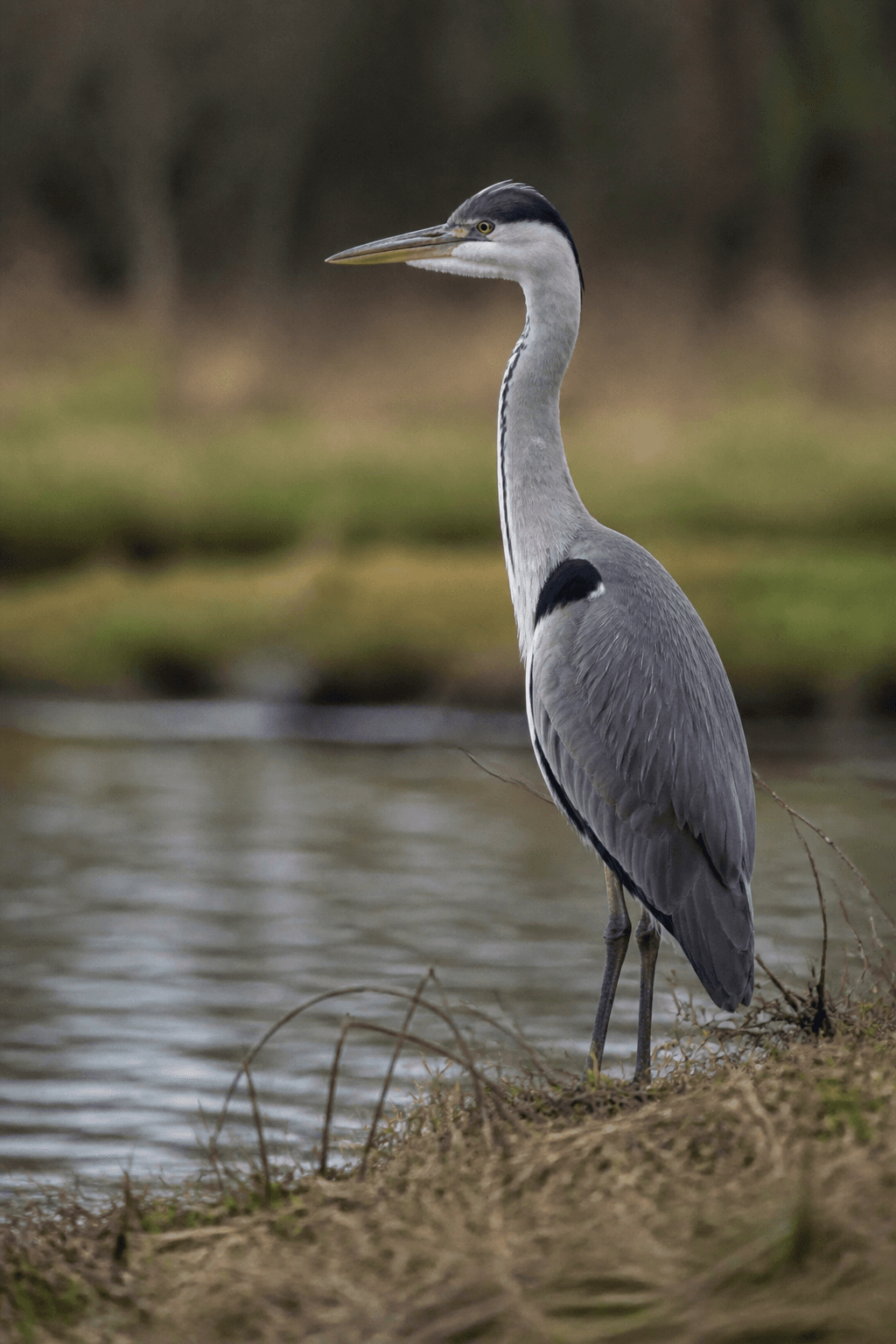
Grey Heron
United Kingdom
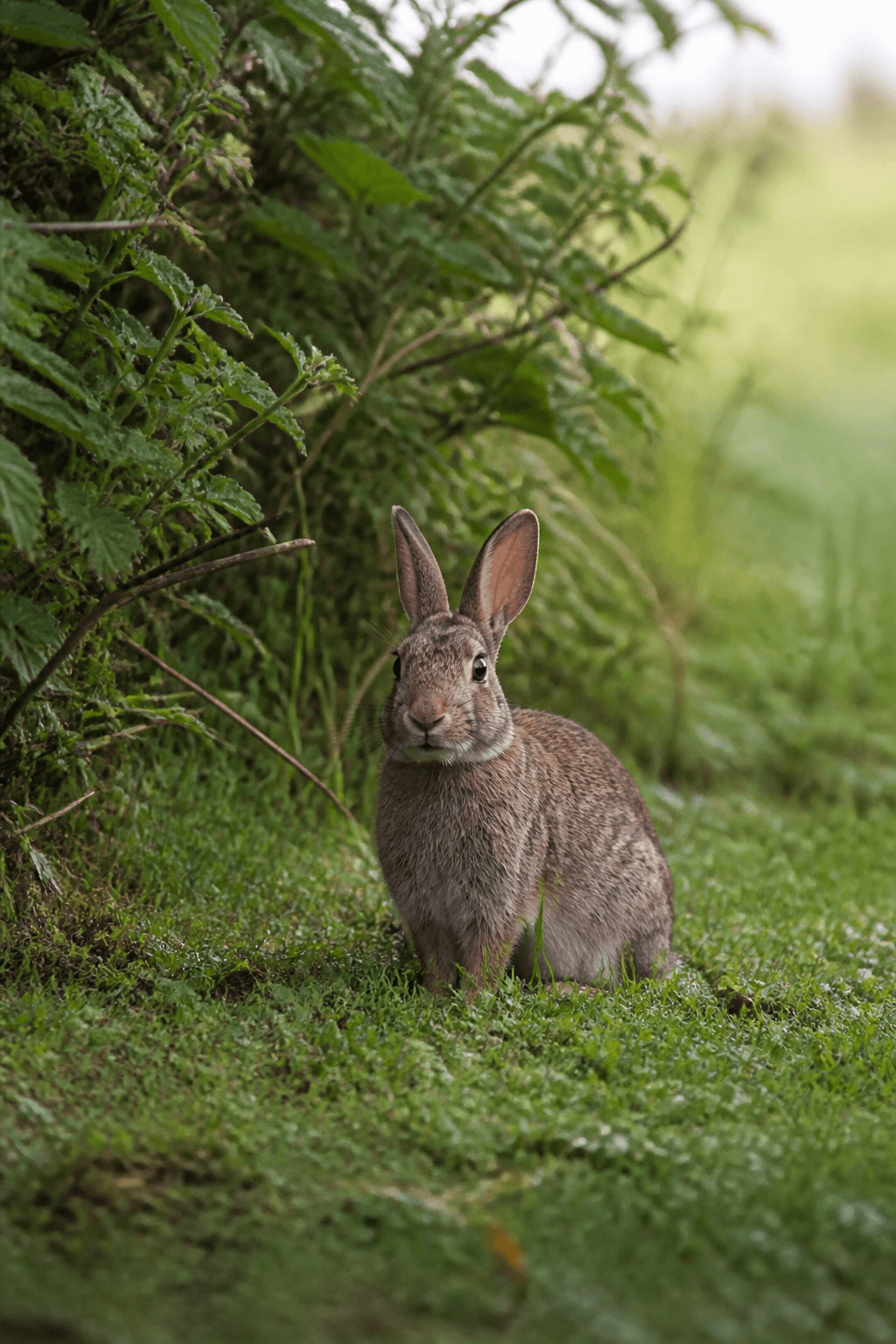
European Rabbit
United Kingdom, United States
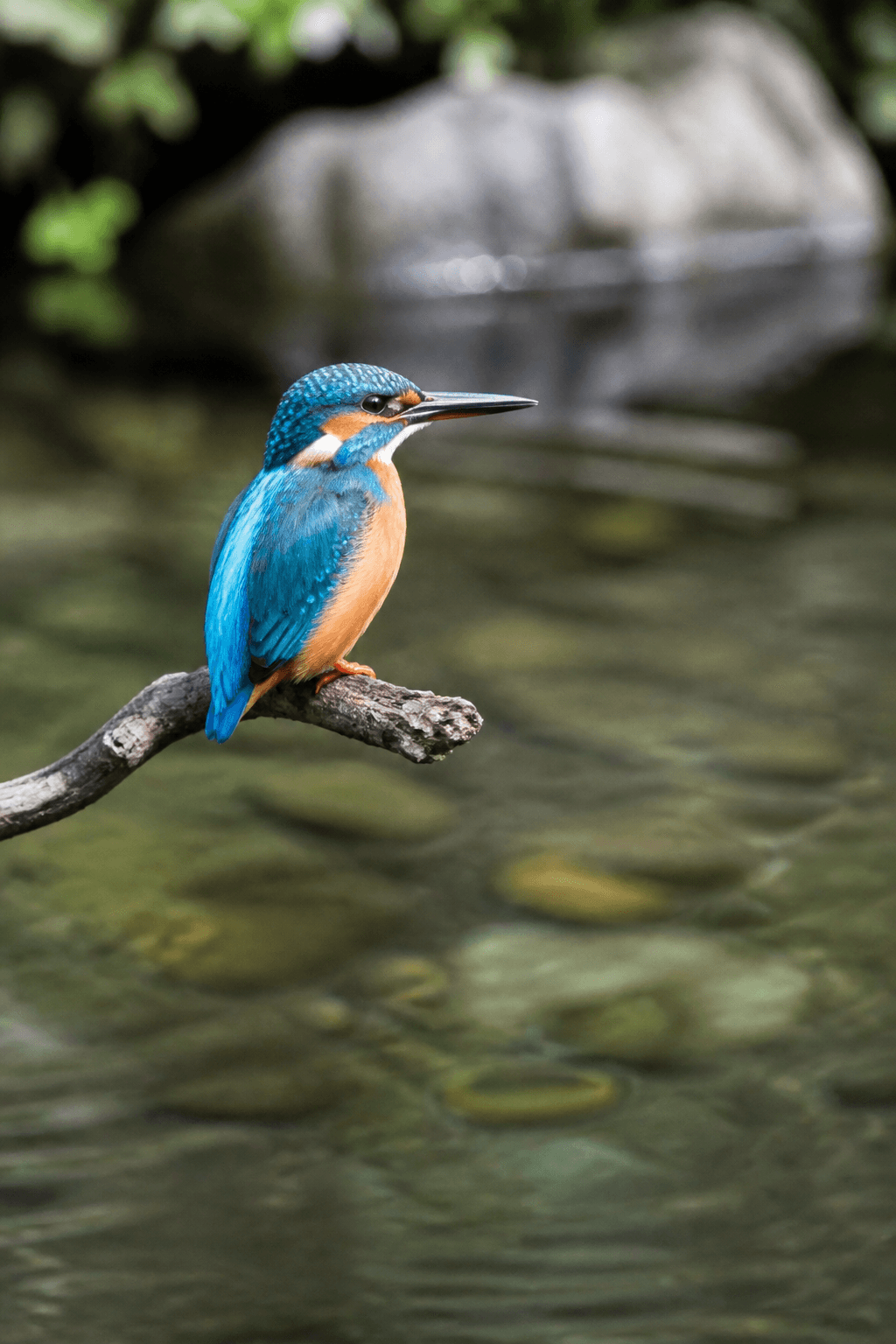
Kingfisher
United Kingdom
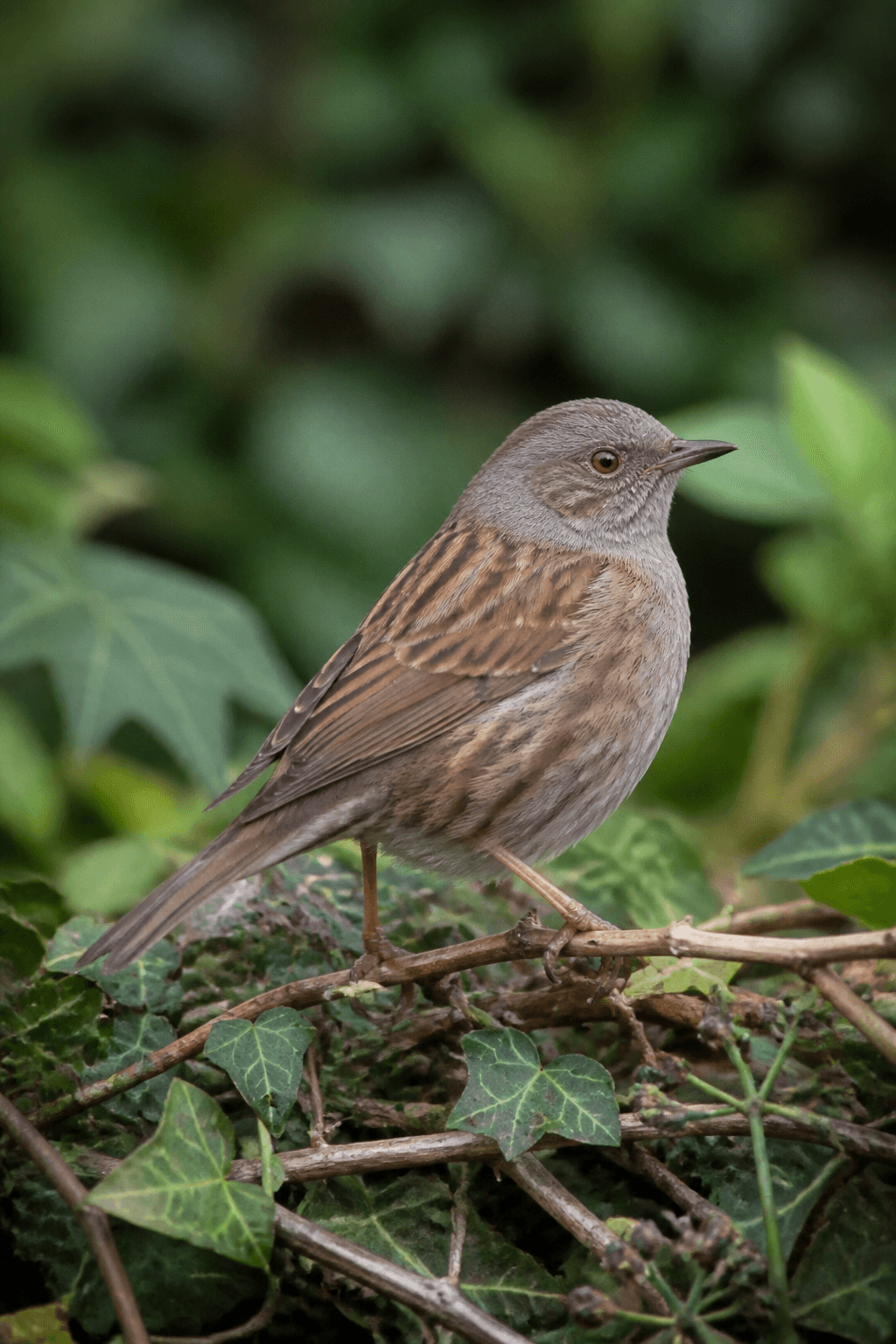
Dunnock
United Kingdom
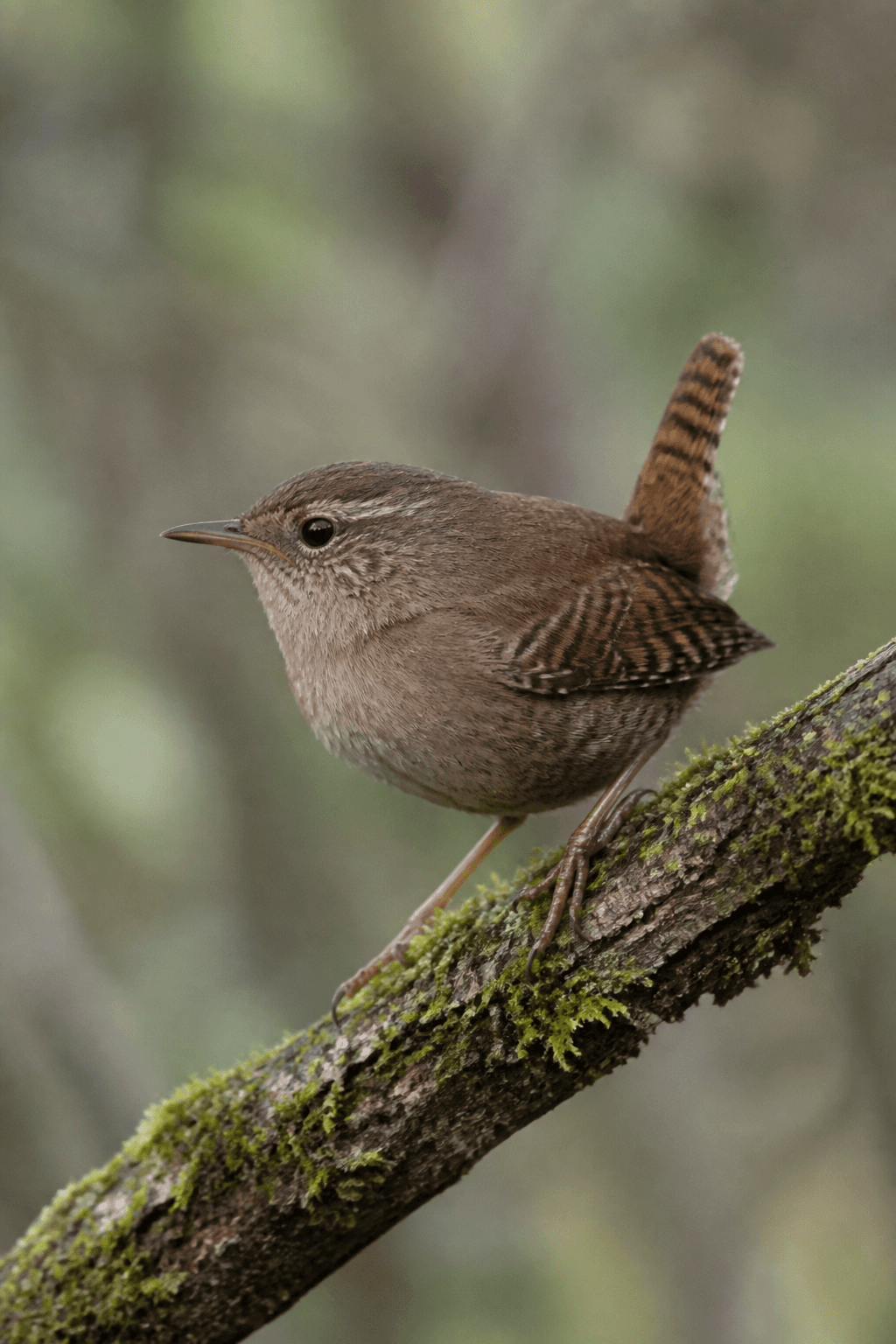
Wren
United Kingdom
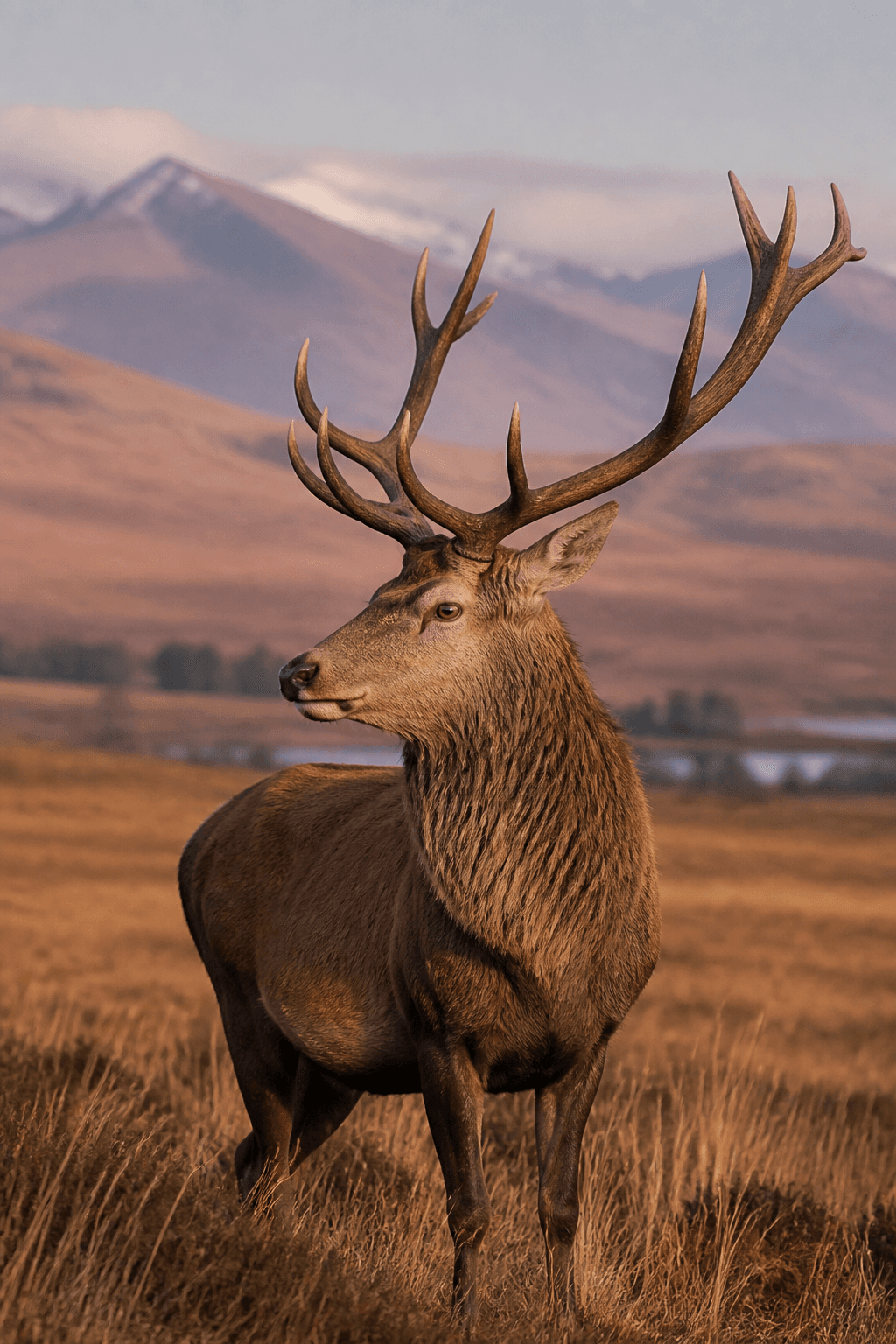
Red Deer
United Kingdom
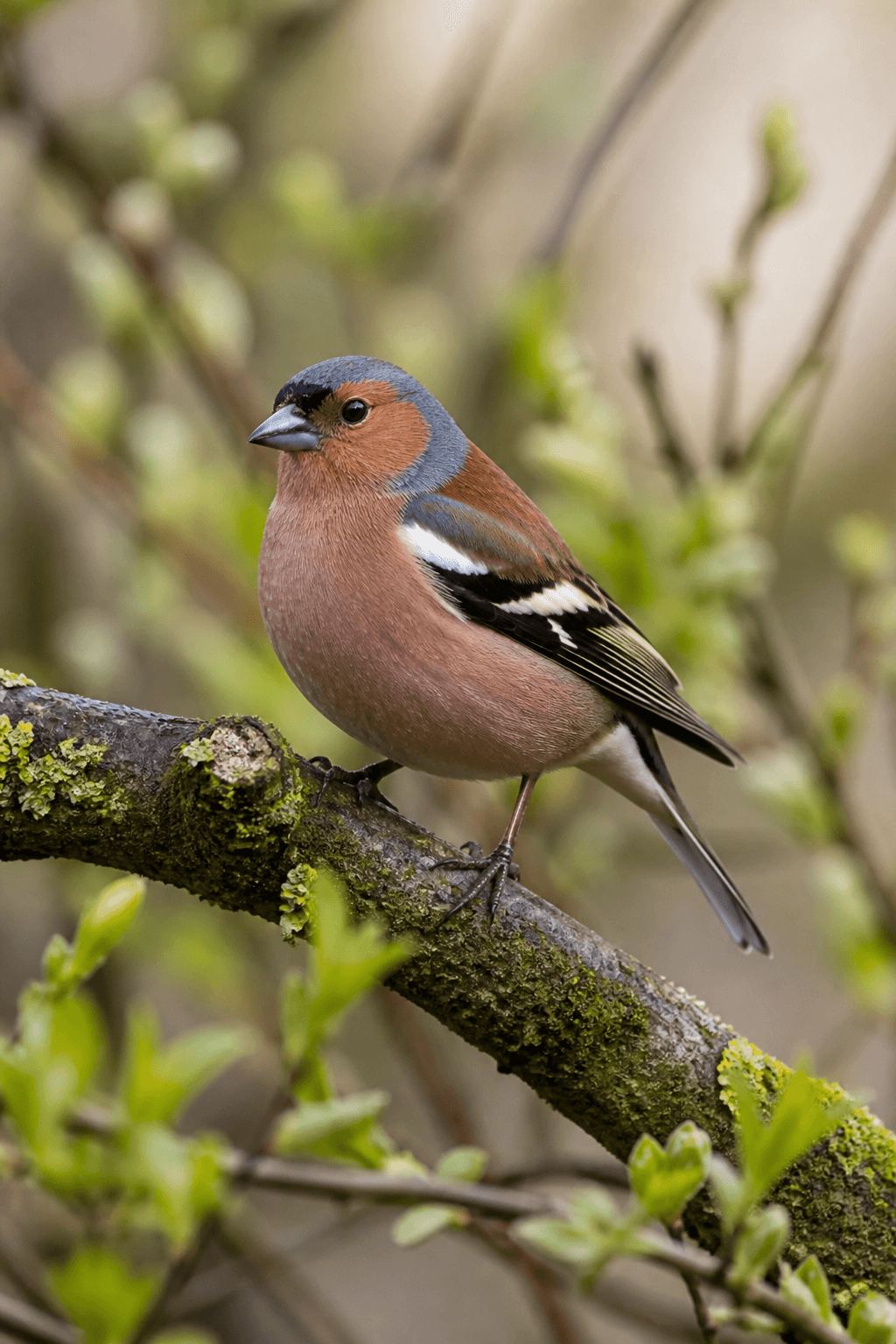
Chaffinch
United Kingdom
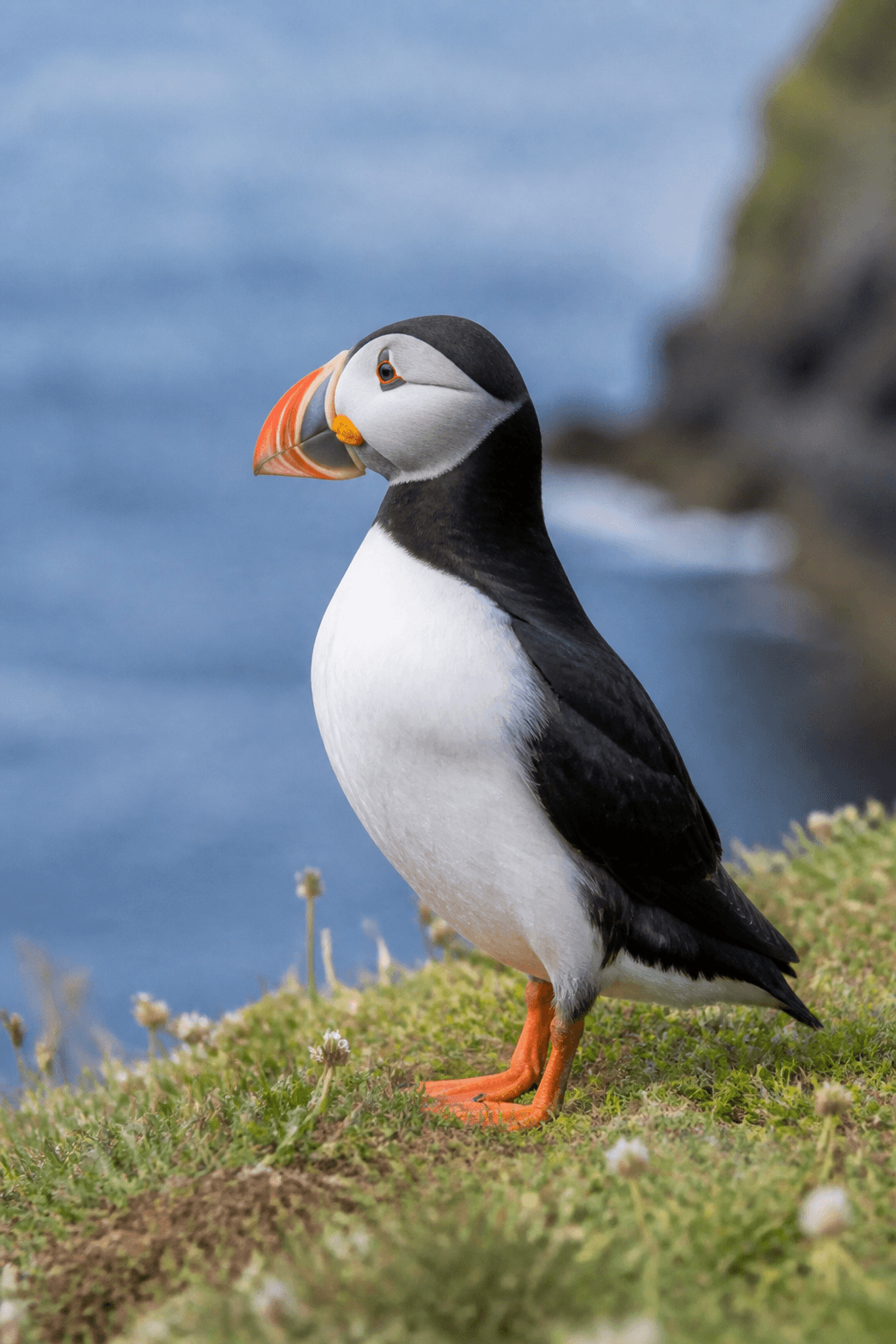
Puffin
United Kingdom
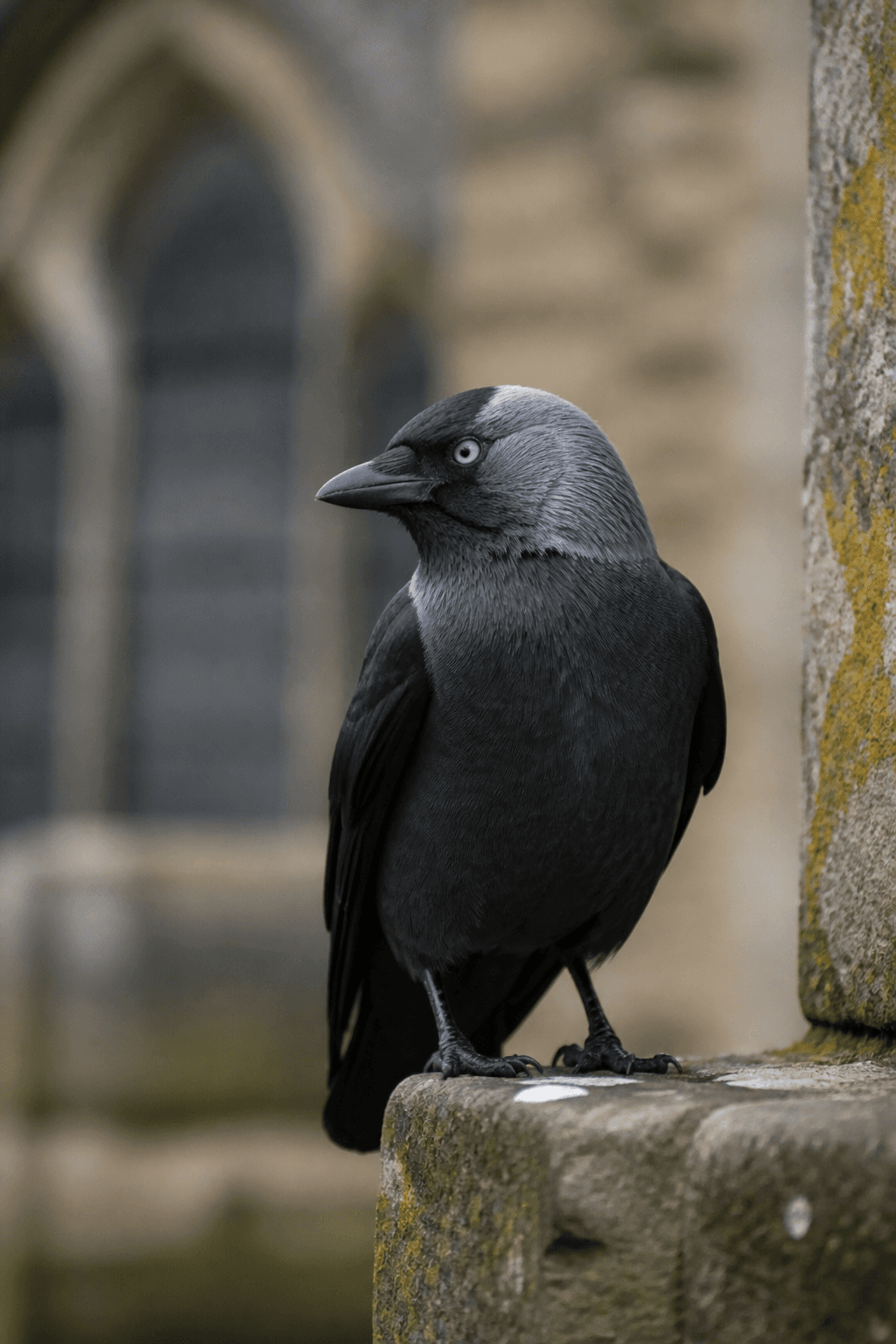
Jackdaw
United Kingdom
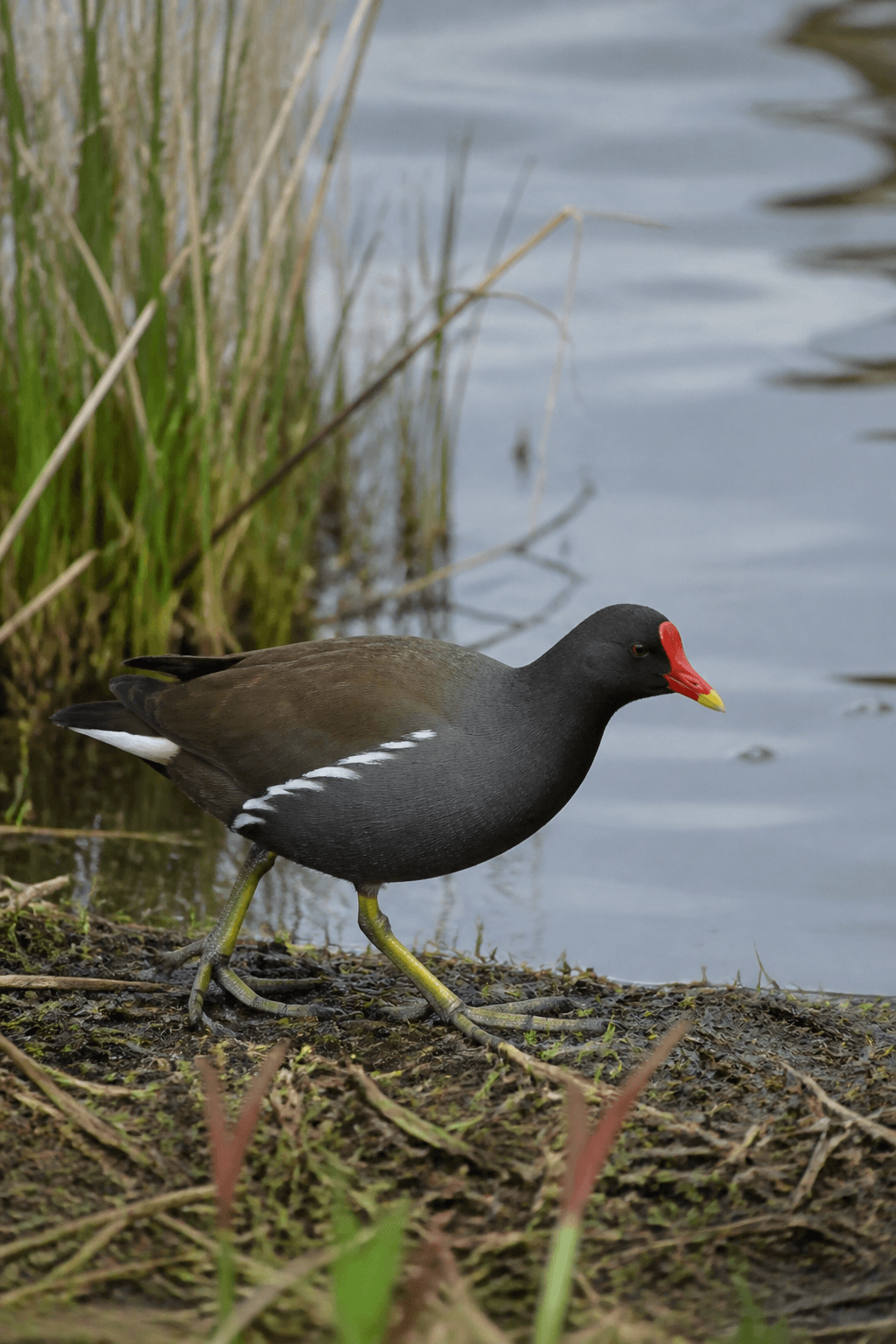
Moorhen
United Kingdom
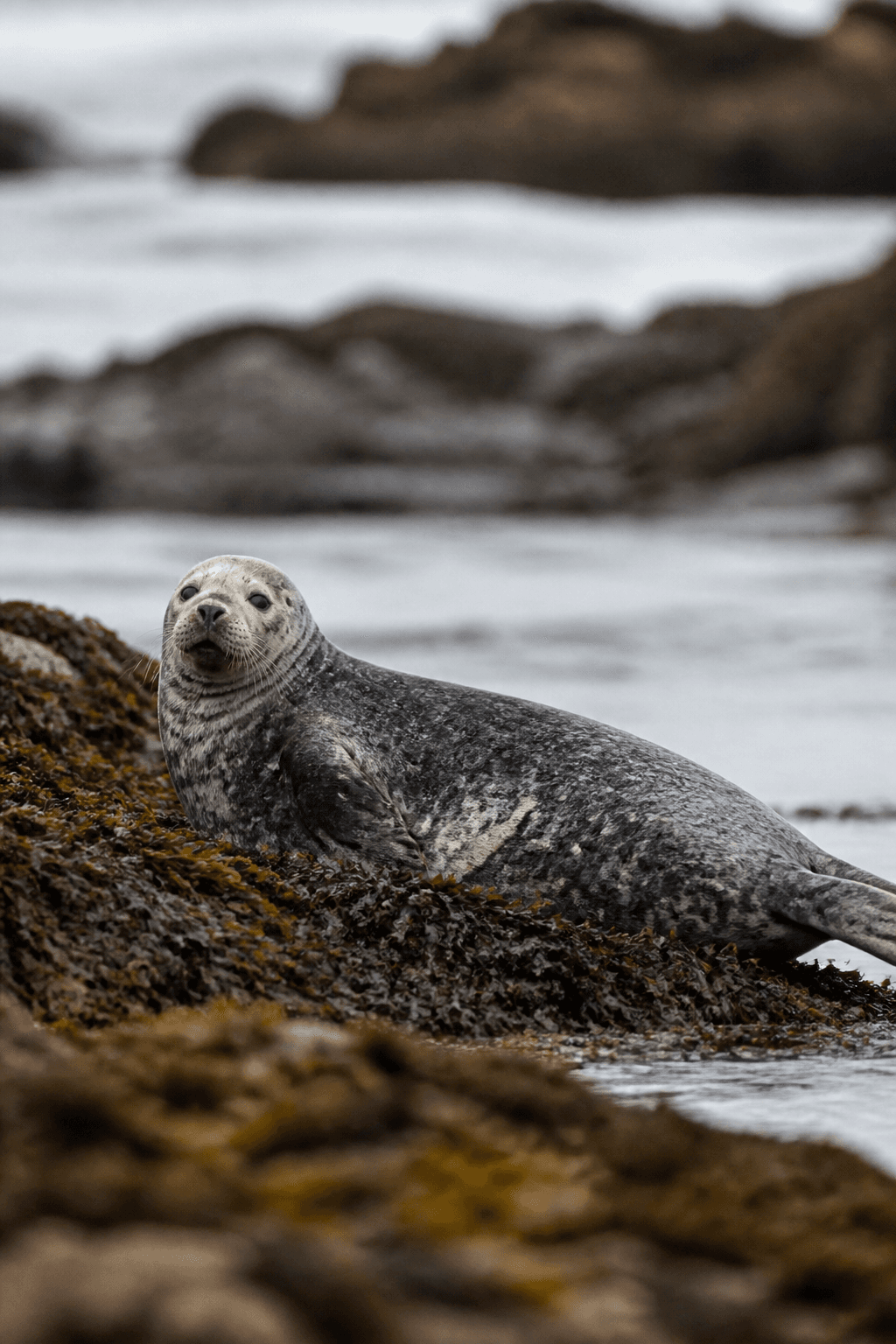
Grey Seal
United Kingdom
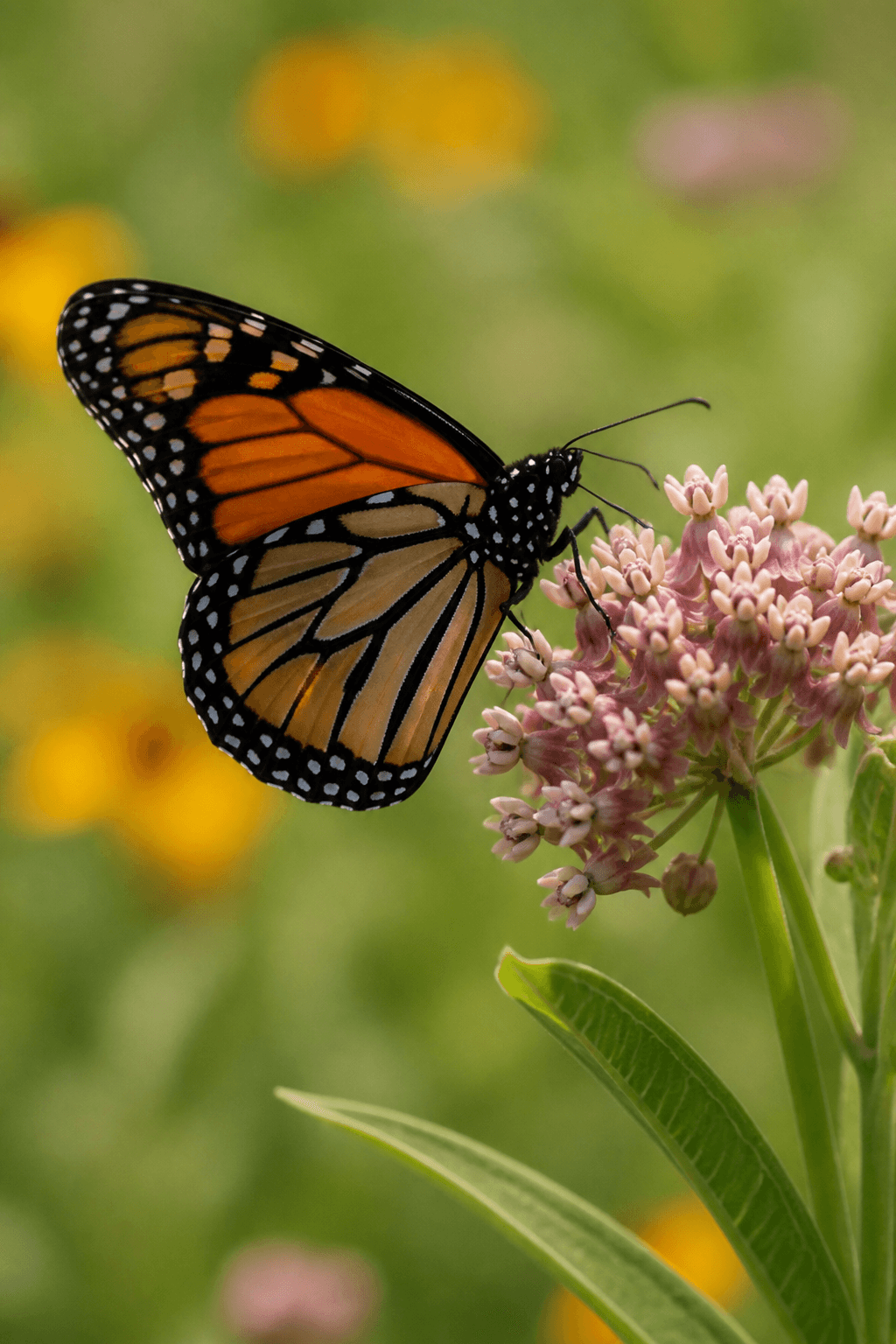
Monarch Butterfly
United States, United Kingdom
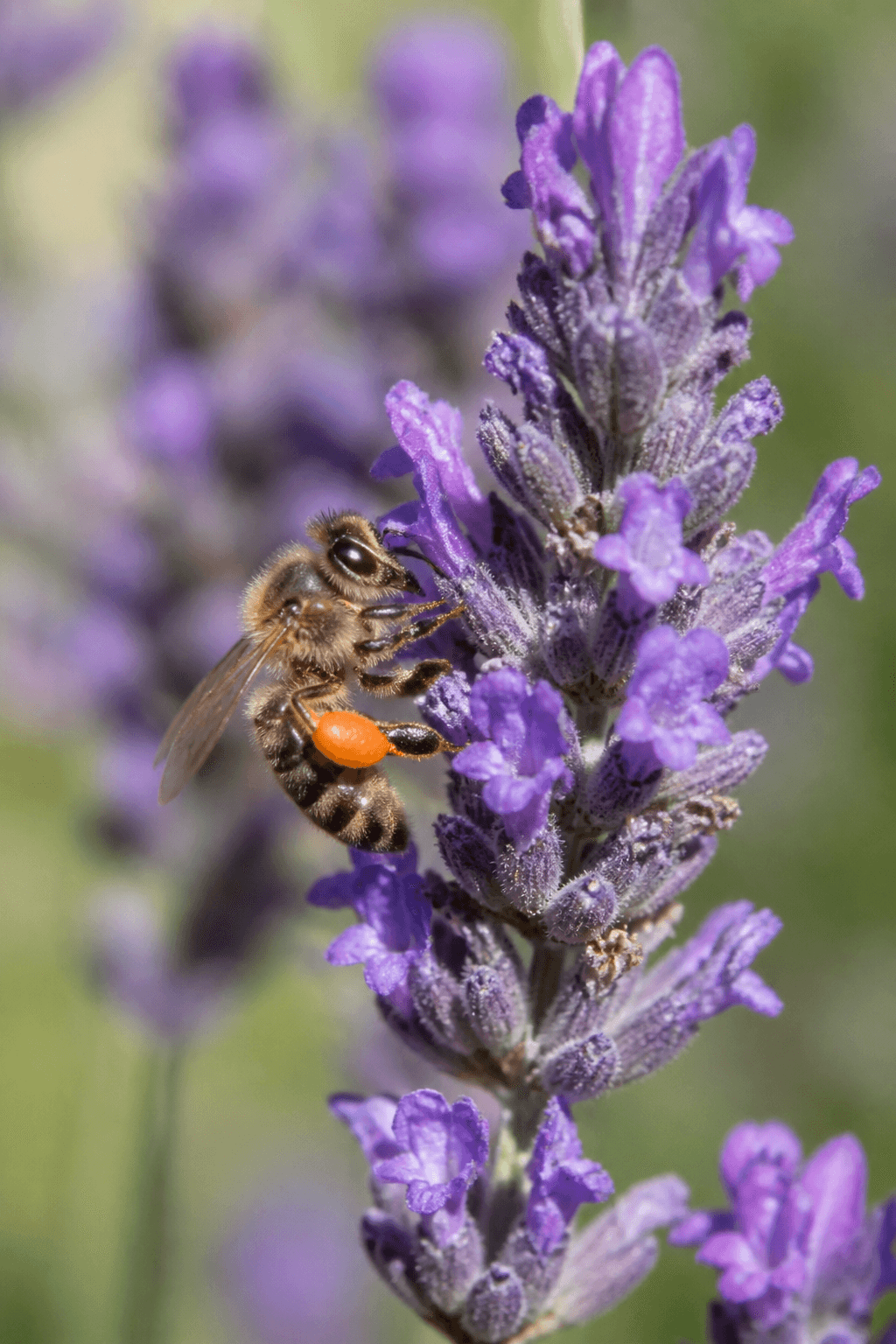
Honey Bee
United Kingdom, United States
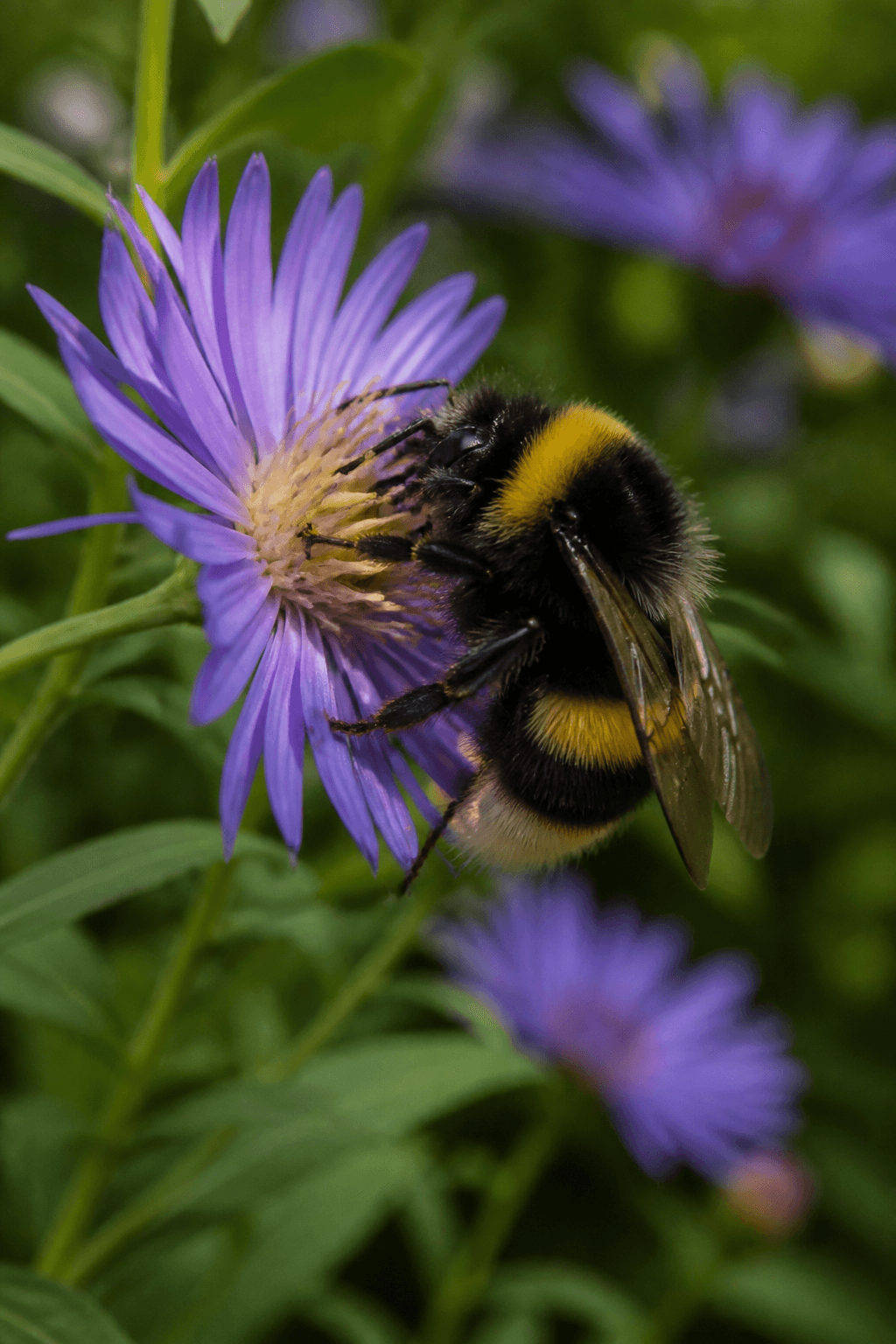
Bumblebee
United Kingdom, United States
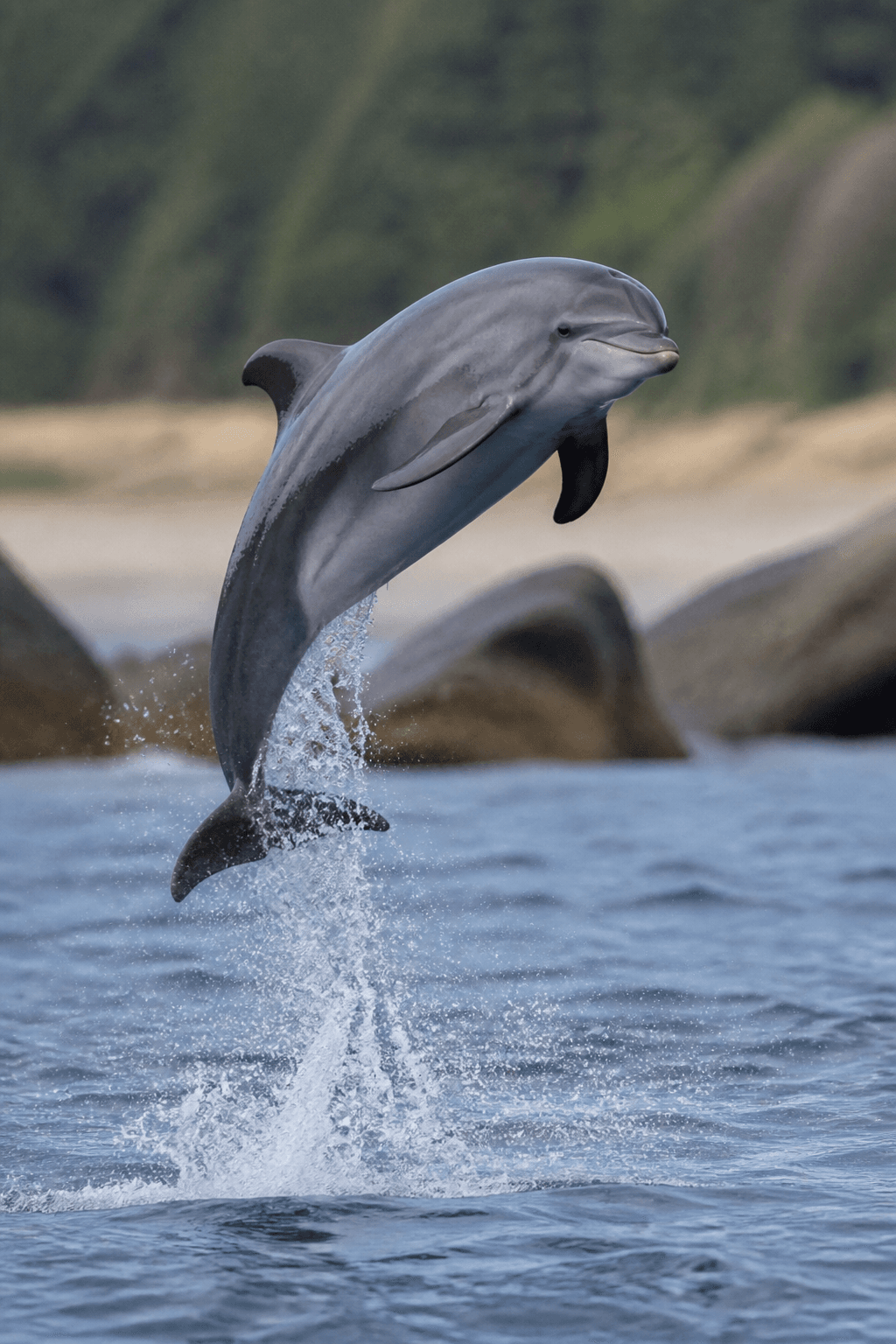
Bottlenose Dolphin
United States, United Kingdom
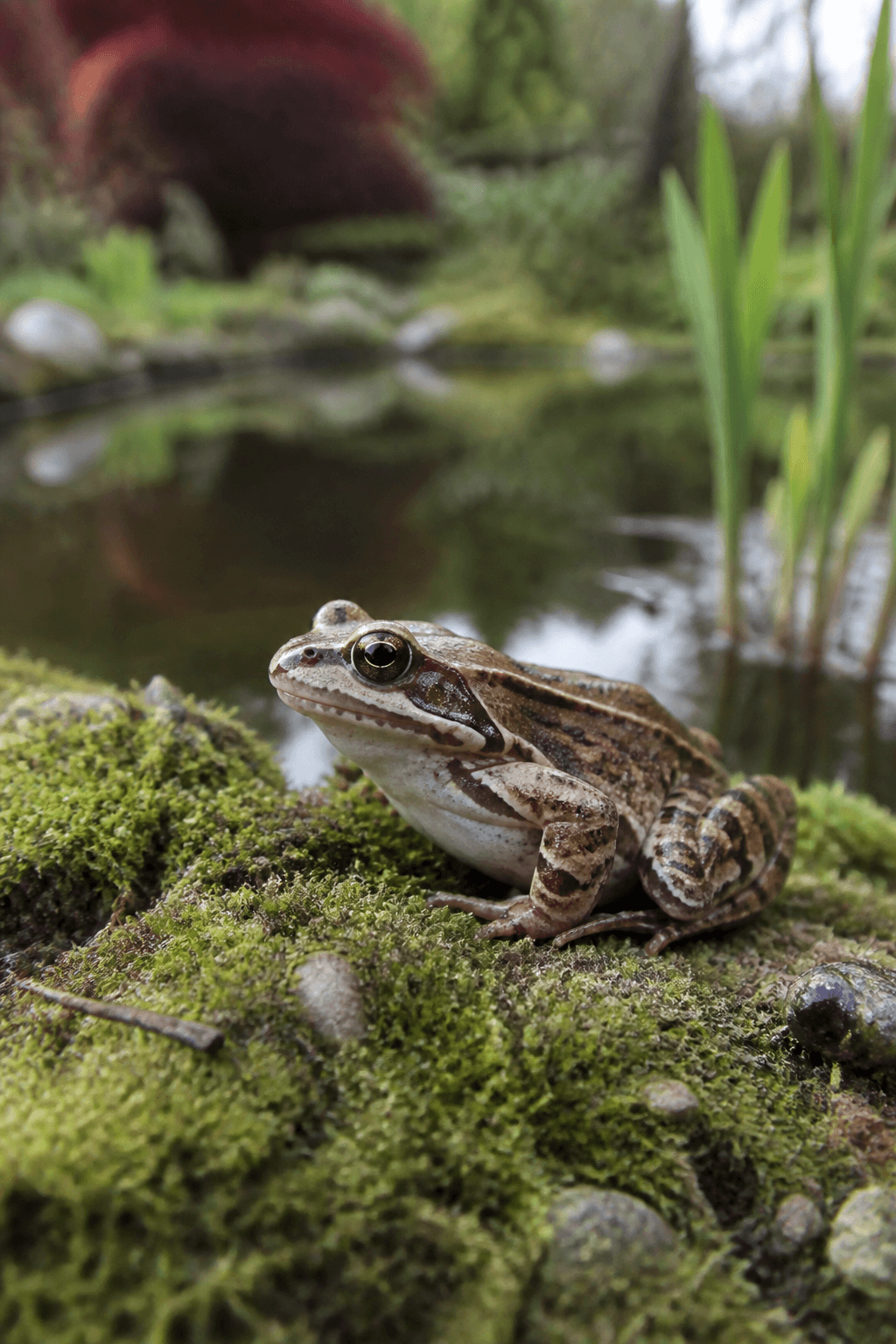
Common Frog
United Kingdom
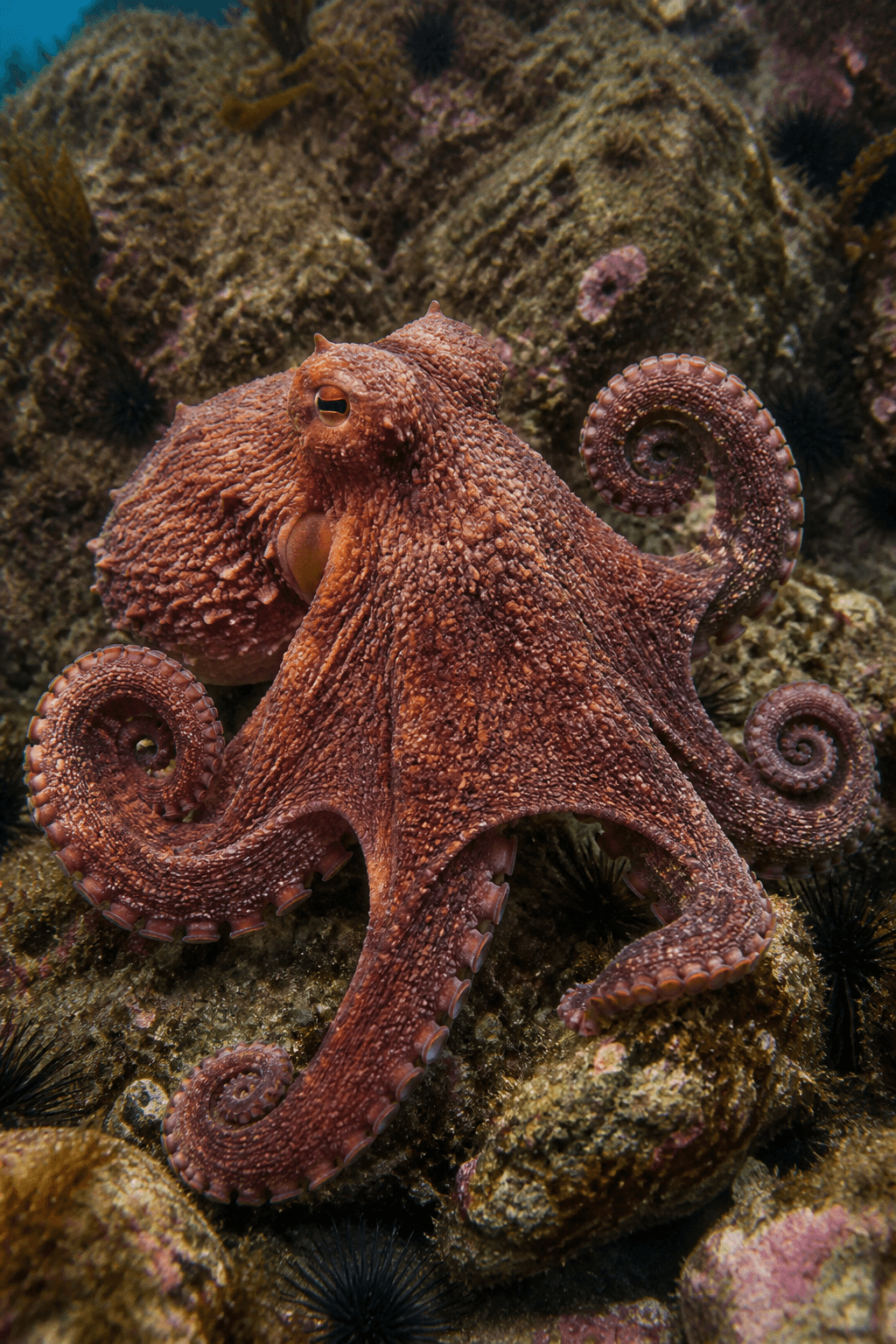
Octopus
United Kingdom, United States, Indonesia
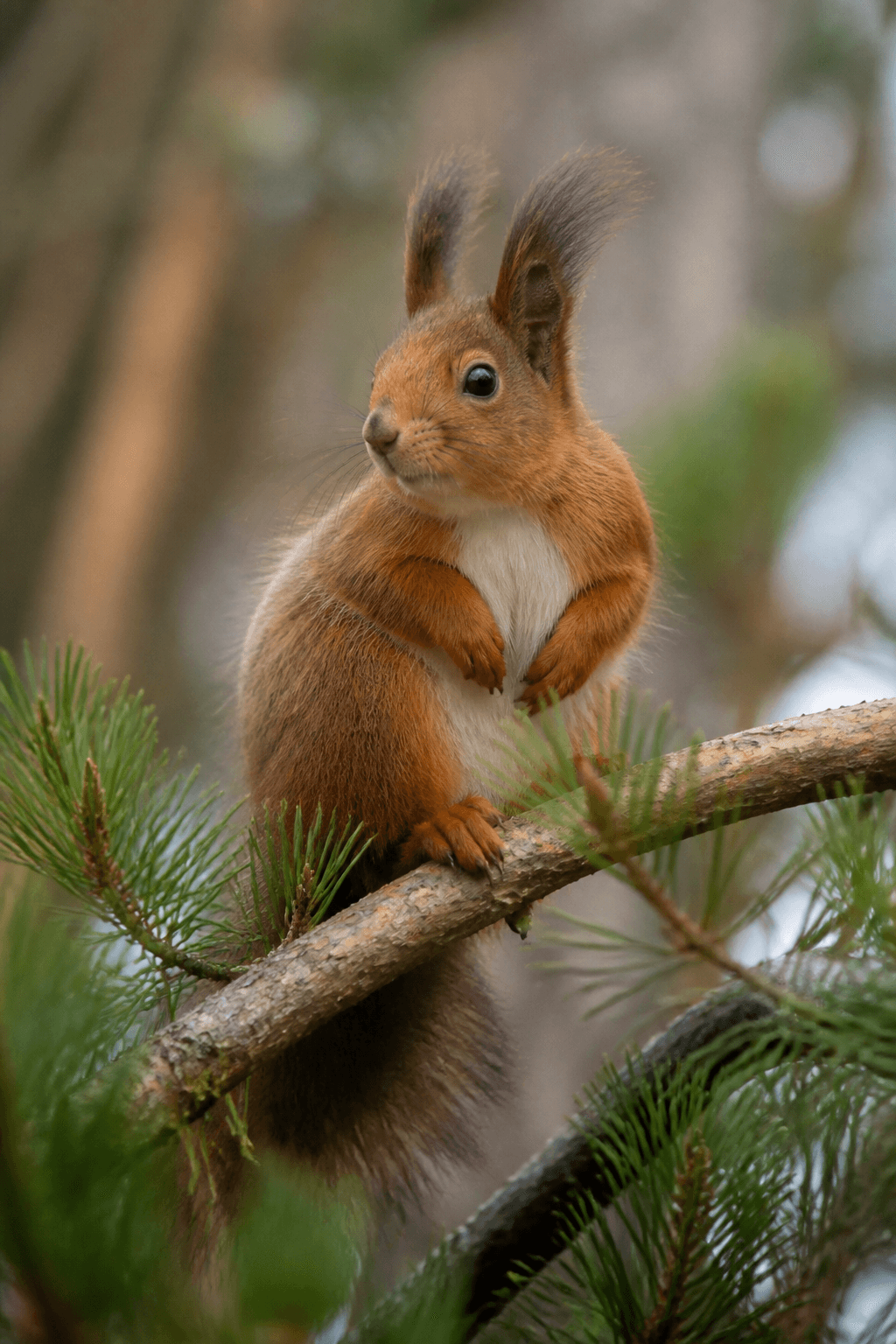
Red Squirrel
United Kingdom
Golden Eagle
United Kingdom, United States, Canada
Red Fox
United Kingdom
Keep exploring
Related discoveries
- Domestic Dogcommon • Parks & Neighbourhoods
- Domestic Catcommon • Gardens & Streets
- House Sparrowcommon • Gardens & Cities
- Rock Pigeoncommon • Town Squares
- Mallardcommon • Ponds & Rivers
- Grey Squirrelcommon • Woodland & Parks
- Hedgehograre • Gardens & Hedgerows
- Robincommon • Gardens & Woodlands
- Blackbirdcommon • Gardens & Parks
- Badgerrare • Woodland & Farmland
- Magpiecommon • Woodland & Suburbs
- Wood Pigeoncommon • Farmland & Parks
- Barn Owlrare • Farmland & Barns
- Starlingcommon • Gardens & Farmland
- Carrion Crowcommon • Fields & Roadsides
- Herring Gullcommon • Coast & Harbours
- Otterrare • Rivers & Lakes
- Grey Heroncommon • Rivers & Wetlands
- European Rabbitcommon • Fields & Warrens
- Kingfishercommon • Rivers & Streams
- Dunnockcommon • Hedges & Shrubs
- Wrencommon • Gardens & Woodland
- Red Deerrare • Highlands & Forest
- Chaffinchcommon • Woodland & Gardens
- Puffinrare • Sea Cliffs
- Jackdawcommon • Churches & Rooftops
- Moorhencommon • Ponds & Reedbeds
- Grey Sealrare • Coastal Colonies
- Monarch Butterflycommon • Meadows & Gardens
- Honey Beecommon • Gardens & Meadows
- Bumblebeecommon • Gardens & Wildflowers
- Bottlenose Dolphincommon • Coastal Waters
- Common Frogcommon • Ponds & Gardens
- Octopuscommon • Rock Pools & Reef
- Red Squirrelcommon • Conifer Woodland
- Golden Eaglecommon • Mountains & Moorland
- Red Foxcommon • United Kingdom
Free on iOS
Catch the Blue Tit
Spot one in the wild — then scan it in Catch'Um to log your common discovery.