
Field guide · rare
Badger
Britain's striped night wanderer — a sett-dwelling digger whose underground homes pass down through generations.
Least Concern
Overview
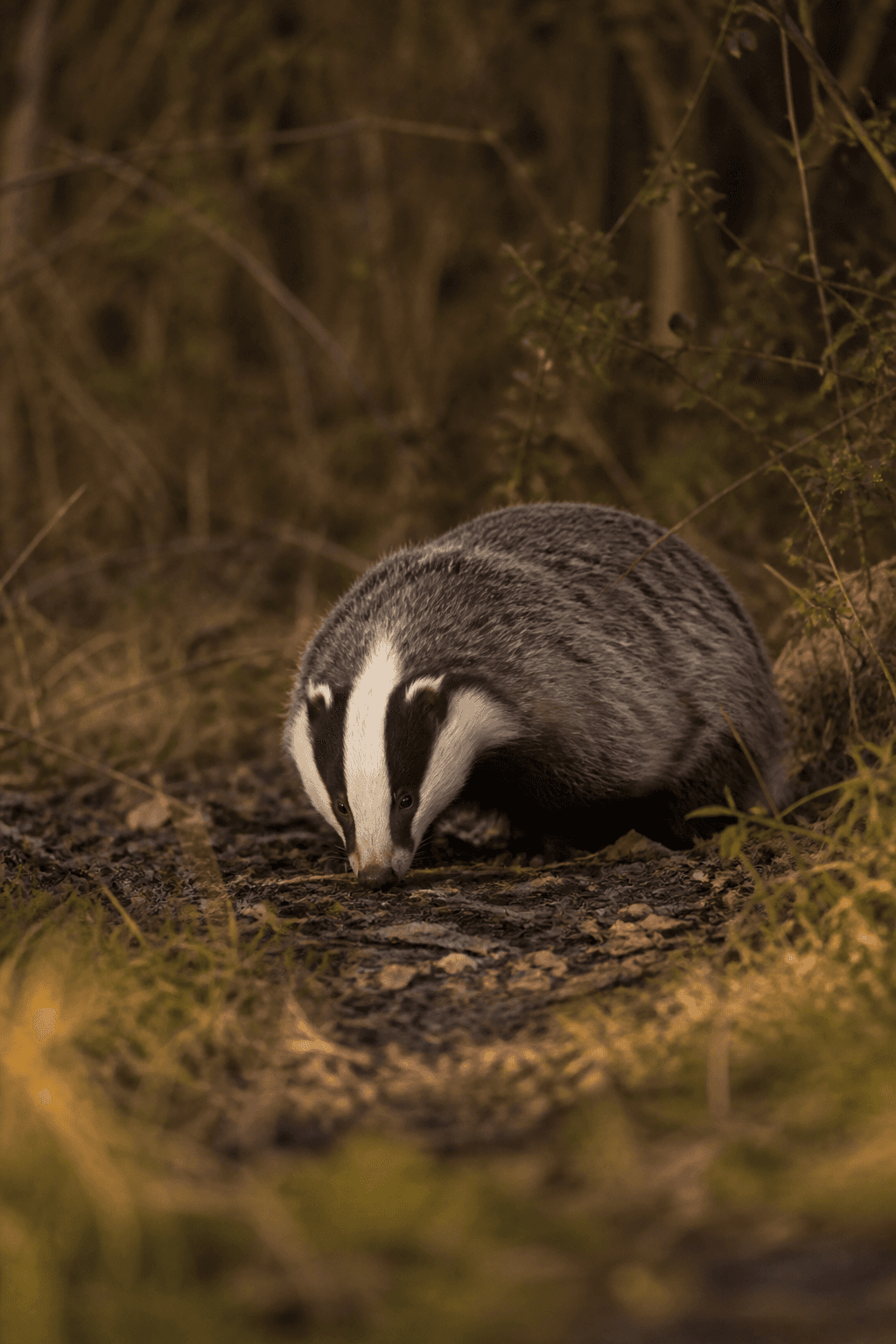
The European badger is one of the UK's most distinctive mammals — broad, low-slung, with a bold black-and-white striped face that looks painted on. They are creatures of dusk and dark, emerging from ancient woodland setts to snuffle through leaf litter for earthworms, their primary food.
Badgers live in underground tunnel systems called setts, some occupied for decades and expanded by generations of the same clan. Spotting one is a rare treat — a ghost of stripes at a woodland edge, or a careful observer waiting quietly near a known sett entrance as light fades.
Habitat
Badgers are found across England, Scotland, and Wales in woodland, farmland, and scrub — wherever soil is diggable and earthworms abundant. Setts are dug into banks, under tree roots, and on hedgerow edges; territories can span several hundred hectares patrolled by a social group.
Countries found
Interesting facts
- 01
Badgers live in underground setts passed down through generations for decades.
- 02
A single sett can have dozens of entrances and chambers several metres underground.
- 03
They are fastidiously clean — badgers change bedding regularly and maintain latrine pits outside the sett.
- 04
An adult badger can eat several hundred earthworms in a single night.
- 05
They are largely nocturnal but cubs may play outside the sett in daylight during summer.
- 06
Badger clans are social groups, usually of four to eight adults, sharing a territory.
Conservation status
European badgers are Least Concern globally and legally protected in the UK. Local populations face pressure from road traffic, habitat loss, and culling programmes in some areas — making a wild sighting a genuinely rare discovery.
Related discoveries
Domestic Dog
United Kingdom, United States
Domestic Cat
United Kingdom, United States
House Sparrow
United Kingdom, United States
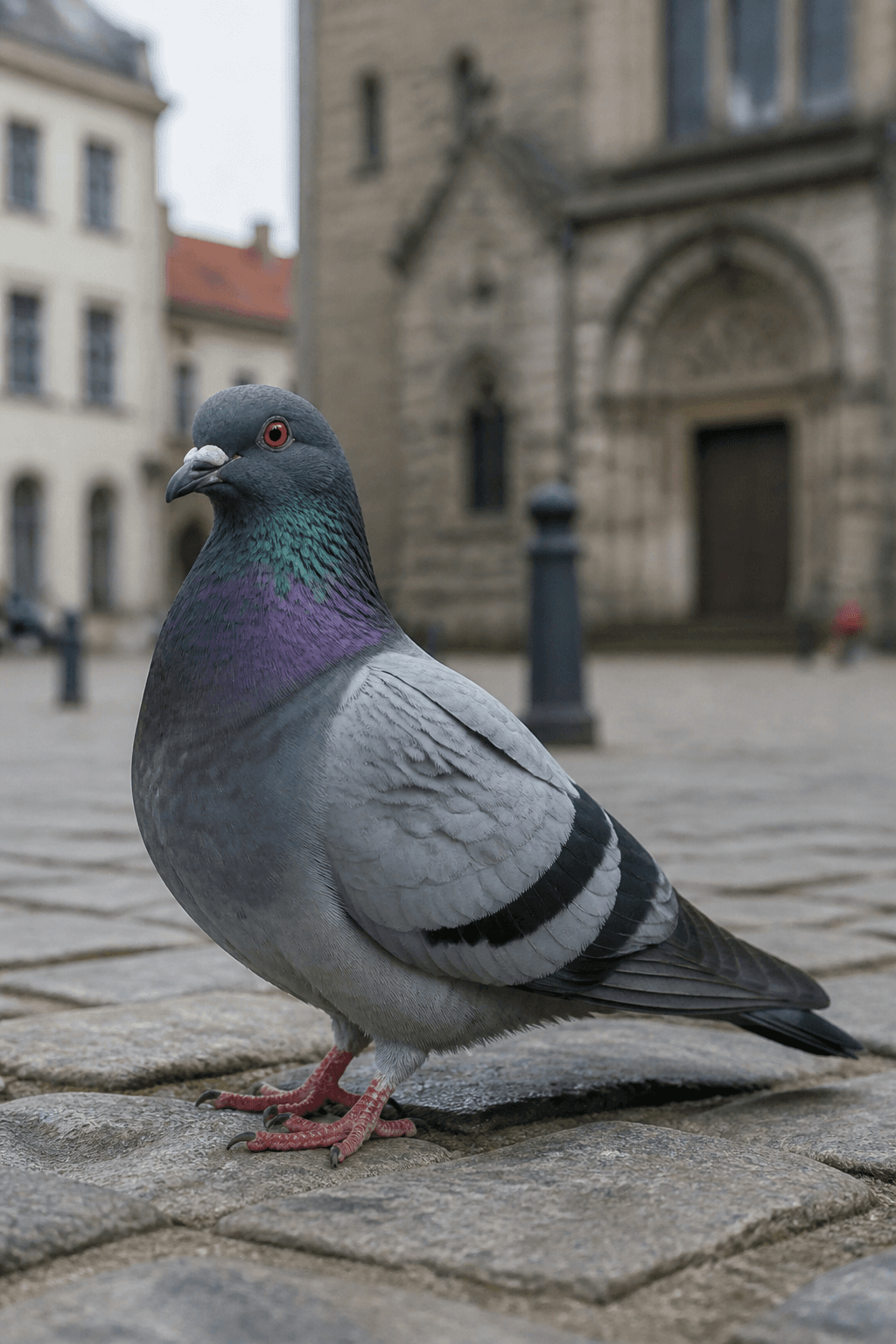
Rock Pigeon
United Kingdom, United States
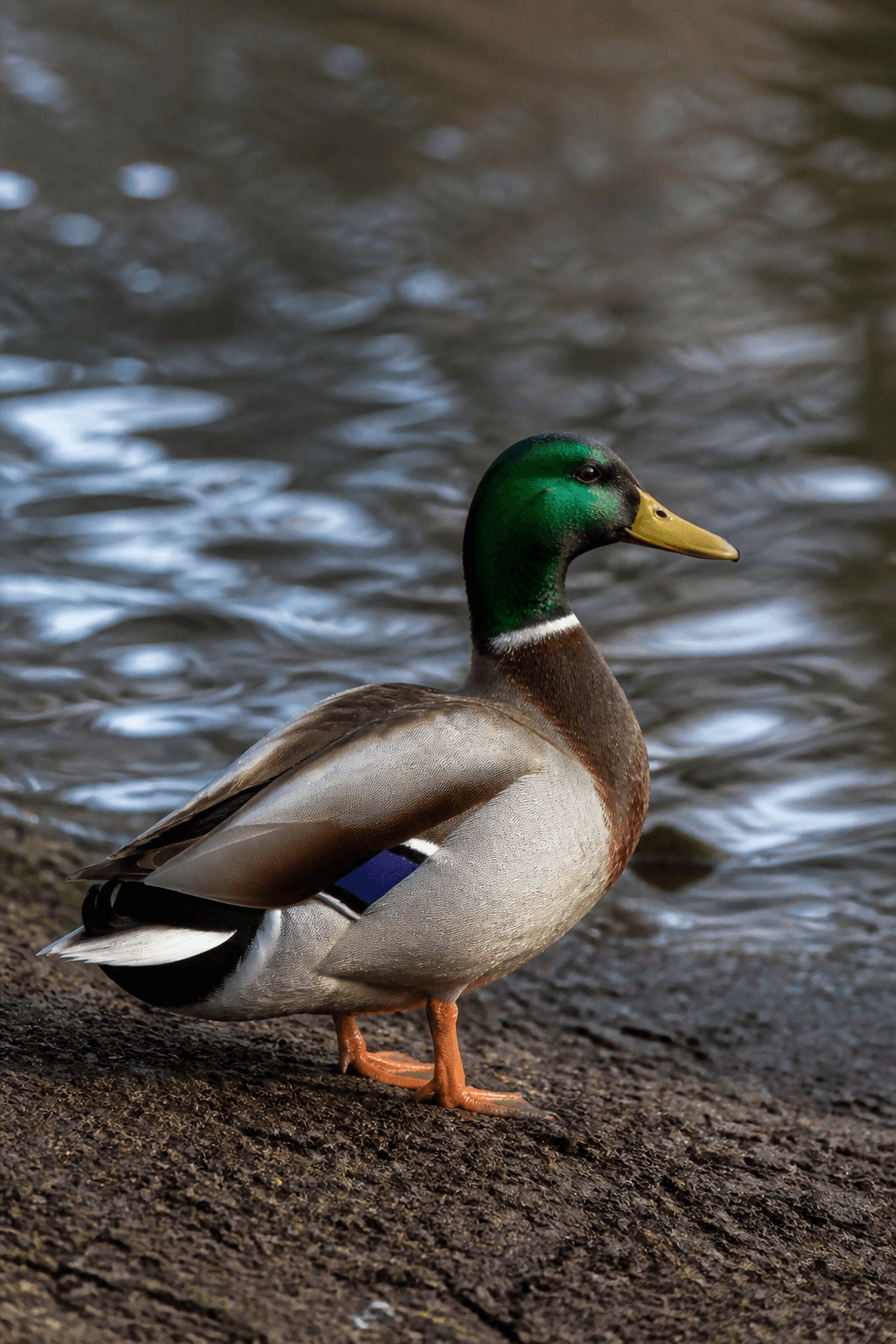
Mallard
United Kingdom, United States
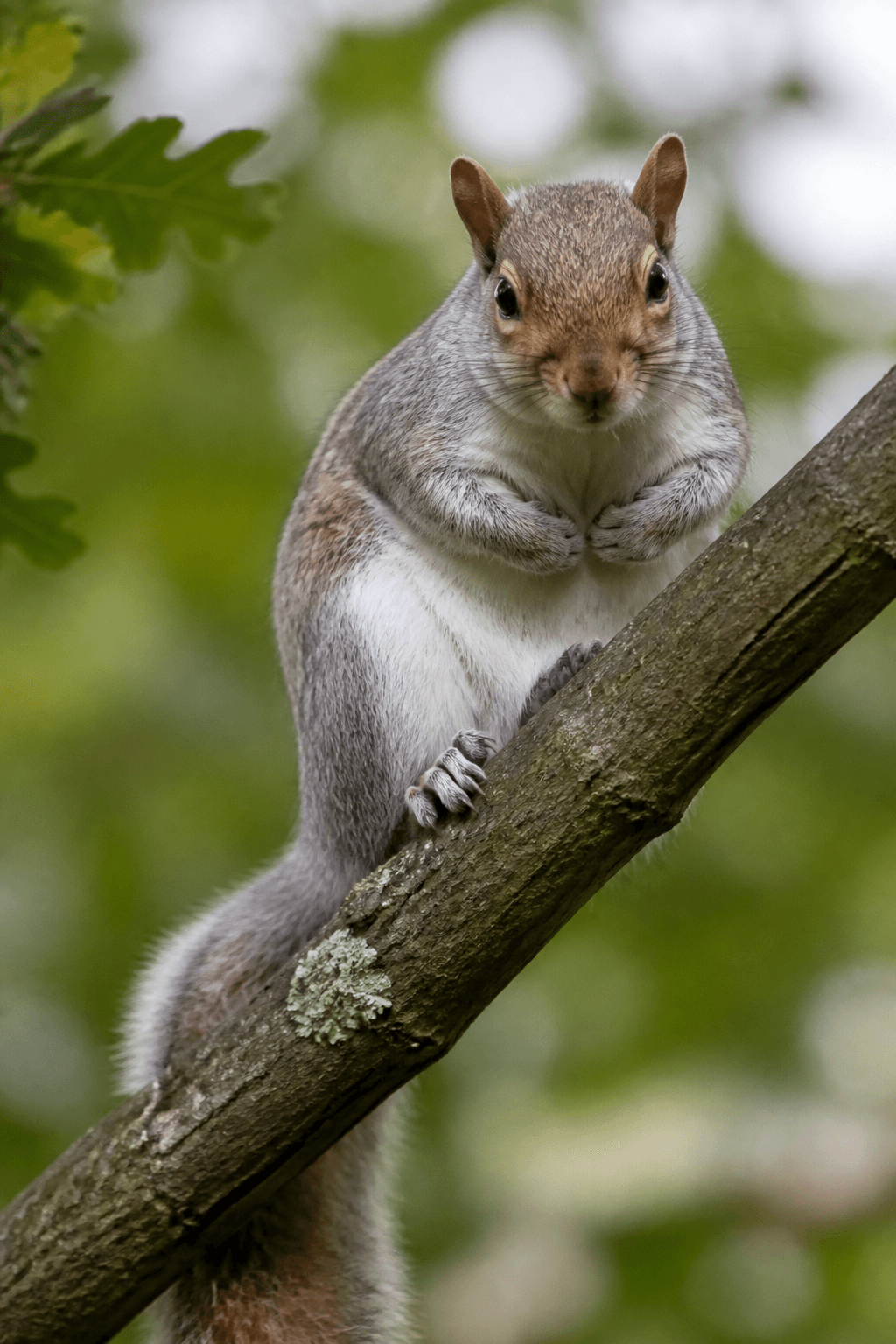
Grey Squirrel
United Kingdom, United States
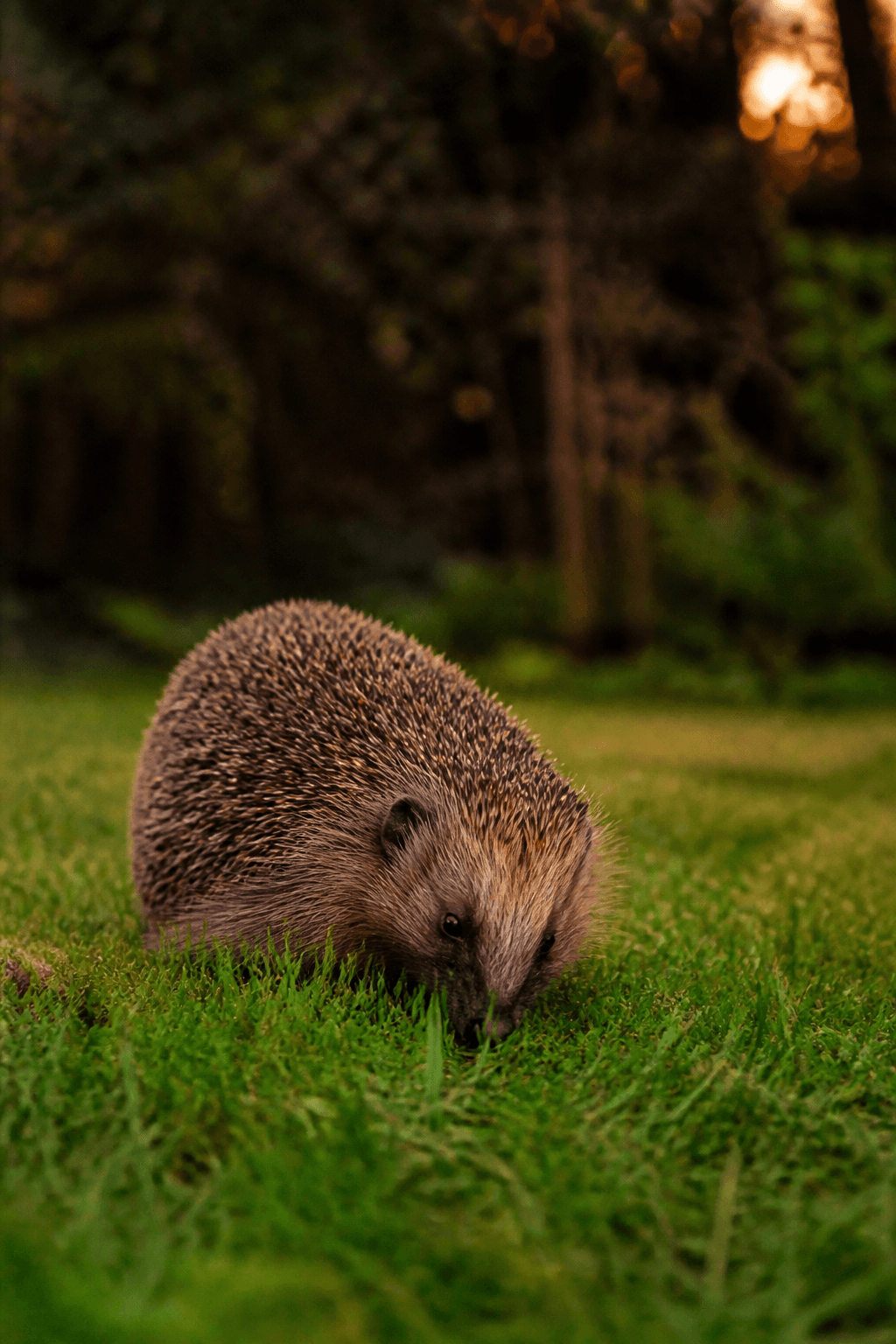
Hedgehog
United Kingdom
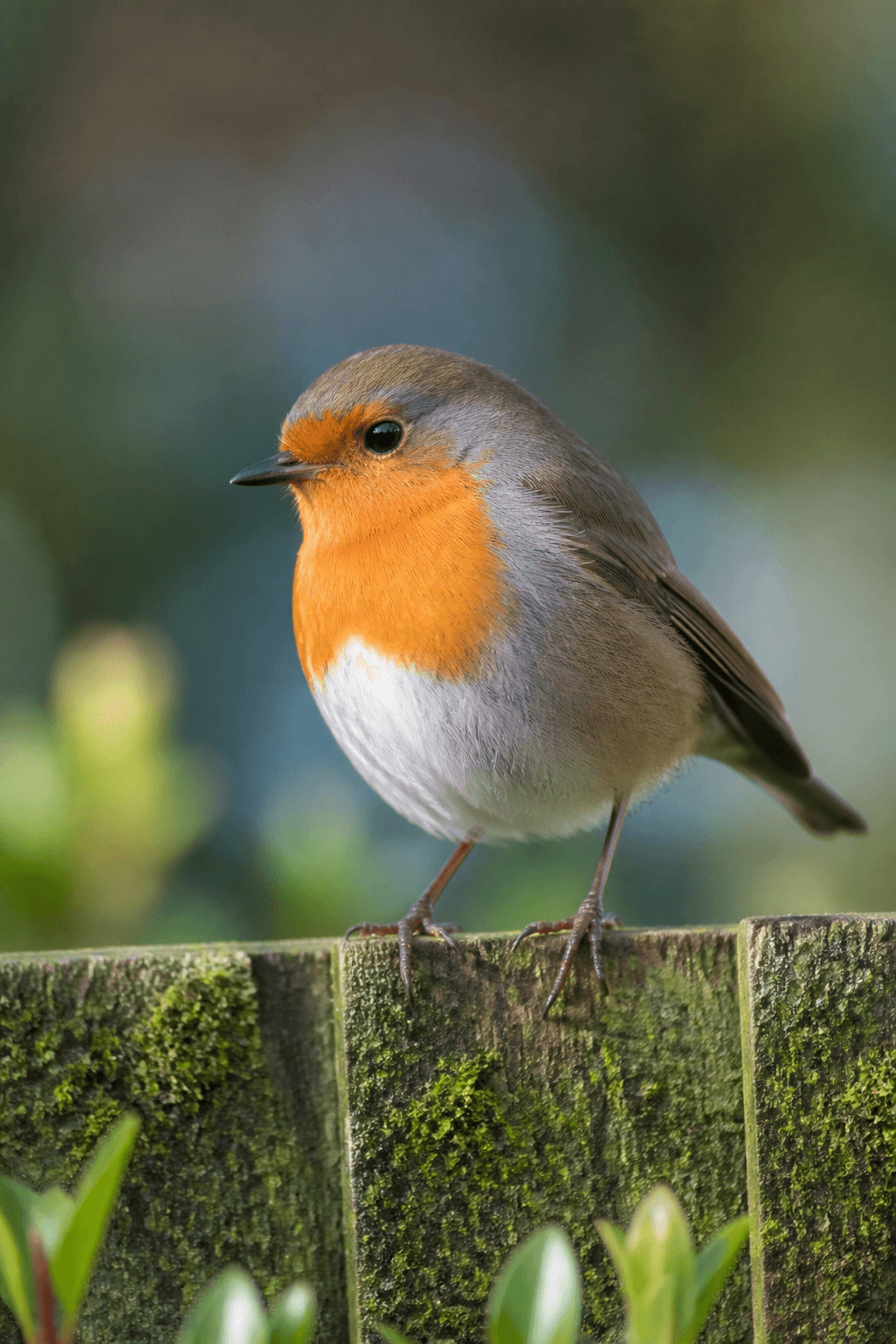
Robin
United Kingdom
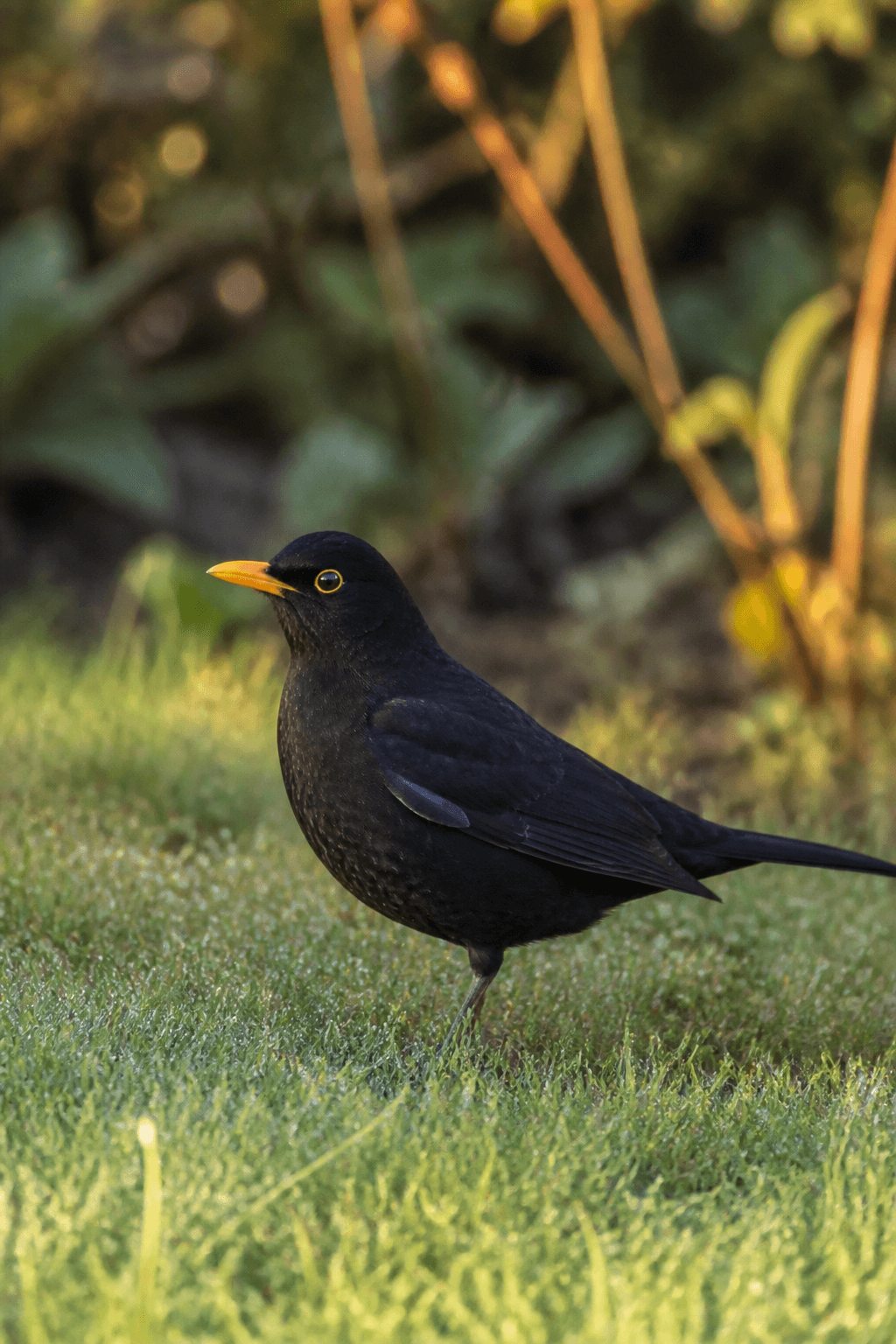
Blackbird
United Kingdom
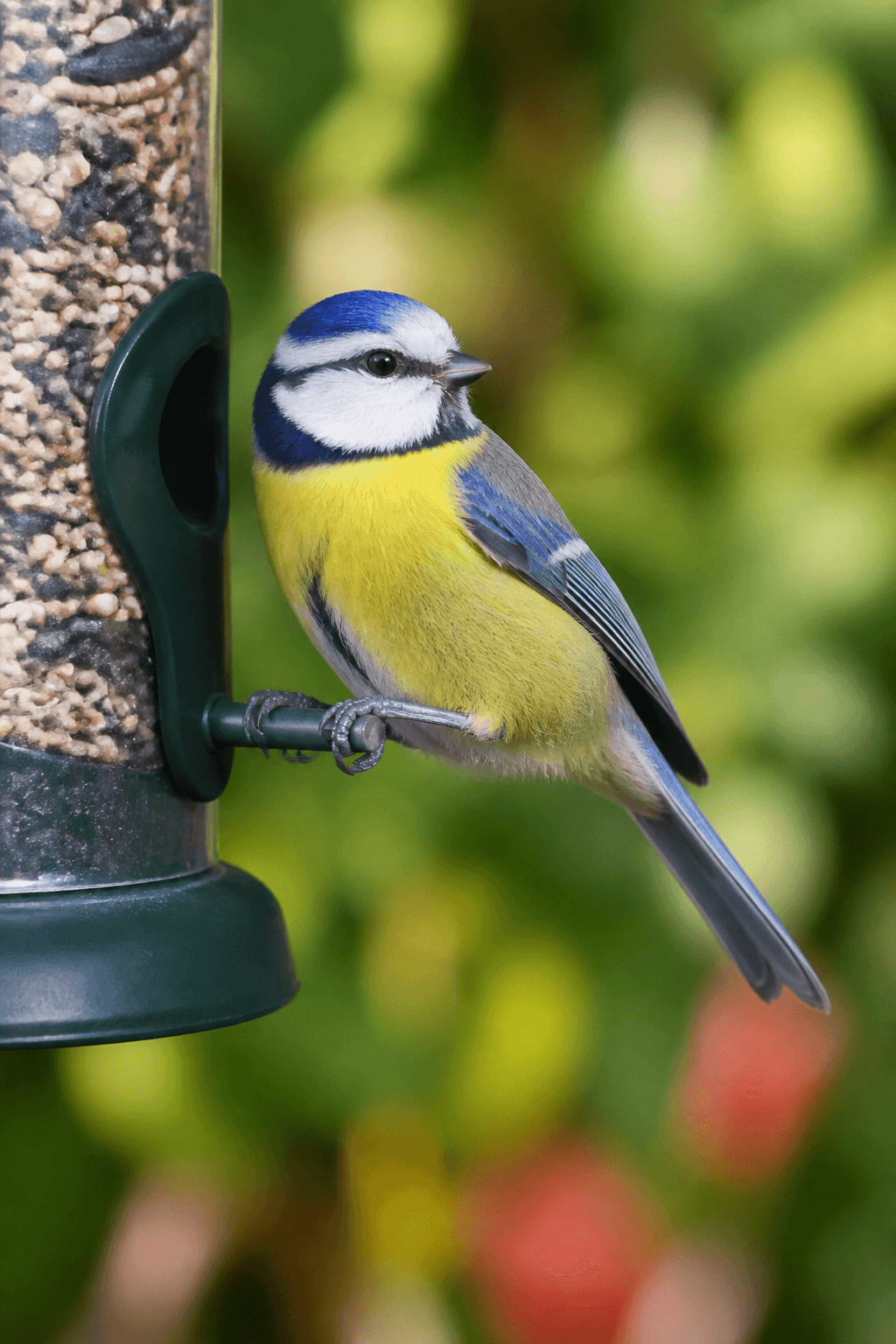
Blue Tit
United Kingdom
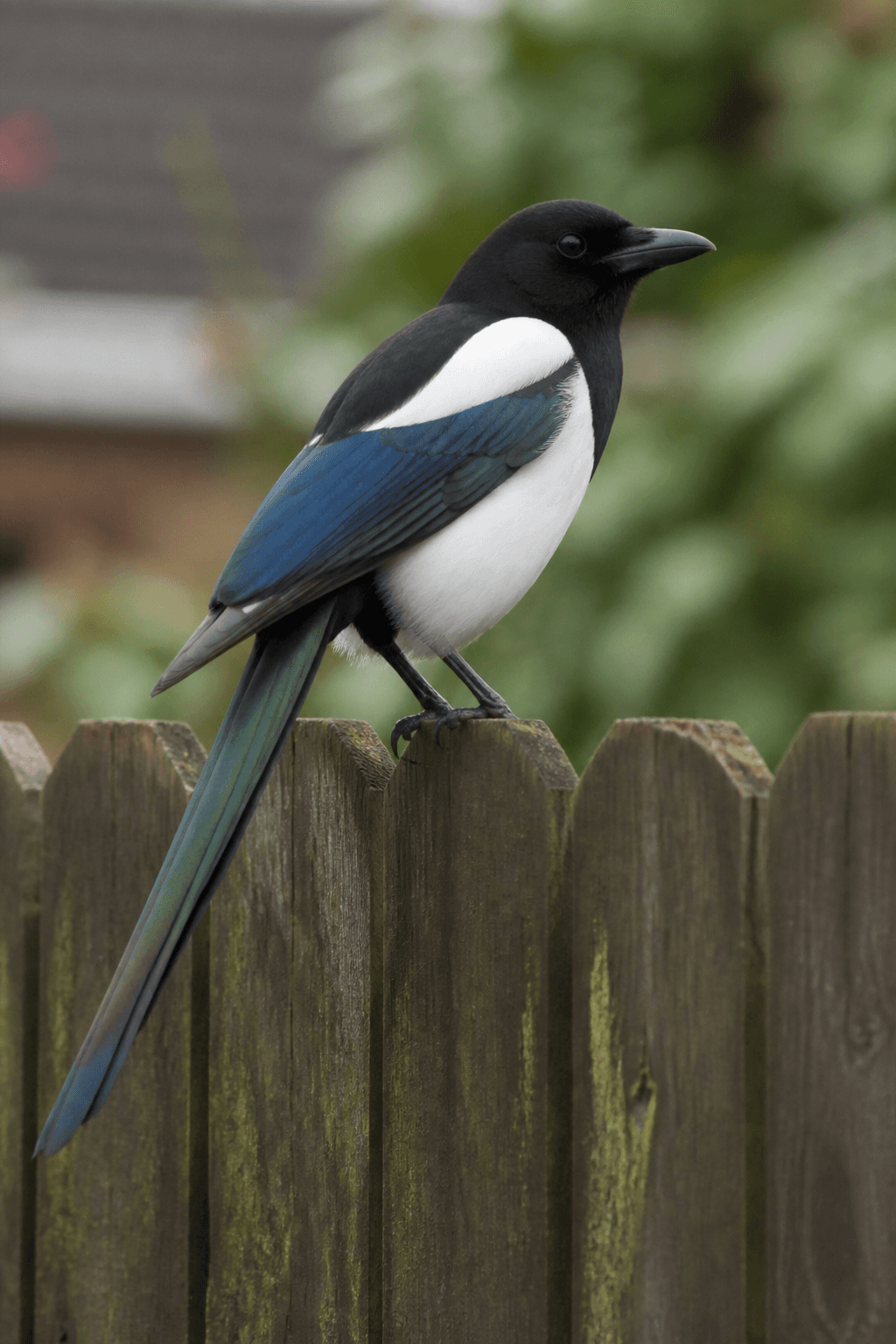
Magpie
United Kingdom
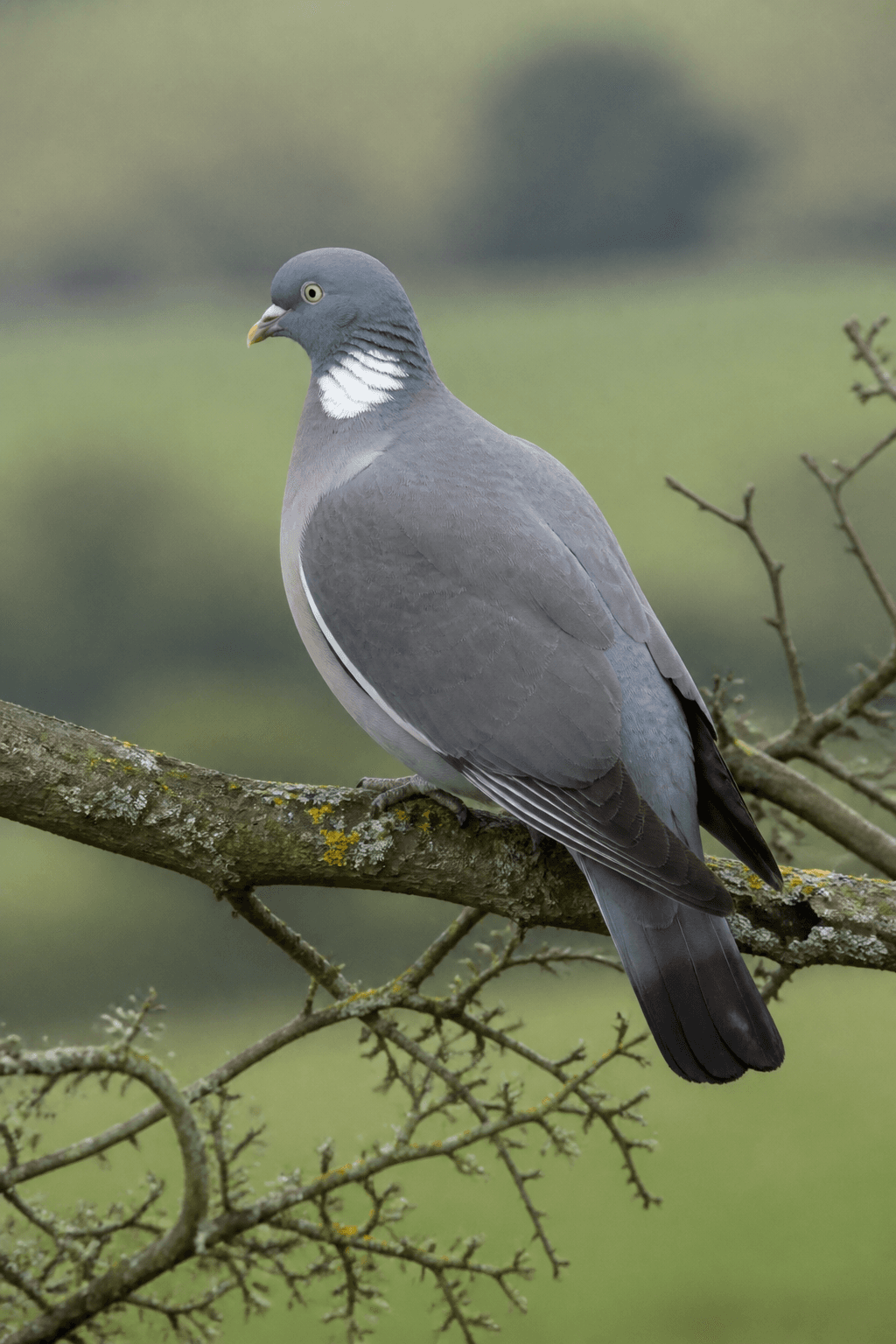
Wood Pigeon
United Kingdom
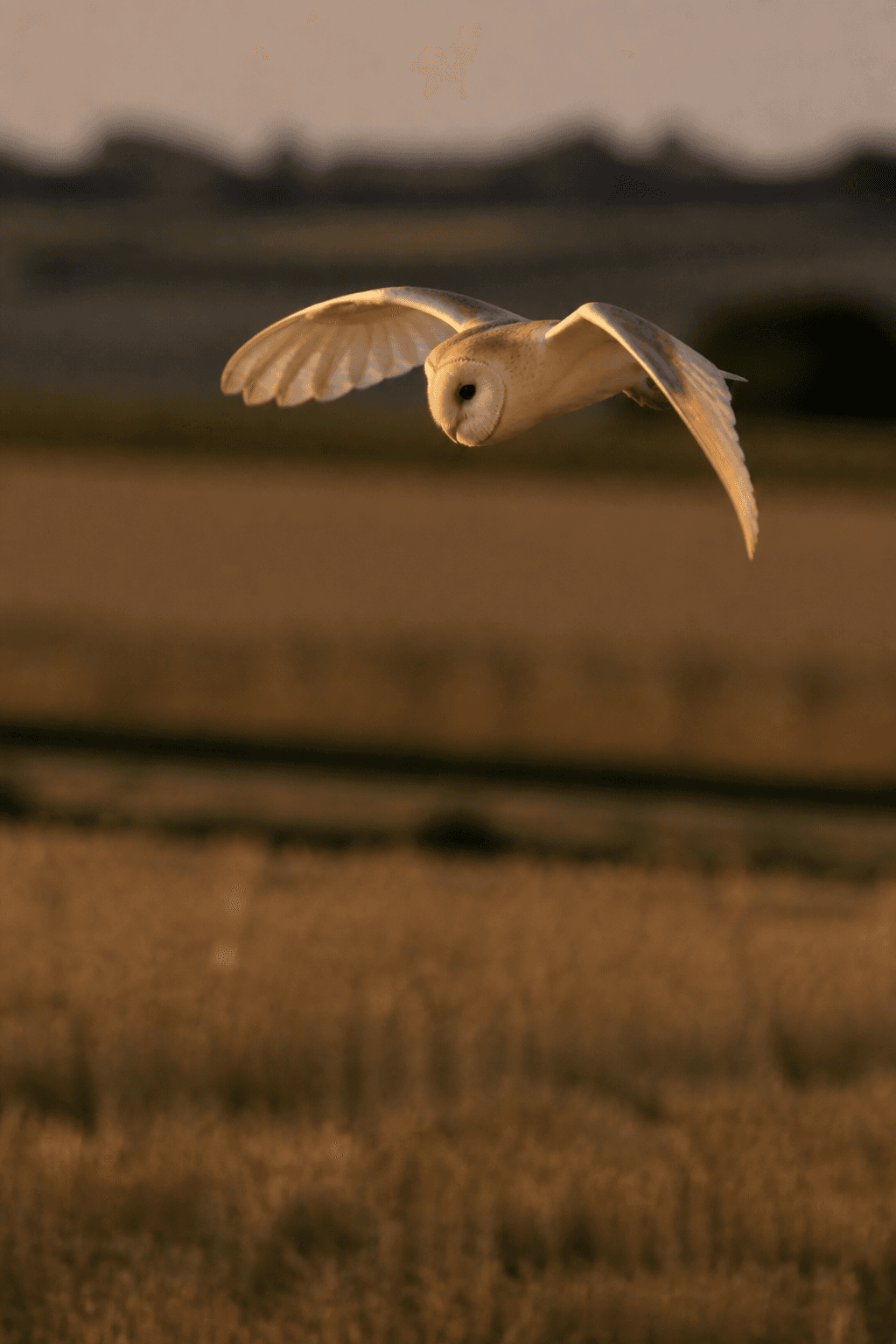
Barn Owl
United Kingdom
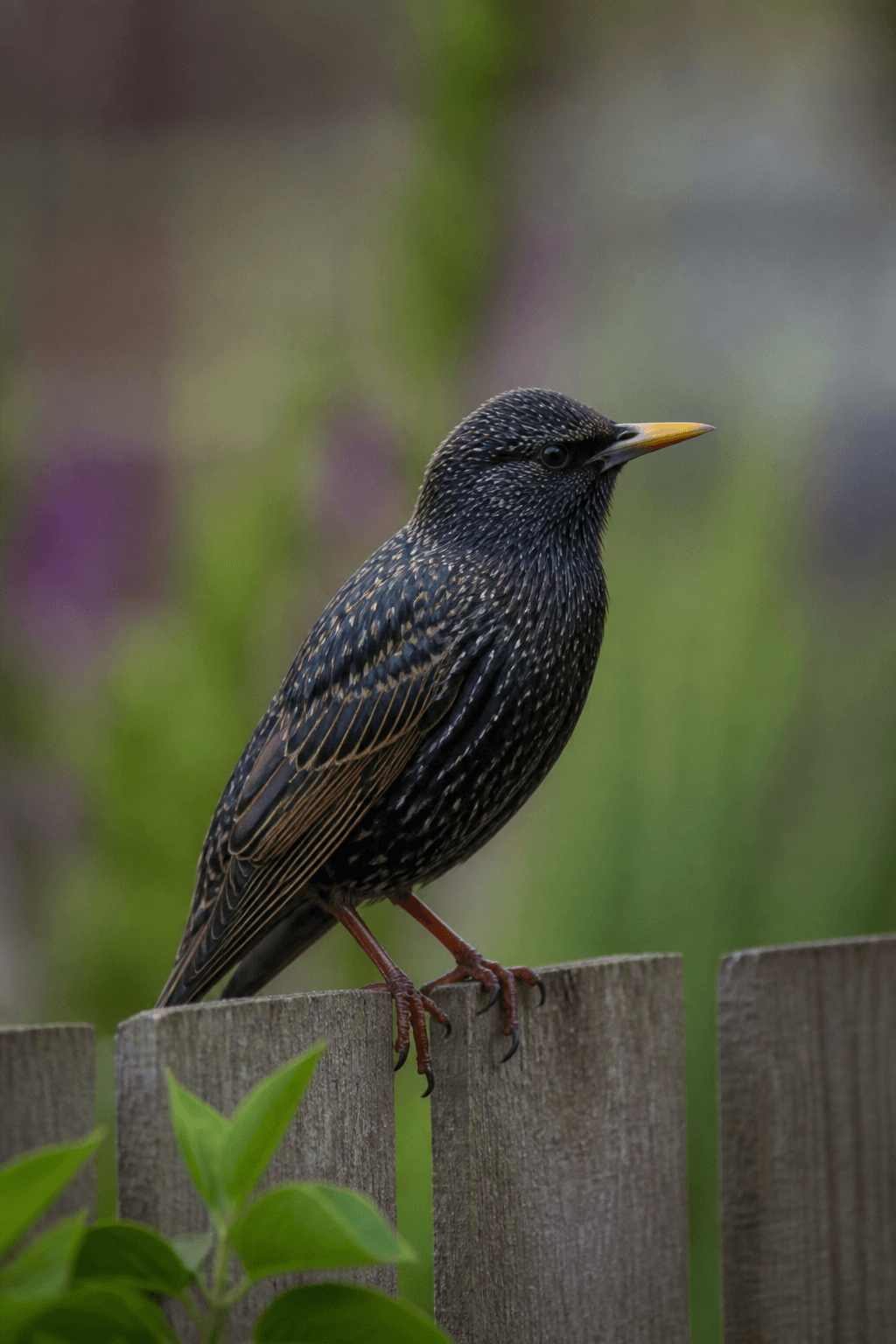
Starling
United Kingdom
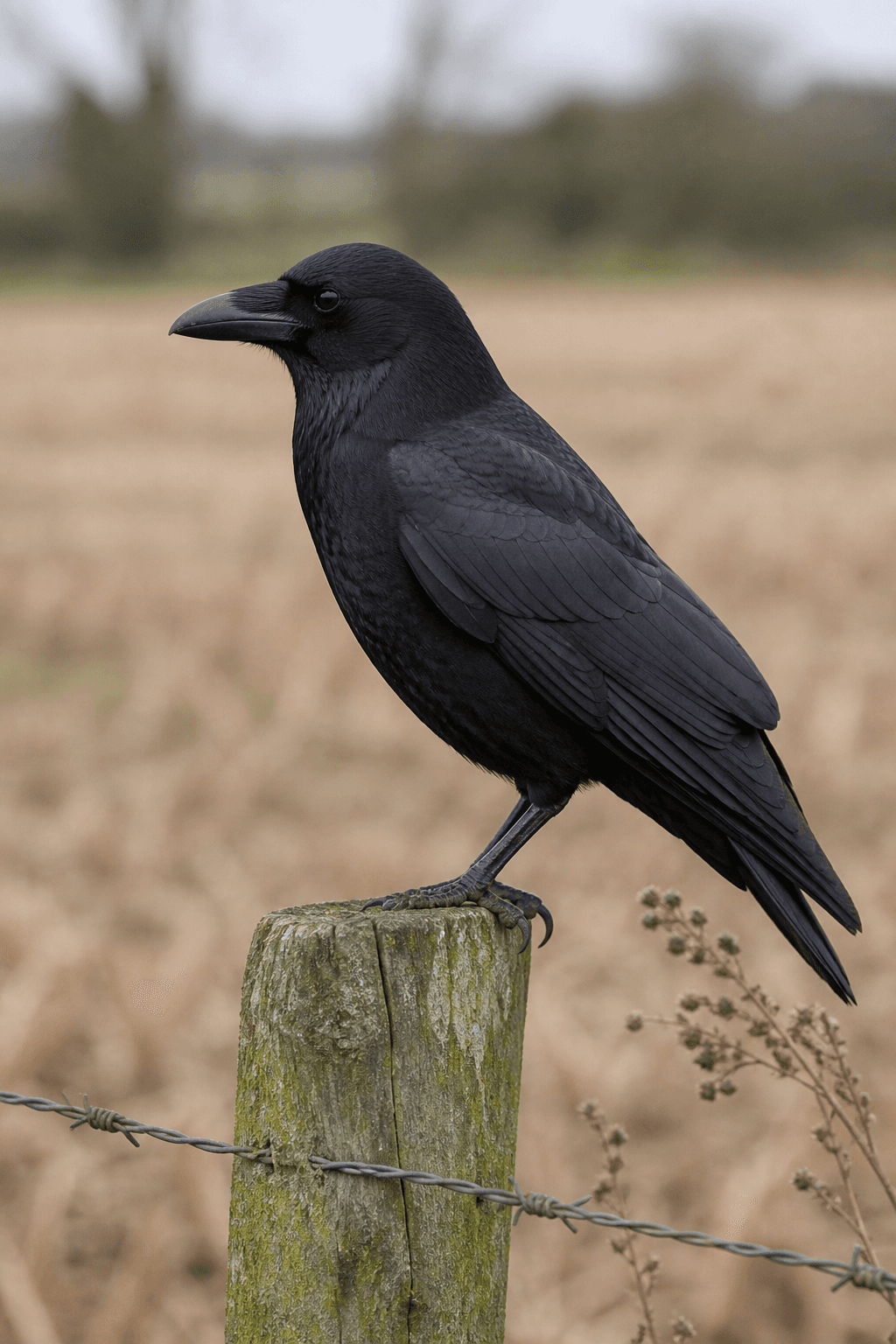
Carrion Crow
United Kingdom
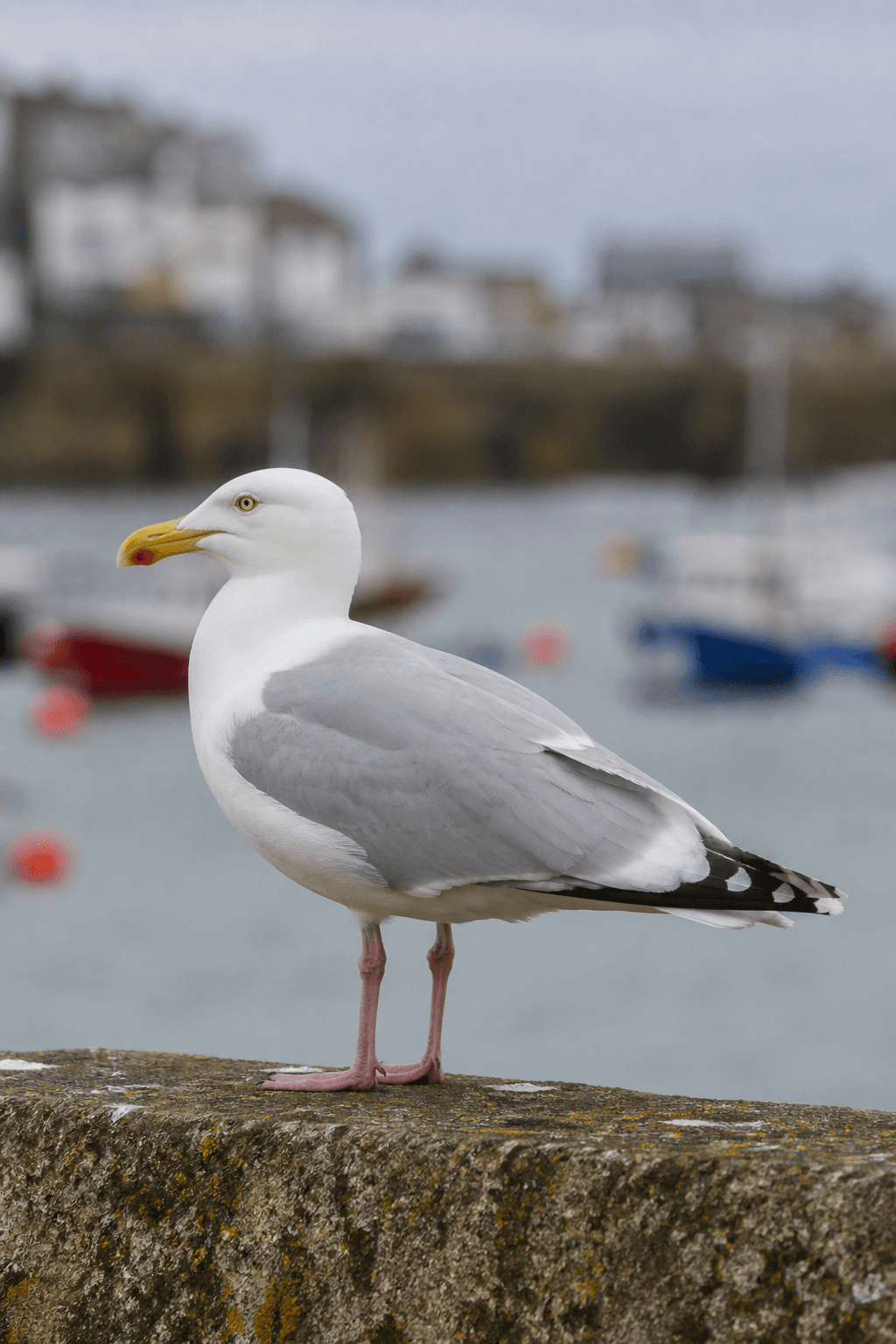
Herring Gull
United Kingdom
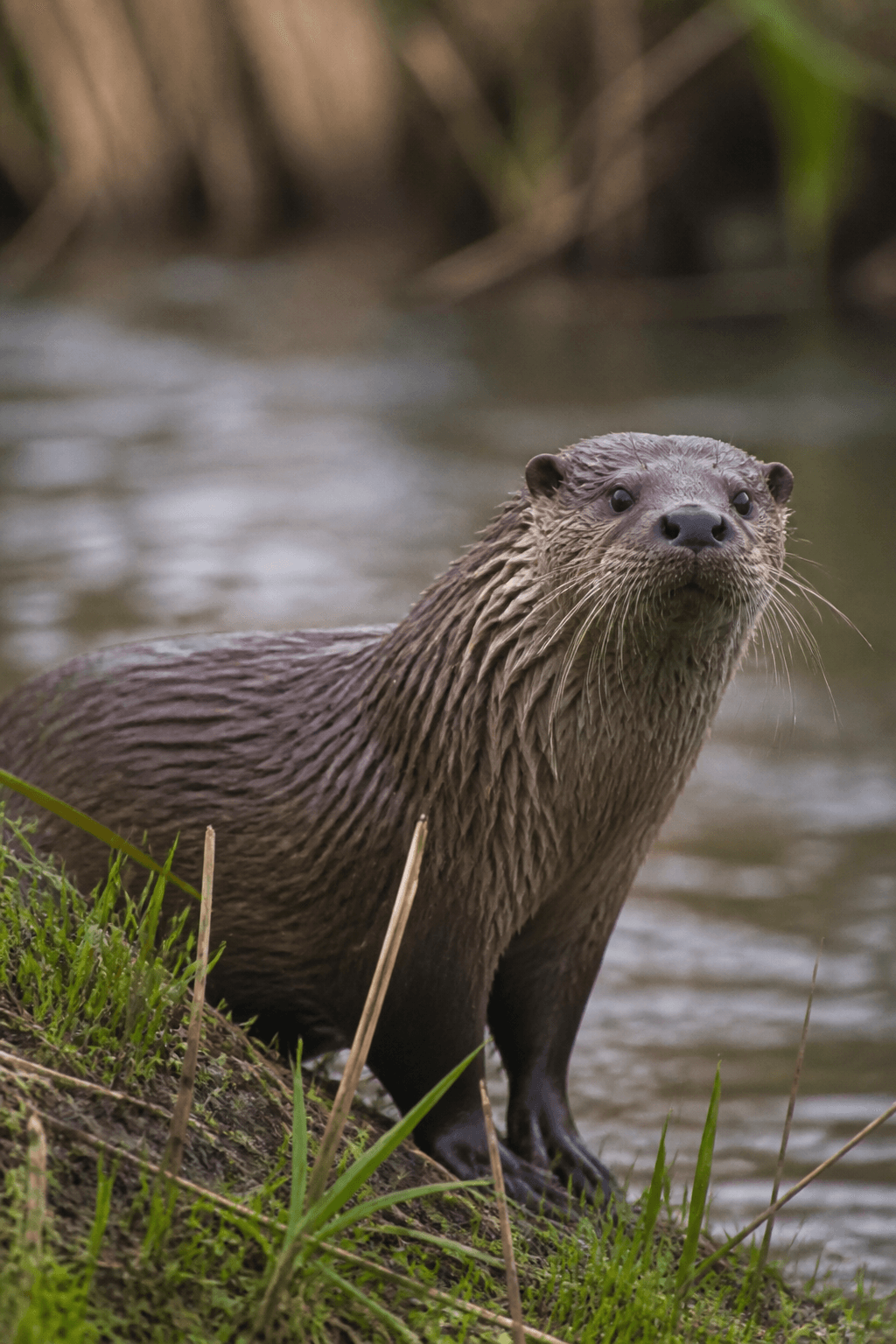
Otter
United Kingdom
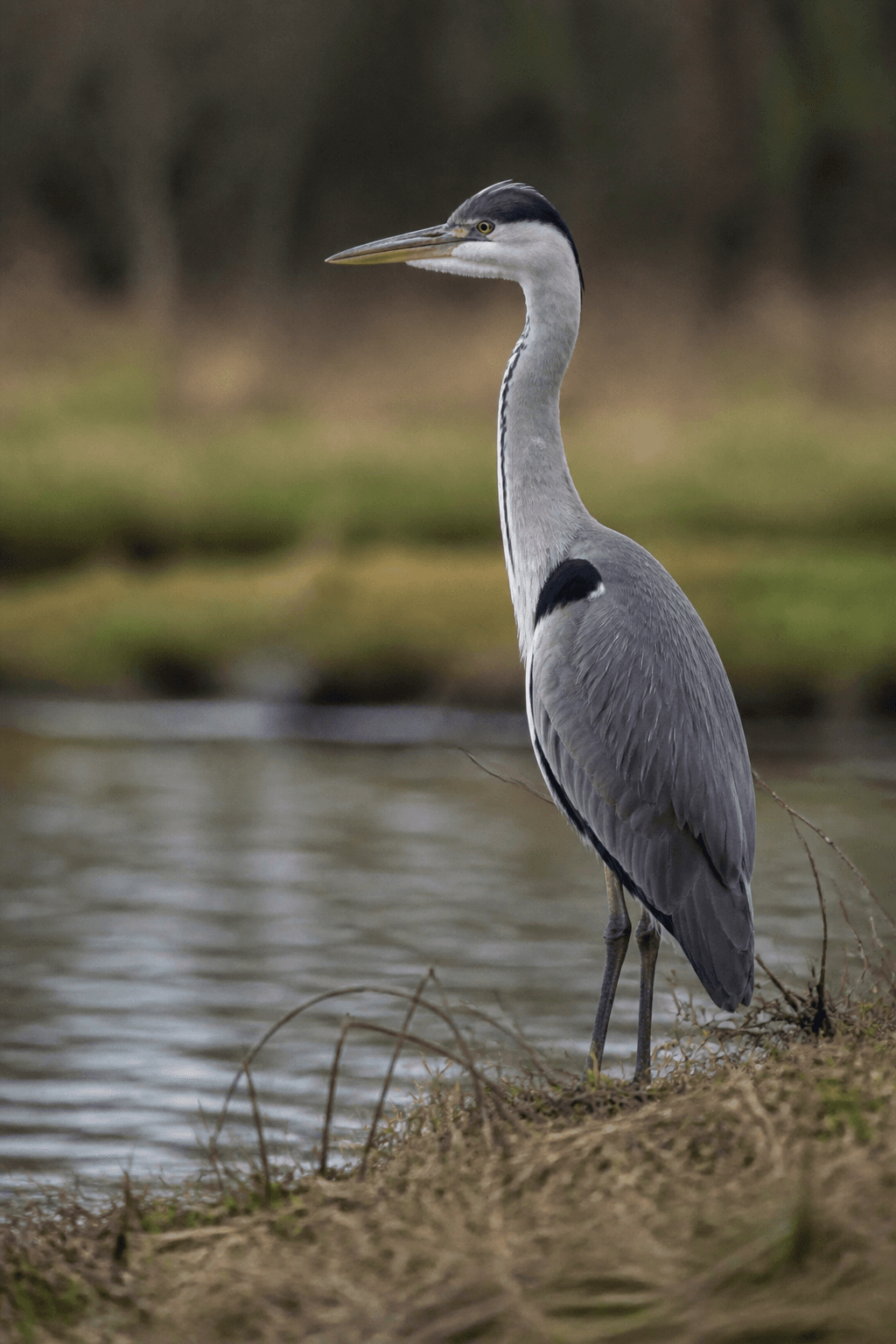
Grey Heron
United Kingdom
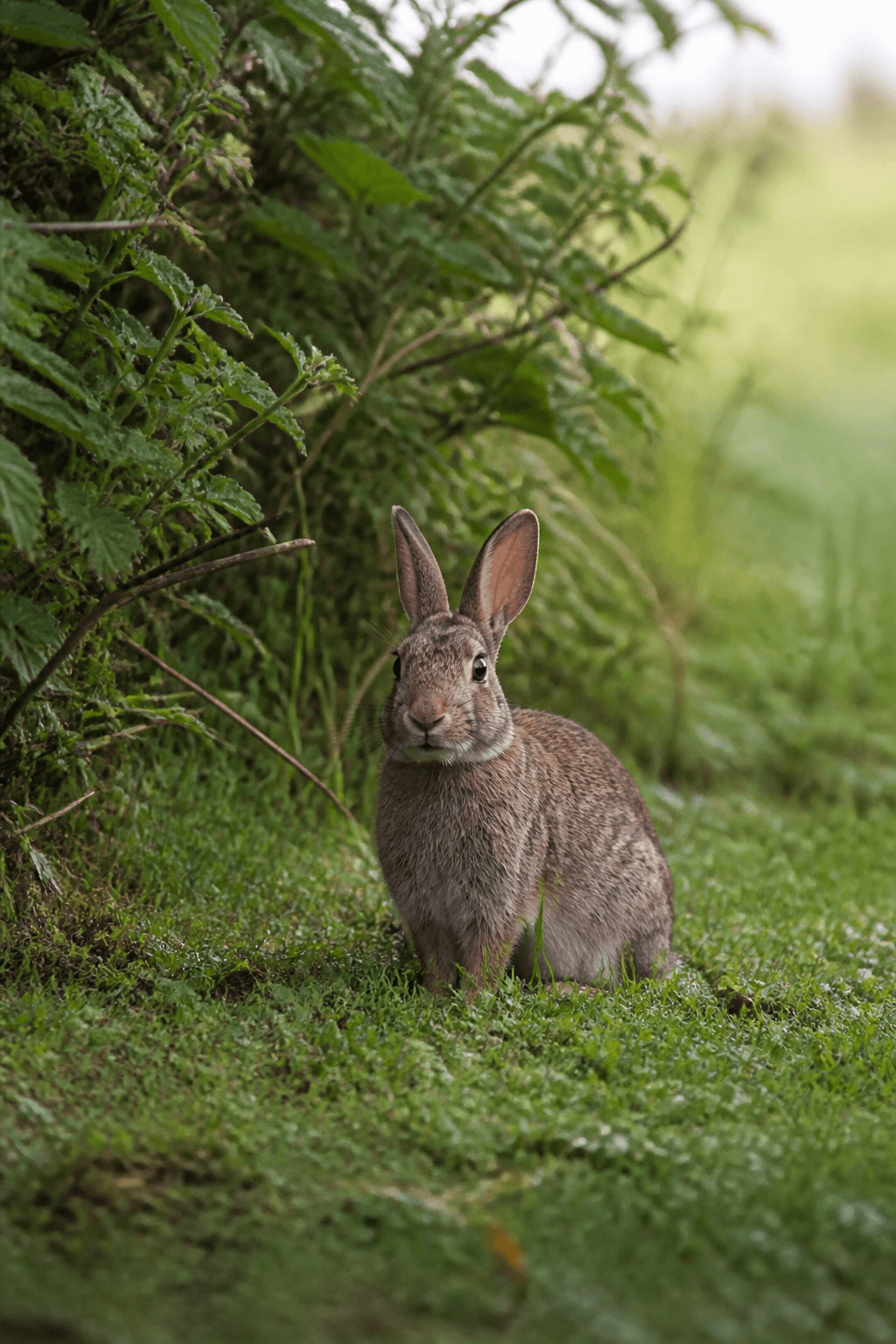
European Rabbit
United Kingdom, United States
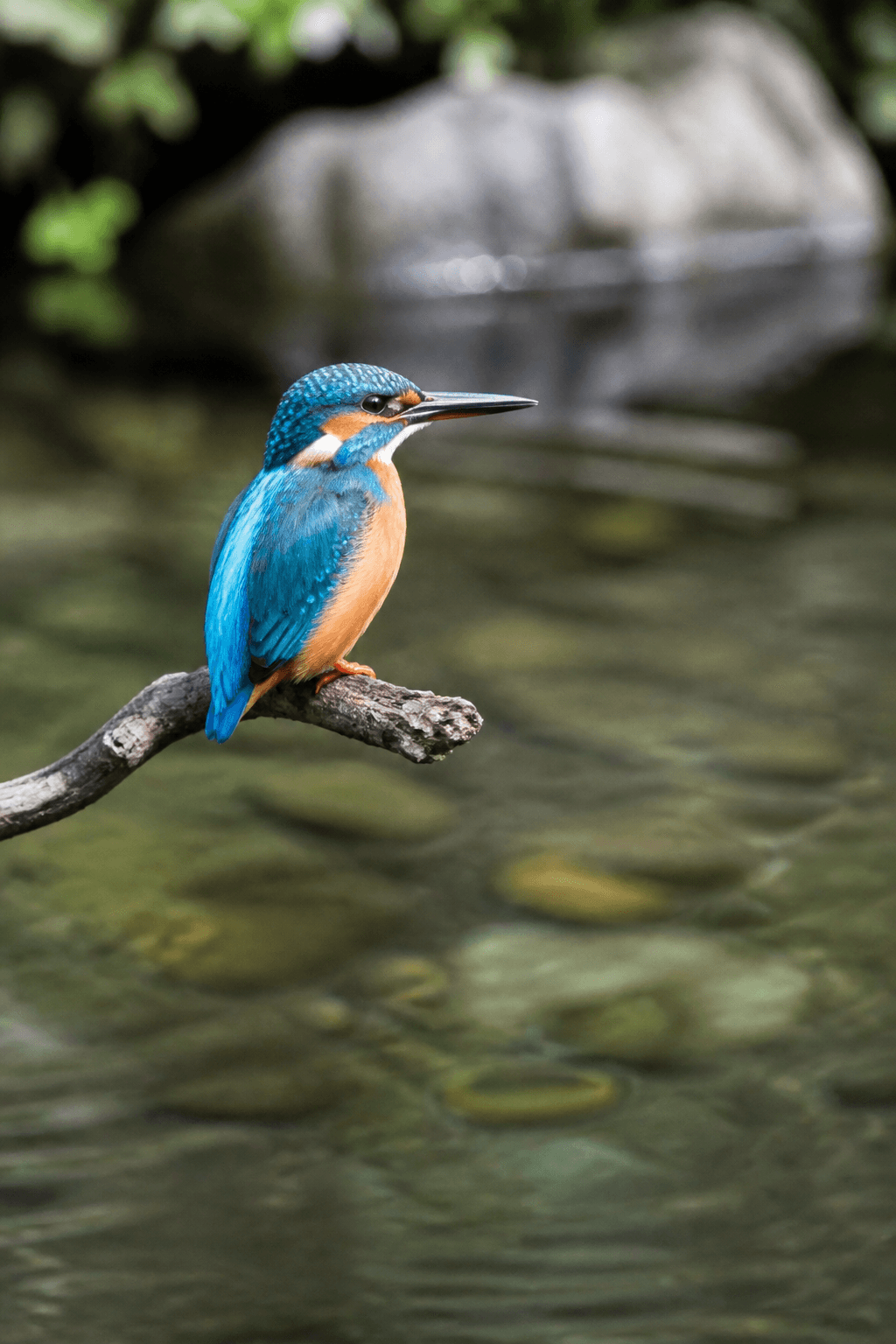
Kingfisher
United Kingdom
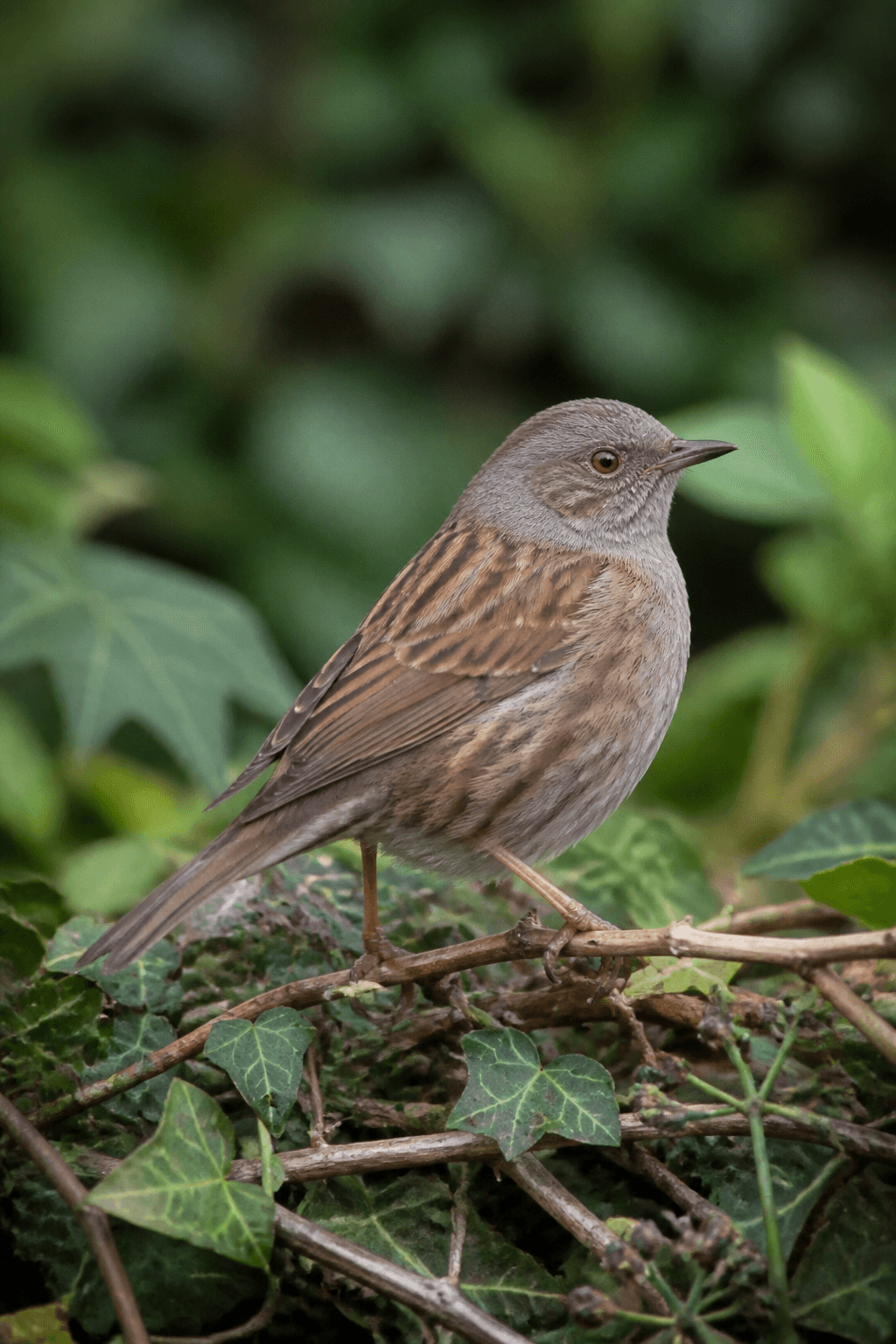
Dunnock
United Kingdom
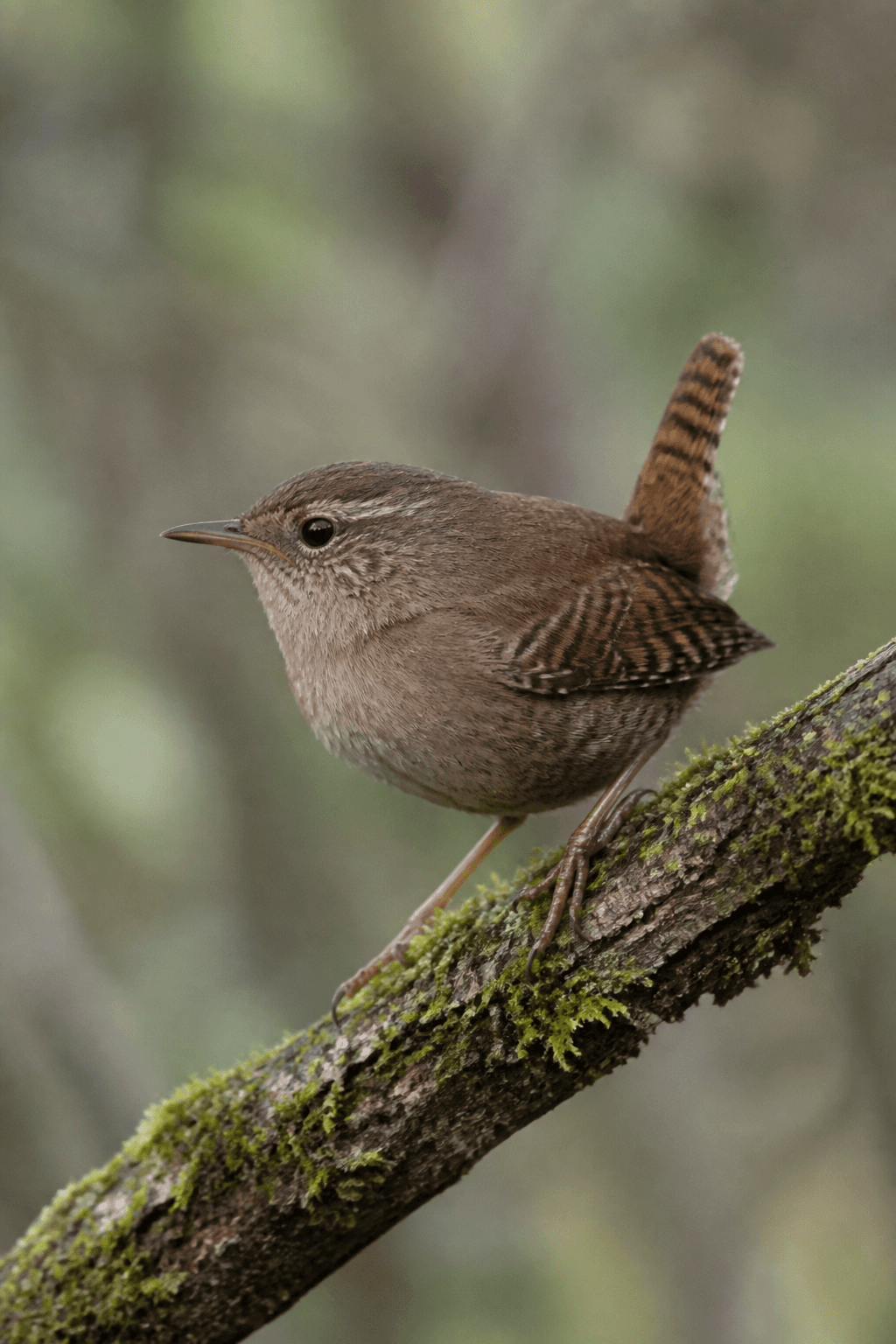
Wren
United Kingdom
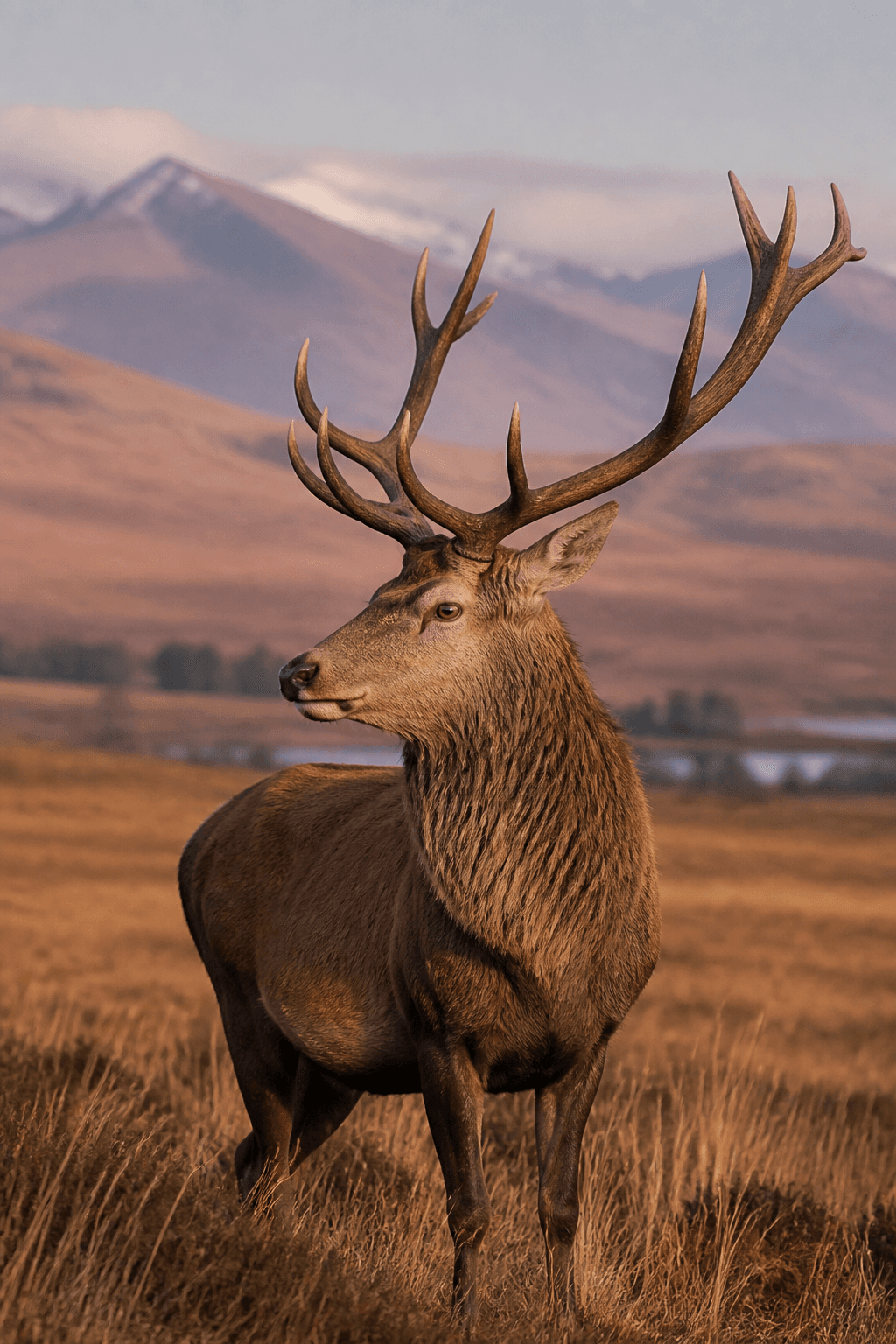
Red Deer
United Kingdom
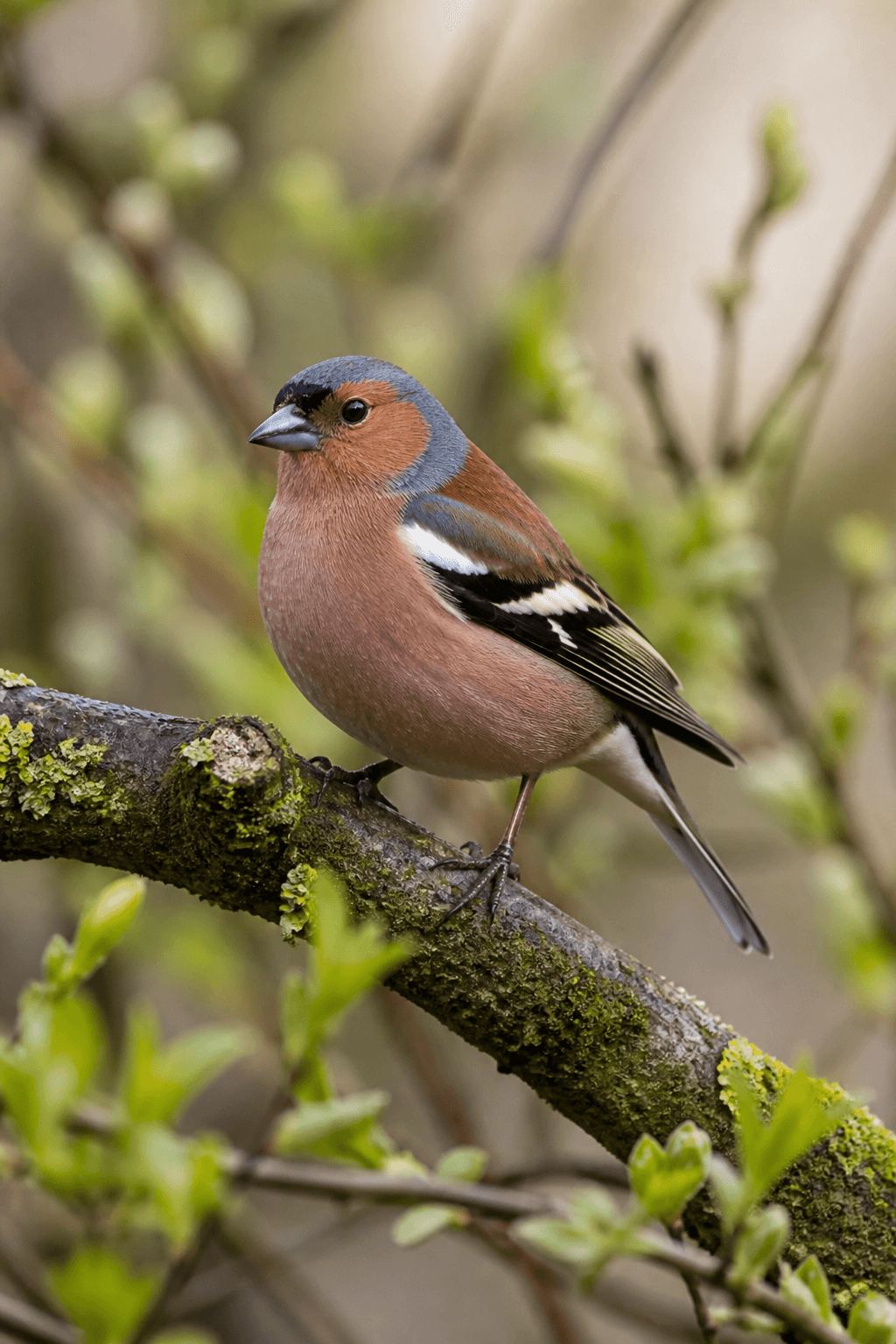
Chaffinch
United Kingdom
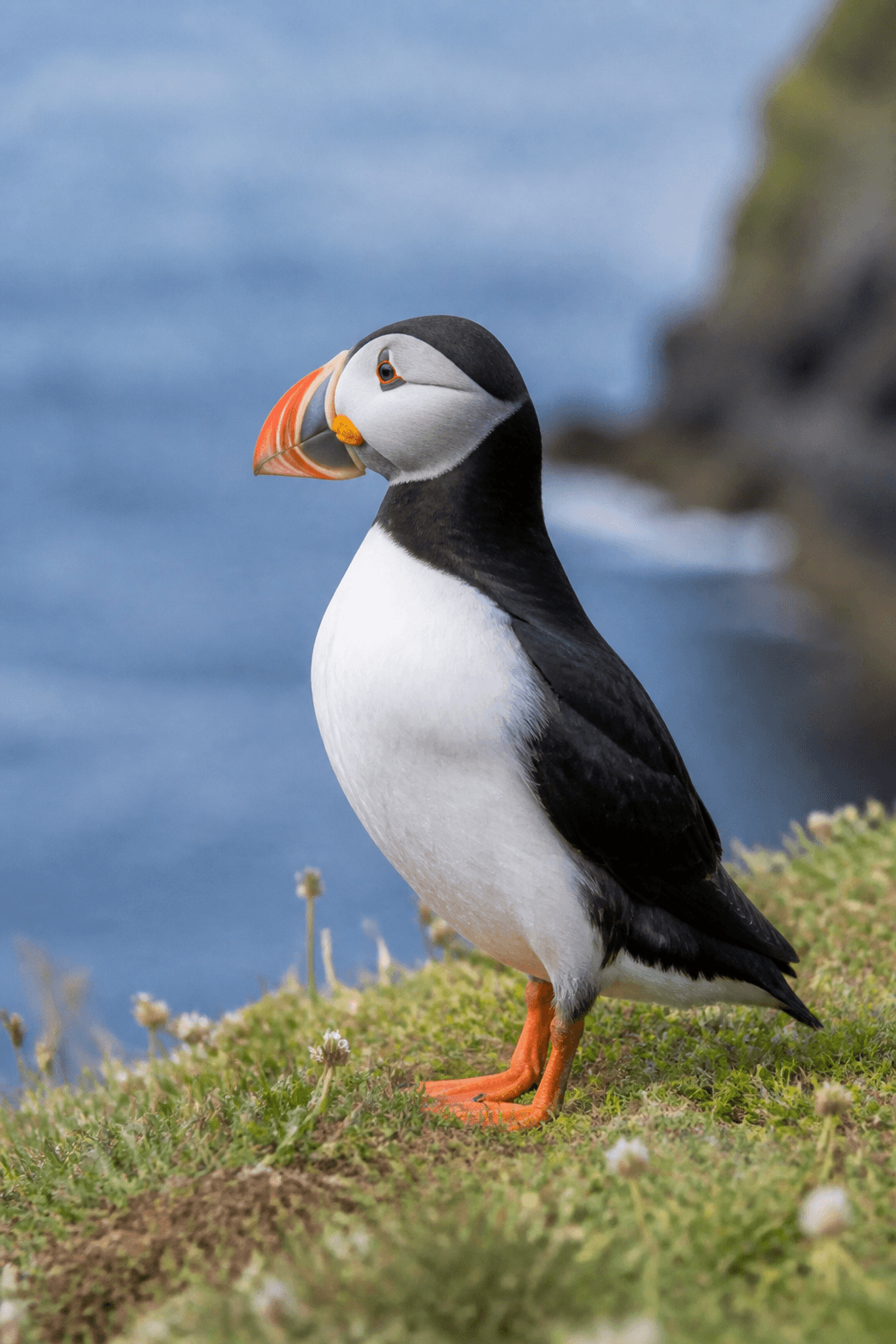
Puffin
United Kingdom
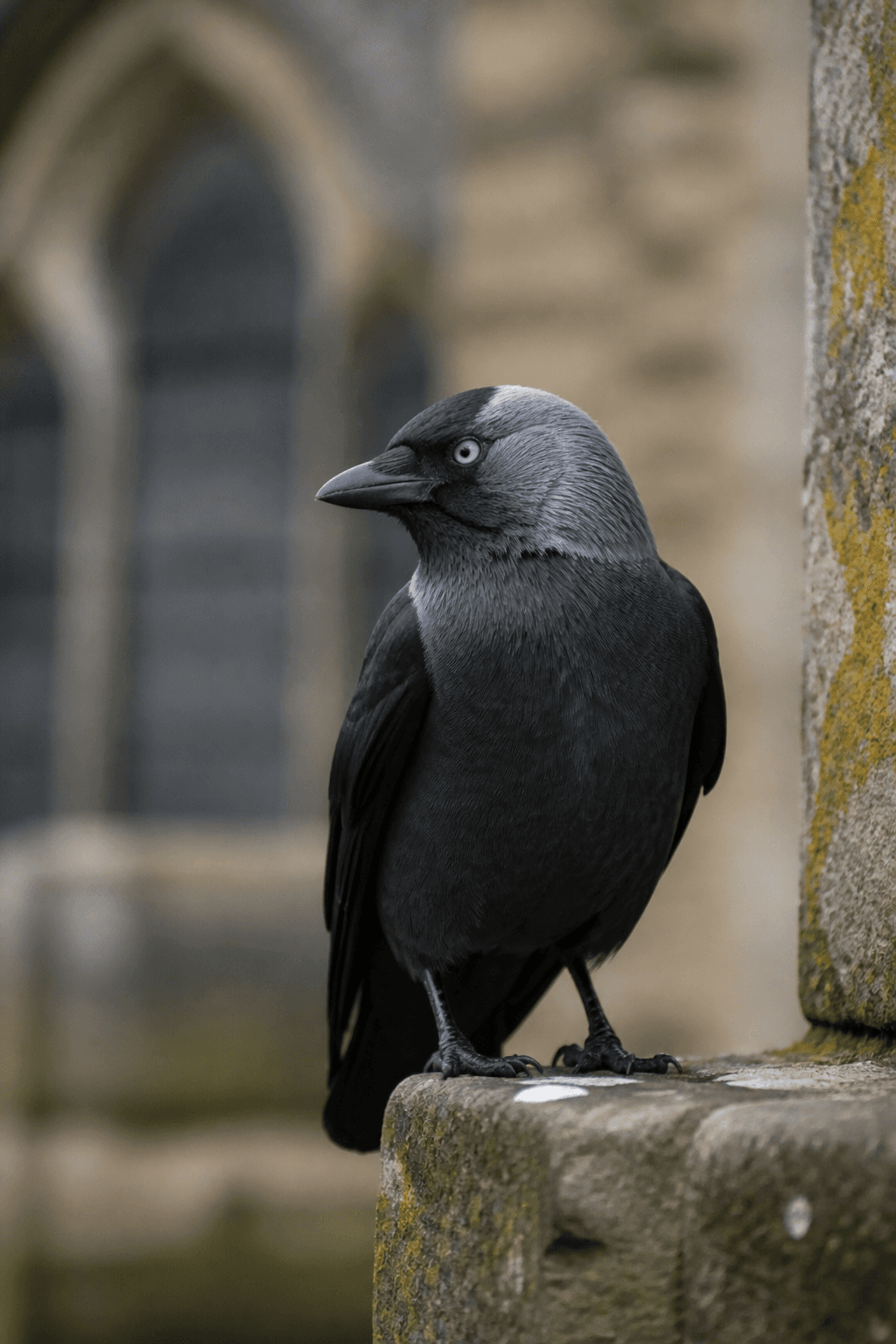
Jackdaw
United Kingdom
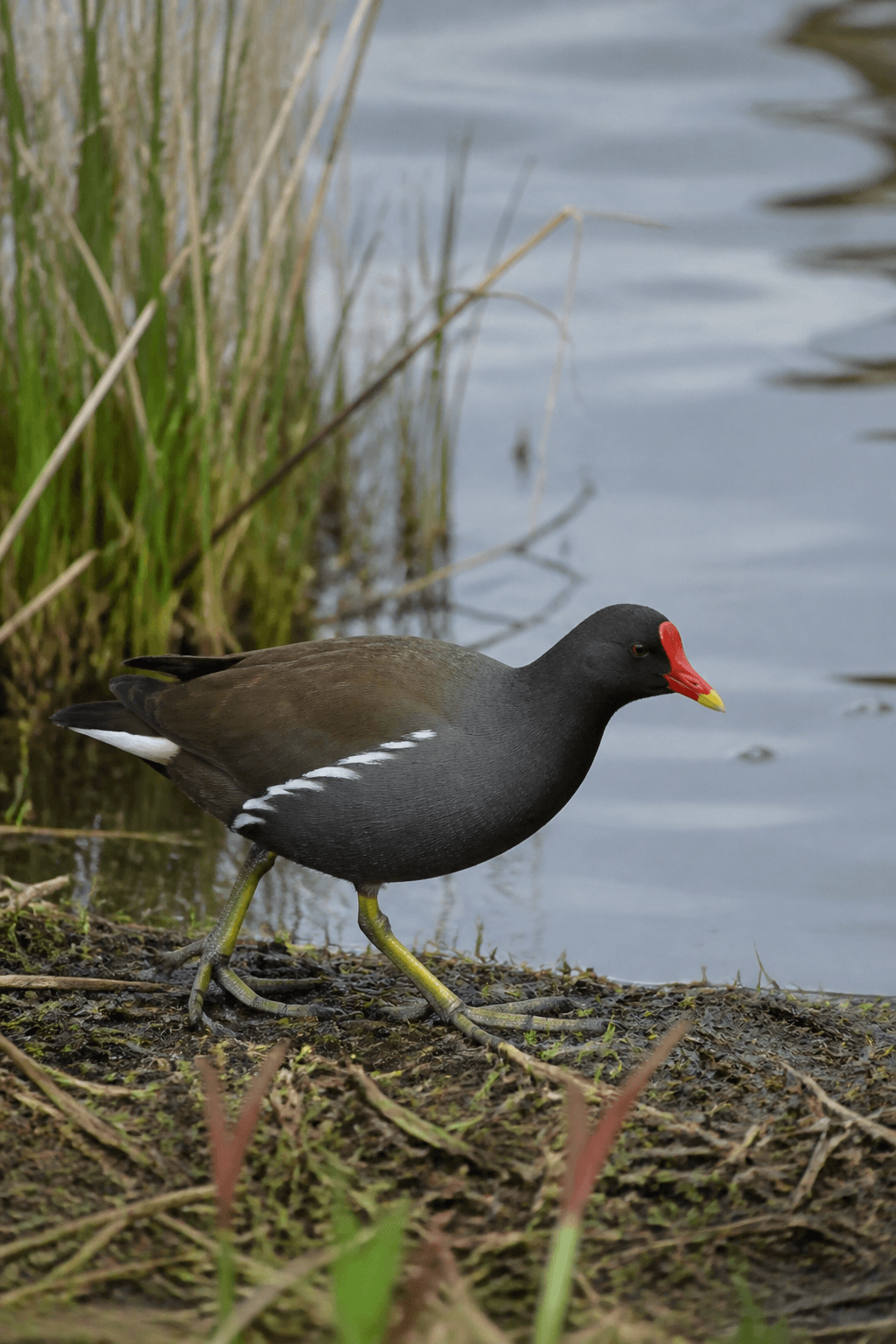
Moorhen
United Kingdom
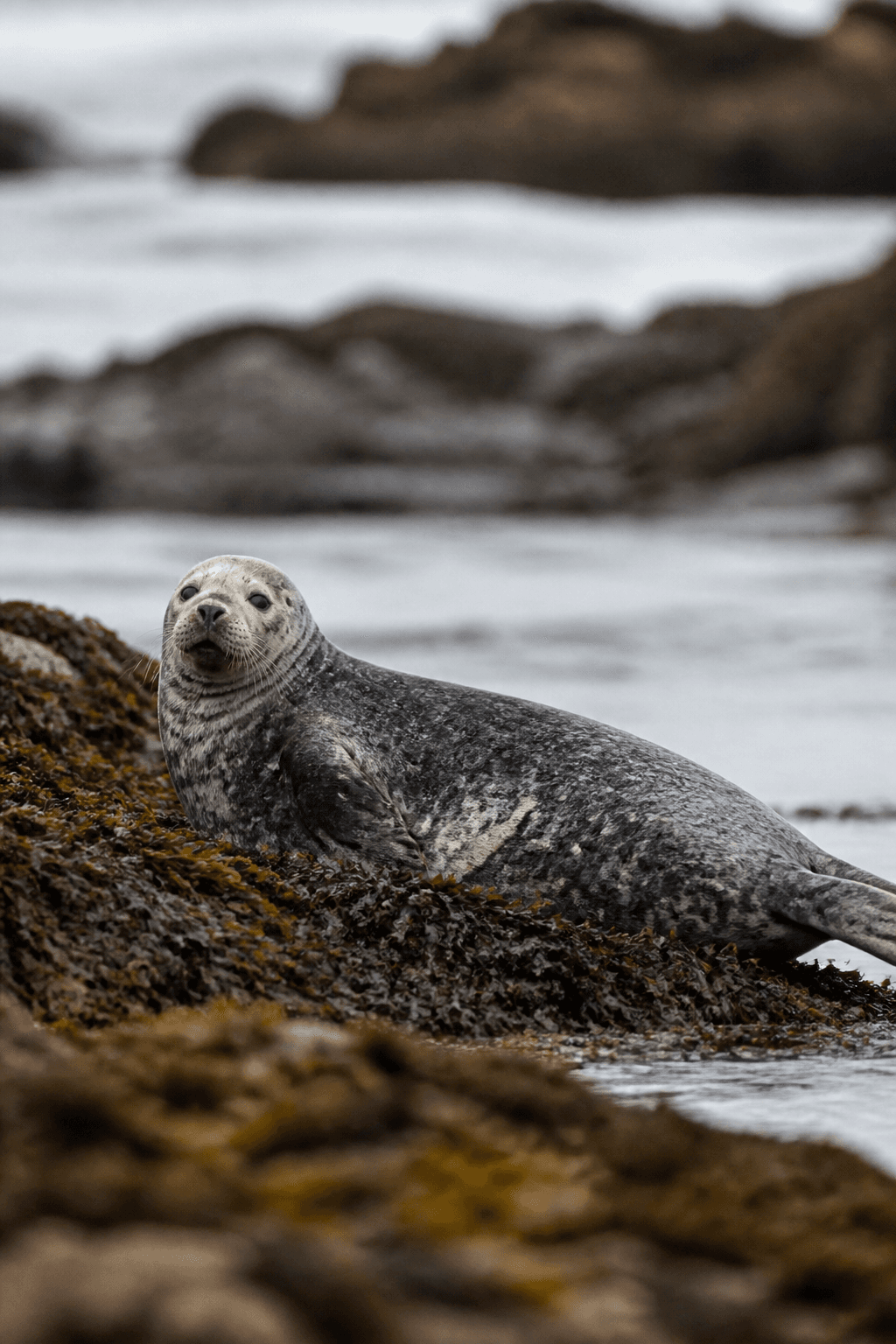
Grey Seal
United Kingdom
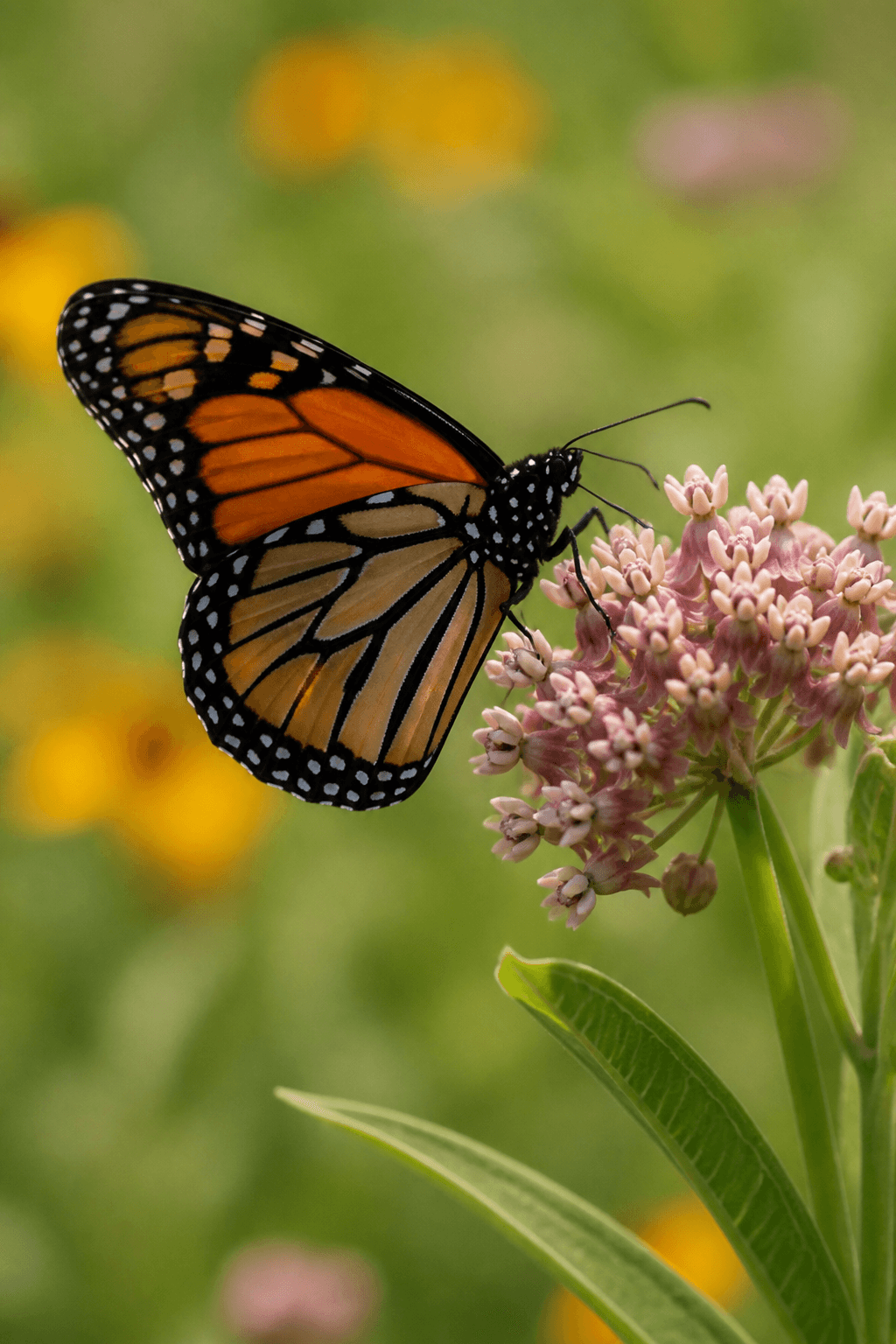
Monarch Butterfly
United States, United Kingdom
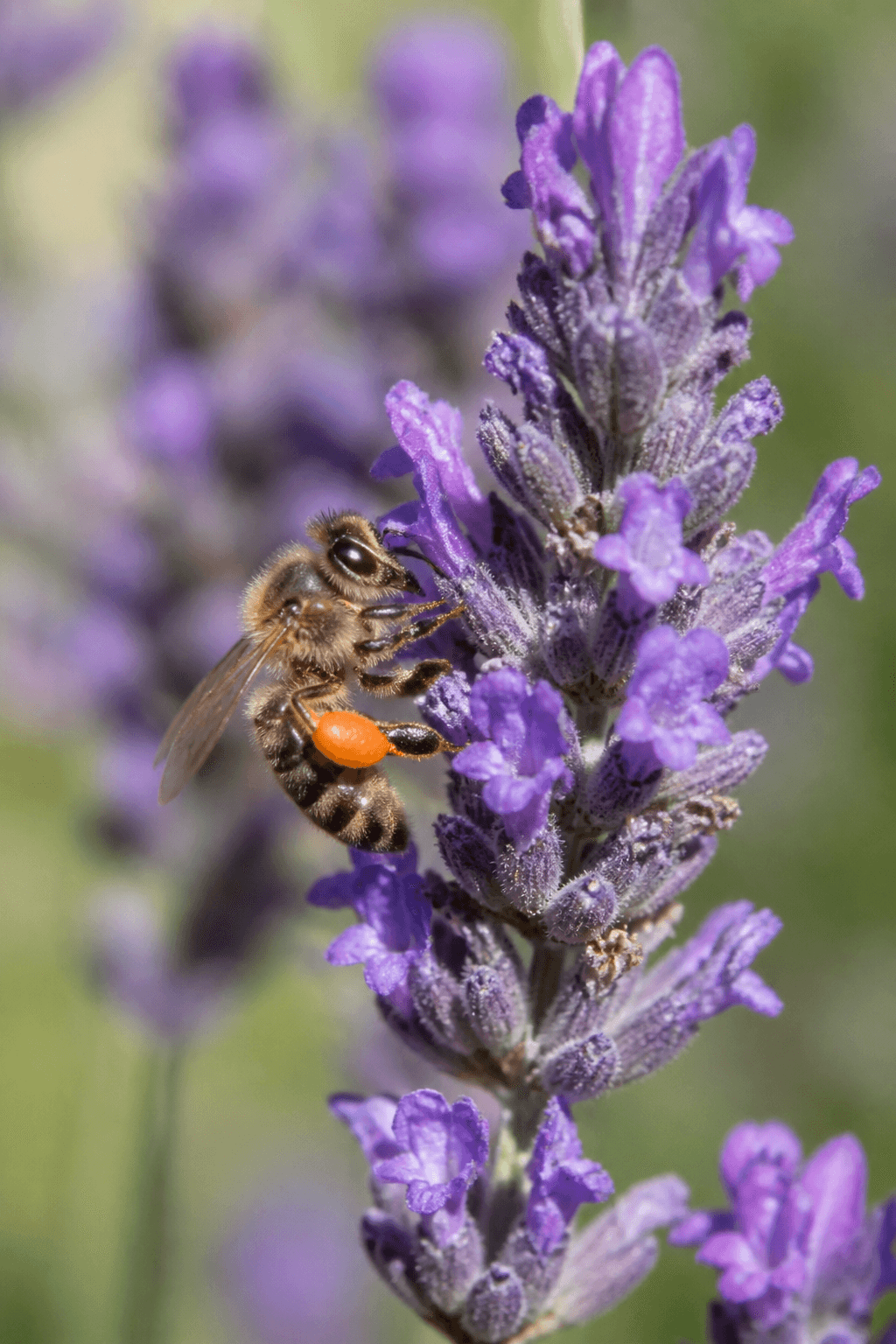
Honey Bee
United Kingdom, United States
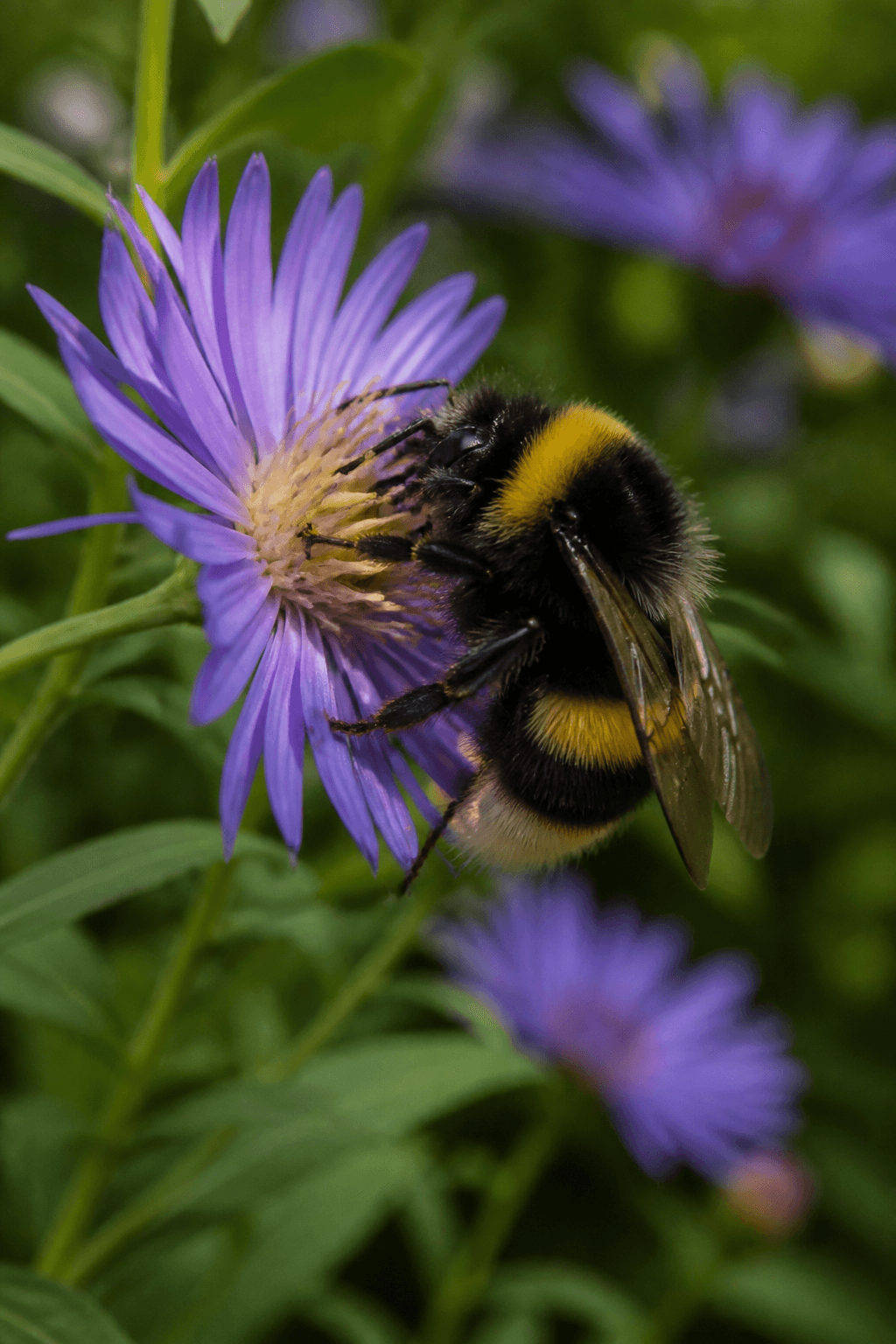
Bumblebee
United Kingdom, United States

Bottlenose Dolphin
United States, United Kingdom
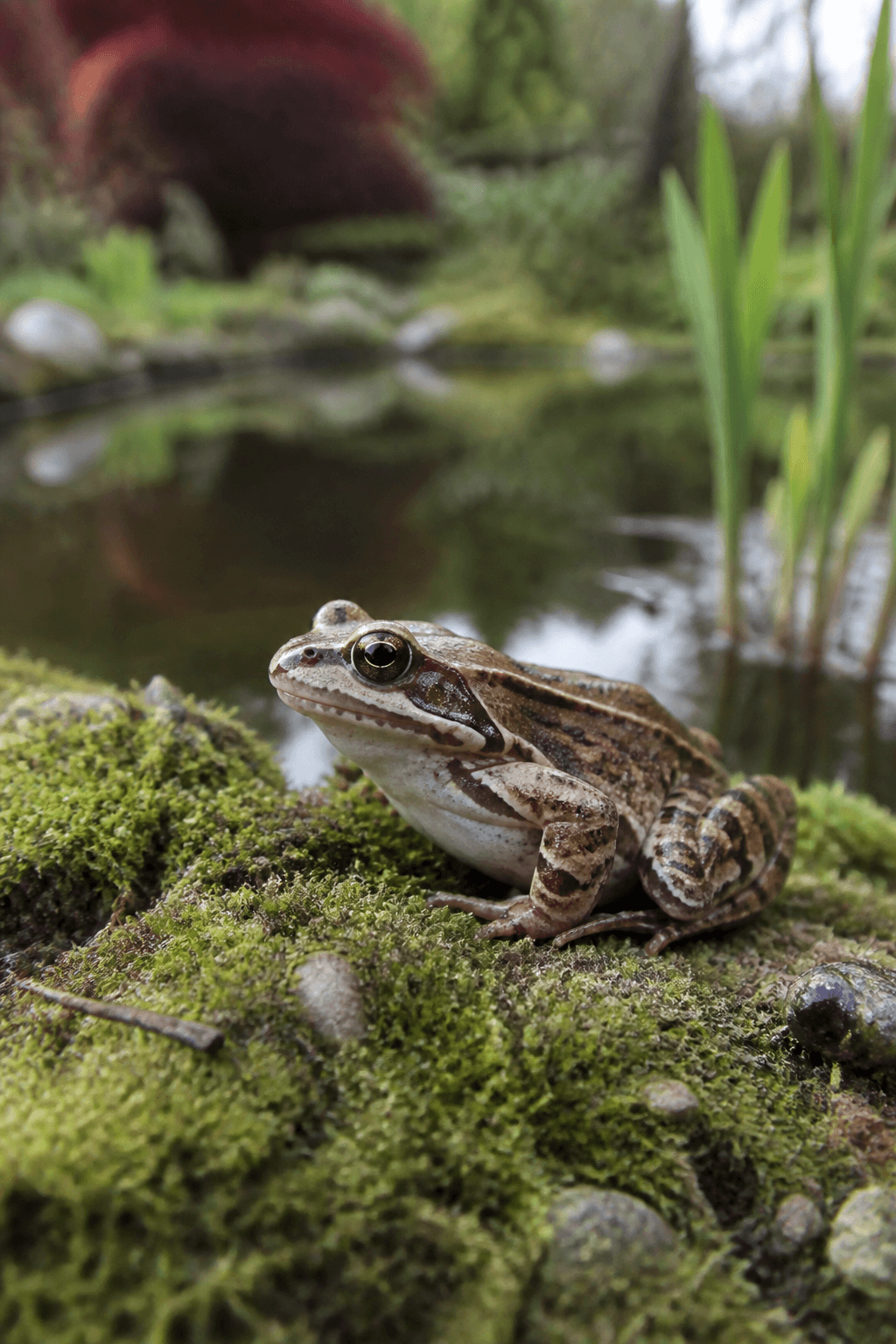
Common Frog
United Kingdom
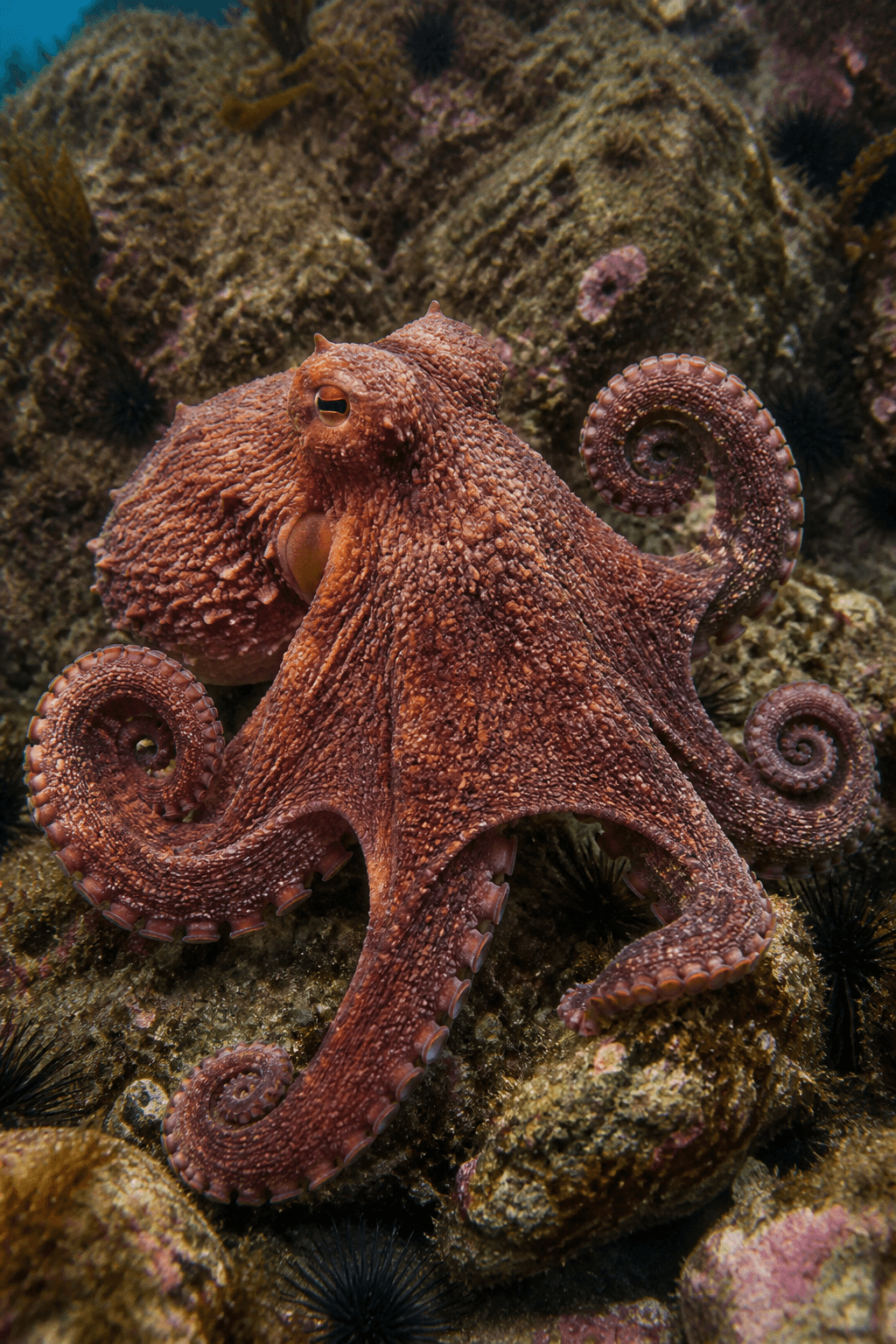
Octopus
United Kingdom, United States, Indonesia
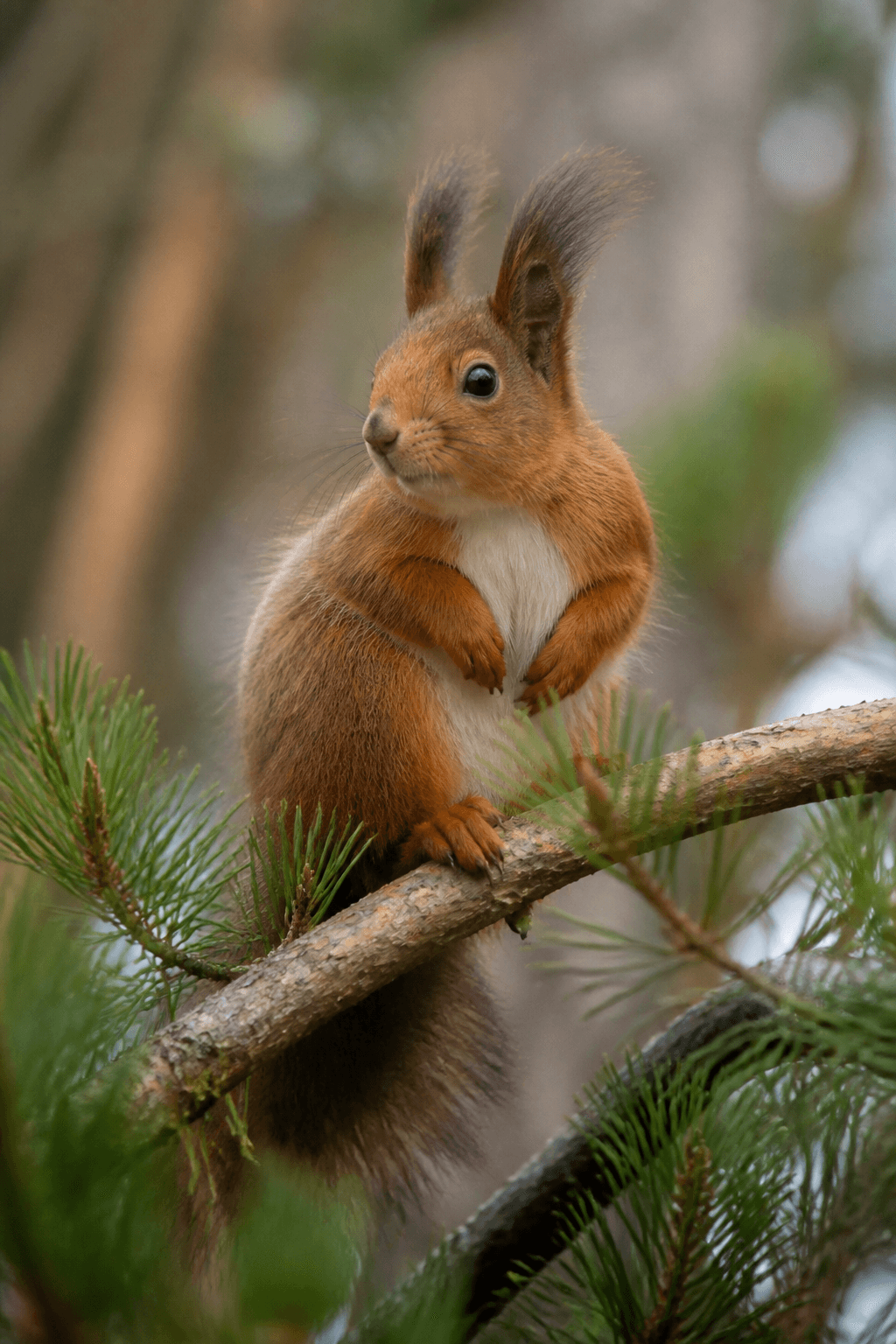
Red Squirrel
United Kingdom
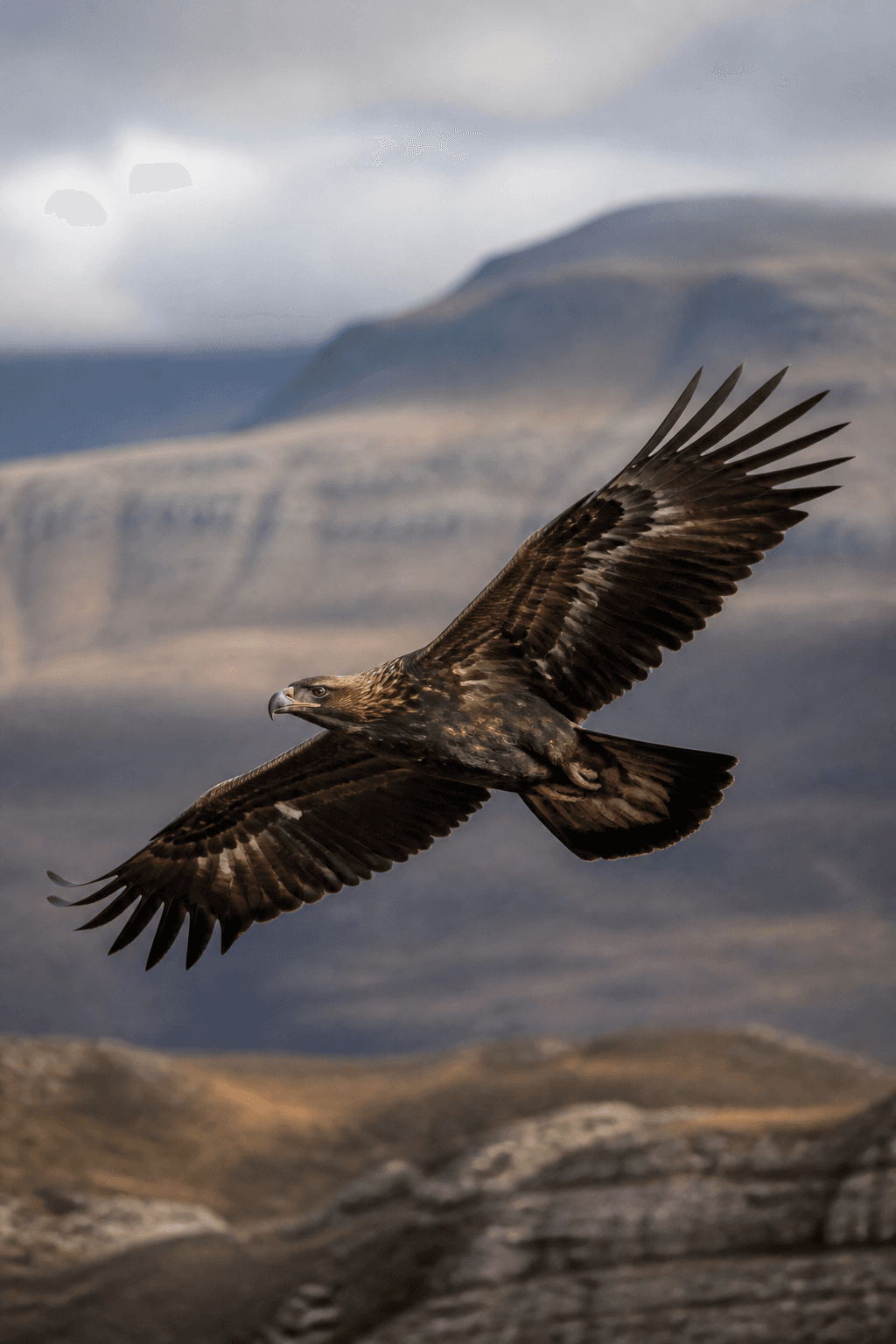
Golden Eagle
United Kingdom, United States, Canada
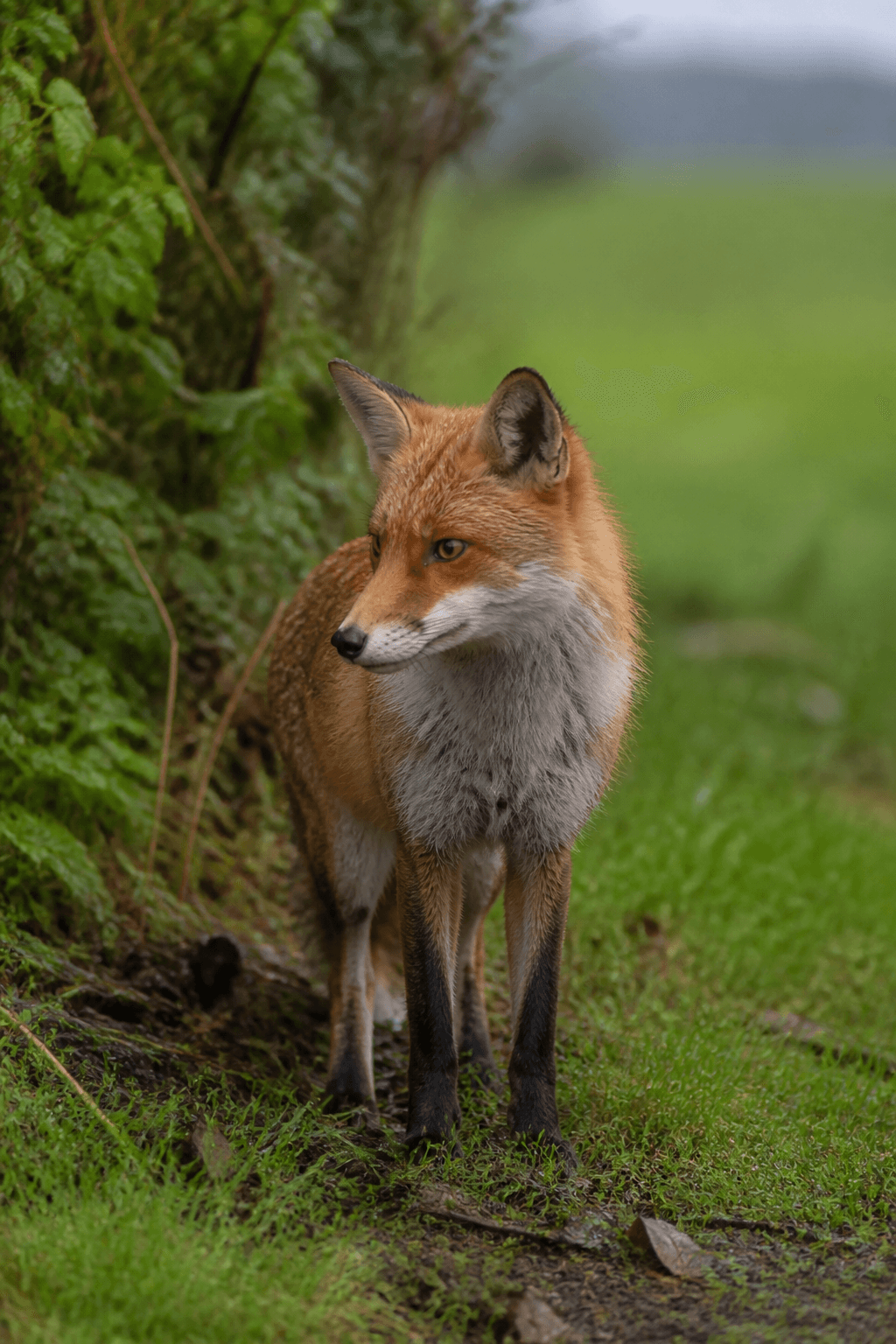
Red Fox
United Kingdom
Keep exploring
Related discoveries
- Domestic Dogcommon • Parks & Neighbourhoods
- Domestic Catcommon • Gardens & Streets
- House Sparrowcommon • Gardens & Cities
- Rock Pigeoncommon • Town Squares
- Mallardcommon • Ponds & Rivers
- Grey Squirrelcommon • Woodland & Parks
- Hedgehograre • Gardens & Hedgerows
- Robincommon • Gardens & Woodlands
- Blackbirdcommon • Gardens & Parks
- Blue Titcommon • Woodland & Gardens
- Magpiecommon • Woodland & Suburbs
- Wood Pigeoncommon • Farmland & Parks
- Barn Owlrare • Farmland & Barns
- Starlingcommon • Gardens & Farmland
- Carrion Crowcommon • Fields & Roadsides
- Herring Gullcommon • Coast & Harbours
- Otterrare • Rivers & Lakes
- Grey Heroncommon • Rivers & Wetlands
- European Rabbitcommon • Fields & Warrens
- Kingfishercommon • Rivers & Streams
- Dunnockcommon • Hedges & Shrubs
- Wrencommon • Gardens & Woodland
- Red Deerrare • Highlands & Forest
- Chaffinchcommon • Woodland & Gardens
- Puffinrare • Sea Cliffs
- Jackdawcommon • Churches & Rooftops
- Moorhencommon • Ponds & Reedbeds
- Grey Sealrare • Coastal Colonies
- Monarch Butterflycommon • Meadows & Gardens
- Honey Beecommon • Gardens & Meadows
- Bumblebeecommon • Gardens & Wildflowers
- Bottlenose Dolphincommon • Coastal Waters
- Common Frogcommon • Ponds & Gardens
- Octopuscommon • Rock Pools & Reef
- Red Squirrelcommon • Conifer Woodland
- Golden Eaglecommon • Mountains & Moorland
- Red Foxcommon • United Kingdom
Free on iOS
Catch the Badger
Spot one in the wild — then scan it in Catch'Um to log your rare discovery.