
Field guide · rare
Platypus
Nature's mash-up — a duck-billed, egg-laying, venomous mammal that confounded scientists when first discovered.
Near Threatened
Overview
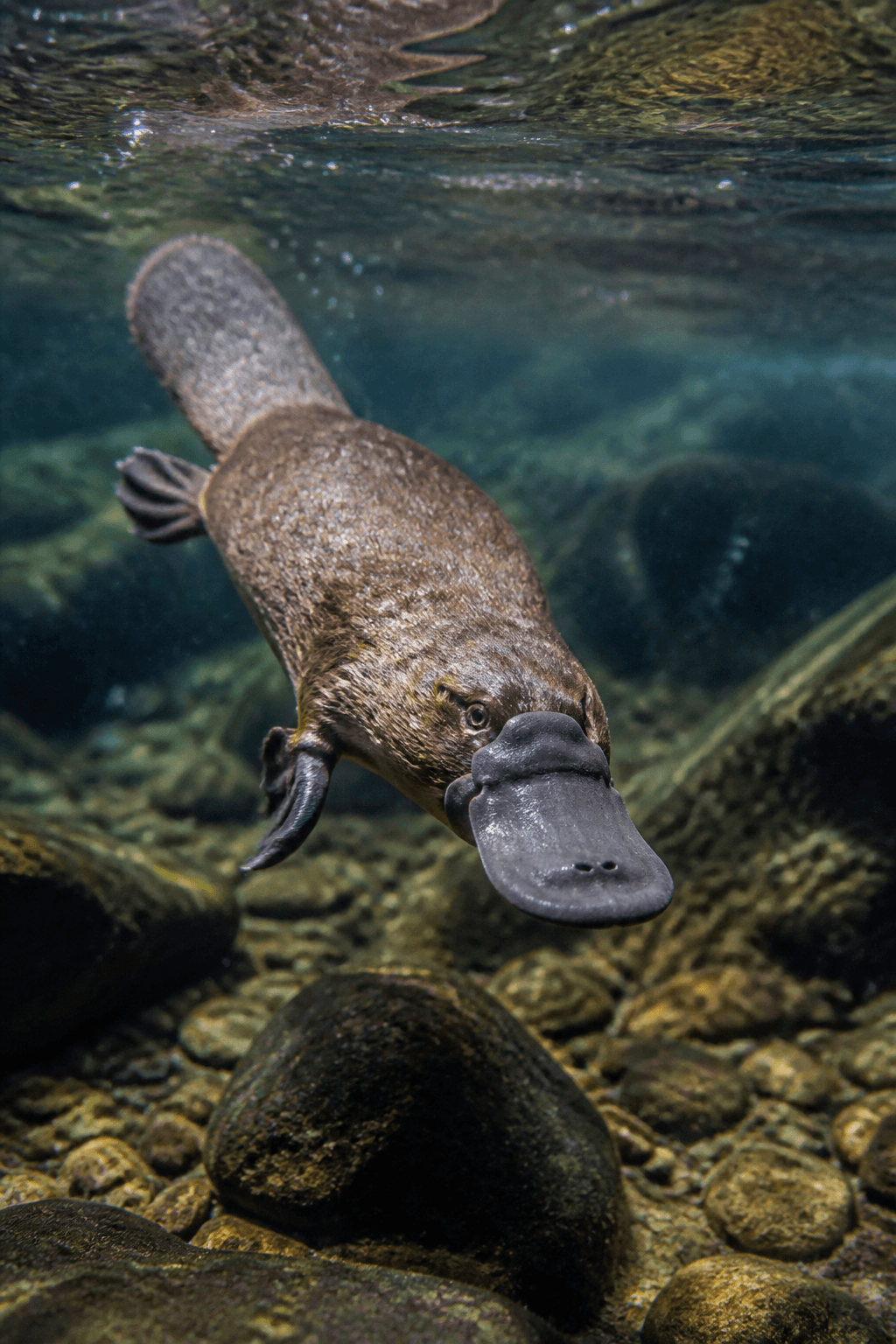
When European scientists first saw a platypus pelt, they assumed it was a hoax — a beaver tail sewn to a duck bill. In fact, the platypus is one of only five monotreme mammals, laying eggs and nursing young with milk despite being classified as a mammal.
Platypuses hunt underwater with eyes and ears closed, detecting prey through electroreceptors in their bill — sensing the tiny electrical signals from shrimp and insect larvae in stream mud. Males have venomous spurs on their hind legs.
Habitat
Freshwater streams, rivers, and lakes in eastern Australia and Tasmania hold platypuses. They need healthy banks for burrowing and unpolluted water with abundant invertebrate prey, and are most active at dawn and dusk.
Countries found
Interesting facts
- 01
Platypuses are one of only two egg-laying mammals — and males have venomous spurs.
- 02
They detect prey using electroreception — sensing electrical signals in the water.
- 03
Early scientists thought the first specimens were elaborate fakes.
Conservation status
Platypuses are Near Threatened, declining from drought, habitat loss, and entanglement in fishing gear. Eastern Australian populations have fallen sharply in recent decades.
Keep exploring
Where it lives
Related discoveries
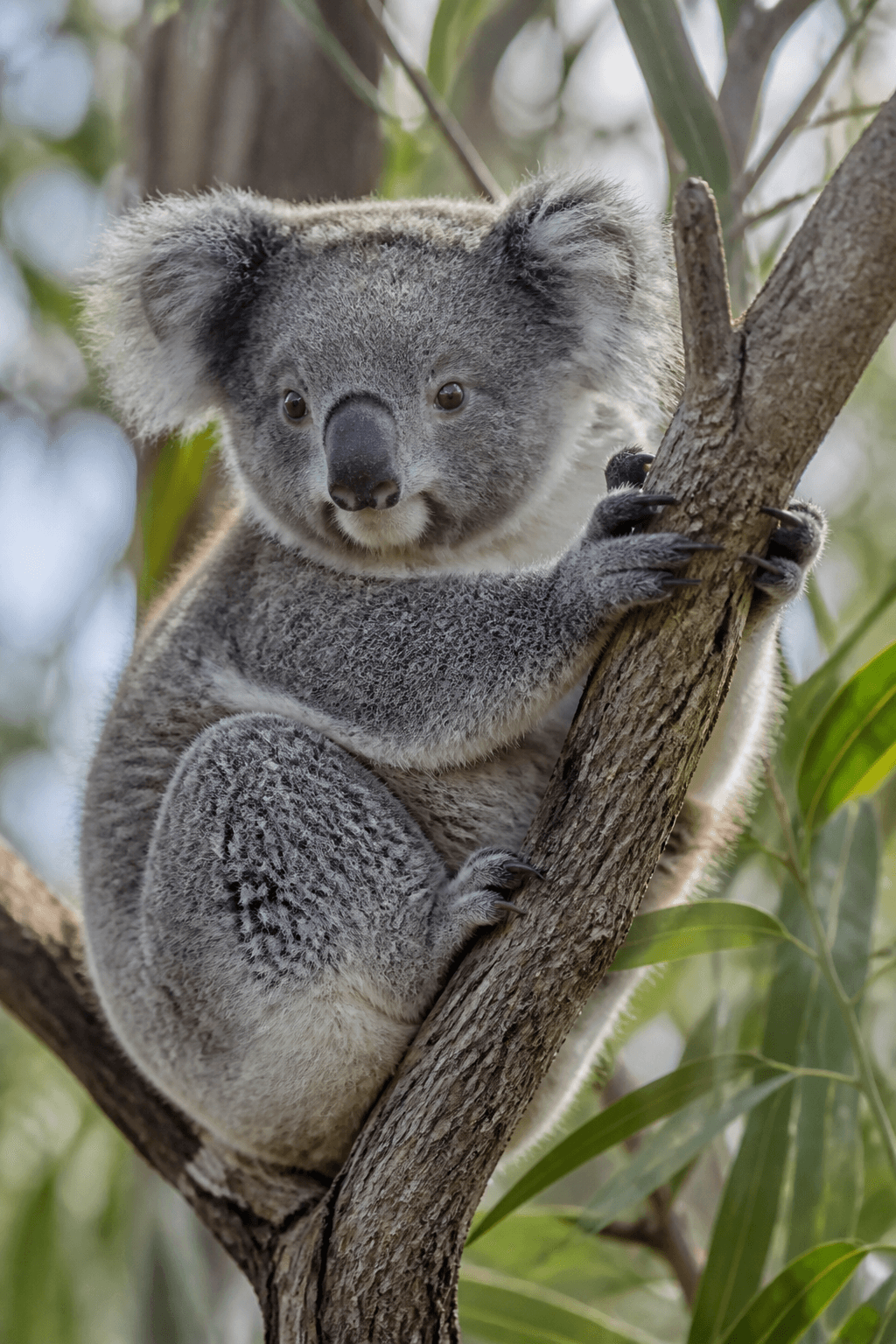
- Koalarare • Eucalyptus Forest
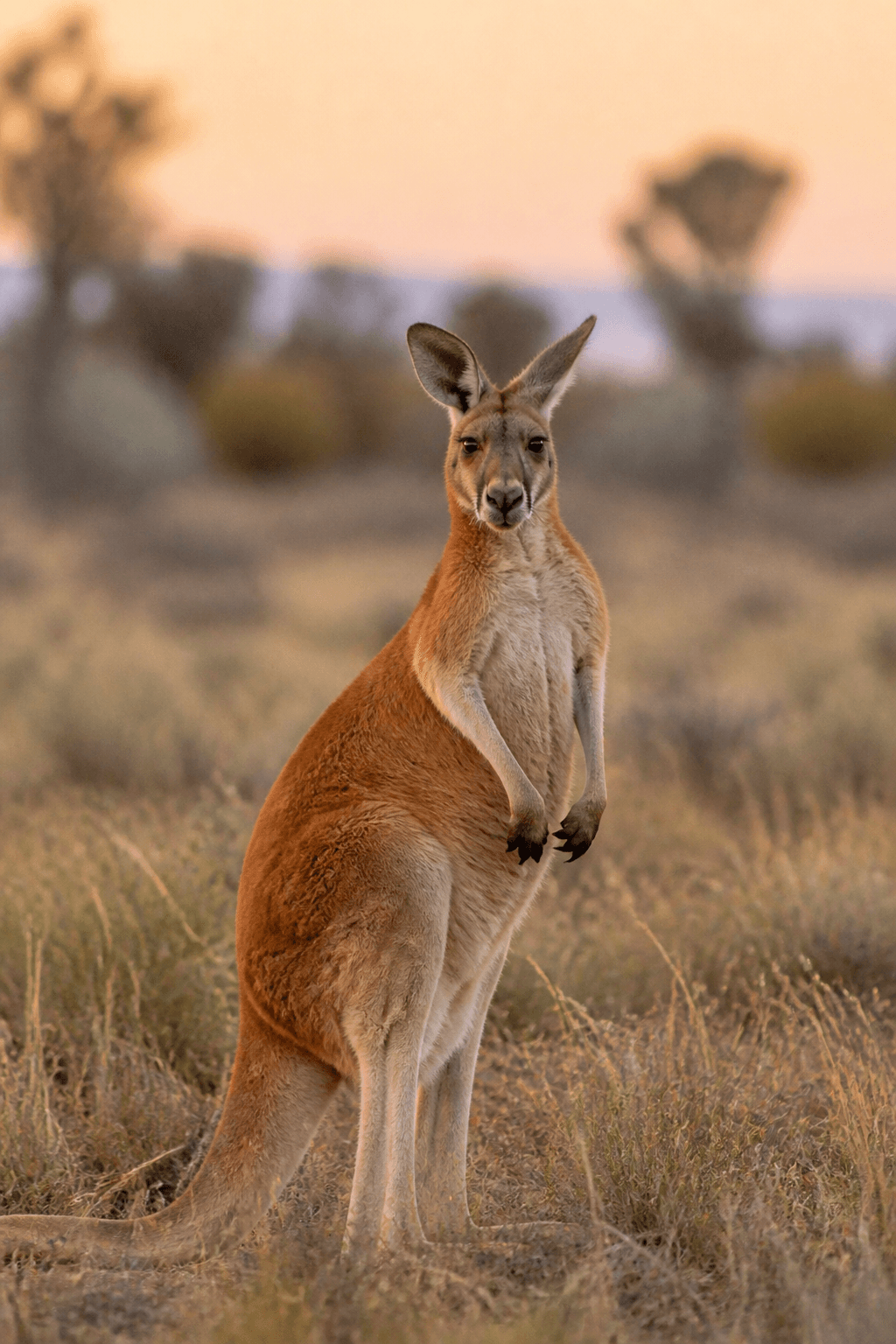
- Kangaroocommon • Outback & Grassland
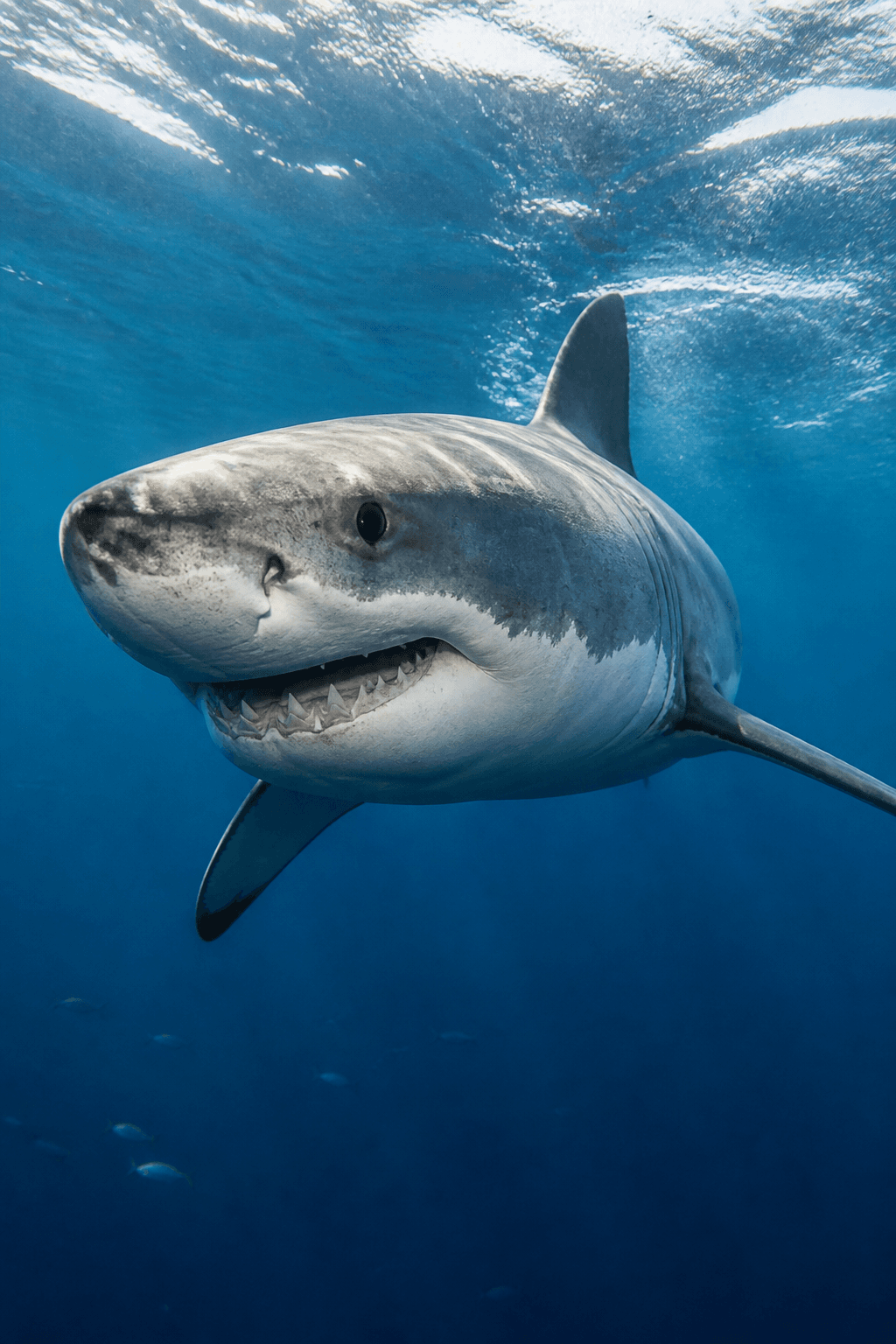
- Great White Sharklegendary • Coastal Ocean
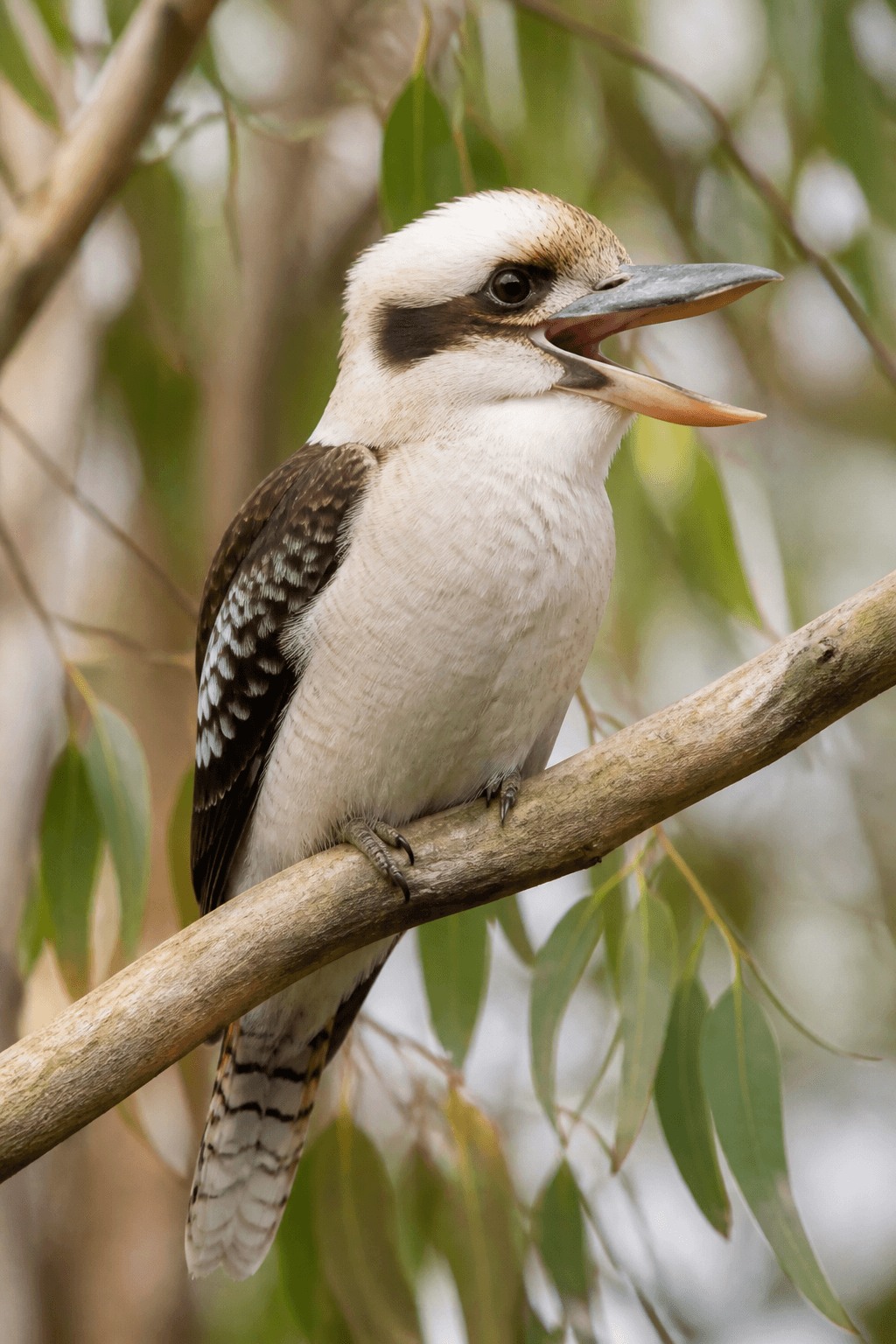
- Kookaburracommon • Eucalyptus Woodland
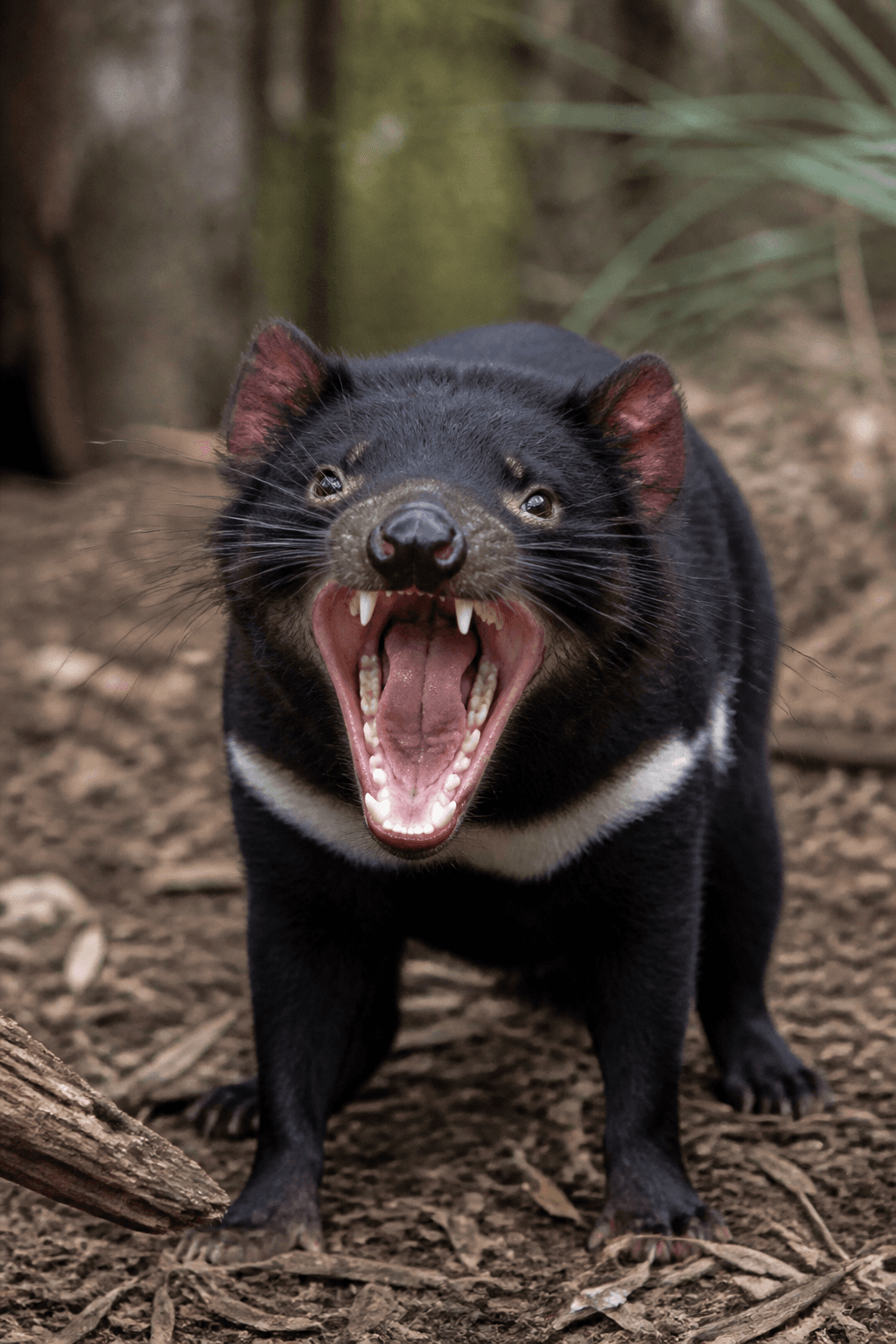
- Tasmanian Devilrare • Forest & Scrub
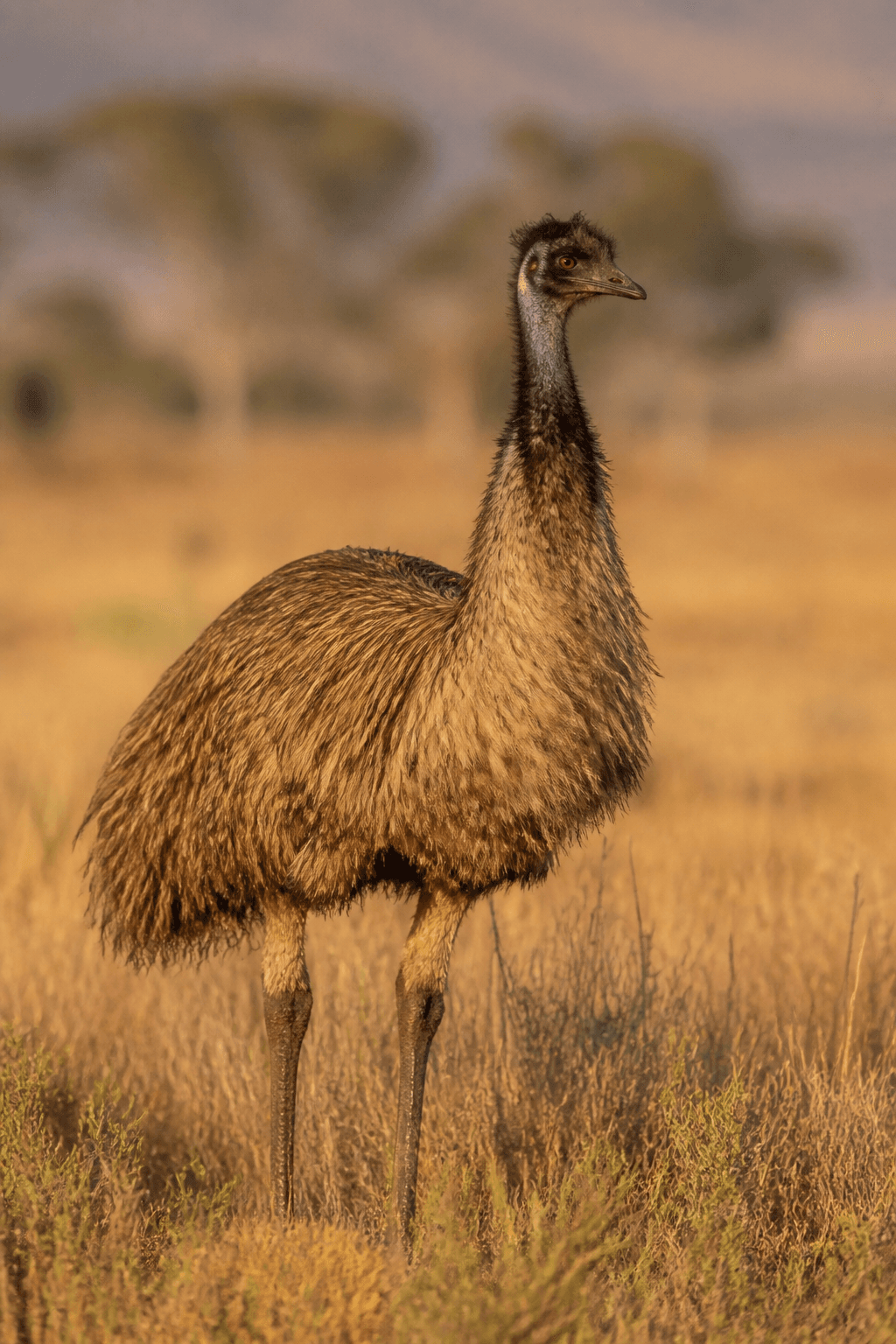
- Emucommon • Outback Grassland
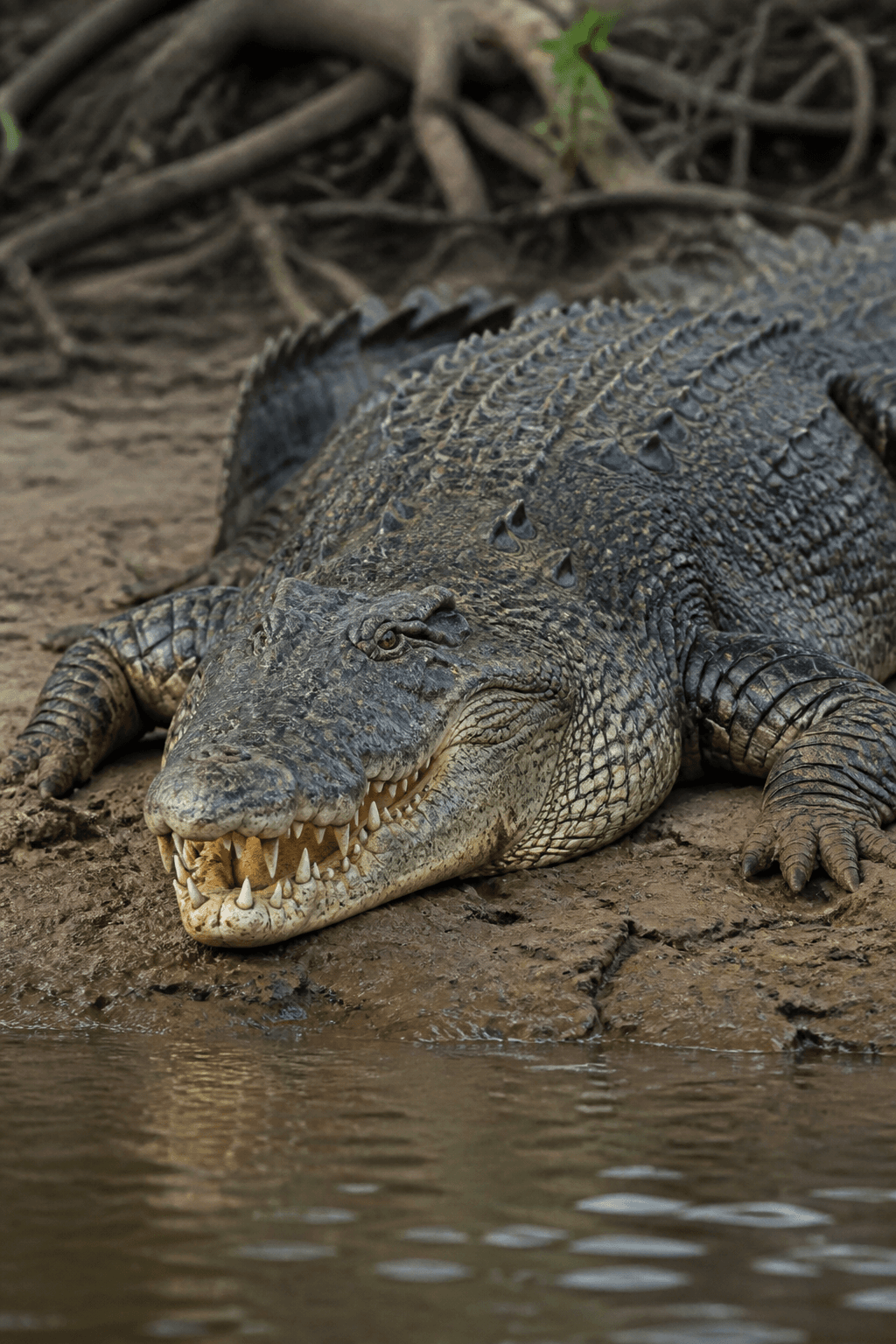
- Saltwater Crocodilelegendary • Estuaries & Coast
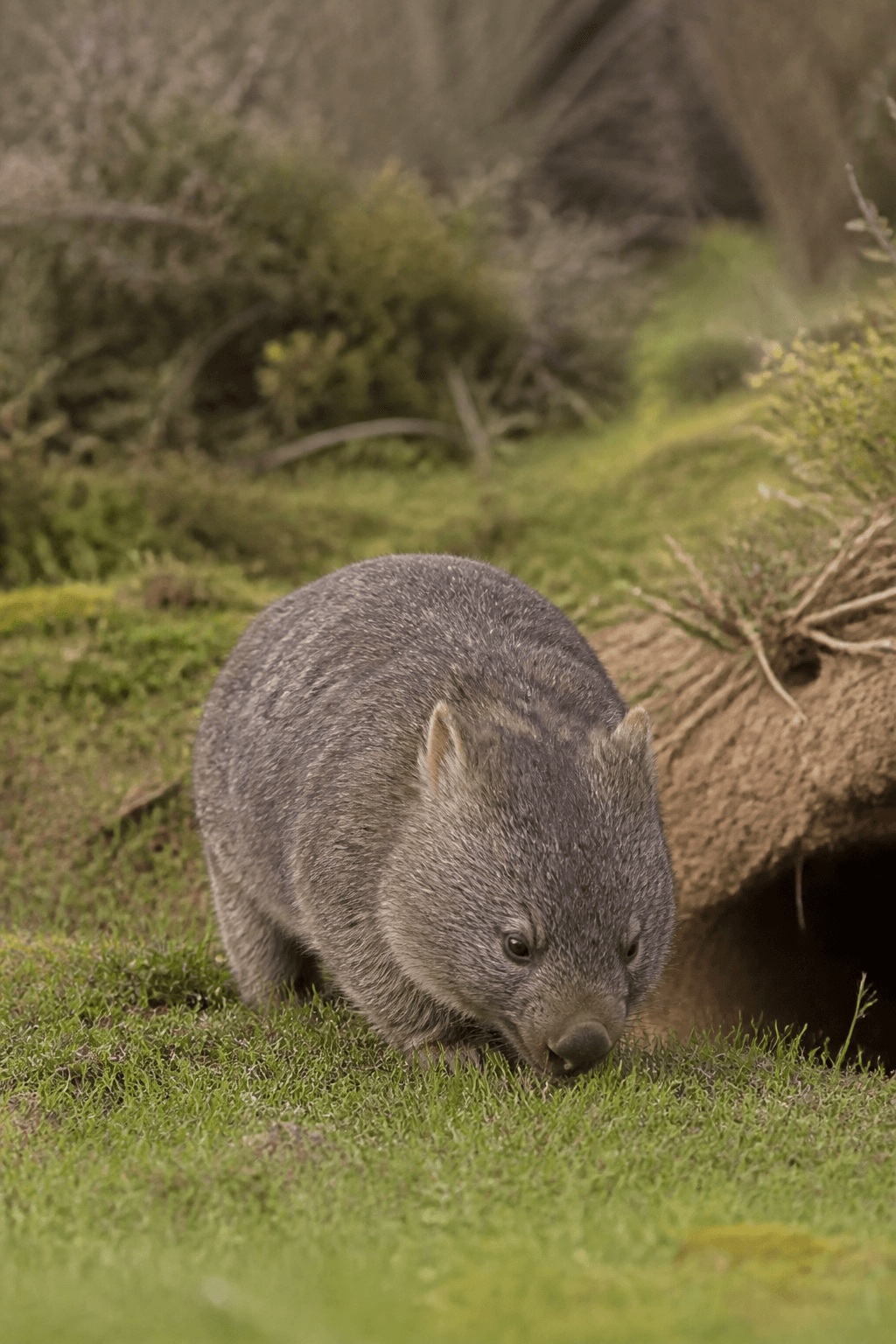
- Wombatcommon • Forest & Grassland
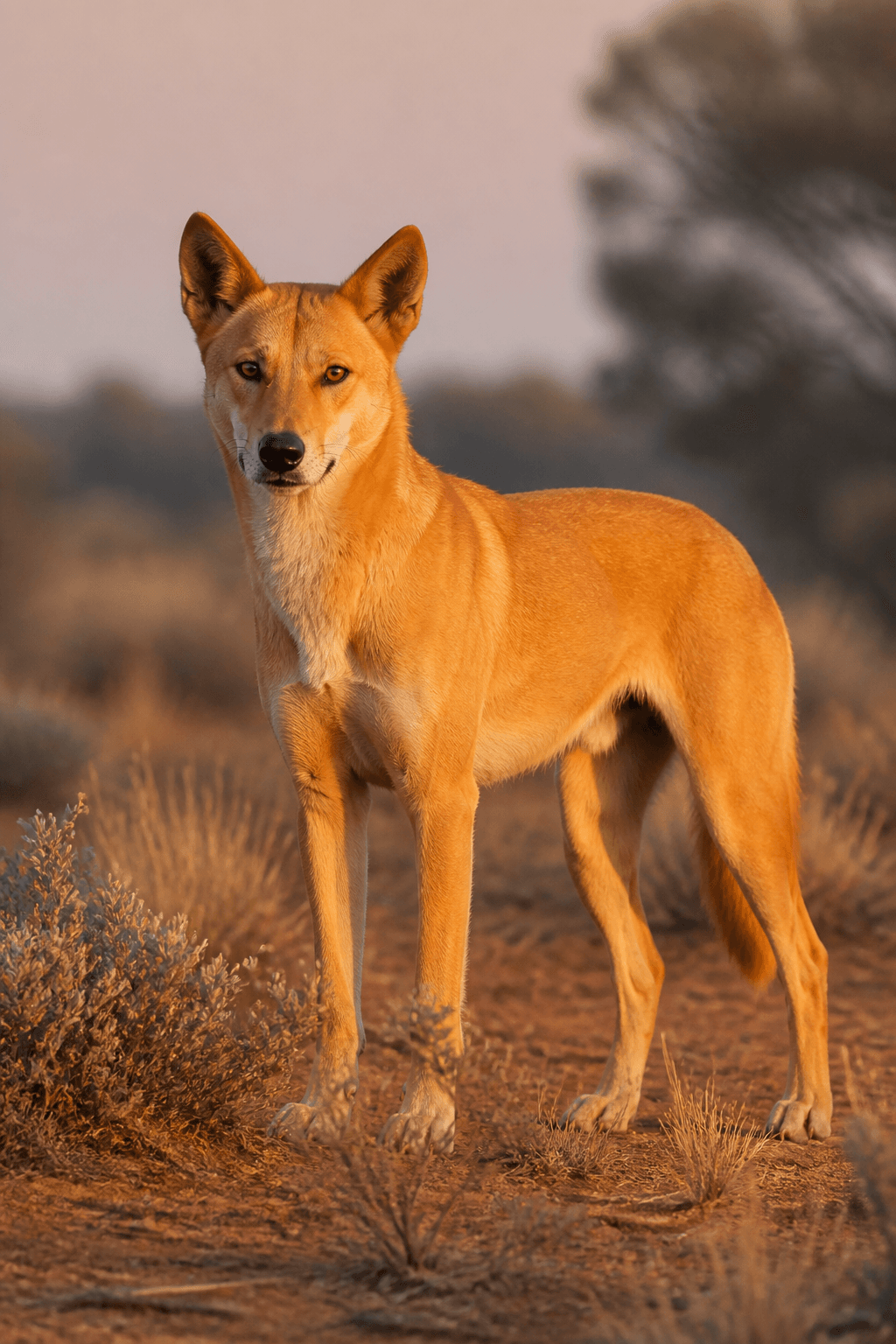
- Dingorare • Outback & Bush
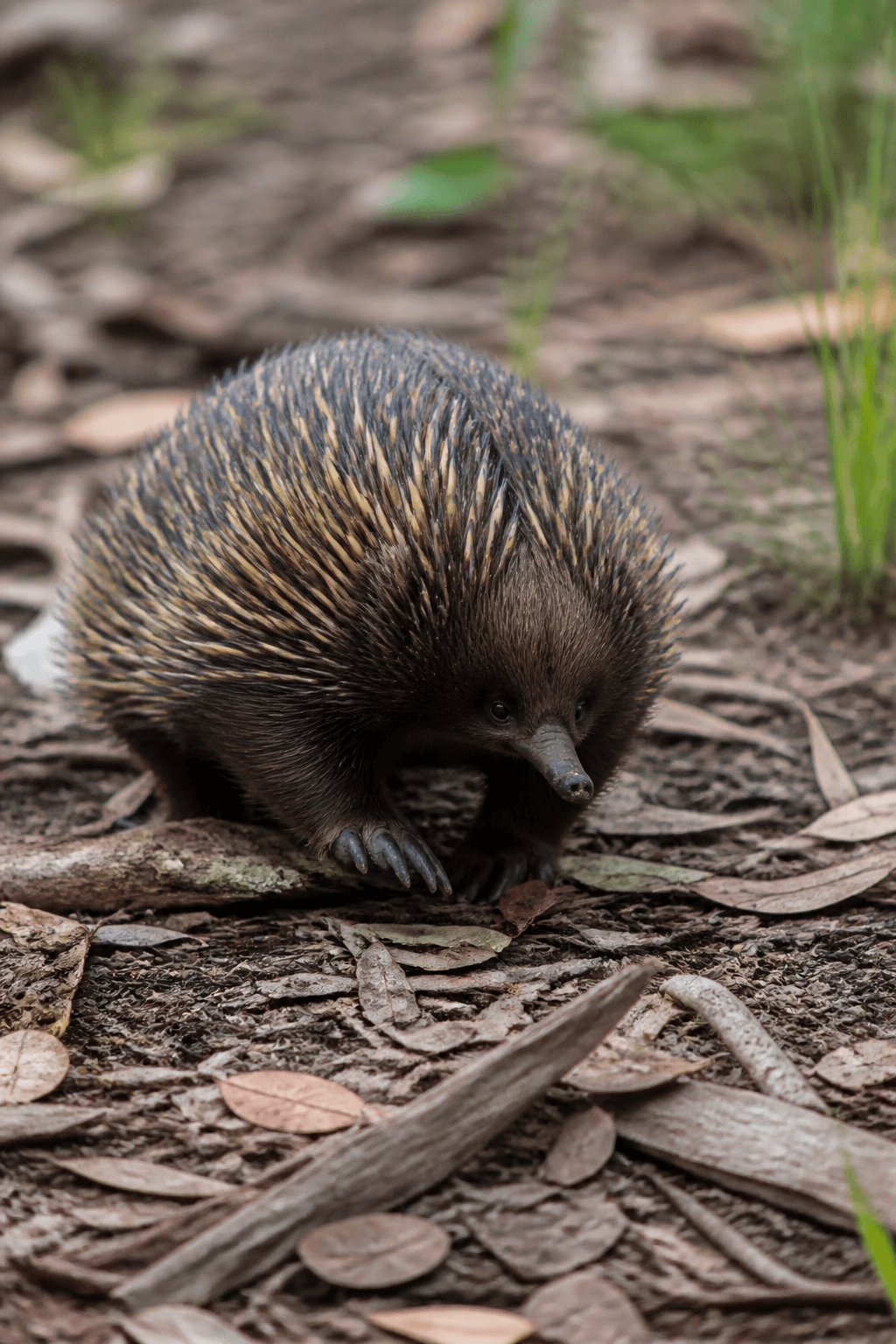
- Echidnacommon • Forest & Scrub
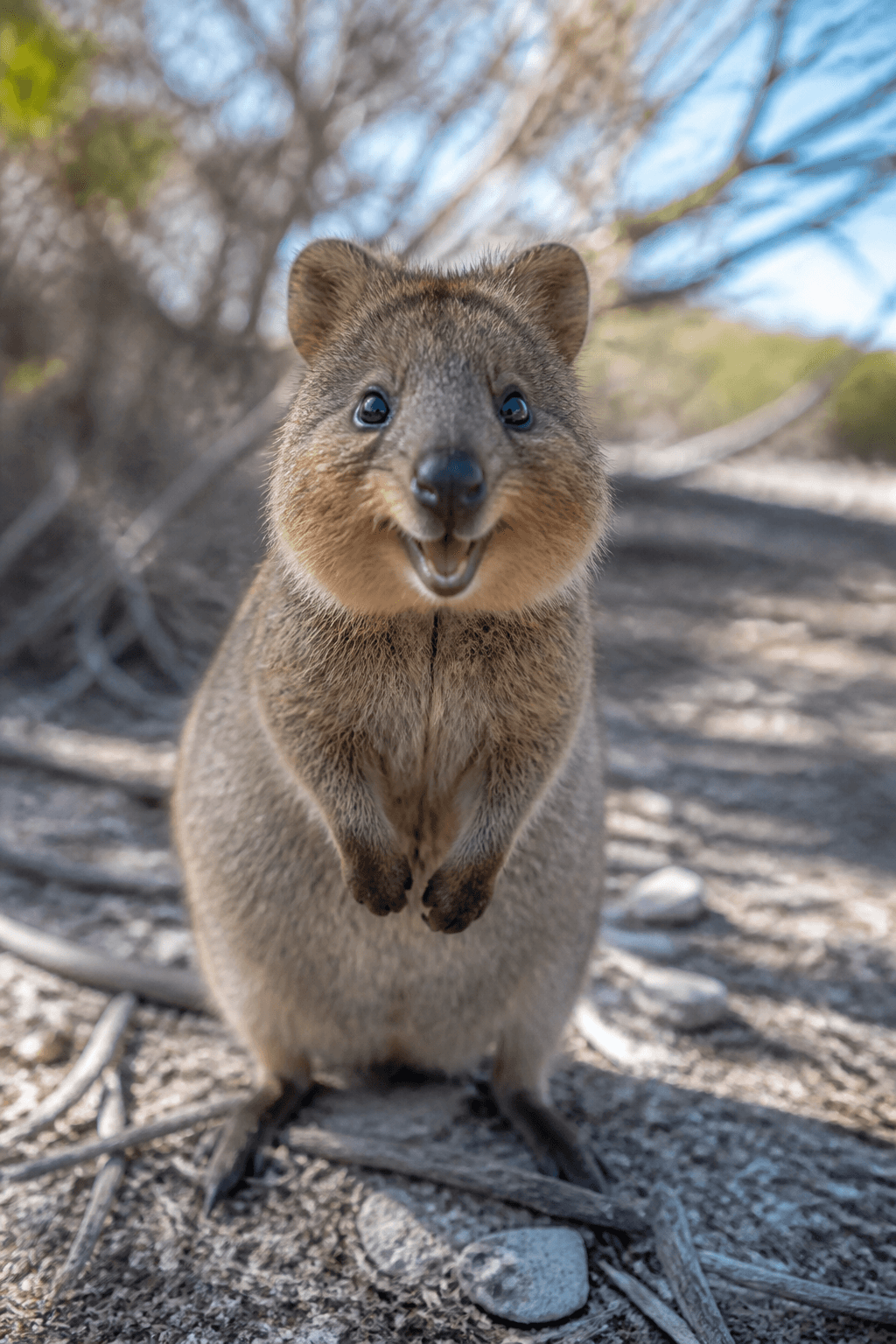
- Quokkacommon • Island Scrub
Free on iOS
Catch the Platypus
Spot one in the wild — then scan it in Catch'Um to log your rare discovery.