
Expedition 🇺🇸 United States
Honey Bee in United States
The garden hum — a social insect whose colonies pollinate crops and wildflowers and turn nectar into honey.
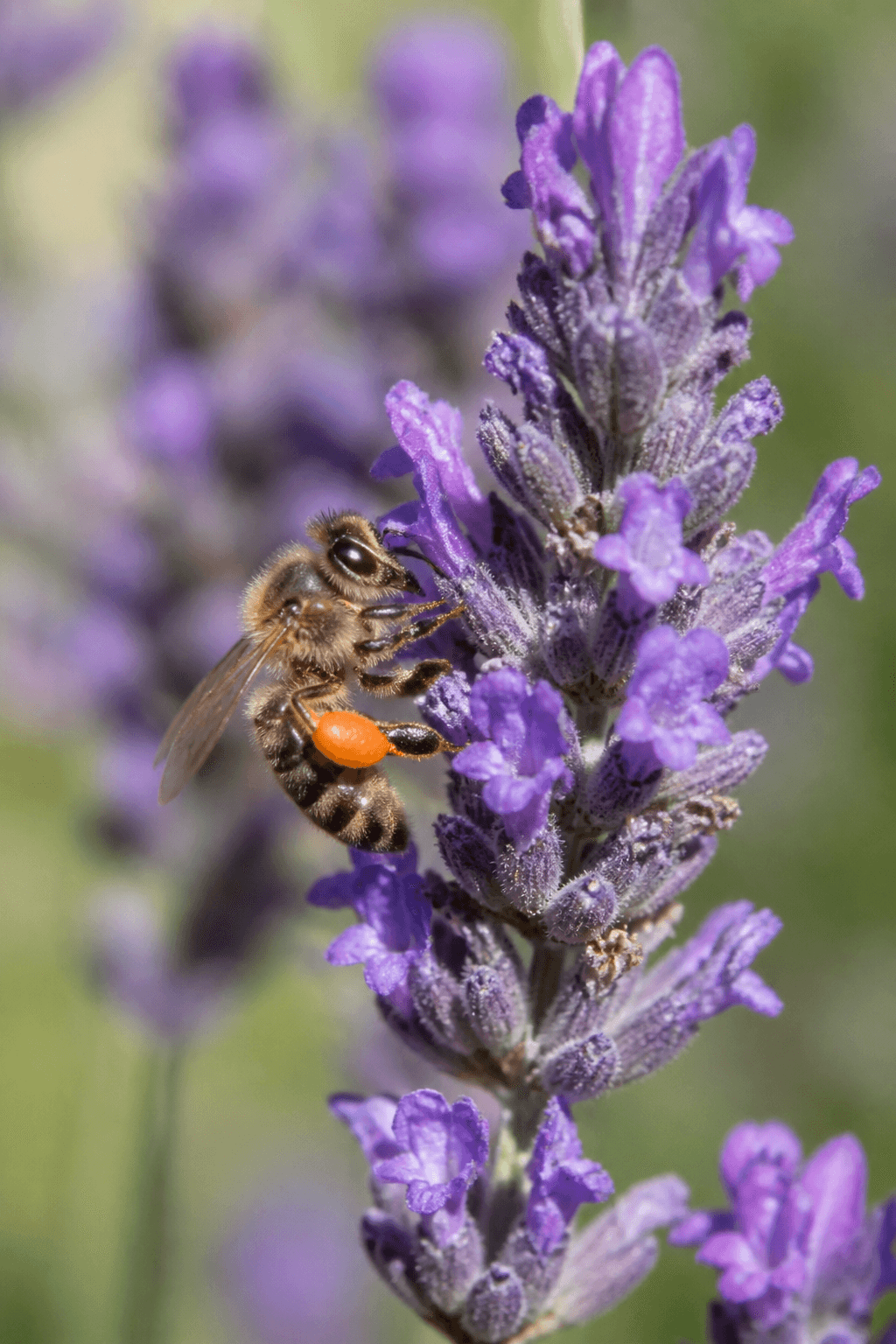
The species
The western honey bee is one of the world's most important pollinators and the only insect that produces food eaten by humans. A single colony may contain tens of thousands of workers, all daughters of one queen, visiting hundreds of thousands of flowers in a day.
Habitat in United States
Honey bees thrive wherever flowering plants bloom — gardens, meadows, orchards, and farmland across the UK, US, and much of the world. Wild colonies nest in tree cavities; managed hives are kept by beekeepers in gardens and apiaries.
Where to spot one
Central Park
New York City
Urban ponds for mallards, pigeons on the paths, and sparrows in every shrub — a compact starter loop in Manhattan.
Golden Gate Park
San Francisco
Lakes, meadows, and tree cover where common birds and park wildlife turn an afternoon stroll into a discovery session.
Suburban Park Systems
Nationwide
Local green spaces across the US — pond edges, playground perimeters, and dog-walking trails where the everyday species gather.
Neighbourhood Streets
Nationwide
Front gardens, fence lines, and café patios — where house cats watch from walls and sparrows squabble over crumbs.
Conservation status
Managed honey bee colonies face global declines from varroa mites, pesticides, and habitat loss, though the species itself remains widespread. Colony collapse disorder has raised concern across agriculture.
Keep exploring
Keep exploring
- Honey Beecommon • Gardens & Meadows
- United States49 species
- Domestic Dog in United StatesWhere to find it
- Domestic Cat in United StatesWhere to find it
- House Sparrow in United StatesWhere to find it
- Rock Pigeon in United StatesWhere to find it
- Mallard in United StatesWhere to find it
- Grey Squirrel in United StatesWhere to find it
- Bald Eagle in United StatesWhere to find it
- Northern Cardinal in United StatesWhere to find it
- American Robin in United StatesWhere to find it
- Great Horned Owl in United StatesWhere to find it
- Blue Jay in United StatesWhere to find it
- Mourning Dove in United StatesWhere to find it
- Eastern Gray Squirrel in United StatesWhere to find it
- White-tailed Deer in United StatesWhere to find it
- Raccoon in United StatesWhere to find it
- American Crow in United StatesWhere to find it
- Canada Goose in United StatesWhere to find it
- Bobcat in United StatesWhere to find it
- Eastern Cottontail in United StatesWhere to find it
- Red-winged Blackbird in United StatesWhere to find it
- Grizzly Bear in United StatesWhere to find it
- Opossum in United StatesWhere to find it
- Black-capped Chickadee in United StatesWhere to find it
- Wild Turkey in United StatesWhere to find it
- American Goldfinch in United StatesWhere to find it
- House Finch in United StatesWhere to find it
- Coyote in United StatesWhere to find it
- Turkey Vulture in United StatesWhere to find it
- European Rabbit in United StatesWhere to find it
- Monarch Butterfly in United StatesWhere to find it
- Bumblebee in United StatesWhere to find it
- Moose in United StatesWhere to find it
- Blue Whale in United StatesWhere to find it
- Bottlenose Dolphin in United StatesWhere to find it
- Flamingo in United StatesWhere to find it
- Wolf in United StatesWhere to find it
- Mountain Lion in United StatesWhere to find it
- Armadillo in United StatesWhere to find it
- Manatee in United StatesWhere to find it
- Alligator in United StatesWhere to find it
- Sea Otter in United StatesWhere to find it
- Bison in United StatesWhere to find it
- Hummingbird in United StatesWhere to find it
- Snowy Owl in United StatesWhere to find it
- Great White Shark in United StatesWhere to find it
- Octopus in United StatesWhere to find it
- Sea Turtle in United StatesWhere to find it
- Golden Eagle in United StatesWhere to find it
Free on iOS
Log the Honey Bee in United States
Spot one in the wild — scan it in Catch'Um to log your common discovery.